15 Games Banned in Certain Countries
By their very nature, video games challenge players with novel experiences and perhaps contentious material. Some countries take more drastic steps when games violate local laws, cultural norms, or political sensitivities, even though the majority of countries have rating systems to help users. The social atmosphere of a nation can be inferred from these prohibitions just as much as the sports themselves.
This is a list of 15 well-known video games that were completely prohibited in a number of different nations worldwide.
Grand Theft Auto Series

Australia’s former classification system lacked an R18+ rating, leading to multiple GTA titles being banned there, particularly GTA III and San Andreas. The interactive nature of the violence, drug use, and adult content pushed beyond what the MA15+ rating could accommodate, forcing publishers to create censored versions for the Australian market.
Germany also banned several early titles in the series until modified versions removed certain violent elements, highlighting how different countries draw their censorship lines in different places.
Manhunt 2
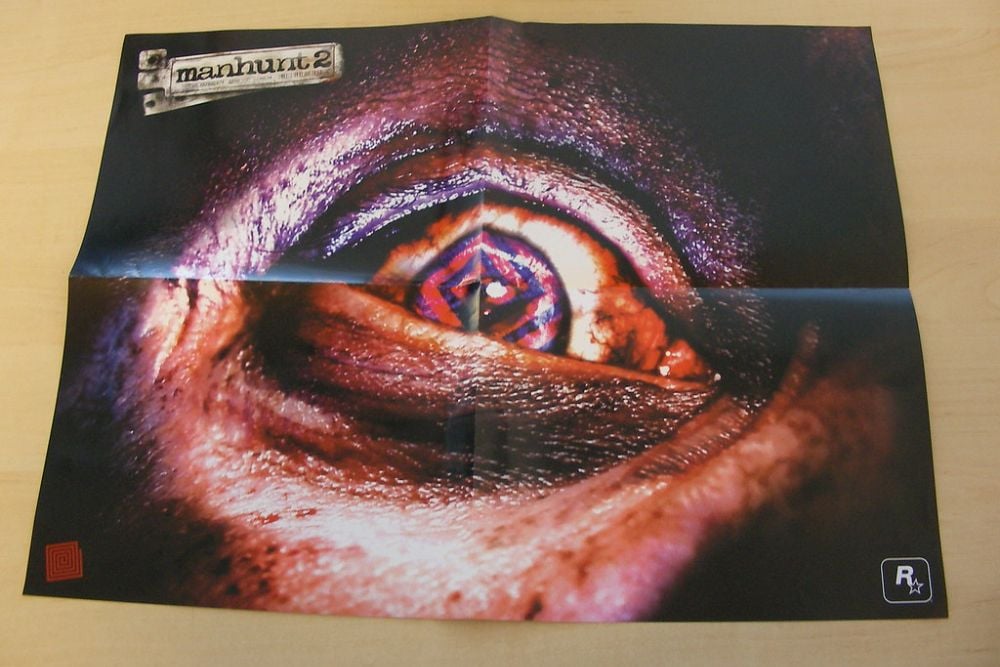
The ultra-violent stealth horror game was initially banned in the UK, Ireland, Italy, and Australia due to its graphic depictions of execution-style kills. The UK’s ban marked the first time in a decade that the British Board of Film Classification had completely refused to classify a video game, effectively making it illegal to sell.
Developer Rockstar eventually released a heavily censored version with blurred execution scenes and removed some of the most graphic content to secure an M rating in most countries.
Like Go2Tutors’s content? Follow us on MSN.
Postal 2
This deliberately provocative first-person shooter became notorious for encouraging players to commit acts of extreme violence against innocent civilians. New Zealand made possession of the game punishable by up to ten years in prison or a fine of NZ$50,000, classifying it alongside the worst forms of illegal pornography.
Australia, Germany, Malaysia, and several other countries also banned it, citing concerns that the game’s nihilistic approach to violence could trigger real-world copycat incidents.
Wolfenstein Series
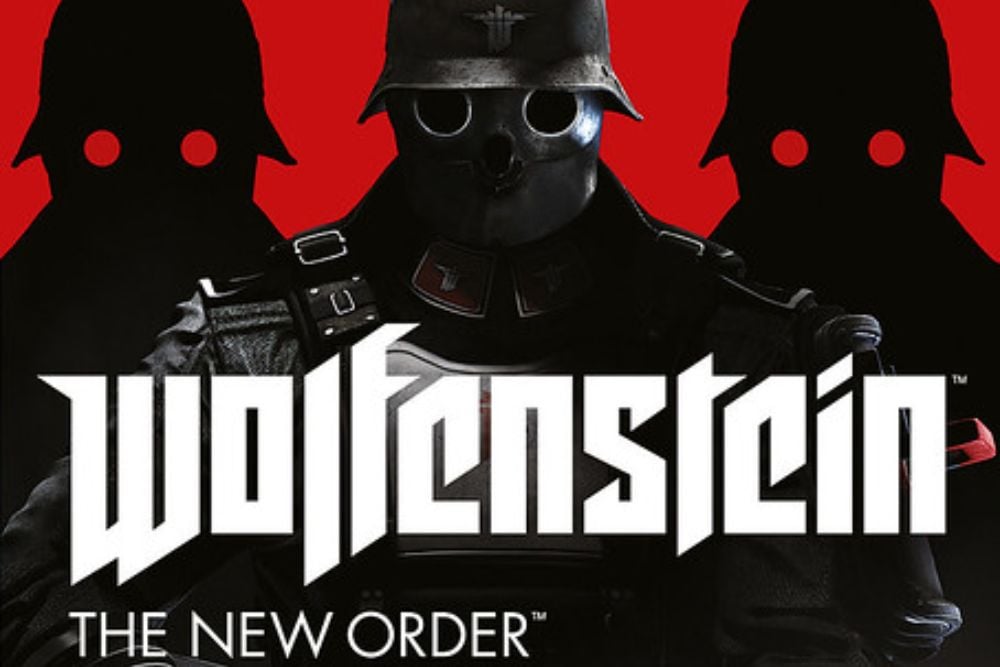
Germany’s strict laws regarding Nazi symbolism led to numerous Wolfenstein games being banned or heavily censored in the country. The games’ depiction of swastikas, Hitler portraits, and other Third Reich imagery violated the German criminal code, which prohibits the display of such symbols outside educational or historical contexts.
Developers eventually created ‘German editions’ that replaced swastikas with triangular symbols and removed Hitler’s mustache, though Germany has somewhat relaxed these restrictions in recent years.
Omega Labyrinth Z
This dungeon crawler RPG was banned in the UK, Australia, Germany, and New Zealand due to its suggestive content involving characters who appeared underage. The UK’s Video Standards Council took the rare step of refusing classification, stating that the game’s focus on intimate activities with characters of questionable age violated guidelines designed to protect minors.
The publisher ultimately canceled the Western release entirely rather than attempting to modify the content.
Like Go2Tutors’s content? Follow us on MSN.
Battlefield 4

China banned DICE’s military shooter because its plot revolved around a fictional Chinese admiral attempting a coup against the government. Chinese officials claimed the game ‘smeared China’s image’ and presented a threat to national security by suggesting the possibility of internal political instability.
The ban extended beyond the game itself, with Chinese authorities also blocking all related websites and social media discussions about the title.
Carmageddon
This vehicular combat game rewarded players for running over pedestrians, earning it a bans in Brazil, Germany, and the UK upon its initial release. The game’s developers created alternate versions, replacing human pedestrians with zombies with green blood or robots with oil instead of blood to satisfy censors in various countries.
The controversy surrounding the game actually boosted its popularity, demonstrating the ‘Streisand effect’ where attempted censorship increases public interest.
Command & Conquer: Generals
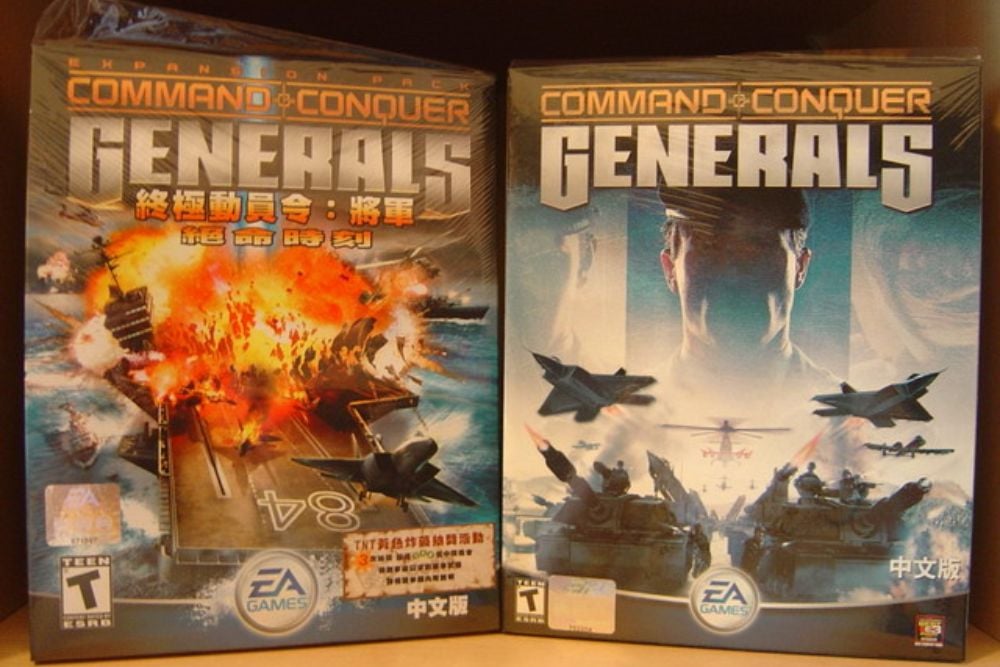
China banned this real-time strategy game because it portrayed the Chinese military as a rogue force willing to use nuclear, chemical, and biological weapons to achieve its goals. The game’s storyline depicted terrorist attacks on Chinese soil and suggested internal weakness in Chinese defense systems.
South Korea also temporarily blocked the game due to a mission involving the destruction of the capital city, Seoul, which struck too close to real-world regional tensions.
Like Go2Tutors’s content? Follow us on MSN.
Mortal Kombat (2011)

The ninth main installment in the fighting series was banned in Australia, South Korea, and several Middle Eastern countries due to its graphic fatalities and brutality. Australia refused classification because the game’s extreme violence went beyond its MA15+ rating category, which was the highest available at the time.
The game’s realistic depictions of spine-ripping, decapitations, and other gruesome finishing moves proved too intense for many countries’ standards, forcing Warner Bros. to release a toned-down version in some regions.
The Guy Game
This adult trivia game was banned worldwide after it was discovered that one of the women featured in its ‘Girls Gone Wild’ style footage was only 17 years old at the time of filming. The model sued the developers, resulting in a court injunction against the game’s sale.
This marks one of the few global bans based on legal rather than moral concerns. The game stands as a cautionary tale about the risks of including real people in video game content without proper age verification.
Pokémon Trading Card Game

In 2001, Saudi Arabia outlawed the Pokémon trading card game on the grounds that it violated Islamic teachings by endorsing Zionism, gambling, and evolution theory. Religious leaders cited the idea of Pokémon evolution and the Star of David-like emblems on some cards as especially troubling aspects.
Video games were also prohibited in some areas, though enforcement differed, demonstrating how even seemingly innocuous kids’ amusement may conflict with religious beliefs.
Like Go2Tutors’s content? Follow us on MSN.
Football Manager 2005
China banned Sports Interactive’s management simulation because it recognized Tibet and Taiwan as independent countries in its team selection menus. The geopolitical implications of these territorial designations were deemed unacceptable by Chinese authorities, who consider both regions to be part of China.
The developers modified later versions of the game to reflect China’s territorial claims in order to access the massive Chinese gaming market.
Bully
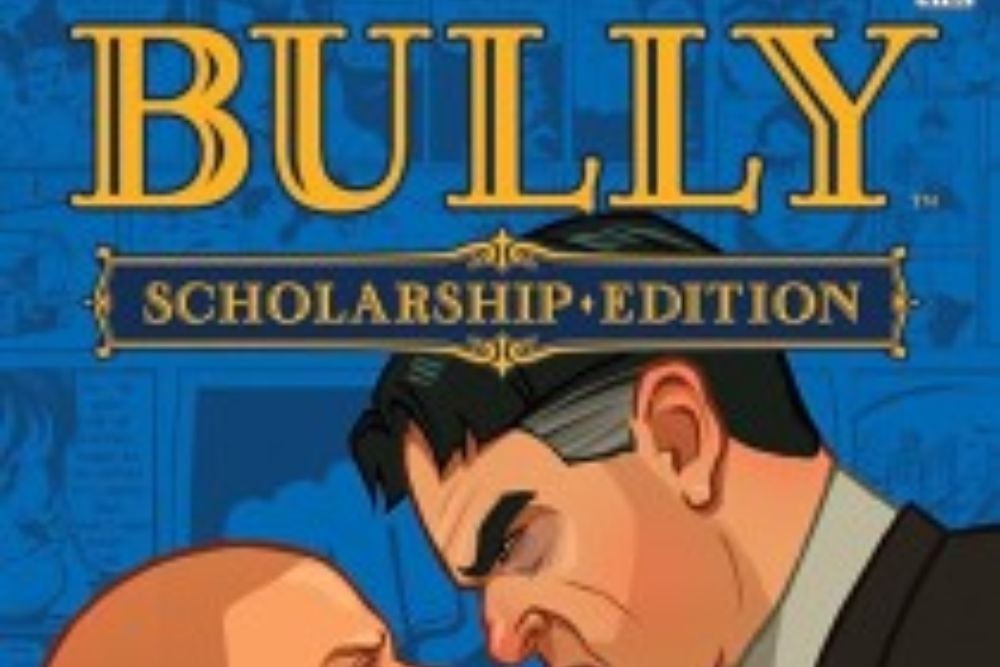
Brazil banned Rockstar’s school-based adventure game over concerns it would negatively influence children’s behavior in educational environments. The country’s justice system determined that the game’s premise of playing as a troublemaking student could potentially encourage bullying and disrespect toward teachers.
This ban illustrated how a game’s setting can sometimes prove more controversial than its actual content, as Bully contained less violence than many other freely available titles.
Mass Effect
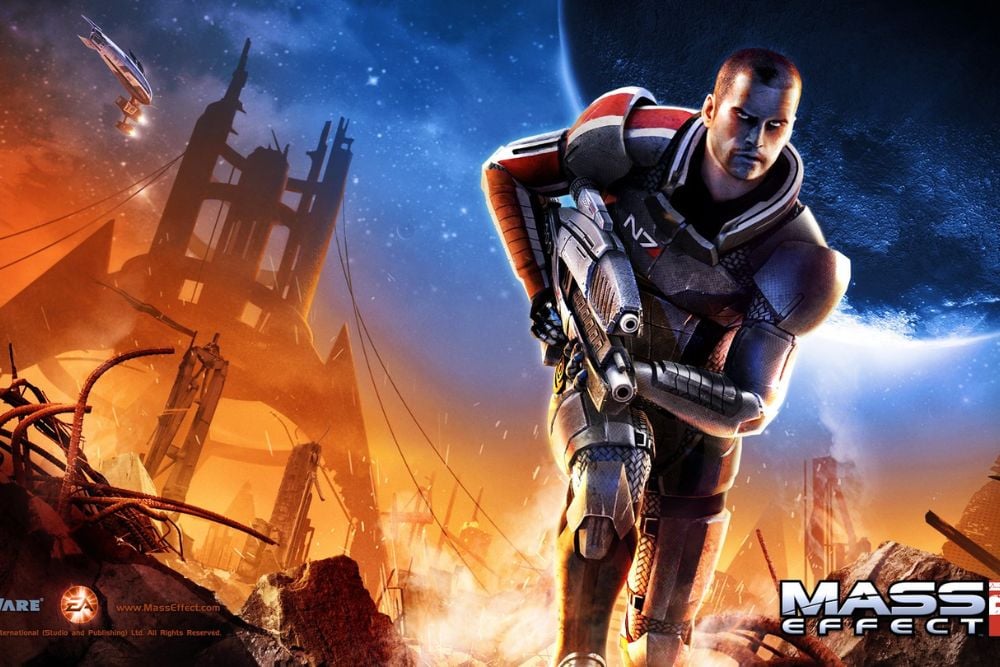
Singapore initially banned the original Mass Effect due to a brief optional scene depicting a romantic encounter between a female protagonist and a female alien character. After public outcry, the city-state eventually allowed a version of the game with an M18 rating, marking one of the first times Singapore had reconsidered a ban based on LGBT content.
The situation highlighted evolving attitudes toward mature content in games and the power of consumer advocacy.
Like Go2Tutors’s content? Follow us on MSN.
Valkyrie Drive: Bhikkhuni
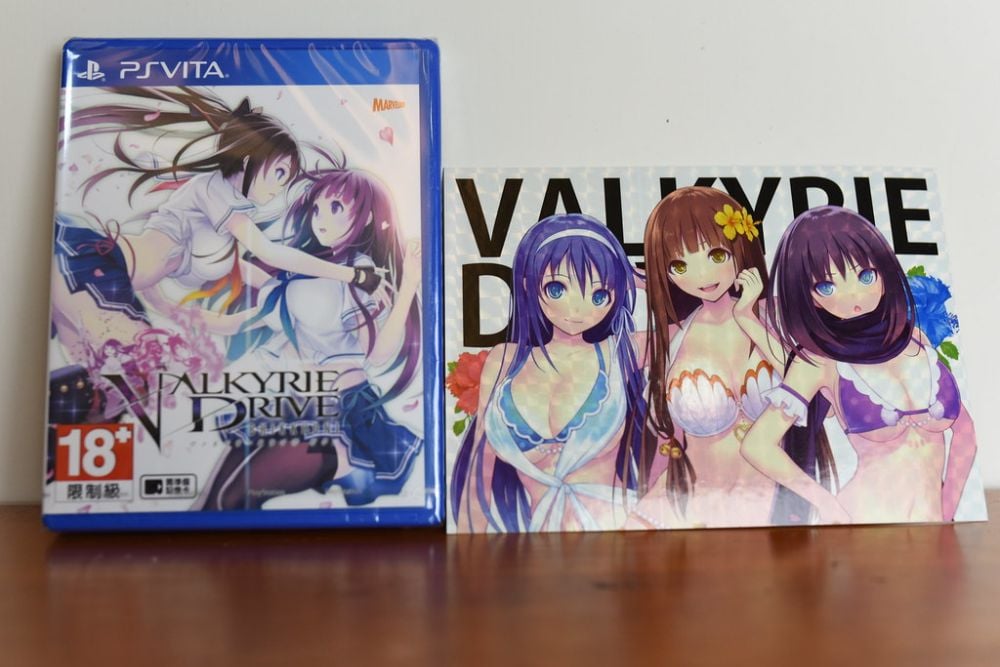
This Japanese action game featuring young women who transform into weapons through intimate physical contact was banned in Australia, Germany, and several Middle Eastern countries. Censors cited the game’s suggestive content involving apparently underage characters and its combat mechanics as crossing legal and cultural red lines.
The ban showcased how different cultural attitudes toward certain types of content, particularly involving young-looking characters, impact game availability across regions.
Gaming Across Borders
These banned games illustrate the complex intersection of entertainment, cultural values, and governmental control. What’s acceptable in one country may be illegal in another, forcing developers to choose between artistic vision and global market access. As gaming continues to mature as a medium, these cross-cultural conflicts reveal the significant role video games now play in shaping and reflecting societal values.
The future likely holds more nuanced approaches to game regulation as countries develop more sophisticated rating systems and as digital distribution makes traditional bans increasingly difficult to enforce. Meanwhile, controversy itself has become a marketing tool, with some developers deliberately courting bans to generate publicity, turning censorship into just another game to be played.
More from Go2Tutors!

- 18 Unexpectedly Valuable Collectibles You Might Have Lying Around
- 15 Things Every Teenager in the ’70s Did That Teens Today Wouldn’t Understand
- 15 Strange Things People Have Tried to Ban (And Failed)
- 15 Inventions That Were Immediately Banned After Being Created
- 20 Actors Who Were Almost Cast in Iconic Roles
Like Go2Tutors’s content? Follow us on MSN.