15 Games That Teach Life Skills
Games often get a bad reputation as just a way to pass time. But the truth is, a lot of games, whether played on a board, a screen, or in a backyard, quietly teach lessons that stick for life.
So here is a list worth bookmarking. These games do more than entertain; they shape how people think, plan, communicate, and bounce back from setbacks.
Chess
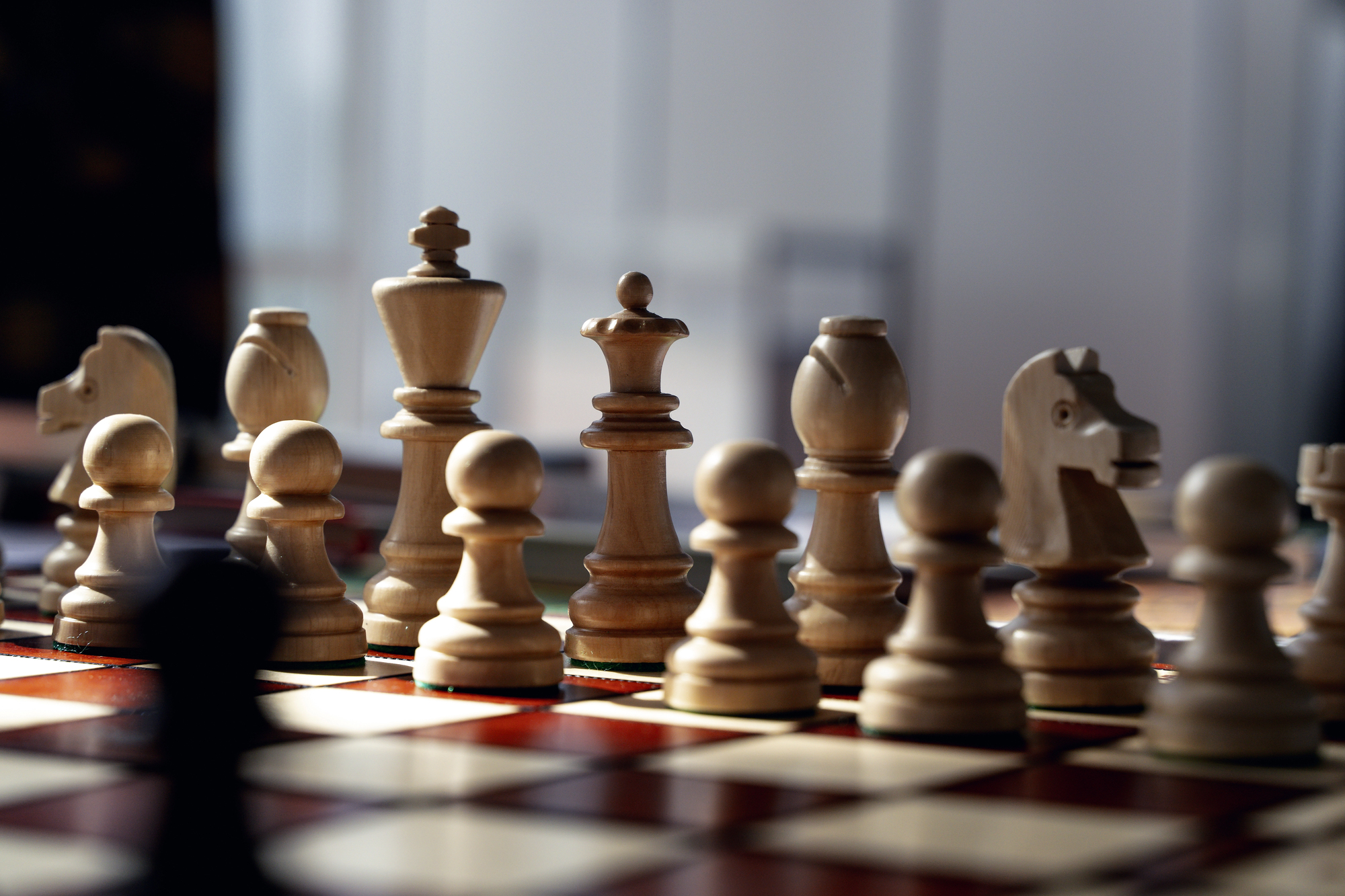
Chess teaches patience in a way that very few activities can match. Every move has a consequence, and rushing almost always leads to a loss.
Players learn to think several steps ahead, weigh options carefully, and stay calm under pressure. It is not just a game about pieces on a board; it is a lesson in strategic thinking that carries over into real decisions at school, work, and beyond.
Monopoly
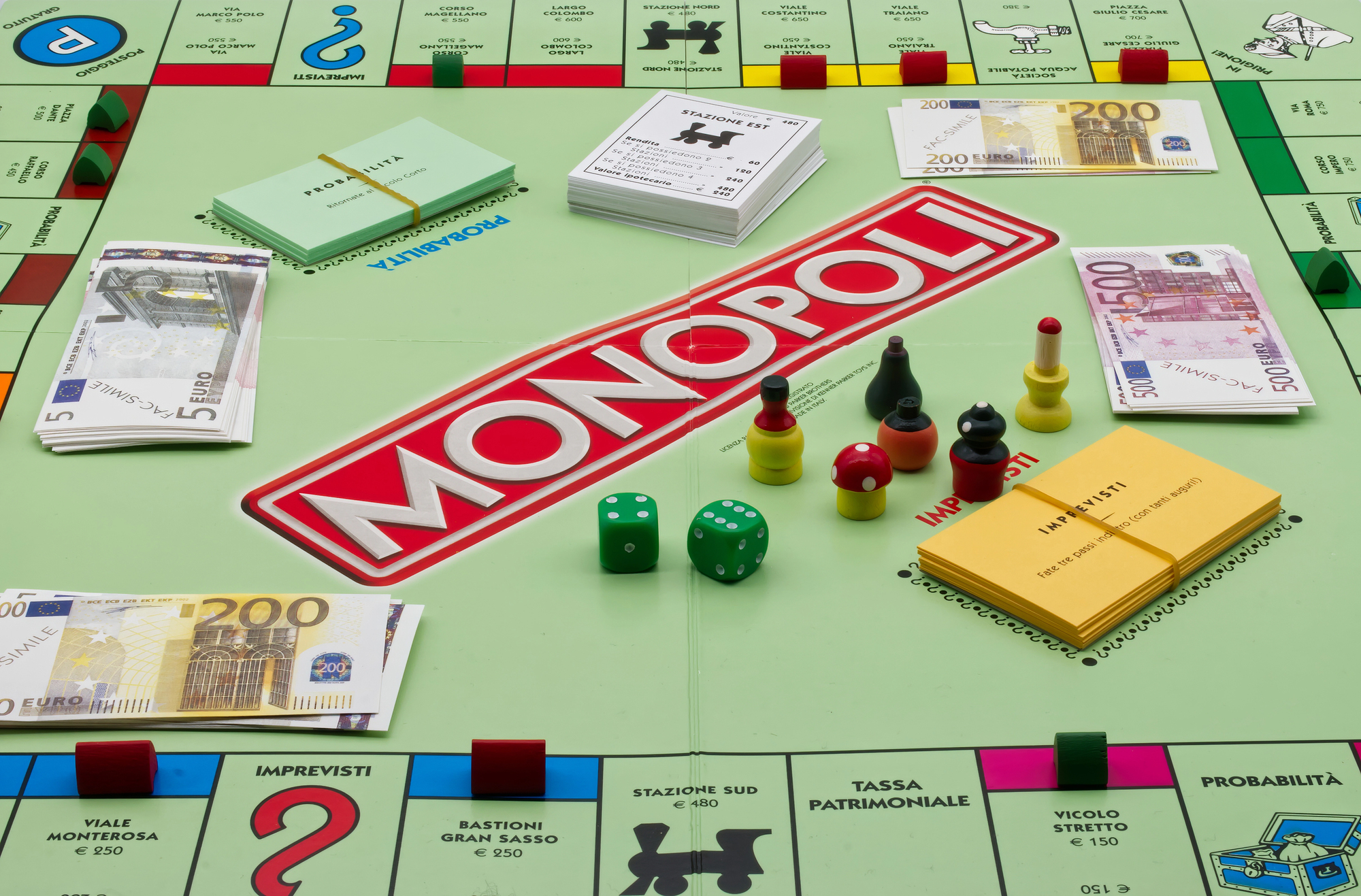
Monopoly puts money management front and center. Players buy properties, collect rent, manage cash flow, and sometimes go bankrupt, all in one sitting.
It teaches the basics of budgeting, negotiation, and risk. Watching a player hold onto cash too tightly or overspend too early gives a clear picture of how financial choices play out over time.
Minecraft
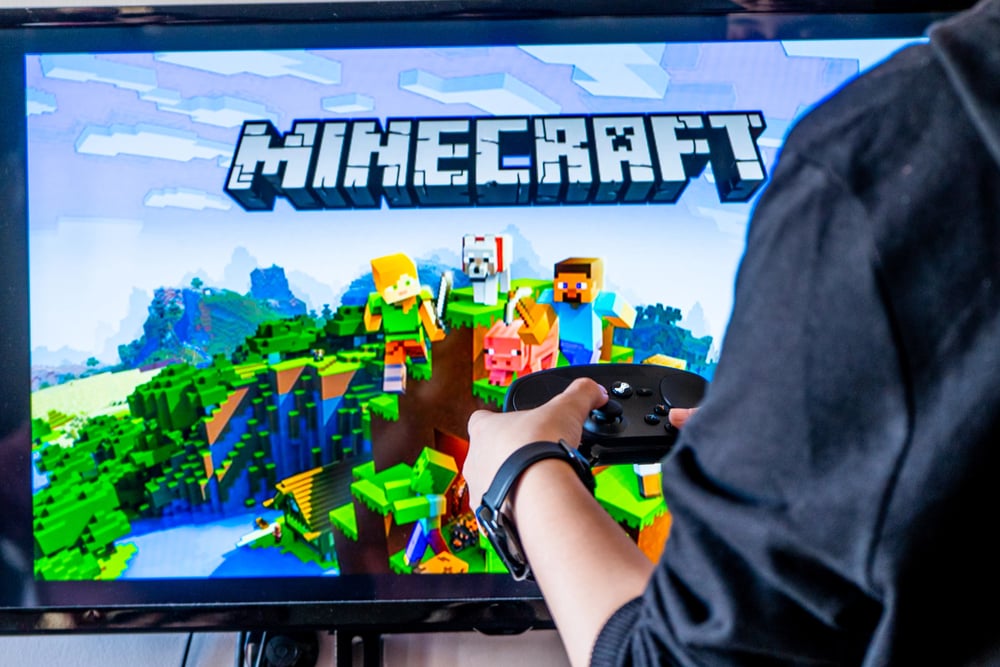
Minecraft drops players into an open world with almost no instructions. They have to gather resources, build shelter, manage supplies, and survive.
That process builds problem-solving skills and creative thinking at the same time. Kids and adults alike learn that persistence and planning matter more than luck in getting something done.
Scrabble
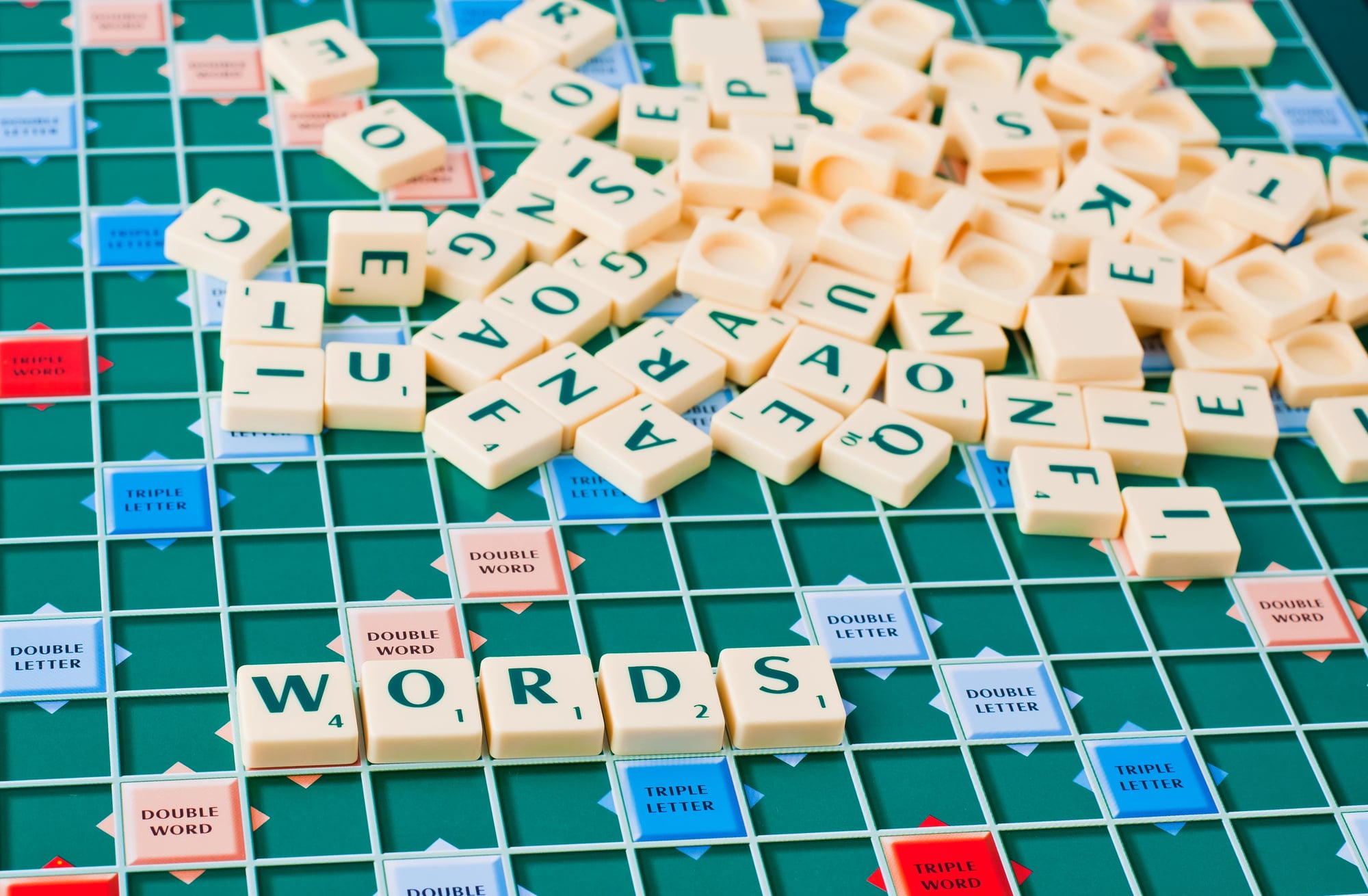
Scrabble sharpens vocabulary and word recognition without feeling like a classroom exercise. Players think quickly, rearrange letters, and learn to use uncommon words just to score points.
It also teaches sportsmanship, since not every turn goes the way a player hopes. Over time, regular players tend to become sharper communicators because the game rewards precision with language.
The Sims
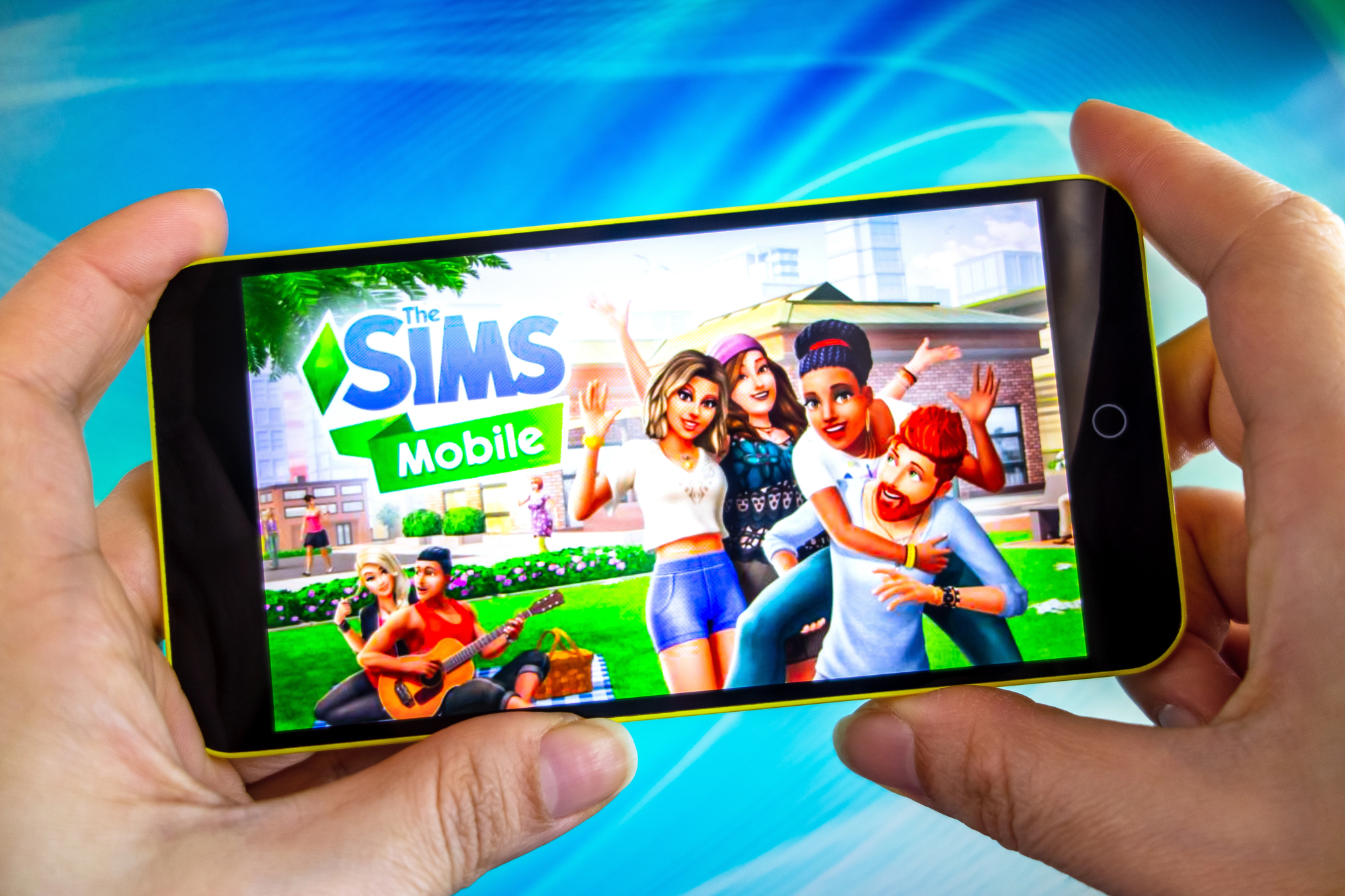
The Sims mirrors real life in surprisingly practical ways. Players manage a character’s career, relationships, home finances, and daily schedule, all at once.
Letting one area of the character’s life fall apart usually causes problems in the others. That connection teaches players about balance, priorities, and the kind of long-term thinking that real life constantly demands.
Poker

Poker is one of the most well-known teachers of risk assessment. Players learn to read situations, manage uncertainty, and make decisions with incomplete information.
Knowing when to fold is just as important as knowing when to bet. That skill, recognizing when to walk away or push forward, applies directly to business, relationships, and everyday choices.
Jenga

Jenga teaches careful decision-making under pressure. Each move affects the whole structure, and one wrong pull can bring everything down.
Players learn to assess risk in real time and stay steady even when the stakes feel high. It is also a great reminder that small decisions can have big consequences.
Dungeons And Dragons
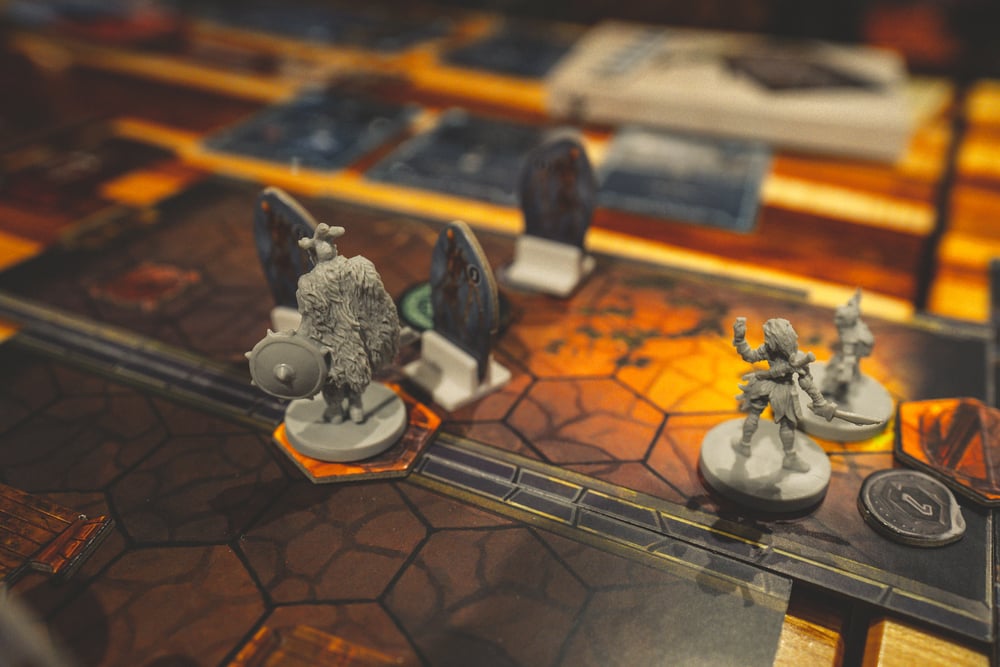
Dungeons and Dragons builds teamwork and communication in ways that feel organic. Players work together to solve problems, negotiate with characters, and make group decisions that affect the whole story.
It also encourages creativity and improvisation, since no two game sessions ever go the same way. For people who find social situations hard, it offers a comfortable space to practice collaboration and confidence.
Settlers Of Catan

Settlers of Catan is a masterclass in negotiation. Players trade resources, form alliances, and sometimes break them when the situation changes.
Winning requires reading other players and knowing when to cooperate and when to compete. Those same skills show up every day in workplaces and communities where people have to work with others toward shared and individual goals.
SimCity
SimCity hands players the job of building and running a city. Roads, budgets, zoning, public services, and citizen happiness all need attention at the same time.
It teaches cause-and-effect thinking and shows how decisions in one area ripple through everything else. Anyone who has spent time with SimCity comes away with a stronger instinct for systems thinking.
Tag And Outdoor Chasing Games

Tag, in all its versions, teaches physical awareness, quick thinking, and the ability to adapt on the fly. It builds stamina and teaches kids to make fast decisions without overthinking.
There is also an element of resilience, since getting caught and starting over is part of the game. The lesson that failure is not final comes through clearly, even without anyone saying it out loud.
Cooking Games (Like Overcooked)

Overcooked and similar cooking games put players in fast-paced kitchen environments where teamwork and time management are everything. Falling behind on one task causes a pile-up everywhere else.
Players learn to communicate quickly, divide responsibilities, and stay focused under pressure. Those habits translate directly into any real-world environment where people work together on shared tasks.
Coding Games Like Scratch Or CodeCombat
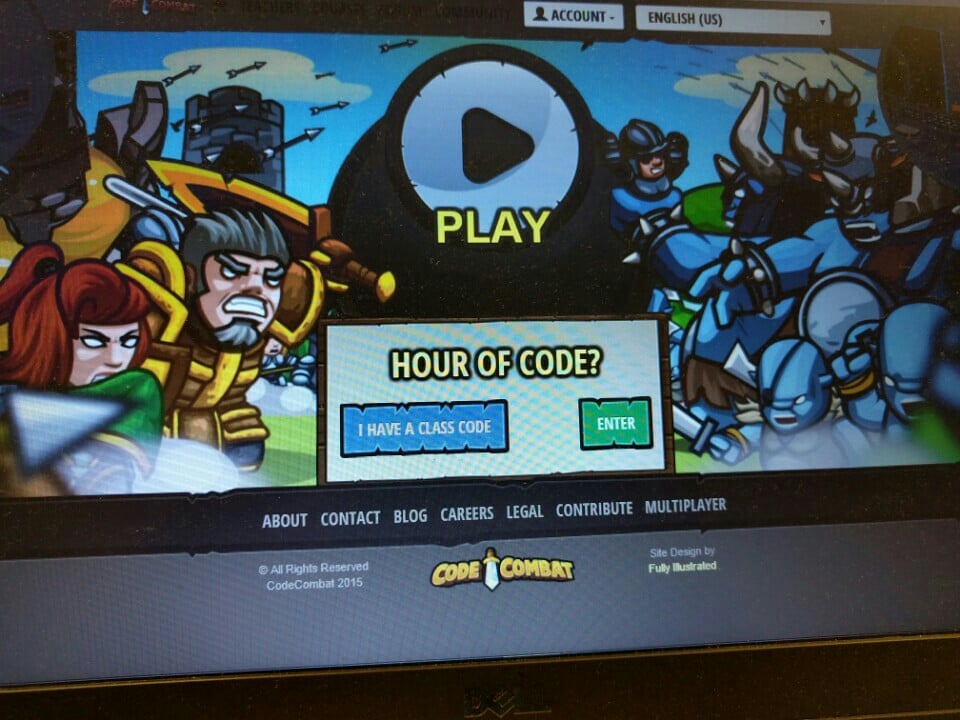
Jumping into games such as Scratch feels less like learning, more like figuring out a maze with code. A character moves forward because you told it to – simple commands turn into actions.
When a puzzle blocks the way, trial and error becomes the only path forward. Mistakes? They’re just clues wearing disguises.
Each failed run teaches what comes next, shaping patience alongside logic. Solving one piece leads to another, then another – no magic, just steady steps.
Even outside screens, that mindset sticks: life throws puzzles too, often without rulebooks. Breaking things down works anywhere, whether fixing a bike or planning a day.
Escape Room Games

Time pushes players to work together inside escape rooms, real or online. Clues scatter across the room while someone spots a detail others miss.
A quiet moment might break when one voice connects two ideas suddenly. Success often follows whoever listens closely instead of speaking loudest.
First impressions mislead frequently, forcing groups to rethink what seemed obvious minutes ago. Pressure grows, yet progress comes from patience more than speed.
Moments of confusion become useful only if shared openly. Solving puzzles demands attention shifts between big pictures and tiny hints.
Sports Video Games Like FIFA Or NBA 2K

FIFA or NBA 2K isn’t just about moves on screen. Behind every match lies an understanding of roles within a squad, split-second shifts during play, plus reactions to triumph or defeat.
Taking charge in team modes brings timing, choices on player use, and guiding others into sharper focus. With time, frequent players start seeing how one person’s effort pulls through the whole outcome.
Why These Games Still Matter

Playing has long been how people pick up new abilities without even noticing. These fifteen choices go beyond passing time – they shape minds over years, showing up later in school talks, work meetings, or daily decisions.
When someone works out deals in Catan or lines up moves in chess, small mental muscles grow, ready for use far down the road. Best of all? Not once does it seem like studying.
Laughter covers every bit of learning.
More from Go2Tutors!

- The Romanov Crown Jewels and Their Tragic Fate
- 13 Historical Mysteries That Science Still Can’t Solve
- Famous Hoaxes That Fooled the World for Years
- 15 Child Stars with Tragic Adult Lives
- 16 Famous Jewelry Pieces in History
Like Go2Tutors’s content? Follow us on MSN.