15 Greatest Toy Commercials Aired
Television commercials used to be appointment viewing for kids. No DVR, no skipping ahead – you watched every ad between cartoon episodes, and some of those commercials became more memorable than the shows themselves.
Toy companies poured serious money into production value, catchy jingles, and storylines that turned 30-second spots into miniature adventures. Here are the toy commercials that defined childhoods and sold millions of products.
Crossfire
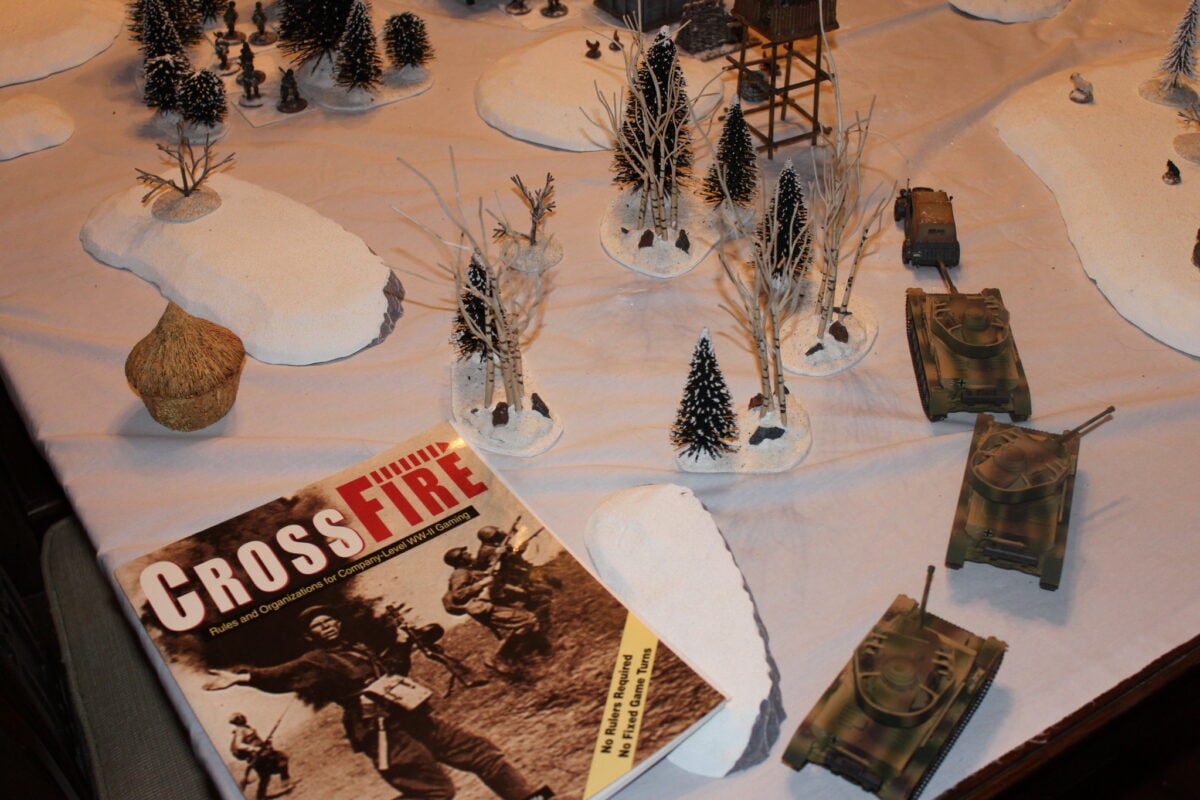
“Crossfire… you’ll get caught up in the… CROSSFIRE!” If you grew up in the 1990s, those lyrics are permanently etched in your brain. Originally released in 1971, the board game found new life decades later thanks to a rock anthem-style commercial that looked like a monster ballad music video.
The spot featured kids battling over a futuristic game board while lightning bolts slammed down from an ominous electric cloud hovering above. The dramatic cinematography made it seem like the ultimate challenge, with the winner claiming rightful glory while the loser spun out of control into the vast nothingness of an apocalyptic sky.
Was the actual gameplay anywhere near that intense? Not even close. But the commercial worked – kids everywhere begged their parents for the plastic board game where you fired “guns” at pucks trying to get them into each other’s goals.
Transformers
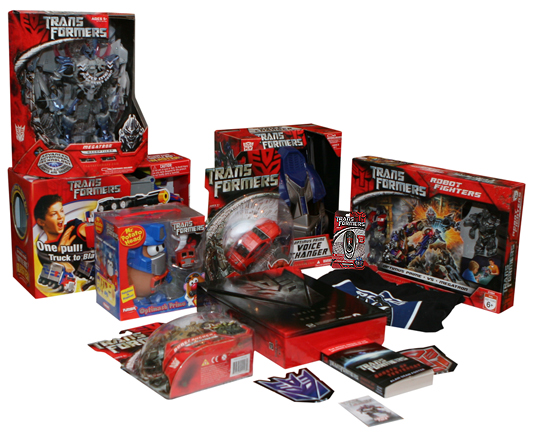
The Transformers commercials were practically mini movies. High-quality cel animation showed Autobots and Decepticons battling in desert landscapes, then cut to kids transforming the actual toys with loud clicking noises emphasizing each part shifting into place.
The production value was insane for 30-second spots. But the most memorable part? The kid staring seriously into the camera, mouthing “Robots in disguise!” as his eyes glowed and his face transformed into a robot based on Galvatron or Ultra Magnus.
Victor Caroli’s narrator voice boomed over the action, always reminding parents at the end that toys were “each sold separately.” Some of the 1986 and 1987 commercial animation was even repurposed for the actual cartoon series.
The show’s theme song played over most ads, often with new lyrics jammed into the melody to describe whatever toys they were pushing that week.
Mouse Trap
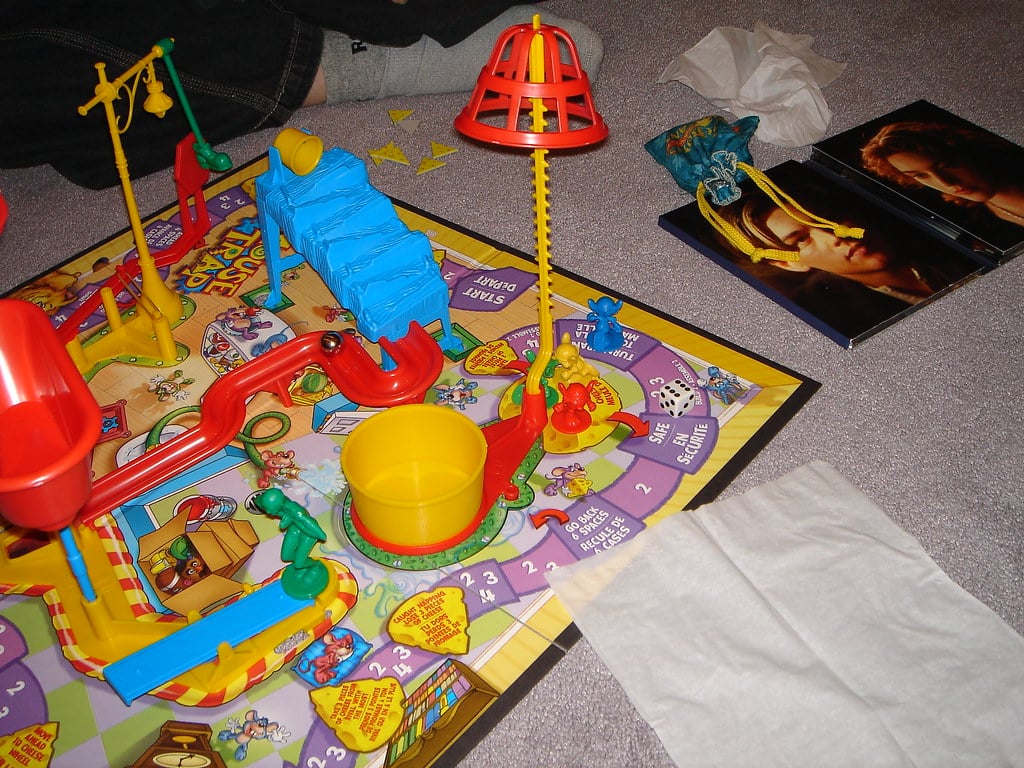
“Mouse Trap, I guarantee, it’s the craziest trap you’ll ever see!” The opening line of Hasbro’s zany jingle became instantly recognizable. The commercial featured kids gathered around the elaborate Rube Goldberg contraption while a top-hatted cat manipulated them into playing.
The ad essentially gave you the game instructions right in the song – “Just turn the crank and snap the plank and kick the marble right down the shoot.” The whole thing came dangerously close to infringing on The Cat in the Hat with its Seussical rhyming style.
Kids watching had no idea whether the game would actually work as smoothly as advertised (spoiler: it usually didn’t), but the commercial made setting up that complex obstacle course look like the most thrilling thing you could do on a rainy afternoon.
G.I. Joe
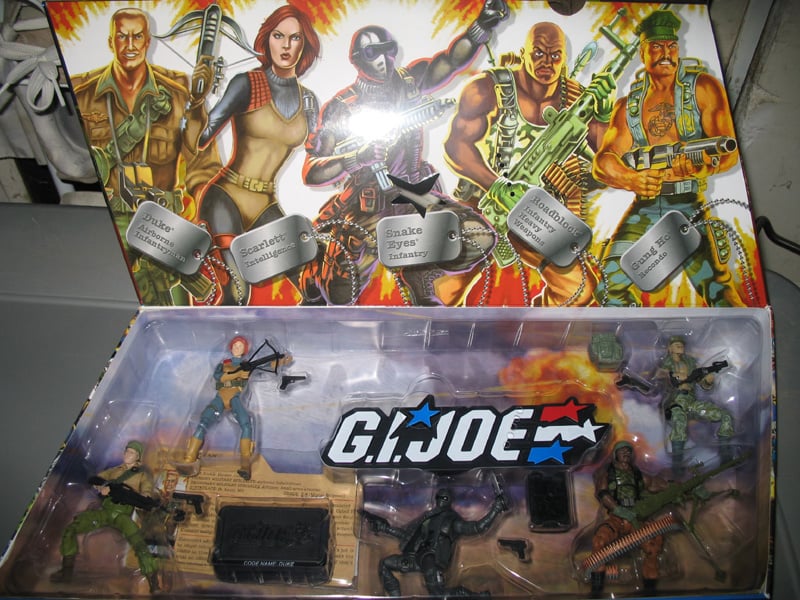
These commercials were action movies compressed into 30 seconds. Explosions? Check. Heroic rescues? Check.
Dramatic voice-overs explaining how each specialized soldier brought unique skills to the fight against Cobra? Absolutely. The ads made backyard battles seem like legitimate military operations.
Kids in the commercials would shout “Go Joe!” with dead-serious expressions, transforming living room floors into war zones complete with elaborate dioramas. Behind the scenes though, those child actors were probably on their 15th take with ten people from the toy company and advertising agency critiquing every movement.
The commercials also ended with those famous PSAs where characters delivered moral lessons, usually involving Duke or Flint explaining why you shouldn’t talk to strangers or play with matches. And knowing was half the battle.
Cabbage Patch Kids

Coleco’s 1984 commercial for Cabbage Patch Kids took a completely different approach from the action-packed toy ads dominating the decade. The spot opened with the most eloquent definition of compassion: “when you open your arms…”
The superficial voice behind the narration loosened up every emotion. Throughout the commercial, young kids appeared hugging their cloth dolls with plastic heads, expressing delightful love for their new friends.
The genius was framing it as adoption rather than purchase – you weren’t buying a doll, you were welcoming a new family member. The heartwarming simplicity created superb demand in stores.
For three years, this toy line led among 1980s toys, and the commercial’s gentle emotional appeal was a major contributor to that success.
Teddy Ruxpin
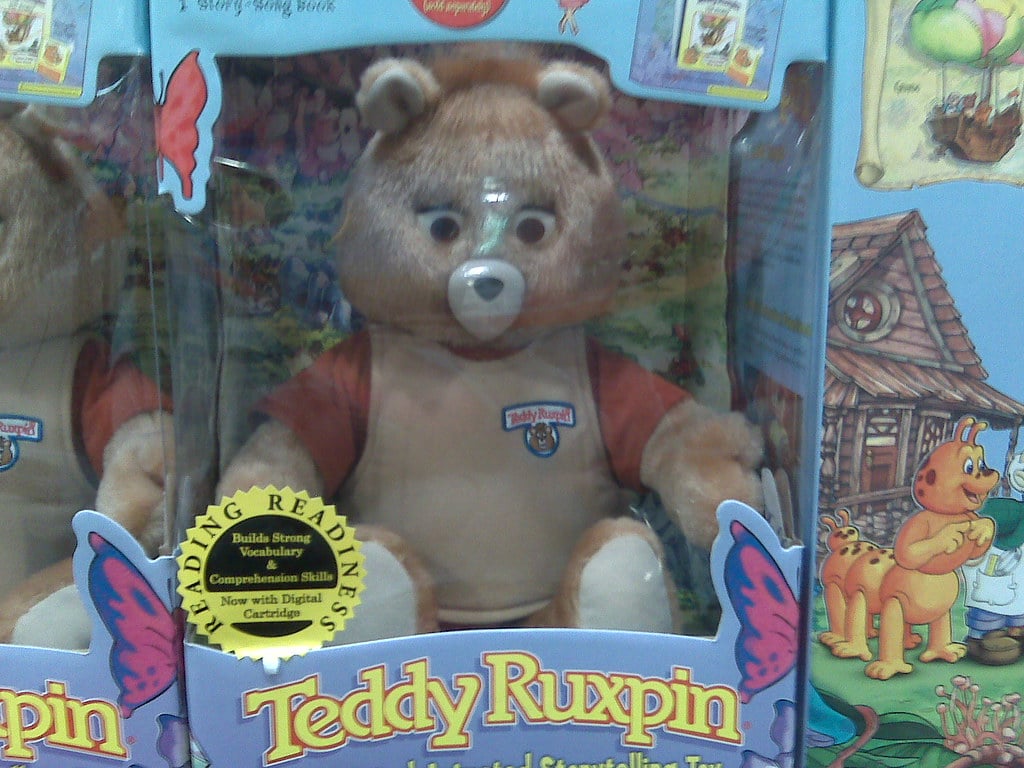
“Yes, this one talks, and it will like to be your friend.” The 1985 commercial for Teddy Ruxpin made the storytelling bear seem like magic.
Not only did the mouth move when talking – the eyes did too. The ad featured what looked like a class presentation, with a cute little boy bringing his new friend to show everyone.
Ken Forsee created this classic piece with assistance from Larry Larsen and John Davies. Their creation was awarded the best-selling toy of 1985, with the commercial playing a huge role. Of course, the ads didn’t mention how the cassette tape mechanism would eventually jam or how the animatronic movements would slow down over time.
And they definitely didn’t warn parents about how creepy a talking bear becomes when its batteries start dying.
Super Soaker
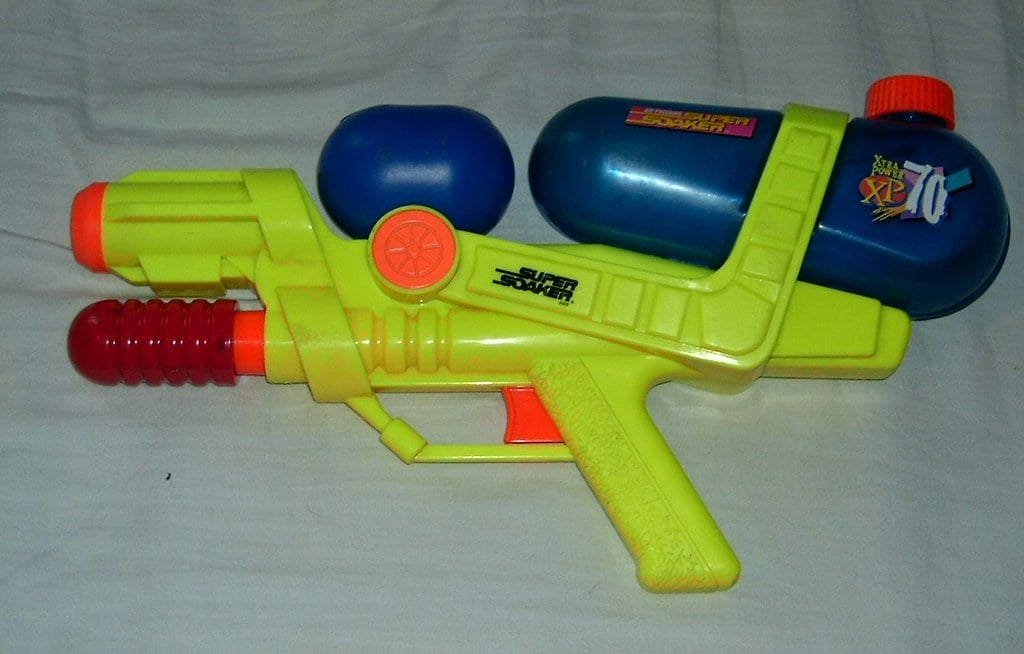
The Super Soaker commercials were action-packed and intense, showcasing epic water fights that made regular squirt guns look pathetic. Kids were shown soaking each other with powerful streams reaching distances regular water guns could only dream of.
The 1992 commercials defined summer fun for an entire generation. The ads played up the power and range – water shooting 35 feet through the air while kids ran around in slow motion dodging streams.
Every summer became an arms race as new models came out with bigger tanks, multiple nozzles, and backpack reservoirs. The commercials made you feel like you needed to upgrade constantly to keep up with your friends.
Having the Super Soaker 50 for two years straight meant you were falling behind.
Polly Pocket
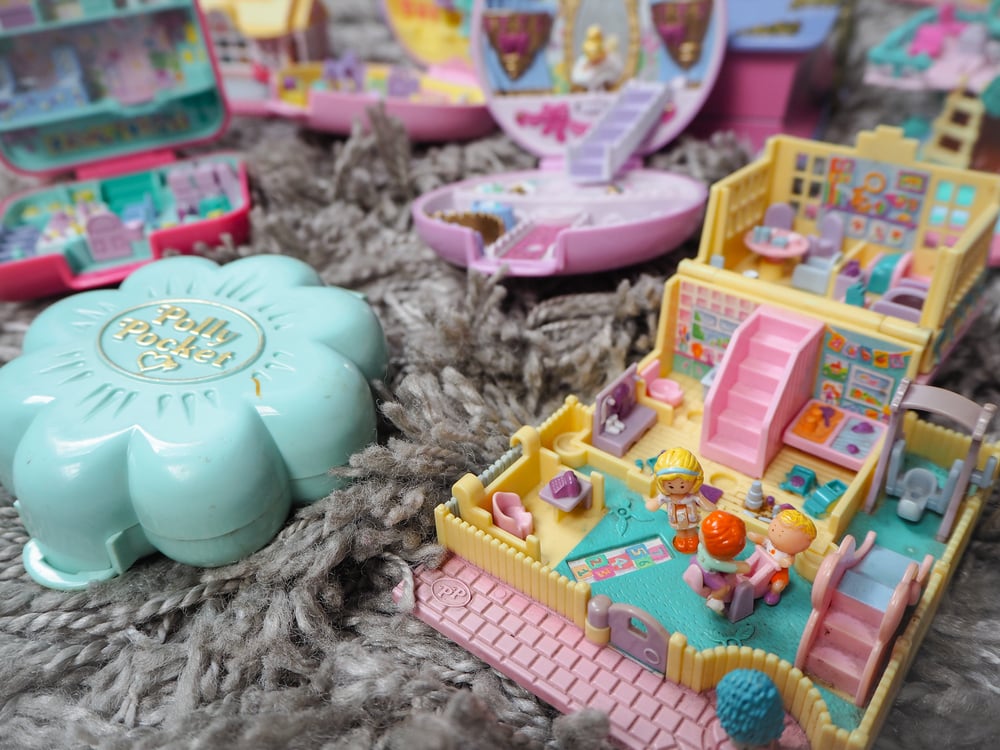
“Polly in my pocket!” The sugary pop jingle for Polly Pocket captured the charm of these miniature playsets perfectly. Originally conceived in 1983 by Chris Wiggs for his daughter, Polly Pocket became an instant hit when officially released in 1989.
The commercials showcased the pocket-sized compacts that could be taken anywhere, then expanded to show entire plastic neighborhoods like Pollyville. The bright colors and cheerful music made every little girl want to collect them all.
The genius was the portability – you could bring your whole play world to grandma’s house, on road trips, or to school for recess. The ads made Polly Pocket feel like carrying around a secret miniature universe that fit in your hand.
Hungry Hungry Hippos
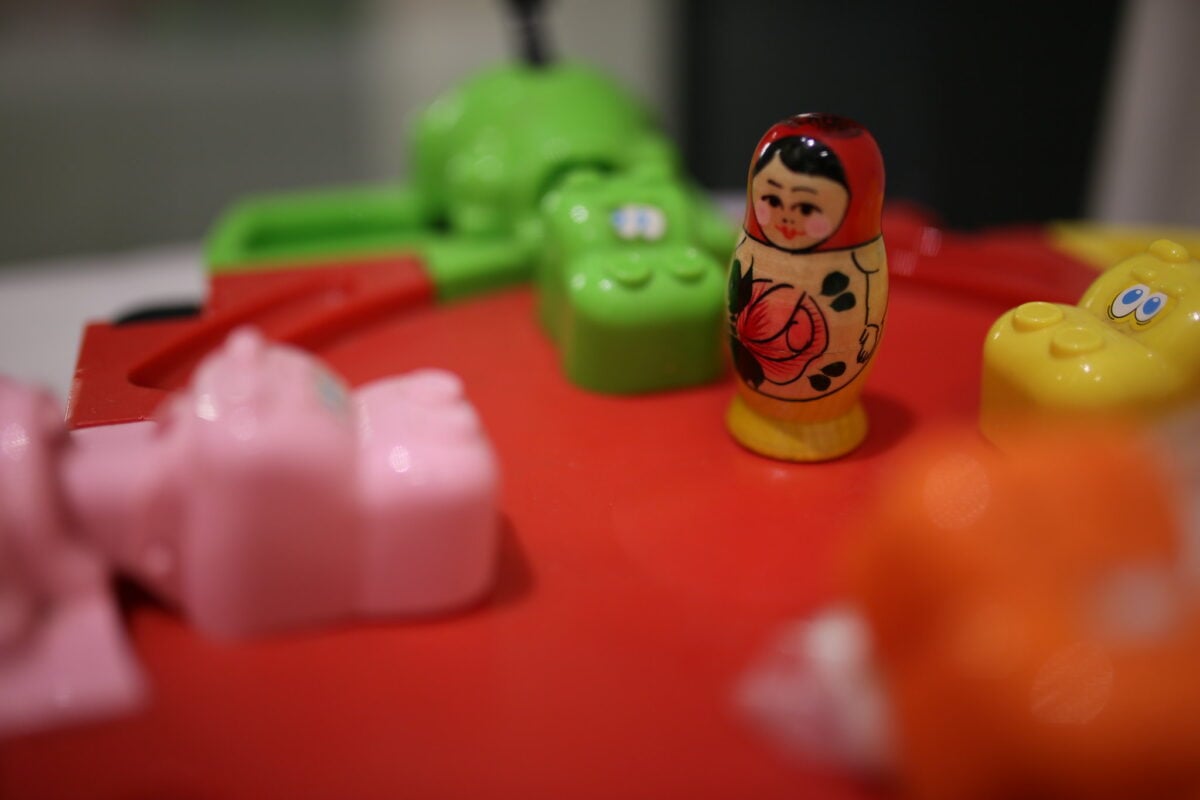
Four kids surrounded a tabletop gaming board, each corner featuring a brightly colored plastic hippopotamus head – red, pink, green, and yellow. The commercial showed kids frantically pressing levers to make their hippo heads extend and catch plastic marbles rolling through the center of the board.
The 1970s classic became recognizable from its simple premise and the sheer chaos the ads portrayed. Kids were shown getting intensely competitive over which hippo ate the most marbles. The clicking sounds of the levers and the marbles bouncing around created a sensory experience that made the game seem way more exciting than it probably was.
Parents watching the commercial knew exactly how loud and annoying this game would be in their living room, but kids didn’t care.
Skip-It

“Hey now kids come gather ’round, see what just skipped into town.” The Skip-It commercial featured the ankle game with a counter on the orb recording how many rotations you made.
Time Magazine included Skip-It in the 100 greatest toys ever, and the 1990s “Skip-It Renaissance” built on earlier success from the 1980s. The ads showed kids sharing the fascination as one person skipped while others jumped over the rotating orb during its 360-degree rotation.
The counter made it competitive – you could challenge friends to beat your record. The commercial made it look effortless and fun, though in reality, most kids smacked themselves in the ankle repeatedly before getting the rhythm down.
Creepy Crawlers
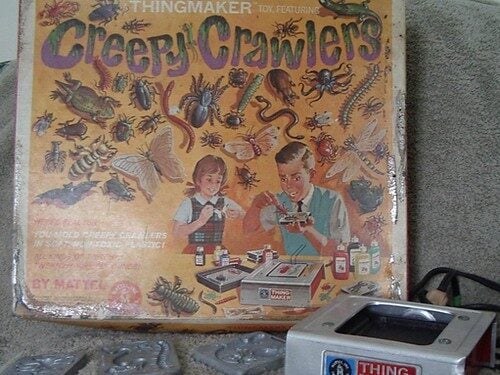
The commercial followed a scientific laboratory theme, complete with a mad scientist and his creation: the Thingmaker. This wasn’t your average toy – this was a Creepy Crawler Oven set used to create graveyard frights including the stomach, heart, and brain of a skeleton.
The 1990s ads leaned into the slightly gross, slightly creepy appeal that boys loved. You mixed goop, poured it into molds, heated it up, and created rubber bugs and body parts.
The laboratory aesthetic made kids feel like they were conducting actual experiments. Parents were less thrilled about the heating element that could burn fingers, but the commercials made it look like you were producing legitimate creatures rather than just playing with molds.
Lite-Brite
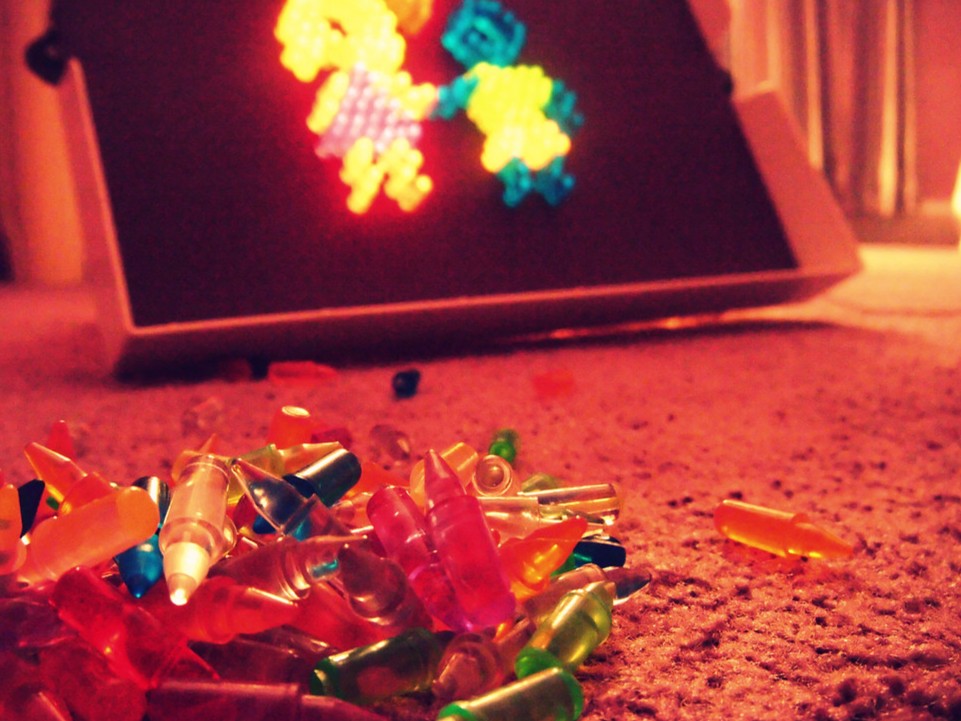
“Turn on the magic of shining bright!” The catchy tune accompanied commercials showing kids inserting multi-colored translucent plastic pegs into an illuminated black board to create glowing pictures. Templates featured everything from rainbows to My Little Pony characters.
The ads emphasized the artistic possibilities – you could make anything light up. The glow of the finished product looked mesmerizing in the commercials, with kids proudly displaying their lit-up creations in darkened rooms.
The reality involved spending 20 minutes finding the right colored pegs and inevitably losing half of them under the couch, but the commercials made Lite-Brite seem like you were creating actual art installations.
Talkboy
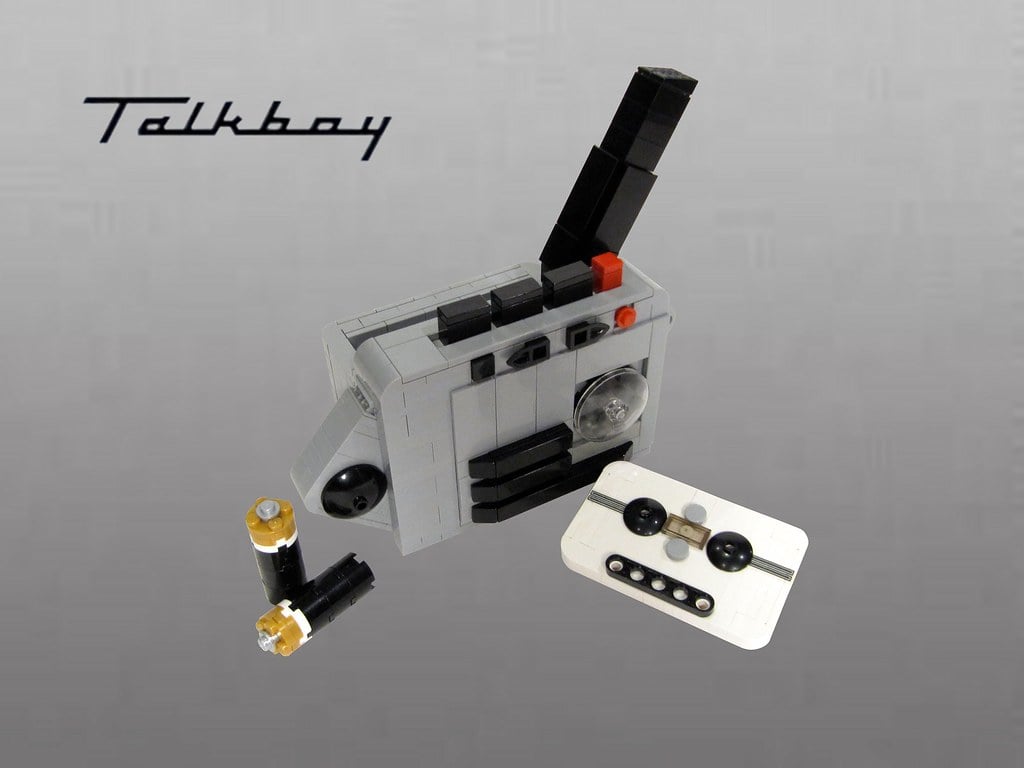
Home Alone 2: Lost in New York featured Kevin McCallister using the Talkboy as a cassette recorder and player, and Tiger Electronics jumped on the opportunity. The commercial projected high-tech fun, though only one boy seemed to enjoy all the action in most ads.
The appeal was simple – record your voice, then play it back slower or faster to sound like different people. The commercials showed kids pranking their friends and siblings, though they conveniently left out how the sound quality was pretty terrible and the tape mechanism jammed constantly.
Still, owning the same gadget Kevin used to outsmart burglars in New York made you feel clever and prepared for your own imaginary adventures.
Pogo Bal
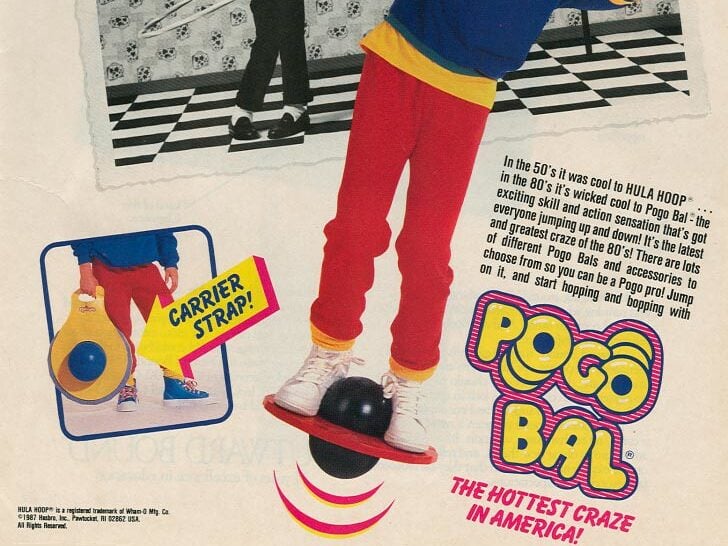
The Bouncy Pogo Bal commercial showed teenagers hopping around a room while trying to avoid a big dark-colored hand trying to catch them. The 1980s toy followed the same style of use as the Pogo Stick but with a different design – you stood on a platform attached to a large rubber orb and bounced around.
The ads made it look like you could bounce effortlessly for hours, defying gravity while having the time of your life. Kids watching wanted that freedom and fun immediately.
The actual experience involved falling off repeatedly and possibly breaking things in the house, but the commercial sold the dream of bouncing through life without a care in the world.
Barbie Dream Kitchen
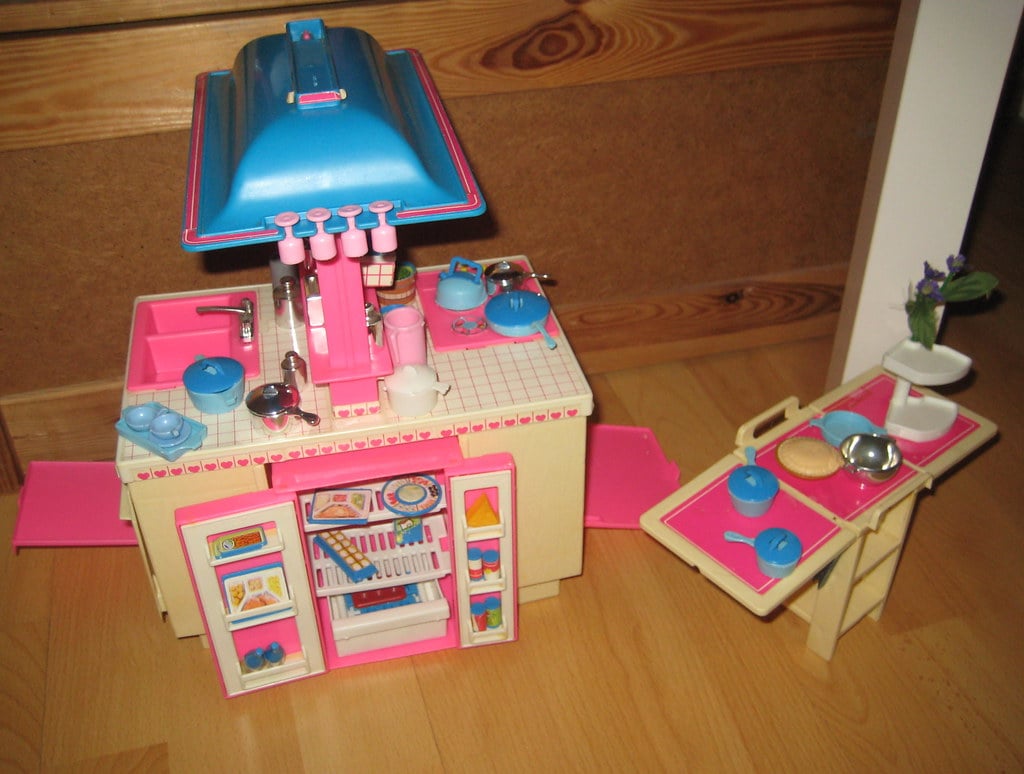
The Barbie Dream Kitchen commercial from the 1980s helped cement “Barbie Syndrome” – the phenomenon where girls wanted everything Barbie had. Mattel’s ads depicted an elaborate 60-piece kitchen playset that made cooking and homemaking look glamorous and fun.
The commercials showed girls playing with pink appliances, tiny dishes, and accessories that made up a complete miniature kitchen. Some ladies who were kids in the 1980s never stopped making kitchen purchases, believing Barbie’s setup was the starting point for what a proper kitchen should include.
The aspirational marketing worked perfectly – Barbie wasn’t presenting a doll, she was presenting a lifestyle that young girls wanted to emulate.
What Made Them Work
The toy commercials of the 1980s and 1990s weren’t just trying to sell products – they were creating worlds and experiences. Directors storyboarded them down to the quarter-second.
Multiple people from toy companies and advertising agencies looked over every shot. Regulations required that no shot could be shorter than one second, and you couldn’t show toys doing things they couldn’t actually do.
Kids in those commercials seemed to have amazing play environments with every toy from the entire product line, creating scenes that no child could replicate at home. The dioramas, the complete collections, the perfectly scripted moments of joy – all carefully constructed to make you believe your playtime would be just as epic if only your parents bought you those toys.
And we fell for it every time, adding items to birthday wish lists and dreaming about Saturday mornings filled with exactly the adventures those commercials promised.
More from Go2Tutors!

- The Romanov Crown Jewels and Their Tragic Fate
- 13 Historical Mysteries That Science Still Can’t Solve
- Famous Hoaxes That Fooled the World for Years
- 15 Child Stars with Tragic Adult Lives
- 16 Famous Jewelry Pieces in History
Like Go2Tutors’s content? Follow us on MSN.