Odd Niches With Millions of Subscribers on YouTube
YouTube started as a place for homemade videos and amateur content creators. People uploaded whatever they wanted, and nobody really knew what would catch on.
Fast forward to today, and some of the platform’s biggest stars aren’t doing what anyone expected. They’re not musicians or comedians or traditional entertainers.
They’re doing things that sound completely bizarre when you describe them out loud, yet millions of people tune in religiously.
The strangest part? These niche channels often outperform mainstream content.
Someone whispering into a microphone gets more views than a Hollywood trailer. A person organizing their pantry attracts more subscribers than some news networks.
YouTube proved that there’s an audience for absolutely everything, no matter how specific or unusual it seems.
Here’s a look at some of the most unexpected corners of YouTube where creators built empires doing things nobody saw coming.
ASMR whispering and tapping sounds
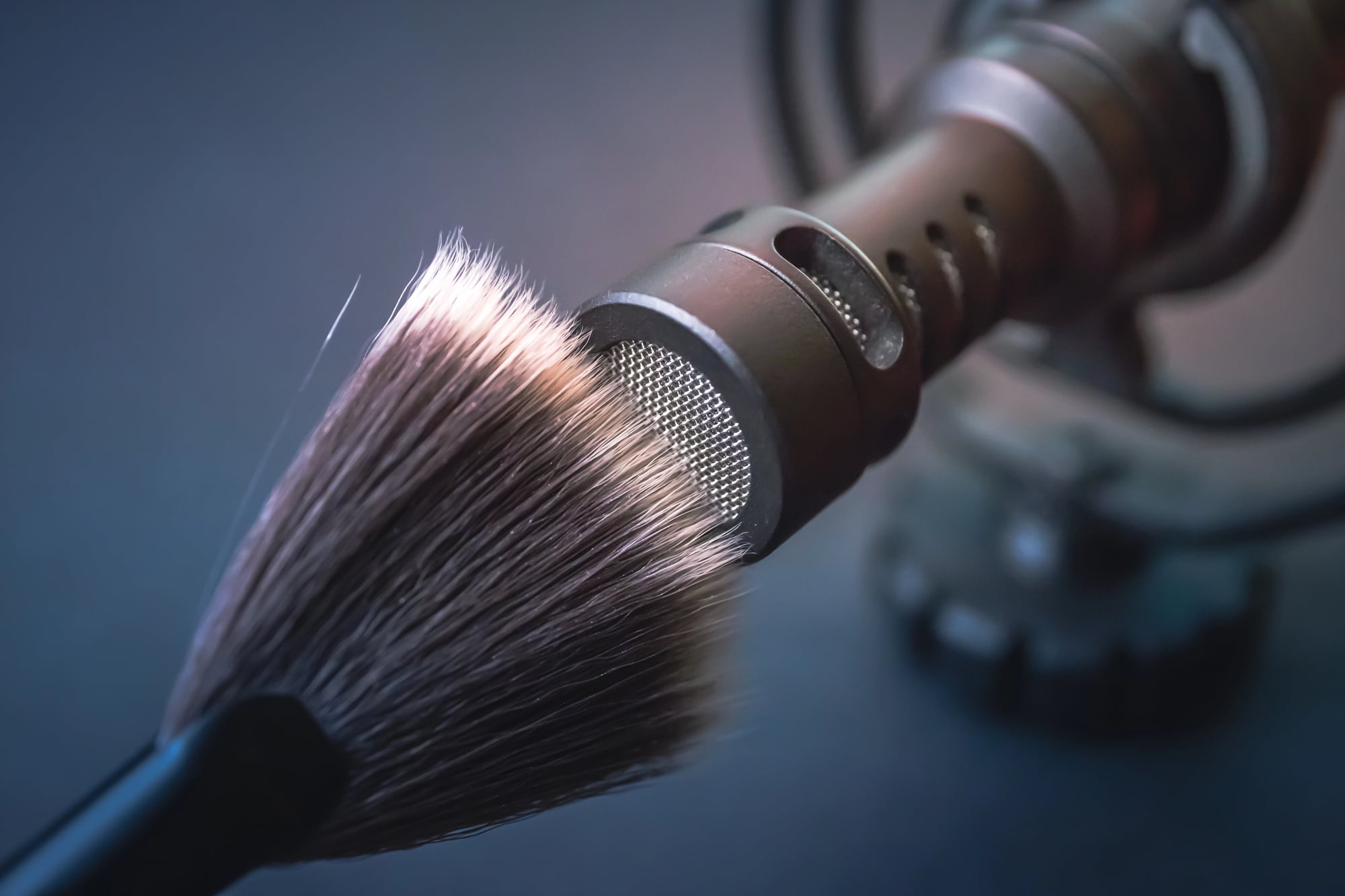
Millions of people watch videos of someone whispering, tapping on objects, or crinkling paper near a microphone. ASMR stands for Autonomous Sensory Meridian Response, which is just a fancy way of saying certain sounds make people’s brains feel tingly and relaxed.
Channels dedicated to this content regularly pull in tens of millions of views, with creators like Gibi ASMR and ASMR Darling each boasting over 4 million subscribers. The videos can run for hours, with people using them to fall asleep or calm anxiety.
What started as a weird internet phenomenon became a legitimate industry, with some creators earning six figures annually just from whispering into expensive microphones.
Watching strangers eat large amounts of food

Mukbang videos show people eating enormous quantities of food while talking to the camera. The trend started in South Korea and exploded globally, with creators consuming everything from seafood boils to fast food spreads that could feed a family.
Channels like Nikocado Avocado and Tzuyang have millions of subscribers who tune in to watch them eat, chat, and sometimes create drama. The appeal isn’t just about the food.
Viewers say it feels like eating with a friend, especially for people who live alone or eat by themselves. Some mukbang creators became celebrities in their own right, landing sponsorship deals and merchandise lines based entirely on their ability to eat on camera.
Pressure washing dirty surfaces

The satisfaction of watching grime disappear under a pressure washer built an entire YouTube community. Channels film themselves cleaning driveways, decks, buildings, and playground equipment, with the contrast between dirty and clean providing oddly satisfying content.
MidwestMagicCleaning and The Pressure Washing Guy each have over a million subscribers. These videos require minimal narration.
The sound of the pressure washer and the visual transformation do all the work. Comment sections fill up with people saying they watched the entire video without realizing 20 minutes passed.
The niche proved so popular that some creators now travel specifically to find the dirtiest surfaces they can clean on camera.
Watching people organize and clean their homes

Home organization videos attract viewers who find cleaning therapeutic or need motivation to tackle their own spaces. Channels like The Home Edit and A Hoarder’s Heart show the process of decluttering, organizing pantries, rearranging closets, and deep cleaning neglected spaces.
Some videos focus on extreme cleaning situations, transforming disaster zones into functional spaces. The comment sections reveal that many viewers watch these videos instead of cleaning their own homes, which creates an ironic loop.
But the content works because it’s satisfying to watch chaos become order, even if it’s happening in someone else’s house. Several organizers turned their YouTube success into published books, product lines, and even Netflix shows.
Slime making and playing with slime

The slime trend took over YouTube around 2017 and never really left. Creators mix glue, borax, and various add-ins to create different textures of slime, then film themselves stretching, poking, and playing with the results.
Channels like Karina Garcia, who became known as the Slime Queen, built audiences in the millions. The videos combine satisfying sounds with visual appeal, and the endless variety of slime types keeps content fresh.
Clear slime, butter slime, cloud slime, crunchy slime—each variation gets its own dedicated videos and viewer base. What started as a kids’ craft project became a full industry, with slime creators launching their own product lines and making serious money from ad revenue and sponsorships.
Restoring old and rusty items

Restoration channels find rusted, broken, or abandoned items and bring them back to working condition. My Mechanics and Rescue & Restore show the complete process of disassembling, cleaning, repairing, and refinishing everything from vintage toys to old tools.
These videos run long, often 30 to 40 minutes, with minimal talking and just the sounds of work being done. The transformation from trash to treasure provides the main appeal.
Viewers watch rusty wrenches become shiny tools again, or see decades-old toys restored to like-new condition. The patience and skill required make these videos almost meditative, and the before-and-after reveals at the end give viewers a satisfying payoff for their time investment.
Unboxing products and packages

People built careers by opening boxes on camera. Unboxing channels show the experience of receiving and opening new products, from tech gadgets to subscription boxes to designer purchases.
Ryan’s World started as a toy unboxing channel and grew into a brand worth millions, with the kid creator becoming one of YouTube’s highest earners. The appeal goes beyond just seeing what’s inside.
Unboxing videos let viewers experience the excitement of getting something new without spending money themselves. Some people watch unboxing videos before making purchases, treating them as extended product reviews.
Others watch purely for entertainment, enjoying the vicarious thrill of someone else’s new stuff.
Watching people count and sort things

Oddly specific counting and sorting videos found their audience on YouTube. Channels count everything from coins to candy, or sort objects by color, size, or type.
The process-oriented nature of these videos creates a calming effect similar to ASMR. Some creators combine counting with trivia or facts about the items they’re sorting.
Jelle’s Marble Runs took the concept further by creating elaborate marble racing competitions that draw hundreds of thousands of viewers per race. The races include commentary, team rivalries, and championships, treating colored marbles like professional athletes.
The dedication to making something so simple into compelling content shows how creative YouTube creators get within their niches.
Reviewing and testing ration packs from different militaries

Steve1989MRE built a following of over 2 million subscribers by eating military rations on camera. His channel reviews MREs (Meals Ready to Eat) from various countries and time periods, including some that are decades old.
The calm, detailed way he describes each component and the history behind the rations makes the content both educational and entertaining. Viewers watch him eat food from World War II, discuss the evolution of field rations, and explain military supply chains.
The risk factor of eating potentially dangerous old food adds an element of concern that keeps people watching. His catchphrases and gentle enthusiasm turned what could be a boring topic into appointment viewing for his dedicated audience.
Cutting kinetic sand and other satisfying materials

Kinetic sand cutting videos show exactly what the title suggests—people cutting through kinetic sand with various tools. The sound and visual of the sand being sliced creates a satisfying sensory experience.
Channels dedicated to this content rack up millions of views despite the repetitive nature. Colors, textures, and cutting tools vary, but the basic concept stays the same.
These videos often get categorized as satisfying content or oddly satisfying compilations. The appeal is purely sensory—no story, no information, just the pleasure of watching and hearing something that feels good to the brain.
Similar channels expanded to cutting soap, crushing things, or other tactile experiences that translate well to video.
Building things in remote wilderness alone

Primitive Technology and similar channels show people building shelters, tools, and structures using only natural materials found in the wilderness. No power tools, no modern supplies, just hands and whatever nature provides.
These videos contain no talking, only the sounds of work and the environment. The creator demonstrates ancient techniques for making fire, creating pottery, building huts, and forging primitive tools.
Each video documents hours or days of work condensed into 10 to 20 minutes. The educational value combined with the impressive results keeps viewers engaged.
Some creators expanded the concept to show survival skills, ancient cooking methods, or recreations of historical technologies. The appeal crosses cultures because the skills shown are universal and timeless.
Watching workers do extremely skilled jobs

Channels dedicated to showing skilled workers doing their jobs perfectly found huge audiences. Whether it’s bricklayers creating flawless walls, welders making perfect seams, or craftspeople demonstrating techniques, viewers love watching mastery in action.
Baumgartner Restoration shows the detailed process of restoring damaged paintings, with the creator explaining each step in a calm, informative voice. The channel has over 2 million subscribers who watch someone carefully clean and repair artwork for 20 to 30 minutes at a time.
These videos celebrate competence and expertise in an era when people often feel disconnected from how things get made or fixed. The comment sections fill with appreciation for the workers’ skills and patience.
Training and living with unusual pets

Exotic pet channels show daily life with animals most people never encounter. Channels feature everything from giant lizards to venomous snakes to sugar gliders.
Clint’s Reptiles educates viewers about reptile care while showcasing various species, building a subscriber base over a million strong. The content mixes education with entertainment, showing both the rewarding and challenging aspects of unusual pet ownership.
These creators often combat misconceptions about their animals while demonstrating proper care techniques. The appeal comes from seeing creatures most people only know from nature documentaries living as household pets.
Some channels sparked interest in exotic pet keeping, while others helped people understand why certain animals don’t make good pets, providing a valuable educational service.
Documenting life in a van or tiny home

Van life and tiny home channels exploded as more people embraced minimalist living or mobile lifestyles. Creators document converting vehicles into living spaces, traveling to different locations, and managing daily life in extremely small quarters.
Cheap RV Living and Foresty Forest each built audiences in the hundreds of thousands by showing this alternative lifestyle. The content appeals to people dreaming of escaping traditional housing, those curious about minimalism, and viewers who enjoy seeing creative space solutions.
Videos cover everything from installing solar panels to finding free camping spots to cooking in tiny kitchens. The lifestyle looks appealing in edited videos, though creators increasingly address the challenges and realities alongside the Instagram-worthy moments.
Rug cleaning and carpet washing

Watching someone deep clean extremely dirty rugs became surprisingly popular content. Channels film the entire process of washing, scrubbing, and restoring rugs that look beyond saving.
Mountain Rug Cleaning and Satisfying Rug Cleaning Videos show rugs going from disgustingly filthy to perfectly clean. The transformation provides the main appeal, but the sound of water, scrubbing, and the squeegee removing dirty water adds an ASMR element.
These videos can run 15 to 20 minutes showing every step of the cleaning process. Viewers express amazement at how dirty some rugs get and satisfaction at seeing them restored.
The niche grew so popular that rug cleaning businesses now film their work specifically for YouTube, with the ad revenue becoming a significant part of their income.
Editing Wikipedia articles and explaining internet drama

Channels dedicated to explaining internet culture, Wikipedia rabbit pits, and online drama found devoted audiences. Internet Historian breaks down internet events, memes, and controversies with humor and thorough research.
J Aubrey explains Wikipedia editing, internet mysteries, and obscure online communities. These creators help viewers understand digital culture and the weird corners of the internet without having to dig through thousands of forum posts themselves.
The content serves as both entertainment and historical documentation of internet moments that might otherwise get lost. As internet culture became increasingly complex and fragmented, these explainer channels provided a valuable service making sense of online chaos for viewers who don’t spend every waking hour online.
Soap cutting and carving sounds

Slicing soap blocks with blades turned into a niche corner of YouTube. Some makers shape bars into figures, others pull long strips or chop them into small squares, all while mics catch each subtle noise.
Millions now follow these soft-sound videos rooted in such a basic act. A blade sliding smoothly through creates crisp textures heard clearly when filmed close.
Each kind reacts uniquely – the glow of glycerine soap shines like gemstones, layered art soaps burst with hidden color beneath the surface. Out of almost nothing, these clips pull in big numbers – views pile up fast.
Soap carving turned such a solid profit that certain makers began selling their hand-carved bars, quietly shifting a pastime into two kinds of earnings.
The internet’s weird embrace

It turns out folks like odd things – way beyond what TV bosses thought possible. Imagine asking a network exec if they’d air footage of quiet mumbling or floor scrubbing – they’d walk away mid-pitch.
Still, tons of viewers return each day just for clips like these. What keeps such videos alive is how YouTube tracks attention: longer views beat broad popularity every time.
Unusual corners bloom because the system favors sticking power over mass taste. Those who nail down one tight group usually pull in bigger numbers – and paychecks – than generalists chasing wide crowds.
What made these channels work shifted views on making content and growing an audience. Not always by shouting louder than others – often by trying a quiet idea no one had touched before.
More from Go2Tutors!

- The Romanov Crown Jewels and Their Tragic Fate
- 13 Historical Mysteries That Science Still Can’t Solve
- Famous Hoaxes That Fooled the World for Years
- 15 Child Stars with Tragic Adult Lives
- 16 Famous Jewelry Pieces in History
Like Go2Tutors’s content? Follow us on MSN.



