15 Historic Beauty Pageants And Style Competitions
For over a century, beauty pageants and style contests have drawn massive attention. What started as quirky local events evolved into high-stakes international productions watched by millions. Some contests were flashy and fun; others sparked social debates, challenged norms, or kicked off entire careers.
From beachside boardwalks to global TV screens, pageants have mirrored—and shaped—ideas of beauty, femininity, and fashion across decades. Below is a list of 15 standout competitions that, one way or another, made history.
Miss America

Launched in 1921, Miss America began as a way to keep Atlantic City buzzing after Labor Day. The first winner? A 16-year-old named Margaret Gorman.
It was never just about looks, though. The contest added a talent segment in 1938 and later became known for offering scholarships, setting it apart from purely beauty-focused competitions.
Over time, it turned into a uniquely American tradition—part glamour, part performance, part controversy.
Miss World
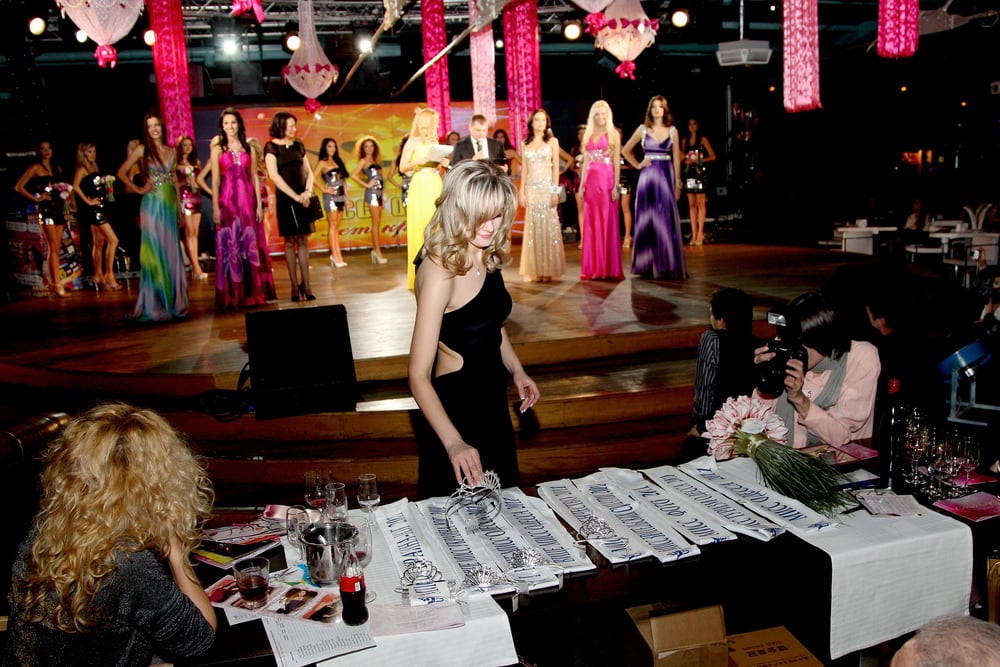
This one kicked off in 1951, thanks to British TV host Eric Morley. The first Miss World, Kiki Håkansson from Sweden, wore a bikini on stage—something that sparked international outrage at the time.
So much so, they banned bikinis for a few years after. Despite that rocky start, the pageant exploded in popularity and became a model for similar competitions around the world.
Miss Universe

Miss Universe came along in 1952, created by a clothing company (Pacific Mills) to show off their swimwear brand. The first title went to Finland’s Armi Kuusela.
Fast-forward a few decades and the contest is now one of the biggest on the planet. Known for its glitzy productions and strong global presence, Miss Universe grew into more than a beauty contest—it became a platform for cultural exchange, branding, and soft diplomacy.
Miss International

This lesser-known but long-running pageant got its start in 1960 in California. What set Miss International apart was its emphasis on peace and goodwill.
The first winner was Stella Márquez of Colombia. Eventually, the competition moved to Japan, where it’s still held.
Unlike some of the flashier contests, this one prides itself on cultural sensitivity and international friendships over pure spectacle.
The Ideal Home Exhibition beauty contest
Back in the 1930s, London’s Ideal Home Exhibition wasn’t just about fancy kitchens or furniture—it also included a beauty contest. But it wasn’t just about who looked best in a dress.
Judges were after something deeper (or at least different): women who fit the mold of an “ideal” homemaker and wife. That mix of domesticity and beauty said a lot about the cultural expectations for women between the world wars—and helped shape similar competitions around the UK.
Atlantic City’s Rolling Chair Parade

Before Miss America took the spotlight, Atlantic City had another quirky attraction: the Rolling Chair Parade. In the early 1910s, young women paraded down the boardwalk seated in the city’s signature wicker rolling chairs.
It was a charming blend of local flavor and showmanship—and, in a way, the spiritual ancestor of America’s later love affair with beauty contests.
Miss Europe

Launched in Paris in 1929, Miss Europe was ahead of its time. Long before Miss World or Miss Universe, this contest pulled in women from across the continent.
For a while, it was the European stage for pageantry, capturing the glamour of the interwar years. The competition paused during WWII (for obvious reasons), but it returned afterward in various versions—sometimes glitzy, sometimes chaotic, but always symbolic of continental beauty standards.
Beauty contests at world’s fairs

The 1893 World’s Columbian Exposition in Chicago didn’t just show off new inventions—it also featured one of America’s first real beauty competitions. Women were judged on looks, yes, but also on how they carried themselves and their cultural awareness.
These early contests were part entertainment, part social commentary, and they gave a global audience its first taste of what beauty pageants could become.
Bathing Beauty contests

Picture this: it’s the 1880s, summer’s in full swing, and beach towns like Coney Island or Galveston are packed. Enter the Bathing Beauty contests—women strutting along the sand in then-scandalous bathing costumes, drawing huge crowds.
These weren’t just about fashion; they were about pushing social norms. They laid the groundwork for the link between beauty competitions and swimwear that still exists today.
Miss USSR

It’s 1989, the Soviet Union is in the middle of massive political and cultural change, and suddenly… there’s a beauty pageant. Miss USSR was more than a contest—it was a cultural statement.
Yulia Sukhanova became the first winner, in a competition that would’ve been unthinkable just a few years earlier. It symbolized the USSR’s complicated flirtation with Western culture during the glasnost era.
Queen of the May festivals
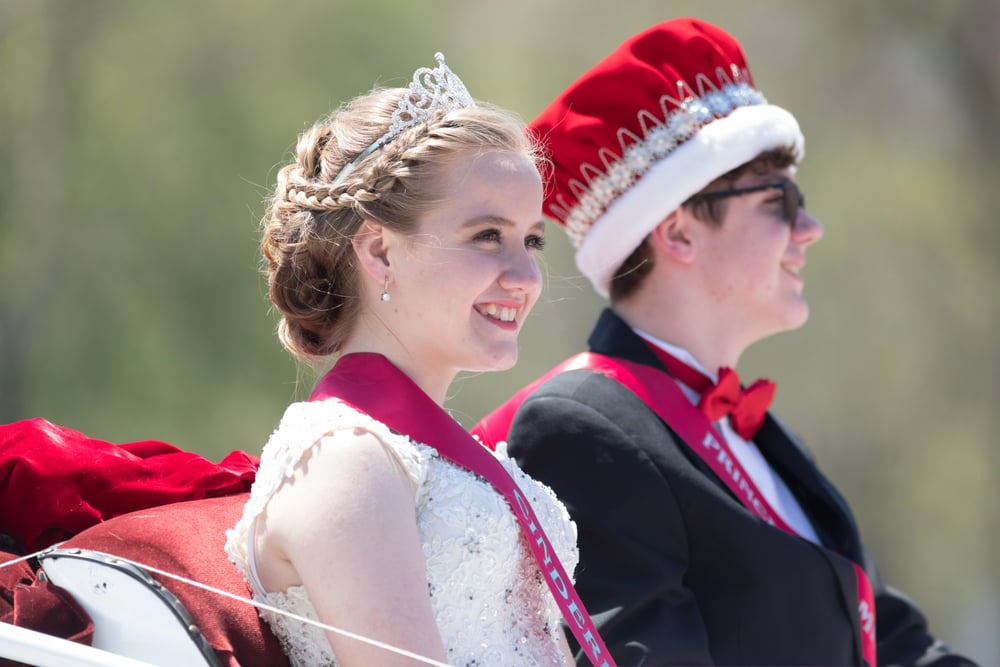
These go way back—originally rooted in old European spring festivals. By the Victorian era, “May Queen” events became full-fledged competitions, especially in English towns and later in the U.S.
It wasn’t about fame or media exposure; it was about tradition and community. Girls were crowned for embodying innocence and grace, often in handmade floral garlands.
These events may seem quaint now, but they helped form the foundation for modern local pageants.
Miss Black America
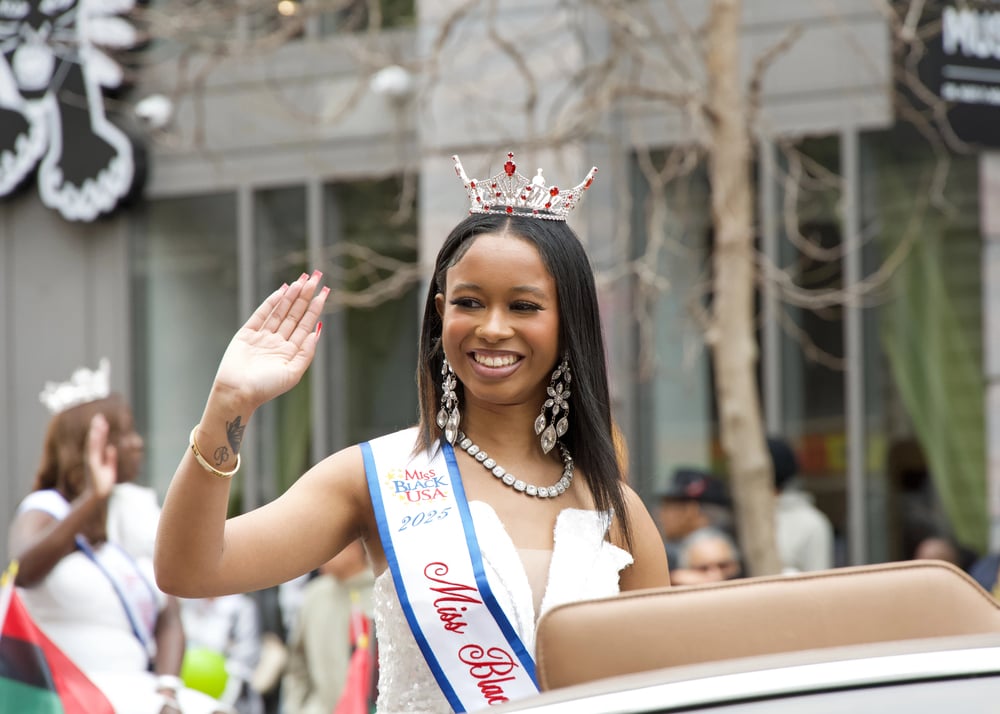
In 1968, when most major pageants still lacked racial diversity, J. Morris Anderson launched Miss Black America. It wasn’t just a response—it was a revolution.
The first winner, Saundra Williams, used the platform to talk about Black identity and culture. The event offered a space where African American beauty could be celebrated on its own terms, paving the way for greater inclusion in the pageant world.
The Great American Beauty Contest
This was a short-lived but fascinating blip in TV history. In 1973, “The Great American Beauty Contest” aired as a one-off special, mixing celebrity judges with live voting.
Think of it as a proto-reality show. It didn’t last—but its influence did.
The idea of blending pageantry with audience interaction would show up again and again in later reality TV formats like America’s Next Top Model or The Bachelor.
Miss Subways
From 1941 to 1976, New Yorkers riding the subway might have seen the smiling face of a Miss Subways winner. These women weren’t models—they were teachers, clerks, students.
Everyday folks. The contest, organized by the city’s transit authority, highlighted the idea that beauty wasn’t reserved for the elite.
It was diverse, democratic, and uniquely urban. Thelma Porter, one of the early winners, was the first Black Miss Subways and a groundbreaker in her own right.
California’s first beauty pageant

In 1920, before Hollywood really hit its stride, Santa Catalina Island hosted one of California’s first big beauty contests. It was sunny, stylish, and packed with early film industry figures.
The event captured the vibe of the West Coast—laid-back but aspirational. It also hinted at the growing relationship between beauty pageants and entertainment, a connection that would only deepen as Hollywood boomed.
How pageants shaped modern beauty standards

Beauty pageants have always been more than just sequins and smiles. They reflect—and sometimes challenge—the values of their time.
Whether it’s about promoting domestic ideals, celebrating diversity, or giving women a platform, these competitions have helped define public ideas about femininity, ambition, and even politics.
What started on boardwalks and beaches evolved into international shows that influence fashion, media, and cultural norms.
More from Go2Tutors!

- The Romanov Crown Jewels and Their Tragic Fate
- 13 Historical Mysteries That Science Still Can’t Solve
- Famous Hoaxes That Fooled the World for Years
- 15 Child Stars with Tragic Adult Lives
- 16 Famous Jewelry Pieces in History
Like Go2Tutors’s content? Follow us on MSN.