15 Drinks Governments Tried (and Failed) to Ban
Throughout history, governments have tried to control what people consume, often with the stated goal of protecting public health or maintaining social order. These prohibition efforts, however well-intentioned, frequently backfired spectacularly as people found creative ways to keep enjoying their favorite beverages.
Here is a list of 15 everyday drinks that governments around the world once attempted to ban, showing how difficult it is to separate humans from their cherished refreshments.
Coffee
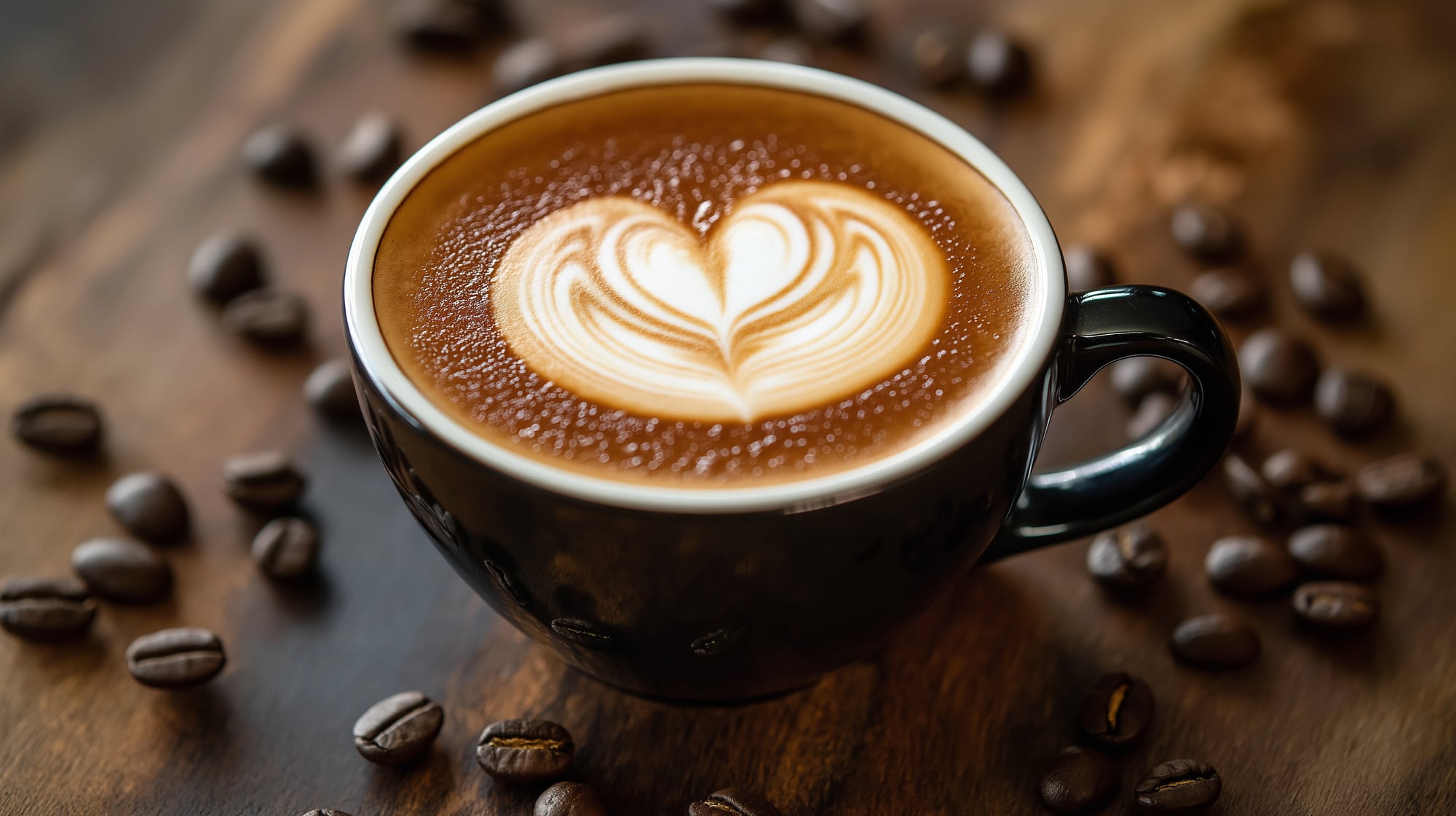
The stimulating effects of coffee alarmed many rulers throughout history. In 16th century Constantinople, Ottoman Sultan Murad IV imposed brutal penalties for coffee consumption, including beheading coffee drinkers on sight.
The prohibition only drove coffee consumption underground, with secret coffee houses operating behind unmarked doors and serving an ever more dedicated clientele.
Alcohol
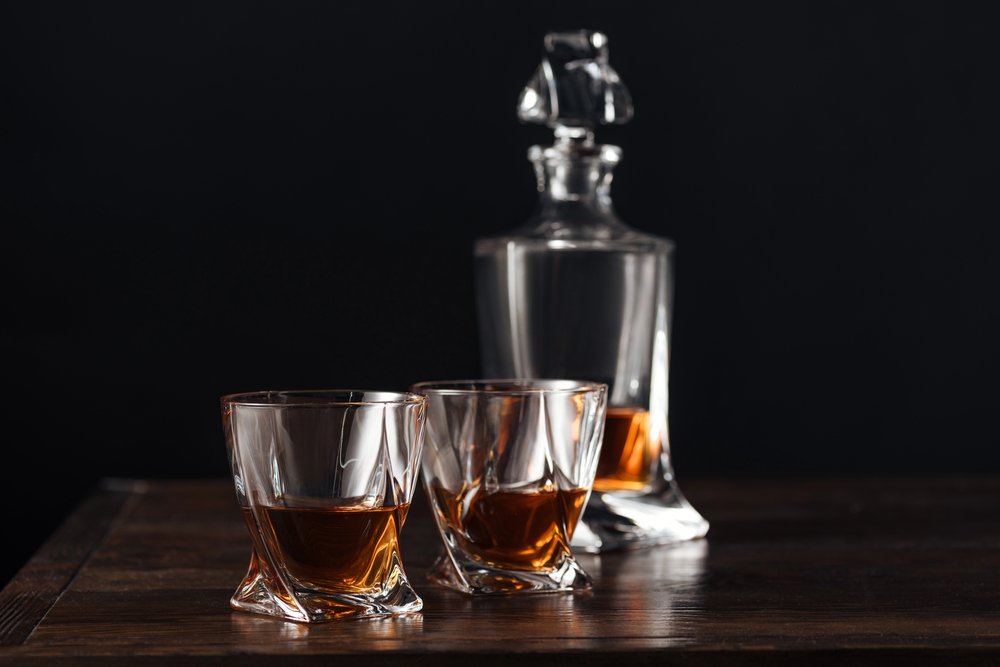
America’s experiment with Prohibition from 1920 to 1933 stands as perhaps the most famous failed attempt to ban a popular drink. Instead of creating a sober utopia, the ban fueled organized crime, speakeasies, and home brewing operations that made alcohol more dangerous and society more lawless.
The spectacular failure led to the 21st Amendment, making alcohol the only substance with constitutional protection in America.
Like Go2Tutors’s content? Follow us on MSN.
Tea
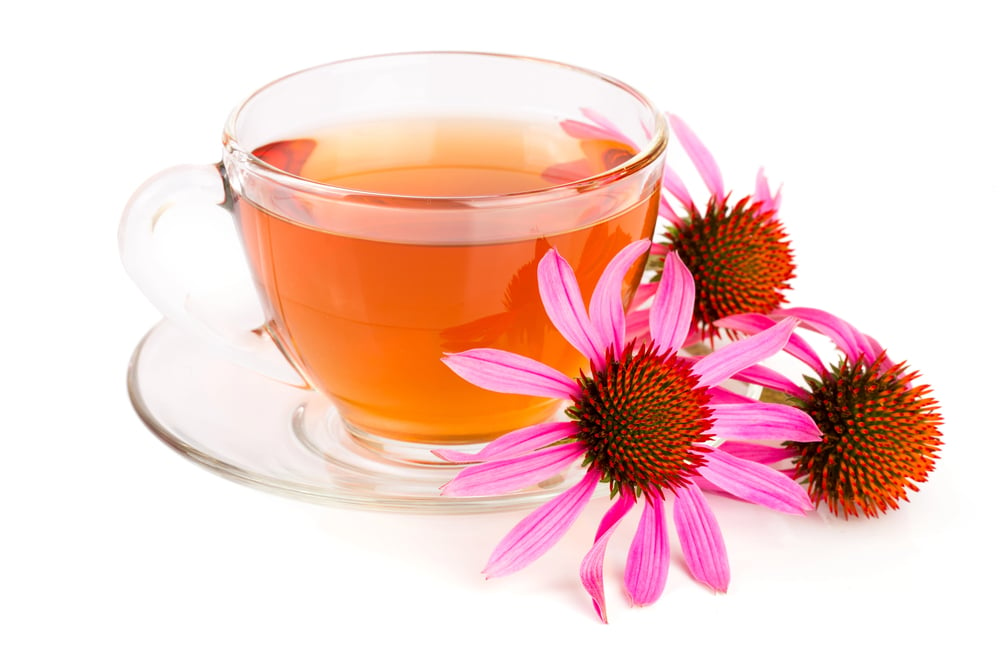
The British love affair with tea began despite government resistance, not because of it. In the 17th century, the monarchy viewed tea as a threat to beer consumption and the important tax revenue it generated.
King Charles II went so far as to ban coffeehouses, where tea was also served, calling them hotbeds of sedition where people might criticize the government while remaining irritatingly sober.
Coca-Cola
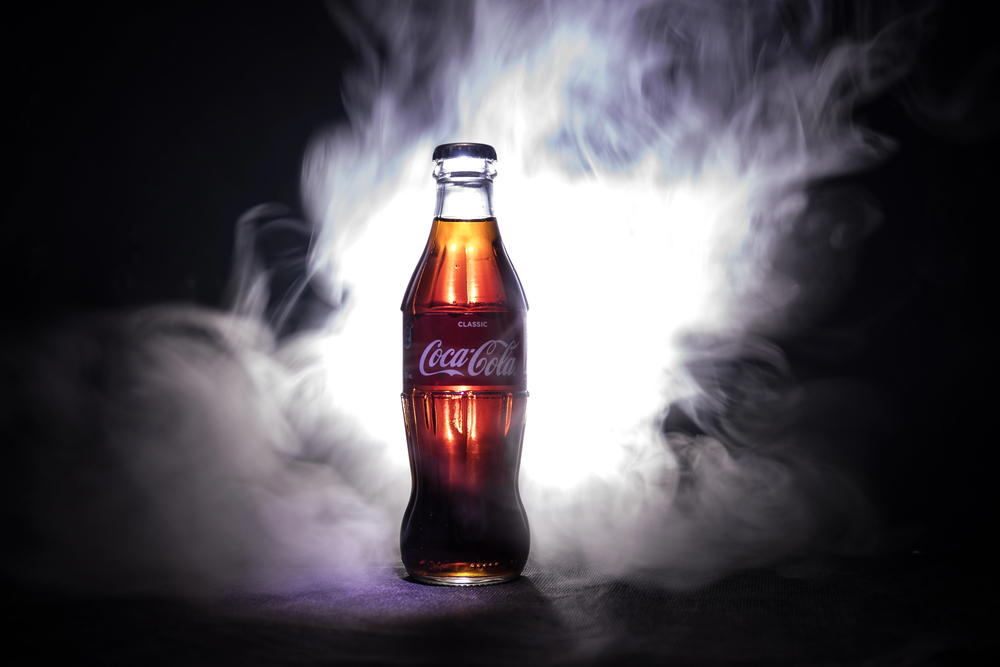
When Coca-Cola first appeared in the early 20th century, several states attempted to ban it due to its caffeine content and rumors about its original formula. Georgia and Tennessee led these efforts, with the latter successfully prohibiting the beverage in 1909.
The drink’s overwhelming popularity, however, rendered these bans short-lived as public demand and legal challenges quickly reversed most restrictions.
Absinthe
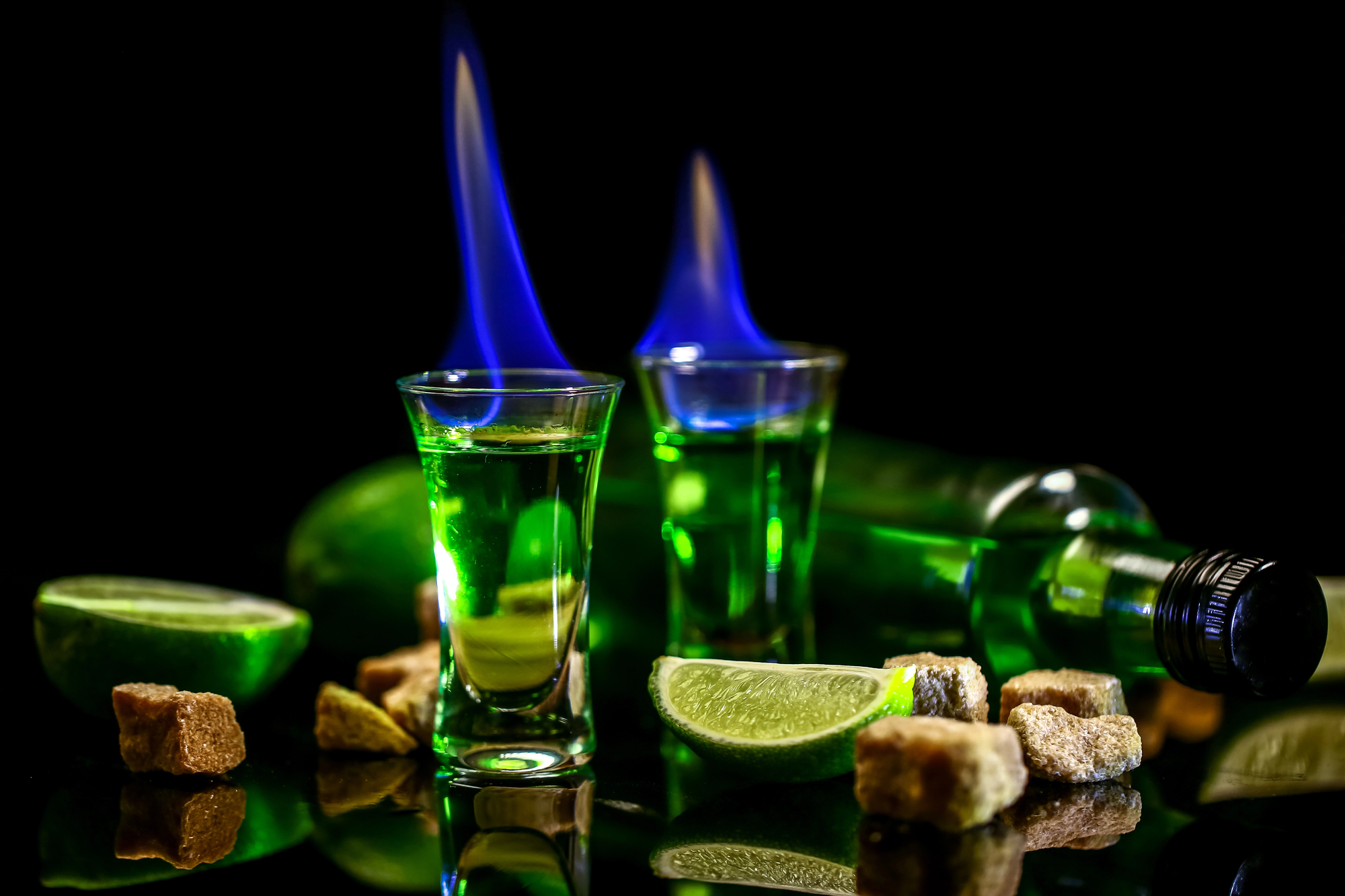
The emerald-colored spirit became the target of a moral panic in the early 1900s when it was blamed for causing hallucinations, criminal behavior, and moral decay. France banned it in 1915, followed by many other countries worldwide.
Modern science has since proven that properly made absinthe is no more dangerous than other alcoholic drinks, leading to the lifting of most bans in the 2000s.
Like Go2Tutors’s content? Follow us on MSN.
Energy Drinks
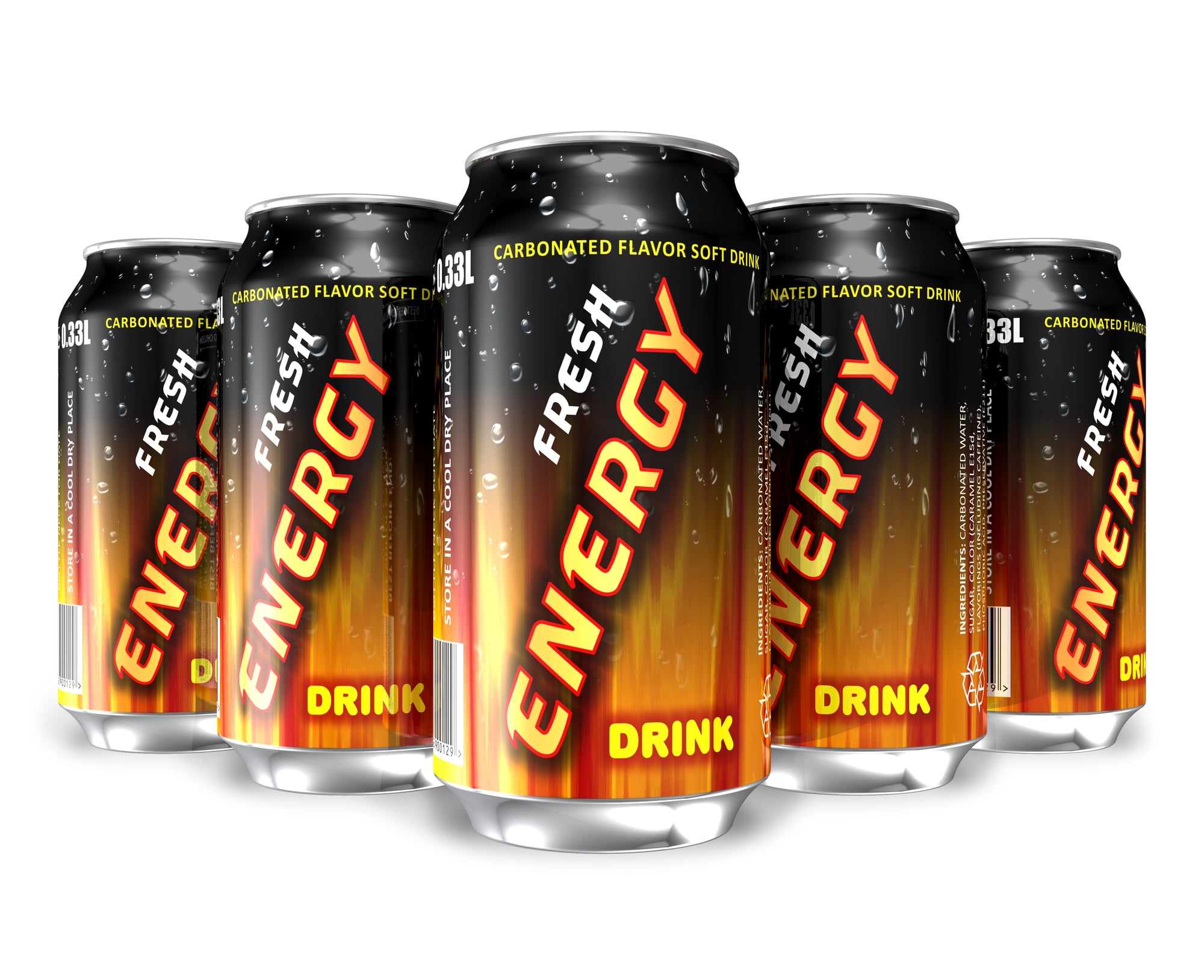
Several countries have attempted to restrict modern energy drinks due to health concerns. France banned Red Bull for 12 years until EU regulations forced them to relent in 2008.
Denmark and Norway had similar bans that eventually collapsed under consumer demand and pressure from manufacturers who adapted formulas for different markets while maintaining their essential appeal.
Chicha
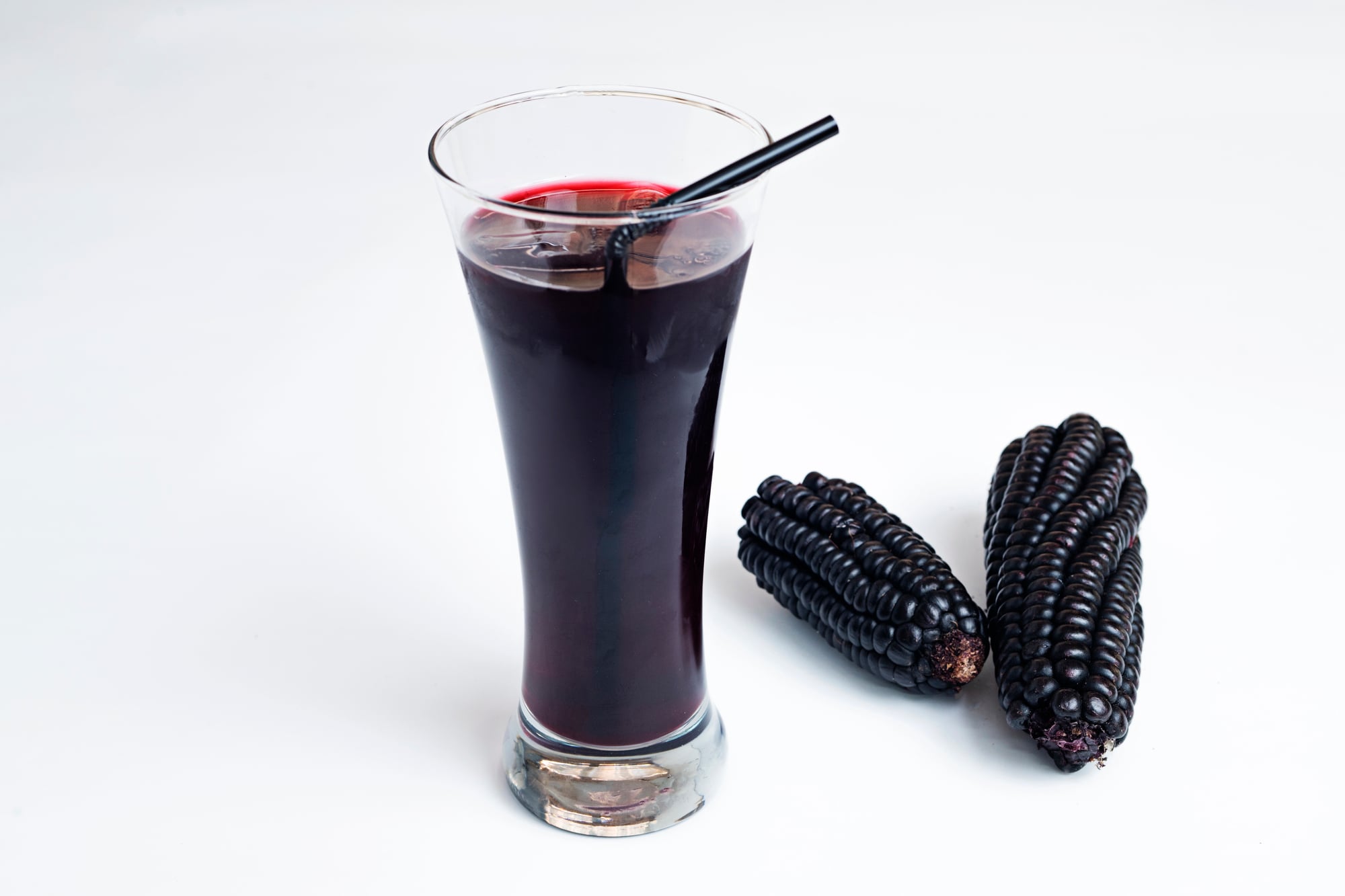
This traditional fermented corn beverage of the Andes was banned by Spanish colonizers who saw it as both unhygienic and connected to indigenous religious practices they sought to eliminate. The prohibition failed spectacularly as the drink was too deeply embedded in local culture.
Modern Peru and Bolivia now celebrate chicha as part of their cultural heritage, with the drink featuring prominently in tourism campaigns.
Kombucha
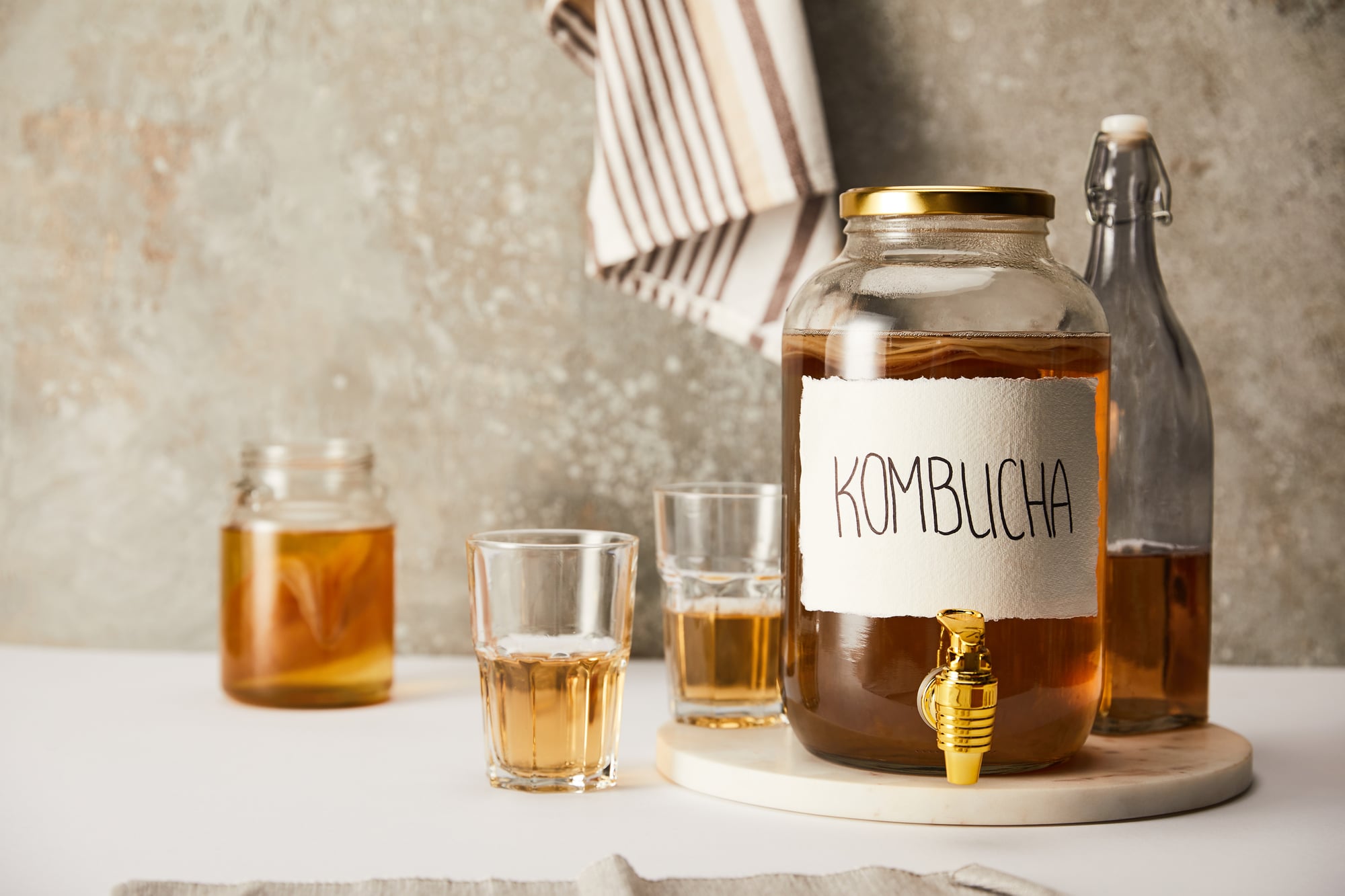
The fermented tea ran afoul of alcohol regulations in several U.S. states in the early 2010s when authorities discovered that some commercial versions contained more than the allowed 0.5% alcohol content. Federal agents actually raided kombucha makers in California, temporarily pulling products from store shelves.
Manufacturers quickly adjusted their fermentation processes while consumers simply made their own at home.
Like Go2Tutors’s content? Follow us on MSN.
Kvass
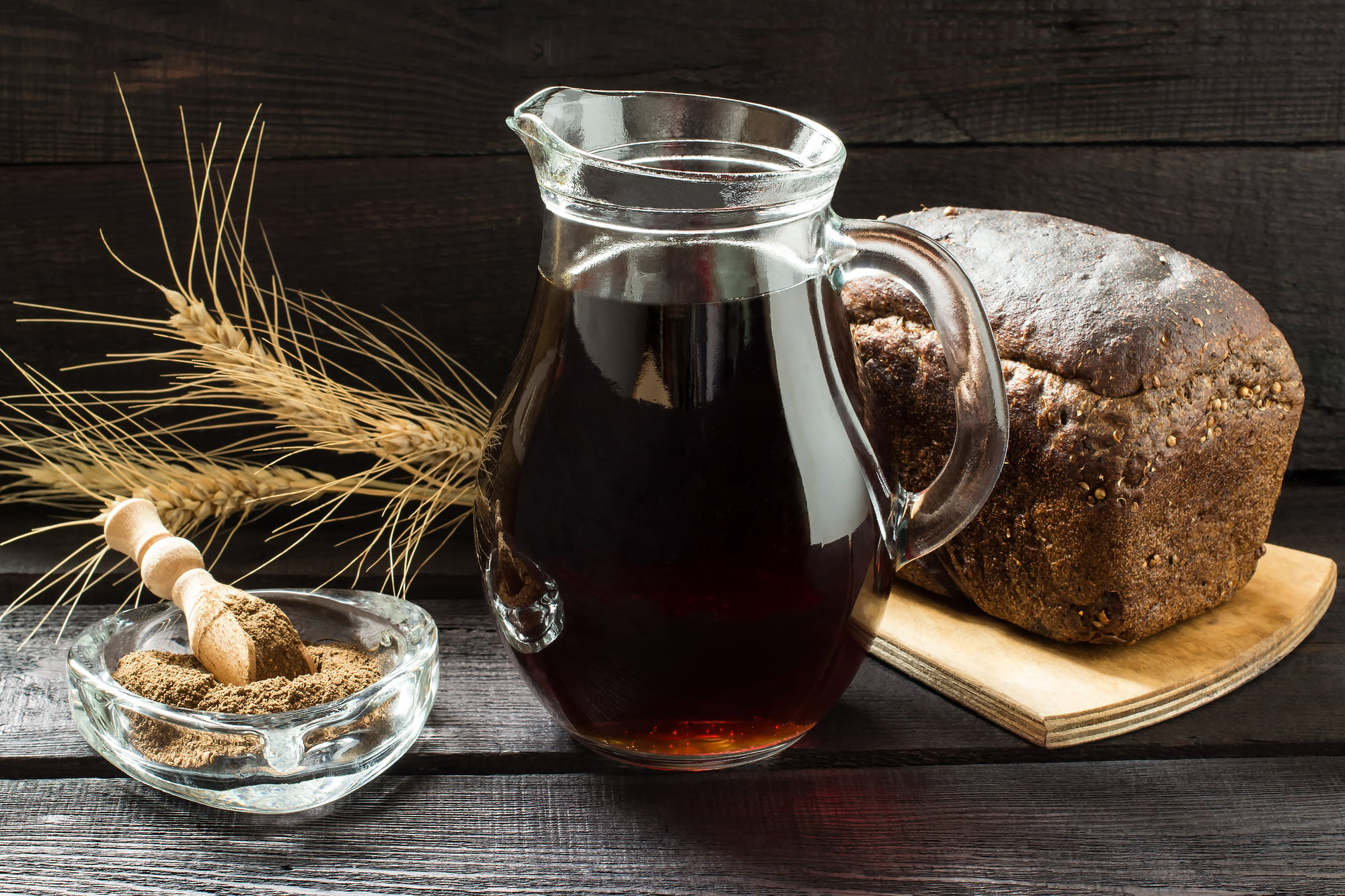
This mildly alcoholic Slavic beverage made from fermented bread was restricted during the Soviet era’s anti-alcohol campaigns under Gorbachev in the 1980s. The restrictions were widely ignored by Russians who continued making the traditional drink at home, seeing it more as a food than an alcoholic beverage.
Today, kvass is celebrated as a national drink across Eastern Europe.
Mead
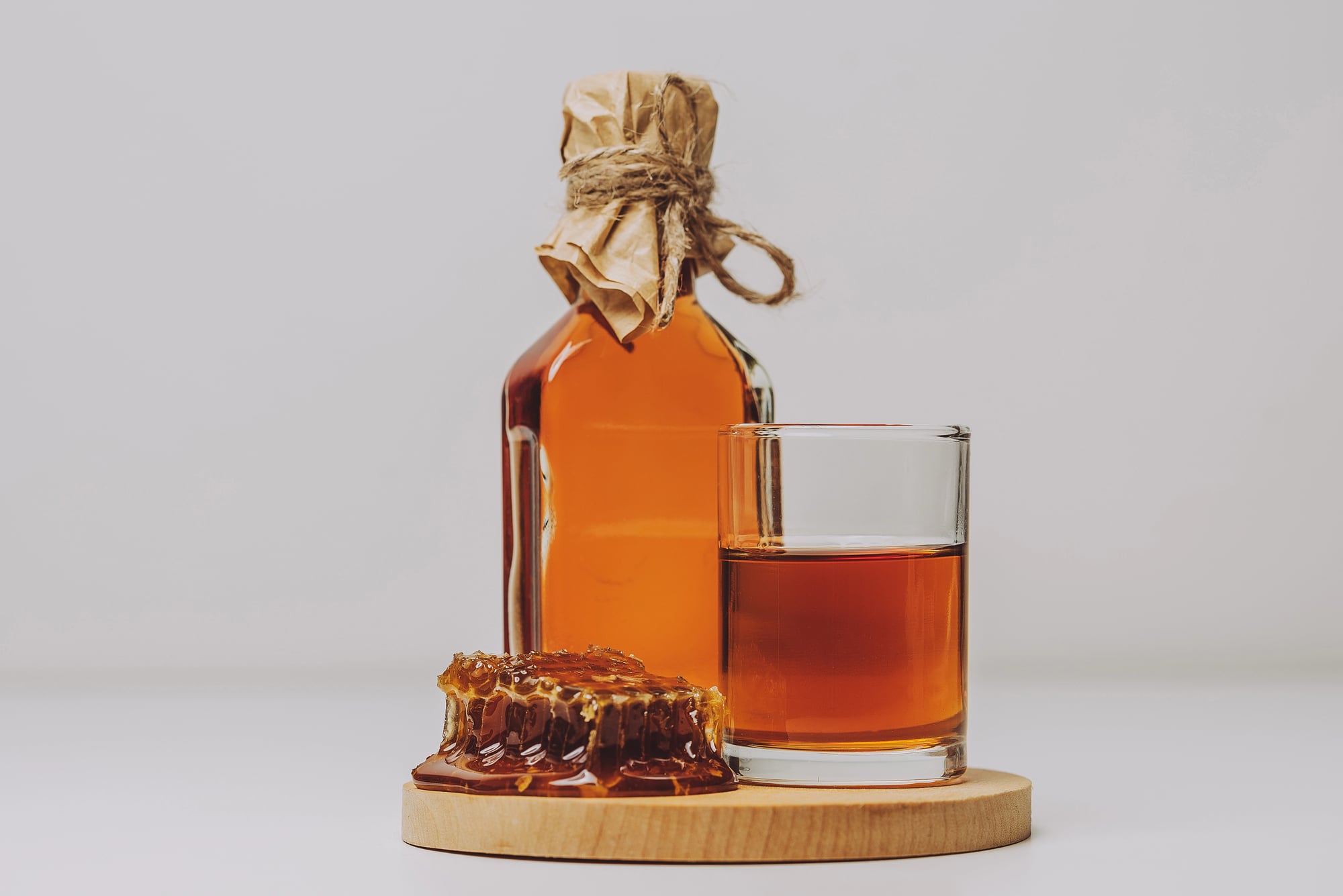
This ancient honey-based alcohol faced prohibition during various temperance movements, particularly in Scandinavia, where it had strong cultural significance. Norway’s alcohol prohibition period from 1916 to 1927 technically banned mead along with other alcoholic beverages.
The ban only pushed production into homes and underground operations, with traditional recipes carefully preserved despite government interference.
Root Beer
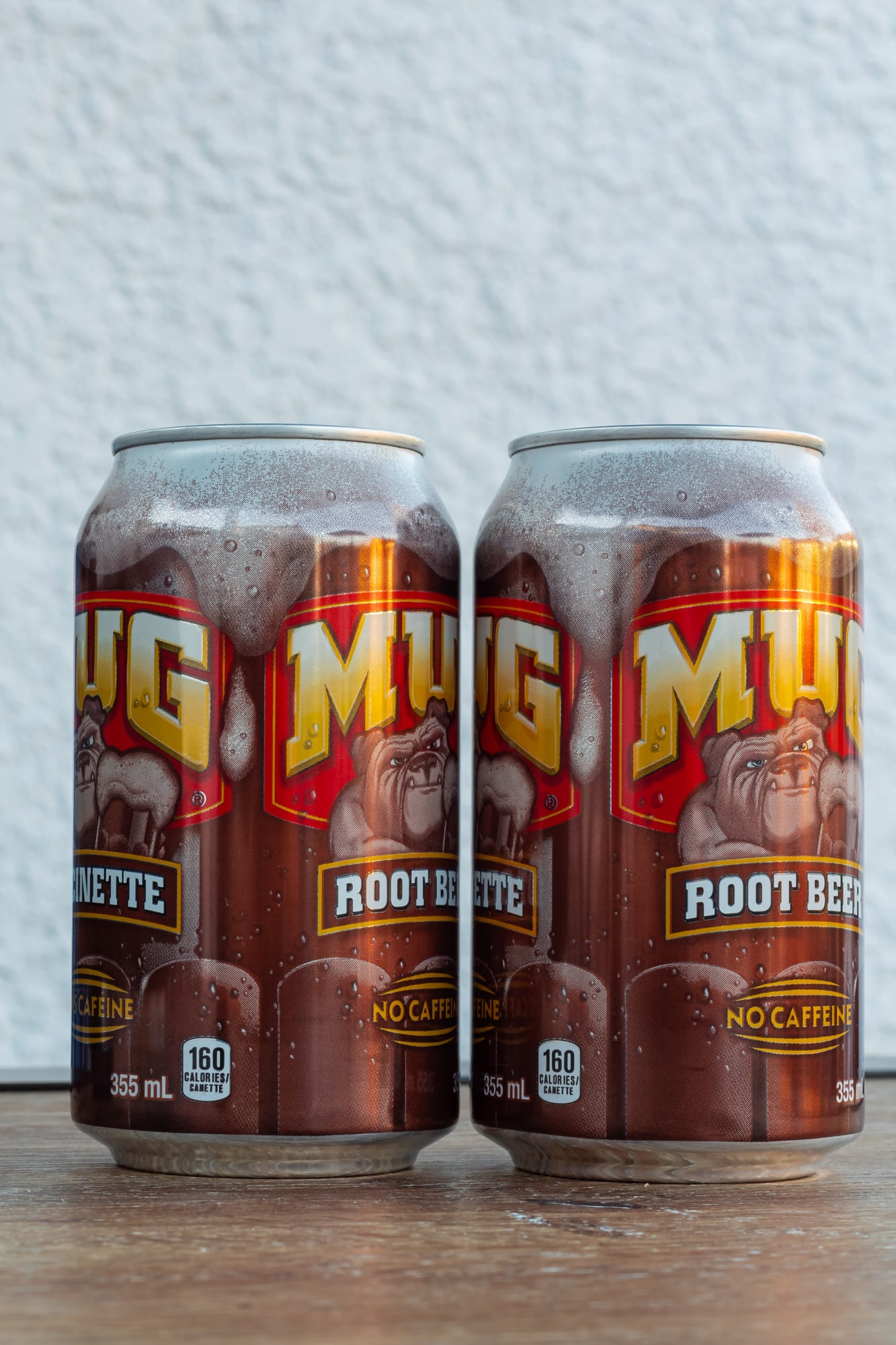
Early formulations of root beer often contained alcohol and medicinal herbs that drew scrutiny from American authorities in the early 20th century. The drink survived by adapting—manufacturers removed alcohol and certain herbs like sassafras due to regulatory pressure.
The modern non-alcoholic version became a beloved American staple, demonstrating how prohibition often transforms rather than eliminates targeted beverages.
Like Go2Tutors’s content? Follow us on MSN.
Pulque
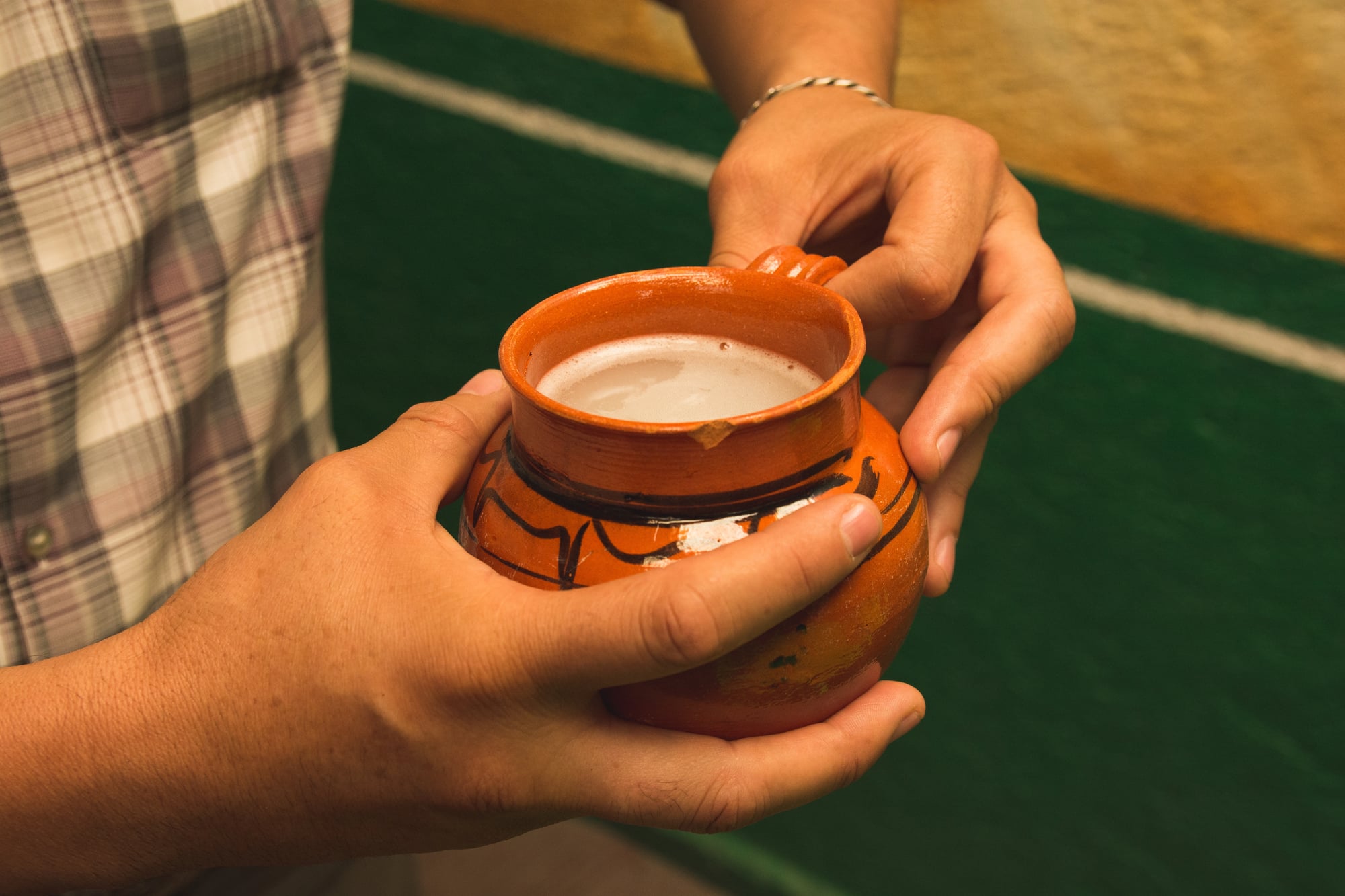
This traditional Mexican fermented agave drink was suppressed first by Spanish colonizers who viewed it as primitive, then by the Mexican government who associated it with poverty and indigenous culture. Beer companies later lobbied against it for competitive reasons.
Despite these multi-century efforts, pulque has experienced a renaissance in recent years as young Mexicans reclaim their cultural heritage.
Kava
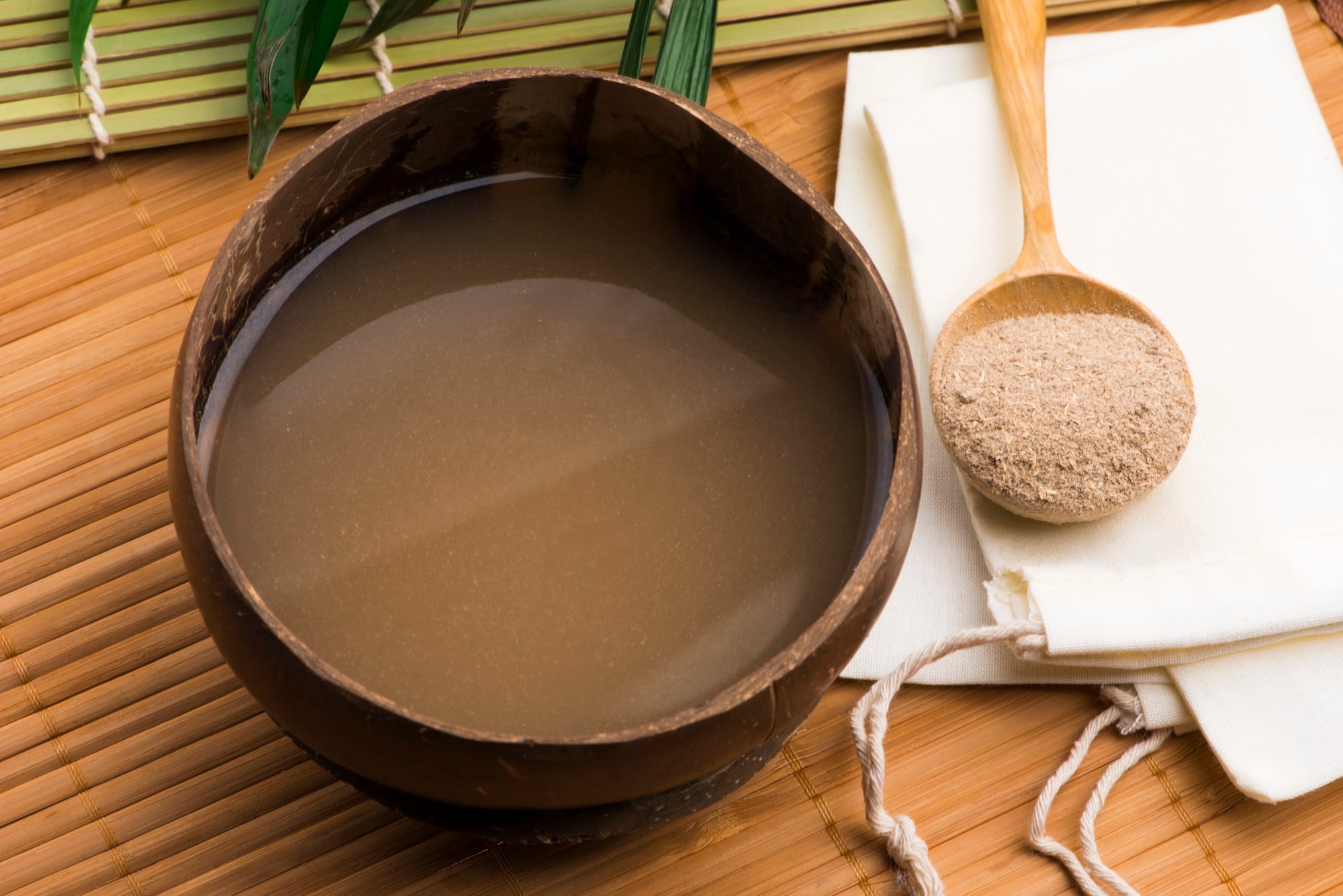
This South Pacific ceremonial drink faced bans in several European countries in the early 2000s due to concerns about potential liver damage. The bans devastated economies in Fiji and Vanuatu where kava was a key export.
Recent research has largely exonerated traditionally prepared kava, leading to the lifting of most bans and a new global interest in the relaxing beverage.
Soju
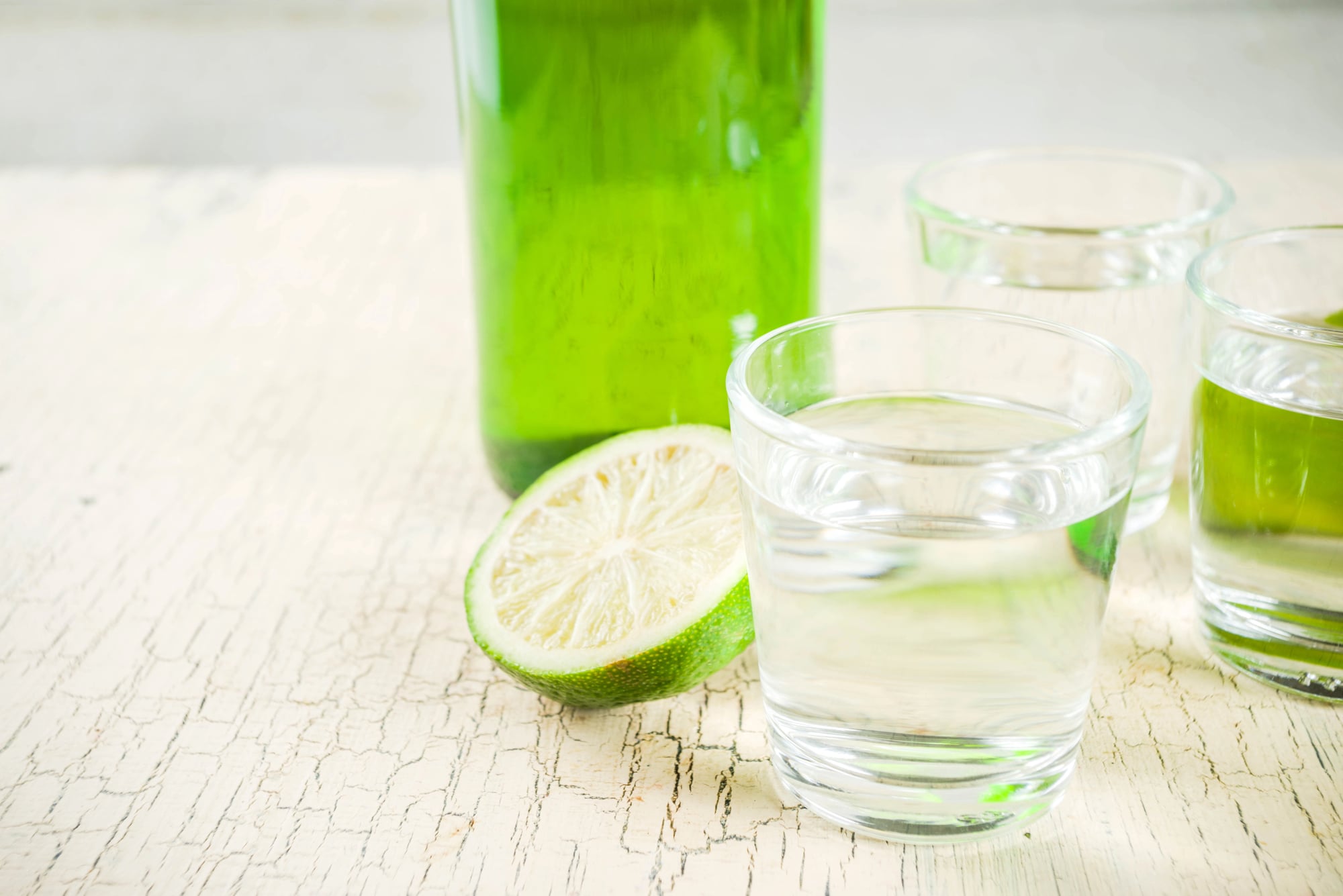
Korea’s national spirit faced restrictions during the Japanese colonial period from 1910 to 1945, when authorities attempted to limit its production as part of broader cultural suppression. The policy backfired as soju became symbolically linked with Korean identity and resistance.
Today, soju is the world’s best-selling spirit category, with Koreans consuming more than 3 billion bottles annually.
Like Go2Tutors’s content? Follow us on MSN.
Bhang
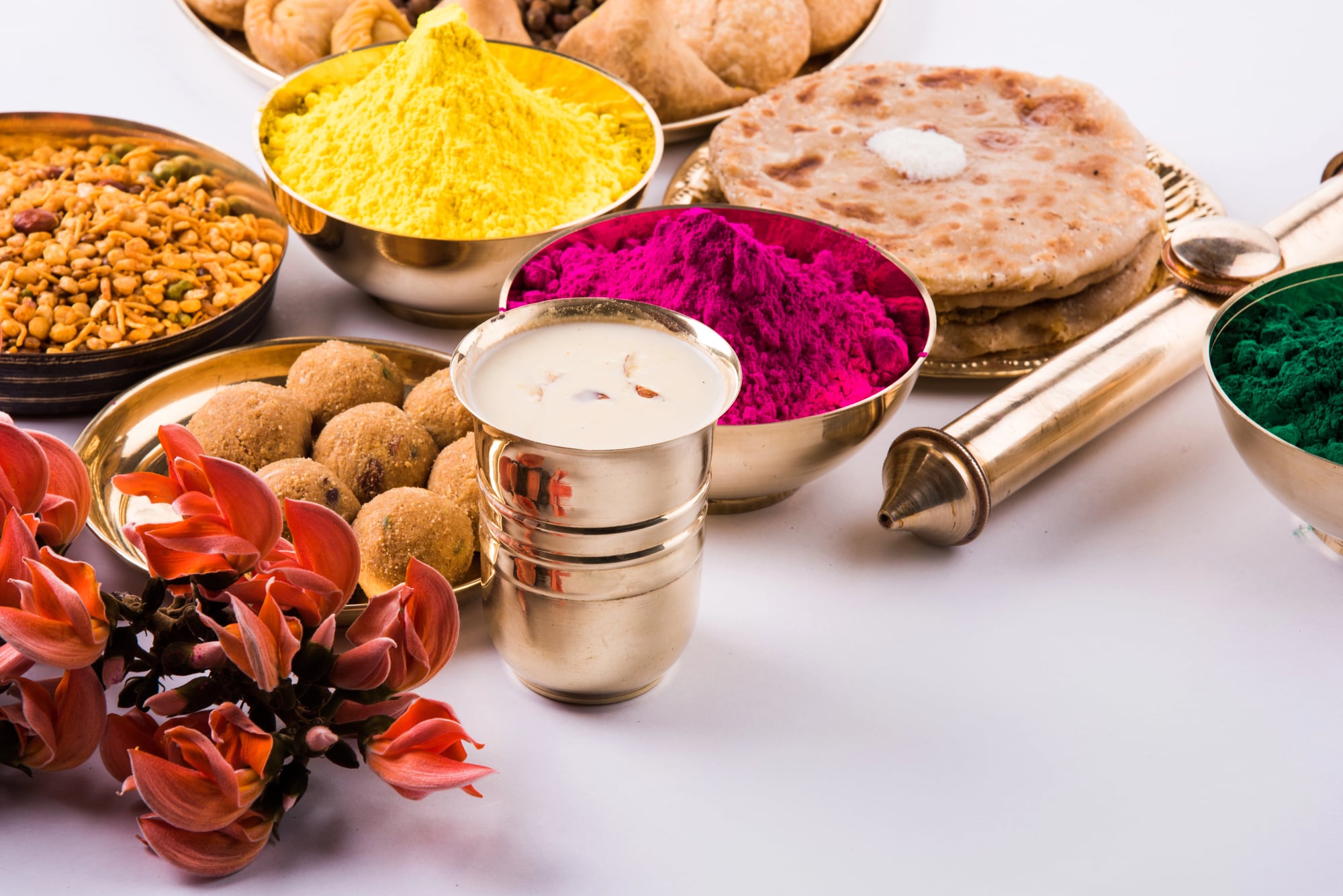
This cannabis-infused milk drink has religious significance in parts of India, especially during the Holi festival. British colonial authorities attempted to ban it in the 19th century, but made religious exemptions after fierce resistance.
India’s complex legal relationship with bhang continues today, with the drink technically illegal under narcotics laws but widely permitted during religious festivals in certain states.
The Eternal Thirst for Freedom
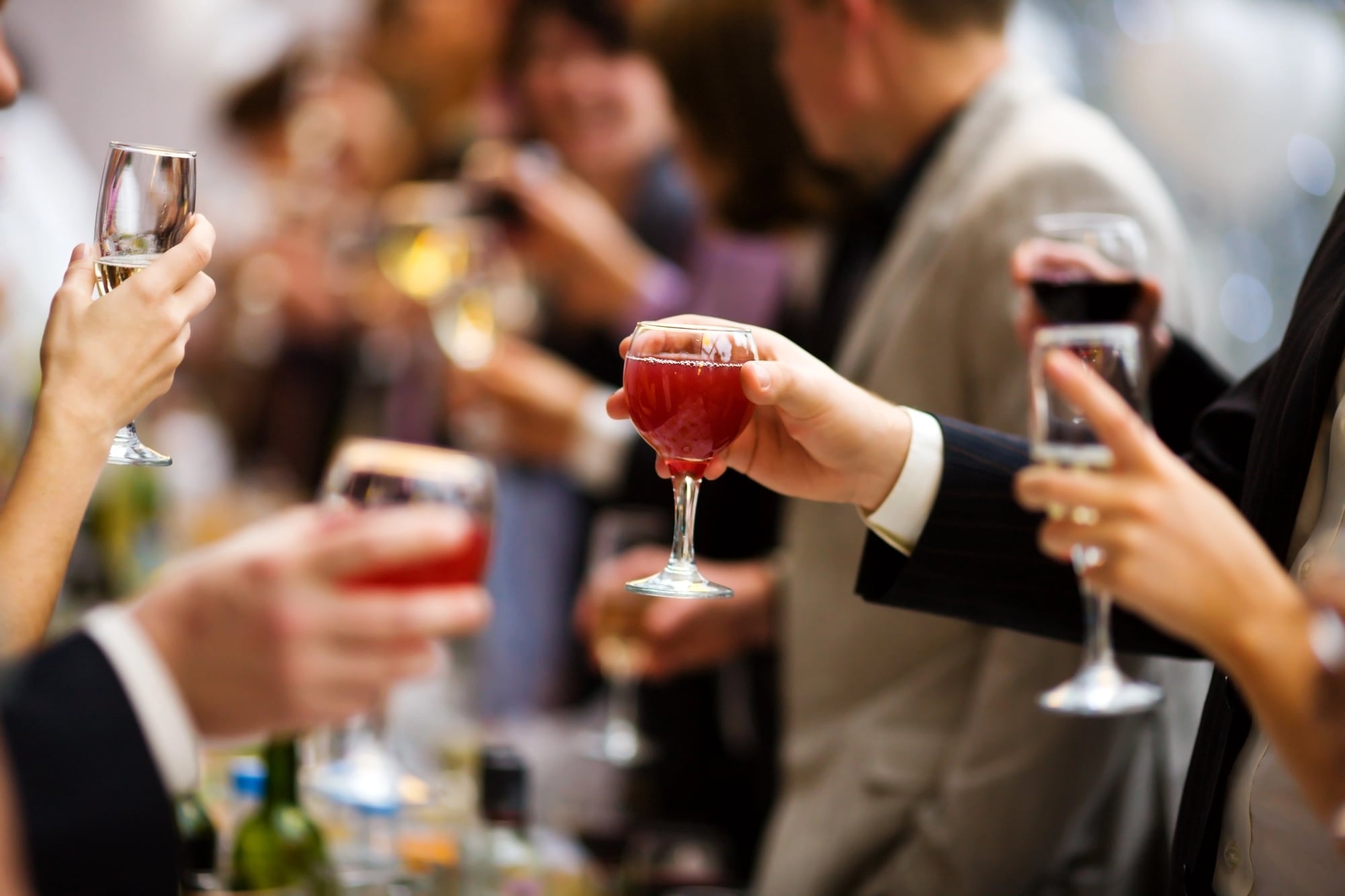
Throughout human history, attempts to control what people drink have consistently revealed an important truth about human nature—the desire for personal choice often proves stronger than government prohibition. These 15 examples demonstrate that banning popular beverages typically drives consumption underground rather than eliminating it, often creating new problems along the way.
Whether motivated by moral panic, health concerns, or political control, drink prohibitions demonstrate how deeply intertwined our beverages are with our cultural identities and personal freedoms—a connection that regulations have repeatedly failed to sever.
More from Go2Tutors!

- 18 Unexpectedly Valuable Collectibles You Might Have Lying Around
- 20 Little-Known Historical Battles That Had Huge Consequences
- 20 Historical Artifacts That Scientists Can’t Explain
- 15 Inventions That Were Immediately Banned After Being Created
- 20 Actors Who Were Almost Cast in Iconic Roles
Like Go2Tutors’s content? Follow us on MSN.