17 Tiny Nations With Outsized Global Influence
When it comes to worldwide influence, size isn’t necessarily important. Superpowers like China and the United States make headlines, but some of the tiniest nations in the world have significantly more power than their small size would imply. Through their strategic location, economic ingenuity, diplomatic skill, or pure willpower, these countries outperform their peers.
Goliath vs. David is similar, except David isn’t merely hurling stones. In addition to hosting world leaders and managing multinational enterprises, he occasionally makes decisions about international affairs. These 17 small countries demonstrate that, when it comes to leaving their stamp on the global scene, geography is not fate.
Vatican City

At just square miles, Vatican City stands as the world’s smallest sovereign state. Its influence spans continents though.
The Pope’s words can move markets, influence elections, and shape policy decisions across Catholic-majority nations. Over billion Catholics worldwide means Vatican moral authority extends far beyond those medieval walls—when the Pope speaks on climate change, war, or social justice, world leaders listen and often adjust their positions accordingly.
Singapore

This city-state transformed from a colonial trading post to one of the world’s most important financial hubs in just decades. Singapore’s strategic location sits at the crossroads of major shipping lanes—making it indispensable to global trade while handling roughly percent of all container transshipments.
Political stability plus business-friendly policies have attracted multinational corporations, establishing it as the gateway to Southeast Asia. The country’s leaders regularly advise other nations on governance and economic development, despite having a population smaller than most major cities.
Switzerland

Being neutral doesn’t mean being irrelevant when you’re the world’s banker and peacemaker. Switzerland hosts more international organizations than any other country—from the United Nations to the World Economic Forum.
Its banking sector manages trillions in global assets, whereas Swiss companies dominate industries from pharmaceuticals to luxury goods. The country’s tradition of neutrality makes it the perfect venue for sensitive diplomatic negotiations, earning it a permanent seat at the table for major international discussions.
Luxembourg

This small European nation operates as a financial powerhouse that manages more investment funds than anywhere else except the United States. Luxembourg’s favorable tax laws and regulatory framework have attracted thousands of international companies—making it home to Amazon’s European headquarters plus countless holding companies.
Despite having fewer than residents, it boasts one of the world’s highest GDPs per capita while playing a crucial role in European Union decision-making.
Monaco
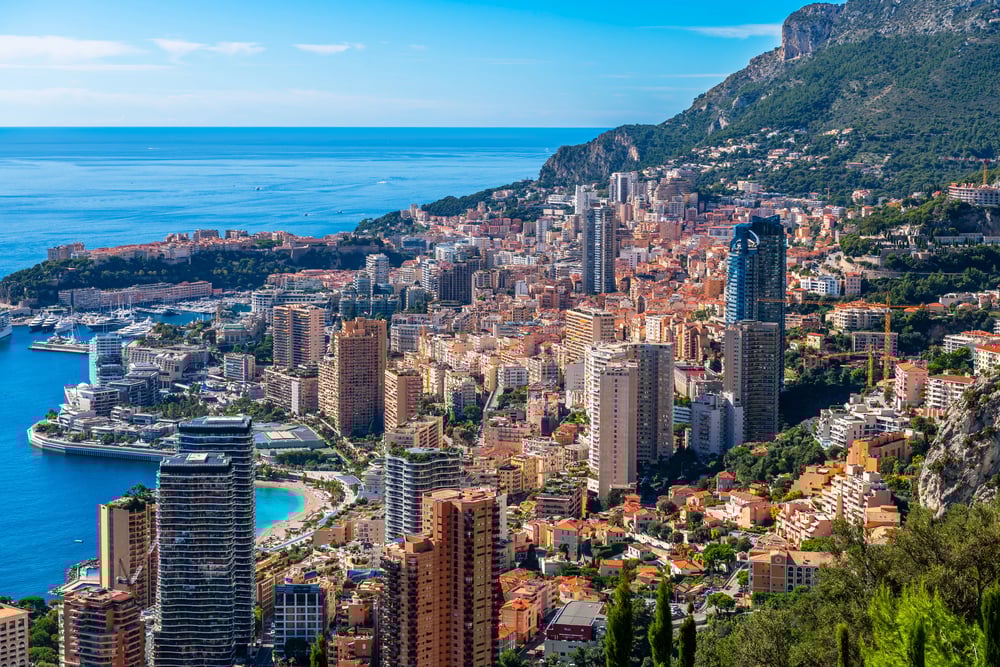
Monaco proves that location and luxury can create an outsized influence. This tiny principality attracts the world’s wealthiest individuals, who bring their money, connections, and business empires with them.
The Monte Carlo Casino and Formula One Grand Prix put Monaco on the global map—while its tax haven status makes it a preferred residence for billionaires and celebrities. These wealthy residents often maintain significant business interests worldwide, giving Monaco indirect influence over major corporations and investment decisions.
Liechtenstein
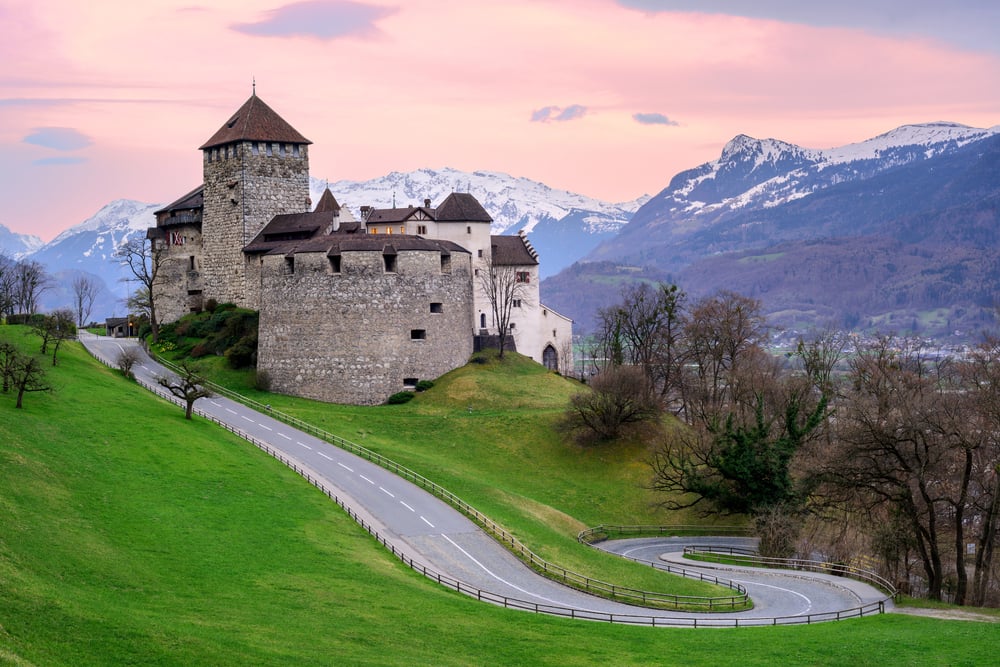
Sandwiched between Switzerland and Austria, Liechtenstein has become Europe’s most successful tax haven per capita. The country specializes in private banking and wealth management—handling assets worth more than times its GDP.
Major multinational corporations establish shell companies here to minimize their tax burdens, whereas wealthy individuals park their fortunes in Liechtenstein’s discreet banking system. This financial influence extends far beyond the country’s mile length.
San Marino

One of the world’s oldest republics maintains relevance through strategic partnerships and diplomatic finesse. San Marino’s unique position as an enclave within Italy allows it to serve as a bridge between different political and economic systems.
The country has managed to maintain its independence for over years by carefully balancing relationships with larger powers—its stamps and coins are highly sought after by collectors worldwide, generating significant revenue relative to its tiny size.
Andorra
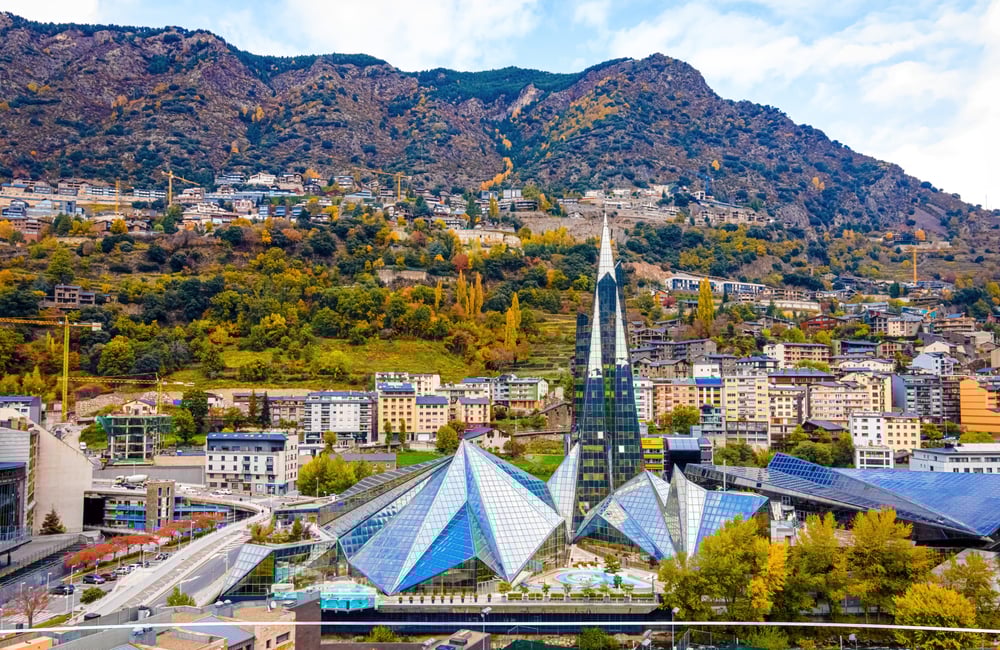
This Pyrenean principality has leveraged its position between France and Spain to become a shopping and banking destination. Andorra’s duty-free status attracts millions of visitors annually—while its banking sector manages substantial assets for European clients.
The country’s unique co-principality system, with the President of France and the Bishop of Urgell as joint heads of state, gives it unusual diplomatic connections. This arrangement provides Andorra with protection and influence that far exceeds its square-mile territory.
Malta

Malta’s strategic location in the Mediterranean has made it a crucial player in European and Middle Eastern affairs. The island nation serves as a gateway between Europe and Africa—hosting important EU institutions and international conferences.
Its English-speaking population and EU membership make it an attractive base for international businesses expanding into European markets, though Malta’s citizenship-by-investment program has attracted wealthy individuals from around the world, creating networks of influence that extend globally.
Cyprus

Despite its small size and divided status, Cyprus plays an outsized role in Eastern Mediterranean geopolitics. The island’s strategic location makes it valuable to both European and Middle Eastern powers—while its banking sector has historically attracted significant Russian and Middle Eastern investment.
Cyprus serves as an important energy hub as offshore gas discoveries reshape regional dynamics. The country’s EU membership gives it influence over European policy toward the Middle East and Turkey.
Iceland
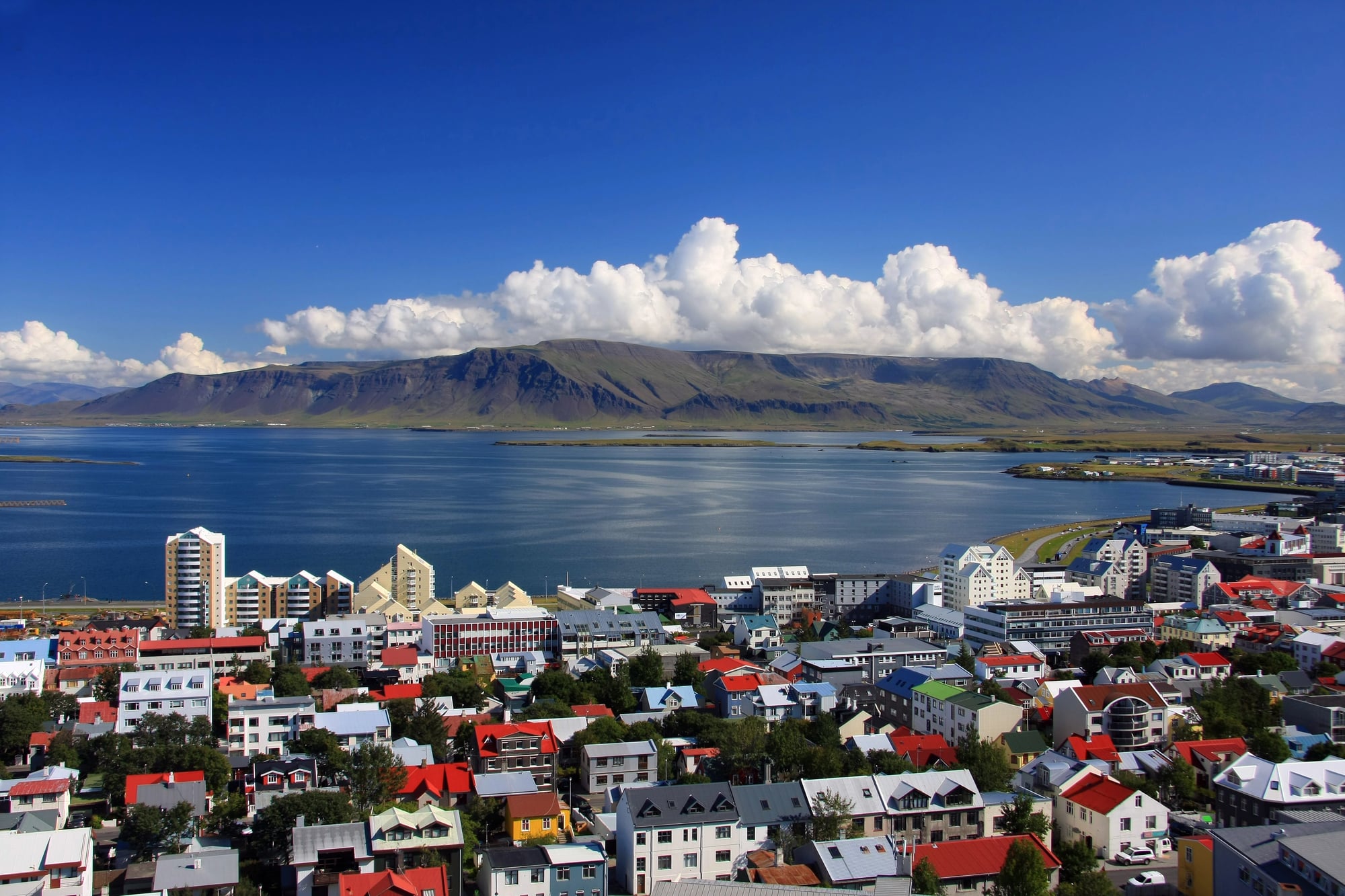
This Nordic island nation wields influence far beyond its residents through cultural exports and diplomatic innovation. Iceland’s music, literature, and unique culture have gained global recognition, while its renewable energy expertise makes it a leader in sustainable development discussions.
The country’s response to the financial crisis, including prosecuting bankers and protecting citizens over creditors, influenced global debates about financial reform. Iceland’s strategic location between Europe and North America has made it an important NATO ally despite having no standing army.
Brunei

This Southeast Asian sultanate exercises regional influence through its vast oil and gas wealth. Brunei’s sovereign wealth fund invests globally, giving the country economic leverage in international markets.
The sultan’s personal wealth and connections provide diplomatic influence throughout the Islamic world and Southeast Asia. Despite having fewer than citizens, Brunei plays an important role in ASEAN decision-making and serves as a bridge between Islamic and Western interests in the region.
Bahrain
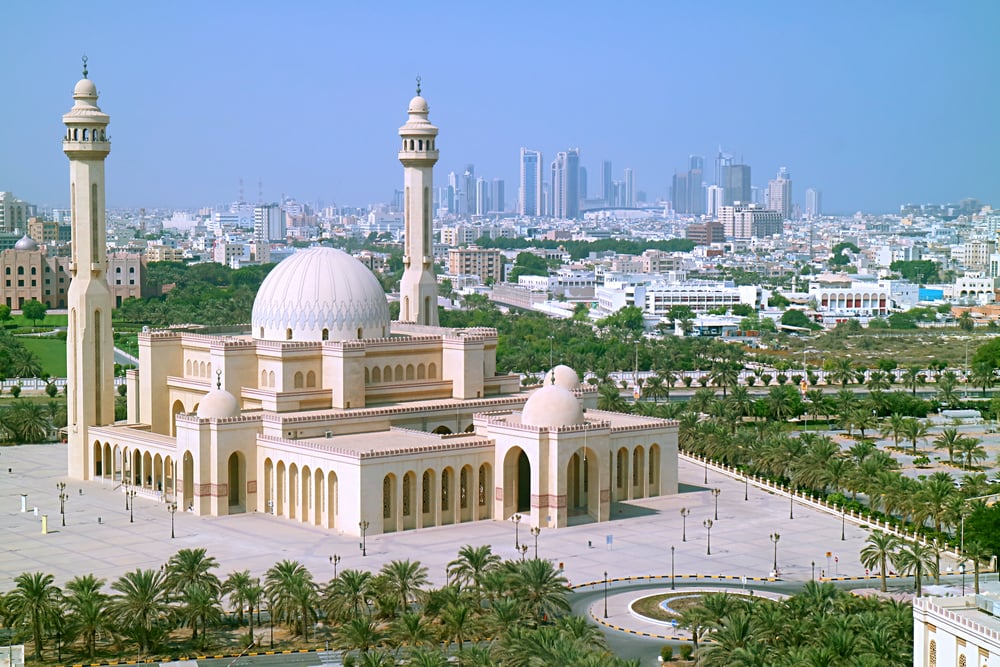
This island kingdom serves as a crucial financial and strategic hub in the Persian Gulf. Bahrain hosts the U.S. Fifth Fleet, making it vital to American military operations in the region.
The country’s banking sector serves as a regional center for Islamic finance, while its more liberal social policies compared to neighbors make it attractive to international businesses. Bahrain’s position between Saudi Arabia and Iran gives it unique diplomatic importance in managing regional tensions.
Qatar

Qatar’s massive natural gas reserves have transformed it from a pearl diving economy to a global energy powerhouse in just decades. The country uses its wealth to project influence through sports, media, and diplomacy, hosting major events like the FIFA World Cup and owning influential media outlets like Al Jazeera.
Qatar’s sovereign wealth fund invests in major companies worldwide, from luxury retailers to technology firms. The country’s mediation efforts in regional conflicts have made it an indispensable diplomatic player despite having fewer than million residents.
Kuwait

This small Gulf state has parlayed its oil wealth into global financial influence and diplomatic importance. Kuwait’s sovereign wealth fund is one of the world’s largest, with investments spanning continents and industries.
The country’s strategic location and historical role as a trading hub make it crucial to regional stability. Kuwait’s parliamentary system and relatively free press give it soft power influence throughout the Arab world, while its humanitarian aid programs extend its reach globally.
United Arab Emirates

The UAE has transformed from a collection of small sheikhdoms into a global business and tourism hub. Dubai’s airports handle more international passengers than almost anywhere else, while Abu Dhabi’s sovereign wealth funds invest trillions worldwide.
The country’s tolerance and business-friendly policies have made it a regional headquarters for multinational corporations. The UAE’s space program, renewable energy investments, and cultural initiatives project influence far beyond the Arabian Peninsula.
Mauritius
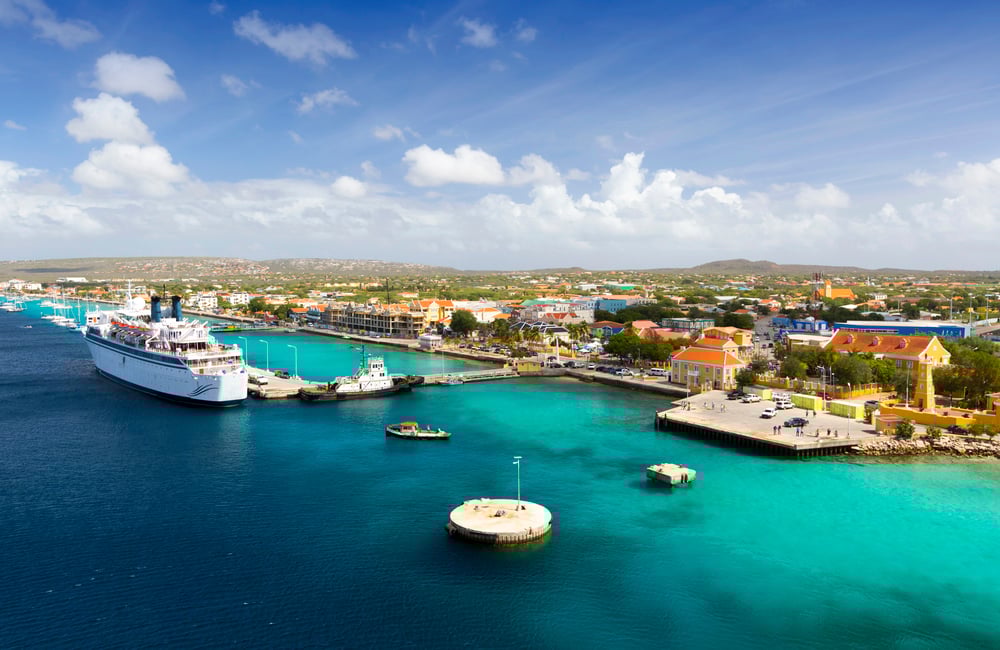
This Indian Ocean island nation has become a crucial financial gateway between Africa and Asia. Mauritius offers favorable tax treaties and banking services that facilitate billions in investment flows to African markets.
The country’s stable democracy and multilingual population make it attractive to international businesses seeking African exposure. Its strategic location along major shipping routes gives it importance in Indian Ocean geopolitics, while its success as a middle-income democracy provides a model for other small island developing states.
When Geography Meets Strategy

These tiny nations prove that influence comes in many forms, from financial muscle to diplomatic skill to strategic positioning. While they may never command armies or vast territories, they’ve found ways to make themselves indispensable to the global system.
Their success stories offer lessons about how smart policy, strategic thinking, and leveraging unique advantages can overcome the limitations of size. In an interconnected world, being small sometimes means being nimble enough to find the gaps that larger powers miss.
More from Go2Tutors!

- The Romanov Crown Jewels and Their Tragic Fate
- 13 Historical Mysteries That Science Still Can’t Solve
- Famous Hoaxes That Fooled the World for Years
- 15 Child Stars with Tragic Adult Lives
- 16 Famous Jewelry Pieces in History
Like Go2Tutors’s content? Follow us on MSN.



