The Science Behind Butterflies and the Western Monarch
Butterflies have fascinated people for centuries with their delicate wings and graceful flight. These creatures go through one of nature’s most dramatic transformations, changing from crawling caterpillars into winged insects that can travel thousands of miles.
The Western monarch butterfly stands out as one of North America’s most remarkable travelers, making an annual journey along the Pacific coast that scientists are still working to fully understand.
Let’s take a closer look at what makes these orange and black fliers so special and why their survival matters more than most people realize.
How butterflies actually see the world
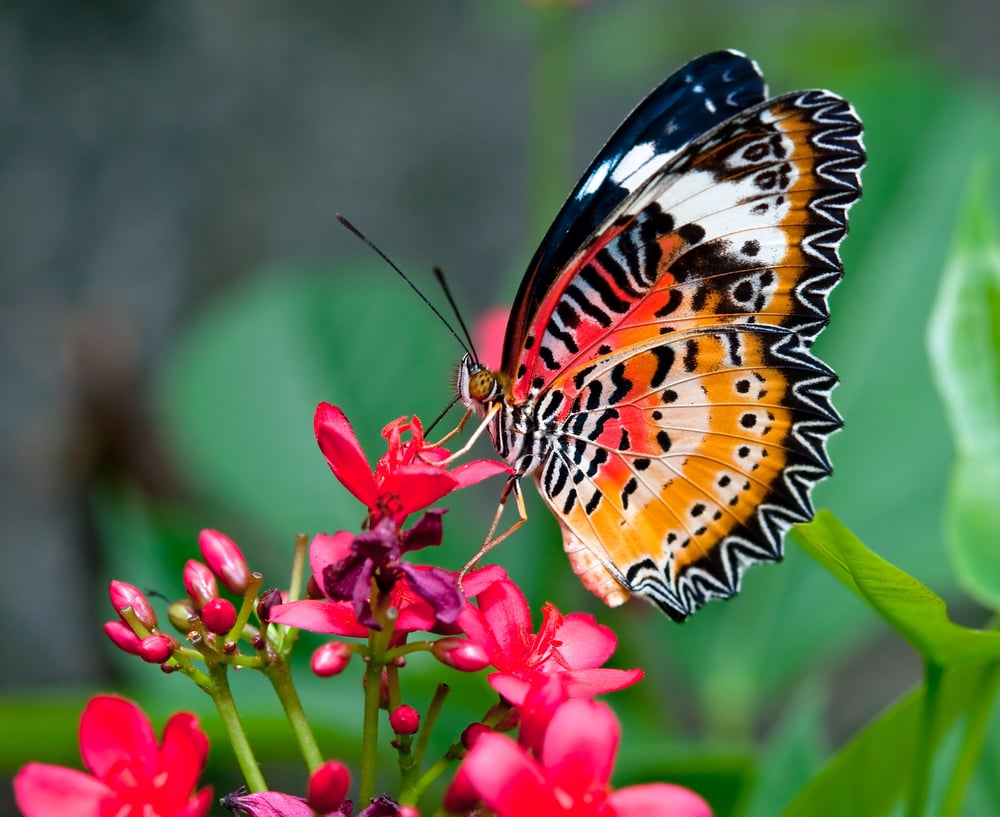
Butterflies don’t see things the way humans do. Their eyes are made up of thousands of tiny lenses called ommatidia, which create a mosaic view of their surroundings.
They can detect ultraviolet light that’s completely invisible to us, which helps them find flowers and identify potential mates. This superpower allows them to spot patterns on flower petals that guide them straight to the nectar.
The four-stage life cycle explained

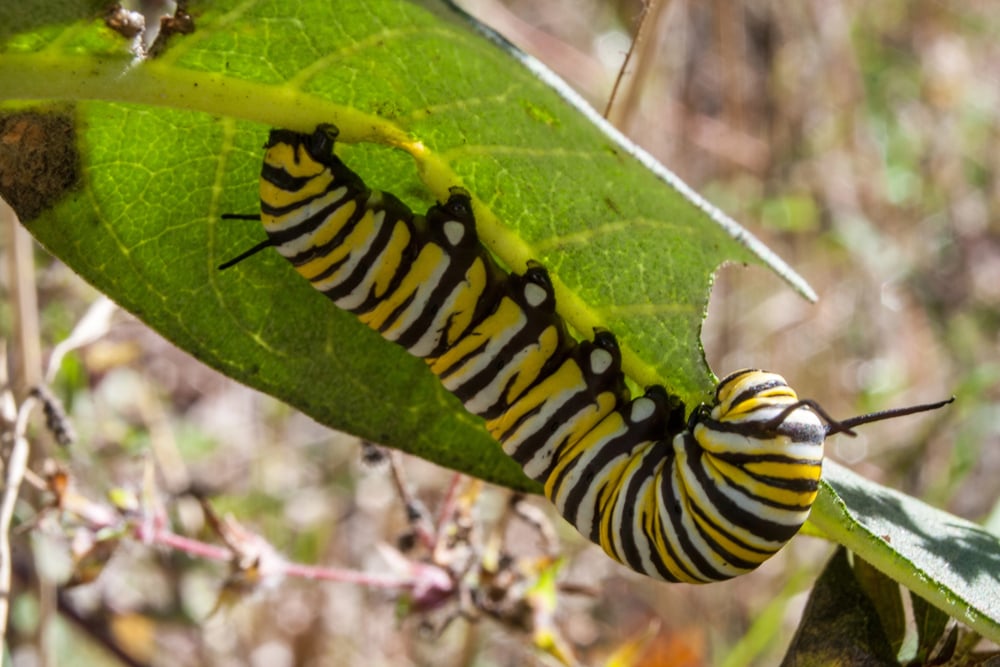
Every butterfly starts as a tiny egg, usually laid on the underside of a leaf. After hatching, the caterpillar spends weeks eating and growing, shedding its skin multiple times.
Then comes the chrysalis stage, where the caterpillar literally dissolves into a soup of cells before reorganizing into a butterfly. The entire process can take anywhere from a few weeks to several months depending on the species and weather conditions.
Why Western monarchs differ from their Eastern cousins

Western monarchs live west of the Rocky Mountains and have their own distinct migration pattern. While Eastern monarchs fly to Mexico, Western monarchs head to coastal California for winter.
Scientists have discovered that these two populations are genetically similar but don’t interbreed, essentially making them separate groups. The Western population is much smaller, with only around 250,000 butterflies compared to millions in the East.
The California overwintering sites
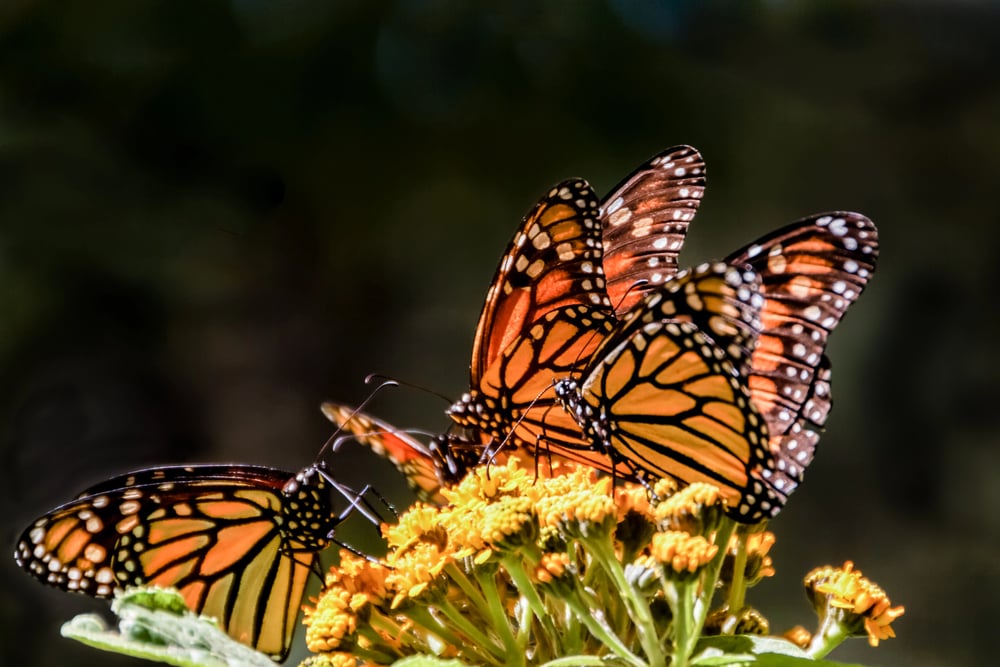
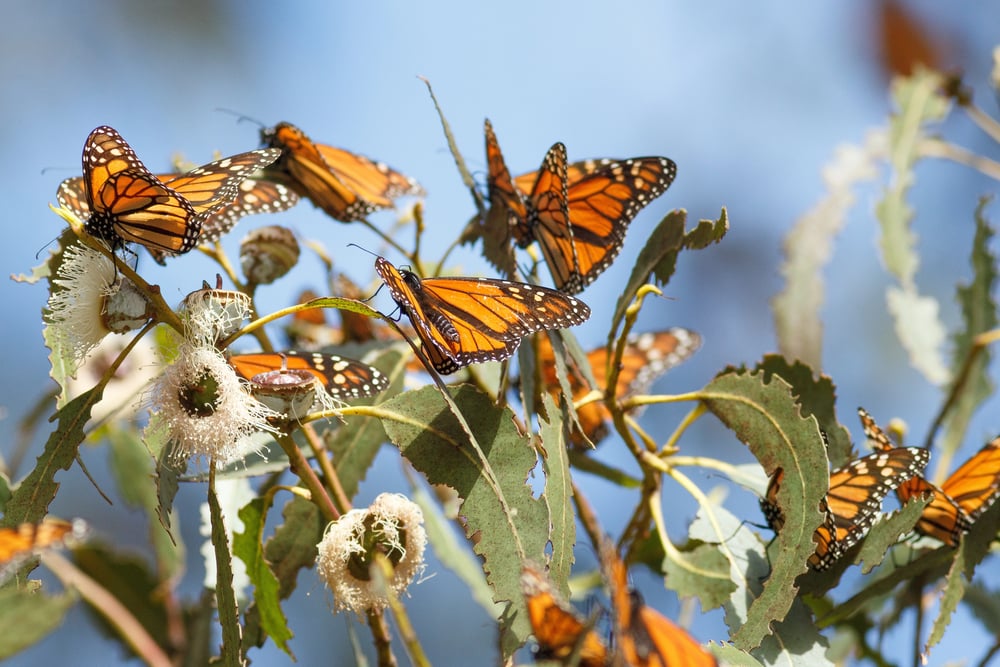
From November through March, Western monarchs cluster in groves of eucalyptus, Monterey pine, and Monterey cypress trees along the California coast. They choose spots within a few miles of the ocean where temperatures stay mild and humidity remains high.
Thousands of butterflies will pack together on a single tree branch, hanging like leaves to conserve energy during the cold months. Popular sites include Pismo Beach, Pacific Grove, and Santa Cruz, where visitors can witness this natural spectacle.
What monarchs eat at different life stages
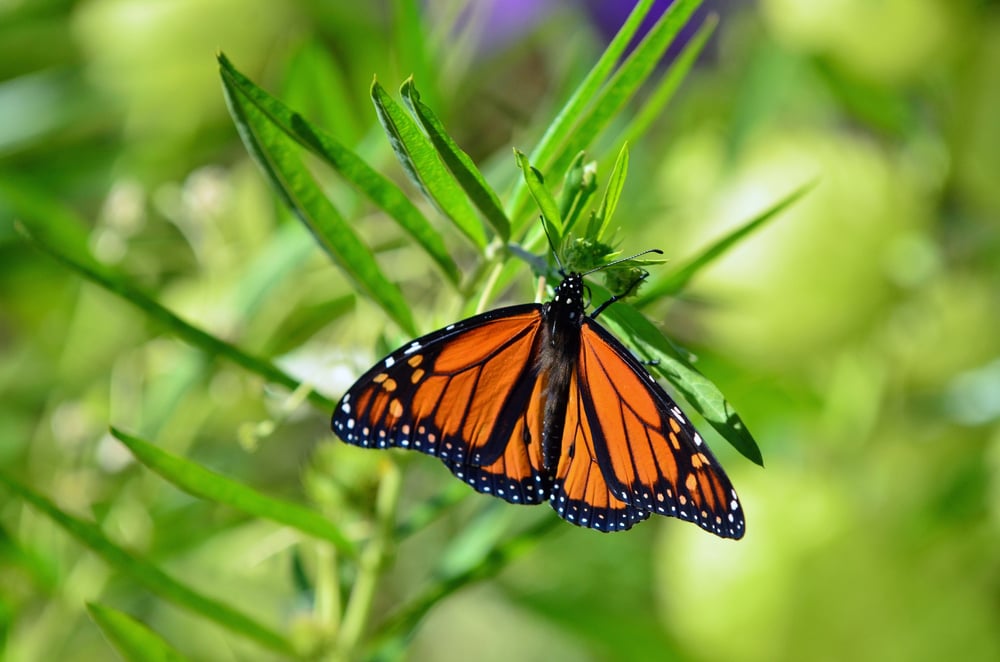
Caterpillars are picky eaters that only consume milkweed plants, which contain toxic compounds called cardenolides. These toxins don’t harm the caterpillar but make the adult butterfly taste terrible to predators.
Adult butterflies have completely different dietary needs and feed on nectar from various flowers using their long, straw-like proboscis. They particularly favor plants like zinnias, lantanas, and asters that provide high-energy fuel for their long flights.
The navigation mystery scientists are solving
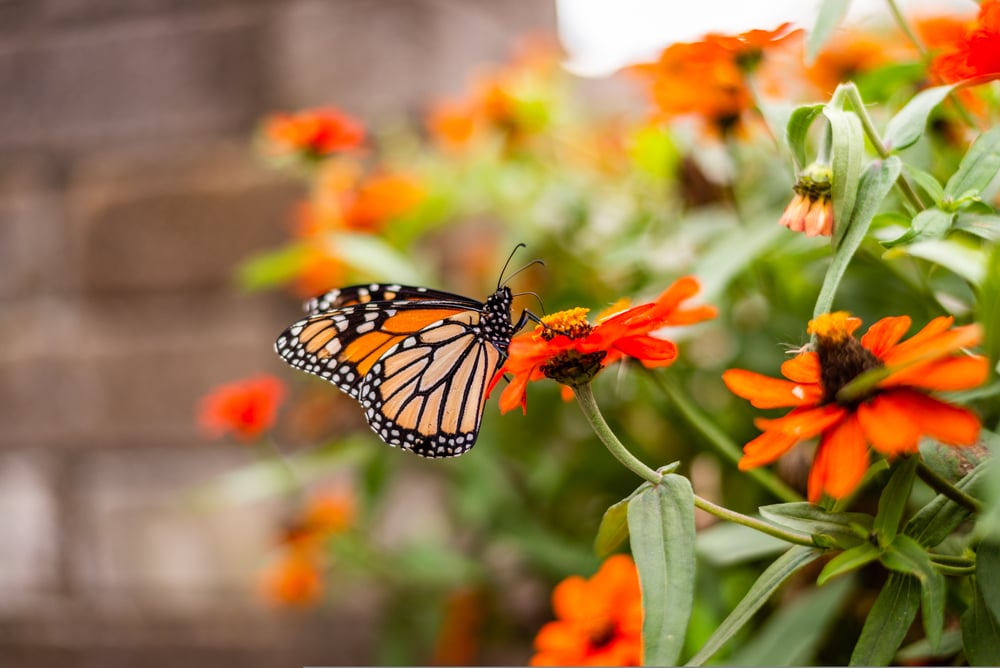
Researchers have spent decades trying to figure out how monarchs find their way to the same trees their great-great-grandparents visited. Recent studies suggest they use a combination of the sun’s position, Earth’s magnetic field, and possibly even smell to navigate.
A special compass in their antennae helps them maintain direction even on cloudy days. The butterflies inherit this navigational information genetically, meaning they know where to go without ever being taught.
Temperature’s role in butterfly development
Heat and cold directly affect how fast or slow a butterfly develops. Warmer temperatures speed up the process from egg to adult, while cooler weather slows everything down.
This sensitivity means climate change poses a serious threat to butterfly populations worldwide. Western monarchs are particularly vulnerable because they need specific temperature ranges at their overwintering sites to survive without freezing or exhausting their fat reserves.
The milkweed crisis facing Western monarchs
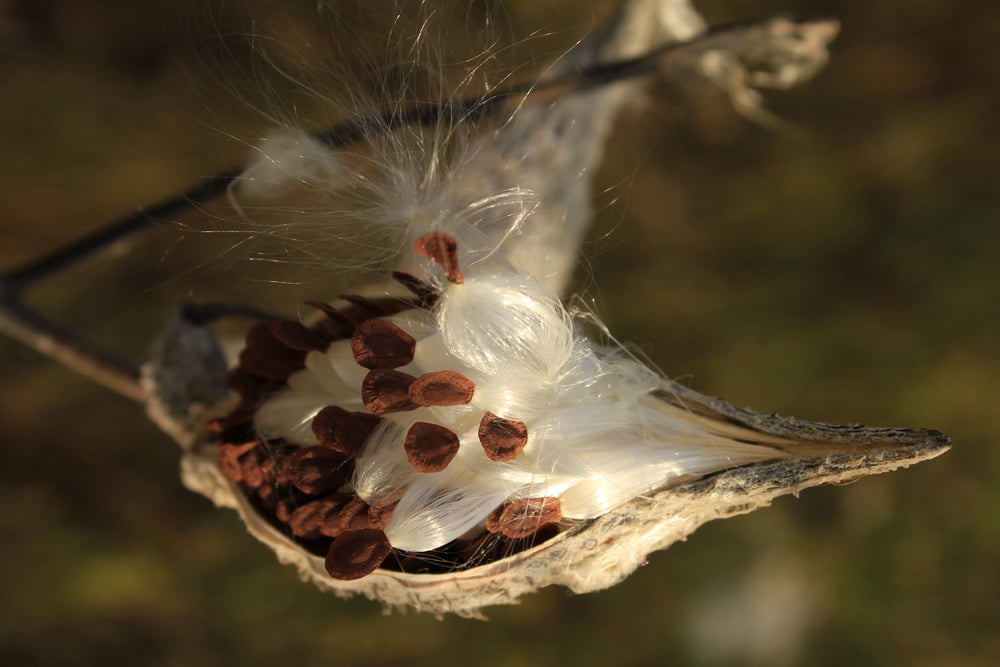
Milkweed plants have disappeared from much of the Western United States due to development, agriculture, and herbicide use. Without milkweed, female monarchs have nowhere to lay eggs and caterpillars have nothing to eat.
Native milkweed species like narrow-leaf and showy milkweed once grew abundantly across the region. Conservationists are now working to replant these species in backyards, parks, and along roadsides to create corridors for breeding monarchs.
How monarchs defend themselves from predators
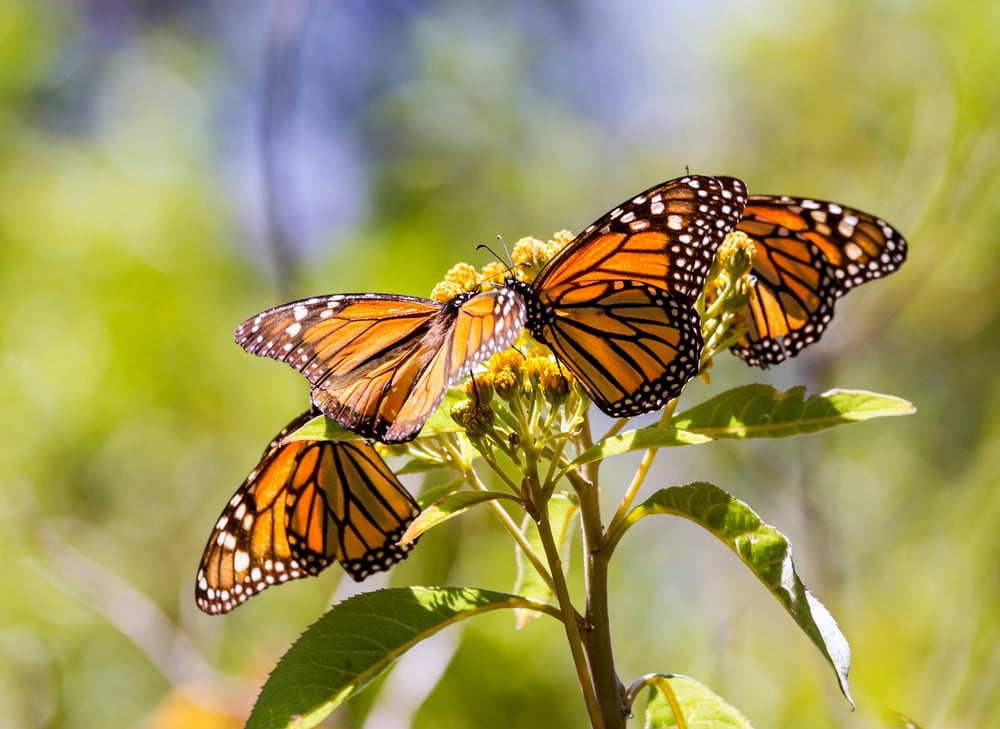
The bright orange and black coloring serves as a warning sign to birds and other animals that monarchs taste awful. This defense mechanism, called aposematic coloration, works because predators learn to associate the colors with a bad experience.
Some birds have figured out they can eat the butterfly’s body while avoiding the wings, where most toxins accumulate. A few species, like black-headed grosbeaks, can tolerate the poison and regularly feast on overwintering monarchs.
The three to five generation cycle
Western monarchs that leave California in spring only live for a few weeks and lay eggs as they travel north. These eggs become the next generation, which continues moving and reproducing through summer.
The final generation of the year is different because they can live up to eight months instead of just weeks. These super-generation butterflies make the long journey back to the coast, where they spend winter before starting the cycle again.
Why butterfly wings have scales
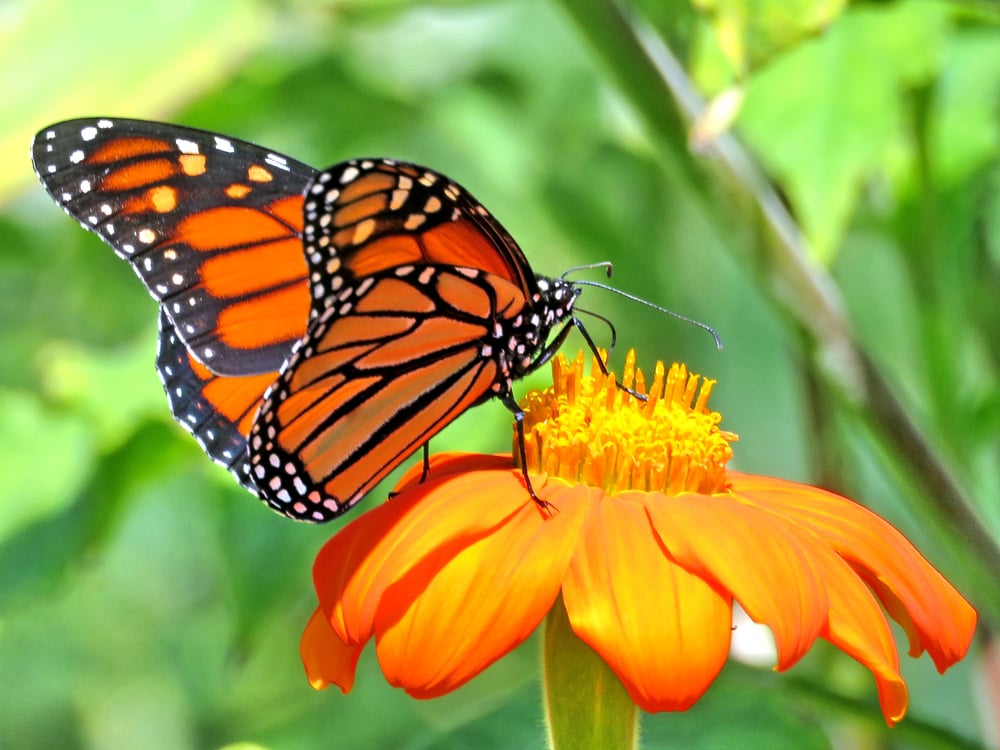
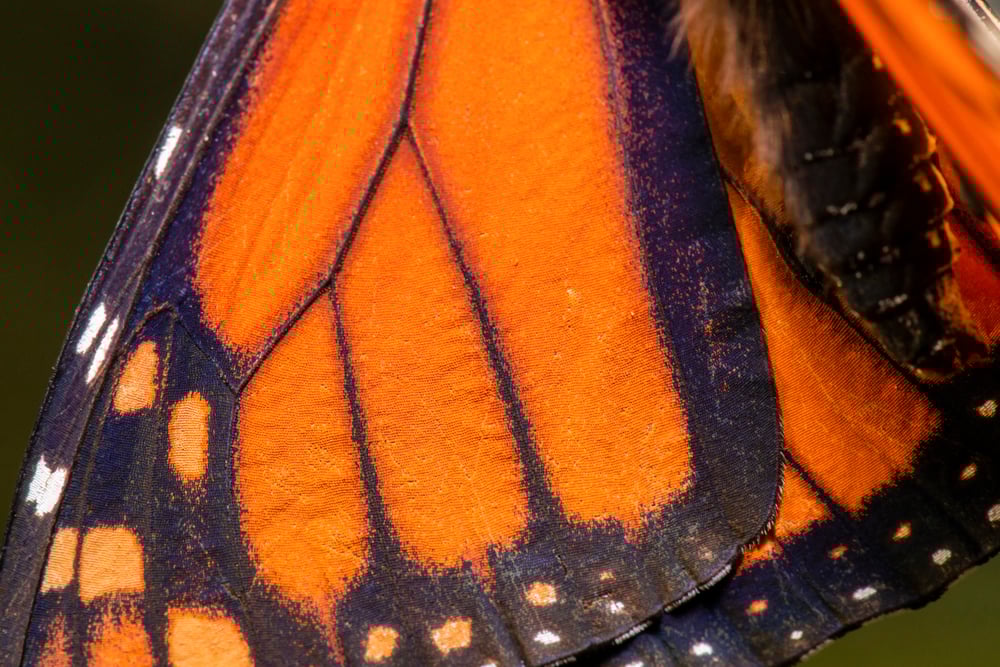
What looks like powder on butterfly wings is actually thousands of tiny scales arranged like shingles on a roof. These scales create the vibrant colors and patterns through both pigments and the way light reflects off their microscopic structures.
The scales also help with flight by creating tiny air pockets that improve aerodynamics. When you touch a butterfly wing, those scales come off easily, which is why it’s best to observe these insects without handling them.
Pesticides and their hidden impact
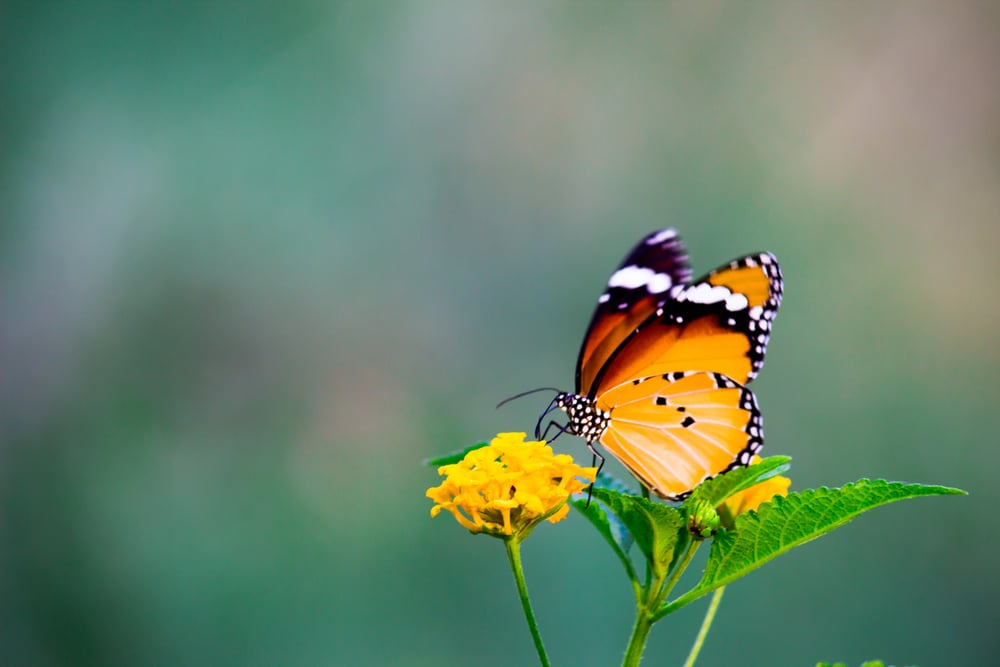
Chemicals used in farming and landscaping can kill butterflies directly or contaminate the plants they depend on. Neonicotinoids, a common class of insecticides, affect butterfly nervous systems and impair their ability to navigate and reproduce.
Even organic pesticides can harm beneficial insects when applied incorrectly. Home gardeners can help by choosing native plants and avoiding all pesticides in areas where butterflies visit.
The tagging program tracking Western monarchs
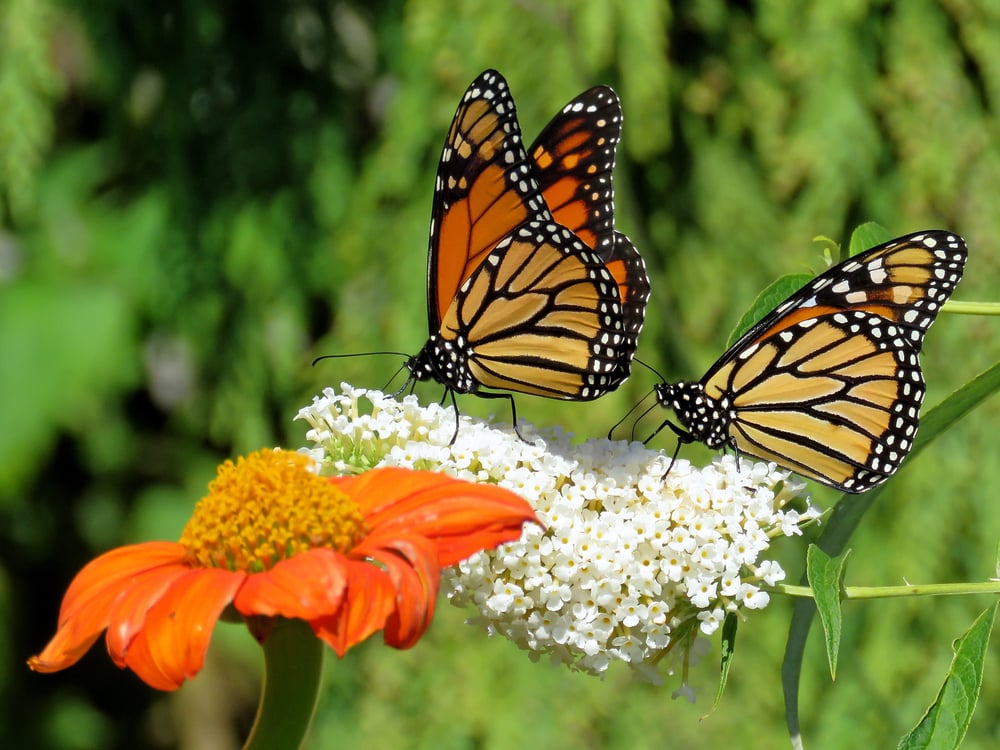
Scientists attach tiny stickers with identification numbers to butterfly wings to track where individual insects go. This citizen science project has revealed surprising details about migration routes, travel speeds, and survival rates.
Some tagged butterflies have been found hundreds of miles from where they started, helping researchers map the pathways monarchs use. Anyone can participate in tagging programs and contribute to scientific understanding of these insects.
Threats from habitat loss and development
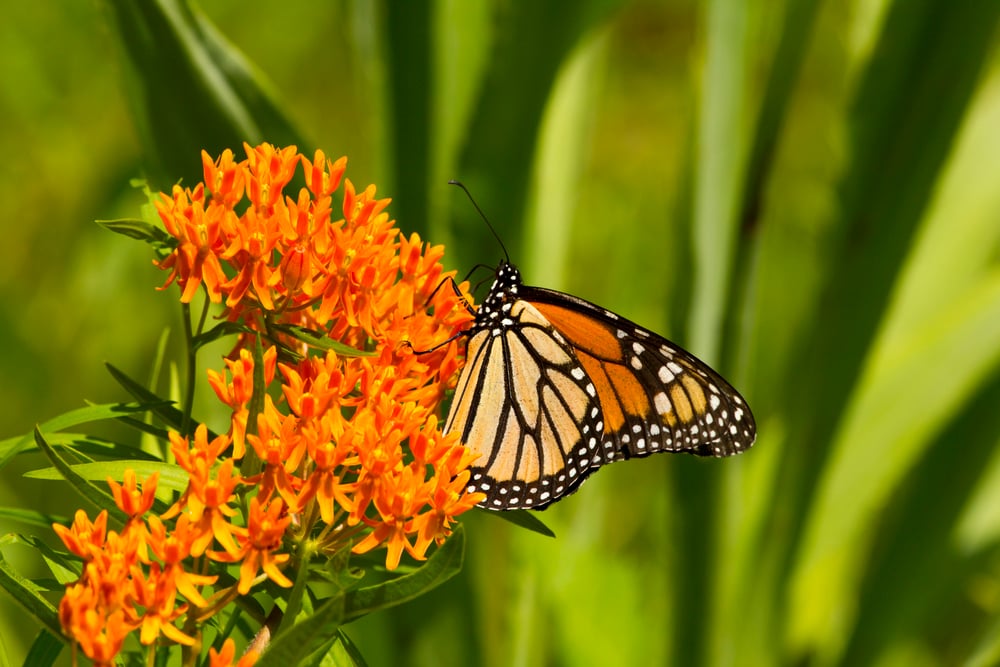
Coastal California, where Western monarchs overwinter, faces intense pressure from housing development and tourism. Trees that butterflies have used for generations are being cut down to make room for buildings and roads.
Even popular overwintering sites face challenges from too many visitors who disturb the resting clusters. Protecting these critical habitats requires cooperation between landowners, local governments, and conservation groups.
What climate change means for future monarchs
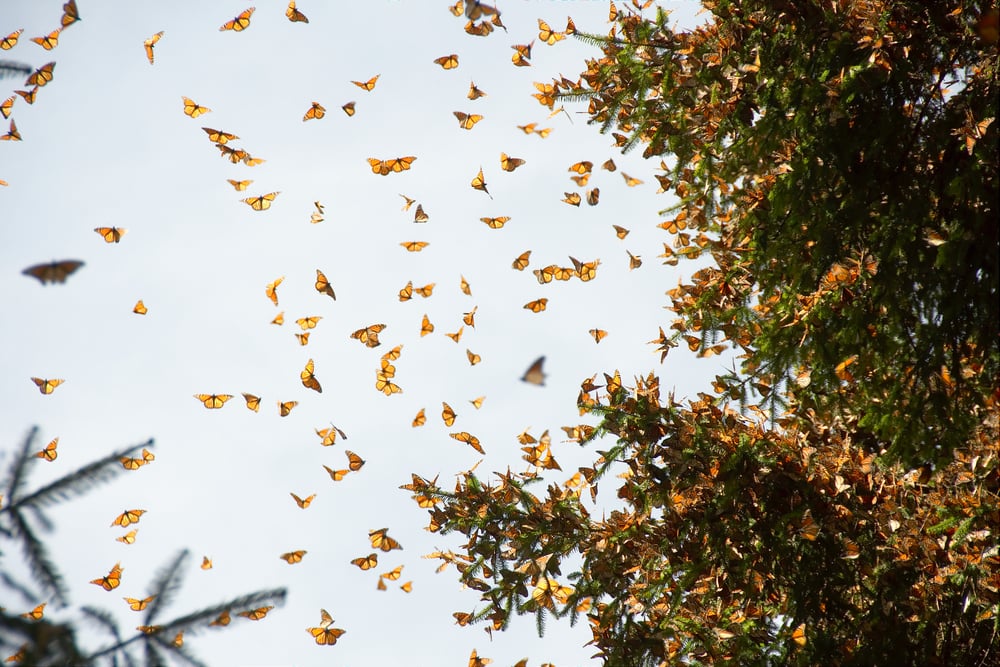
Rising temperatures are shifting the timing of plant growth and butterfly emergence, creating mismatches between when caterpillars hatch and when milkweed is available. Droughts reduce nectar sources that adult butterflies need for migration fuel.
Severe storms during migration or at overwintering sites can kill thousands of butterflies in a single event. Scientists predict that without intervention, Western monarchs could face serious population declines or even regional extinction within decades.
How ordinary people can help
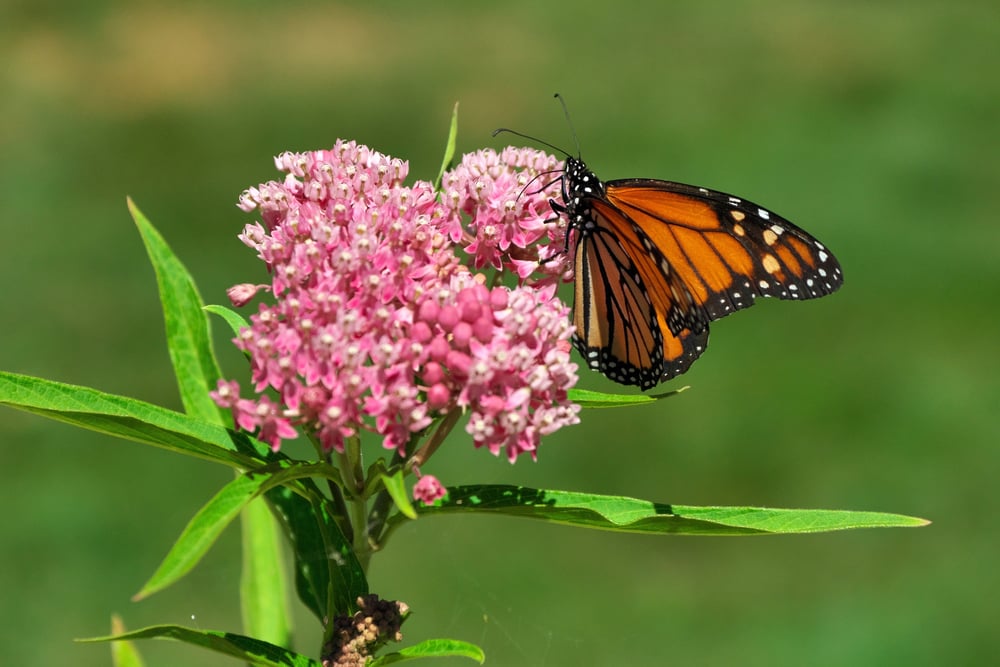
Every patch of native milkweed planted gives monarchs a rest stop mid-journey across town. When gardens skip pesticides, tiny caterpillars survive their most fragile days.
Help from people – through time or money – keeps forests where butterflies sleep each winter standing tall. A corner left untamed in one backyard blends into others, forming quiet corridors when many join in.
Simple garden changes that attract butterflies
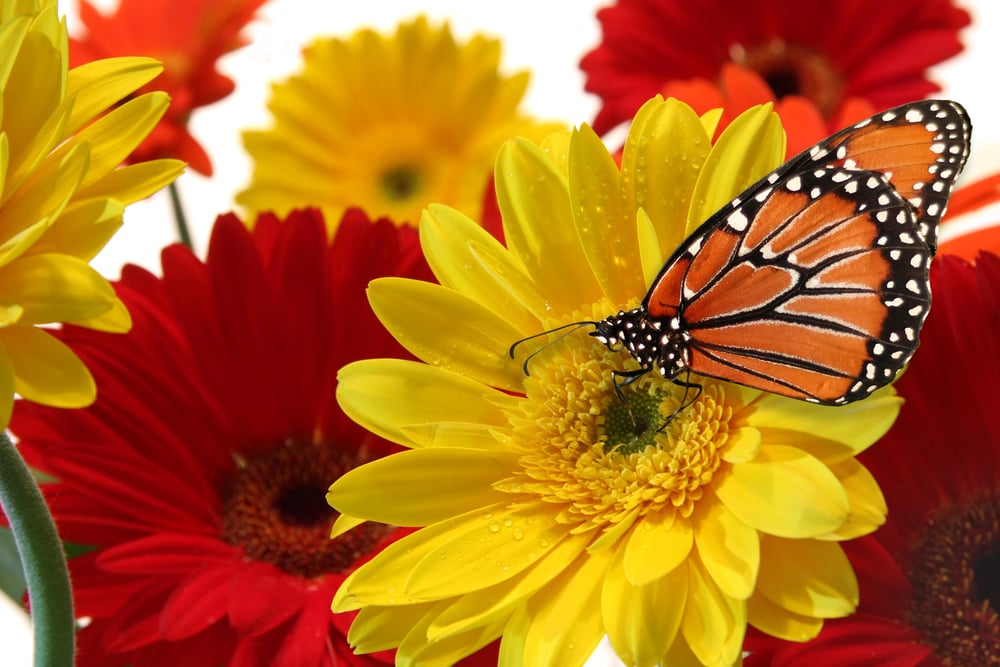
Clumps of one kind of flower show up better to passing butterflies than lone blooms dotted around. When flowers open their petals across spring, summer, and fall, sweet juice stays on offer longer.
A low bowl filled with water, plus stones poking above the surface, becomes a drinking perch mid-garden. Dead leaves left where they fell, along with standing stalks after frost, hide resting pupae through cold months.
Western Monarchs Current Positions
Fewer than two thousand western monarchs remained by 2020 – a number so low it shook researchers to attention. Since then, there has been some improvement, though the count stays fragile, hanging on thin threads of survival.
Because each garden with milkweed matters, choices made at ground level shape what future coasts might look like. Scientists know what steps must follow, yet moving facts from paper into soil depends on quiet acts of concern.
More from Go2Tutors!

- The Romanov Crown Jewels and Their Tragic Fate
- 13 Historical Mysteries That Science Still Can’t Solve
- Famous Hoaxes That Fooled the World for Years
- 15 Child Stars with Tragic Adult Lives
- 16 Famous Jewelry Pieces in History
Like Go2Tutors’s content? Follow us on MSN.