15 Iconic Movie Cars we Loved
Sometimes, cars only get you from one place to another. The legendary ones, however, are another. Hollywood has a way of making common cars into cultural icons that viewers remember long after the credits have rolled.
These are characters in their own right, with personalities that correspond to those of their human co-stars, not merely props with engines. These automotive icons have earned their place in movie history, from spy machines with lots of gadgets to unadulterated American muscle.
These are 15 movie cars that captivated us and stayed with us.
The DeLorean DMC-12 (Back to the Future)
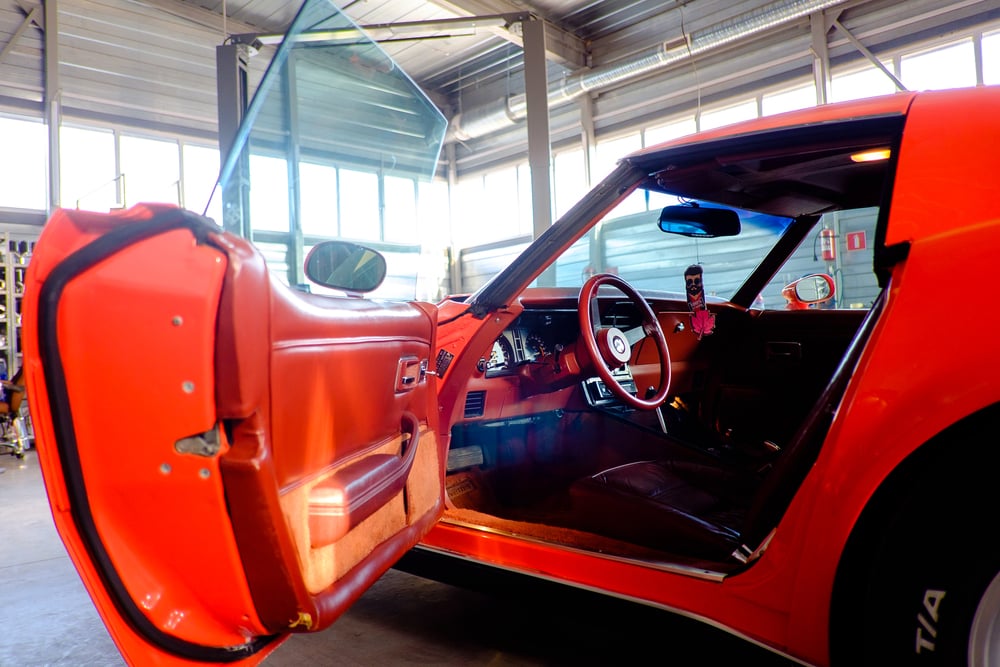
The gull-winged DeLorean was ideal, but Doc Brown could have used any car to travel through time. Its unique doors and stainless steel panels gave it a futuristic appearance in any decade, and the car’s tumultuous real-world past further validated its status as an experimental vehicle.
Why not use a car that already seemed out of place in 1985 when creating a time machine?
Aston Martin DB5 (Goldfinger)

This beauty established the benchmark for spy cars and began James Bond’s illustrious collaboration with Aston Martin. With the addition of ejector seats and bulletproof glass, Q’s modifications turned an already stunning grand tourer into something much more dangerous.
Bond’s DB5 became more than just his vehicle; it became an integral part of his persona as the most advanced secret agent in the world.
1968 Ford Mustang GT 390 (Bullitt)

Steve McQueen’s Highland Green Fastback proved that authentic horsepower beats special effects every time. That legendary San Francisco chase redefined action cinema – the Mustang’s growling V8 became the film’s heartbeat.
No gadgets, no computer graphics, just pure American muscle carving through city streets at breakneck speeds.
General Lee (The Dukes of Hazzard)

The orange 1969 Dodge Charger became TV’s most recognizable car, even though the show destroyed over 300 of them during production. Those gravity-defying jumps over creeks and narrow escapes from Boss Hogg made every crumpled fender worthwhile.
The General Lee transformed a muscle car into a character with genuine personality – one that earned fans across multiple generations.
Ecto-1 (Ghostbusters)
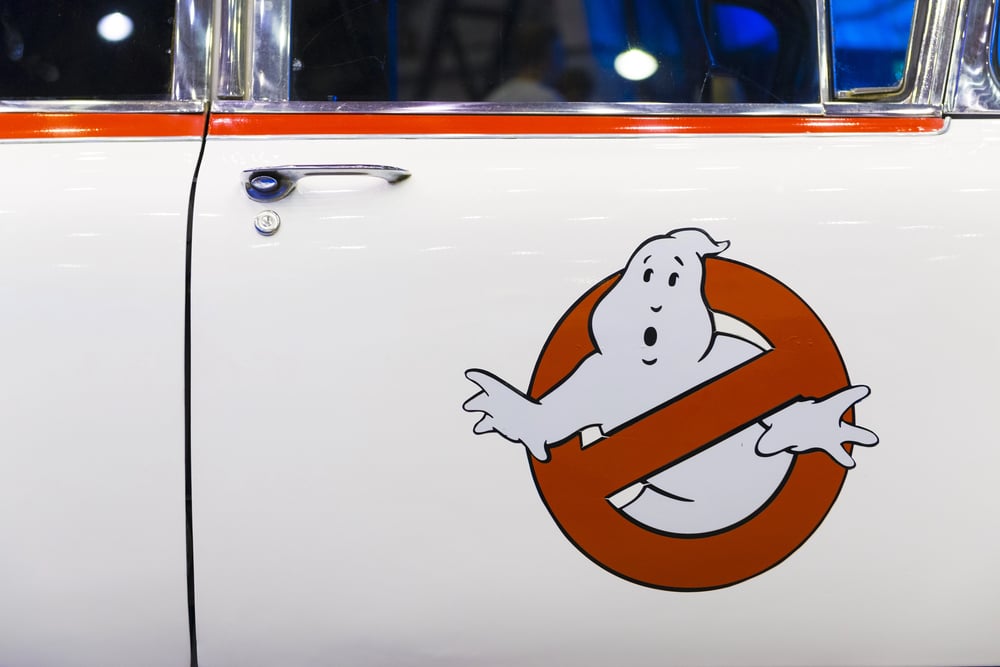
Take a 1959 Cadillac ambulance, add paranormal detection equipment, and you get the Ecto-1 – a rolling command center that looked equally at home in a funeral procession or comic book. The car’s imposing size and unforgettable siren made it perfect for New York’s most unusual pest control service.
Its quirky modifications matched the film’s perfect blend of comedy and supernatural thrills.
Eleanor (Gone in 60 Seconds)
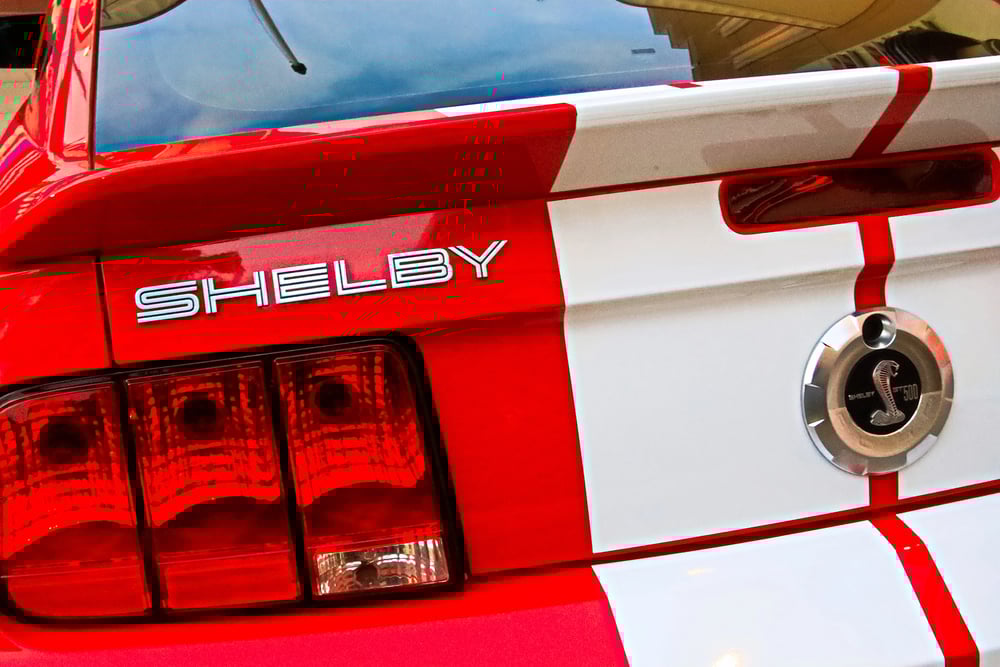
The pearl gray 1967 Shelby GT500 nicknamed Eleanor represented the ultimate automotive prize. Its aggressive styling and flawless paint job explained why Memphis would risk everything for one final heist – though this wasn’t just another car to steal.
Eleanor embodied American muscle car heritage at its finest, making her the crown jewel worth any risk.
Herbie (The Love Bug)

A white Volkswagen Beetle with racing stripes shouldn’t intimidate anyone, yet Herbie proved that determination trumps displacement every time. The little car with the enormous heart won races and audiences by showing how spirit could overcome any mechanical disadvantage.
Herbie turned the classic underdog story into four wheels and an engine that simply refused to quit.
The Batmobile (Batman 1989)
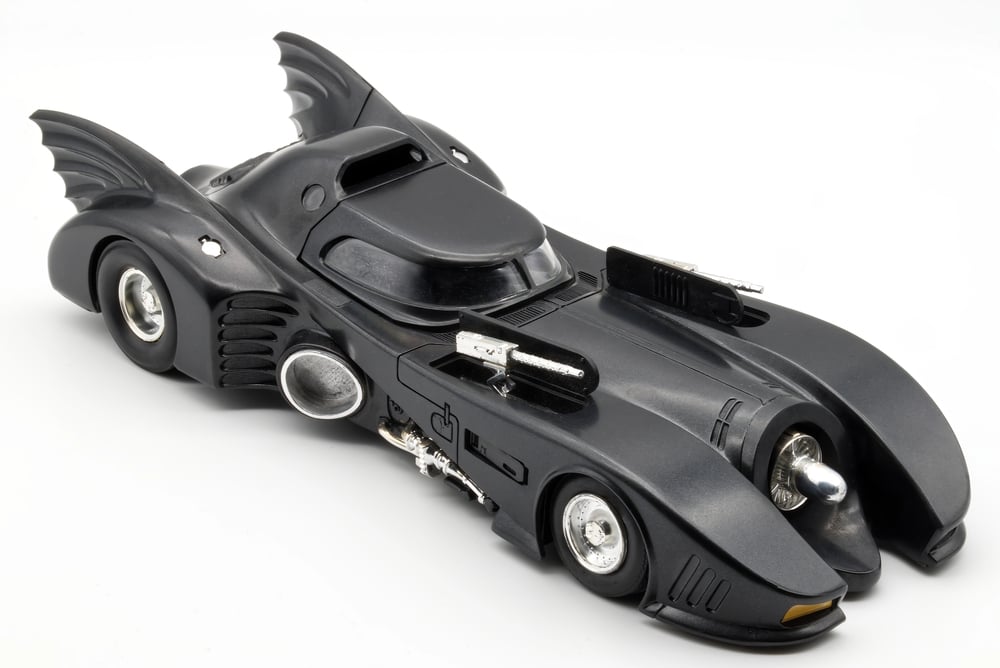
Tim Burton’s Batmobile was pure gothic fantasy powered by a jet engine. This wasn’t transportation but rather a land-based fighter aircraft that emerged from Gotham’s shadows like Batman himself.
The sleek, armored design influenced every superhero vehicle that followed – proving that intimidation and functionality could coexist in perfect automotive harmony.
KITT (Knight Rider)

The talking Trans Am brought artificial intelligence to prime time television, often displaying more personality than its human partner. That pulsing scanner light and sarcastic wit made KITT far more than David Hasselhoff’s sidekick – the car frequently stole scenes with perfectly timed one-liners.
Self-driving capability, crime-fighting analysis, and 1980s attitude made KITT the ideal partner for battling injustice.
The Interceptor (Mad Max)

Max Rockatansky’s supercharged 1973 Ford Falcon became the last symbol of law enforcement in post-apocalyptic Australia. The V8 Interceptor represented hope and vengeance simultaneously – its raw power and stripped-down aesthetic defining the Mad Max universe while inspiring countless imitators.
Sometimes civilization’s final stand comes down to one man, one car, and enough horsepower to outrun the chaos.
Dom’s 1970 Dodge Charger (The Fast and the Furious)

Dominic Toretto’s black Charger embodies everything the Fast franchise represents, though quarter-mile times only tell part of the story. This car symbolizes family bonds, unwavering loyalty, and the sacred connection between driver and machine.
Its recurring appearances throughout the series have elevated the Charger to mythical status among characters and fans alike.
The Lotus Esprit (The Spy Who Loved Me)
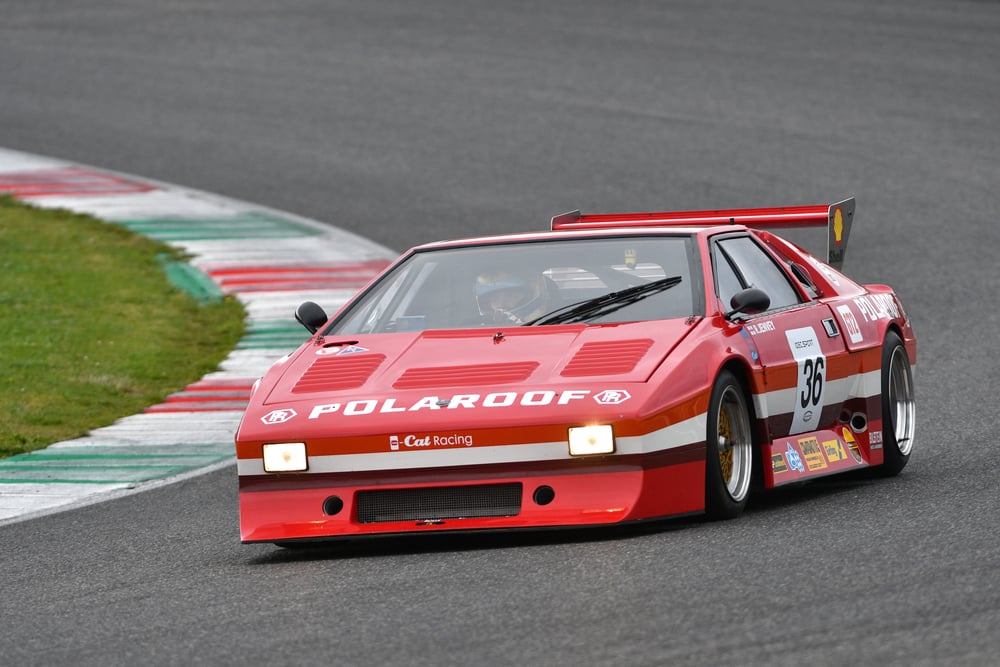
James Bond’s submarine car pushed spy vehicle concepts into delightfully absurd territory. The Lotus looked exotic enough on dry land, yet its underwater transformation tested audience suspension of disbelief.
Roger Moore’s perfectly bemused reactions sold the impossible, convincing viewers that a sports car could actually function beneath the waves while maintaining its elegance.
Bumblebee (Transformers)

The yellow Camaro demonstrated that sometimes the best movie cars are actually alien robots. Bumblebee’s damaged voice box made his radio-transmitted conversations endearing rather than annoying, while his fierce loyalty to Sam showed that even extraterrestrial beings understand the special bond between teenagers and their first cars.
The relationship felt genuine despite the science fiction premise.
The 1961 Ferrari 250 GT California (Ferris Bueller’s Day Off)
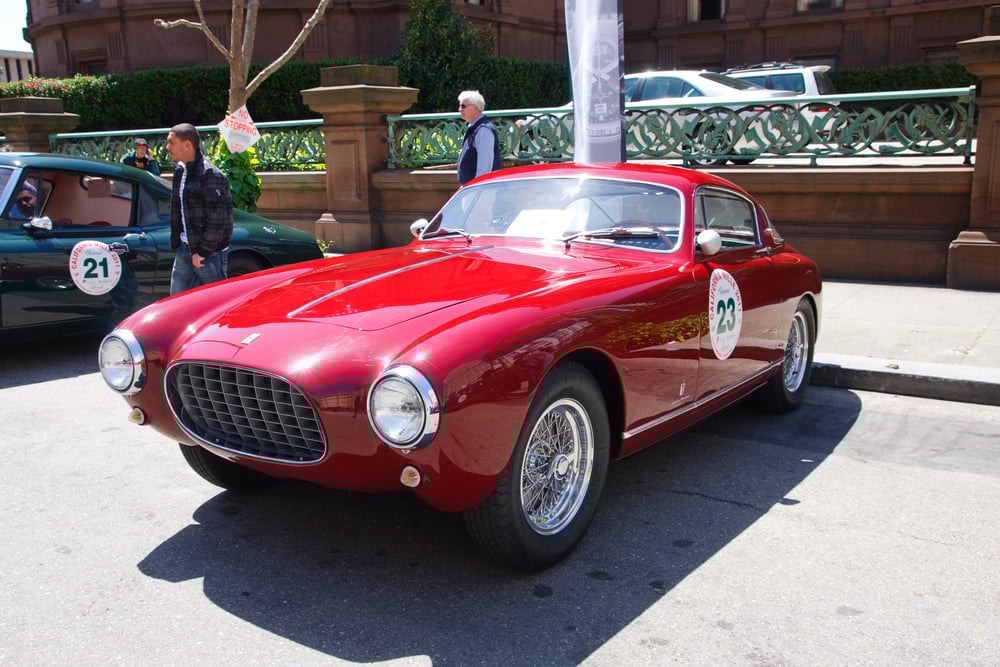
Everything rigid and valuable that Ferris sought to loosen was symbolized by Cameron’s father’s immaculate Ferrari. A day of freedom was turned into a cathartic rebellion by the car’s eventual destruction, which was all the more shocking given its breathtaking beauty.
This Ferrari was the ideal representation of the movie’s main theme, which is to live life to the fullest rather than keeping it hidden behind closed doors.
Christine (Christine)
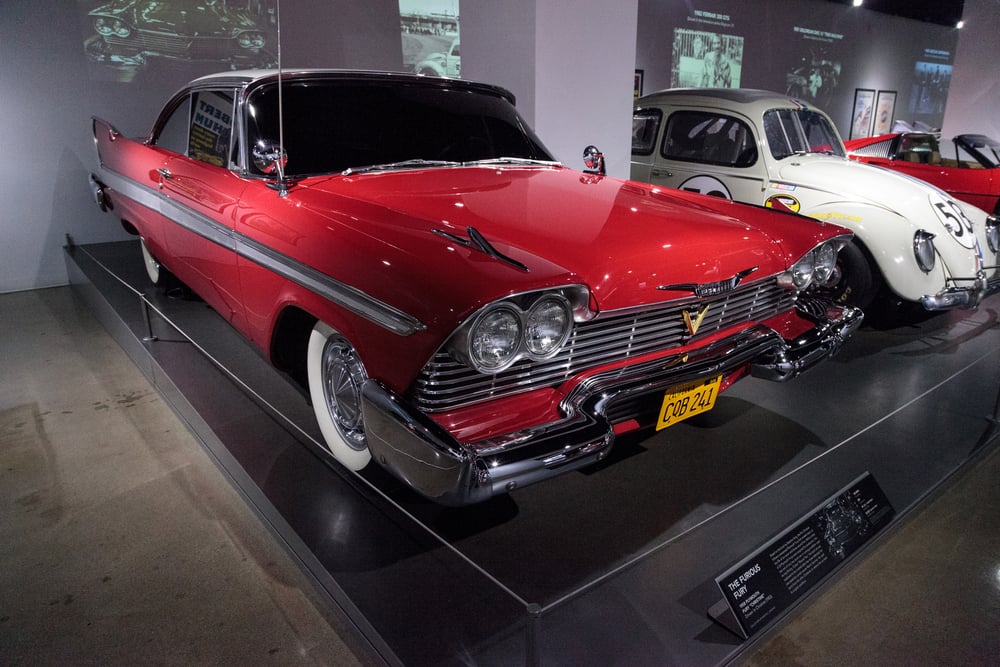
Stephen King turned a 1958 Plymouth Fury into the scariest car in movies. Christine was more monster than machine due to her extraordinary capacity for self-healing and enemy hunting, and her compulsive defense of her adolescent owner Arnie inspired true terror.
The idea appealed to everyone’s hidden fear that their vehicle would turn murderous.
Rolling Into History

These automotive icons show how the ideal car in the ideal movie can become truly immortal. They have inspired real-world automotive design, produced innumerable replicas, and created emotional bonds that have lasted across several generations.
Filmmaking may continue to be revolutionized by technology, but the allure of a fantastic car with true character never goes away. Something that can actually move is sometimes needed to captivate an audience, forging enduring connections between spectators and cars that last long after the last scene.
More from Go2Tutors!

- The Romanov Crown Jewels and Their Tragic Fate
- 13 Historical Mysteries That Science Still Can’t Solve
- Famous Hoaxes That Fooled the World for Years
- 15 Child Stars with Tragic Adult Lives
- 16 Famous Jewelry Pieces in History
Like Go2Tutors’s content? Follow us on MSN..



