15 Iconic Navy Ports With The Most Fascinating History
Navy ports are where history collects like barnacles on a hull. These aren’t just harbors where ships dock—they’re places where empires rose and fell, where strategic decisions changed the course of wars, and where maritime traditions took root centuries ago.
Each one carries stories that reach far beyond their piers and dry docks. Walking through these ports today, you can still sense the weight of their past.
The stone fortifications, the historic buildings, the very layout of the harbors—all of it speaks to moments when these places stood at the center of world events. Some became legends because of single decisive battles, while others earned their reputation through decades of quiet but crucial service.
Portsmouth
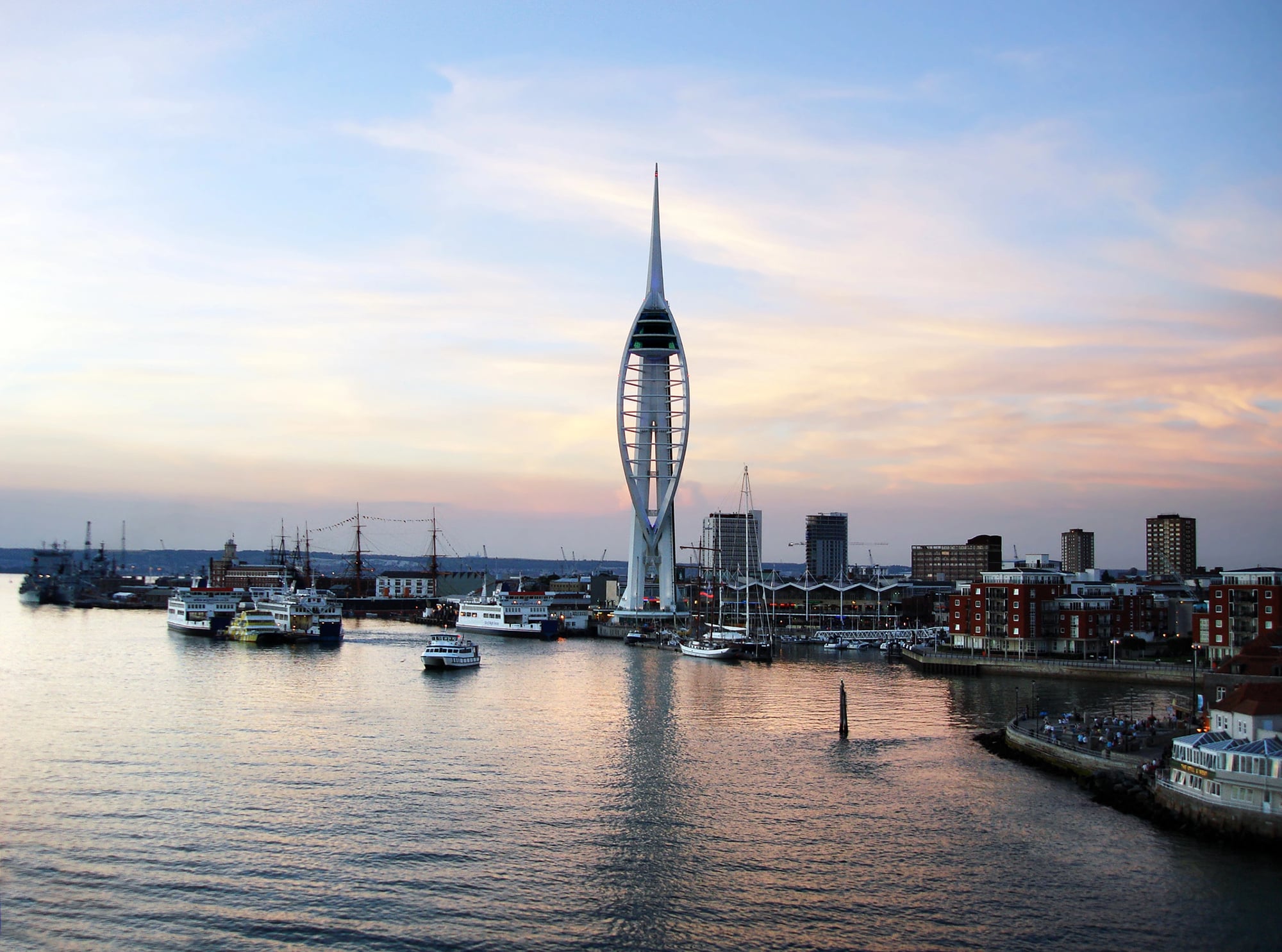
Portsmouth doesn’t announce itself with fanfare. It simply exists, weathered and purposeful, like someone who’s seen enough history to know bragging is unnecessary. The Royal Navy has called this place home for over 500 years.
HMS Victory still sits here, Nelson’s flagship from Trafalgar. Not a replica or a monument—the actual ship where he died in 1805. The dry dock that holds it has been in continuous use since 1495, which is the kind of detail that makes other ports seem like newcomers.
Pearl Harbor
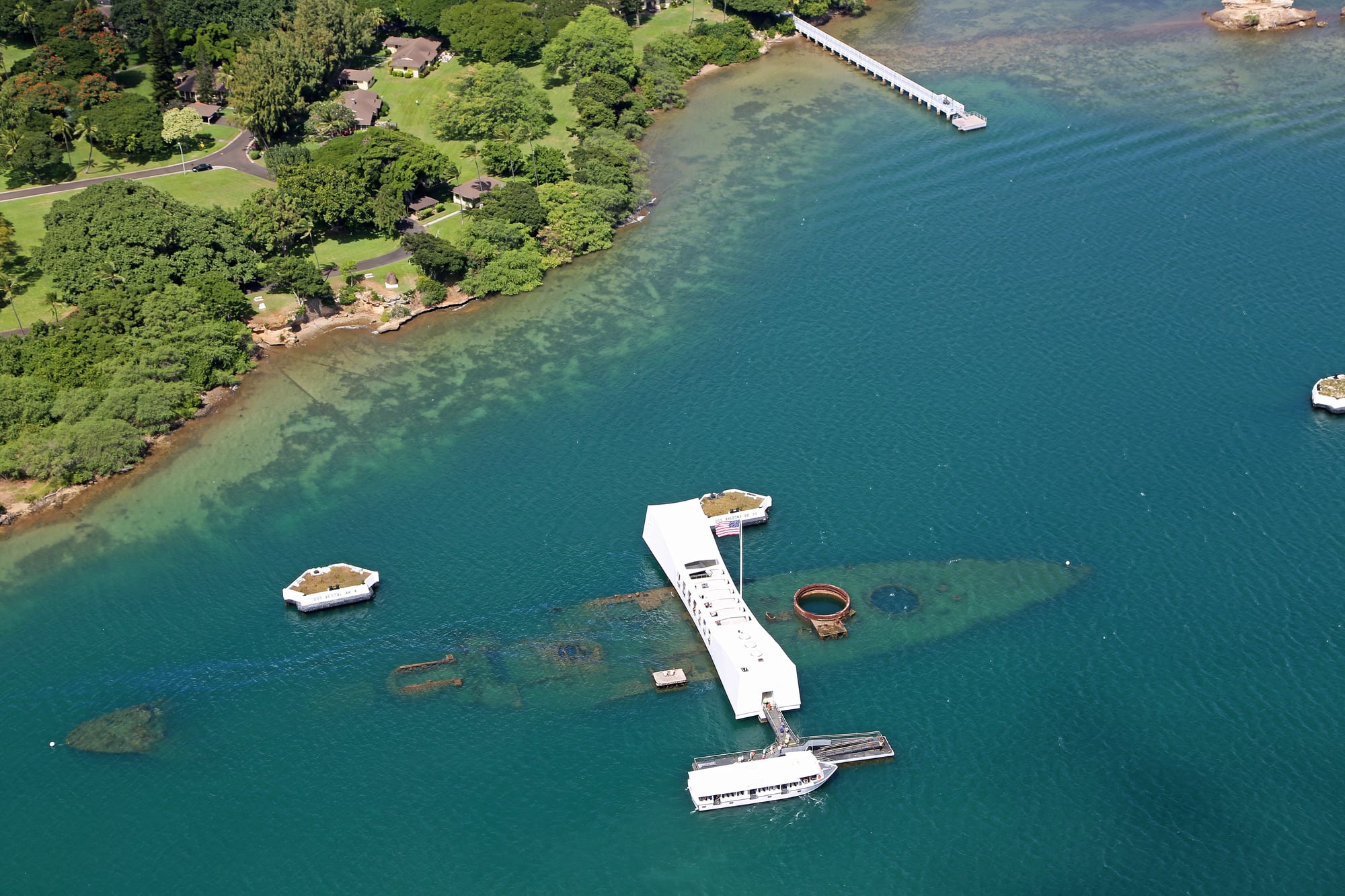
The morning of December 7, 1941, turned Pearl Harbor into something larger than geography—it became a date that lives in infamy, as Roosevelt put it, though the harbor itself had been strategically important long before that Sunday morning changed everything.
What makes Pearl Harbor particularly haunting is how the attack transformed a routine naval base into a symbol, and symbols (as anyone who’s visited the USS Arizona Memorial knows) carry a different kind of weight than simple military installations.
The harbor continues its work as a major Pacific fleet headquarters, but visitors don’t come here for operational updates—they come because some places hold grief and resolve in equal measure, and Pearl Harbor has spent eight decades teaching people the difference between remembering and forgetting.
So the harbor serves two purposes now: active naval operations and living memorial. And yet the two don’t compete with each other—they reinforce a simple truth about American naval power that’s both sobering and oddly comforting.
Toulon
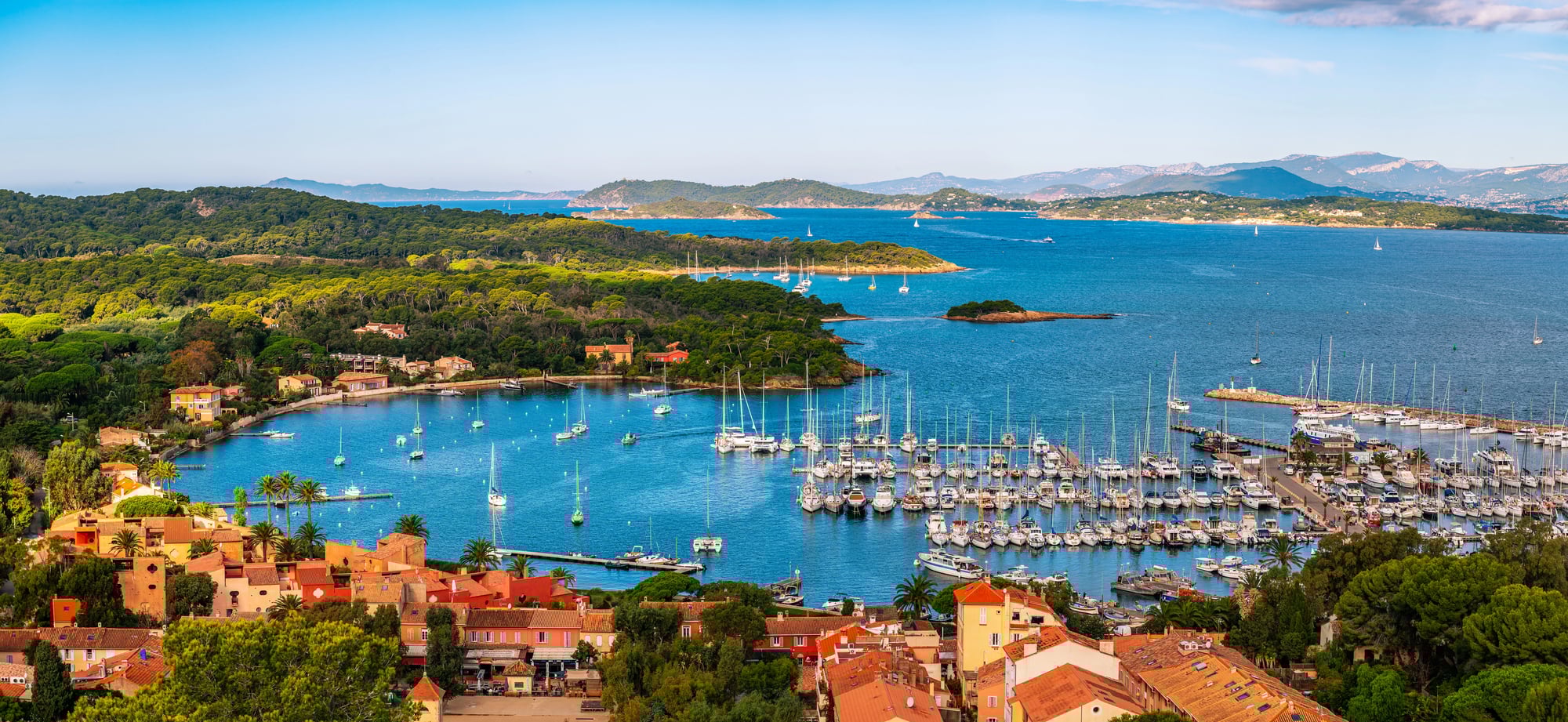
Naval bases are like old theaters—the best ones accumulate drama over centuries, and Toulon has collected more than its share. The French Mediterranean Fleet has anchored here since the 17th century, turning this natural harbor into a stage where European naval power played out its most crucial scenes.
During World War II, the French fleet scuttled itself here rather than fall into German hands. Seventy-seven ships sent to the bottom by their own crews in a single morning. There’s something both tragic and defiant about that choice, the kind of decision that reveals character under pressure.
The port today bustles with modern naval activity, but the ghosts of November 1942 still haunt the waters. History doesn’t disappear from places like this—it just settles deeper.
Norfolk
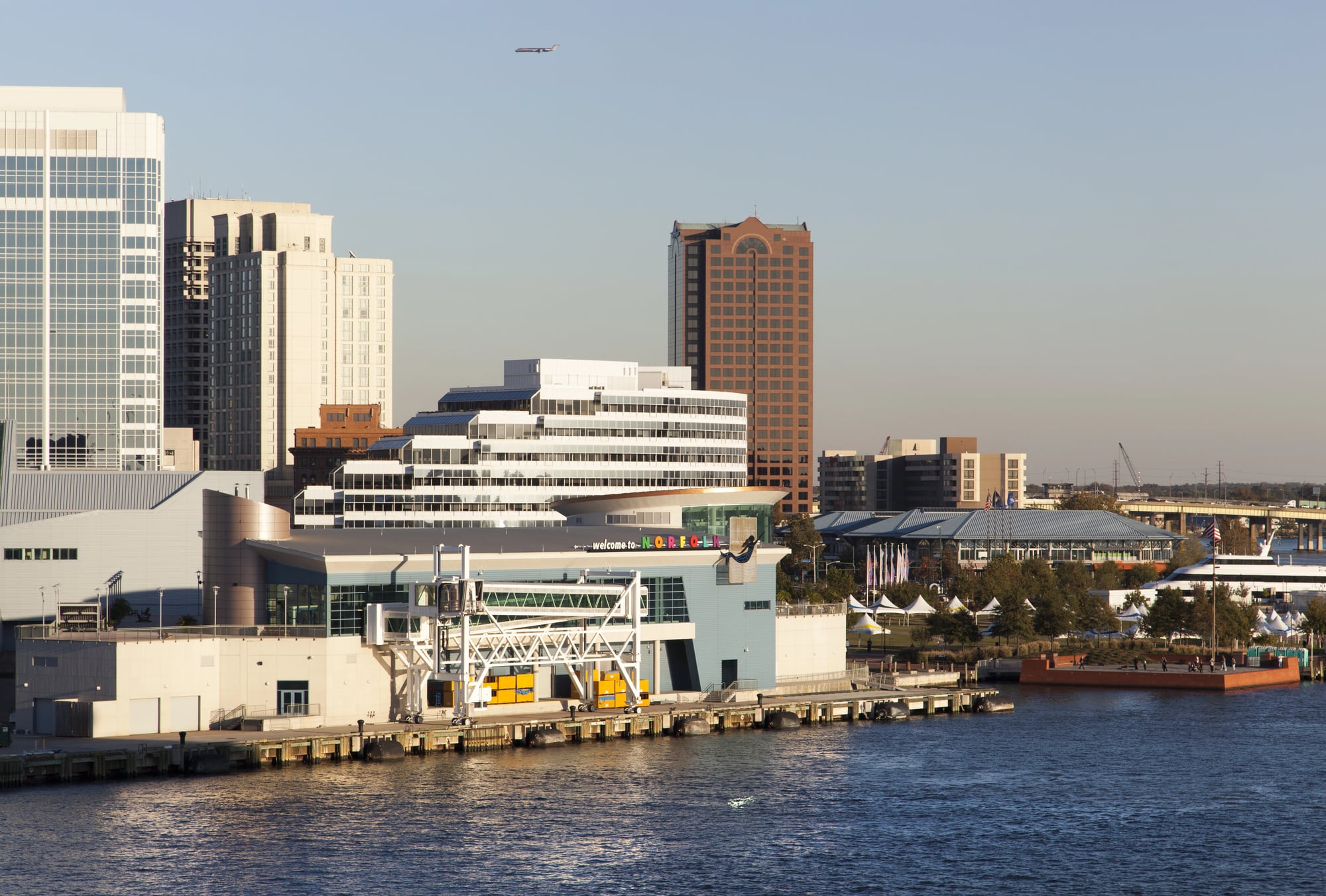
Norfolk Naval Station is massive. Period.
The largest naval base in the world, sprawling across 4,300 acres with enough pier space to dock the entire Atlantic Fleet and still have room left over. The numbers tell the story: 75 ships, 134 aircraft, and 46,000 personnel call this place home.
But statistics can’t capture the sheer scale of walking the base and watching aircraft carriers maneuver like floating cities. Norfolk doesn’t just support naval operations—it defines them.
Kronstadt
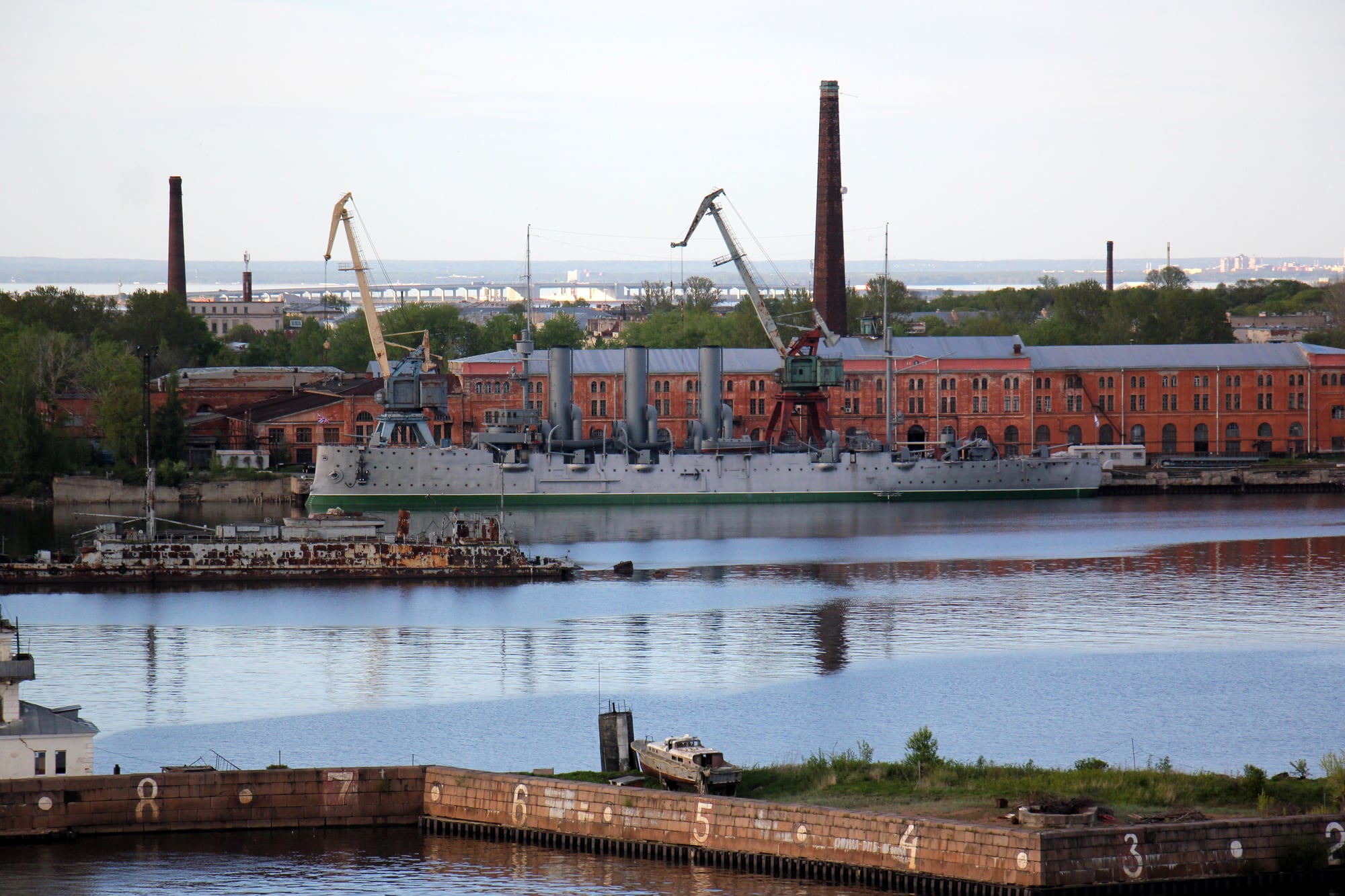
Kronstadt sits on Kotlin Island like a fortress that grew tired of being conquered and decided to become unconquerable instead.
Peter the Great built it in 1704 to protect St. Petersburg, and for three centuries it has served as Russia’s premier Baltic naval base, watching empires rise and fall from its strategic position in the Gulf of Finland.
The fortress has weathered more sieges than most cities endure in a millennium—Swedish attacks during the Great Northern War, British naval raids, the brutal 872-day blockade during World War II when Leningrad starved but refused to surrender (and Kronstadt, impossibly, held its position as the supply lifeline that kept the city breathing).
But perhaps the most telling moment came in 1921, when the Kronstadt sailors who had helped bring the Bolsheviks to power turned against them, demanding the very freedoms they thought the revolution had promised—only to be crushed by Trotsky’s forces crossing the frozen Baltic on foot, because sometimes the most painful betrayals come from the people you once called comrades.
And yet Kronstadt endures, its fortifications still commanding the approaches to Russia’s northern capital, still projecting power across waters that have seen more blood than most oceans. The base remains active, modern Russian warships sharing berths with the ghosts of imperial dreams and revolutionary hopes.
San Diego
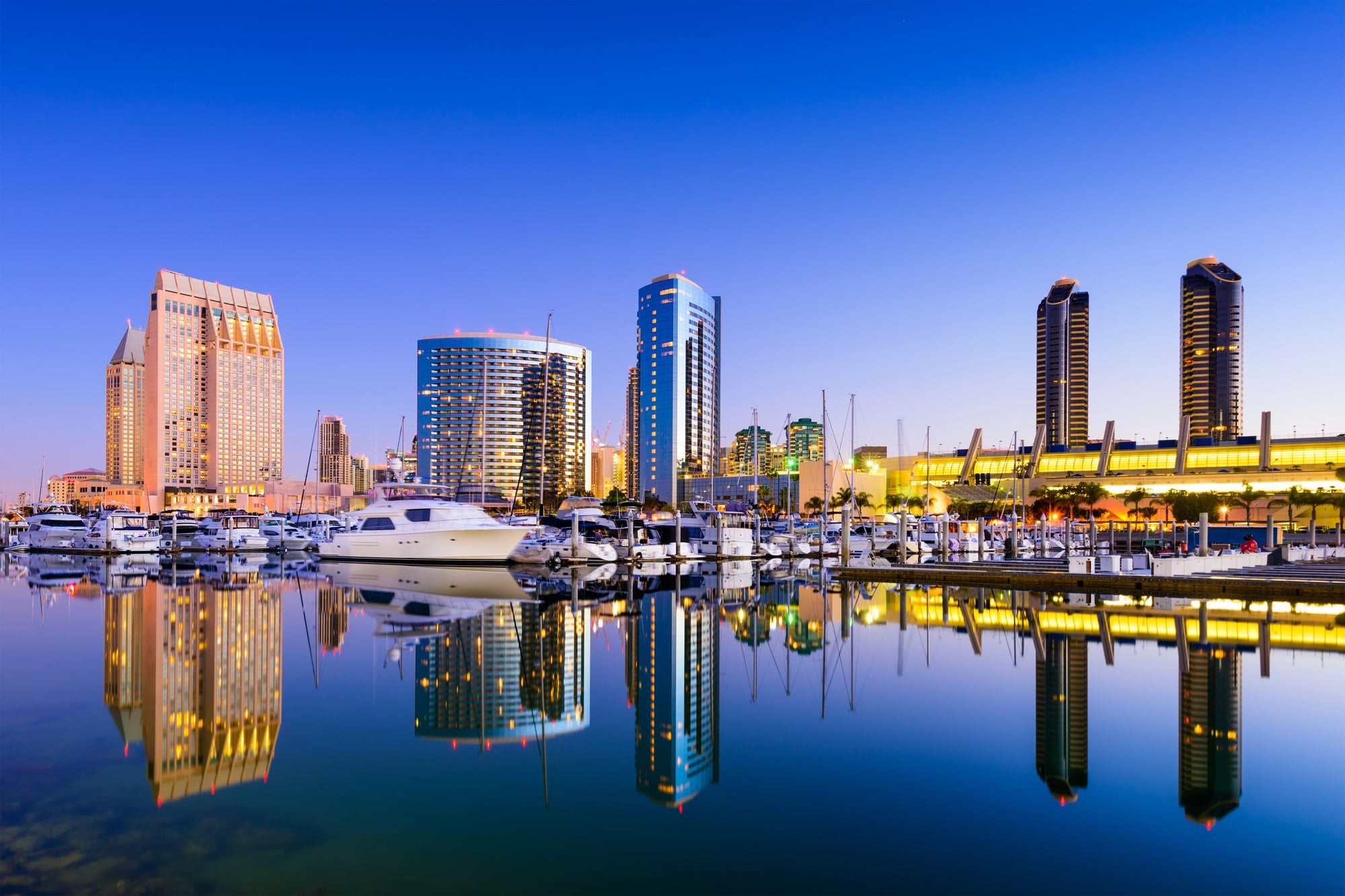
Navy towns have a particular rhythm, and San Diego perfected it decades ago. The Pacific Fleet’s home port since 1922, this harbor has mastered the art of being simultaneously military and civilian without the two sides stepping on each other.
The climate doesn’t hurt. Year-round perfect weather means ships can operate without battling ice or storms, and sailors can actually enjoy shore leave.
There’s a reason the Navy chose this spot over dozens of other West Coast options. Today, San Diego hosts everything from aircraft carriers to submarines, making it the most complete naval installation on the Pacific.
The city has grown around the base rather than despite it, creating something rare: a military port that feels like home.
Devonport
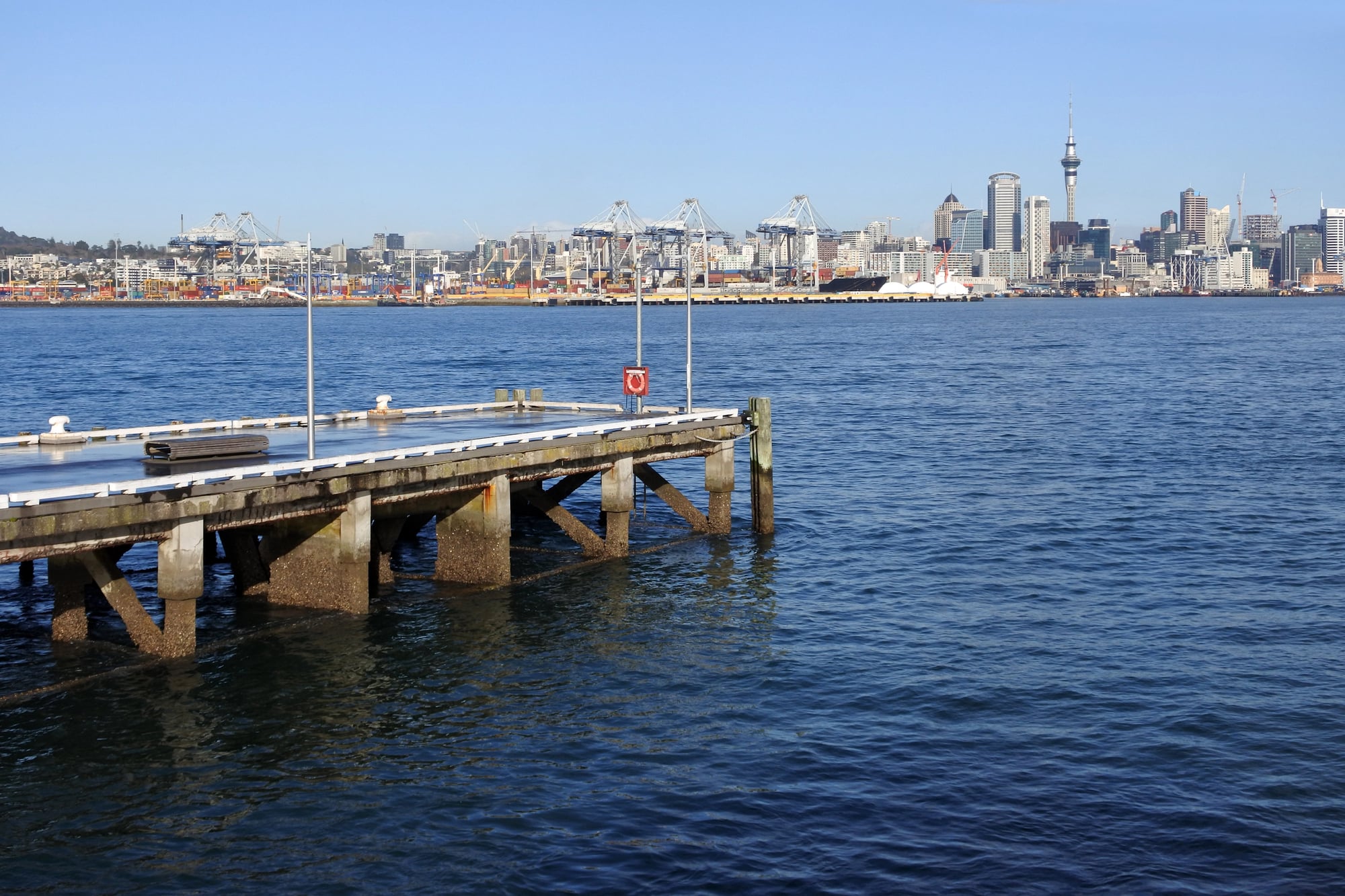
Devonport handles Britain’s nuclear submarines with the same quiet competence it brought to wooden ships of the line three centuries ago. The oldest naval dockyard still in operation, this Plymouth facility has been building, repairing, and maintaining the Royal Navy since 1691.
The transition from sail to steam to nuclear power happened gradually here, each generation of technology layered onto the last. Walking through Devonport today means stepping between centuries—Georgian dry docks still in use alongside facilities that service Trident submarines.
The continuity is what strikes visitors most. This isn’t a museum or a restoration—it’s a working naval base that happens to be older than most countries.
Brest
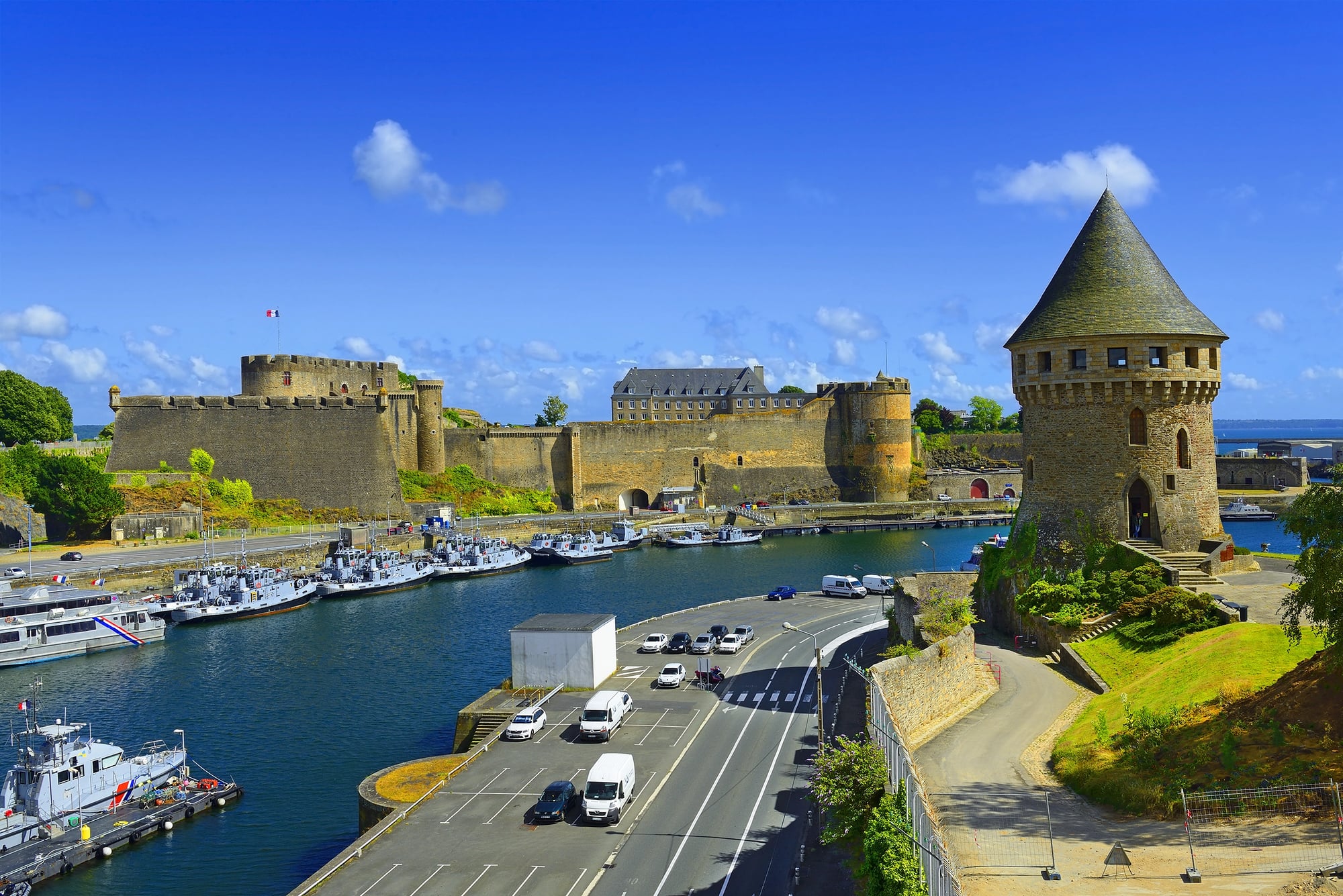
French naval ports tend toward the dramatic, and Brest delivers drama in careful, measured doses—the kind of place that has seen enough historical upheaval to know that the most important battles are often fought not with cannons blazing but with quiet determination over long stretches of time.
The harbor has sheltered French warships since the 14th century, its deep waters and strategic position on the Atlantic making it invaluable for projecting power beyond European waters, though it’s the port’s role during World War II that most visitors remember: first as a crucial base for the French Navy, then as a German U-boat stronghold that required a brutal 43-day siege to liberate in 1944.
The Americans, British, and French forces who finally took Brest found a port so thoroughly destroyed that rebuilding seemed impossible—yet here it stands today, once again home to the French Atlantic Fleet, its modern facilities rising from the rubble of its wartime destruction like a lesson in institutional persistence.
So the harbor serves as both active naval base and inadvertent monument to the idea that some things are too strategically important to abandon, no matter how completely they’ve been destroyed.
Yokosuka
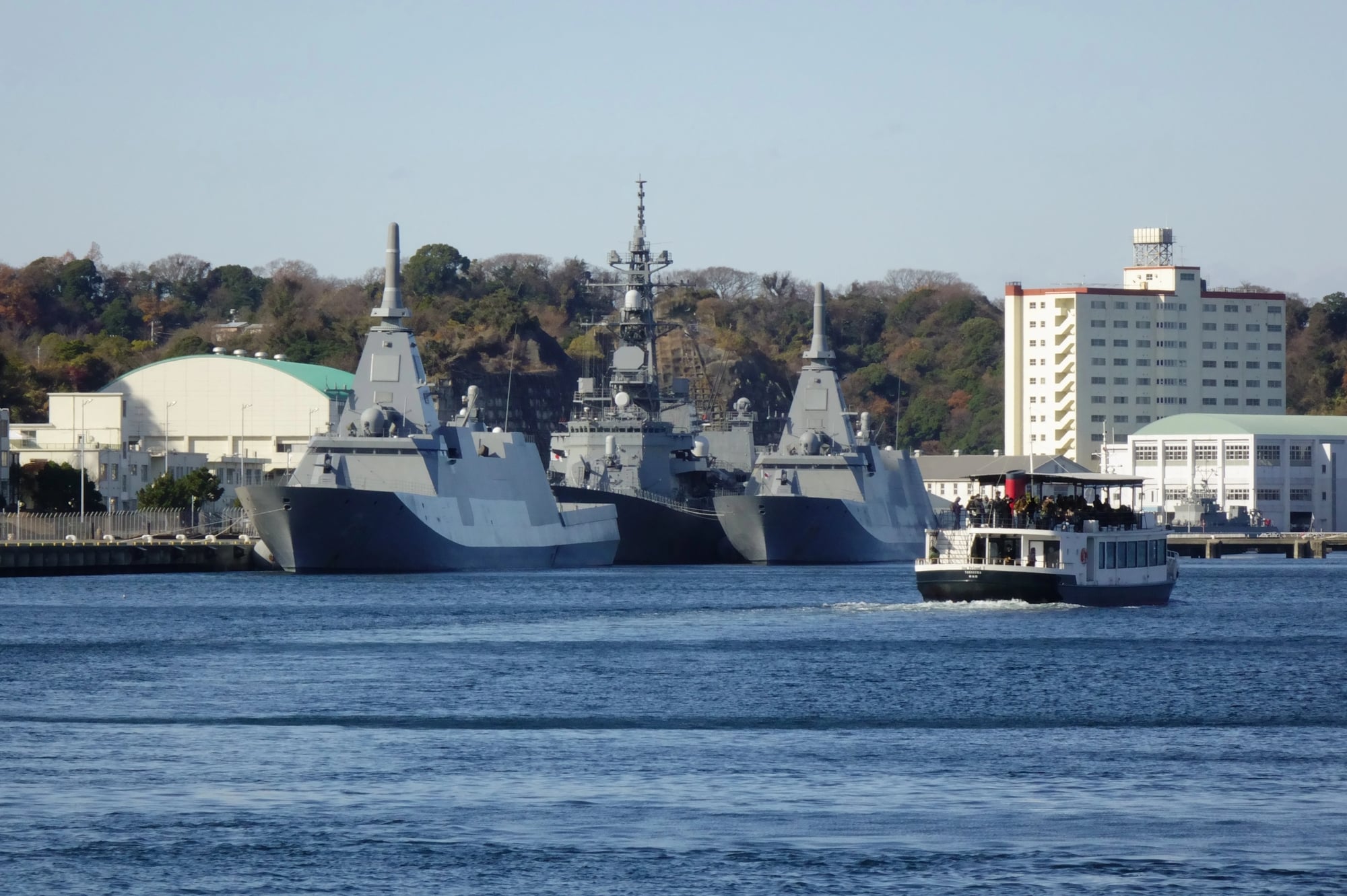
American naval power in the Pacific runs through Yokosuka, and has since 1945. The base sits just south of Tokyo Bay, close enough to Japan’s capital to matter, far enough away to avoid daily political complications.
The irony isn’t lost on anyone: the base that once served the Imperial Japanese Navy now hosts the U.S. Seventh Fleet. History has a sense of humor, even about serious things like naval supremacy and alliance partnerships.
USS Ronald Reagan calls Yokosuka home, along with a dozen other major vessels. For American naval operations in Asia, this is ground zero.
The Japanese Maritime Self-Defense Force shares the facilities, creating one of the more successful examples of former enemies becoming strategic partners.
Scapa Flow
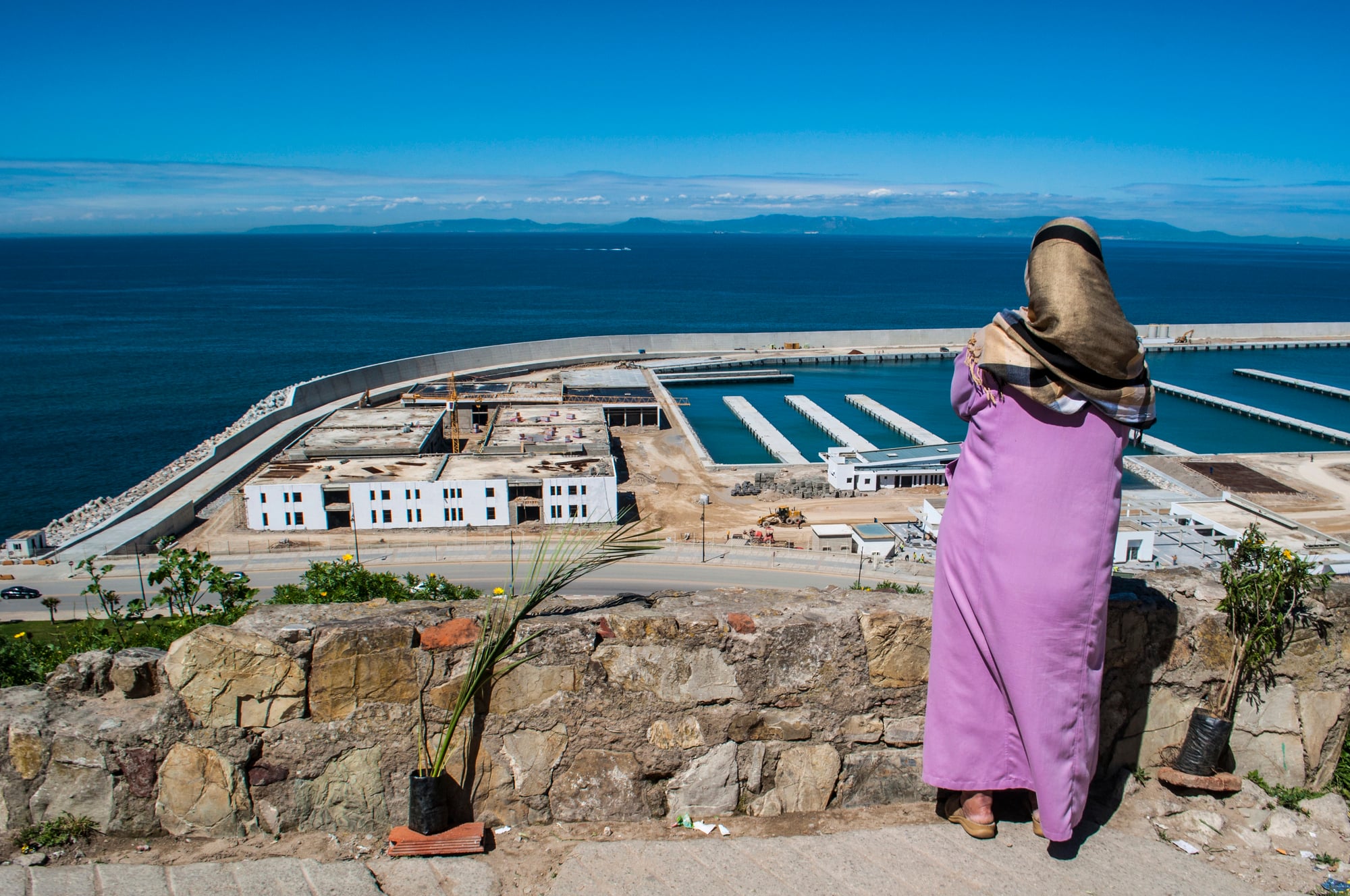
Scapa Flow is a graveyard that still works as a harbor. The Orkney Islands anchorage served the British fleet through two world wars, its remote location and deep waters making it the perfect place to hide capital ships between battles.
The German High Seas Fleet scuttled itself here in 1919 rather than surrender to the British. Seventy-four ships sent to the bottom in a final act of defiance.
Most were later raised and scrapped, but seven still rest on the seabed—the largest collection of warship wrecks in the world. During World War II, HMS Royal Oak was sunk here by a German U-boat, proving that even the most secure anchorages aren’t impregnable.
The attack changed British naval strategy overnight.
Cartagena
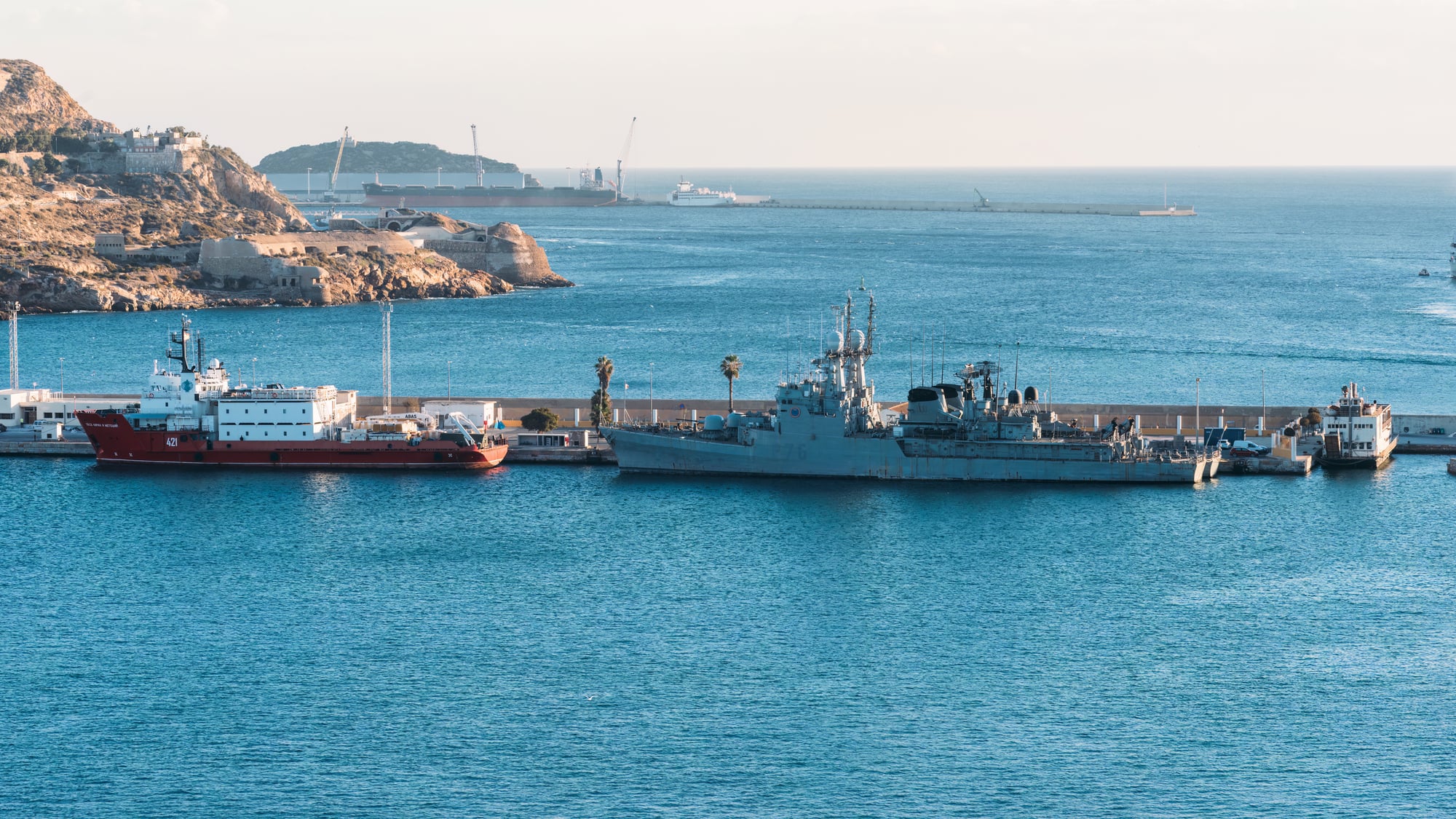
Spanish naval tradition lives in Cartagena, where the Mediterranean Fleet has anchored since the 18th century. Built into a natural harbor surrounded by five hills, the port looks exactly like what it is: a fortress that happens to have excellent docking facilities.
The naval museum here tells the story of Spanish sea power from its golden age through its gradual decline and modern resurgence. The exhibits don’t sugarcoat the empire’s fall, but they don’t apologize for its ambitions either.
Today’s Spanish Navy may be smaller than its predecessors, but Cartagena remains the country’s premier naval facility.
The submarines and frigates moored here carry on a tradition that once challenged British supremacy across two oceans.
Halifax
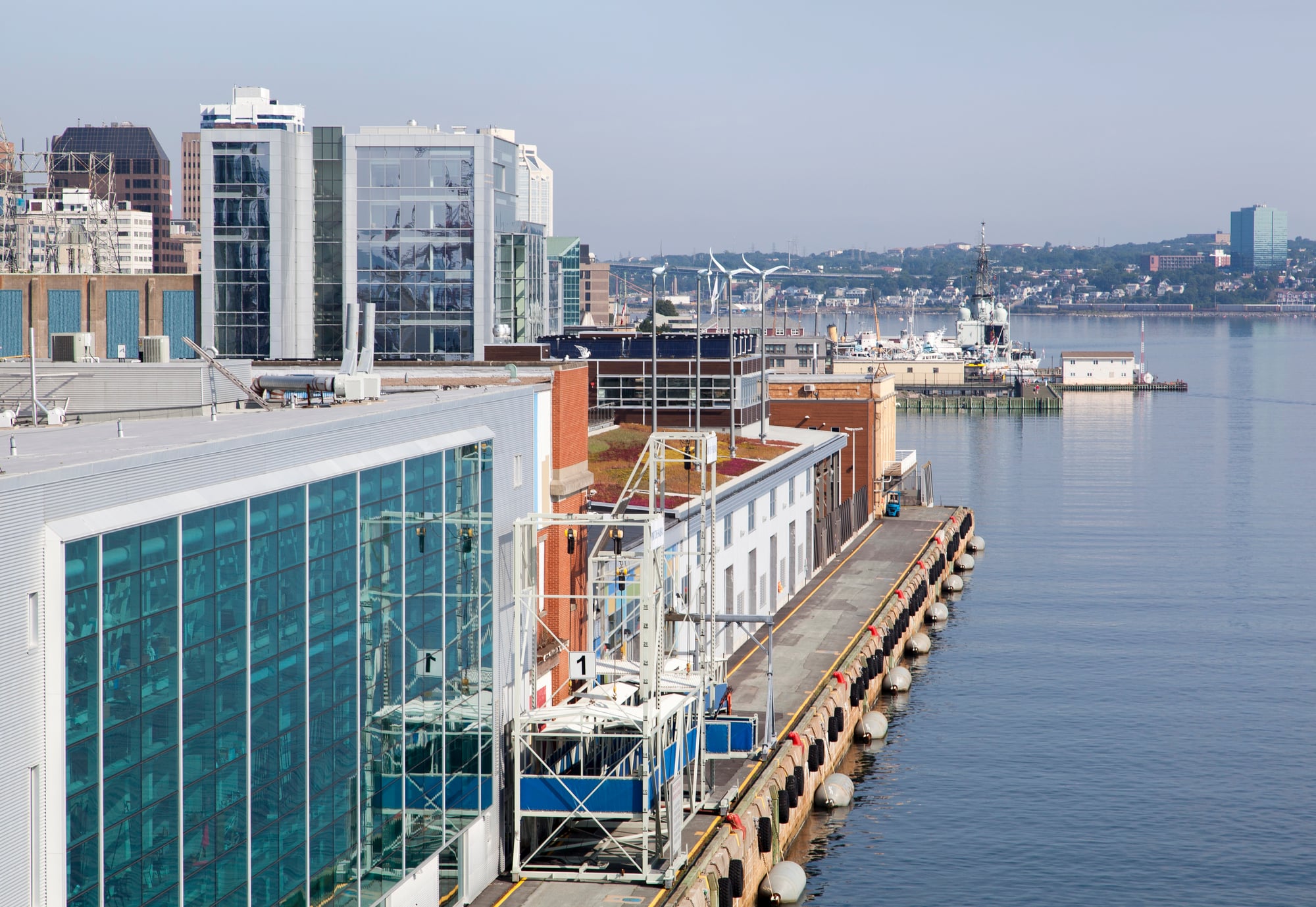
Halifax has always understood that geography is destiny, perched as it is on one of the world’s great natural harbors where the North Atlantic shipping lanes converge—which means that for three centuries, whatever moved by sea between Europe and North America had reasons to stop here, and navies (being practical institutions that prefer not to fight currents and weather when they can avoid it) naturally established Halifax as their primary Atlantic Canada base.
The Royal Canadian Navy calls it home today, but the harbor’s strategic importance transcends national boundaries: during both world wars, Halifax served as the assembly point for the convoys that kept Britain supplied, thousands of merchant ships gathering in Bedford Basin before making the dangerous Atlantic crossing under naval escort.
The 1917 Halifax Explosion—when a munitions ship collided with another vessel and detonated with the force of a small nuclear bomb—leveled half the city but couldn’t diminish the harbor’s strategic value.
So Halifax rebuilt itself around the naval base and the shipping that made it indispensable, because some places are simply too useful to abandon, no matter how catastrophically they’ve been damaged.
Kiel
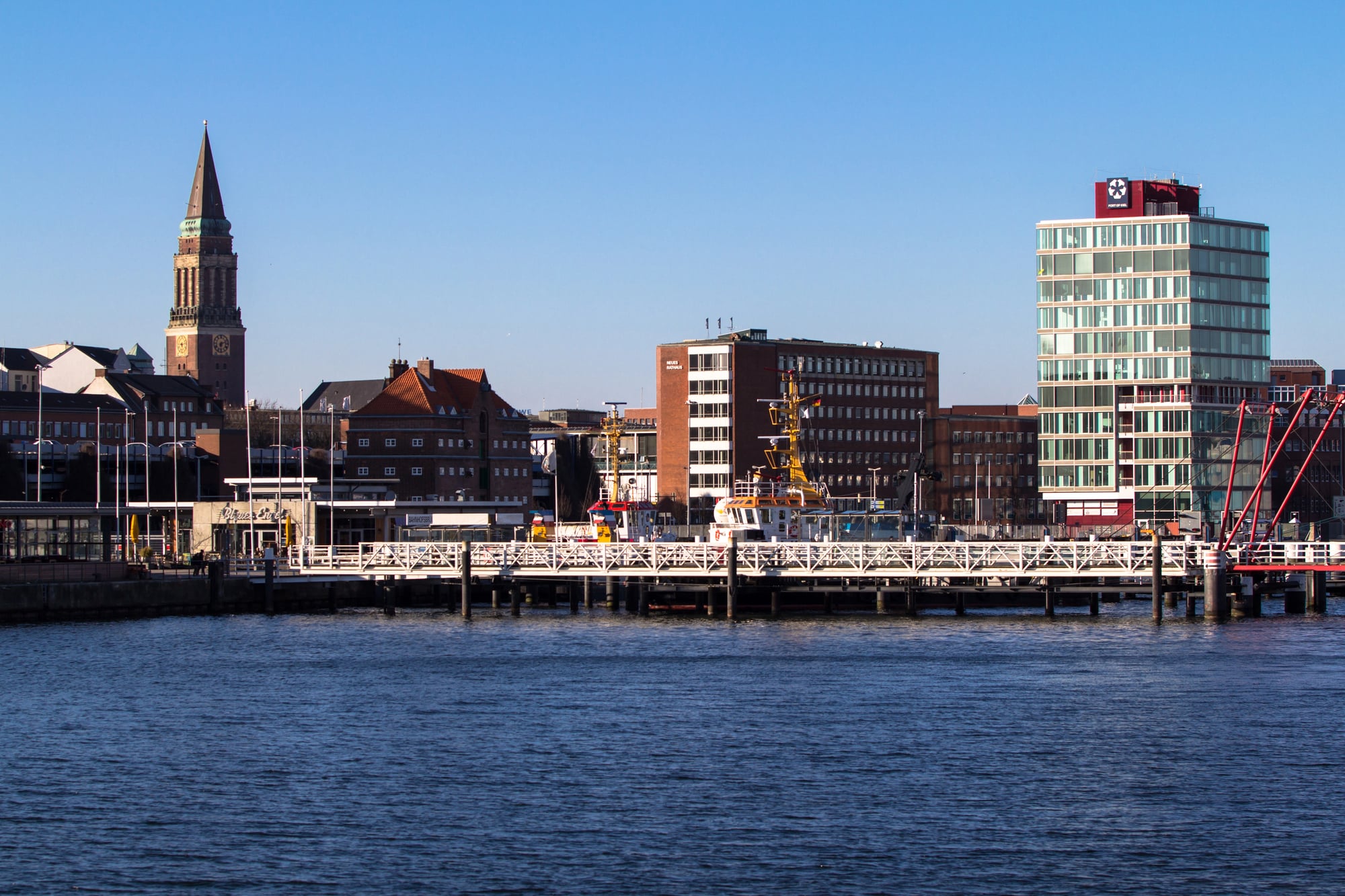
German naval ambitions always led back to Kiel. The Baltic base served the Kaiser’s fleet, then Hitler’s Kriegsmarine, and now the modern German Navy.
Each iteration brought different ships and different enemies, but the strategic equation remained constant: control the Baltic approaches from here. The Kiel Canal connects the Baltic and North seas, making this port crucial for German naval operations.
U-boats departed from here for both world wars, carrying crews who knew they might not return. Today’s German Navy is smaller and less aggressive than its predecessors, but Kiel still matters.
Some locations are simply too strategically valuable to abandon, regardless of which government happens to be in power.
Severodvinsk
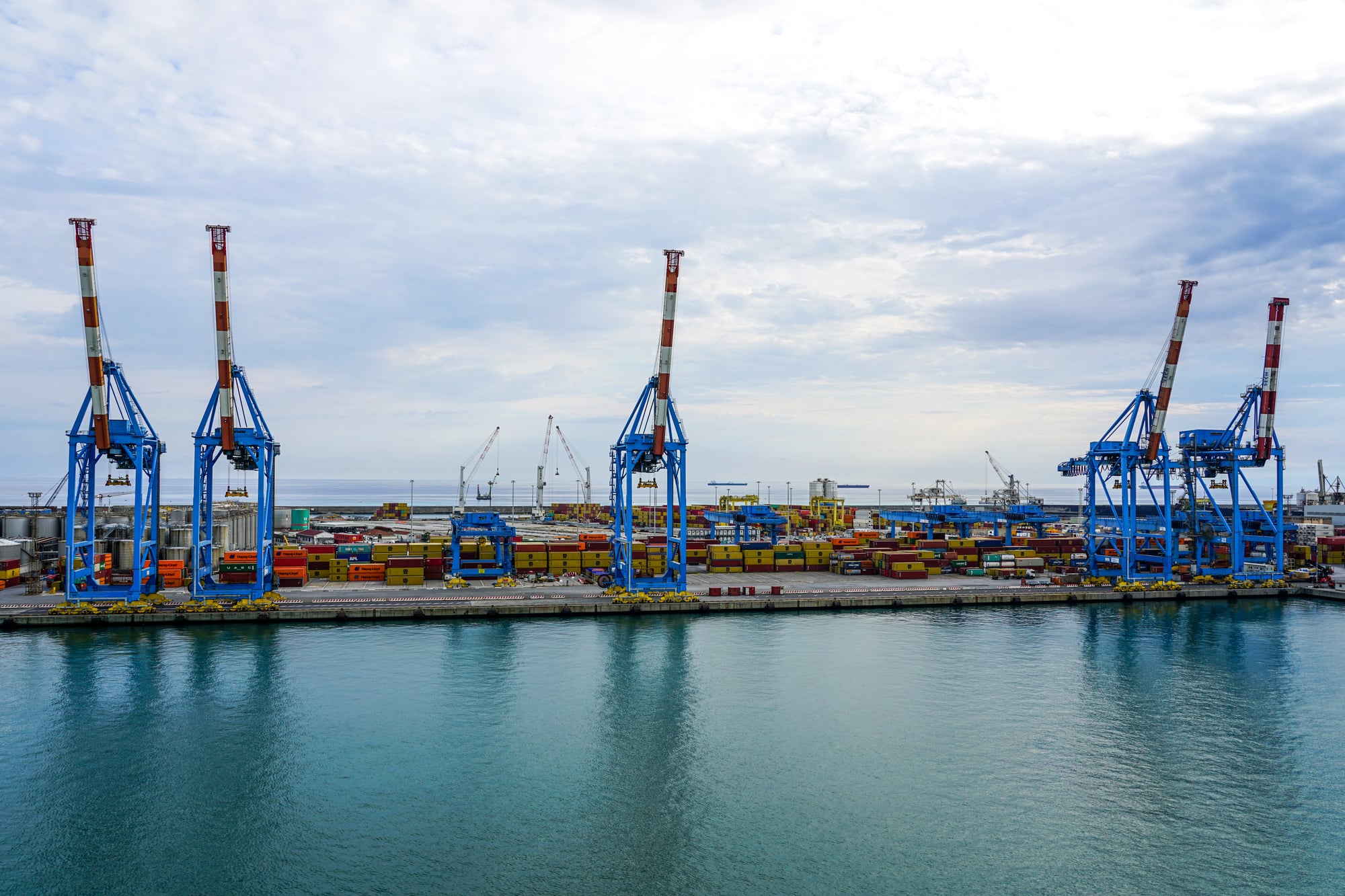
Nuclear submarines are born in Severodvinsk. The Arctic port has been building Russia’s most advanced underwater vessels since the 1930s, when Stalin decided the Soviet Union needed a northern naval presence that could challenge Western sea power.
The Sevmash shipyard here produces ballistic missile submarines—the kind that carry enough firepower to end civilizations. Building these vessels requires precision engineering and absolute secrecy, both of which Severodvinsk has provided for decades.
The port remains highly classified, but its strategic importance is obvious. Russia’s nuclear deterrent depends on submarines, and submarines depend on facilities like Severodvinsk to build and maintain them.
Kings Bay
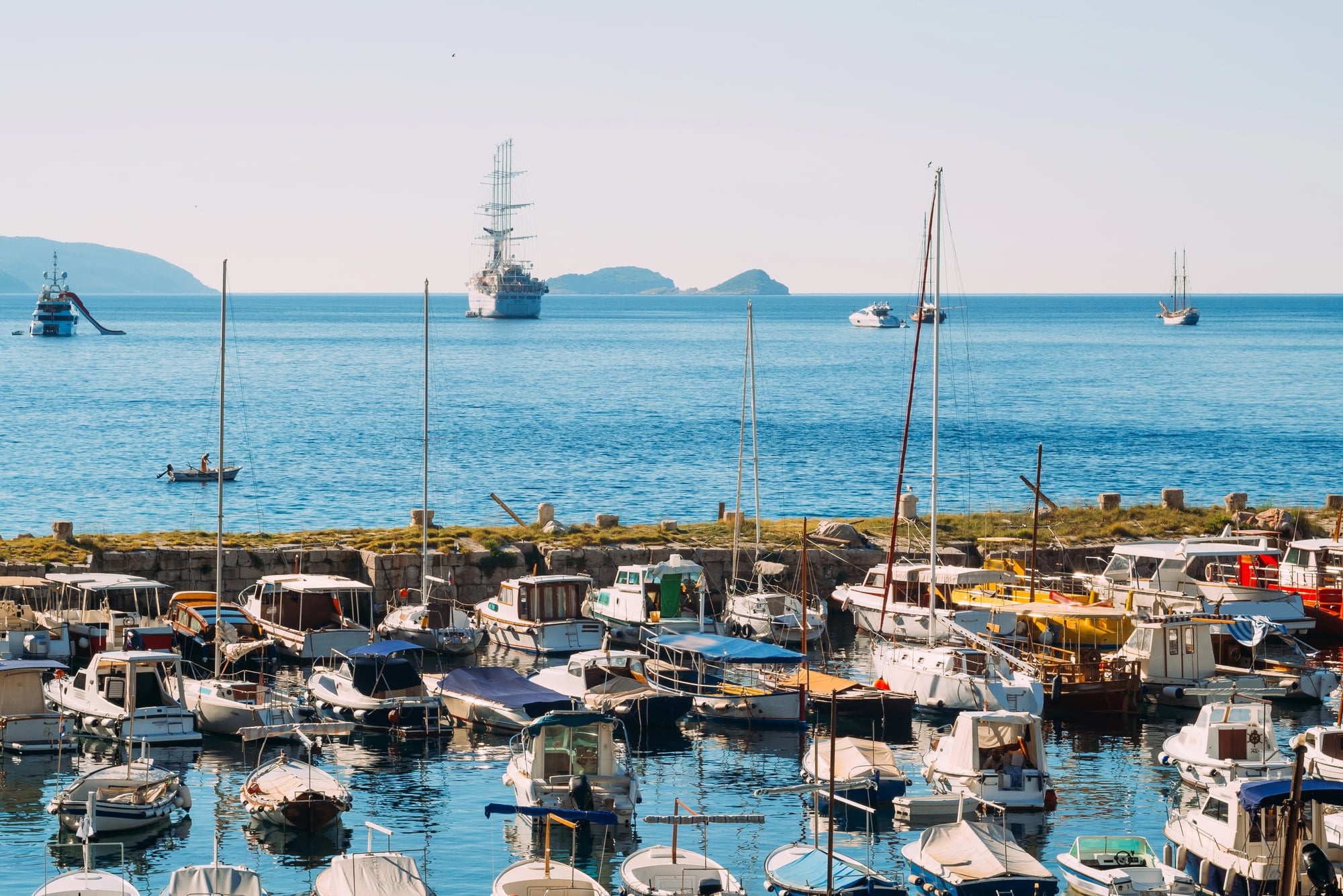
Kings Bay exists for one purpose: ballistic missile submarines. The Georgia base hosts half of America’s sea-based nuclear deterrent, making it one of the most strategically important facilities in the U.S. Navy.
Trident submarines operate from here, each one carrying enough nuclear missiles to destroy entire countries. The math is simple and terrifying: fourteen submarines, each with twenty-four missile tubes, each missile with multiple warheads.
The base maintains these weapons with obsessive precision, because nuclear deterrence only works if everyone believes the systems actually function. Kings Bay’s job is making sure that belief stays credible.
Where Legends Anchor
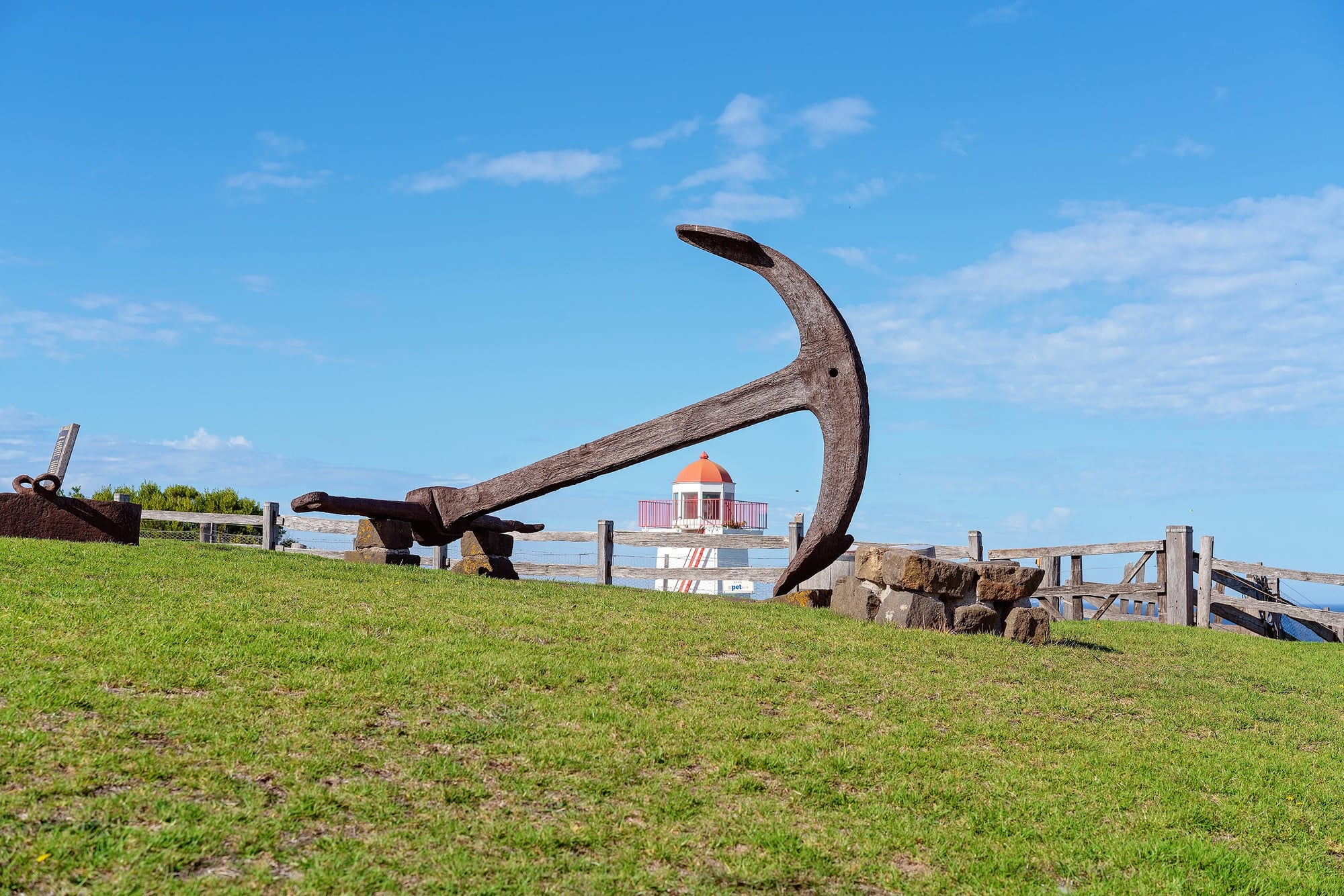
These ports remind you that naval power isn’t really about ships—it’s about the places ships call home. The harbors that can build them, repair them, supply them, and send them back to sea ready for whatever comes next. Some of these bases have been doing that job for five centuries, adapting to new technologies and new threats while maintaining the same essential mission.
The best naval ports become something more than military installations.They become symbols of national power, repositories of maritime tradition, and windows into how countries see their place in the world.
Walk through any of them today and you’re walking through layers of history that shaped the modern world.
More from Go2Tutors!

- The Romanov Crown Jewels and Their Tragic Fate
- 13 Historical Mysteries That Science Still Can’t Solve
- Famous Hoaxes That Fooled the World for Years
- 15 Child Stars with Tragic Adult Lives
- 16 Famous Jewelry Pieces in History
Like Go2Tutors’s content? Follow us on MSN.