15 Iconic Toys from the 90s Now Considered High Value Antiques
The 90s were a golden age for toys. Before smartphones consumed childhood and everything moved online, kids played with actual things they could hold, break, and lose under the couch.
Those plastic treasures gathering dust in your parents’ attic might be worth serious money now. Collectors pay thousands for mint-condition items that cost $20 back then, and the prices keep climbing as millennials hit their peak earning years and get nostalgic for simpler times.
Furby
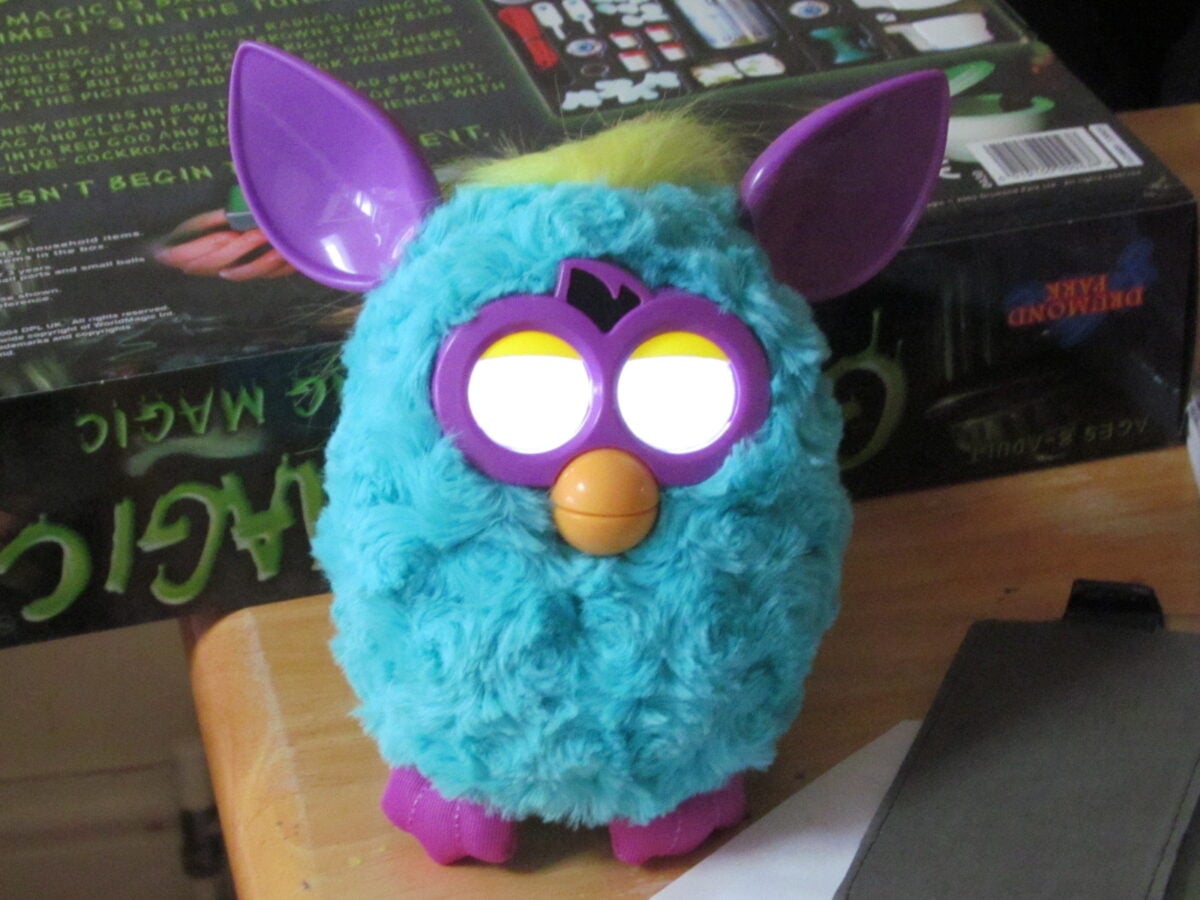
The electronic pet that wouldn’t shut up has become surprisingly valuable. Original Furby models released in 1998 in their original packaging can fetch $900 or more, depending on the color and condition.
The tiger-striped ones are particularly sought after. What made these creatures special wasn’t just their ability to “learn” English (they were actually just programmed to switch languages gradually, but nobody knew that).
It was the way they forced families to interact with something that felt almost alive but was safely artificial.
Beanie Babies
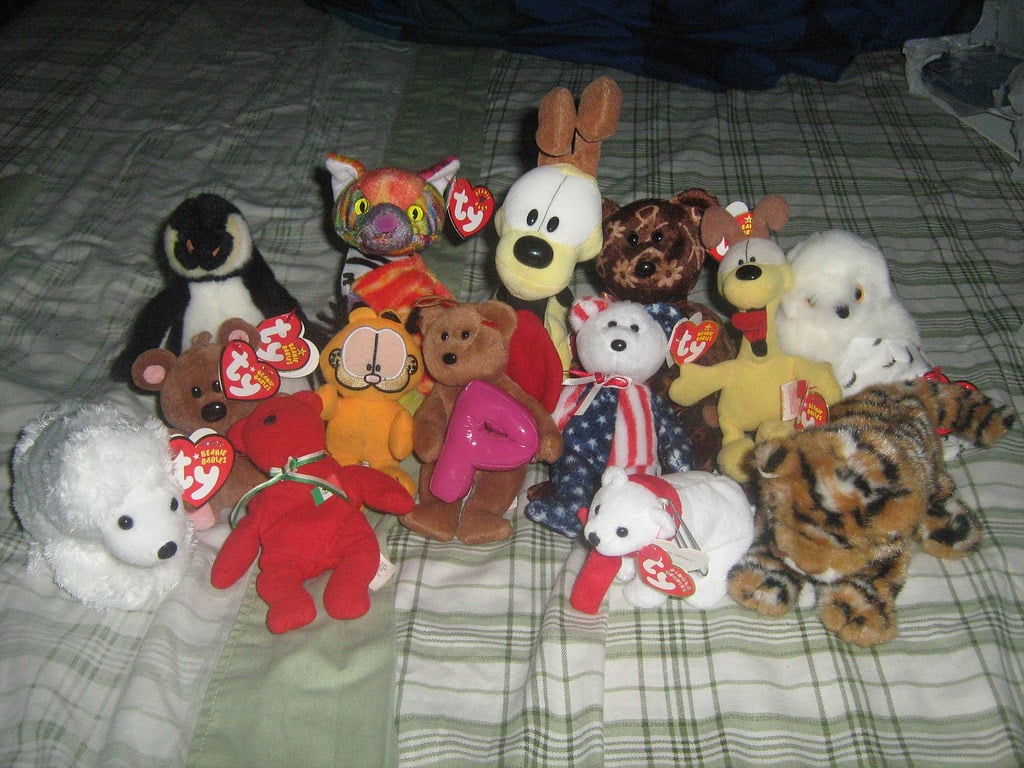
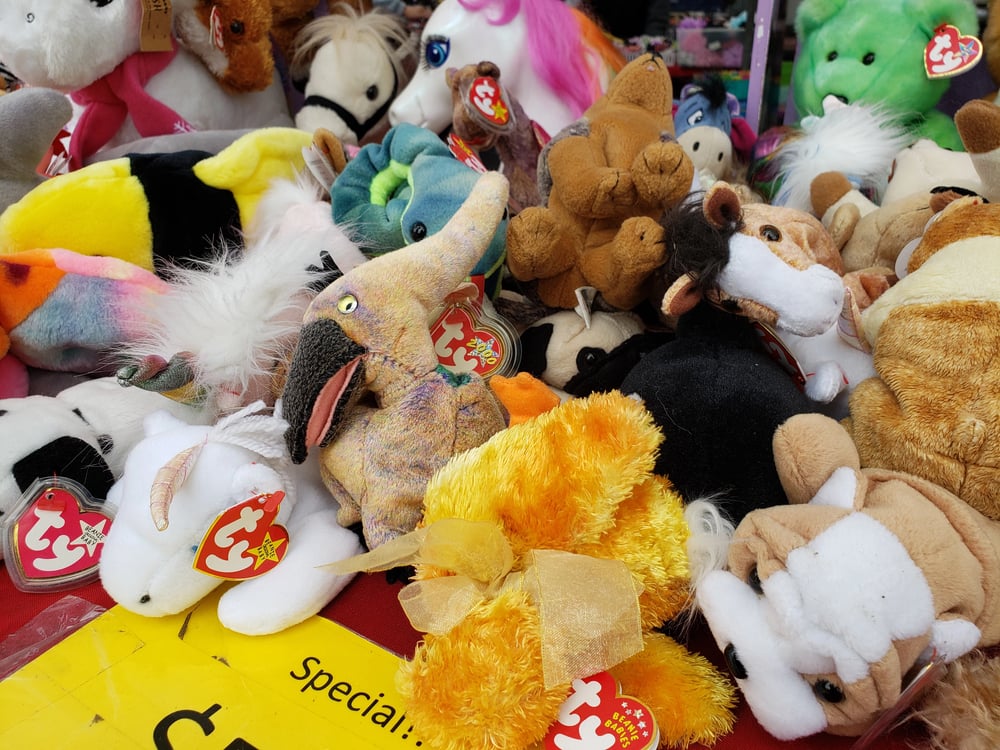
Some people never stopped believing in the Beanie Baby bubble, and it turns out they were right to hold on. Princess the Bear (the purple one made for Princess Diana) sells for $3,000 when it has the rare PE pellet stuffing.
Peanut the Elephant in royal blue can hit $2,000. The key is those tag errors collectors obsess over.
The secondary market became so intense that McDonald’s Happy Meal Beanie Babies from 1997 now sell for more than the original retail bears. People kept them in plastic cases like they were storing the Crown Jewels, which seemed ridiculous at the time but proves the collectors understood something the rest of us missed.
Original Game Boy
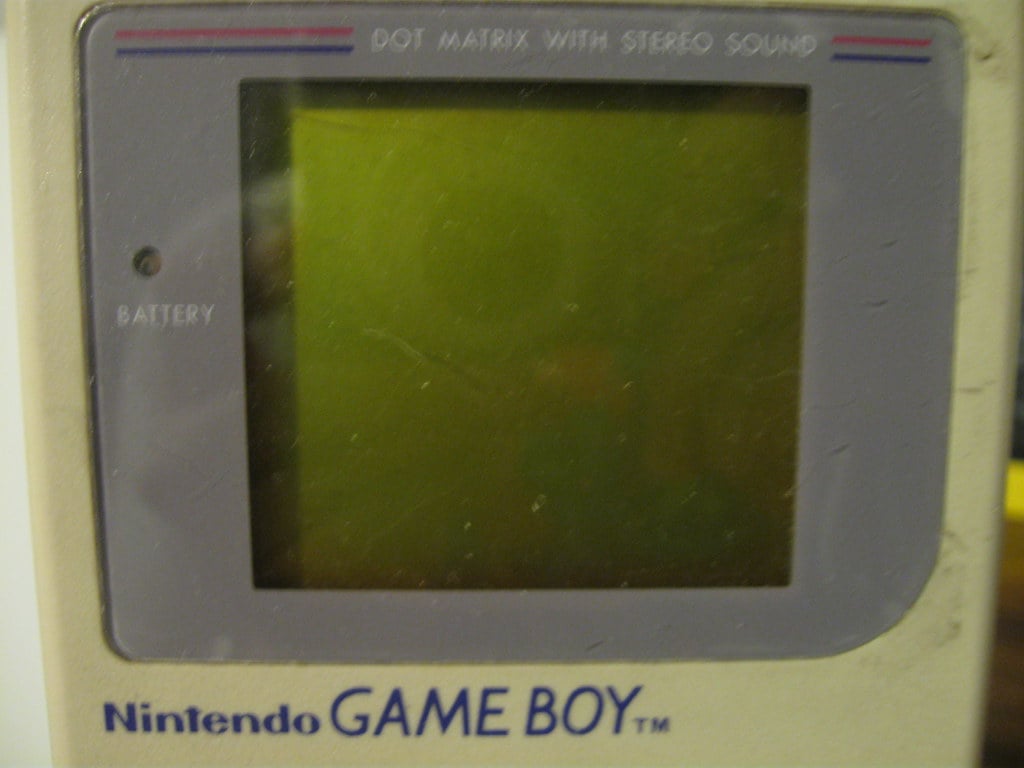
Nintendo’s brick-sized handheld changed portable gaming forever, and now collectors treat mint-condition units like museum pieces. A sealed original Game Boy can sell for $1,500, while rare color variants like the yellow Pokemon edition push even higher.
The key word here is sealed—once that plastic wrap comes off, the value drops significantly. These devices were built to survive nuclear war (or at least being dropped down stairs repeatedly), so finding one that actually works isn’t difficult.
But finding one that was never opened? That requires the kind of self-control that was nearly impossible when Tetris was sitting right there waiting to be played.
Power Rangers Action Figures
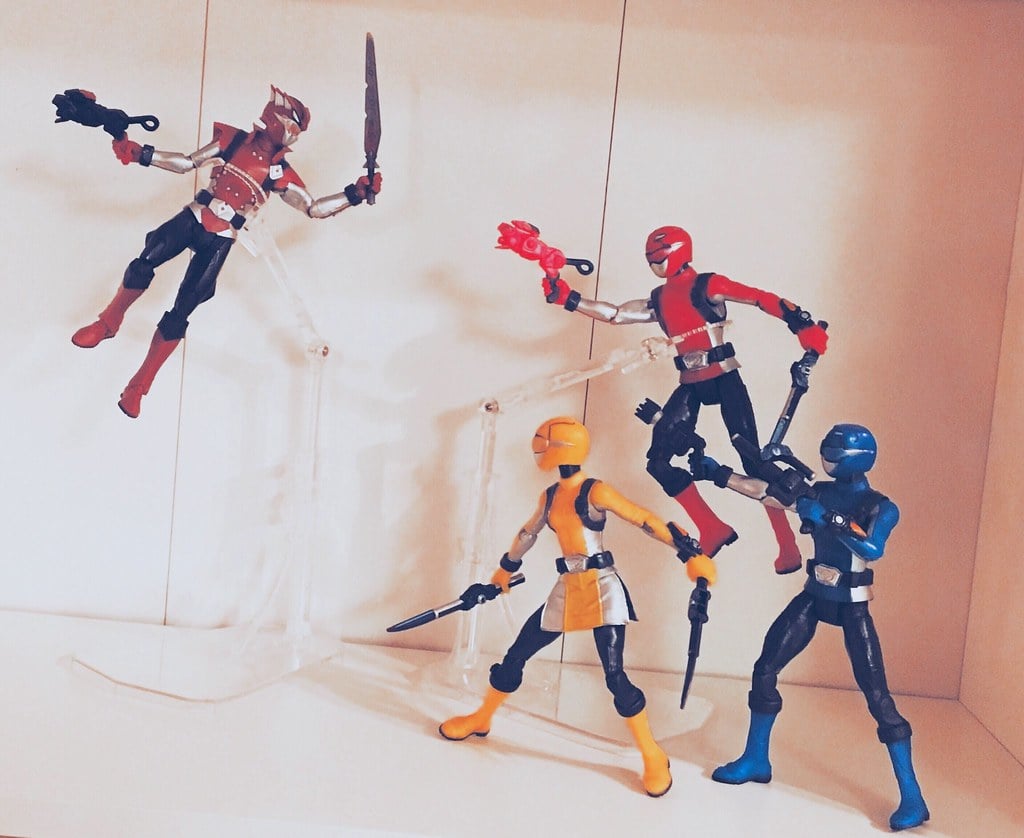
The original Mighty Morphin figures from 1993 have serious collector value now. A complete set of the five rangers still in their packages can bring $2,000.
The Megazord, if it’s never been removed from its box, sells for $800-$1,200 depending on condition. What’s fascinating is how the show’s cheesy special effects and recycled Japanese footage somehow created a mythology strong enough to sustain decades of collector interest.
The toys captured something the show itself could barely contain: the pure joy of transformation and combining robots, executed with the kind of precision that only comes from actual engineering rather than computer graphics.
Pokemon Cards
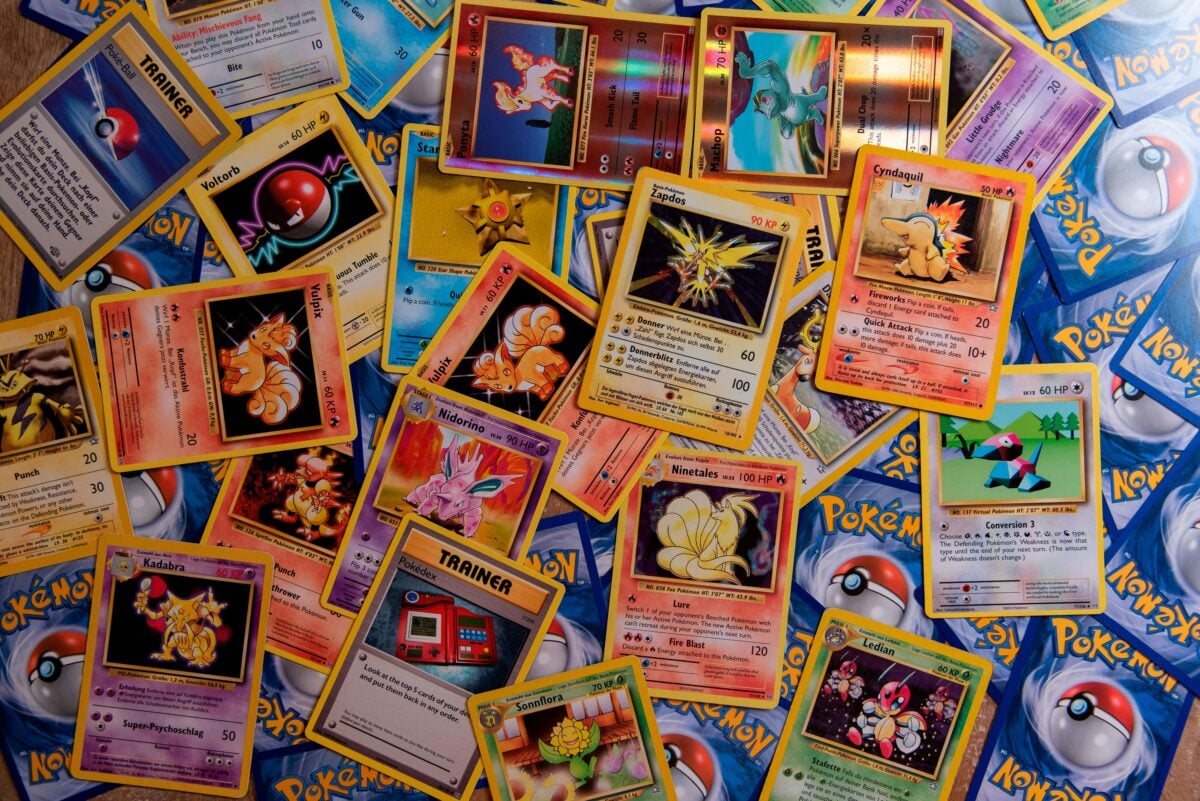
First edition Pokemon cards are the vintage wines of the toy collecting world—certain cards from certain sets have become almost priceless. A first edition holographic Charizard card sold for $420,000 at auction in 2021 (not 2022), achieved through an online sale. More realistic prices for mint first edition holographic cards range from $1,000 to $25,000.
The grading system determines everything here. Professional Services for Authentication grades cards on a 1-10 scale, and the difference between a 9 and a 10 can mean tens of thousands of dollars.
Cards that seemed identical to 10-year-old eyes are separated by microscopic differences in centering and corner wear that require magnification to detect.
Super Soaker 50
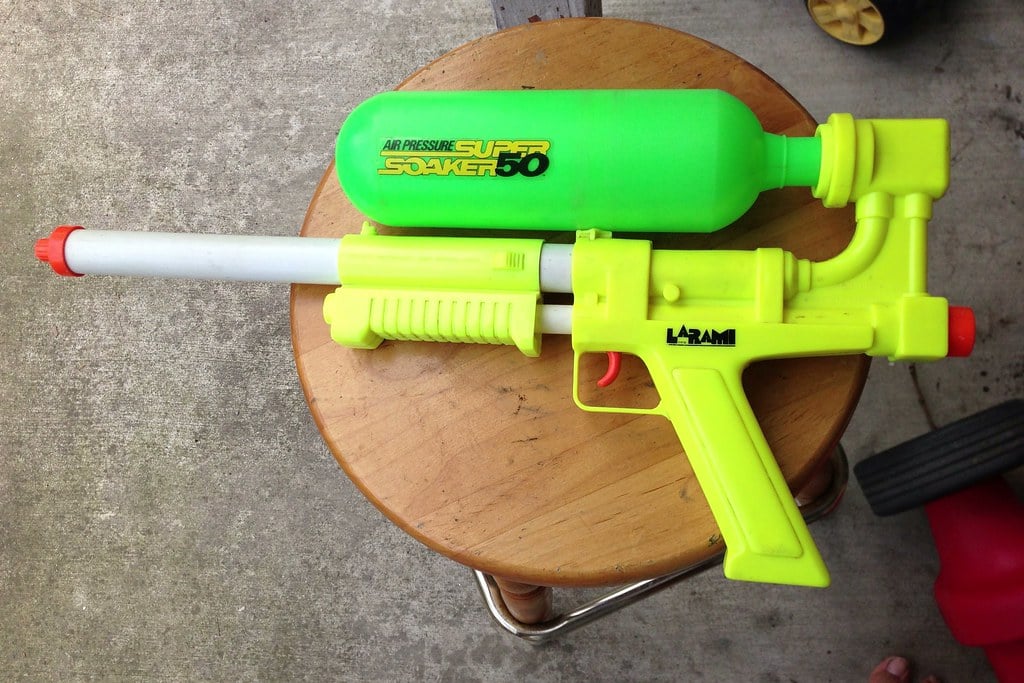
The original Super Soaker (the “original” or first model, also known as the Super Soaker 100) was released in 1989 by inventor Lonnie Johnson. The Super Soaker 50 was a later, smaller model released after the original.
Mint-condition examples sell for $200-$400, while rare variants or prototype models can reach four figures. The engineering was genuinely revolutionary—a hand-pumped pressure chamber that could launch water with enough force to knock someone off balance.
Before this, water guns were glorified squirt bottles that barely worked and left you feeling defeated when facing down the neighbor kid with a garden hose.
Teenage Mutant Ninja Turtles Figures
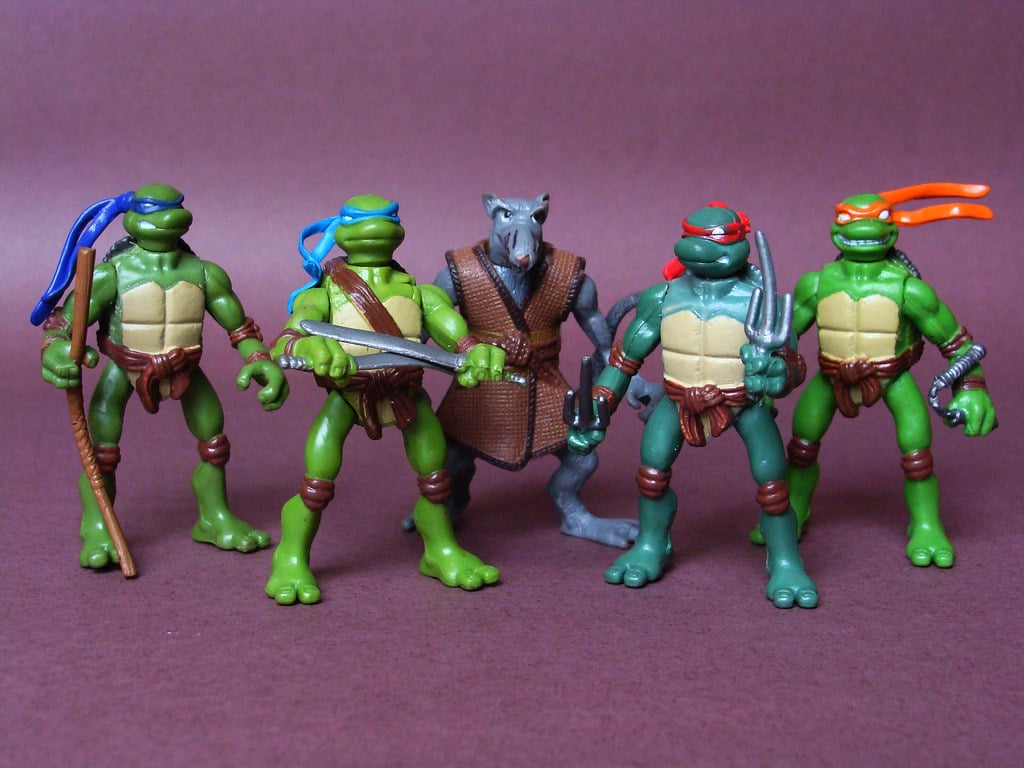
The original Playmates TMNT figures from 1988-1992 command serious money now. Leonardo, Donatello, Michelangelo, and Raphael in mint packaging sell for $150-$300 each. Rare characters like Casey Jones or April O’Neil can push $500-$800.
The key is finding figures with all their original accessories—those tiny weapons and tools were the first things to disappear. And here’s what nobody saw coming: the figures that seemed less desirable at the time, like Bebop and Rocksteady, are now worth more than the main turtles because fewer kids wanted the villains back then.
The market corrects for childhood preferences in unexpected ways.
Polly Pocket
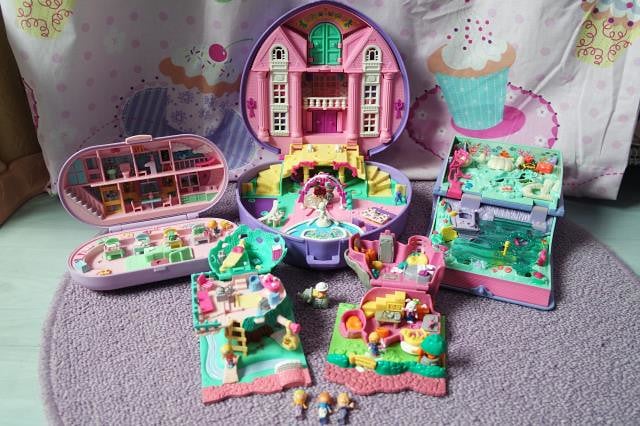
The tiny dolls in their compact worlds have become major collectibles, especially the original Bluebird Toys versions from 1989-1998. Complete sets in their original cases sell for $200-$600, depending on rarity.
The Starlight Castle, considered the holy grail of Polly Pocket collecting, can reach $2,000 in perfect condition. What made these toys special was their commitment to miniaturization as an art form—entire fantasy worlds compressed into something smaller than a makeup compact, with working parts and hidden compartments that rewarded careful exploration.
They demanded a different kind of play, quieter and more focused than most toys encouraged.
Tamagotchi
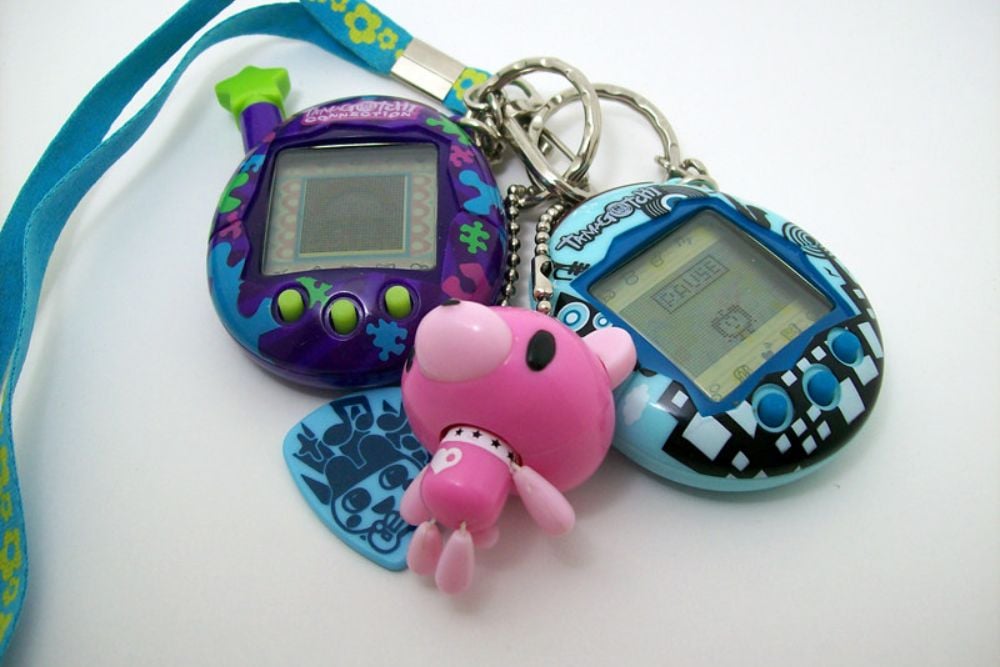
The digital pet that taught an entire generation about responsibility and death now sells for surprising amounts. Original 1996-1997 Tamagotchis in their packaging range from $300-$700, with rare shell designs pushing even higher.
The clear versions are particularly valuable because they show the internal circuitry. These devices were essentially practice for smartphone addiction, training kids to respond to electronic beeps and maintain virtual relationships.
The fact that your pet could die permanently if you ignored it too long added genuine emotional stakes that most digital experiences still can’t match.
Magic 8-Orb
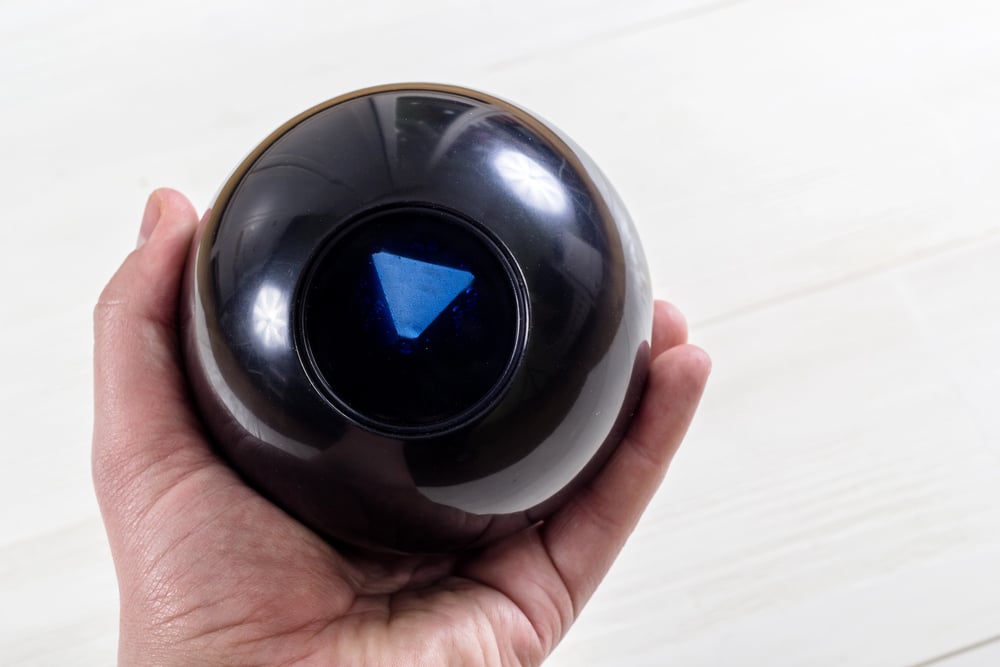
The fortune-telling toy has been around since the 1950s, but 90s versions have their own collector niche. Special editions like the clear versions or branded variants can sell for $100-$300.
The key is finding ones where the internal die still floats properly and the liquid hasn’t leaked or clouded. There’s something profound about a toy that promised to solve life’s uncertainties with the shake of a plastic sphere.
The answers were deliberately vague enough to seem meaningful while being safely noncommittal, which turns out to be exactly how most adults prefer their guidance anyway.
Troll Dolls
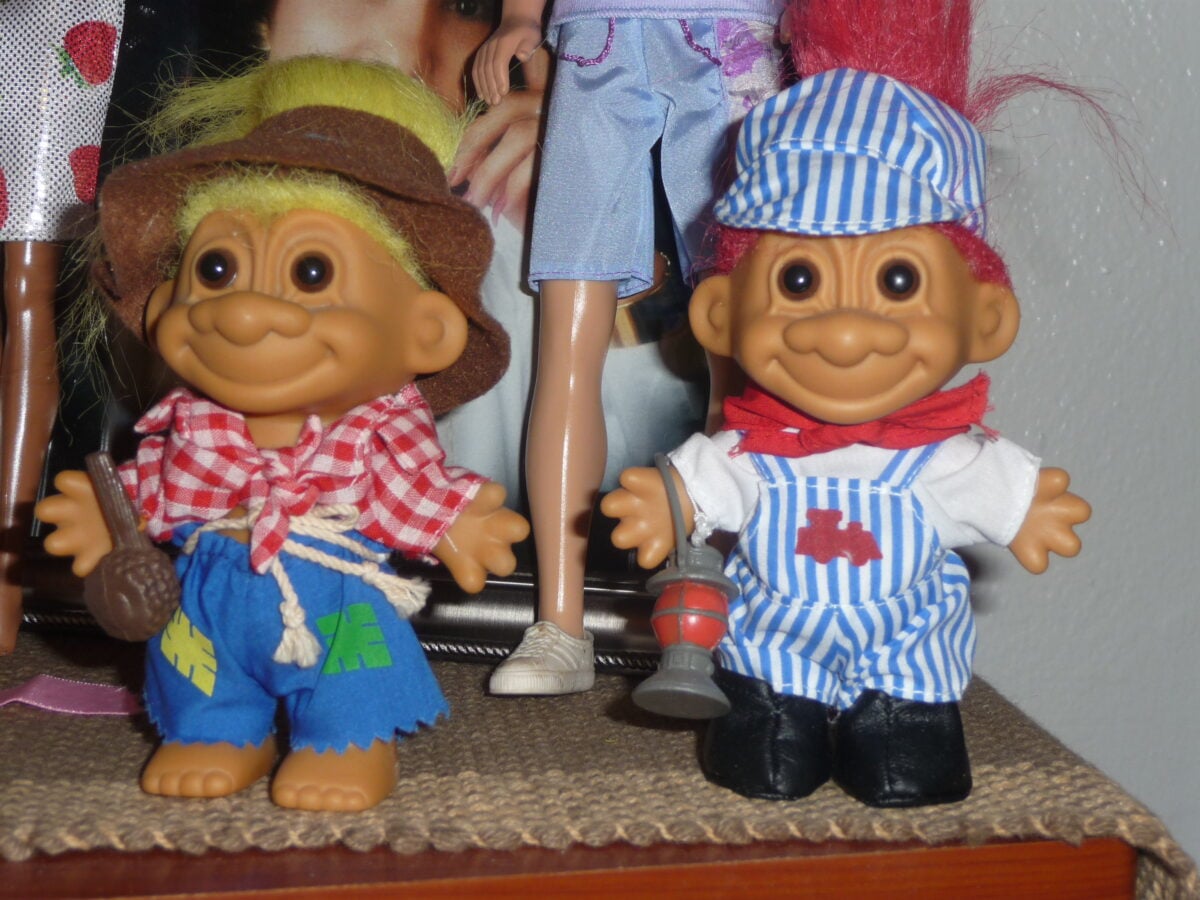
The wild-haired dolls experienced a major comeback in the 90s, and certain versions from that era are now valuable collectibles. Dam trolls (the original Danish company) from the 90s revival can sell for $200-$500 in mint condition. Special editions or large sizes command higher prices.
Those ridiculous hair styles that seemed so random were actually carefully designed and patented—each troll’s hair was rooted in a specific pattern that created the characteristic wild look when brushed upward. The ugly-cute aesthetic somehow captured something essential about childhood’s ability to find beauty in the weird and unconventional.
Pogs
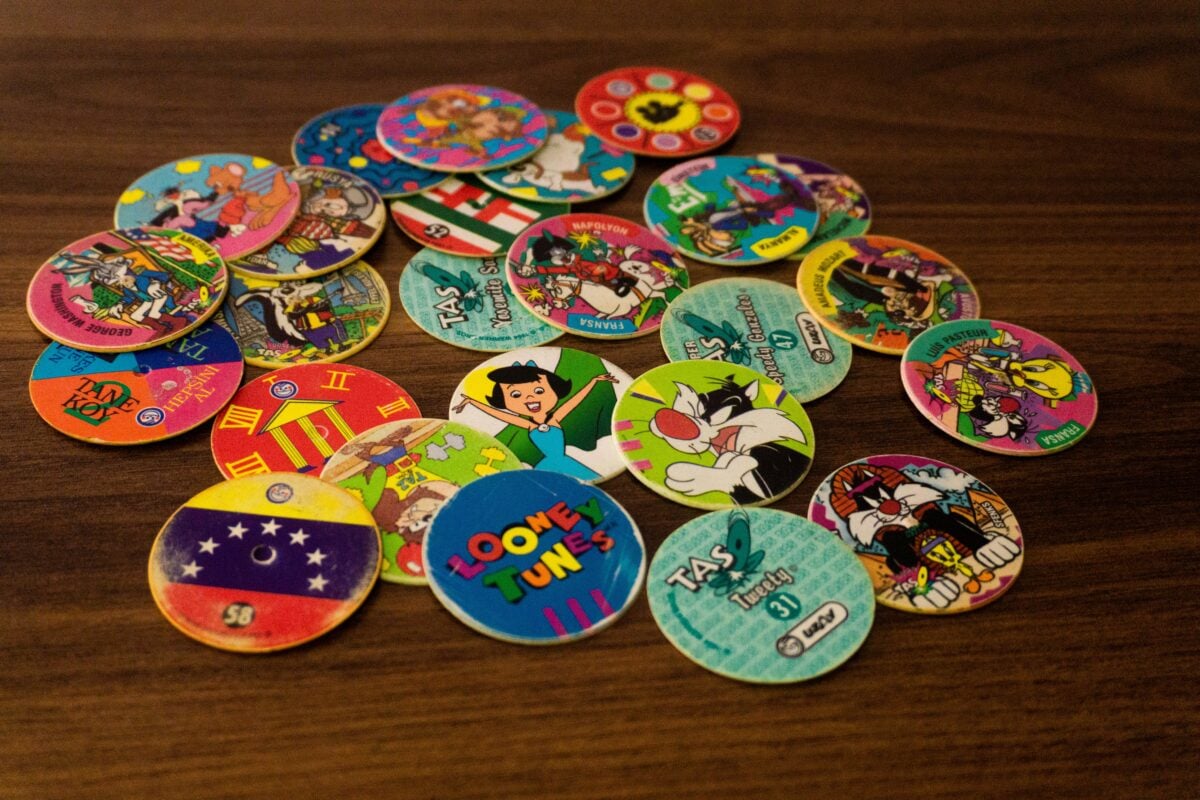
The circular cardboard discs that dominated playgrounds for about 18 months now have a dedicated collector base. Complete tournament sets or rare slammers can sell for $100-$500.
The holographic and metallic versions are most sought after, especially if they’re still in their original tubes. Pogs were essentially gambling for elementary school kids—a game of skill and chance that involved winning your opponent’s pieces.
Schools banned them for the same reason casinos exist: when you make winning feel random but skill-dependent, people become obsessed with trying to beat the system.
Virtual Boy
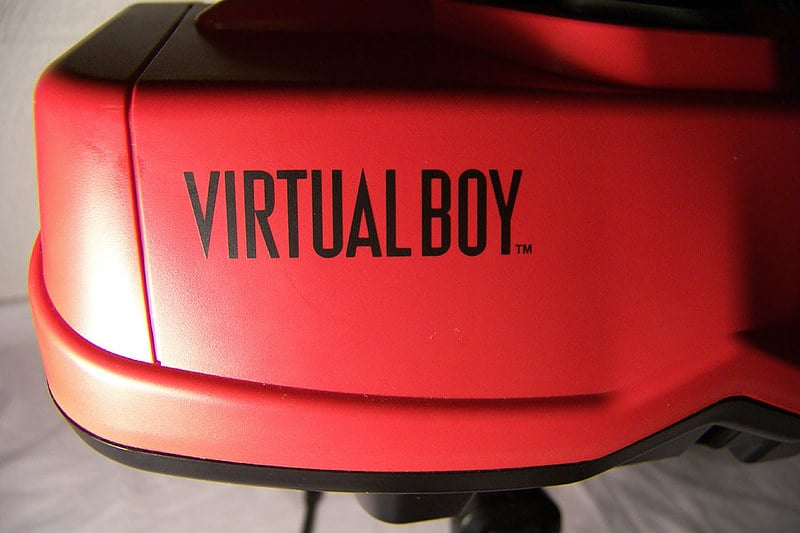
Nintendo’s failed 3D gaming system has achieved cult status among collectors precisely because it was such a commercial disaster. Complete systems in their original packaging sell for $800-$1,500.
Games for the system are even more valuable since so few were produced. The red-and-black graphics that gave everyone headaches now seem charmingly primitive, like looking at early attempts at virtual reality through a View-Master.
Nintendo bet big on technology that wasn’t quite ready, creating a time capsule of what the future looked like from 1995—ambitious, uncomfortable, and slightly nauseating.
GI Joe Action Figures
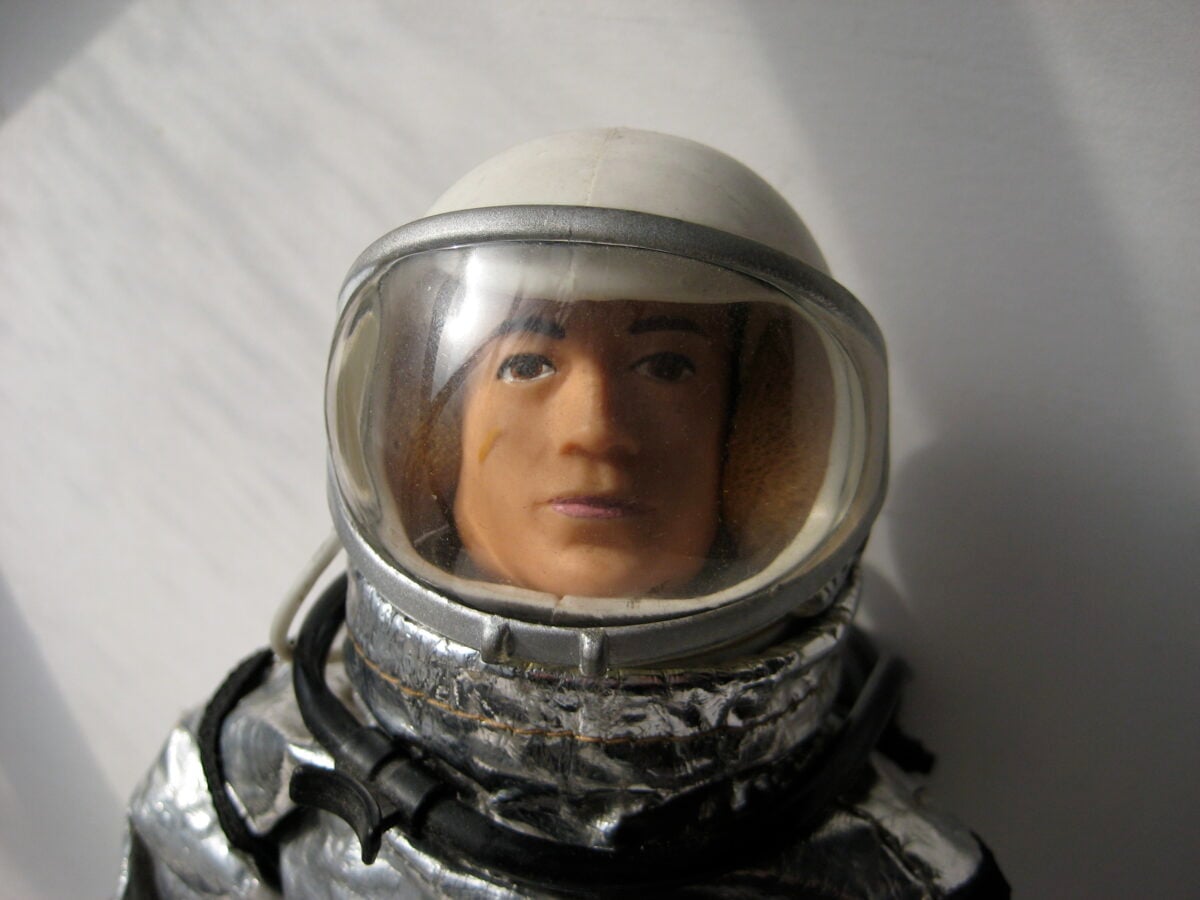
Hasbro’s 3.75-inch military figures from the 90s are serious business among collectors. Rare characters like Snake Eyes v3 or Storm Shadow v3 in mint packaging can sell for $300-$800.
Complete vehicles like the Tomahawk helicopter or Mobile Command Center push into four-figure territory. The appeal wasn’t just the military theme—it was the endless customization and world-building possibilities.
Each figure came with enough tiny accessories to outfit a real soldier, and the attention to detail made every character feel like they had a specific role in whatever story kids wanted to tell.
Mighty Max
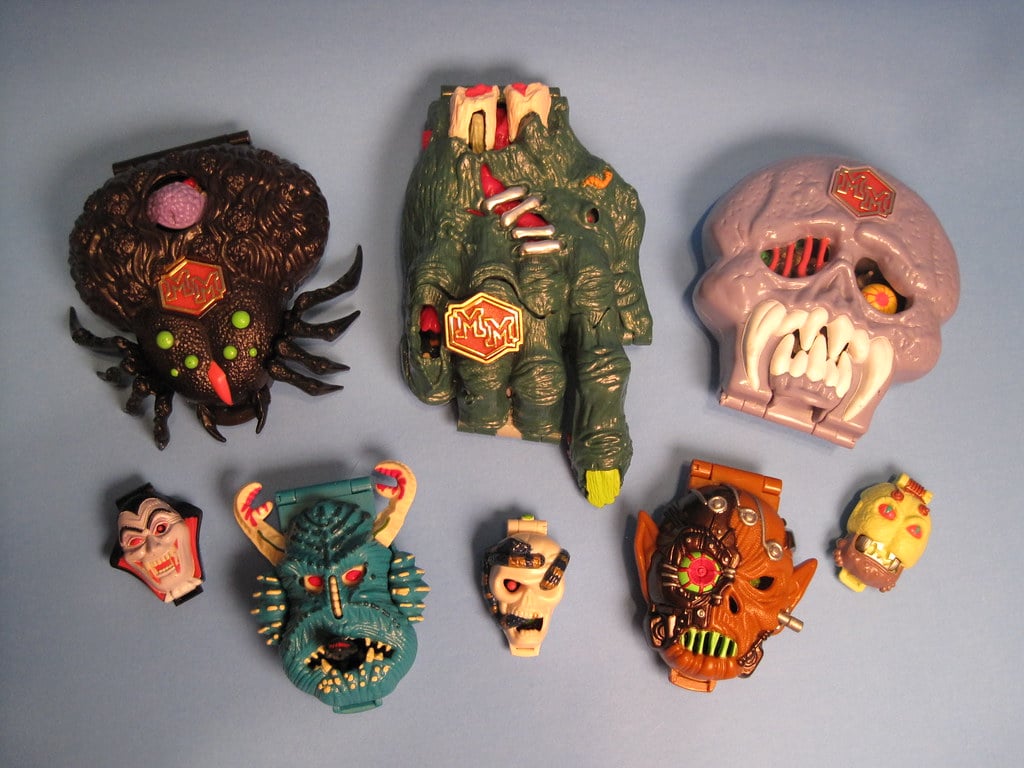
Mattel’s answer to Polly Pocket featured tiny action figures in horror-themed playsets that opened like compacts. The original sets from 1992-1996 now sell for $150-$400 in mint condition.
The larger “Horror Heads” playsets can reach $600-$800, especially rare ones like Skull Dungeon or Dragon Island. These toys embraced the kind of creepy imagery that parents tolerated in the 90s but might hesitate about today—skulls, monsters, and gothic architecture rendered in bright plastic.
The miniaturization combined with horror themes created something genuinely unique: pocket-sized nightmares that somehow felt safe to play with.
X-Men Action Figures
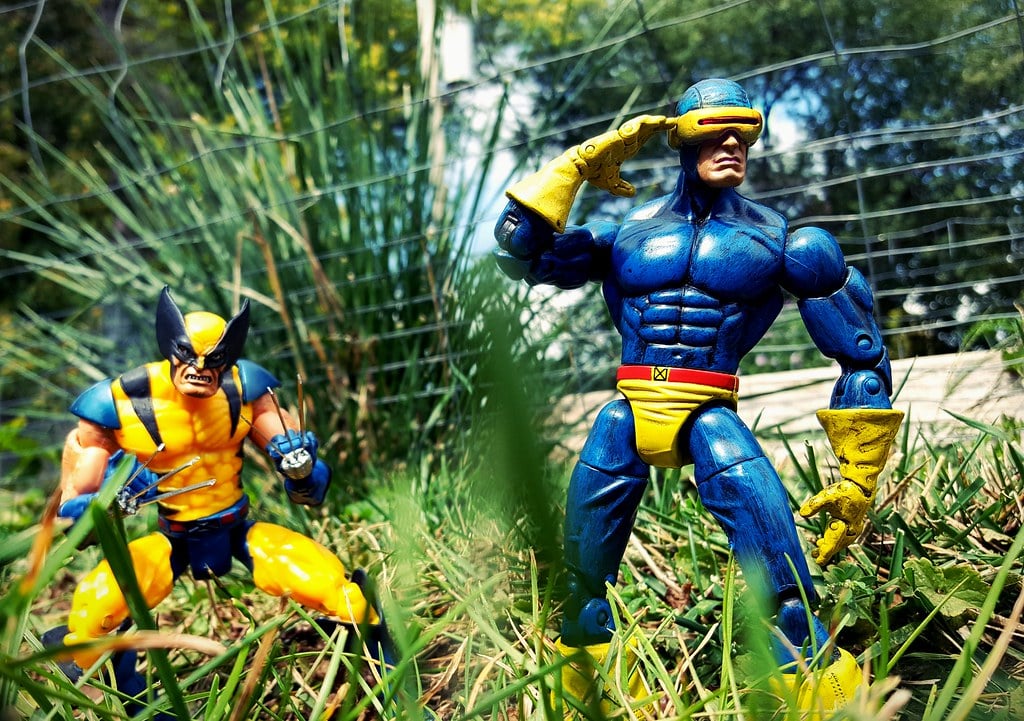
Toy Biz’s X-Men figures from the early 90s have become highly collectible, riding the wave of superhero movie popularity and 90s nostalgia. First series figures like Wolverine, Cyclops, and Storm in mint packaging sell for $200-$500 each.
Rare variants or chase figures can push much higher. The muscle-bound proportions and neon color schemes perfectly captured the era’s aesthetic—everything was extreme, angular, and designed to pop off comic book pages.
These figures didn’t just represent characters; they embodied an entire approach to superhero design that treated subtlety as the enemy of awesome.
The Treasure Hunt Continues
Attics and storage units across America are filled with these plastic treasures, most owned by people who have no idea what they’re sitting on. The toy collecting market shows no signs of slowing down as millennials enter their prime earning years and start chasing the dopamine hits of their youth.
What seemed like worthless junk to parents in 2005 now funds college tuition and down payments on houses, proving that sometimes the best investment strategy is just forgetting you own something valuable until the world decides it wants it back.
More from Go2Tutors!

- The Romanov Crown Jewels and Their Tragic Fate
- 13 Historical Mysteries That Science Still Can’t Solve
- Famous Hoaxes That Fooled the World for Years
- 15 Child Stars with Tragic Adult Lives
- 16 Famous Jewelry Pieces in History
Like Go2Tutors’s content? Follow us on MSN.