Highest Priced Luxury Cars Built This Century
The automotive world has changed dramatically since the year 2000. What was once considered an outrageous price tag for a car now seems almost modest compared to the eye-watering numbers attached to today’s most exclusive vehicles.
These aren’t just transportation—they’re rolling works of art, engineering marvels, and status symbols that only a handful of people on the planet can afford. So what makes these cars command prices that could buy entire neighborhoods?
Let’s take a look at the most expensive luxury cars that have rolled off production lines this century.
Rolls-Royce Boat Tail
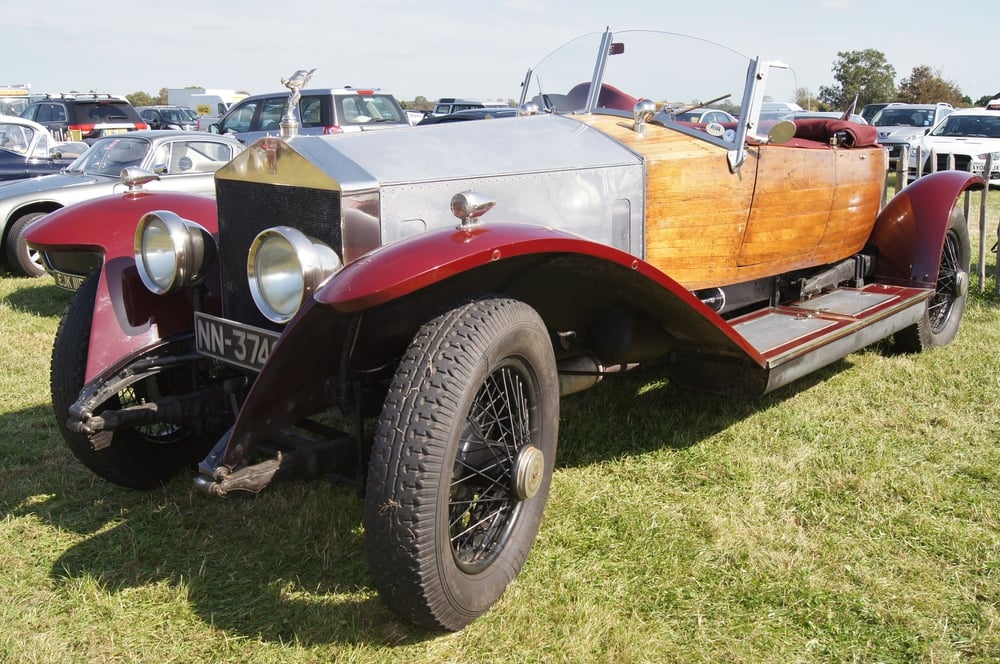
The Boat Tail takes the crown as one of the priciest cars ever made, with an estimated price of $28 million. Rolls-Royce only built three of these stunning vehicles, each one completely customized for its owner.
The name comes from the rear deck design that mimics classic racing yachts, and the car includes a built-in champagne set that deploys at the touch of a button.
Bugatti La Voiture Noire

This one-off creation sold for $18.7 million and pays tribute to the legendary Bugatti Type 57 SC Atlantic. Only one person in the world owns this car, which took two years to build.
The La Voiture Noire combines carbon fiber bodywork with Bugatti’s massive 1,500 horsepower engine, creating something that looks like it belongs in a modern art museum.
Pagani Zonda HP Barchetta

Pagani built just three of these open-top beauties, and company founder Horacio Pagani kept one for himself. The price reached $17.5 million, making it one of the most expensive new cars ever sold.
The Barchetta strips away the windshield almost entirely, leaving just two small wind deflectors, which means driving it at speed requires serious commitment.
Rolls-Royce Sweptail

Before the Boat Tail came the Sweptail, which cost its mystery owner around $13 million back in 2017. This one-off commission took four years to complete and features a glass roof that runs the entire length of the car.
The rear end was inspired by luxury yachts from the 1930s, and the interior includes a special compartment designed specifically to hold a bottle of vintage champagne.
Bugatti Centodieci

Bugatti made only ten of these tribute cars to the EB110, and each one cost $9 million. The Centodieci celebrates Bugatti’s 110th birthday with styling that references the angular 1990s supercar.
Despite weighing over 4,000 pounds, it can hit 60 mph in just 2.4 seconds thanks to its quad-turbocharged W16 engine.
Mercedes-Maybach Exelero

This unusual one-off came with a price tag of $8 million when it debuted in 2004. Mercedes built it as a testing vehicle for high-performance tires, but its dramatic styling and twin-turbo V12 engine made it a collector’s item.
The car can reach 218 mph, and rapper Birdman reportedly owned it at one point.
Bugatti Divo

Named after French racing driver Albert Divo, this limited edition hypercar cost $5.8 million. Bugatti made just 40 examples, and all of them sold out before the public even saw the car.
The Divo weighs 77 pounds less than the Chiron and generates significantly more downforce, making it better suited for twisty roads than straight-line speed.
Pagani Huayra Codalunga

The Codalunga stretches the regular Huayra’s tail section by 14 inches, creating one of the most dramatic profiles in automotive history. Only five were built, each costing $7.4 million.
The extended rear end improves aerodynamics and gives the car a silhouette that recalls the legendary endurance racers of the 1960s.
Bugatti Chiron Super Sport 300+

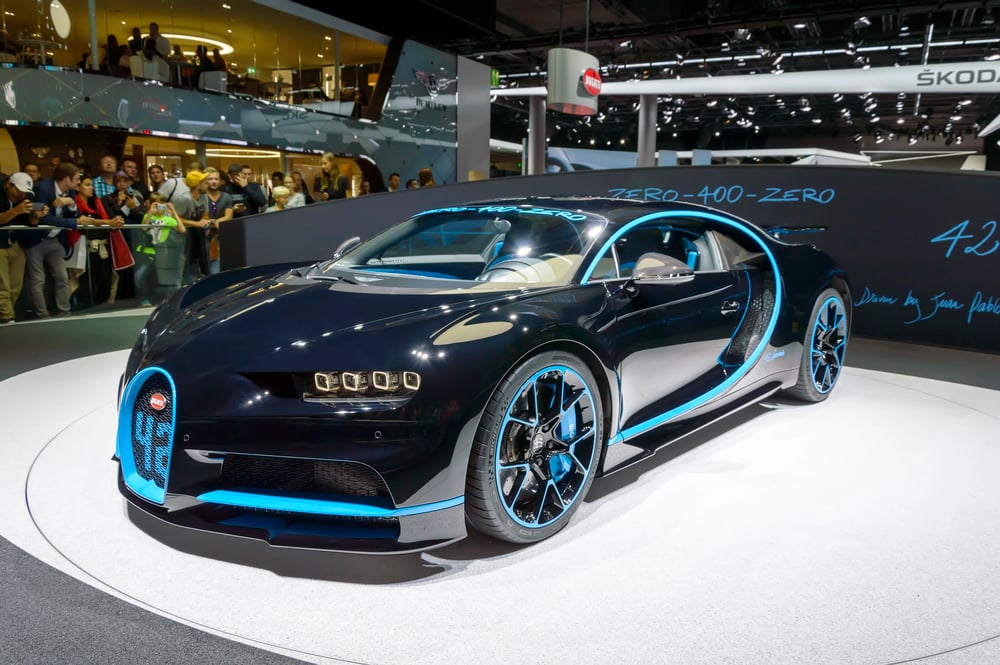
This special edition commemorates Bugatti’s achievement of breaking the 300 mph barrier, and it cost $5.7 million. Only 30 were made, each one featuring the same black and orange color scheme as the record-breaking prototype.
The engine produces 1,577 horsepower, though owners can’t actually reach 300 mph due to tire limitations.
Maybach Exelero Brabus

Not to be confused with the original Exelero, this version received the Brabus treatment and pushed the price to $8 million. The tuning company added even more power to the already monstrous V12 engine.
Its distinctive all-black appearance and massive 23-inch wheels make it look like something a villain would drive in a superhero movie.
Lamborghini Veneno Roadster

Lamborghini celebrated its 50th anniversary by creating the Veneno, and the open-top version cost $4.5 million. Only nine roadsters were built, each one sold before production even began.
The extreme aerodynamic bodywork serves a real purpose, generating enough downforce to keep the car glued to the road at speeds approaching 220 mph.
Koenigsegg CCXR Trevita
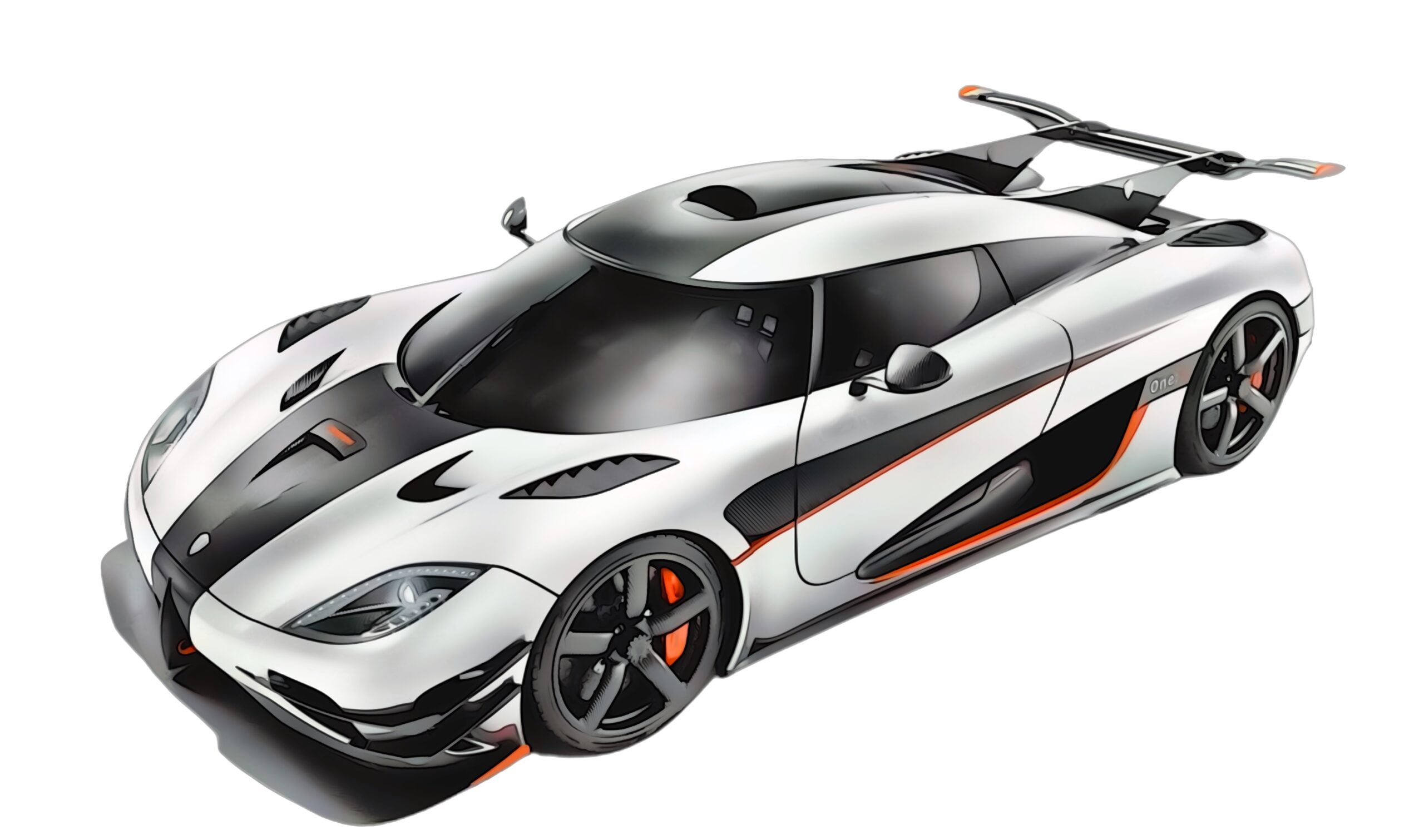
The Trevita features a special diamond-weave carbon fiber finish that literally sparkles in the sunlight. Floyd Mayweather owned one of the two examples ever made, which cost $4.8 million.
The process for creating the diamond-weave finish proved so difficult and expensive that Koenigsegg originally planned three cars but only completed two.
Lykan HyperSport

This Middle Eastern hypercar gained fame after appearing in a Fast and Furious movie, crashing through three skyscrapers in Dubai. W Motors charged $3.4 million for each of the seven cars built.
The headlights contain titanium LED blades with 420 diamonds, because apparently regular LEDs weren’t fancy enough.
Aston Martin Valkyrie

Developed in partnership with Red Bull Racing’s Formula 1 team, the Valkyrie costs $3.2 million. The car uses a naturally aspirated V12 that revs to 11,100 rpm, producing sounds that rival any racing car.
Only 150 road-going versions were made, and the driving position requires owners to recline almost flat like they’re in a fighter jet.
Pagani Huayra BC

The BC honors Benny Caiola, an early Pagani customer and friend of company founder Horacio Pagani. Twenty examples were built at $2.8 million each, featuring extensive carbon fiber work and a lighter weight than the standard Huayra.
The active aerodynamics constantly adjust to optimize downforce and drag, making the car feel alive as it responds to driving conditions.
Ferrari Pininfarina Sergio
Based on the Ferrari 458 Spider, the Sergio represents a collaboration between Ferrari and design house Pininfarina. Only six were built at $3 million each, and all went to hand-selected customers.
The car eliminates the windshield and replaces it with a small deflector, creating an experience that’s more like riding a motorcycle than driving a car.
Lamborghini Sian

Lamborghini’s first hybrid supercar combines a V12 engine with a supercapacitor-based hybrid system, and it cost $3.6 million. The company made 63 coupes, a number chosen to honor Lamborghini’s founding year of 1963.
Unlike typical hybrid systems that use heavy batteries, the Sian’s supercapacitor weighs just 75 pounds while providing instant power boosts.
McLaren Speedtail
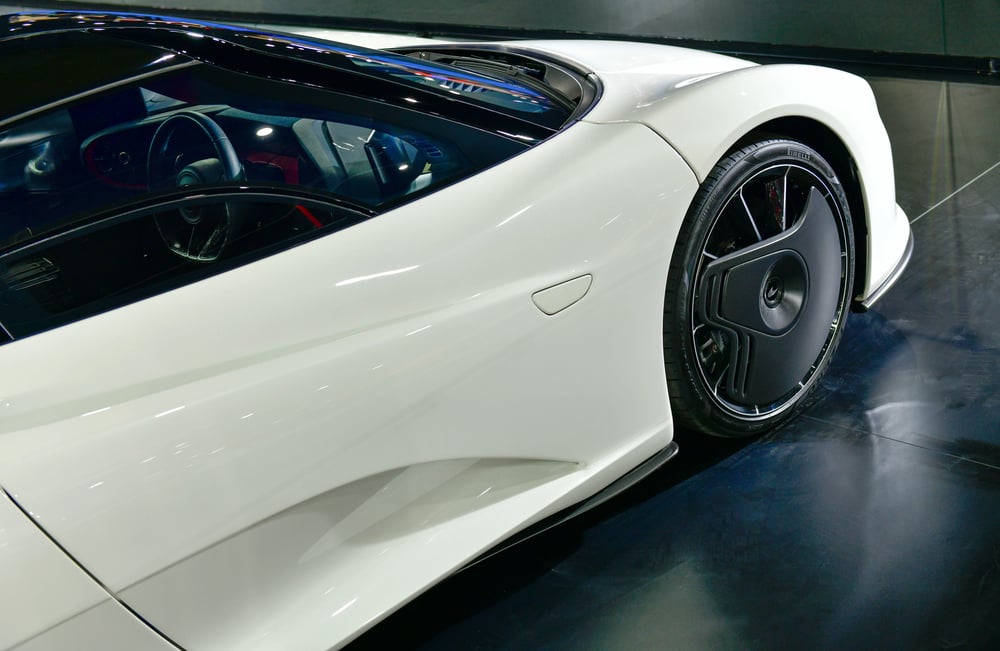
The Speedtail serves as the spiritual successor to the legendary F1, with a central driving position and a top speed of 250 mph. All 106 examples sold for $2.2 million each before the public ever saw the car.
The teardrop shape prioritizes aerodynamic efficiency over traditional supercar aggression, giving it a surprisingly elegant appearance.
Bugatti Chiron Profilée

This rare build stands as the priciest brand-new Bugatti to cross an auction block – sold for 10.7 million dollars. What makes the Profilée special?
It closes out the Chiron series, marking the farewell run of Bugatti’s famed four-turbo W16 powerplant. Style-wise, it lands in a space that’s neither full-on Super Sport nor just another Chiron.
Pagani Imola

Five of these were made. Costing 5.4 million dollars, the Imola carries its name from an iconic Italian race track.
Shaped entirely for air movement, each part plays a role in how wind flows across it – the wildest aero yet on any legal-to-drive Pagani. Though you can drive it on roads, the focus leans hard toward circuits, thanks to suspension borrowed from race machines and huge carbon ceramic stopping systems.
The price of exclusivity
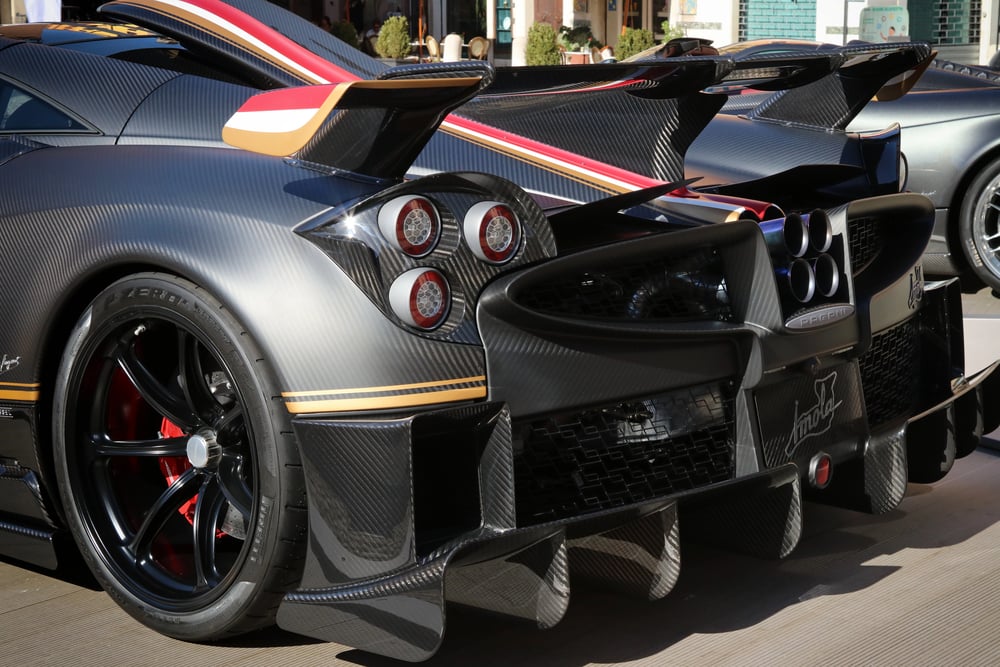
Not every car exists to move people from one place to another. When budgets vanish into thin air, engineers start chasing wild ideas instead of cost targets.
Some vehicles become less about roads and more about showing what happens when limits disappear. Many owners rarely turn the key – these machines stay sealed in perfect rooms like trophies no one plays with.
Value grows not from miles driven but from rarity locked behind glass walls. Year after year, companies roll out faster, rarer things because scarcity sells better than speed now.
High numbers on price tags stop being obstacles – they transform into reasons.
More from Go2Tutors!

- The Romanov Crown Jewels and Their Tragic Fate
- 13 Historical Mysteries That Science Still Can’t Solve
- Famous Hoaxes That Fooled the World for Years
- 15 Child Stars with Tragic Adult Lives
- 16 Famous Jewelry Pieces in History
Like Go2Tutors’s content? Follow us on MSN.