Secret Bunkers to Visit in Europe
Europe’s landscape hides countless underground fortresses built during times of war and political tension. These concrete shelters protected leaders, stored weapons, and prepared entire populations for nuclear attack.
What once served as top-secret military installations now welcome curious visitors who want to see where history happened below ground.
Churchill War Rooms in London
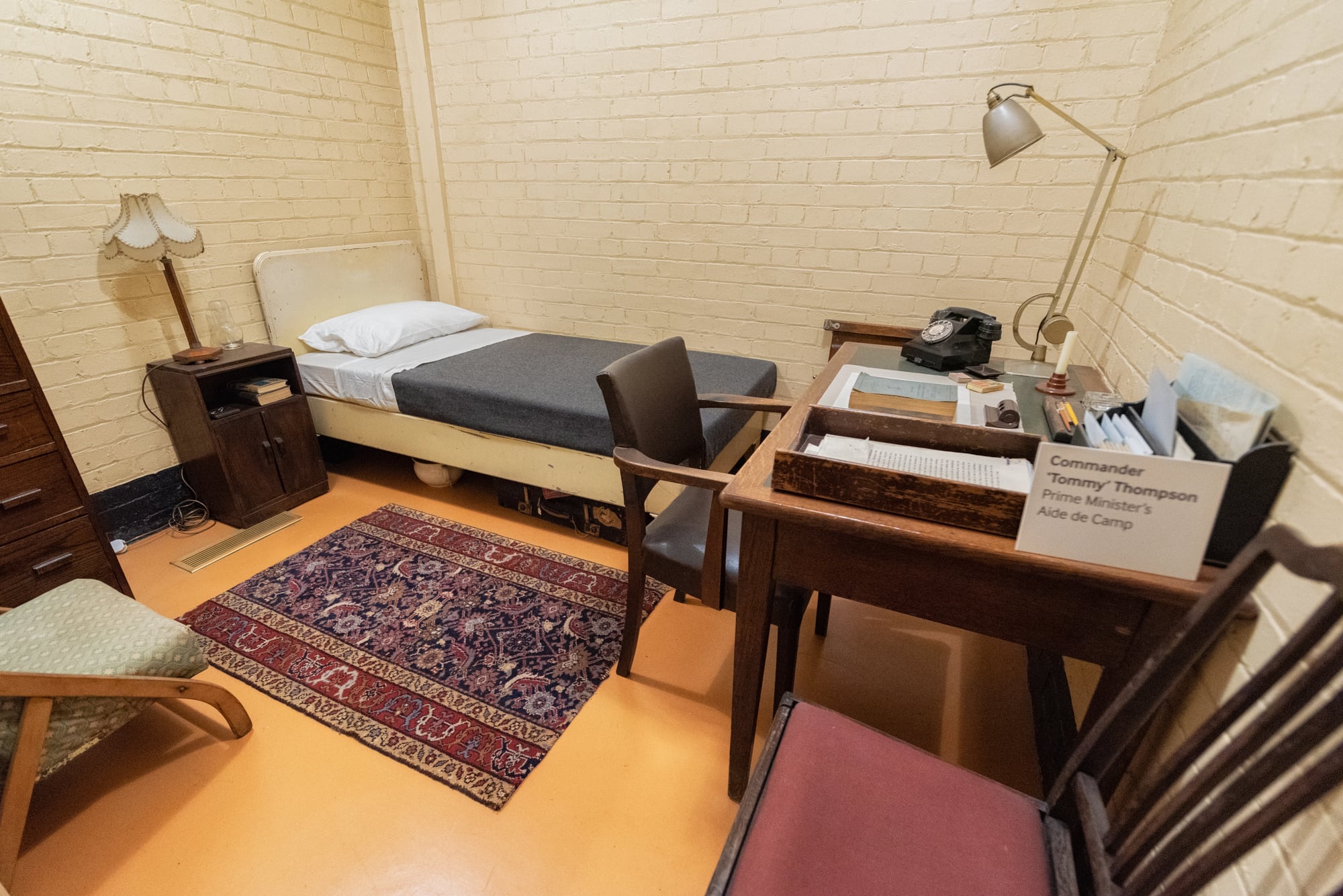
Winston Churchill directed Britain’s World War II operations from a maze of rooms beneath the streets of Westminster. The underground complex housed map rooms, sleeping quarters, and communication centers that stayed operational 24 hours a day.
Staff worked by artificial light for so long that some forgot what season it was above ground. The bunker remained secret until decades after the war ended.
Visitors can now walk through the preserved rooms exactly as Churchill left them in 1945.
Berlin Story Bunker
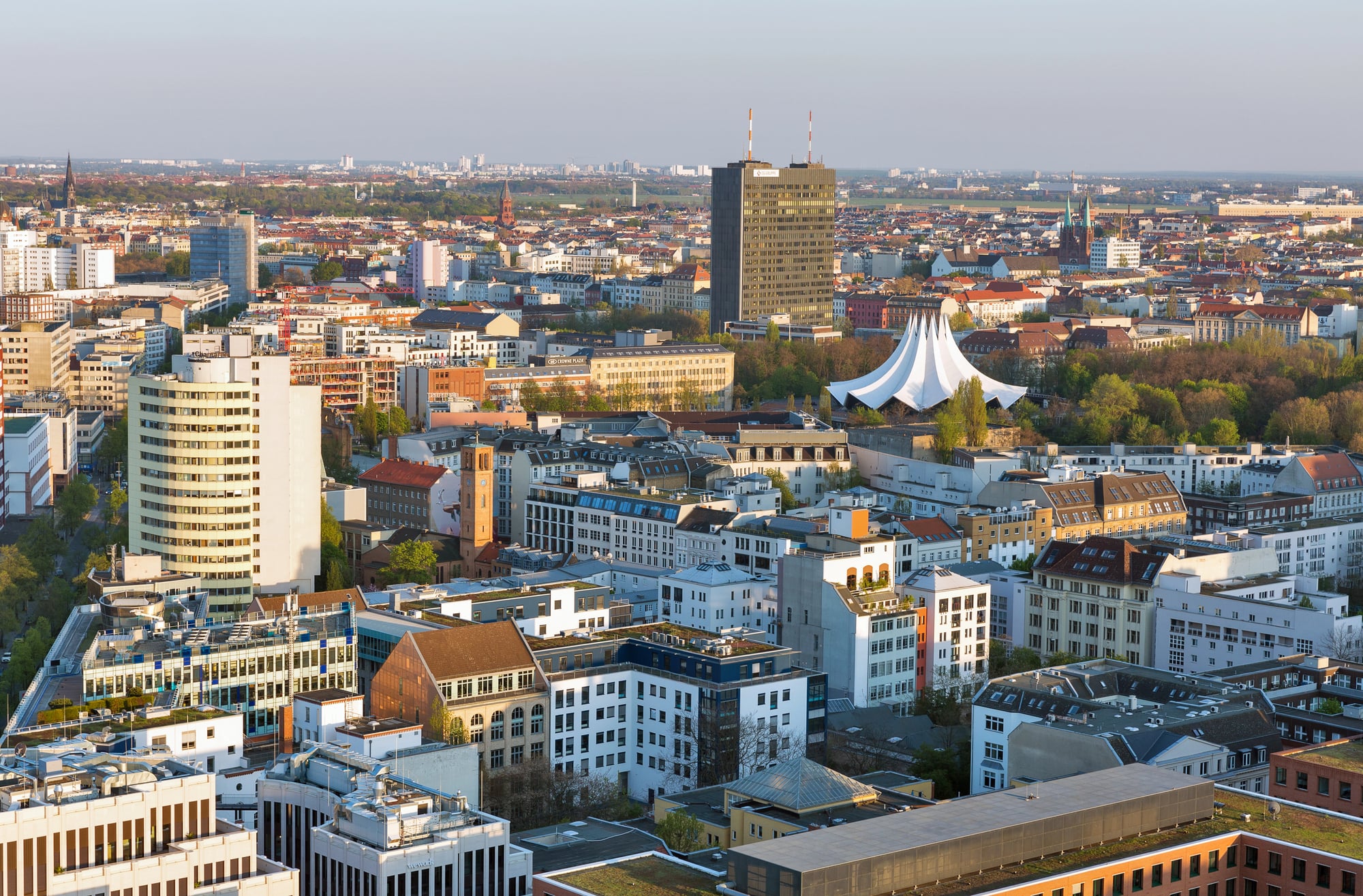
This massive air raid shelter in central Berlin once protected thousands of civilians during Allied bombing runs. The five-story structure survived the war intact and later became storage space during the Cold War.
Today it houses a museum that documents Berlin’s entire history from medieval times through reunification. The thick concrete walls create an eerie atmosphere perfect for learning about the city’s darkest periods.
Original bunker features blend with modern exhibits to create an unforgettable experience.
Bunk’Art in Tirana, Albania
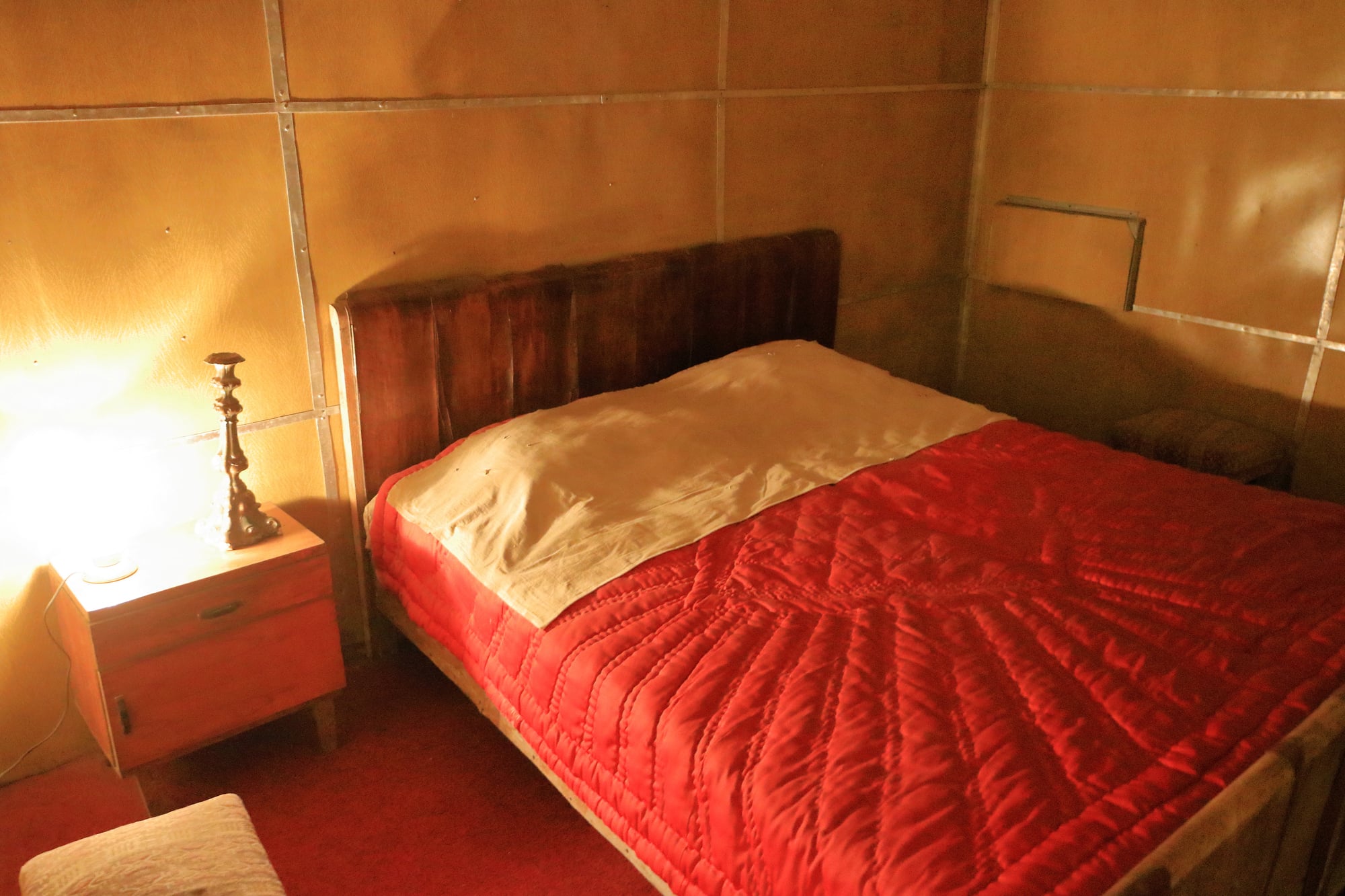
Communist dictator Enver Hoxha built this enormous bunker in the 1970s to protect government officials during nuclear war. The facility tunnels deep into a mountain outside Albania’s capital and could house hundreds of people for months.
Hoxha’s paranoia created a labyrinth of rooms stocked with supplies for an apocalypse that never came. Artists now use the space for installations that explore Albania’s oppressive communist era.
The contrast between military architecture and contemporary art makes this bunker unlike any other in Europe.
Kelvedon Hatch in England
A nondescript bungalow in the Essex countryside hides the entrance to a three-story underground city. The Royal Air Force built this bunker during the Cold War as a backup government headquarters in case London got destroyed.
Over 60 rooms contained everything needed to run a country, from radio studios to a prime minister’s office. The BBC planned to broadcast from here if nuclear war erupted.
Families can now explore the entire complex and see how Britain prepared for the worst.
Pionen White Mountains in Stockholm
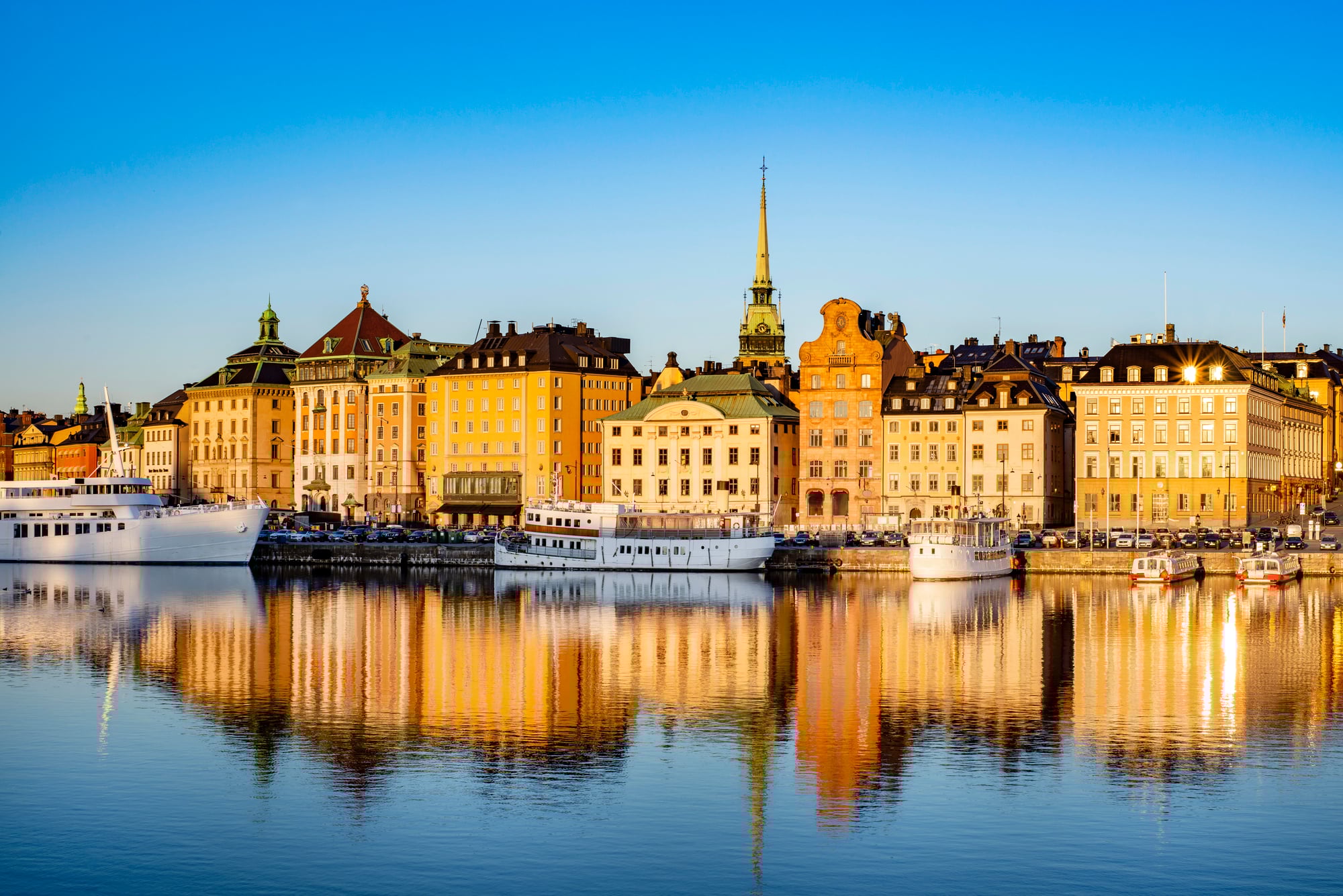
Buried 100 feet below Stockholm sits a bunker that once protected Sweden’s civil defense operations. The facility later became a data center with waterfalls, greenhouses, and dramatic lighting that make it look like a movie set.
Visiting requires special permission since it still operates as a secure server farm. The transformation from military installation to high-tech data center shows how these spaces adapt over time.
This bunker represents the past protecting the digital future.
La Coupole in Northern France
Nazi Germany built this massive concrete dome in 1943 to launch V-2 rockets at London. Allied bombing damaged it before completion, preventing it from ever firing its deadly payload.
The structure survived and now serves as a museum about World War II and space exploration. The connection between Nazi rockets and modern space programs becomes clear inside these walls.
Visitors descend into tunnels where forced laborers assembled weapons meant to terrorize British civilians.
Project Riese in Poland
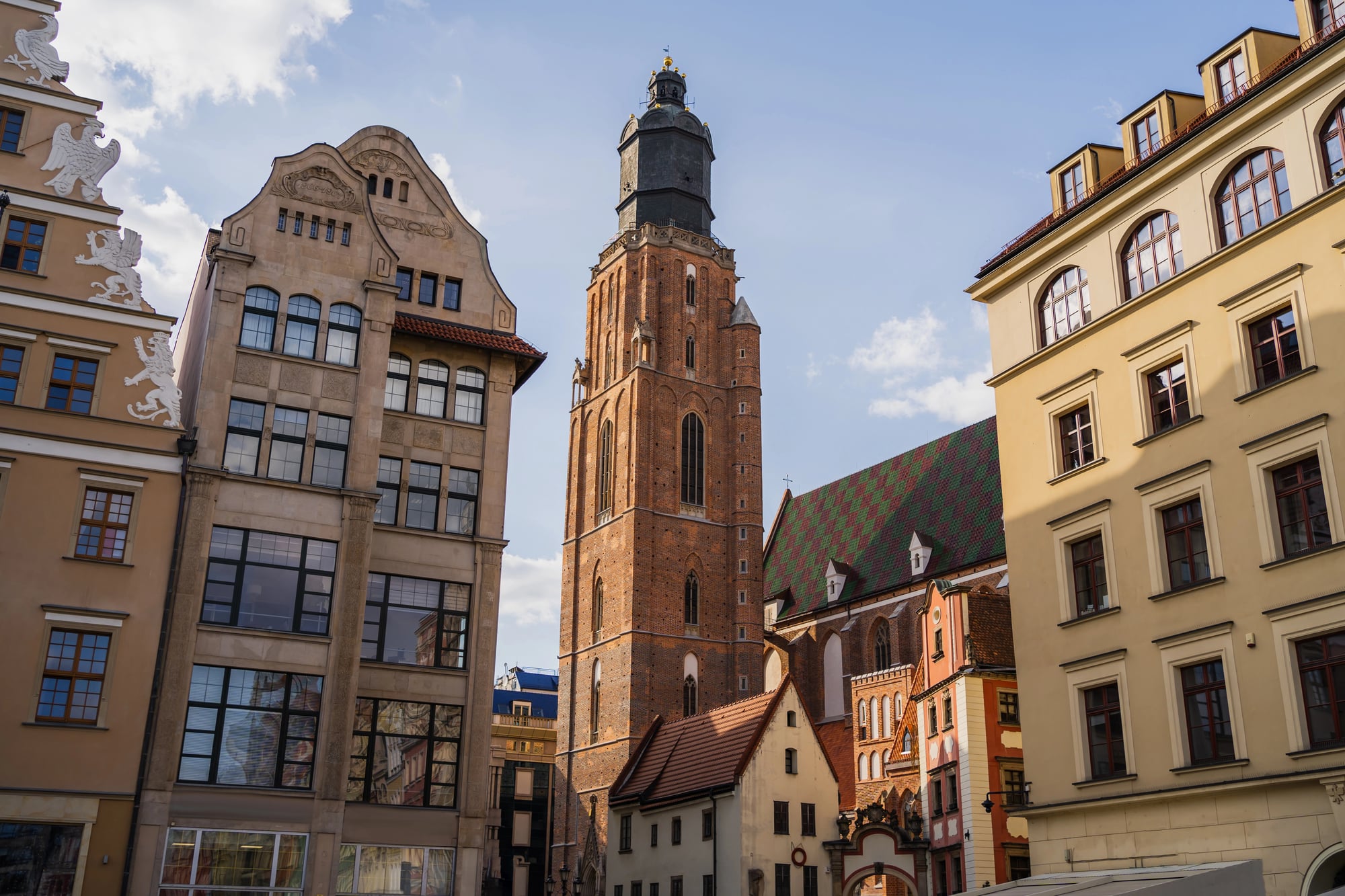
The Nazis carved a network of underground tunnels into the Owl Mountains near the Czech border late in World War II. The exact purpose of this massive construction project remains a mystery since workers never finished it.
Some historians believe Hitler planned to relocate his headquarters here as Allied forces closed in. Others think it was meant to be an underground weapons factory.
Visitors can tour several miles of tunnels and draw their own conclusions about what the Germans intended.
Diefenbunker in Ontario
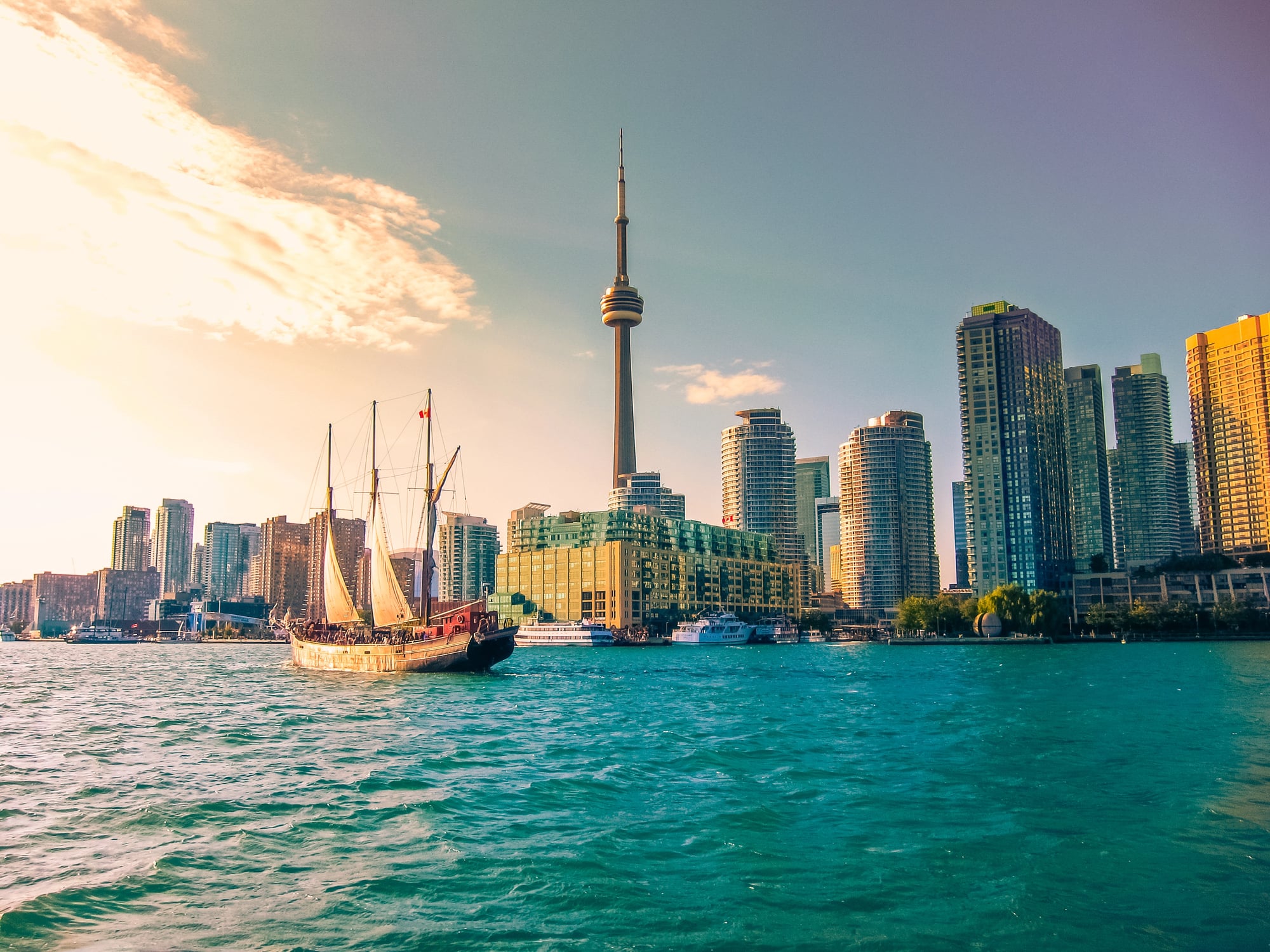
Wait, this one isn’t in Europe. The Diefenbunker actually sits outside Ottawa, Canada. Let’s get back to European bunkers.
Museum of Coastal Defence in Gdynia, Poland
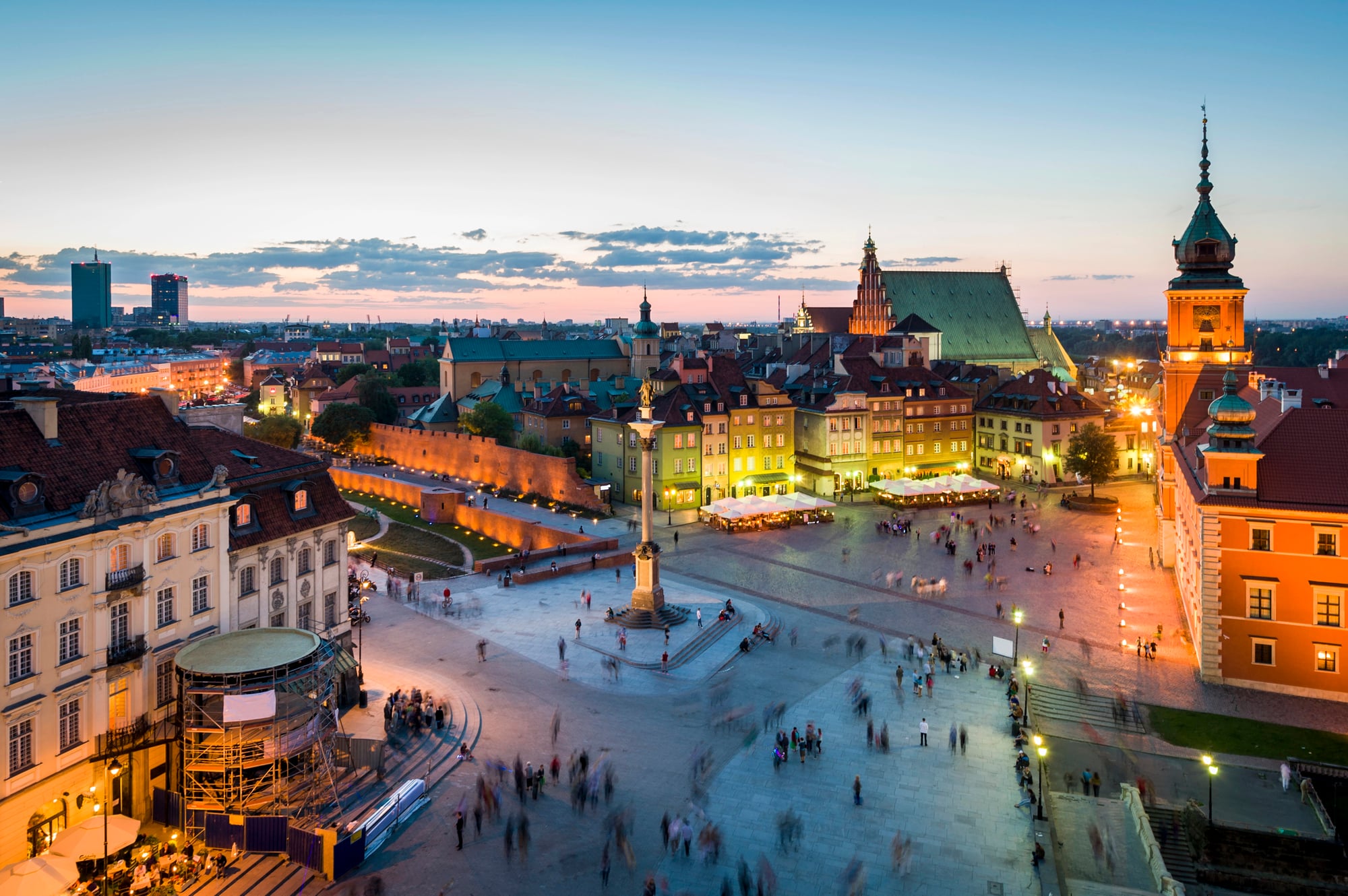
This coastal artillery position defended Poland’s Baltic Sea coast during World War II. Underground tunnels connected gun emplacements that could sink ships miles offshore.
The Germans took it over during occupation and expanded the complex. After the war, Polish forces used it throughout the Cold War period.
The museum now explains naval warfare history while letting visitors explore the underground network that made it all possible.
Hack Green Secret Nuclear Bunker in England
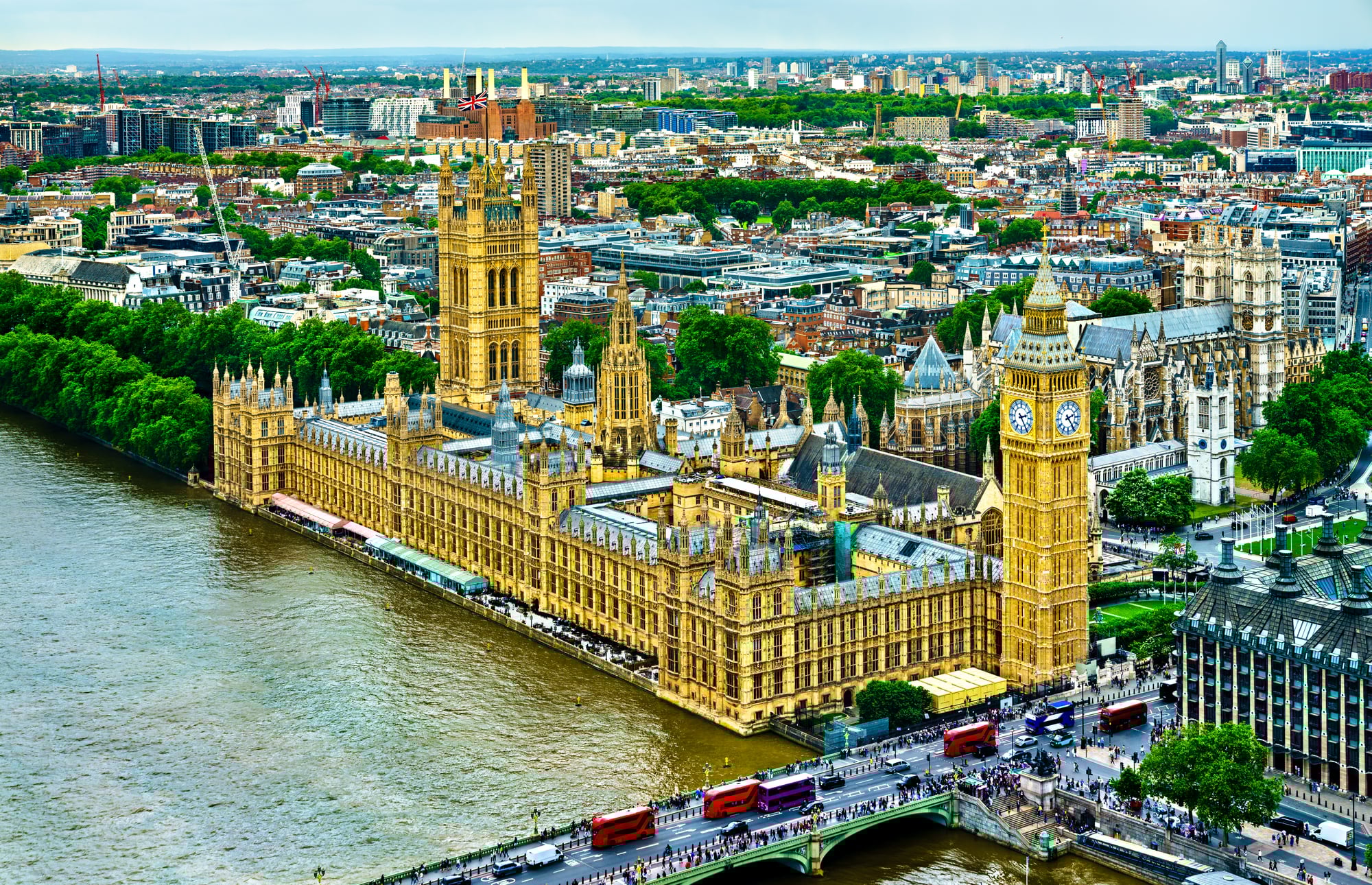
This Cheshire bunker began as a radar station during World War II before becoming a nuclear monitoring post. The government expanded it massively during the 1980s when Cold War tensions peaked.
Workers installed equipment to track radioactive fallout and coordinate emergency responses after nuclear strikes. Decommissioned in 1993, it opened to the public with everything left in place.
The authentic Cold War atmosphere gives visitors genuine chills about how close the world came to disaster.
Fort de Douaumont in France
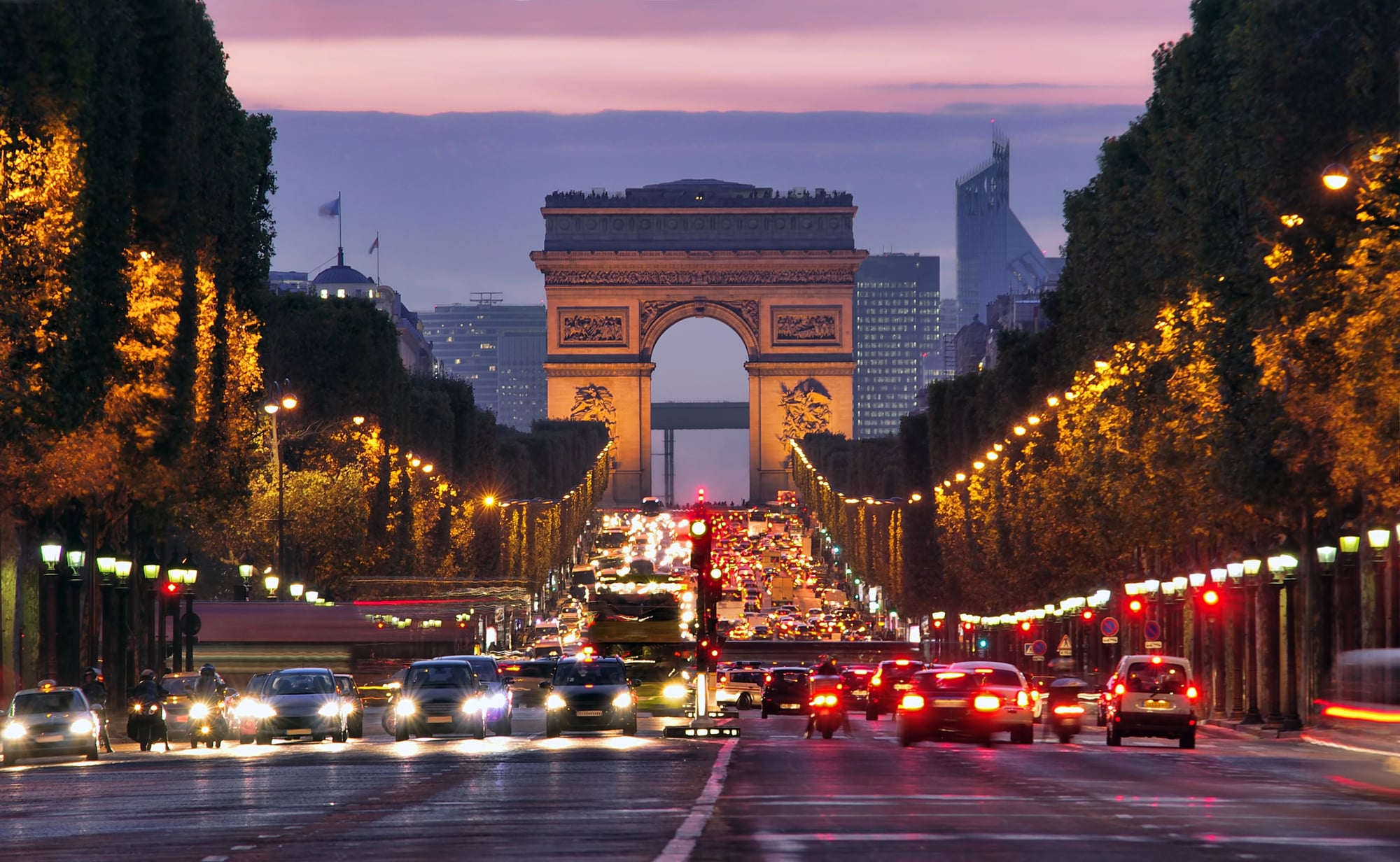
This massive fortress near Verdun played a central role in one of World War I’s bloodiest battles. The fort’s thick concrete and steel construction withstood constant German artillery bombardment throughout 1916.
Underground passages connected barracks, ammunition storage, and observation posts. Thousands of soldiers lived and fought in these claustrophobic tunnels.
Visitors walking through the cold, dark corridors can almost feel the weight of history pressing down from above.
Propaganda Museum Bunker in Bulgaria
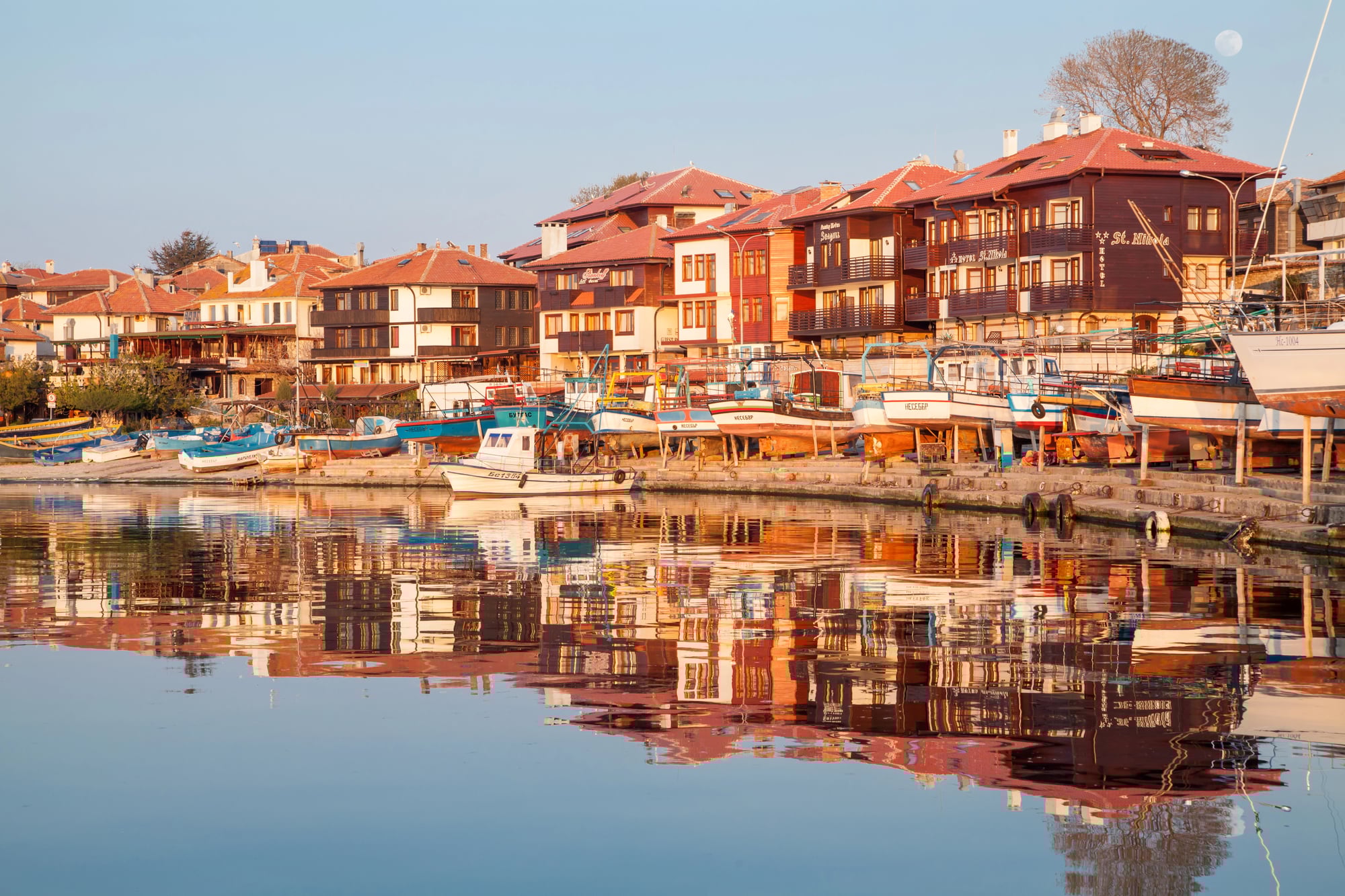
Bulgaria built thousands of small bunkers during the Cold War under communist rule. This particular one in the Buzludzha mountain became a museum dedicated to communist propaganda and ideology.
The concrete structure blends into the landscape, designed to survive nuclear blasts. Inside, exhibits show how the government used fear and misinformation to control the population.
The bunker itself serves as a reminder of how paranoia shaped an entire era.
Soratte Bunker Near Rome
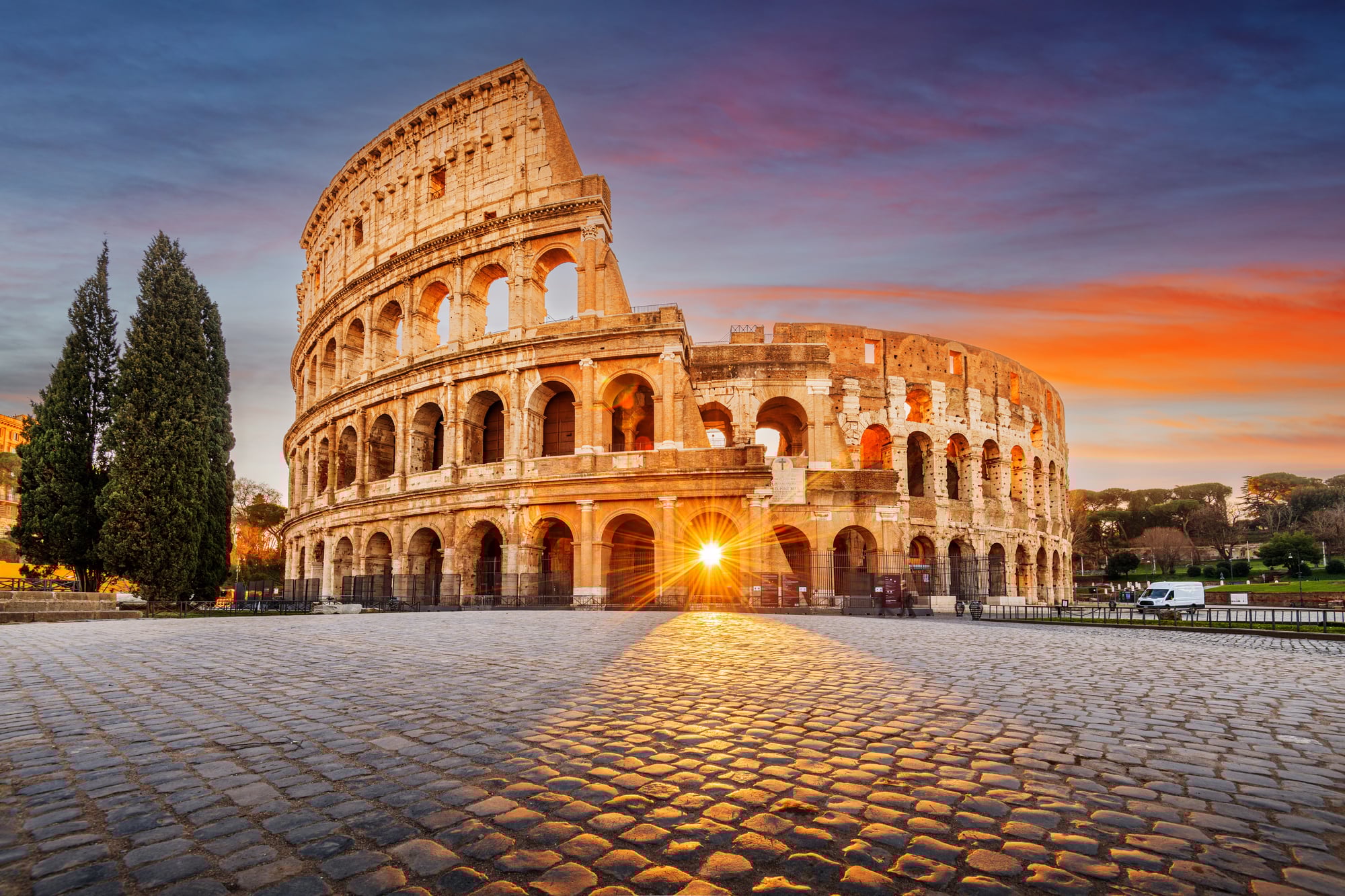
Benito Mussolini ordered workers to carve a command center inside Mount Soratte in the 1930s. The underground complex could house thousands of people and withstand heavy bombing.
Allied forces discovered it in 1944 as they pushed German troops out of Italy. NATO later used part of the facility during the Cold War.
Visitors now tour the cold stone chambers where fascist leaders plotted their strategies.
Honecker’s Bunker in East Germany
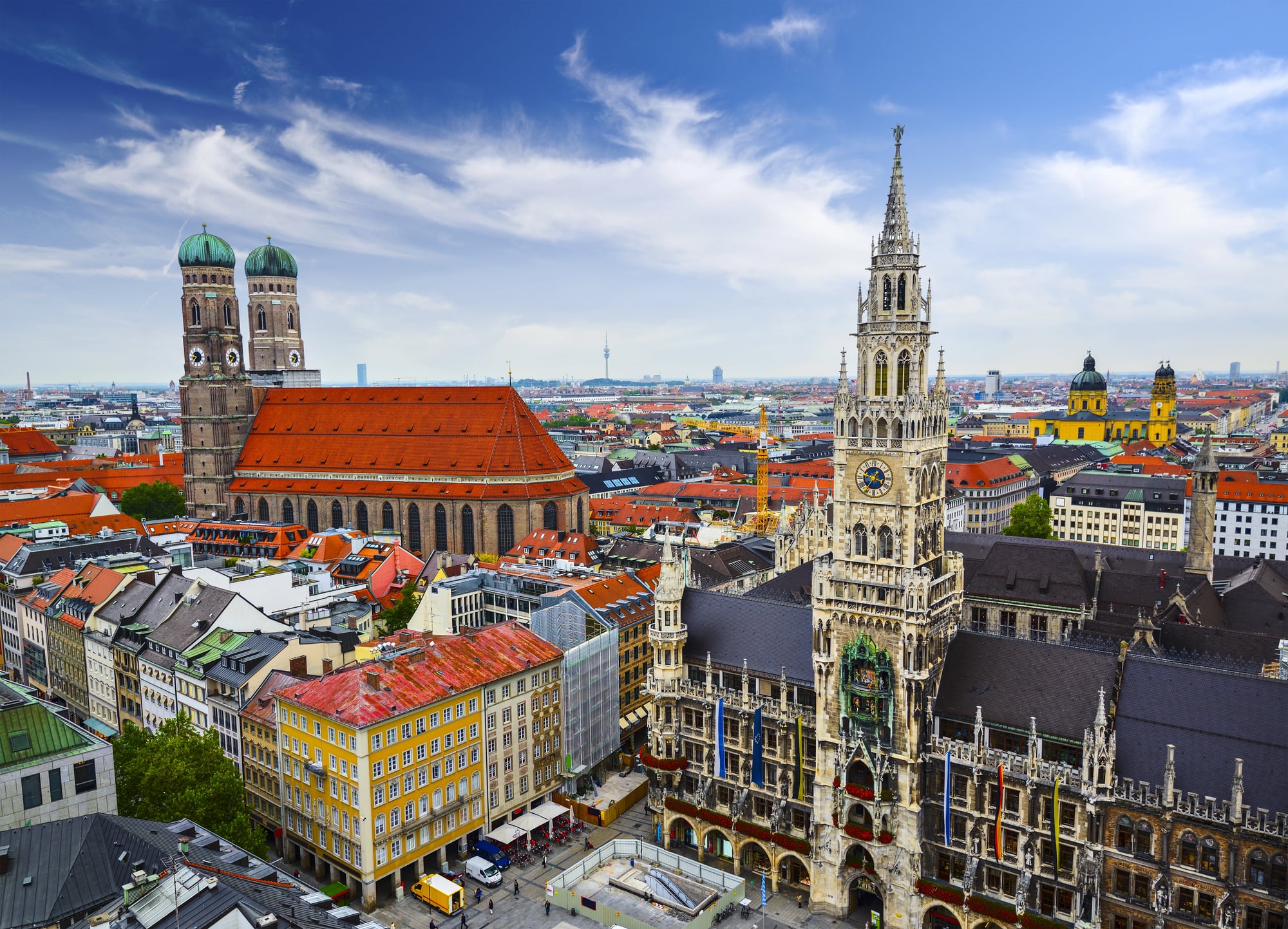
East German leader Erich Honecker built his personal survival bunker near Berlin during the 1970s. The two-story underground residence featured comfortable apartments for top communist officials.
Advanced air filtration and independent power systems meant leaders could survive for months. The fall of the Berlin Wall made the bunker obsolete before Honecker ever needed it.
Tours reveal the luxury these officials planned to enjoy while ordinary citizens suffered above ground.
Vivos Europa One Located in Germany
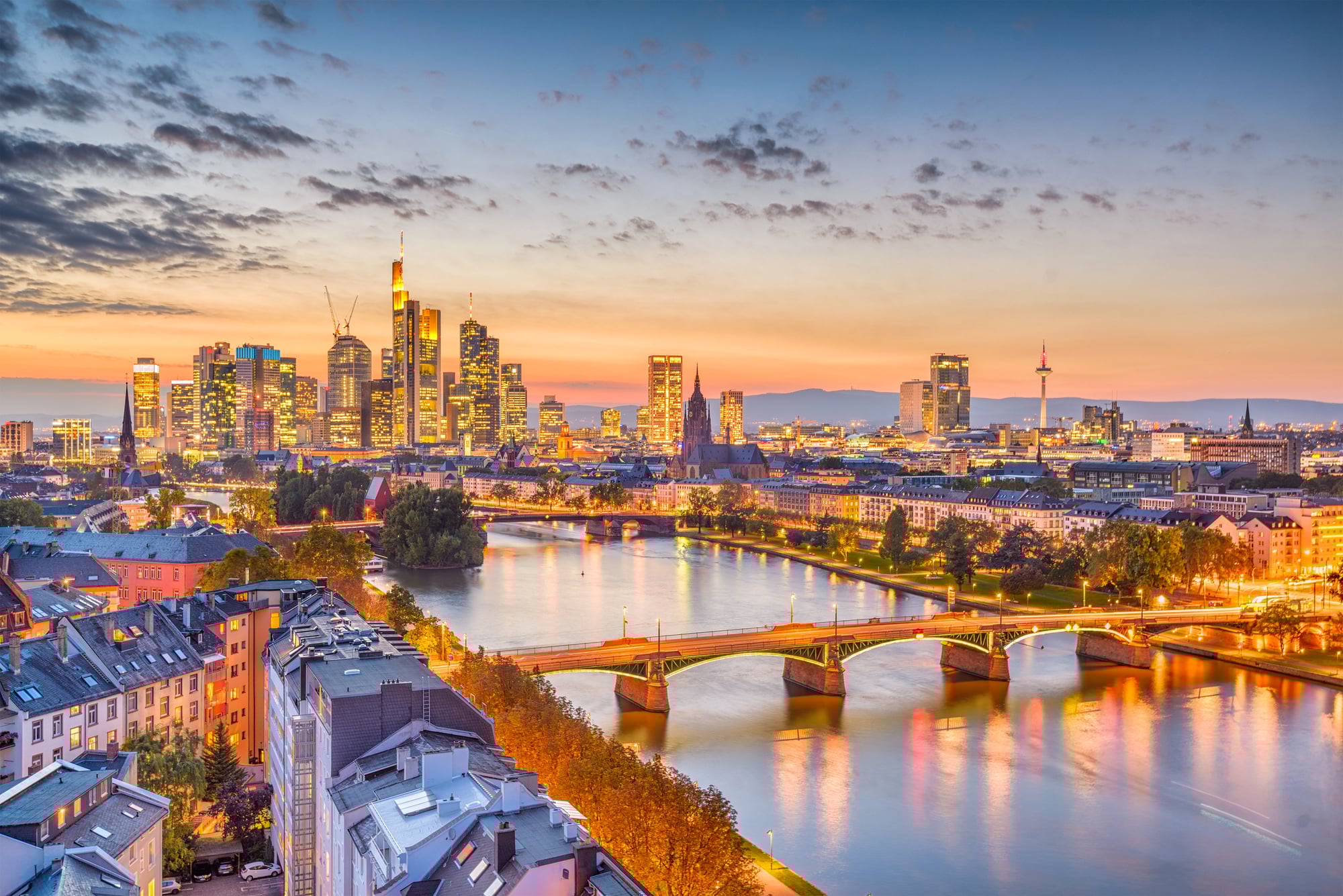
Out here, a giant old bunker from Cold War times now holds fancy survival homes meant for very rich buyers. Inside, nearly a quarter million square feet was redone for life below ground – built to last through rough times.
Apartments stay personal, yet things like kitchens or gyms are used by everyone together, kind of like neighbors sharing tools. Safety from global chaos is part of the package, whether storm, war, or worse.
Turns out, dread still pushes folks toward hiding spots deep beneath earth. Most visitors can’t walk around inside; unlike museums nearby, this one stays locked tight.
Karosta Prison Latvia
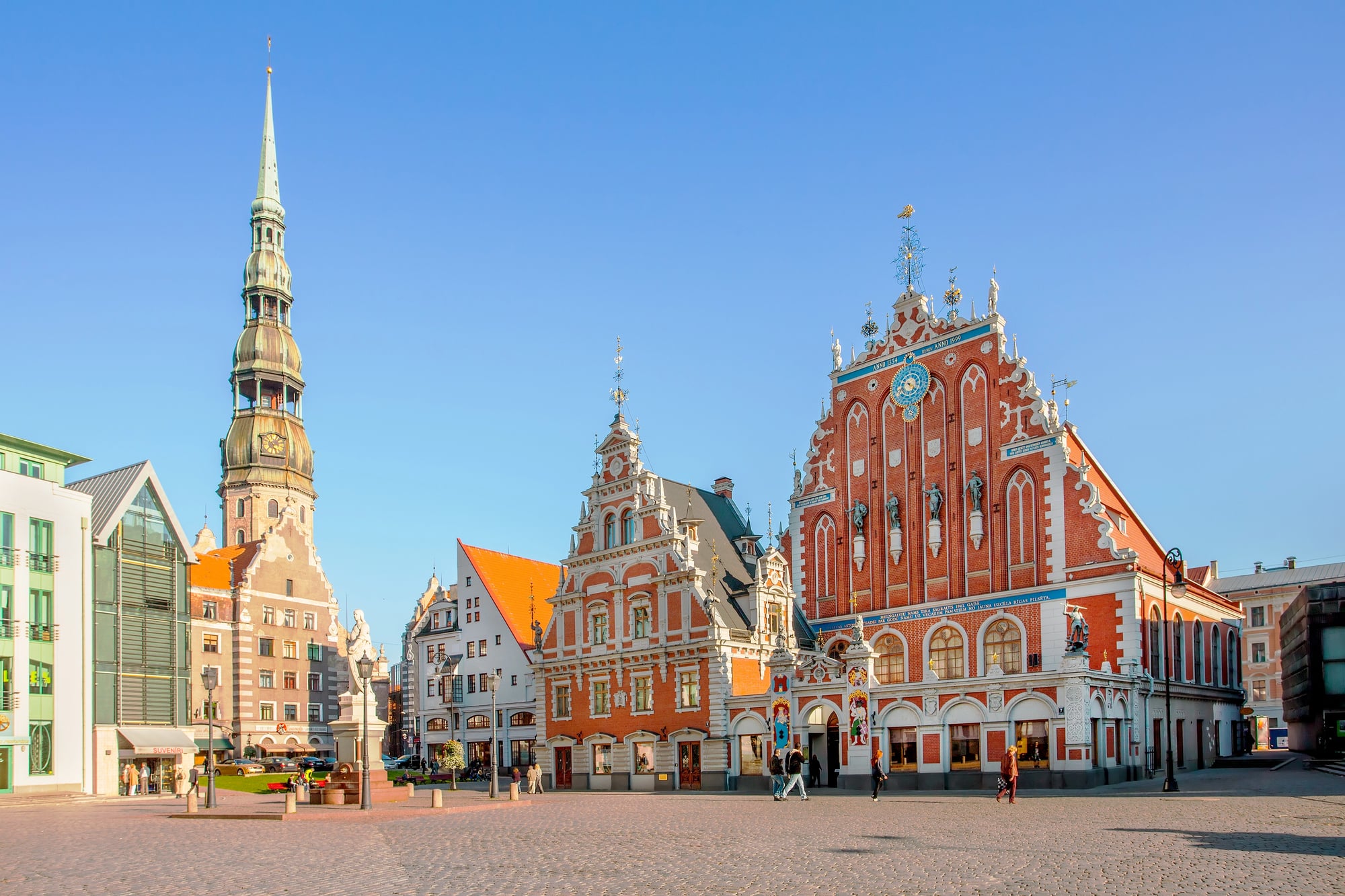
Once used by imperial Russian forces, this old jail in Liepaja later housed captives under Soviet control. Below the central structure, hidden compartments trapped people in harsh darkness.
Tunnels led from these vaults straight to spots where questioning happened – sometimes ending in death. After Latvia regained independence, the site became an exhibit facing raw truths about confinement.
Those willing might reserve a night inside one cell, sensing just a sliver of past suffering.
Nuclear Fears Built Tourist Attractions

Silence fills the halls where alarms once screamed, built by those convinced doom was just minutes away. Inside thick walls, plans waited patiently – ways to keep control even if skies turned dark and cities vanished.
Now strangers walk through with cameras, laughing maybe, unaware of how close terror came to spreading. Time stripped their purpose, yet something lingers – unease shaped like steel doors and air filters stacked high.
Fear carved these rooms, backed by money, guarded by secrets only some were allowed to hold.
More from Go2Tutors!

- The Romanov Crown Jewels and Their Tragic Fate
- 13 Historical Mysteries That Science Still Can’t Solve
- Famous Hoaxes That Fooled the World for Years
- 15 Child Stars with Tragic Adult Lives
- 16 Famous Jewelry Pieces in History
Like Go2Tutors’s content? Follow us on MSN.



