15 Inventors Who Earned Nothing from Patents
Innovation has a cruel sense of timing. The brilliant mind that conceives a world-changing invention rarely gets to see the world change — or pocket the profits that come with it.
Patent law exists to protect inventors, but protection on paper doesn’t always translate to money in the bank. Sometimes the timing is wrong, the execution is flawed, or the inventor simply lacks the business acumen to capitalize on their creation.
History is littered with inventors who gave birth to technologies that would generate billions, only to watch others reap the rewards. Their stories serve as sobering reminders that genius and profit don’t always walk hand in hand.
Nikola Tesla
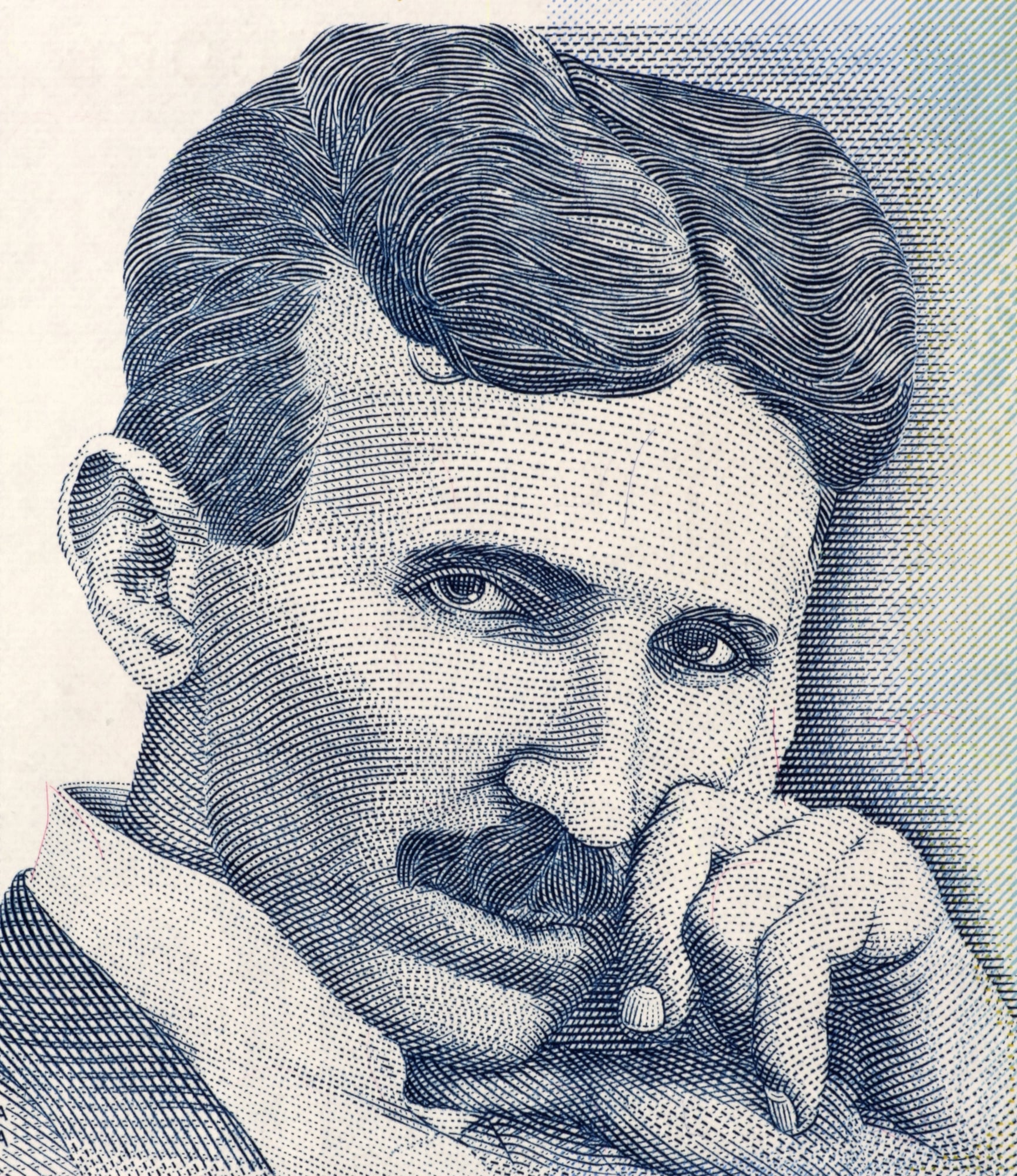
Tesla invented alternating current, wireless technology, and the foundations of modern electrical systems, yet he died poor in a New York hotel room. The man who literally powered the modern world couldn’t manage to power his own bank account — and this wasn’t due to lack of trying, but rather because he was surrounded by business partners who understood profit margins better than they understood loyalty.
His patents were either sold too cheaply, stolen outright, or tied up in legal battles that drained his resources faster than his inventions could replenish them. So while Tesla coils and electric cars now bear his name (the irony of Elon Musk’s company choice isn’t lost on anyone), the original Tesla spent his final years feeding pigeons and owing money to hotels.
The man who gave us the electrical grid died with $2,000 in debt, which is saying something about how the world treats its most essential innovators.
Tim Berners-Lee
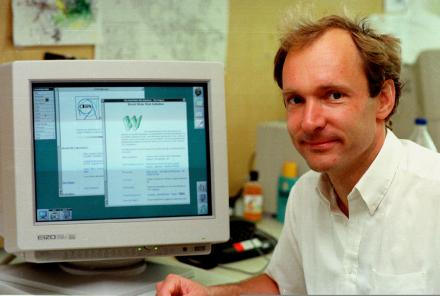
Creating the World Wide Web and choosing not to patent it wasn’t naivety — it was idealism with a price tag that would make most people dizzy with regret. Berners-Lee deliberately released his invention into the public domain because he believed universal access to information was more important than personal wealth.
Noble? Absolutely. Financially devastating? Also absolutely.
The web generates trillions of dollars annually, and its creator sees none of it. He watches from the sidelines as tech billionaires build empires on the foundation he laid for free, while he continues working as a professor and advocate for digital rights.
It’s like building the world’s most valuable highway system and then charging no tolls, forever.
Philo Farnsworth
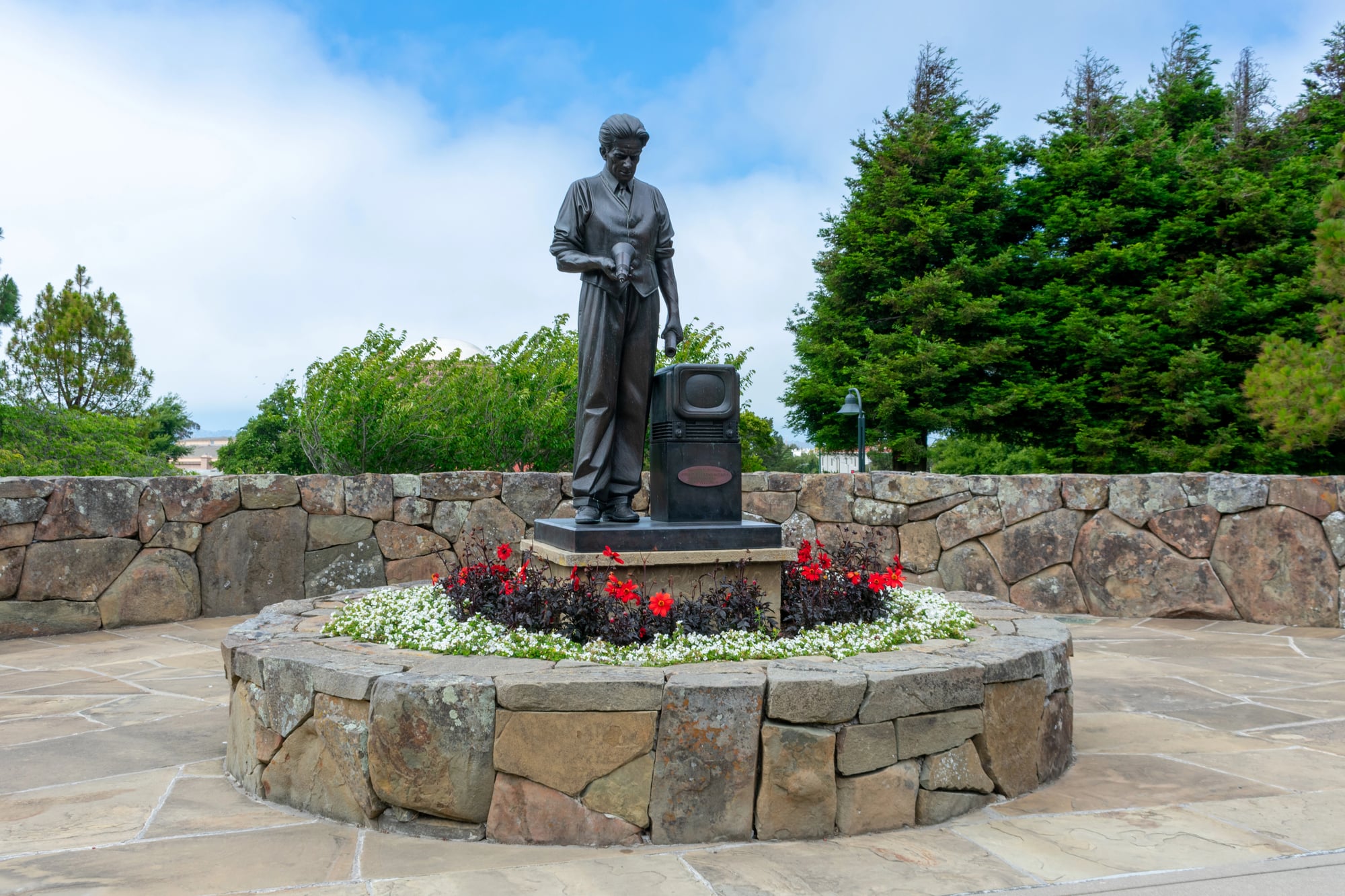
Television exists because a 14-year-old farm boy looked at the neat rows of a plowed field and imagined how electronic beams might scan images line by line. Farnsworth invented the fundamental technology behind electronic television, but corporate giants like RCA had deeper pockets and better lawyers than a young inventor working out of a San Francisco laboratory.
The patent battles dragged on for years, and while Farnsworth eventually won some legal victories, the costs of litigation consumed most of his potential profits. RCA and other companies had been manufacturing and selling televisions for years during the court proceedings, building market dominance while Farnsworth’s resources dwindled.
By the time he secured his legal wins, the television industry had moved beyond his control. He spent his later years watching a medium he created, knowing that every household with a TV set was using his invention while he struggled financially.
Garrett Morgan
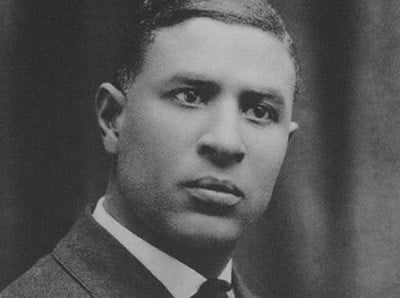
The gas mask saved countless lives in World War I trenches, but its inventor faced a marketplace that wasn’t ready to reward a Black inventor in 1916 America. Morgan’s breathing device was brilliant, tested, and desperately needed — but selling it required navigating a business world that often refused to acknowledge his existence, let alone pay him fairly for his innovation.
He often had to use white salesmen to demonstrate his invention, hiding his own identity to make sales. Even when fire departments and industrial companies bought his gas masks, the profits rarely reflected the true value of what he’d created.
His traffic signal invention suffered similar challenges, though he did manage to sell that patent to General Electric for $40,000 — a fraction of what the technology would eventually generate.
Douglas Engelbart
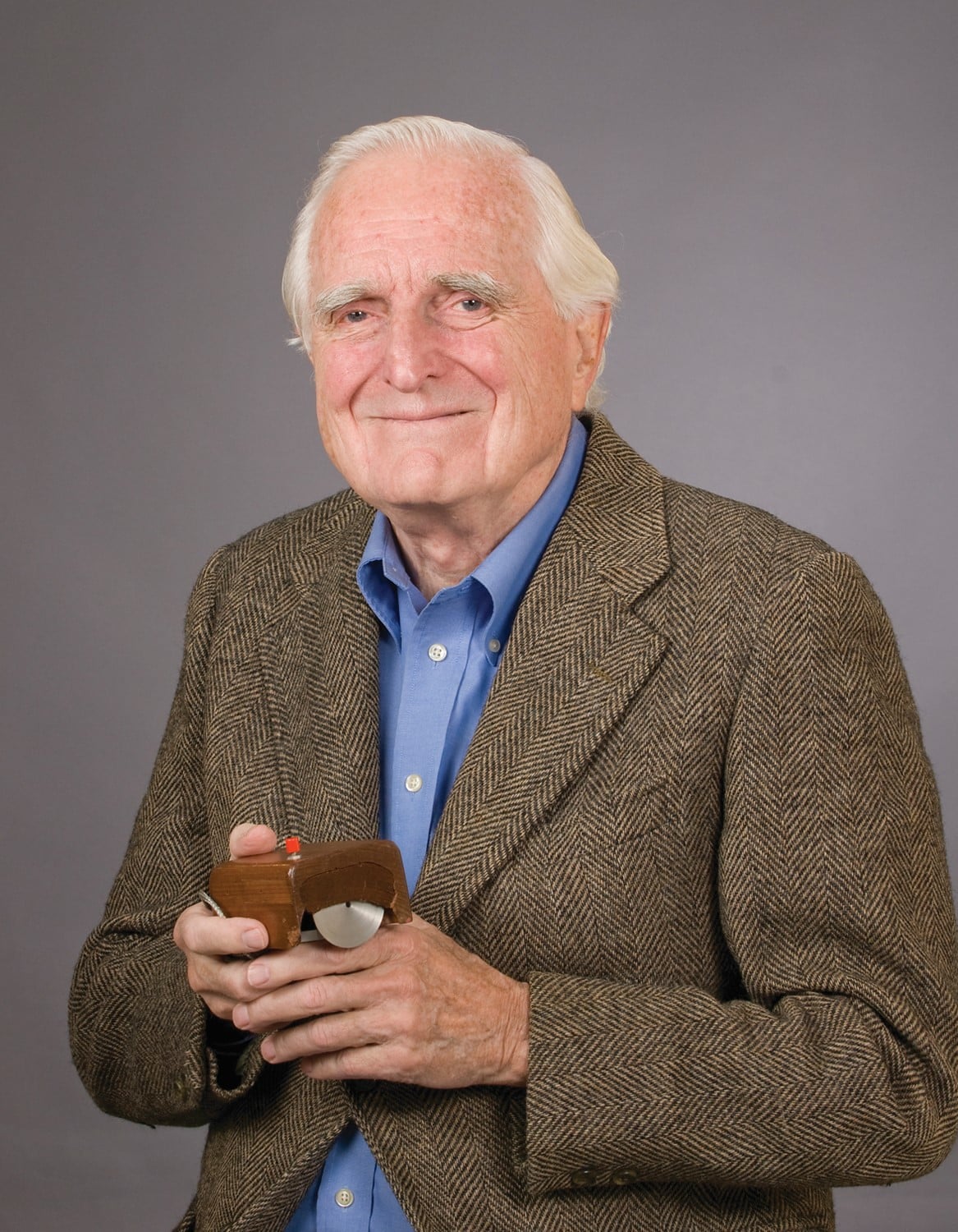
The computer mouse feels so natural now that it’s hard to imagine computing without it, yet its inventor earned almost nothing from the device that revolutionized how humans interact with machines. Engelbart developed the mouse as part of his broader vision for augmenting human intellect, but the patent was filed through his employer, Stanford Research Institute, and by the time personal computers made the mouse ubiquitous, his patent had expired.
Apple, Microsoft, and countless other companies built empires partly on the foundation of point-and-click interaction, while Engelbart continued his research in relative obscurity (and with little financial reward from his breakthrough invention). The mouse became one of the most manufactured electronic devices in history, clicking billions of times daily across the globe, generating fortunes for everyone except the man who conceived it.
And yet, Engelbart seemed less bothered by this than most people would be — he remained focused on his larger mission of improving human-computer collaboration rather than dwelling on missed financial opportunities.
Stephanie Kwolek
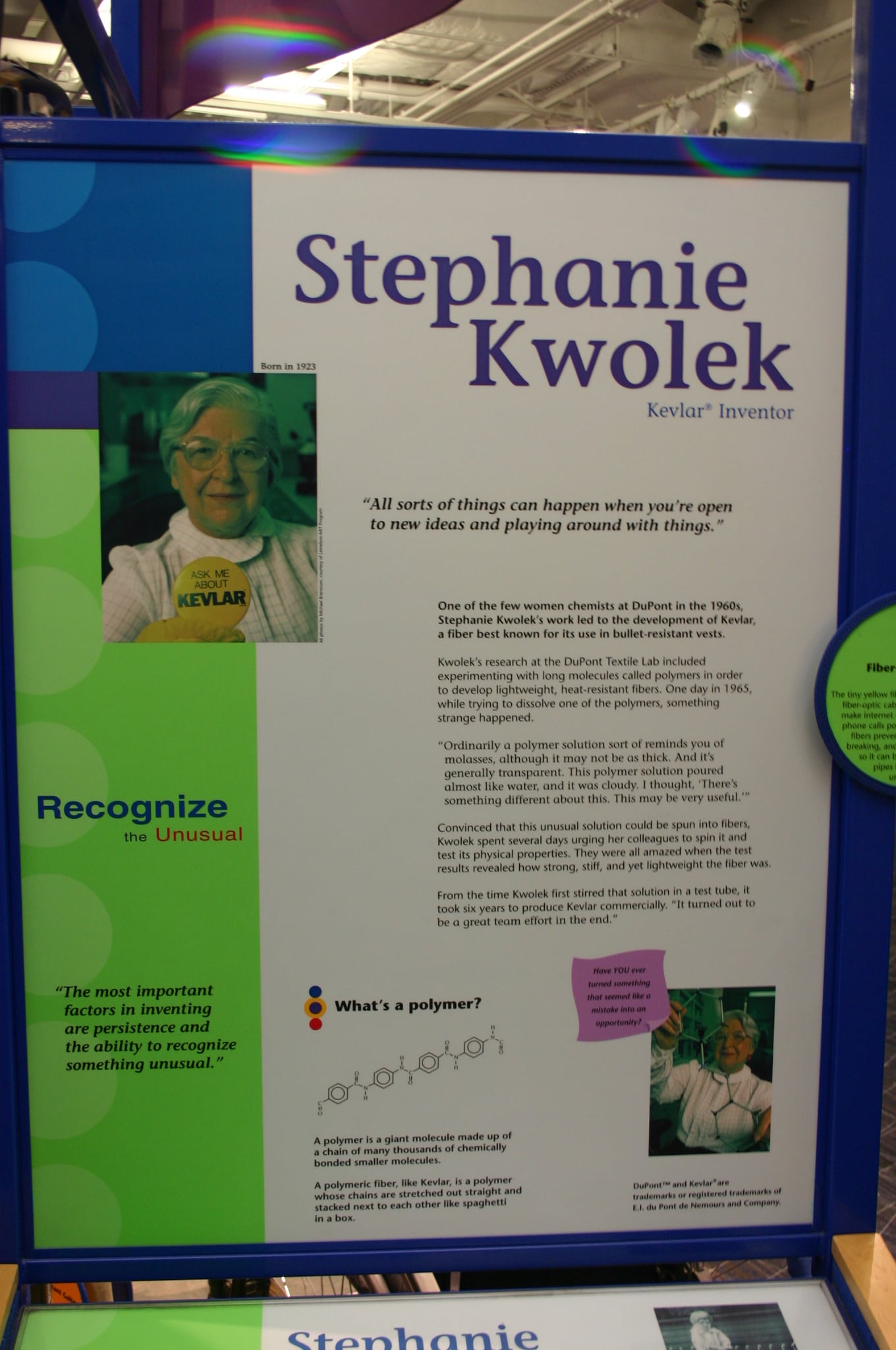
Kevlar stops bullets, saves lives, and generates hundreds of millions in revenue annually. But Stephanie Kwolek, who discovered the polymer while working for DuPont, received only her regular salary for creating one of the most important materials of the 20th century.
Corporate research labs operate on the principle that employee inventions belong to the company, regardless of their eventual value. Kwolek understood this arrangement when she signed her employment contract, but understanding the terms doesn’t make the outcome less striking.
Her discovery protects police officers, soldiers, and civilians worldwide, yet she never saw royalties from the bulletproof vests, helmets, and protective gear that bear her innovation. DuPont patented Kevlar and built a massive business around it, while Kwolek continued her career as a company chemist until retirement.
Hedy Lamarr
Frequency-hopping spread spectrum technology forms the backbone of WiFi, GPS, and Bluetooth — technologies worth hundreds of billions collectively. The actress who invented this fundamental communication technique in 1942 received no compensation for laying the groundwork of modern wireless communication.
Lamarr and her co-inventor George Antheil donated their patent to the U.S. military for the war effort, believing it would help Allied forces communicate securely. The military classified the technology and shelved it for decades, only to see private companies later develop commercial applications based on their principles.
By the time the patent became public and tech companies recognized its value, it had expired. Lamarr spent her later years watching the world go wireless, knowing that every smartphone and WiFi connection relied on principles she had developed in her spare time between film shoots, while receiving no financial recognition for her contribution to the digital revolution.
Charles Goodyear
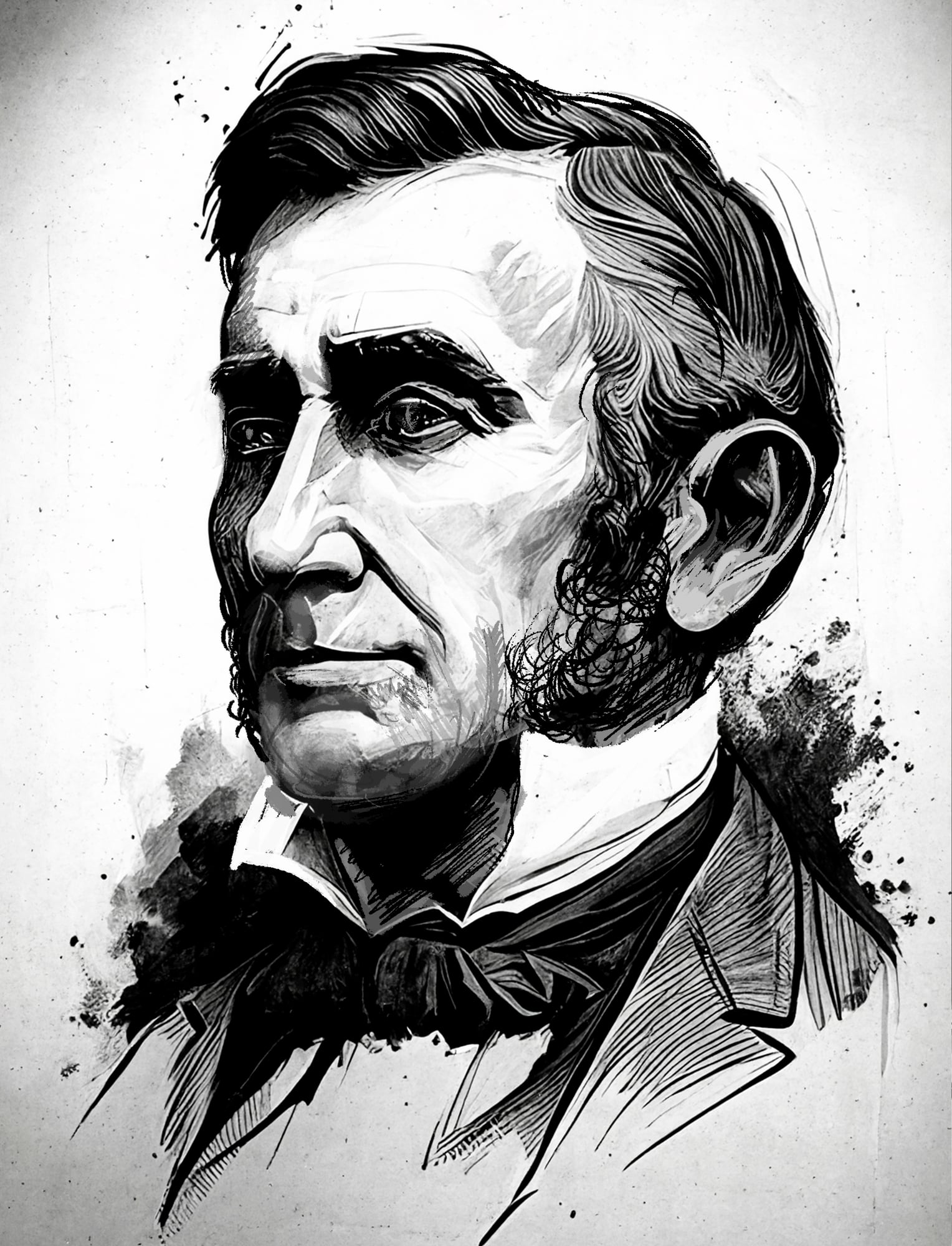
Vulcanized rubber transformed everything from tires to waterproof clothing, but Charles Goodyear died $200,000 in debt despite holding the patent on one of the most important industrial processes ever developed. His problem wasn’t lack of patent protection — it was the crushing cost of defending those patents against infringers who reverse-engineered his process and manufactured competing products.
Goodyear spent most of his adult life in and out of debtors’ prison, using every dollar he earned to fund more experiments or fight more legal battles. Even when he won patent cases, the legal fees often exceeded the settlements.
Meanwhile, rubber manufacturers across America and Europe were building profitable businesses using variations of his vulcanization process. The Goodyear Tire Company, founded decades after his death, licensed his name and built an empire on his innovation, but Charles Goodyear himself never saw prosperity from the discovery that made modern transportation possible.
Robert Kearns
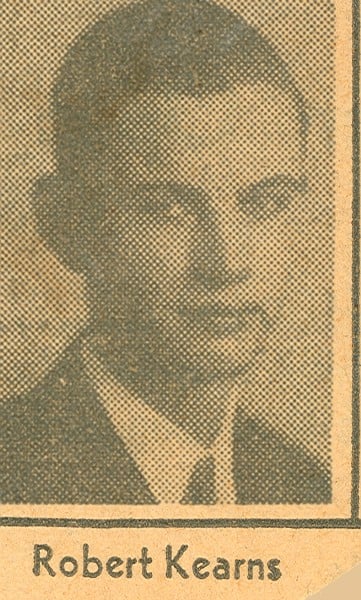
Intermittent windshield wipers were Robert Kearns’ response to getting hit in the eye with a champagne cork on his wedding night, which damaged his vision and made him acutely aware of the need for variable-speed wipers. Ford, Chrysler, and other automakers loved his invention — enough to install it on millions of vehicles without paying him for it.
The legal battle consumed Kearns’ life, finances, and family relationships, turning him into a obsessive crusader for patent rights. He represented himself in court, poring over legal documents late into the night while auto companies deployed teams of expensive lawyers against him.
Though he eventually won settlements totaling around $30 million, the victory came after decades of struggle and at enormous personal cost. His invention became standard equipment on virtually every car manufactured after the 1970s, generating billions in value for automakers, while Kearns spent his most productive years fighting in courtrooms instead of inventing new solutions.
Chester Carlson
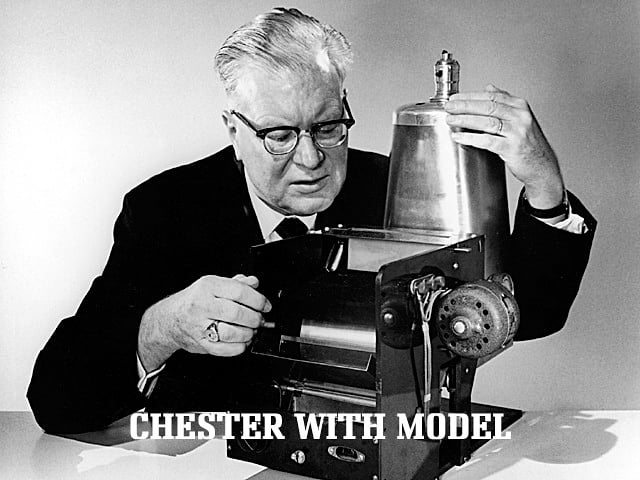
Xerography — the dry copying process that made modern offices possible — was rejected by over 20 companies before Xerox finally recognized its potential. Chester Carlson invented photocopying in his kitchen using a makeshift laboratory, but spent years unable to find anyone willing to license or purchase his patent.
IBM, General Electric, and RCA all passed on the technology that would eventually generate tens of billions in revenue. Carlson continued working his day job as a patent attorney while trying to develop his invention in his spare time, funding experiments with his modest salary while facing rejection after rejection from potential investors.
Even after Xerox (then called Haloid) finally licensed his patents, it took years of additional development before the first commercial copier reached market. By that time, Carlson had endured decades of financial struggle and professional disappointment, though he did eventually see substantial returns when Xerox became successful — making him one of the rare inventors on this list who lived to see significant financial reward, albeit after tremendous patience and persistence.
Antonio Meucci
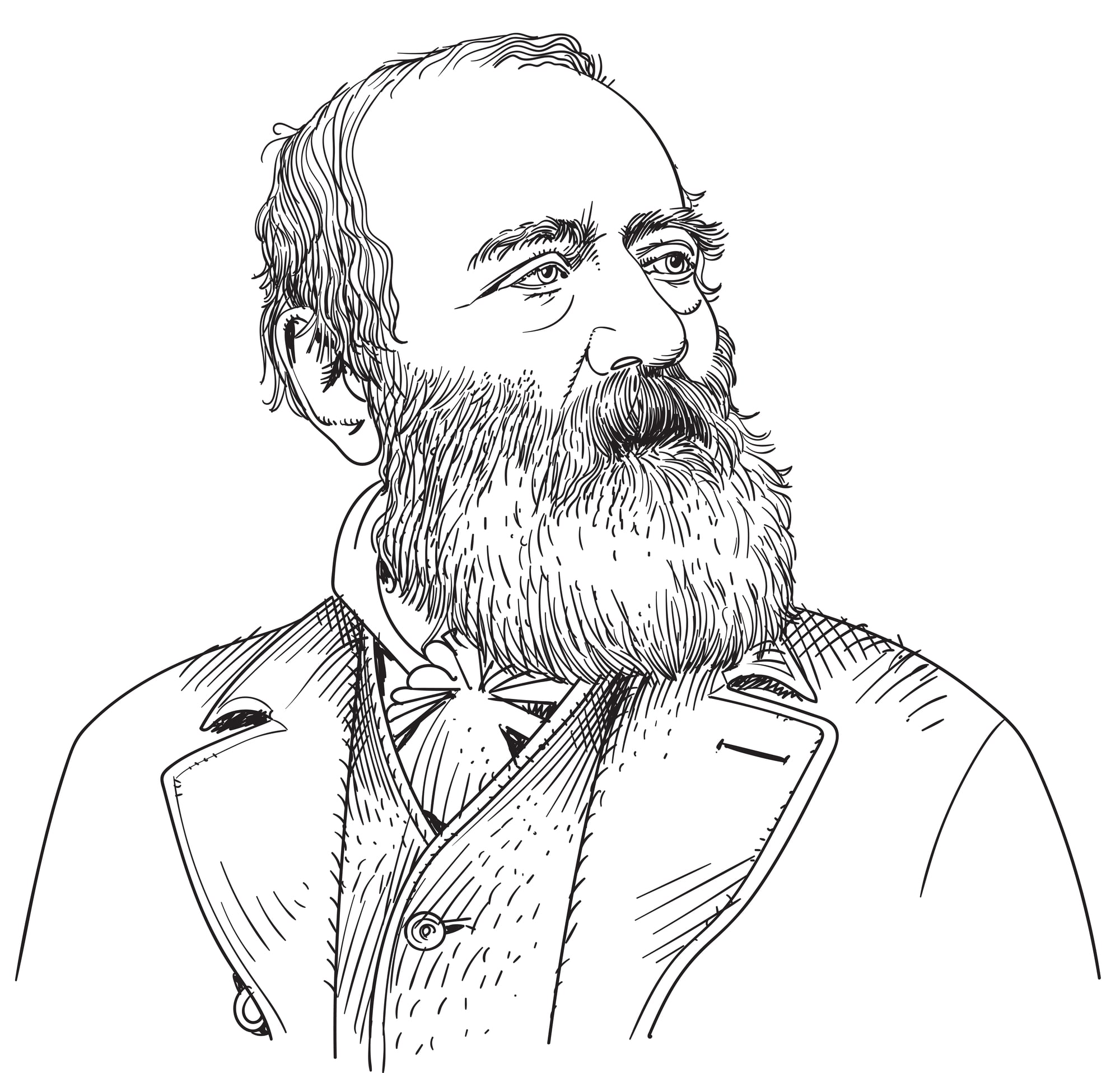
The telephone might bear Alexander Graham Bell’s name, but Antonio Meucci developed voice transmission technology years earlier and filed a caveat (a preliminary patent application) in 1871 — five years before Bell’s famous patent. Meucci’s financial struggles prevented him from maintaining his patent applications, and Bell’s superior resources and business connections secured him the credit and profits from one of history’s most important inventions.
Meucci demonstrated his “talking telegraph” to potential investors and even sent materials to Western Union, the same company that later funded Bell’s research. But immigrant inventors in 1870s America faced enormous disadvantages in both the patent system and the business world.
When Meucci’s caveat expired due to his inability to pay the $10 renewal fee, the path cleared for Bell to file his patent and build his telecommunications empire. The U.S. House of Representatives passed a resolution in 2002 recognizing Meucci’s contributions to telephone development, but by then he had been dead for over a century, and the Bell System had already generated countless billions using principles he had pioneered.
Joseph Swan
Electric light bulbs illuminated homes and cities around the world, but Thomas Edison gets the credit and the profits while Joseph Swan, who demonstrated working incandescent bulbs in England before Edison, remains largely forgotten. Swan received British patents for his light bulb designs, but Edison’s superior marketing, business organization, and patent strategy dominated the global market for electric lighting.
Swan’s bulbs actually had some technical advantages over Edison’s early designs, but Edison understood that invention without commercialization is just expensive experimentation. While Swan focused on perfecting his technology, Edison built power stations, established manufacturing facilities, and created the entire infrastructure needed to make electric lighting practical for consumers.
Swan did eventually form a joint company with Edison in Britain (Edison & Swan United Electric Company, or “Ediswan”), but by then Edison had established market dominance and secured the lion’s share of profits from the electric lighting revolution.
John Fitch
Steamboats revolutionized transportation and commerce, but Robert Fulton received the fame and financial rewards while John Fitch, who successfully operated steamboat services on the Delaware River 20 years earlier, died in poverty and obscurity. Fitch demonstrated steam-powered navigation in 1787 and even ran a commercial passenger service, but his boats were crude and his business skills were nonexistent.
Fulton’s later steamboat wasn’t necessarily superior technology, but it was better engineered, better financed, and better marketed to a public that was finally ready to embrace steam transportation. Fitch watched from the sidelines as Fulton built a steamboat empire using principles that Fitch had proven viable decades earlier.
The irony was particularly bitter: Fitch had solved the fundamental challenge of steam navigation, but lacked the resources and business acumen to capitalize on his breakthrough, leaving the field clear for a more commercially minded inventor to claim the glory and profits.
Edwin Armstrong
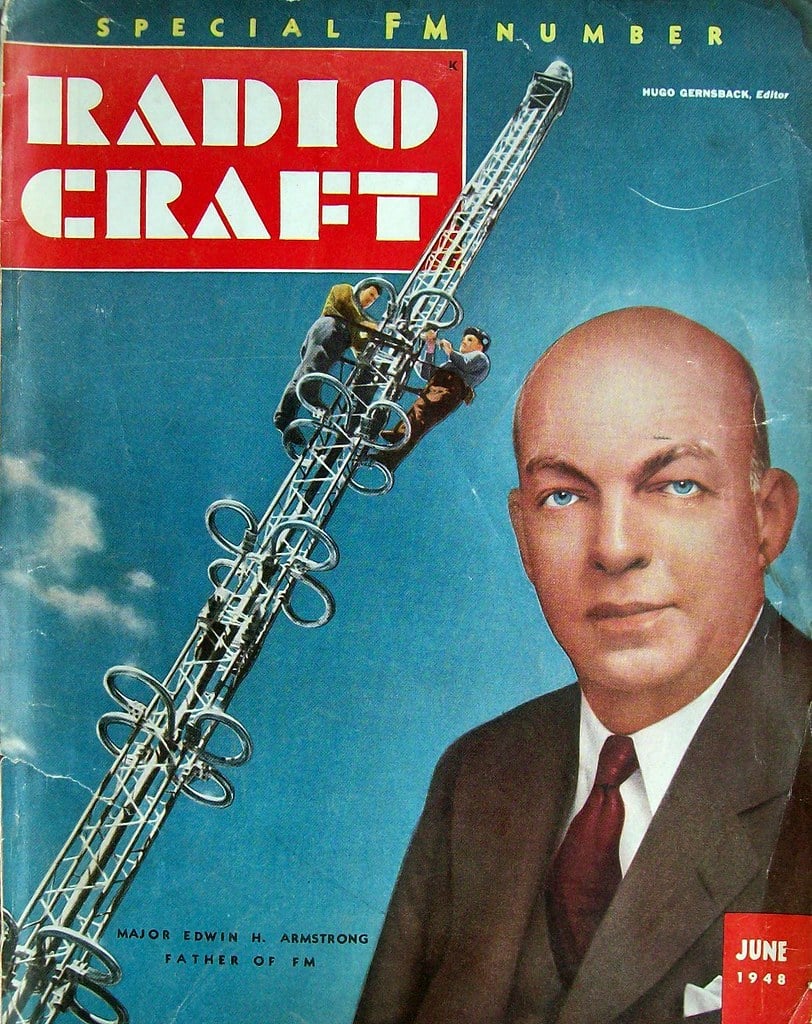
FM radio delivers the clear, static-free sound that makes modern broadcasting possible, but Edwin Armstrong’s invention brought him more legal battles than licensing revenue. His frequency modulation patents were technically brilliant and clearly superior to existing AM radio, but the established radio industry — led by his former friend David Sarnoff at RCA — had billions invested in AM infrastructure and little interest in paying royalties for a technology that would obsolete their existing systems.
Armstrong spent his fortune fighting patent battles against companies that used his FM technology without permission, while they deployed teams of lawyers to drag out proceedings and challenge his patents on technical grounds. The legal war consumed his energy, his money, and eventually his will to continue fighting.
In 1954, facing another lengthy patent battle and running out of resources, Armstrong took his own life. His widow continued the legal fight and eventually won substantial settlements, but Armstrong never lived to see FM radio become the dominant broadcasting technology or to receive fair compensation for his revolutionary invention.
Ignaz Semmelweis
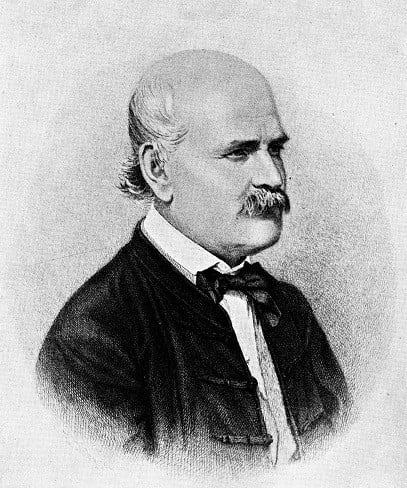
Handwashing saved more lives than perhaps any other medical innovation, but Ignaz Semmelweis received no recognition or reward during his lifetime for discovering that doctors washing their hands between patients dramatically reduced mortality rates. The medical establishment rejected his findings, ridiculed his theories about “invisible particles” causing infection, and drove him from his position at Vienna General Hospital.
Semmelweis had observed that maternity wards run by doctors had much higher death rates than those run by midwives, and he correctly deduced that doctors performing autopsies and then delivering babies without washing were spreading deadly infections. When he instituted mandatory handwashing with chlorine solutions, death rates plummeted from 18% to less than 2%.
But germ theory wouldn’t be accepted for decades, and the medical community treated Semmelweis as a dangerous radical rather than a pioneering scientist. He died in an asylum, vindicated only after Pasteur and Lister proved that microorganisms cause disease, making his handwashing protocols standard medical practice worldwide.
The Price of Being Right Too Early

Innovation demands perfect timing, but inventors rarely get to choose when inspiration strikes. The gap between breakthrough and acceptance can span decades, and during that window, patents expire, resources dwindle, and credit shifts to those who arrive at the right moment with better business sense.
These inventors changed the world without changing their own financial circumstances. Their stories remind us that the patent system, for all its protections, cannot shield inventors from bad timing, insufficient resources, or simply being too far ahead of their time.
The cruelest irony is that their inventions often became most valuable precisely when their legal protections had expired — leaving others to harvest what they had planted.
More from Go2Tutors!

- The Romanov Crown Jewels and Their Tragic Fate
- 13 Historical Mysteries That Science Still Can’t Solve
- Famous Hoaxes That Fooled the World for Years
- 15 Child Stars with Tragic Adult Lives
- 16 Famous Jewelry Pieces in History
Like Go2Tutors’s content? Follow us on MSN.