Trivia About Everyday Life In The Middle Ages
The Middle Ages weren’t quite the “Dark Ages” popular culture makes them out to be. People lived full lives, worked demanding jobs, celebrated holidays, gossiped about their neighbors, and worried about their children’s futures — just like today.
The difference lies in the details: how they bathed (more often than you’d think), what they ate for breakfast (ale and bread), and why they slept sitting up during winter months. These small truths paint a picture far more interesting than any Hollywood sword fight.
Personal Hygiene Wasn’t Optional
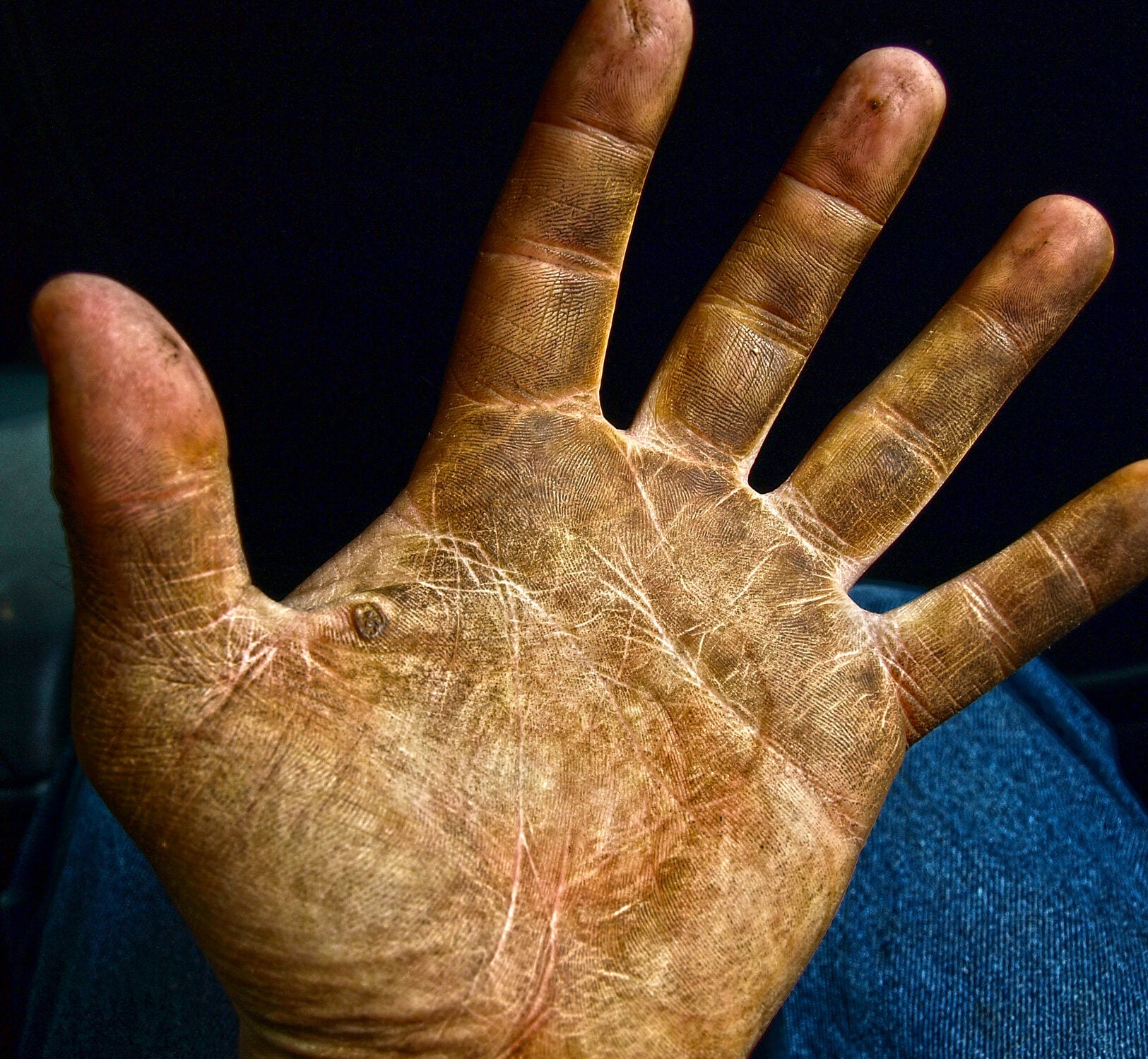
Medieval people bathed regularly. Public bathhouses operated in most towns, and private baths happened weekly in wealthier households.
They used soap made from animal fat and ash. Teeth got cleaned with twigs, salt, or crushed herbs.
Breakfast Was Liquid
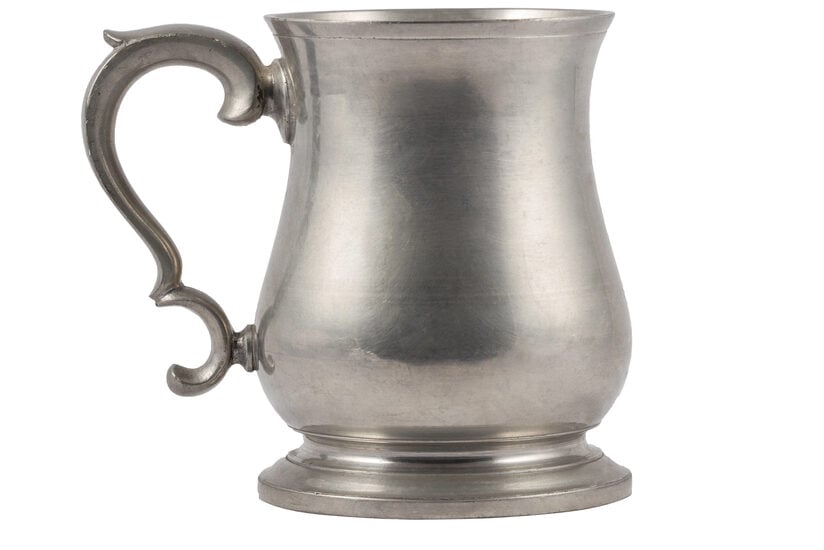
Most people started their day with ale or beer. Even children drank it because water was often unsafe.
The alcohol content was low — think of it as medieval Gatorade. Bread came next, sometimes dipped in wine or ale to soften it.
Sleeping Sitting Up Made Sense

During cold months, entire families would sleep propped against each other in a semi-upright position around the fire, since lying flat meant losing precious body heat that could mean the difference between waking up or not. Beds (when they existed) were shared by multiple family members, servants, and occasionally travelers, because privacy was a luxury most couldn’t afford and warmth was a necessity everyone required.
So the phrase “sleep tight” actually meant something. The rope supports under mattresses needed regular tightening.
And those mattresses weren’t the solid rectangles modern sleepers expect — they were sacks stuffed with straw, feathers (if you were lucky), or whatever soft material could be scrounged up, which meant they developed lumps, valleys, and mysterious hard spots that shaped themselves to whoever had slept there longest. But here’s the thing most people miss: they actually preferred it that way, because a mattress that conformed to your body was considered broken in properly, like a good pair of boots.
Most People Never Traveled More Than Twenty Miles
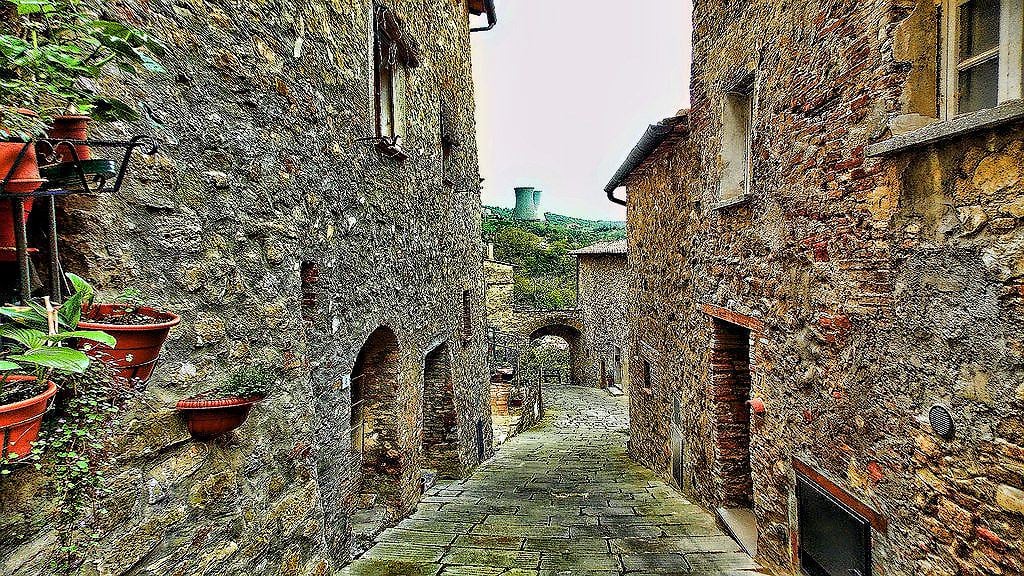
Your world was your village and maybe the next one over. The average person lived and died within walking distance of their birthplace.
This wasn’t necessarily limiting — it was life. You knew everyone, everyone knew you, and that carried both comfort and frustration in equal measure.
Dinner Happened at Noon
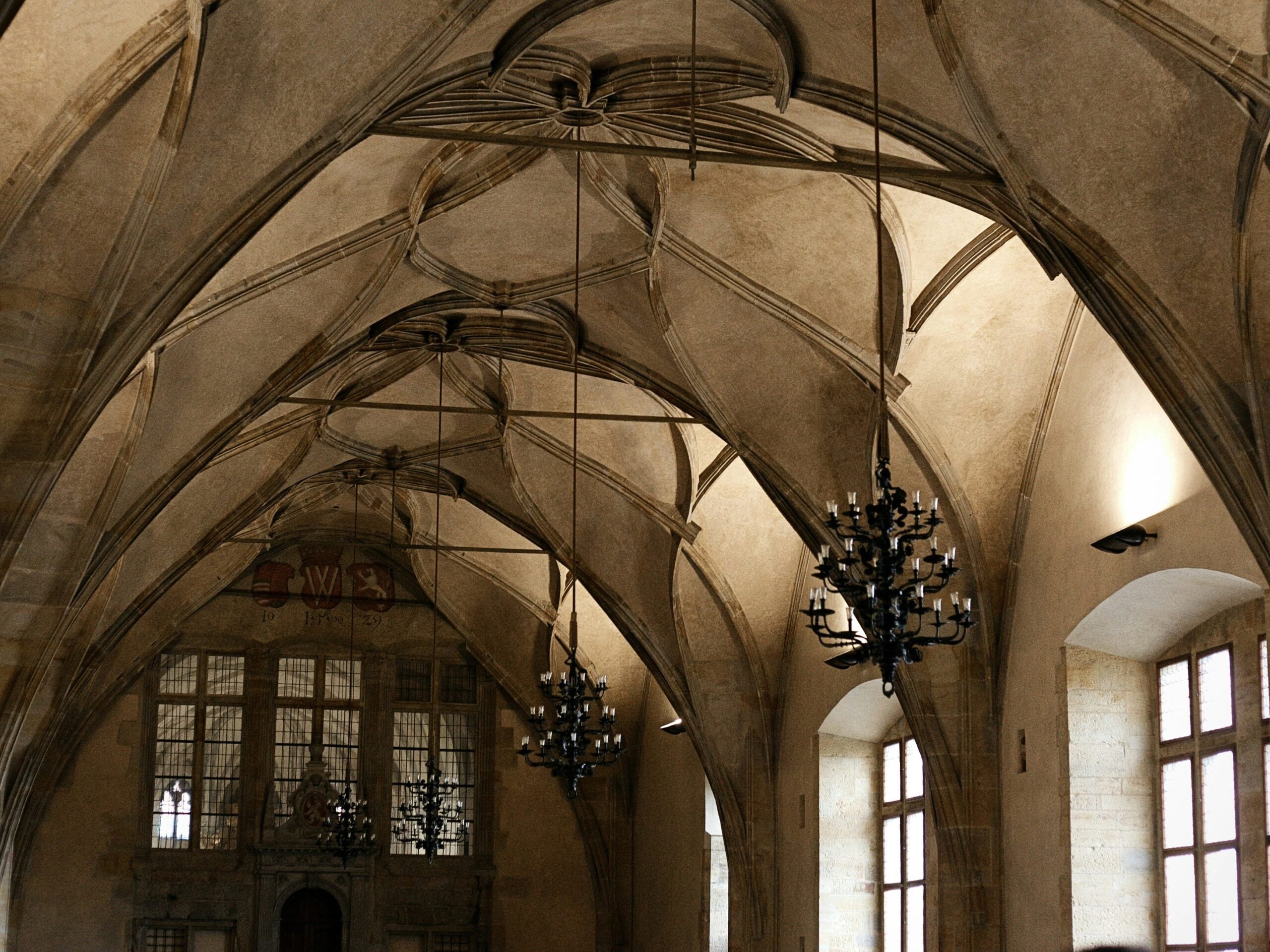
The main meal was eaten in the middle of the day when there was enough light to see what was on your plate. Supper was light — leftover bread, cheese, maybe some ale.
Candles cost too much to waste on elaborate evening meals for most families.
Cats Were Currency
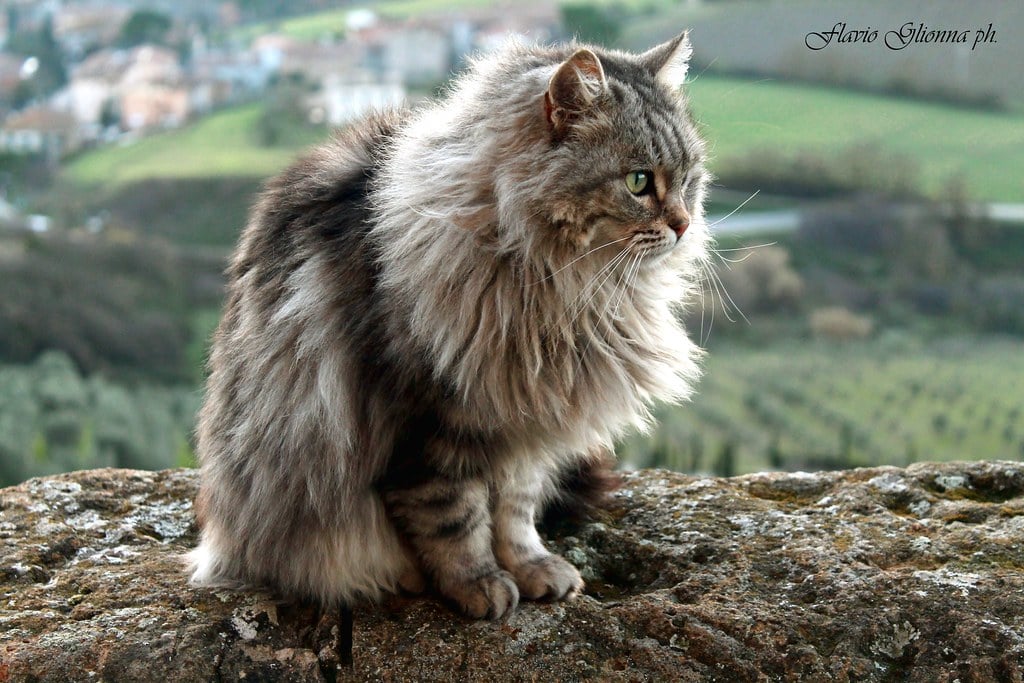
Cats were so valuable for pest control that they appeared in wills and property transfers, like livestock or furniture. Killing someone’s cat could result in fines equivalent to several sheep or a month’s wages — which tells you exactly how much grain those cats were protecting and how desperate people were to keep the rats away from their food stores.
The relationship between medieval people and their cats wasn’t the sentimental pet ownership modern households practice. Cats earned their keep or they didn’t eat.
And yet, cats who proved themselves as skilled hunters were genuinely treasured, not just as working animals but as the difference between a family eating through winter or watching their grain disappear down rat pits.
People Were Surprisingly Tall
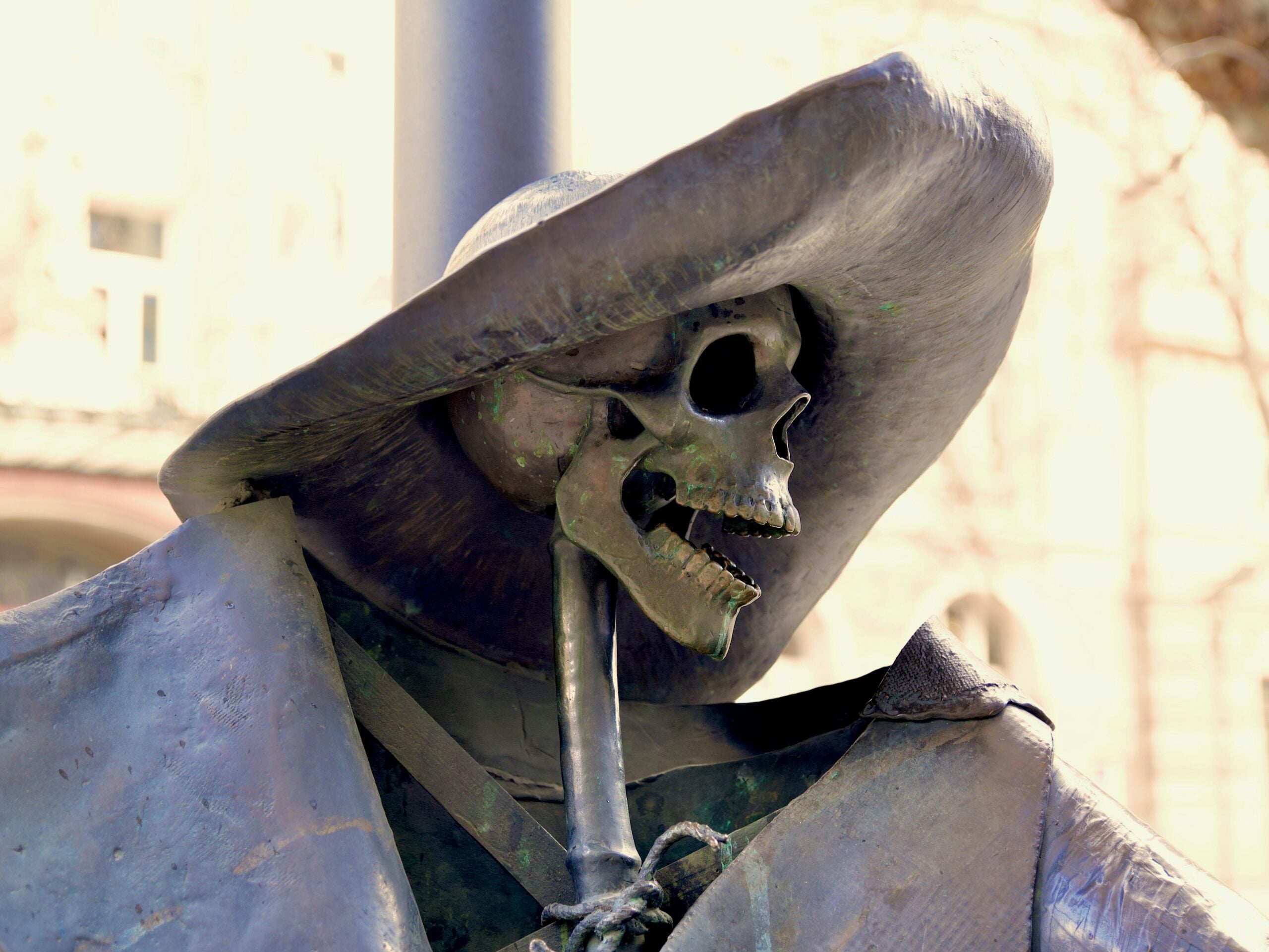
Medieval skeletons show that people weren’t significantly shorter than modern populations. Malnutrition during famines could stunt growth, but during stable periods, heights were comparable to what we see today.
The “short medieval person” stereotype comes from surviving armor, which was often made for wealthy teenagers, not full-grown adults.
Shoes Revealed Your Social Status
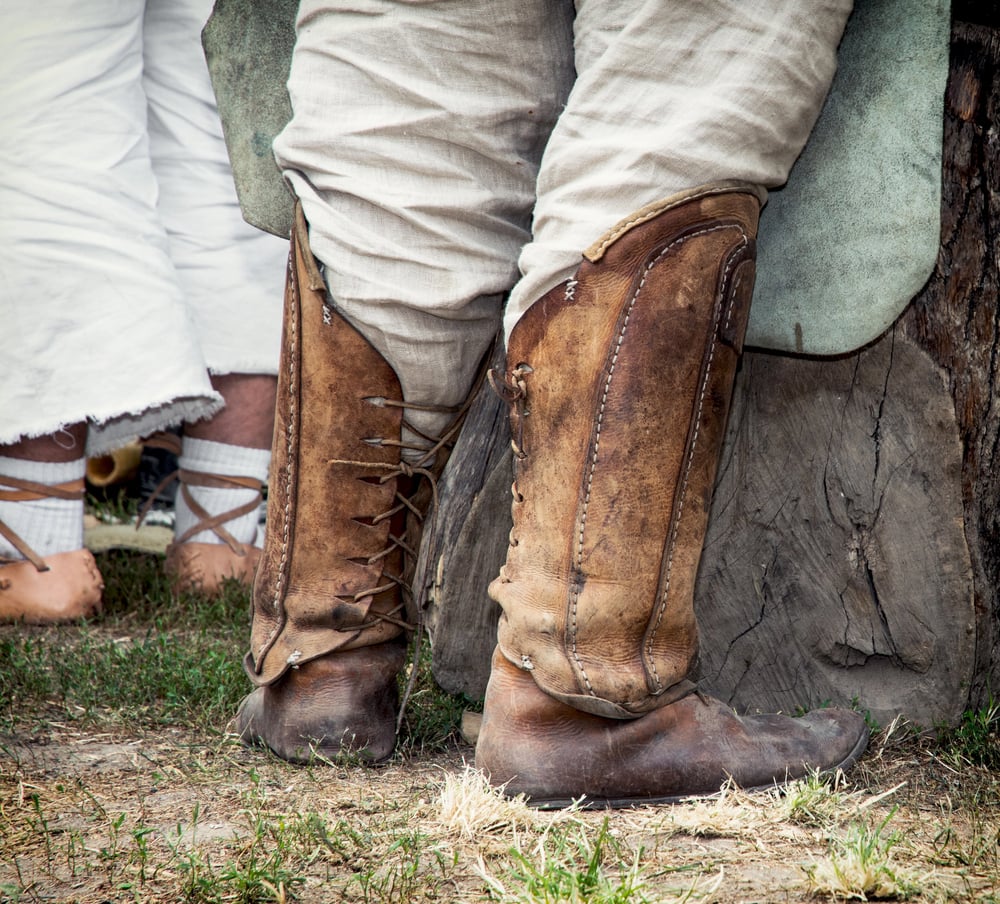
Peasants wore wooden clogs or went barefoot. Merchants wore leather boots. Nobility wore pointed shoes so long they needed chains attached to their belts to lift the toes while walking.
The longer the point, the higher your status (and the more impractical your daily life became, but that was rather the point). Some nobles commissioned shoes with points so exaggerated that walking required a peculiar high-stepping gait that announced their wealth from across a courtyard — because when your shoes cost more than a peasant’s annual income, you wanted people to notice.
The church eventually banned shoes with points longer than two inches, declaring them sinful vanity, but enforcement was spotty at best since the people wearing the longest points were usually the same ones funding the local church. So the practice continued, because fashion has always trumped common sense when status is involved.
Beer Was Safer Than Water
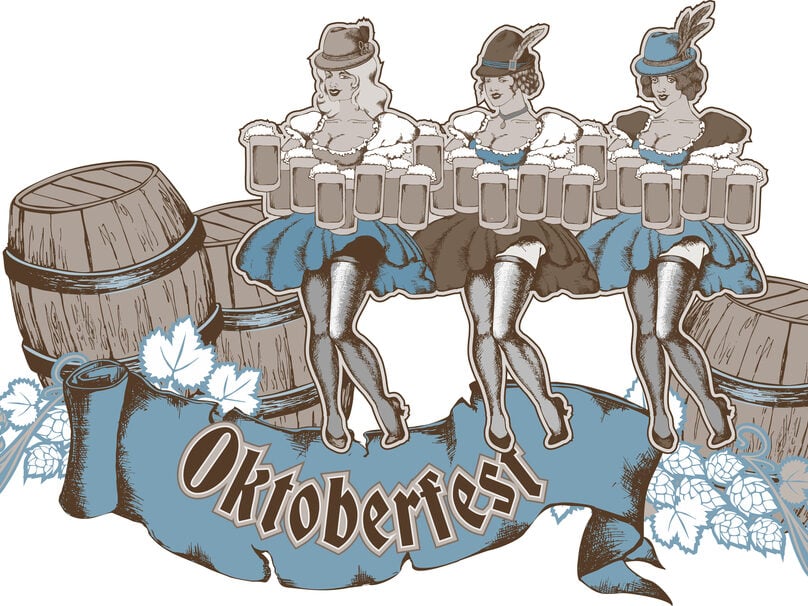
Brewing beer killed harmful bacteria that made water dangerous. Even weak ale was safer than well water in most towns.
Monasteries brewed beer as a public health service. Children learned to drink ale before they learned to read.
Windows Were Made of Oiled Cloth
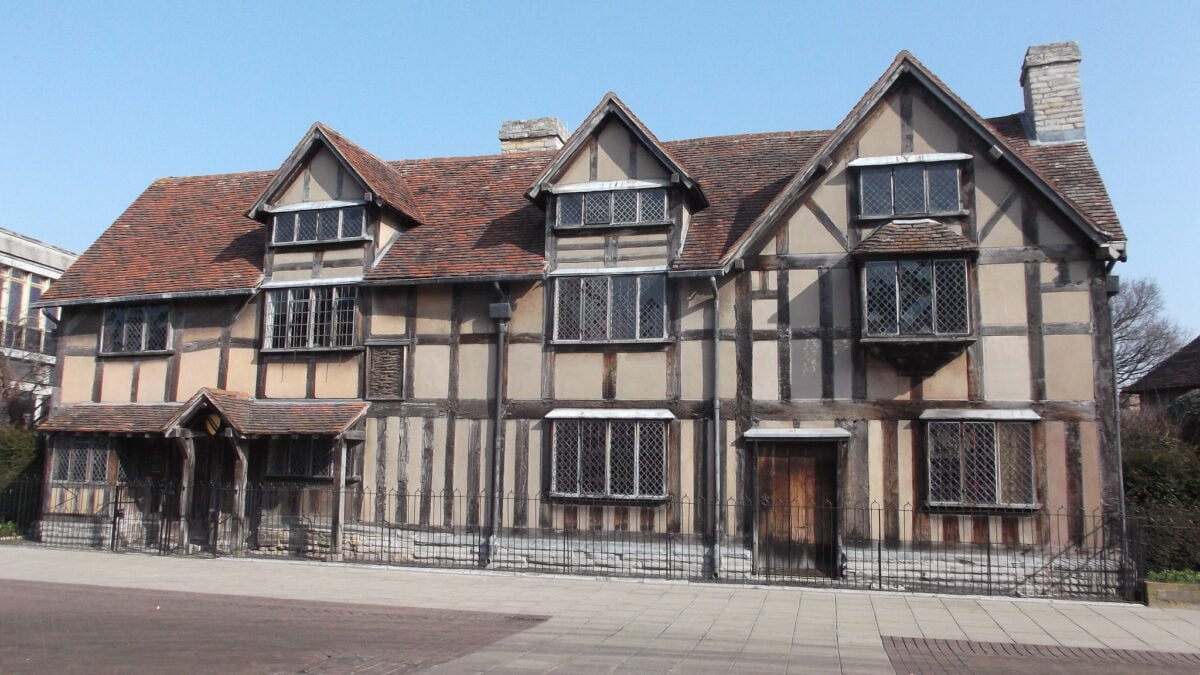
Glass was expensive and rare. Most windows were wooden shutters covered with oiled cloth or scraped animal hide that let in some light while keeping out rain.
Wealthy homes might have one glass window — usually in the main hall where guests could see it and be impressed. The result was that winter meant living in perpetual twilight, since keeping windows open meant losing heat that took precious firewood to replace, but keeping them shuttered meant stumbling around in near-darkness for months at a time.
People planned their daily activities around the small amount of natural light that filtered through oiled cloth, and important tasks like sewing or writing had to happen during the brief midday hours when the light was strongest. But there’s something most people don’t consider: this darkness wasn’t depressing to them the way it would be to modern sensibilities, because it was simply the rhythm of life, as natural and expected as hunger before meals or tiredness at the end of a long day.
Spices Were Worth More Than Gold
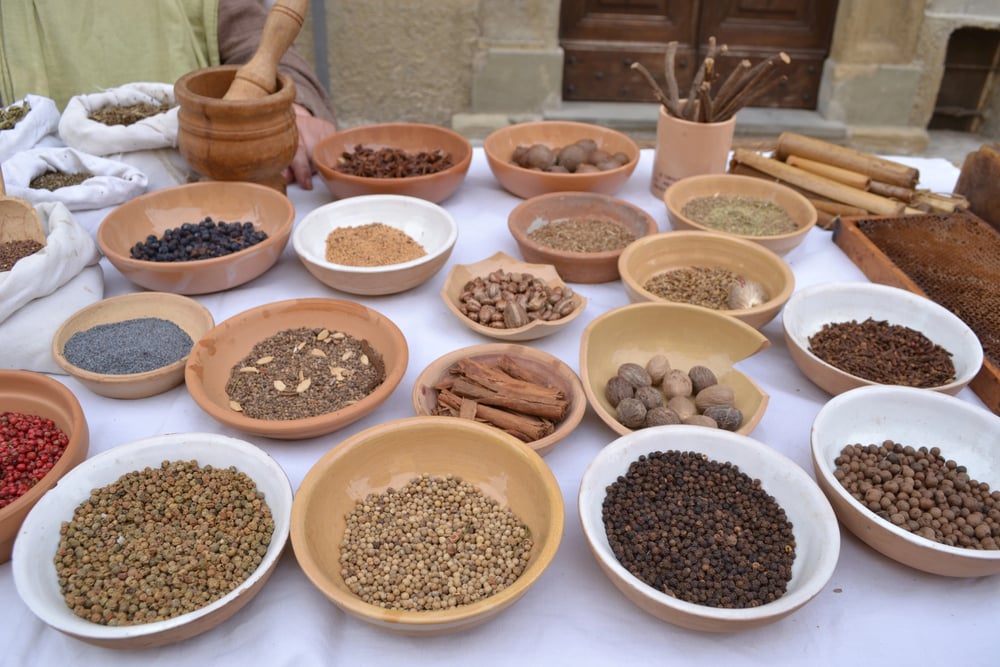
A pound of saffron cost more than a horse. Black pepper was so valuable it was used as currency.
Spice merchants were among the wealthiest people in medieval society. Wars were fought over trading routes to Asia where these spices originated.
Everyone Knew How to Make Ale
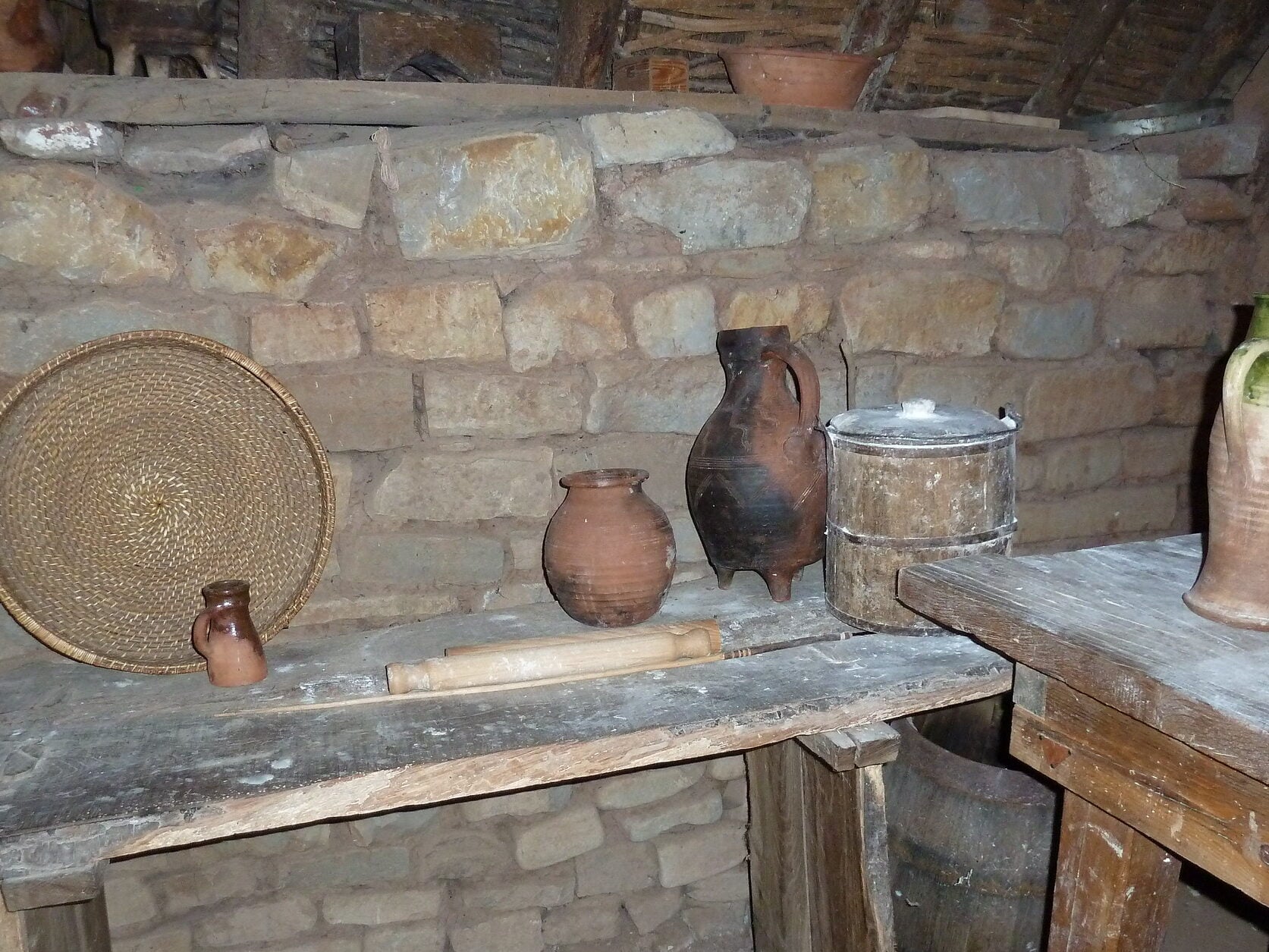
Brewing was considered a basic life skill, like cooking or mending clothes. Women typically handled brewing in households.
The process took about a week from start to finish. Bad ale could kill you, so everyone learned to do it properly.
Think of ale-making as the medieval equivalent of knowing how to change a tire — technically optional, but functionally necessary for independent adult life. Families passed down their brewing recipes like heirlooms, because a household known for consistently good ale had social currency that translated into better marriages for their children and more favorable business dealings with neighbors.
The process required constant attention and precise timing that modern convenience has made us forget how to appreciate: you had to know when the grain was malted properly, when the mixture had fermented long enough, when the weather was right for brewing, and how to store the finished product so it wouldn’t spoil before the next batch was ready. And yet, because everyone learned these skills as children, what seems impossibly complex to modern tastes was simply Tuesday afternoon to a medieval household.
Bathing Was a Social Activity
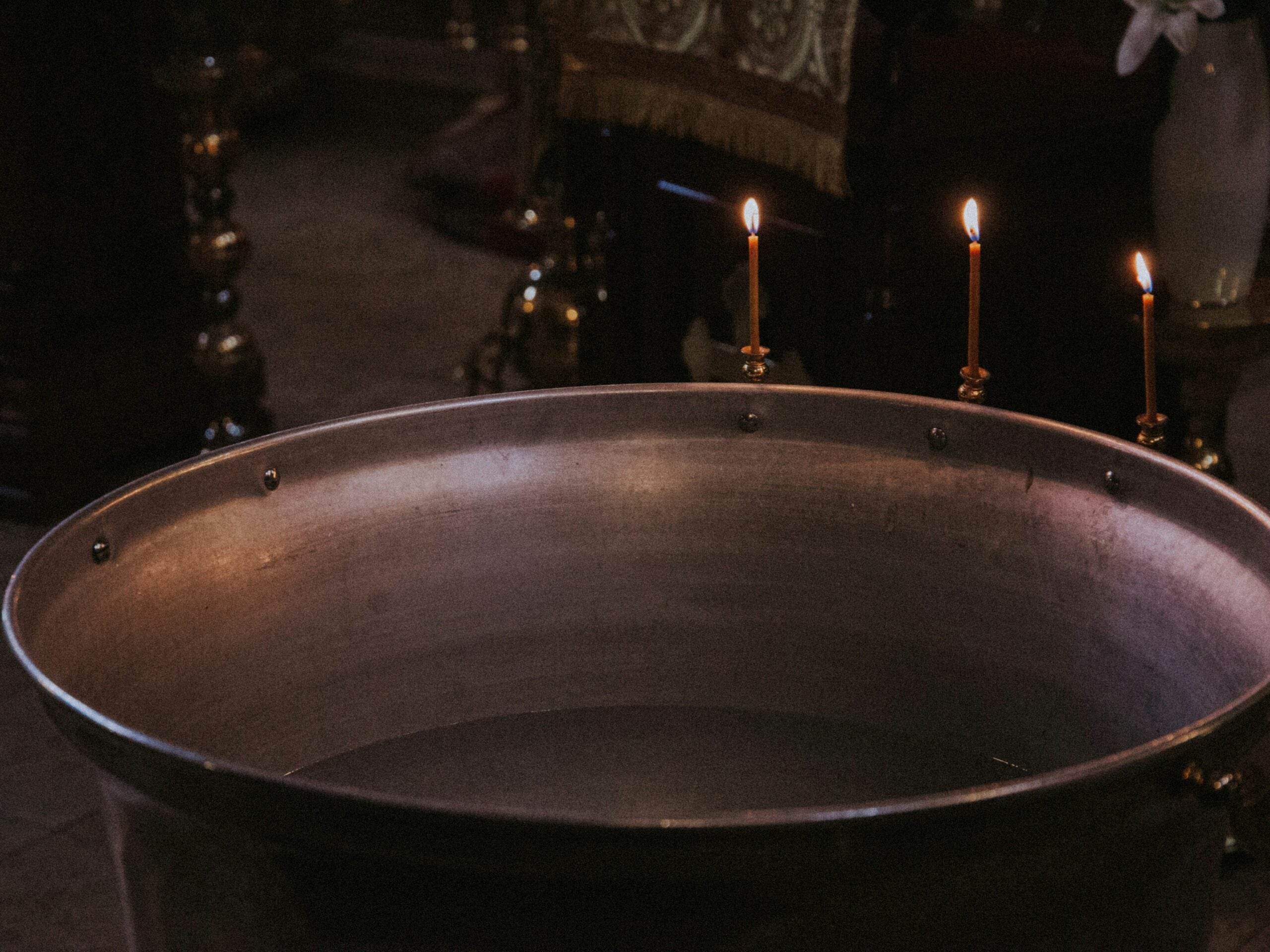
Public bathhouses weren’t just for cleaning — they were social centers where people conducted business, shared gossip, and arranged marriages. Mixed-gender bathing was common and considered normal.
The church disapproved, but people ignored this particular bit of moral guidance.
The Rhythm of Seasons Ruled Everything
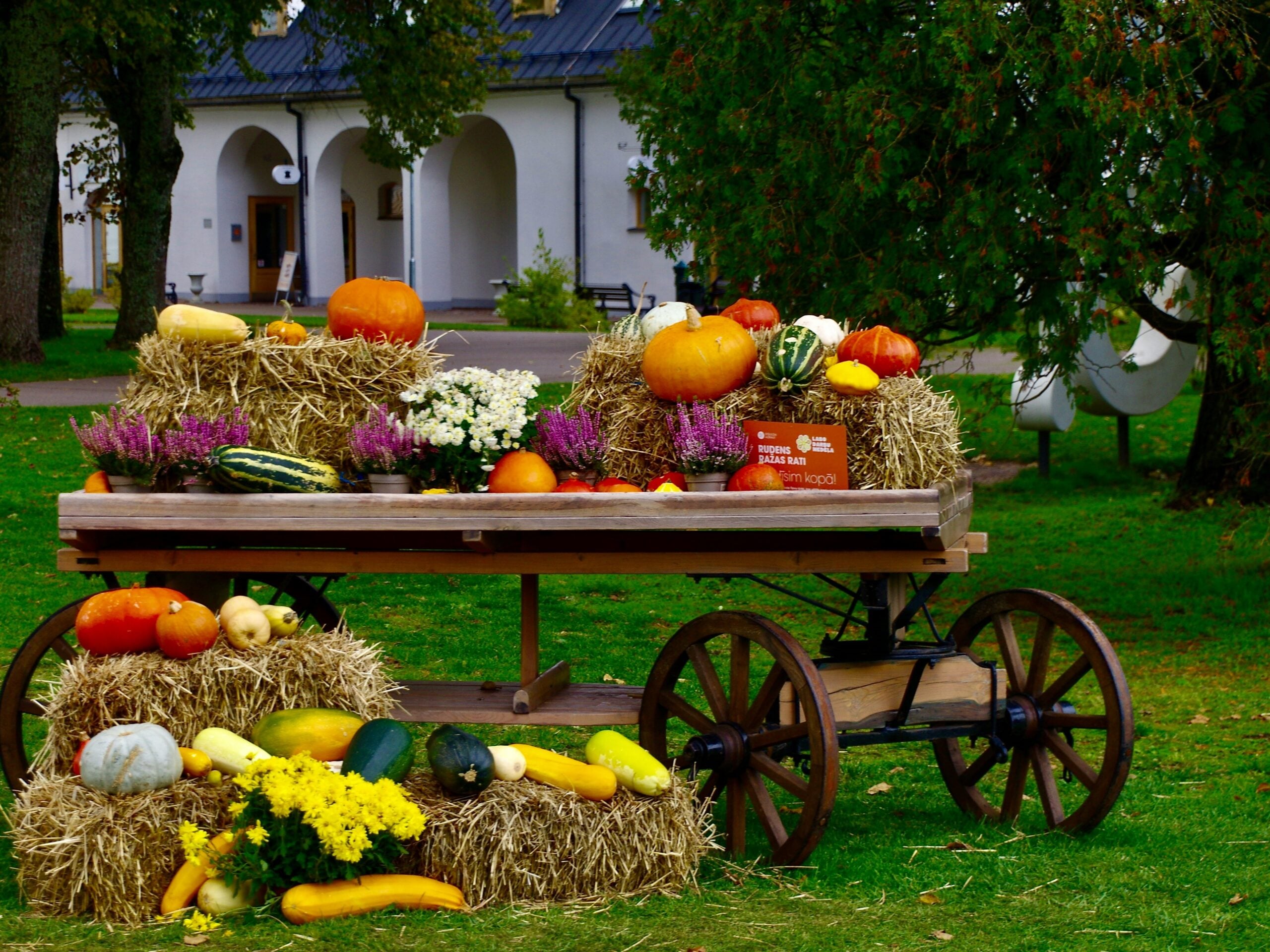
Medieval life moved with natural cycles in ways that feel foreign now. Planting, growing, harvesting, preserving — the calendar wasn’t abstract dates but a series of tasks that meant survival or starvation.
People could predict weather patterns, knew which plants grew where, and understood animal behavior better than most modern farmers. Their bodies followed seasonal rhythms too: eating heavily in fall, conserving energy in winter, working frantically during spring planting and summer growing seasons.
This wasn’t romantic harmony with nature — it was complete dependence on it. A late frost could mean famine.
Too much rain could rot the grain. Not enough rain meant empty storehouses by February. And yet, this uncertainty created communities that supported each other through lean times and celebrated together when harvests were good, because individual survival depended on collective success in ways that modern life has mostly eliminated.
More from Go2Tutors!

- The Romanov Crown Jewels and Their Tragic Fate
- 13 Historical Mysteries That Science Still Can’t Solve
- Famous Hoaxes That Fooled the World for Years
- 15 Child Stars with Tragic Adult Lives
- 16 Famous Jewelry Pieces in History
Like Go2Tutors’s content? Follow us on MSN.



