Famous Hoaxes That Fooled Scientists Publicly
Scientists are supposed to be the smartest people in the room. They question everything, test theories, and demand proof before accepting claims.
Yet history shows that even the brightest minds can fall for elaborate tricks and fake discoveries. Some hoaxes fooled entire scientific communities for years, while others sparked heated debates that divided experts across the world.
Piltdown Man
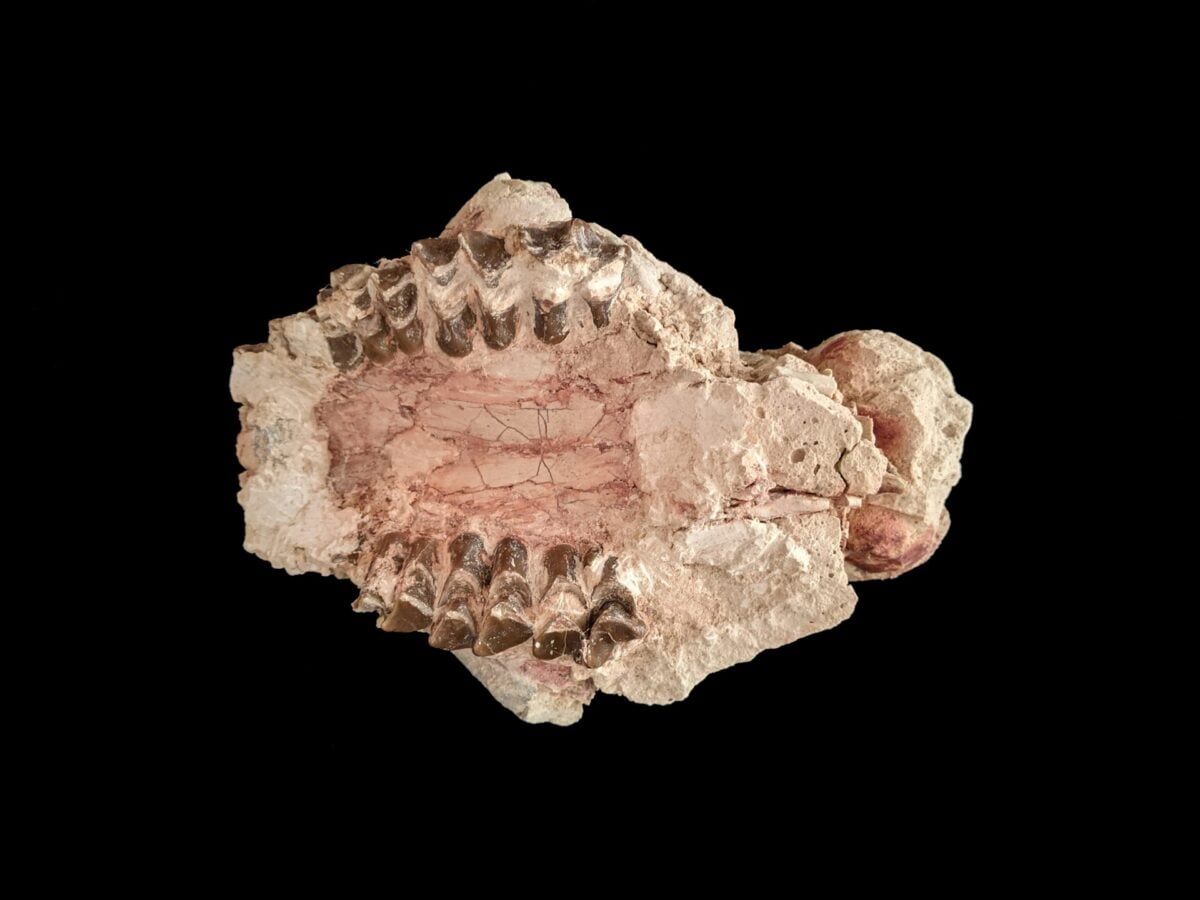
In 1912, amateur archaeologist Charles Dawson claimed he found ancient skull fragments in England that proved humans evolved there. Scientists examined the bones and declared them authentic for over 40 years.
The “missing link” between apes and humans had supposedly been discovered on British soil. Turns out, someone had taken a human skull and an orangutan jaw, stained them to look old, and filed down the teeth to match.
Cardiff Giant

A ten-foot-tall stone figure was unearthed on a farm in New York in 1869, and people went crazy. Many believed it was a petrified ancient human, possibly proof of the giants mentioned in religious texts.
Scientists traveled from across the country to examine what newspapers called the greatest discovery of the age. George Hull had actually carved the giant from gypsum, buried it, and waited a year before “discovering” it.
Like Go2Tutors’s content? Follow us on MSN.
Archaeoraptor

National Geographic announced in 1999 that scientists had found a fossil linking dinosaurs to birds. The magazine published photos and detailed articles about this groundbreaking discovery from China.
Paleontologists studied the fossil and debated its significance in scientific journals. Someone had glued together parts from different fossils to create a fake creature, then sold it to collectors.
The Cottingley Fairies

Two young cousins in England took photographs in 1917 showing them playing with tiny fairies. Sir Arthur Conan Doyle, creator of Sherlock Holmes, championed the photos as genuine proof of fairy folk.
Photography experts examined the images and couldn’t explain them away. The girls had simply cut fairy drawings from a children’s book and propped them up with hatpins.
Fujimura’s ancient artifacts

Japanese archaeologist Shinichi Fujimura was called “God’s hands” because he kept finding incredibly old stone tools. His discoveries pushed back the date of human habitation in Japan by hundreds of thousands of years.
Museums displayed his finds, and textbooks were rewritten to include his work. A newspaper caught him on camera burying artifacts at dig sites before pretending to discover them.
Like Go2Tutors’s content? Follow us on MSN.
Batavia’s fake excavation
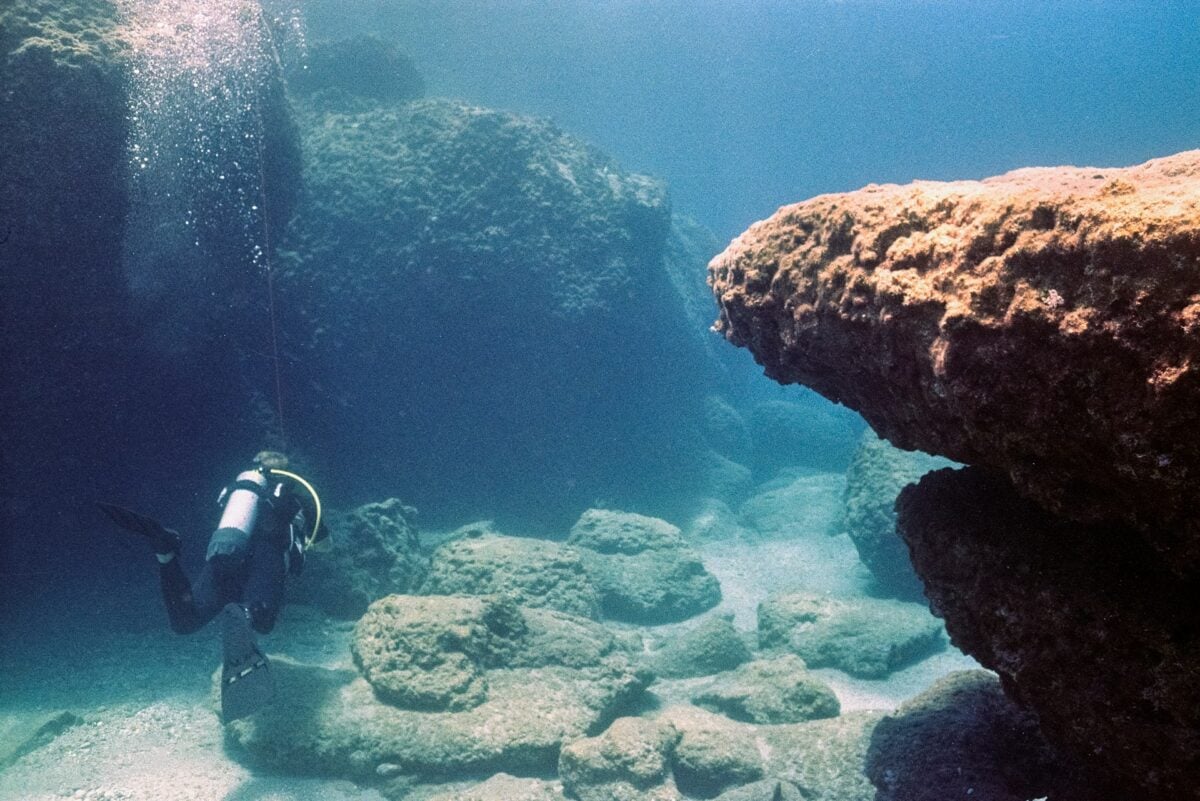
In the 1990s, Paul Jansen claimed he found the lost Dutch ship Batavia off the Australian coast. He presented barnacle-covered artifacts and detailed maps to maritime archaeologists.
Funding poured in for further excavation of what seemed like an important historical find. The real Batavia had already been found years earlier in a completely different location.
Beringer’s lying stones

Johann Beringer, a professor at the University of Würzburg, collected thousands of stones in the 1720s that showed carved insects, plants, and even Hebrew letters. He published a book describing these as proof of divine creation.
Colleagues tried warning him, but Beringer insisted the stones were genuine ancient fossils. His own students had carved the stones as a prank to mock his arrogance.
The Tasaday tribe

In 1971, Philippine officials announced the discovery of a Stone Age tribe living in complete isolation. Anthropologists rushed to study the Tasaday people, who supposedly had no contact with modern civilization.
National Geographic featured them, and the government protected their forest home. Journalists later revealed that local people had been paid to pretend they were primitive cave dwellers.
Like Go2Tutors’s content? Follow us on MSN.
Shinichi Fujimura strikes again

This serial hoaxer deserves another mention because he fooled Japan’s scientific community more than once. After his first exposure, investigators checked his earlier work and found problems everywhere.
Fujimura had contaminated legitimate archaeological sites with fake evidence for years. His deception forced Japan to revise its entire understanding of early human history.
The Piltdown chicken

Scientists announced in 2000 that they found a feathered dinosaur tail preserved in amber. The specimen seemed to bridge the gap between dinosaurs and modern birds perfectly.
Museums competed to display casts of this remarkable fossil. Researchers eventually discovered the tail came from a modern bird and had been artificially aged.
Organic molecules from outer space

In 2011, Richard Hoover published a paper claiming he found alien bacteria fossils in meteorites. His announcement suggested life existed elsewhere in the universe and had reached Earth.
News outlets covered the story worldwide, and debates erupted among scientists. Other researchers who examined the same meteorites found only Earth-based contamination.
Like Go2Tutors’s content? Follow us on MSN.
When tricks become teaching moments

These hoaxes embarrassed scientists and institutions, but they also pushed science forward in unexpected ways. Each exposure led to better testing methods, stricter verification processes, and more careful peer review.
Scientists learned to question their assumptions and check their colleagues’ work more thoroughly.
More from Go2Tutors!

- 16 Historical Figures Who Were Nothing Like You Think
- 12 Things Sold in the 80s That Are Now Illegal
- 15 VHS Tapes That Could Be Worth Thousands
- 17 Historical “What Ifs” That Would Have Changed Everything
- 18 TV Shows That Vanished Without a Finale
Like Go2Tutors’s content? Follow us on MSN.



