15 IQ Myths That Most People Still Believe
Intelligence testing has been around for over a century, yet misconceptions about IQ continue to spread like wildfire. From Hollywood portrayals to casual conversations, these myths shape how we think about human intelligence in ways that often miss the mark entirely.
Here’s a list of 15 persistent IQ myths that deserve a reality check.
IQ Tests Measure Your Overall Intelligence
IQ tests actually measure a specific set of cognitive abilities rather than your complete intellectual capacity. Think of it like using a thermometer to assess your entire health—it gives you one important piece of information, but it’s hardly the full picture. These tests focus primarily on logical reasoning, pattern recognition, and processing speed while largely ignoring creativity, emotional intelligence, and practical problem-solving skills that matter enormously in real life.
Your IQ Score Never Changes

Your IQ can fluctuate throughout your lifetime, sometimes by significant amounts. Research shows that intensive education, major life changes, or even targeted cognitive training can shift scores up or down by 10-15 points or more. The brain’s remarkable plasticity means that what you measure today isn’t necessarily what you’ll measure five years from now.
Like Go2Tutors’s content? Follow us on MSN.
High IQ Guarantees Success in Life
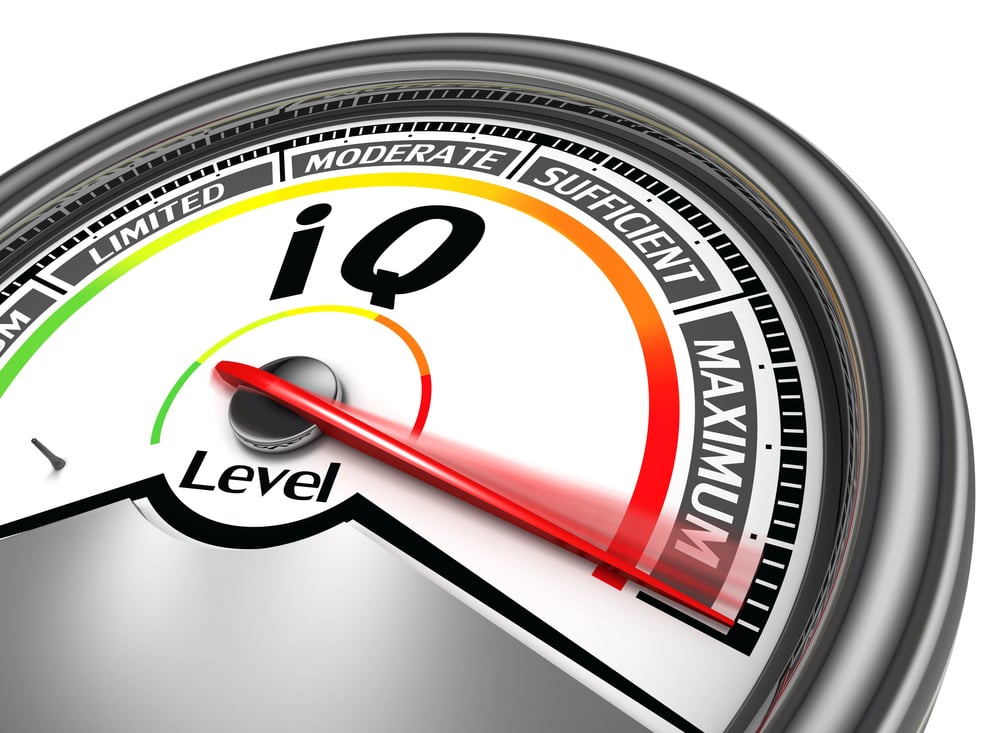
Plenty of people with average IQ scores achieve remarkable success while some high-IQ individuals struggle with basic life challenges. Persistence, social skills, and emotional regulation often matter more than raw cognitive ability when it comes to career advancement and personal fulfillment. It’s like having a powerful sports car but not knowing how to drive—the potential is there, but execution makes all the difference.
IQ Tests Are Completely Fair and Unbiased

Cultural background, language familiarity, and socioeconomic factors can significantly influence test performance. Someone who grew up without access to certain educational experiences might score lower not because they’re less intelligent, but because the test assumes knowledge they never had the chance to acquire. Modern test designers work hard to minimize these biases, but they haven’t eliminated them entirely.
People with High IQs Are Always Logical

High IQ doesn’t immunize anyone against poor judgment, superstitious thinking, or emotional decision-making. Some of the smartest people fall for scams, hold irrational beliefs, or make terrible personal choices. Intelligence and wisdom operate on different tracks, and having one doesn’t automatically grant you the other.
Like Go2Tutors’s content? Follow us on MSN.
IQ Is Entirely Determined by Genetics

While genetics play a substantial role in cognitive ability, environmental factors can significantly influence how that genetic potential develops. Nutrition, education quality, stress levels, and even exposure to toxins can impact cognitive development and test performance. It’s more like having seeds for a garden—genetics determine what you can grow, but the environment determines whether you actually do.
You Can’t Improve Your IQ Through Practice

Specific cognitive training and certain types of education can boost performance on IQ tests and underlying cognitive abilities. Brain training games might not make you smarter overall, but learning new skills, reading extensively, and engaging in challenging mental activities can enhance various aspects of cognitive function. The key is sustained, effortful practice rather than quick fixes.
IQ Tests Predict Academic Performance Perfectly
While IQ scores correlate with academic achievement, they’re far from perfect predictors. Motivation, study habits, family support, and teaching quality often influence grades more than raw cognitive ability. A student with moderate IQ but excellent work habits frequently outperforms a high-IQ peer who lacks discipline or interest.
Like Go2Tutors’s content? Follow us on MSN.
Low IQ Means You’re Not Smart

IQ tests capture only a narrow slice of human intelligence, missing many forms of brilliance entirely. Someone might score modestly on an IQ test while possessing exceptional musical talent, interpersonal skills, or practical intelligence that helps them navigate complex social situations. These abilities are genuinely intelligent, just not the type that standard tests measure.
Genius-Level IQ Is Required for Major Discoveries

Most groundbreaking scientists, inventors, and thinkers throughout history likely had above-average but not astronomical IQ scores. Creativity, persistence, and the ability to see problems from unique angles often matter more than pure cognitive horsepower. Einstein’s estimated IQ was high but not record-breaking, yet his contributions transformed our understanding of the universe.
IQ Scores Are Precise Measurements
Every IQ test comes with a margin of error, typically around 5 points in either direction. That means someone who scores 115 might actually fall anywhere between 110 and 120 on any given day. Factors like fatigue, anxiety, or even room temperature can influence performance enough to shift scores within this range.
Like Go2Tutors’s content? Follow us on MSN.
Children’s IQ Scores Predict Their Adult Intelligence
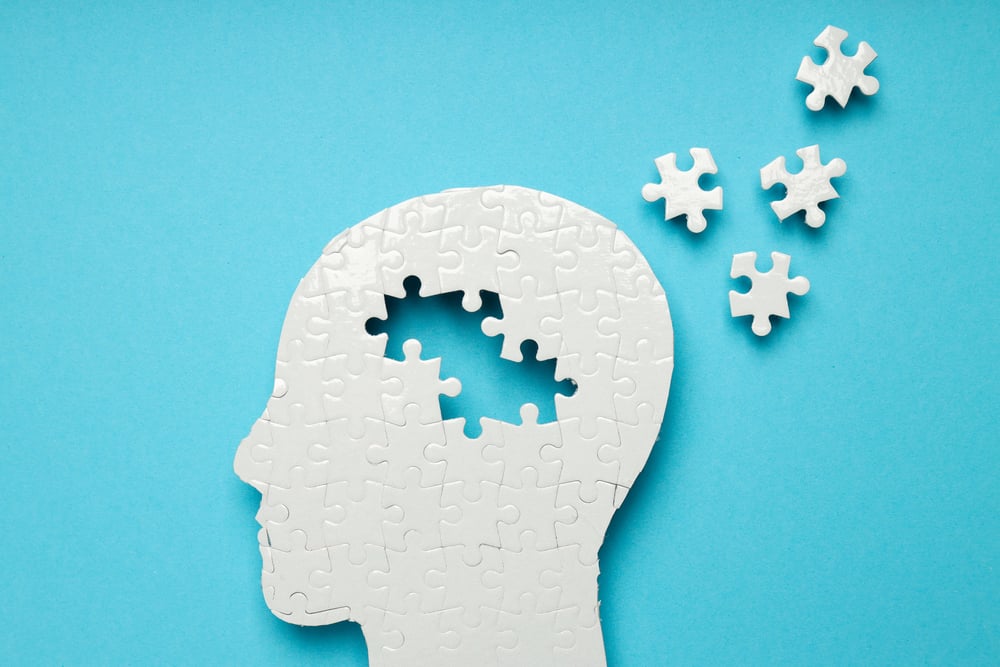
Young children’s cognitive abilities are still developing rapidly, making early IQ scores poor predictors of adult capability. A child who struggles with abstract reasoning at age 7 might excel at it by age 17 as their brain matures and they gain more experience. Educational opportunities and life experiences during the developmental years can dramatically reshape cognitive trajectories.
IQ Tests Measure Processing Speed Accurately

While processing speed is one component of IQ tests, being a slower processor doesn’t necessarily mean being less intelligent. Some people naturally take more time to think through problems but arrive at more thorough or creative solutions. Others might rush through questions and make careless errors despite having strong underlying abilities.
Higher IQ Always Means Better Problem-Solving

Real-world problem-solving involves much more than the abstract reasoning measured by IQ tests. Practical intelligence—knowing how to navigate bureaucracy, fix mechanical problems, or resolve interpersonal conflicts—doesn’t always correlate with high test scores. Someone with extensive hands-on experience might solve complex practical problems that stump someone with a much higher IQ.
Like Go2Tutors’s content? Follow us on MSN.
IQ Differences Between Groups Are Purely Genetic

The complex relationship between genetics, environment, and cognitive development makes it impossible to attribute group differences in average IQ scores to genetics alone. Historical factors, current socioeconomic conditions, educational access, and cultural values all influence how cognitive potential develops within different populations. These environmental influences are so intertwined with outcomes that separating genetic from environmental contributions becomes virtually impossible.
Beyond the Numbers Game

Understanding these myths helps us develop a more nuanced view of human intelligence and potential. IQ tests provide useful information about certain cognitive abilities, but they’re just one tool among many for understanding how minds work. The most important insight might be that intelligence comes in countless forms, develops throughout life, and depends on far more than what any single test can capture.
More from Go2Tutors!

- 16 Historical Figures Who Were Nothing Like You Think
- 12 Things Sold in the 80s That Are Now Illegal
- 15 VHS Tapes That Could Be Worth Thousands
- 17 Historical “What Ifs” That Would Have Changed Everything
- 18 TV Shows That Vanished Without a Finale
Like Go2Tutors’s content? Follow us on MSN.