Most Iconic American Road Trip Snacks of the 80s
Nothing captures the spirit of 1980s America quite like loading up the family station wagon and hitting the open road. The decade belonged to freedom, excess, and the simple pleasure of unwrapping something sweet while watching mile markers blur past your window.
Road trip snacks weren’t just fuel for the journey—they were tiny celebrations wrapped in crinkly packaging, each one promising a burst of artificial flavor that somehow tasted like adventure itself. The gas station aisles of the 80s were wonderlands of neon colors and bold promises.
Every rest stop offered the same reliable cast of characters, each snack playing its part in the
great American road trip experience. These weren’t just products; they were companions for the long haul, designed to survive summer heat and satisfy cravings that could only emerge somewhere between mile 200 and mile 400 of a cross-country drive.
Twinkies

Twinkies ruled the road with an iron fist wrapped in golden sponge cake. Nothing else survived a dashboard’s blazing heat quite like these indestructible cream-filled logs.
Pop the package and that familiar vanilla scent hit you—artificial, sure, but artificial in the way that promised reliability. One bite delivered exactly what you expected, every single time.
Pop Rocks
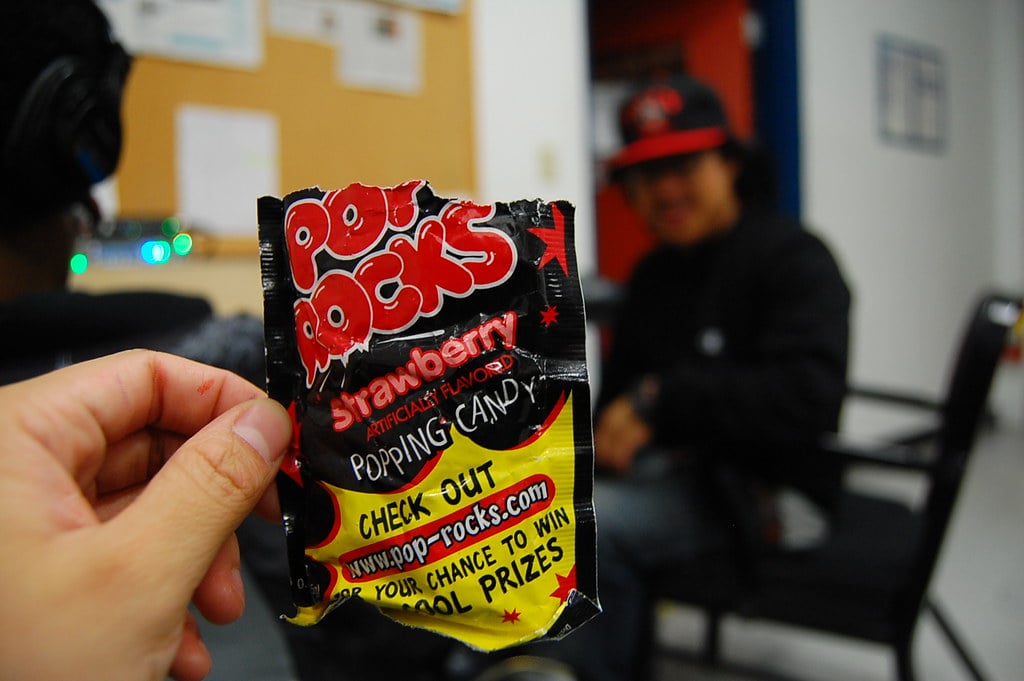
The mad scientist of candy managed to trap actual explosions inside sugar crystals, which should have been impossible but somehow wasn’t. You’d pour the entire packet onto your tongue (because measuring portions was for amateurs) and wait for the fireworks to begin—crackling, popping, making your mouth feel like a miniature Fourth of July celebration while your parents tried to concentrate on merging into highway traffic.
And the myths that surrounded these tiny flavor bombs only added to their mystique: the kid who supposedly exploded after mixing them with soda (completely false, but deliciously dangerous-sounding), the rumors about what exactly made them pop (carbonation trapped in sugar, though that explanation felt far too mundane for something so magical). But none of that mattered when you were in the backseat, letting cherry-flavored lightning dance across your tongue.
Combos
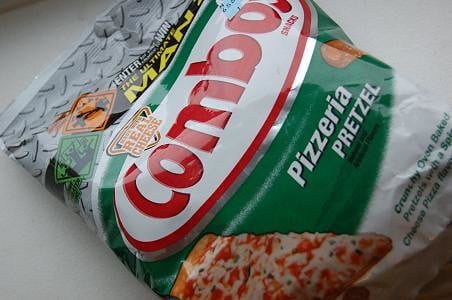
Someone at the Combos factory understood a fundamental truth about road trip hunger: sometimes you need cheese, and sometimes you need crunch, but most times you need both wrapped up in a convenient cylindrical package that won’t make a mess when the car hits an unexpected pothole. These weren’t subtle snacks—the cheese powder coating was aggressive enough to stain your fingers orange for hours, marking you as someone who understood that moderation had no place on a proper road trip.
The pretzel ones were the gold standard, but the cracker varieties had their devoted followers too. Either way, you were committing to that particular brand of processed cheese flavor that existed nowhere in nature but somehow felt more real than actual cheese when you were cruising through Nebraska at 70 miles per hour.
Fruit Roll-Ups

Childhood had a taste, and it came in the form of fruit-flavored sheets that peeled away from plastic backing like edible gift wrap. The strawberry ones were classic, but cherry pushed into territory that was almost too intense—a concentrated fruit experience that bore only a passing resemblance to anything that had ever grown on a tree, which was exactly the point.
The ritual mattered as much as the flavor: carefully separating the Roll-Up from its backing, rolling it into a compact tube, then unrolling it again just because you could. Some kids ate them in strips, others went for the full-mouth experience, but everyone understood that these weren’t really about fruit—they were about having something to do with your hands during those endless stretches where the scenery refused to change.
Beef Jerky
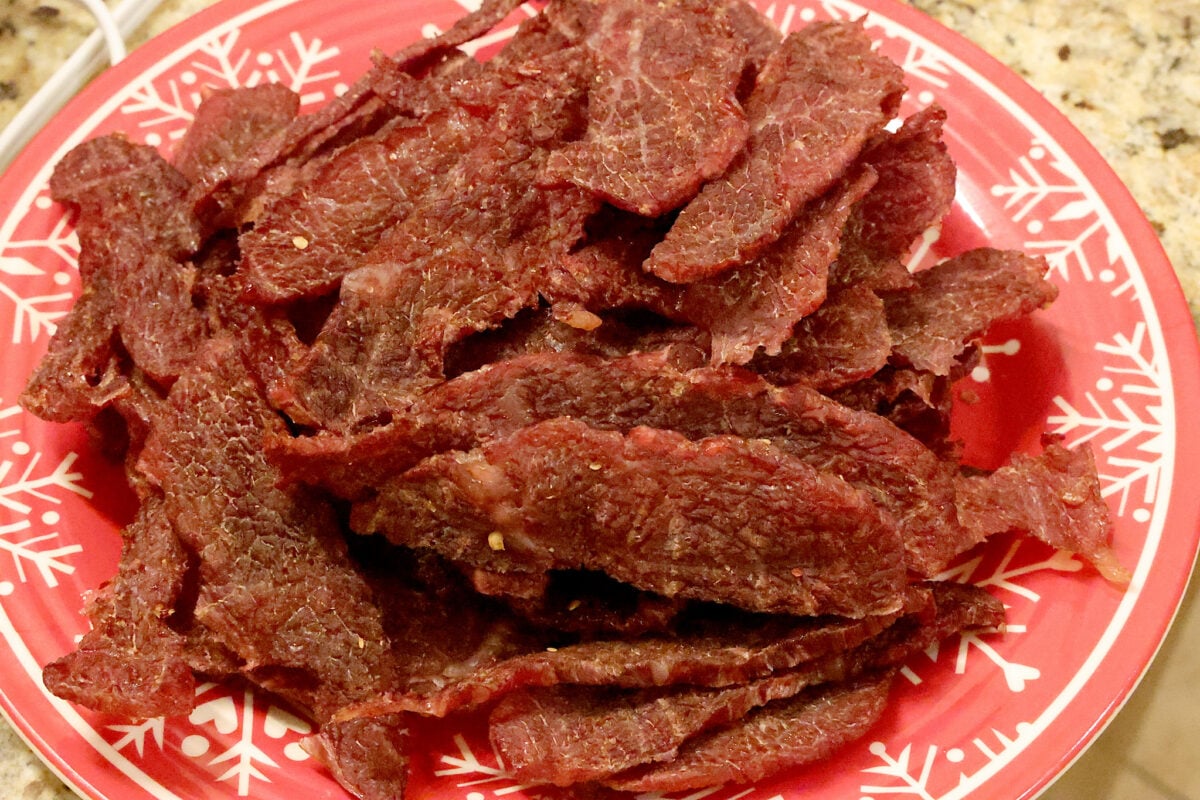
Real cowboys probably never ate anything like the stuff that came in those vacuum-sealed packages, but that didn’t matter when you were crossing Montana and needed something that felt appropriately rugged. This was protein with an attitude—salty, chewy, requiring actual jaw work to get through a single piece, which made it perfect for passengers who needed something to occupy them for more than thirty seconds.
The flavors ranged from “original” (meaning salt and more salt) to “teriyaki” (meaning salt with a whisper of something vaguely Asian), but the appeal was never really about variety. It was about having something that felt substantial, something that said you were serious about this journey and wouldn’t be satisfied with mere candy.
Even if half the package usually ended up wedged between car seats, forgotten until someone found it months later during a thorough cleaning.
Hostess Fruit Pies
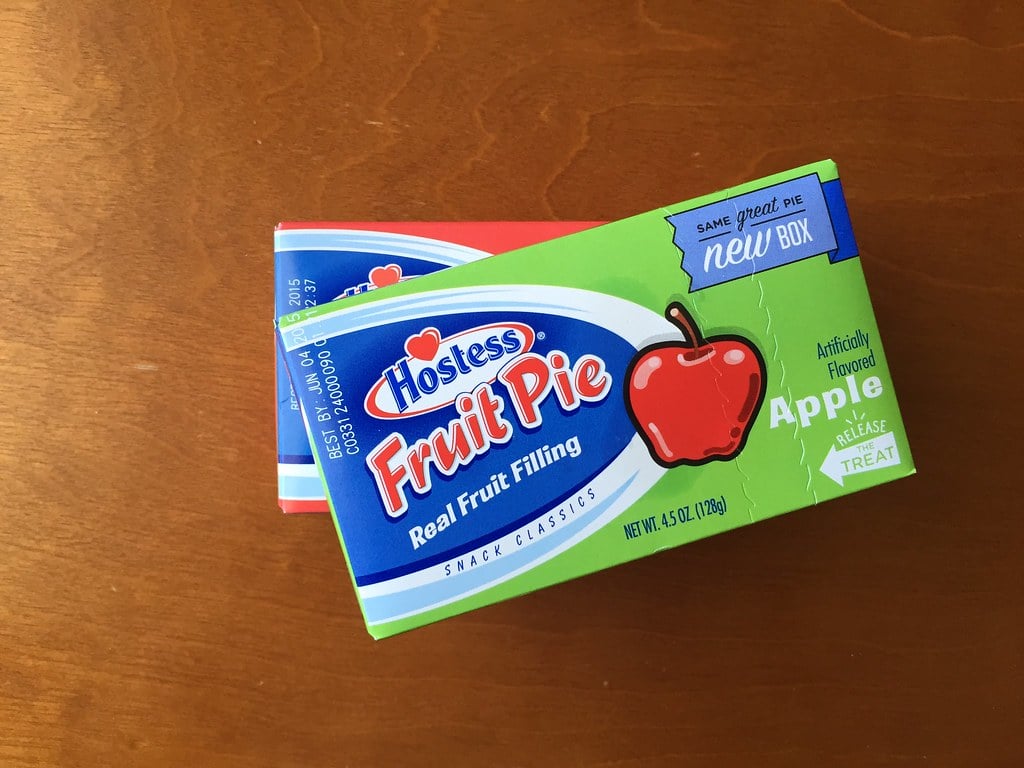
These were ambitions wrapped in pastry—the promise of actual pie, scaled down to fit in a car’s cup holder and engineered to survive whatever abuse a road trip could deliver. The apple ones were dependable, the cherry ones were bold, but the chocolate ones represented pure decadence: breakfast pastry rules suspended in favor of dessert masquerading as a legitimate meal substitute.
The filling was molten lava that somehow managed to be both scorching hot and strangely cool at the same time, depending on which bite you took. The crust was sweet enough to qualify as candy, sturdy enough to contain whatever was happening inside.
They weren’t pies in any traditional sense, but they were something better: road trip pies, designed for maximum satisfaction with minimal cleanup.
Trail Mix
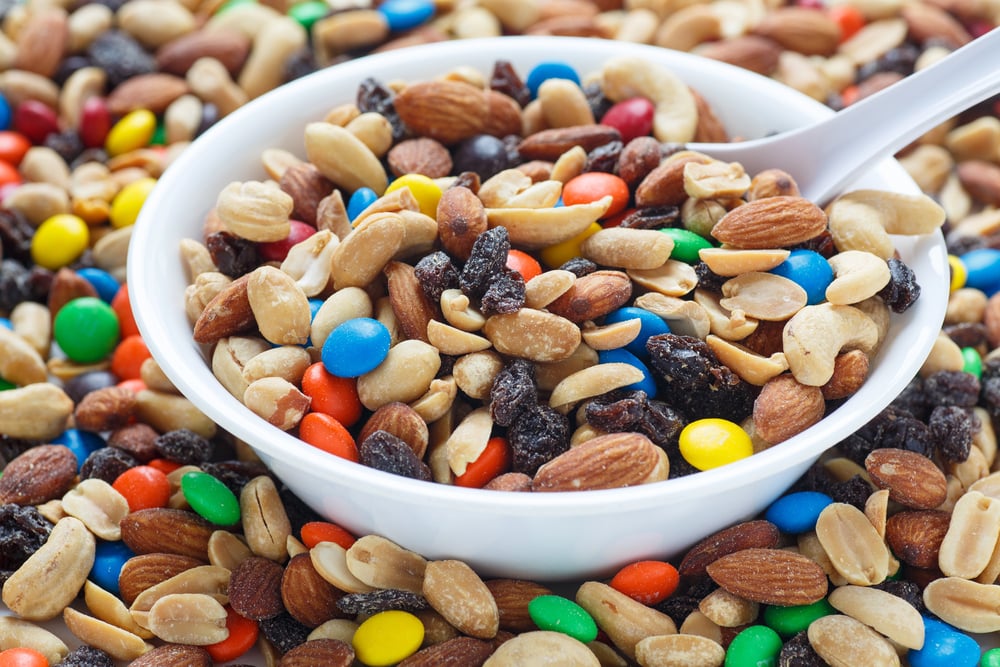
Real hikers probably assembled their own mix from bulk bins, carefully balancing nuts and dried fruit according to nutritional science and personal preference, but road trippers grabbed the pre-made bags and trusted that someone else had figured out the optimal ratio of peanuts to raisins to M&Ms (because the chocolate pieces were always M&Ms, even when the package called them “chocolate candies”).
The beauty was in the randomness—each handful delivered a different combination, keeping things interesting across hundreds of miles. Sometimes you’d get mostly nuts, sometimes mostly raisins, and occasionally you’d hit the jackpot and get a handful that was primarily chocolate. It felt healthy enough to justify eating it for breakfast, substantial enough to count as lunch, and sweet enough to satisfy dessert cravings.
Cracker Jack
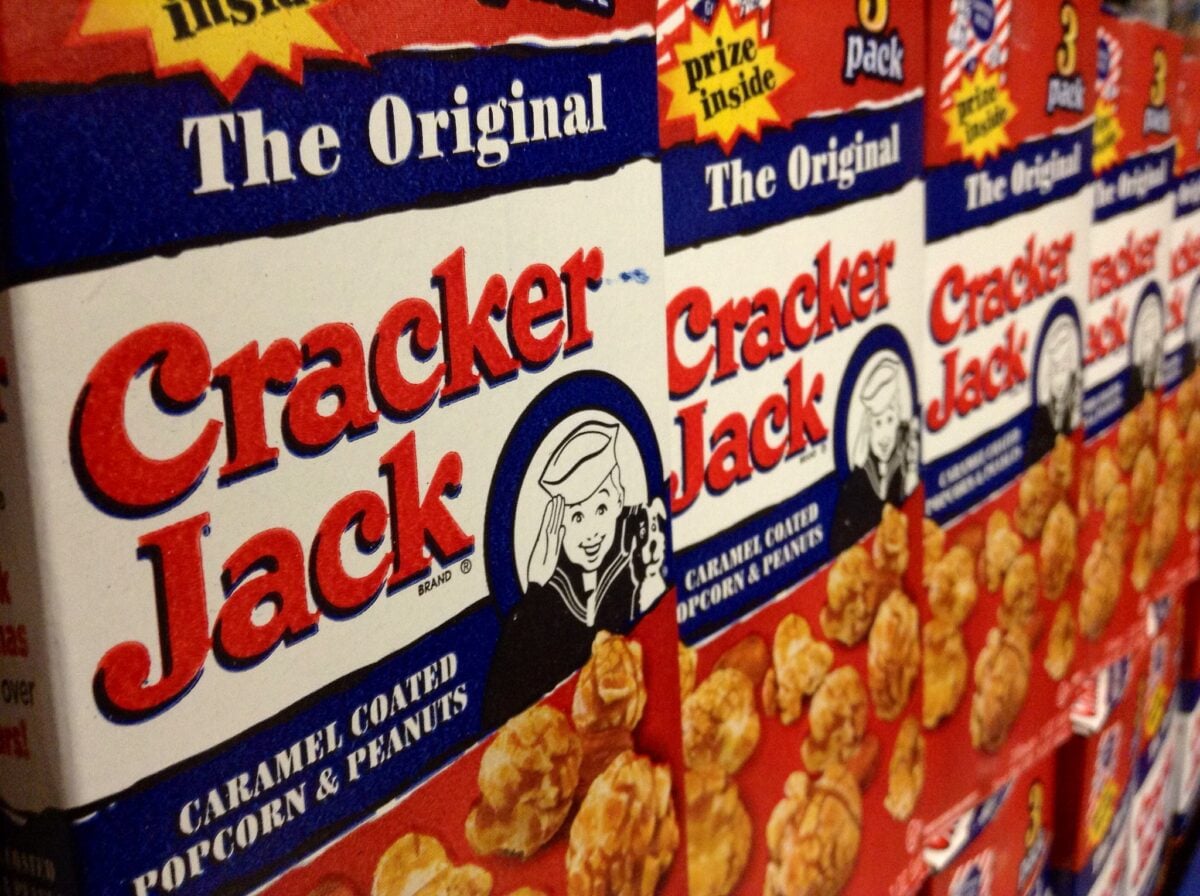
The baseball connection was real, but Cracker Jack transcended sports to become the thinking person’s road trip snack. You got caramel corn, you got peanuts, and you got a prize—three forms of entertainment in one box, which represented incredible value when you were facing eight hours in a moving vehicle with limited options for amusement.
The prizes were magnificent in their cheapness: tiny plastic toys, temporary tattoos, stickers that would lose their adhesive within hours. None of that mattered.
What mattered was the anticipation of digging through sticky kernels to find whatever surprise waited at the bottom, the brief moment of discovery that could make a long stretch of interstate feel less monotonous.
Slim Jims
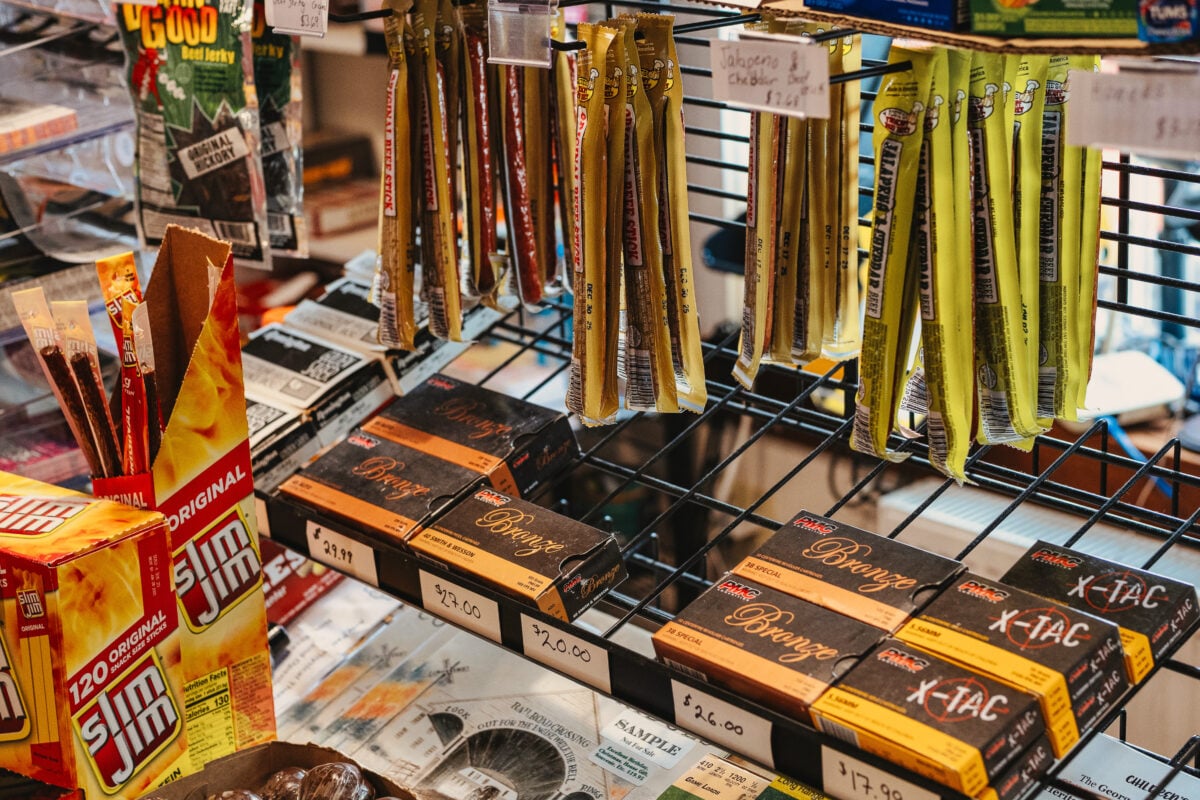
“Snap into a Slim Jim” wasn’t just advertising—it was instruction, philosophy, and promise all rolled into one. These weren’t food in any traditional sense; they were concentrated meat experience, designed for maximum flavor impact with minimal nutritional pretense.
The snap was real, the spice was aggressive, and the satisfaction was immediate. They were perfect road trip food because they demanded nothing from you except the willingness to embrace something that tasted like it had been engineered in a laboratory by people who understood that sometimes you don’t want subtlety—you want salt and spice and the kind of protein that makes you feel like you could drive straight through the night if necessary.
Plus, they came in packages that fit perfectly in a car’s door pocket.
Corn Nuts
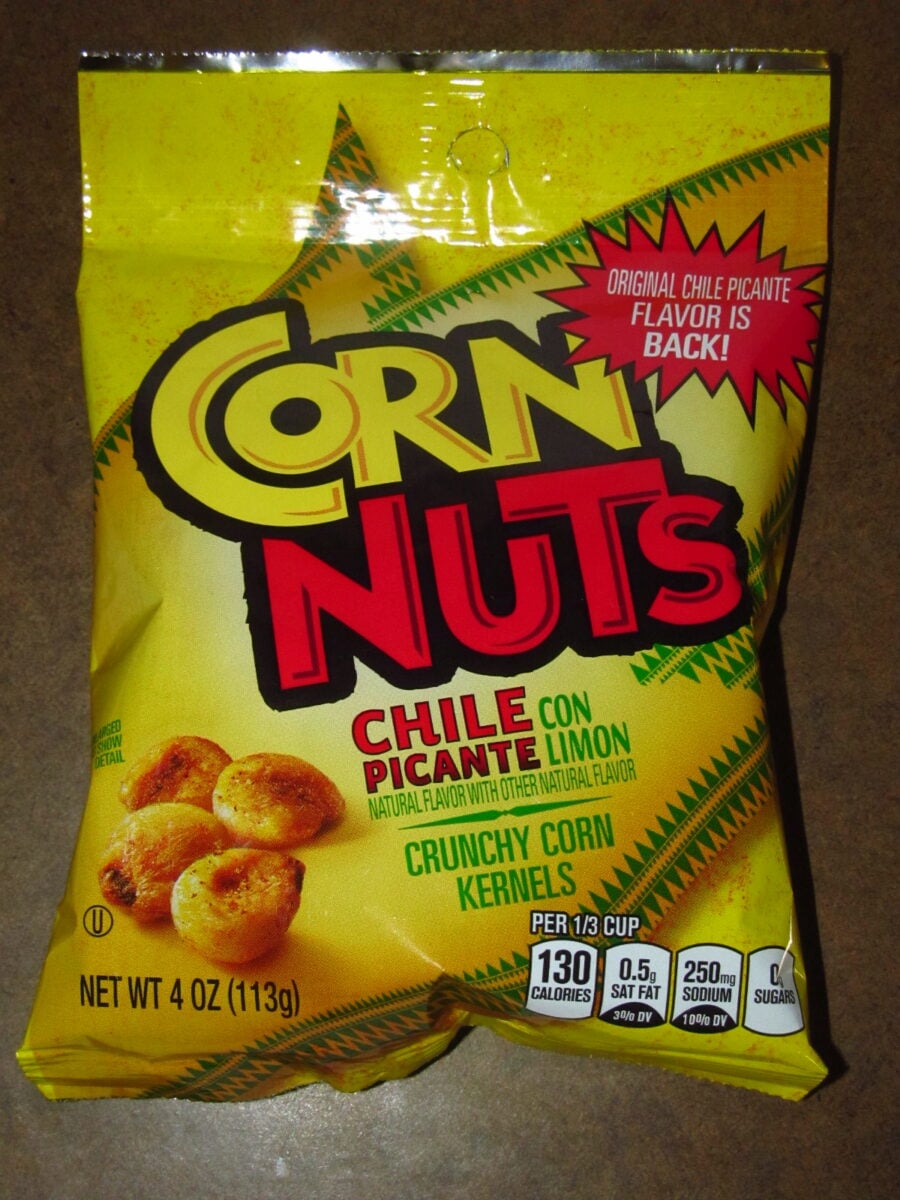
These crunchy kernels represented a fundamental misunderstanding of what corn was supposed to be, and that misunderstanding was absolutely brilliant. Someone had taken innocent corn and transformed it into something that could break teeth if you weren’t careful—crunchy beyond reason, salty beyond belief, and completely addictive in a way that regular corn had never managed to achieve.
The barbecue flavor was the road trip champion, but the original held its own through sheer audacity. They were loud snacks—every bite announced itself to everyone else in the car, making them perfect for passengers who wanted to share their snacking experience whether others wanted to participate or not.
And they lasted forever, which was crucial when you were still 200 miles from your next planned stop.
Sno Orbs
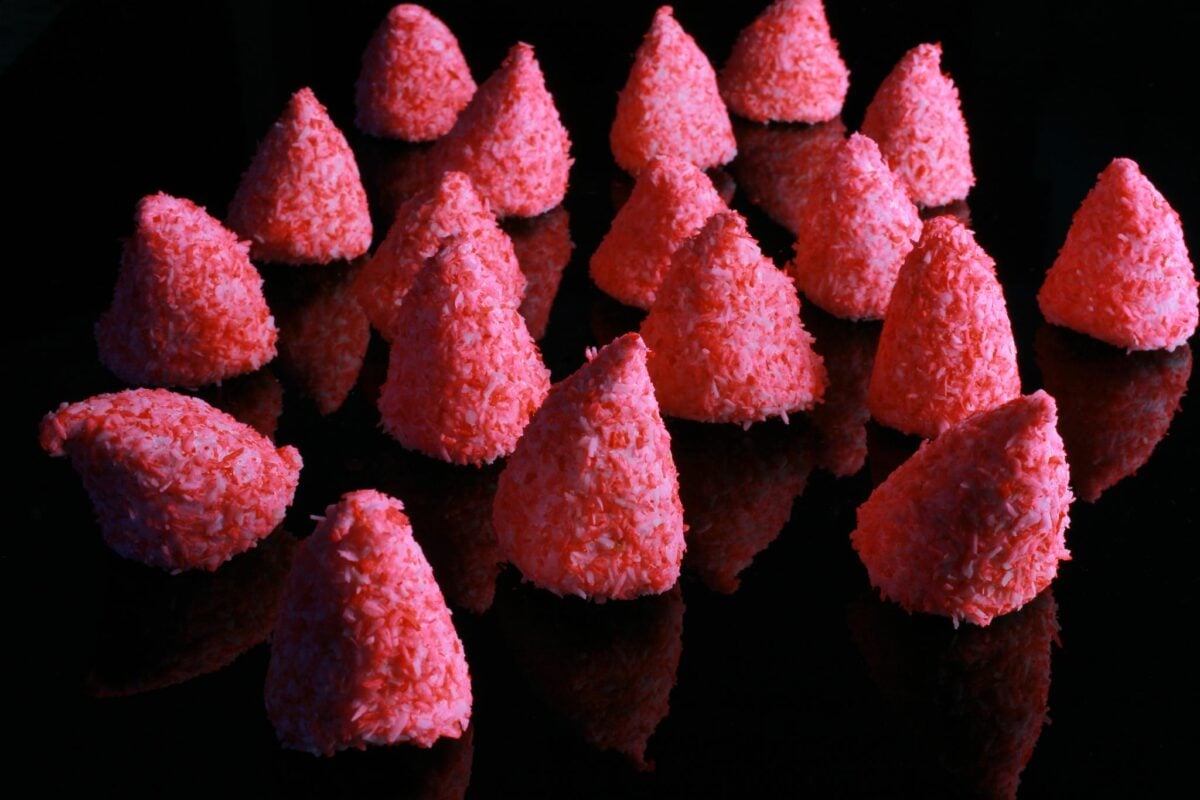
Pink coconut and marshmallow shouldn’t have worked as a combination, but somehow it did—at least in the context of a 1980s road trip, where normal food rules were suspended in favor of whatever could survive three days in a hot car and still taste like a celebration. These were Hostess at their most ambitious: regular cupcakes weren’t enough, so they covered them in marshmallow, then rolled the whole thing in coconut that had been dyed colors that existed nowhere in nature.
The pink ones were classic, but the white ones had their devoted followers, and occasionally you’d find seasonal colors that felt like discovering treasure. They were messy snacks that left evidence on your fingers and clothes, marking you as someone who had made a choice to embrace chaos in edible form.
Fritos
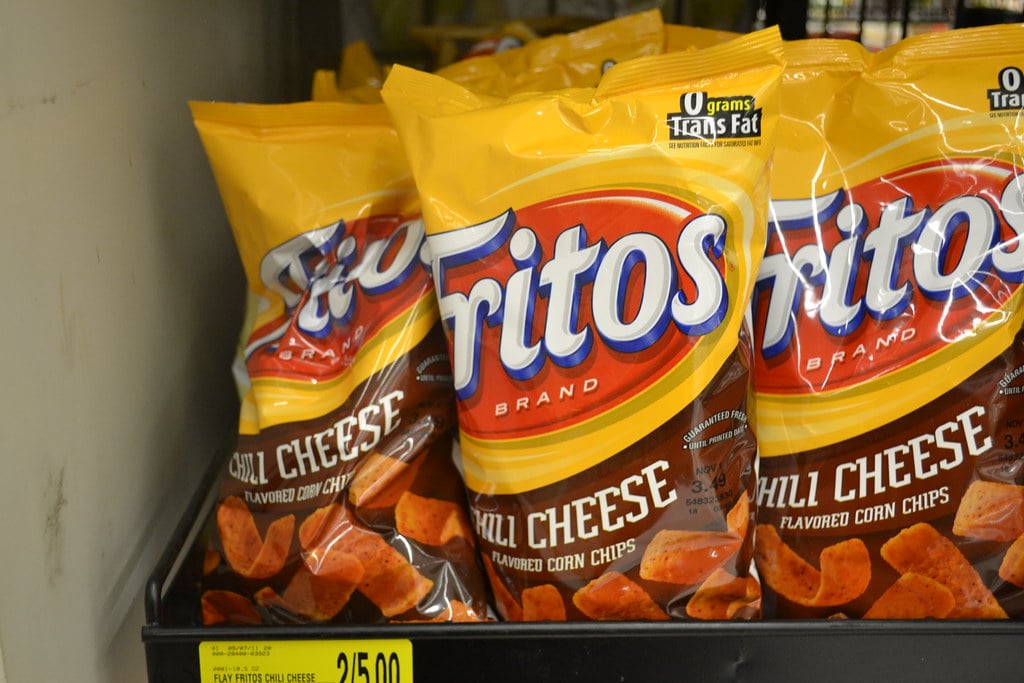
Sometimes road trip hunger called for something that tasted like it had been extracted directly from the American heartland, and Fritos delivered that corn chip authenticity without apology. These weren’t fancy snacks—they were three ingredients (corn, salt, oil) transformed into something that could satisfy highway cravings for hours at a time.
The original Fritos were perfect on their own, but the Chili Cheese variety represented evolution in action: taking something that already worked and pushing it into territory that was probably unnecessary but undeniably delicious. Either way, you were committing to fingers that would taste like corn and salt for the rest of the day, which felt appropriate when you were crossing states that grew more corn than some countries.
Charleston Chew
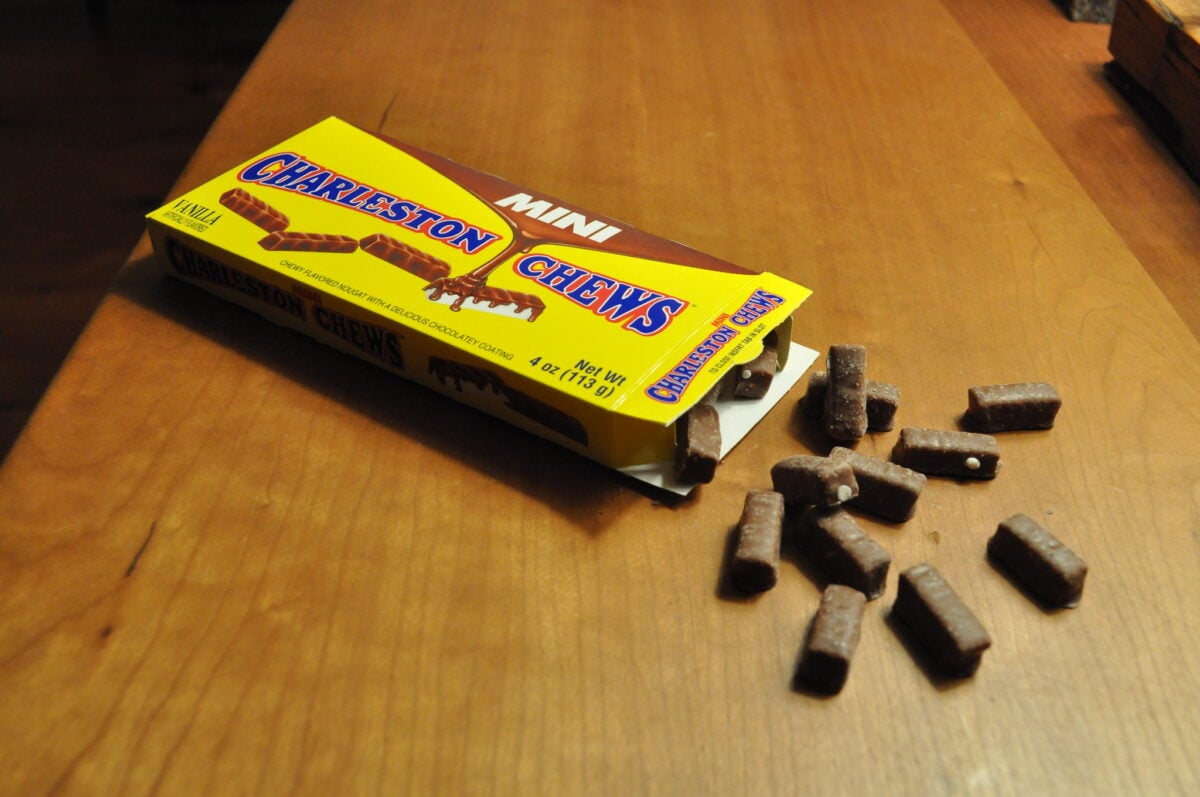
Candy that required strategy represented the ultimate road trip snack: something that would keep you occupied for miles while delivering sweetness in carefully measured doses. Charleston Chews were chocolate-flavored nougat that could either be chewed (if you had patience and strong jaw muscles) or frozen (if you had planned ahead and packed them in the cooler), creating two completely different snack experiences from the same basic product.
The vanilla ones were milder, the strawberry ones were an acquired taste, but the chocolate ones hit that perfect sweet spot between candy bar and chewing exercise. They were portion control built into the snack itself—you couldn’t eat them quickly, which meant they lasted longer and provided more entertainment value per dollar than almost anything else in the gas station candy aisle.
The Sweet Spot of Memory
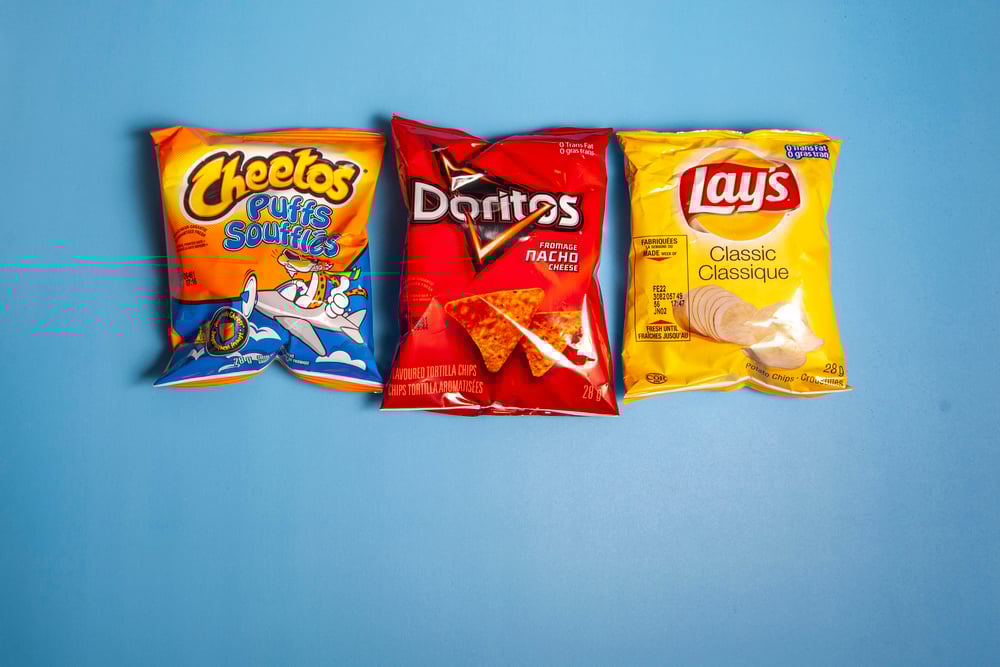
Looking back, those road trip snacks weren’t really about nutrition or even flavor—they were about marking time and making moments. Each crinkly wrapper held the promise that this mile would be different from the last one, that this stretch of highway might be the one where something interesting finally happened.
They were edible optimism, packaged convenience, and the taste of American wanderlust all rolled into products that cost less than a dollar and delivered memories worth far more.
More from Go2Tutors!

- The Romanov Crown Jewels and Their Tragic Fate
- 13 Historical Mysteries That Science Still Can’t Solve
- Famous Hoaxes That Fooled the World for Years
- 15 Child Stars with Tragic Adult Lives
- 16 Famous Jewelry Pieces in History
Like Go2Tutors’s content? Follow us on MSN.