Most Expensive Teas You Can Buy
Tea can cost more than gold by weight. That statement sounds absurd until you start looking at what certain rare leaves actually sell for.
While most people grab a box of tea bags at the grocery store for a few dollars, collectors and enthusiasts spend thousands—sometimes tens of thousands—on a single batch of leaves. The reasons vary.
Sometimes it’s age, sometimes location, sometimes just scarcity. But the result stays the same: these teas command prices that make luxury watches look affordable.
Da Hong Pao from the Original Trees
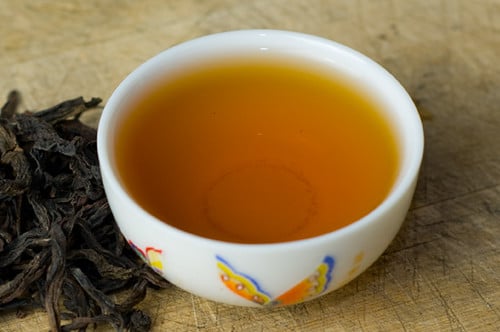
The original Da Hong Pao bushes grow on a cliff in the Wuyi Mountains. Only six trees exist, and they’re now protected by the Chinese government.
No one can harvest them anymore. The last auction of authentic leaves from these trees happened in 2005.
Twenty grams sold for around $28,000. That works out to about $1,400 per gram, which puts it at roughly $1.2 million per kilogram.
The buyer was a wealthy collector who treated those leaves like fine art. And in a way, that’s exactly what they were.
Modern Da Hong Pao comes from cuttings of the original trees. These versions still sell for hundreds of dollars per pound.
Good, but not quite the same as the real thing.
Vintage Pu-erh from Pre-Revolutionary China
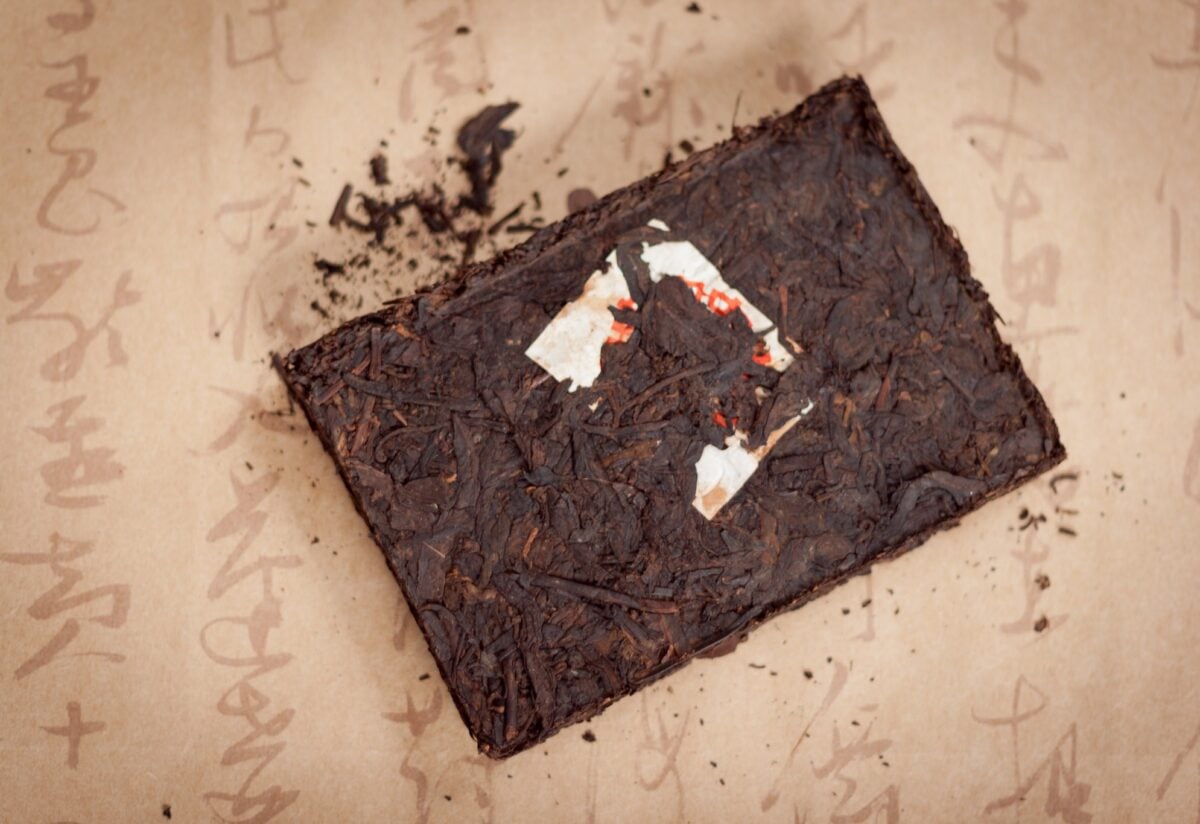
Pu-erh tea ages like wine. The older it gets, the more complex the flavor becomes. Vintage cakes from before the Chinese Revolution can sell for over $150,000 per cake.
That’s not a typo. These teas date back to the 1950s or earlier.
They survived wars, political upheaval, and decades of neglect before collectors rediscovered them. The flavor profile develops notes you don’t find in younger teas—earth, wood, sometimes hints of camphor or dried fruit.
Authentication matters enormously with vintage pu-erh. Fakes flood the market.
Serious buyers need experts to verify age and origin before spending that kind of money. The wrong stamp or storage condition can drop the value by 90%.
Gyokuro from Specific Japanese Estates
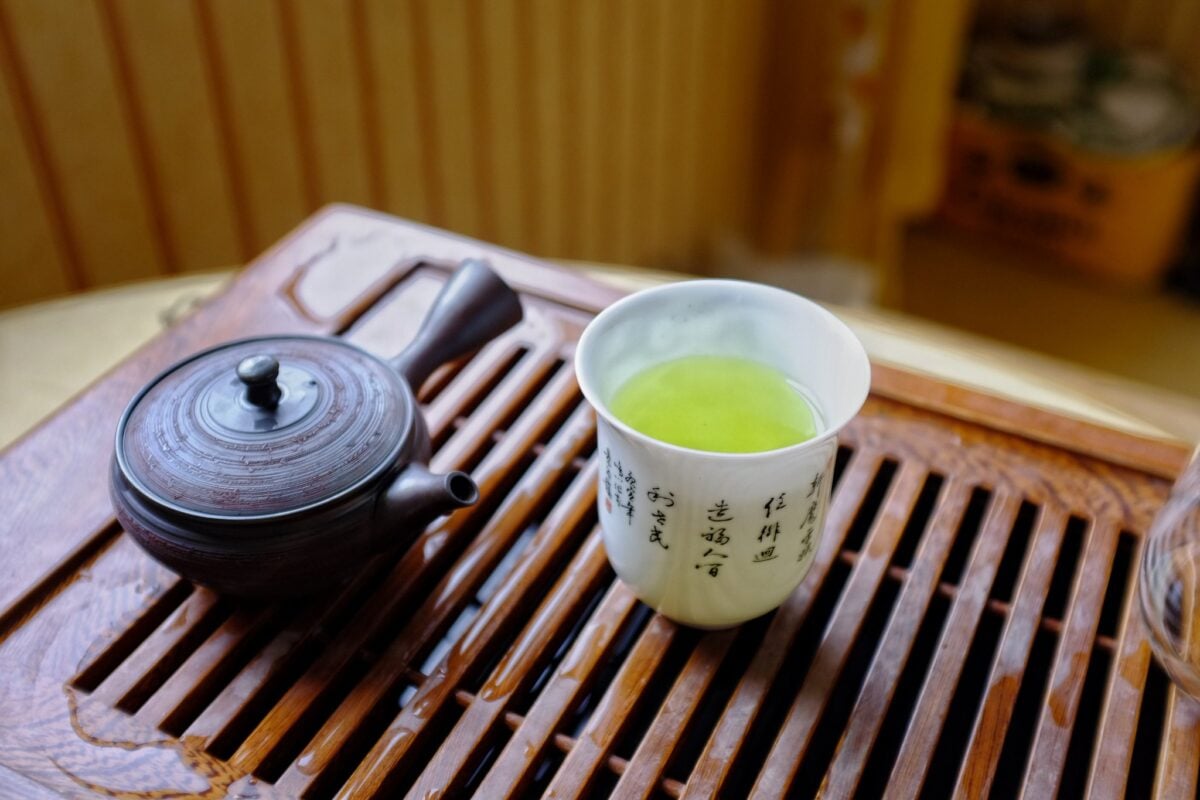
Japan produces some of the world’s most refined teas. Gyokuro sits at the top of that hierarchy.
The best versions come from small, family-run estates that have perfected their methods over generations. Premium Gyokuro can cost $200 to $600 per 100 grams.
The leaves grow under shade for three weeks before harvest. This process forces the plant to produce more chlorophyll and amino acids, creating that distinctive sweet, umami flavor.
The most expensive Gyokuro often comes from Uji, near Kyoto. Some estates there have been making tea for over 400 years.
You’re not just paying for leaves. You’re paying for history and technique that can’t be replicated elsewhere.
Silver Tips Imperial from Makaibari Estate

This Indian white tea comes from Darjeeling, but it’s nothing like the black Darjeeling most people know. Silver Tips Imperial uses only the unopened buds, picked during a full moon in spring. Yes, really.
A kilogram of this tea has sold for over $1,800 at auction. The estate claims the lunar cycle affects the flavor profile.
Skeptics exist, but the tea sells regardless. The buds are covered in fine silver hairs, giving them a distinctive appearance.
The resulting brew tastes delicate, slightly sweet, with floral notes that develop over multiple steepings. Production stays extremely limited.
The estate can only harvest during specific conditions, which means waiting for weather, moon phase, and plant readiness to align. Some years produce better batches than others.
Tieguanyin from Competition-Grade Harvests

Tieguanyin is a popular oolong. You can buy decent versions for $20 per pound.
But competition-grade Tieguanyin—the stuff that wins national tea contests in China—sells for $3,000 per kilogram and up. These leaves come from old-growth bushes in Anxi County.
The processing involves multiple rounds of rolling, oxidizing, and roasting. Master tea makers spend decades perfecting their technique.
A slight variation in timing or temperature can ruin an entire batch. The taste difference between regular and competition-grade Tieguanyin is enormous.
The premium versions have a creamy, floral complexity that cheap versions can’t touch. But you need to know what you’re doing to appreciate it.
Otherwise, you’re just burning money.
Panda Dung Tea

This one sounds like a joke, but it’s real. A Chinese entrepreneur named An Yanshi fertilizes tea plants with panda dung.
He claims the pandas’ bamboo-heavy diet creates nutrient-rich fertilizer that produces superior tea. The result sells for about $70,000 per kilogram.
Whether the panda connection actually improves the tea remains debatable. Blind taste tests haven’t shown significant differences.
But the marketing works. People pay the premium because of the story and the novelty.
And treats it like a luxury brand. Limited production, elaborate packaging, celebrity endorsements.
The tea itself tastes fine—like a decent green tea. But the price has little to do with flavor and everything to do with branding.
Yellow Gold Tea Buds
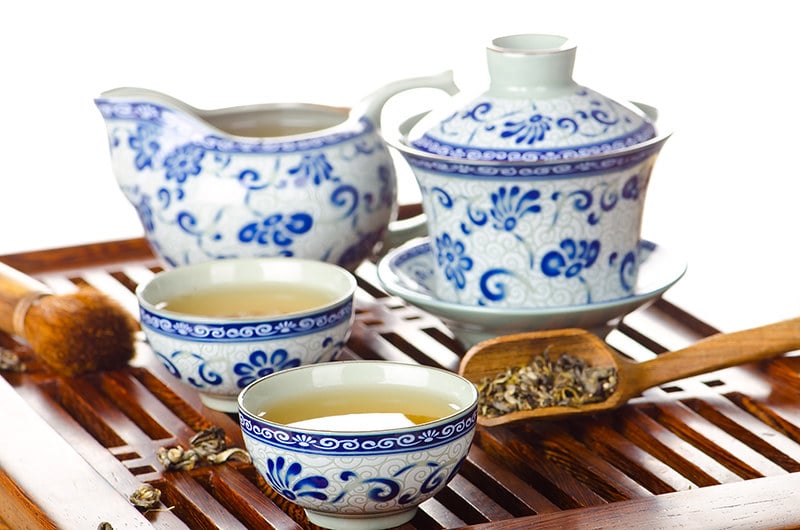
This rare yellow tea comes from Sichuan Province. The processing technique nearly died out during the Cultural Revolution.
Only a few tea masters still know how to make it properly. Yellow tea undergoes a step called “sealing yellow,” where the damp leaves are wrapped and allowed to oxidize slowly in their own heat.
The process creates a mellow, slightly sweet flavor with less astringency than green tea. Premium versions sell for $3,000 per kilogram.
The best batches come from wild-growing bushes at high altitude. These plants grow slowly, producing more concentrated flavors.
Harvesters pick only the top buds, and only on specific days in spring. One wrong move during processing—too much heat, not enough wrapping time—and the whole batch becomes worthless.
First-Flush Darjeeling from Premium Estates
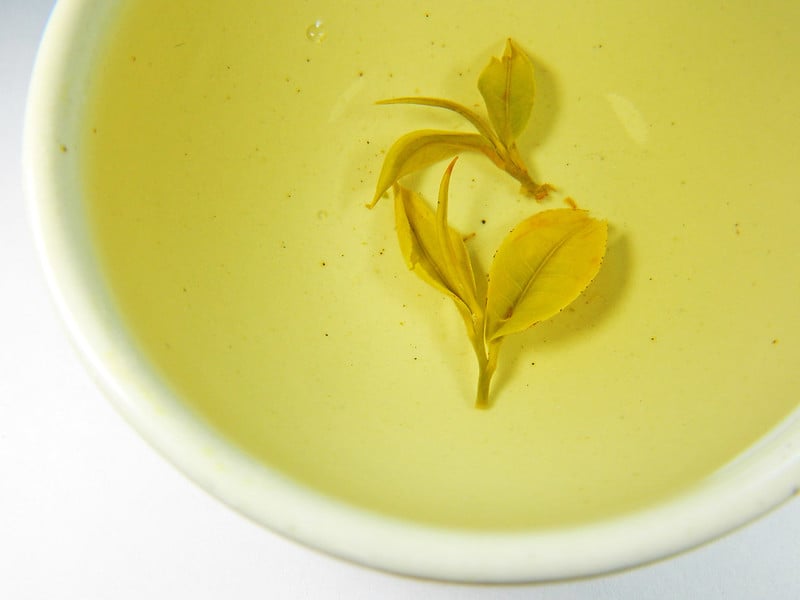
First-flush Darjeeling refers to the spring harvest. These leaves grow after the winter dormancy period, when the bushes are fresh and vigorous.
The resulting tea has a light, floral character that later harvests can’t match. Top estates like Castleton or Margaret’s Hope sell their first-flush teas for $150 to $400 per kilogram.
That doesn’t sound extreme compared to some entries on this list. But remember, these are working tea gardens that produce thousands of kilos per year.
The profit margins add up quickly. Quality varies dramatically even within a single estate.
The first week of harvest produces the best leaves. After that, the flavor profile starts to shift.
Serious buyers track harvest dates down to the day. A few days’ difference can halve the value.
Wild Pu-erh from Ancient Trees
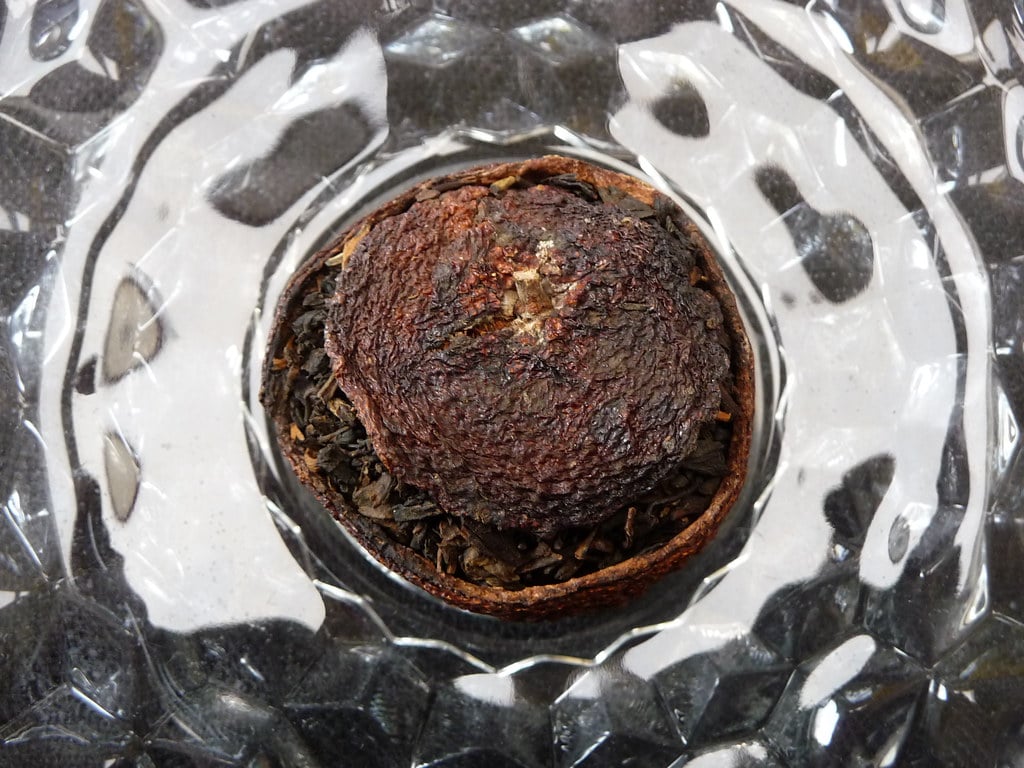
Wild pu-erh comes from trees that grow naturally in forests, not plantations. Some of these trees are over 1,000 years old.
Their root systems run deep, pulling minerals from soil layers that younger plants can’t reach. Premium wild pu-erh sells for $1,000 per kilogram and up.
The flavor profile differs from plantation-grown versions. Wilder, more complex, sometimes almost medicinal.
Not everyone likes it, but collectors prize the authenticity. Harvesting these trees requires hiking into remote forests.
The work is dangerous and time-consuming. Some areas have no roads.
Harvesters camp for weeks at a time, processing leaves on-site before carrying them out. That difficulty drives prices even higher.
Matcha from Ceremonial-Grade Producers
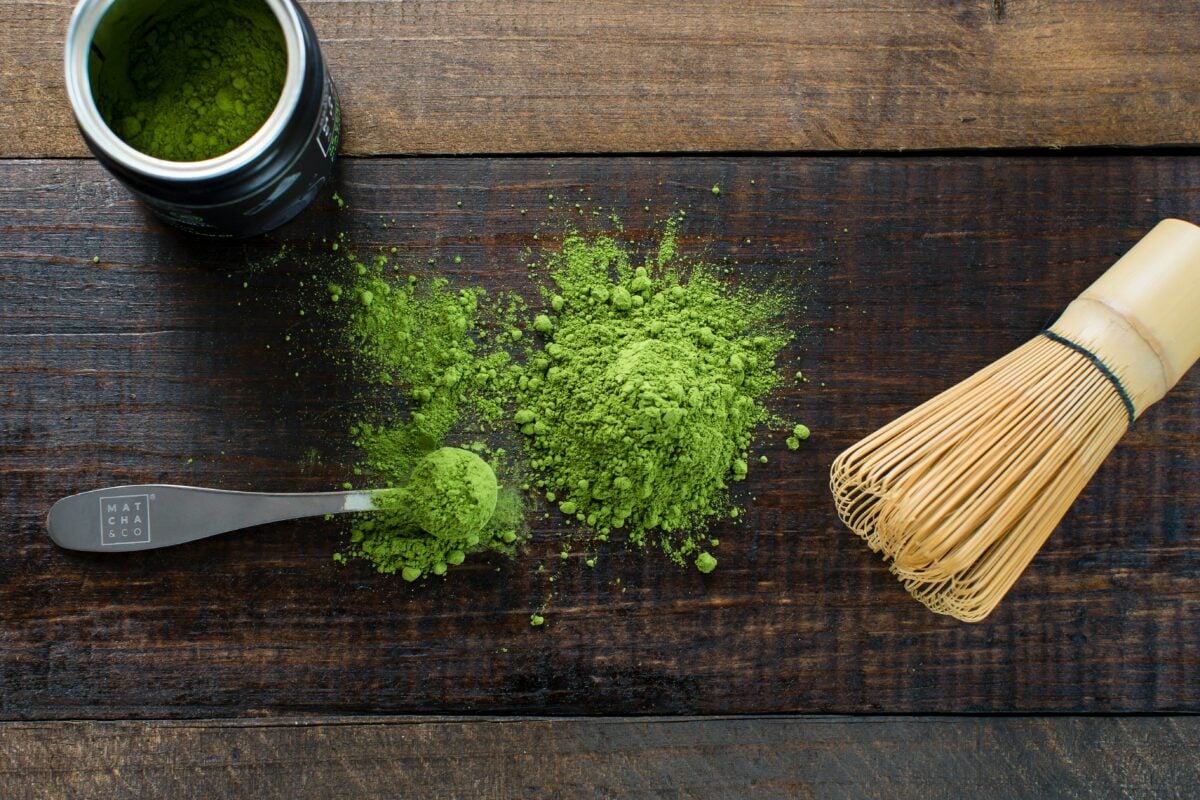
All matcha is green tea ground into powder. But ceremonial-grade matcha—the stuff used in traditional Japanese tea ceremonies—costs $80 to $200 per 100 grams for the best versions.
The difference comes from the leaves used and the grinding process. Ceremonial matcha uses only the youngest, most tender leaves from shaded plants.
Stone mills grind them slowly to avoid heat damage. The result is a vibrant green powder with a smooth, sweet flavor and no bitterness.
Lower grades use older leaves and faster grinding methods. The powder looks duller and tastes harsher.
Side by side, the difference is obvious. But many casual matcha drinkers never realize they’re drinking the cheap stuff.
They assume all matcha tastes bitter because they’ve never tried the real thing.
Phoenix Oolong from Single-Bush Sources
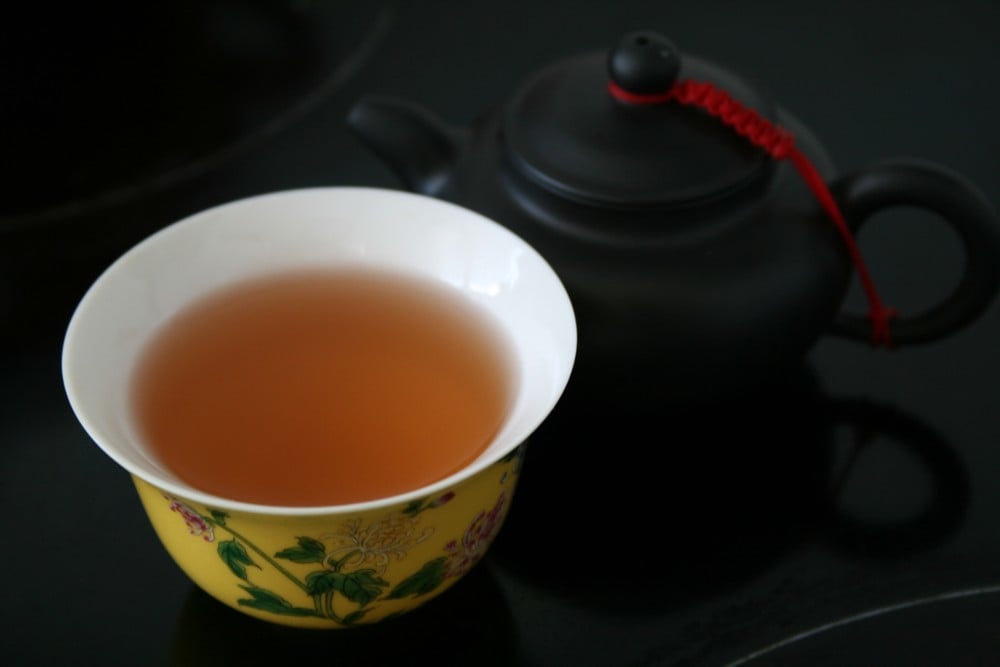
Phoenix Mountain in Guangdong produces some of China’s most prized oolongs. The best versions come from individual bushes, sometimes hundreds of years old.
Each bush has a name and a reputation. Single-bush Phoenix oolong can sell for $1,000 per kilogram.
The flavors vary dramatically depending on the specific tree. Some taste like orchids.
Others like grapefruit or almonds. Tea makers pick and process leaves from each bush separately to preserve these unique characteristics.
Collectors buy based on the bush’s pedigree. Trees with famous histories or distinctive flavors command premiums.
It’s like the tea version of vintage wines from specific vineyards. The location and genetics matter more than the general region.
White Tea from Snow Mountain Regions
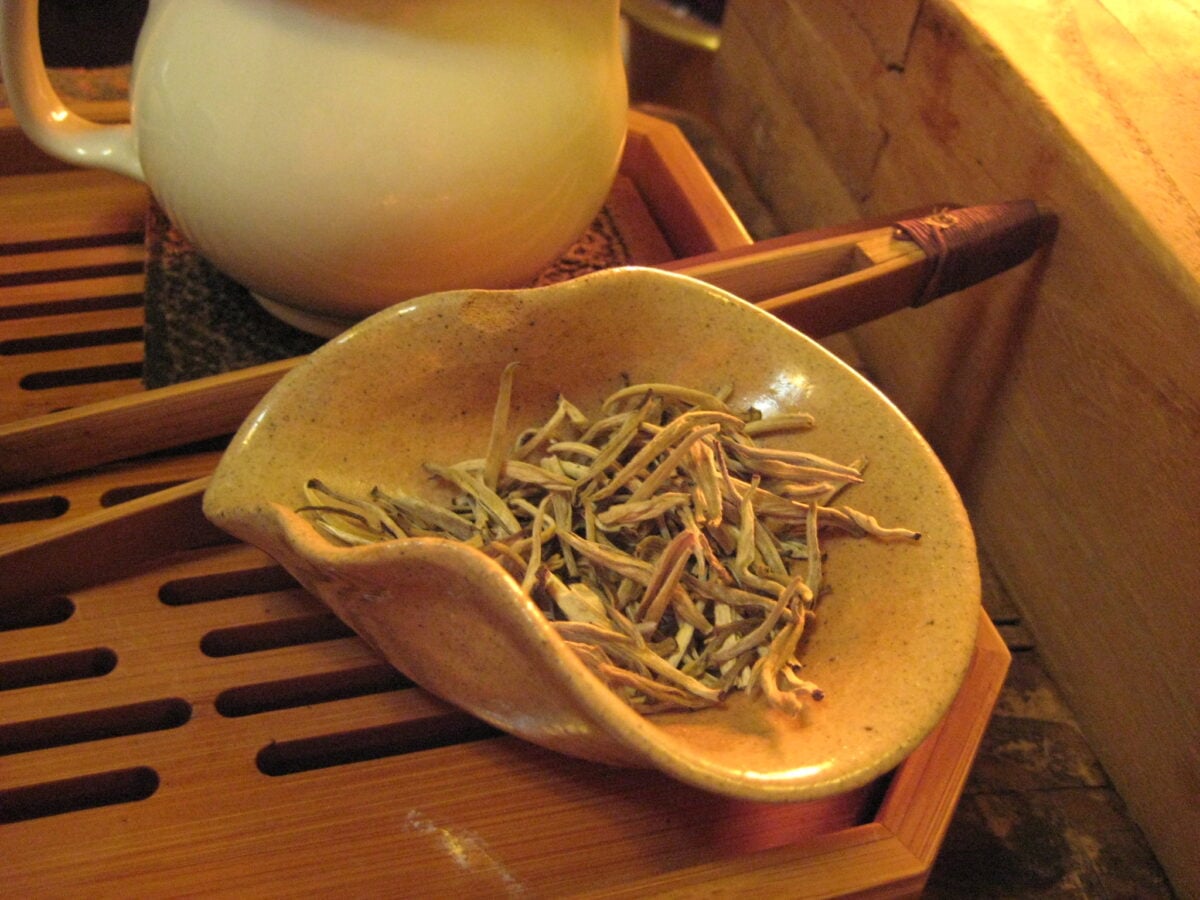
High-altitude white teas grow in harsh conditions. The plants survive frost, intense sunlight, and thin air.
This stress slows growth and concentrates flavors. Premium snow mountain white teas sell for $300 to $800 per kilogram.
The leaves develop a sweetness and depth that lowland versions lack. Some producers claim altitude affects the biochemistry of the plant, though proving that scientifically gets complicated.
These teas age well. Like pu-erh, older white teas become smoother and more complex. Some collectors buy fresh batches and store them for decades.
The gamble is that proper aging will increase the value. Sometimes it works.
Sometimes it just creates expensive, mediocre tea.
Why Anyone Pays These Prices

The psychology behind expensive tea is the same as any luxury good. Part of it is genuine quality.
A competition-grade Tieguanyin really does taste better than supermarket oolong. But past a certain point, you’re paying for scarcity, story, and status.
Some buyers treat expensive tea as an investment. Vintage pu-erh has been appreciated consistently for decades.
A cake purchased for $5,000 ten years ago might sell for $50,000 today. Other buyers simply enjoy the experience of drinking something rare.
And some just want to own something most people can’t access. The market stays opaque. Prices depend on reputation, connections, and negotiation.
There’s no standard pricing. A vendor at a Hong Kong tea market might quote you $10,000 for a cake of vintage pu-erh.
Another vendor across the street offers what looks identical for $3,000. Both might be authentic.
Or neither might be. You’re placing enormous trust in people you barely know.
The Ritual of Value
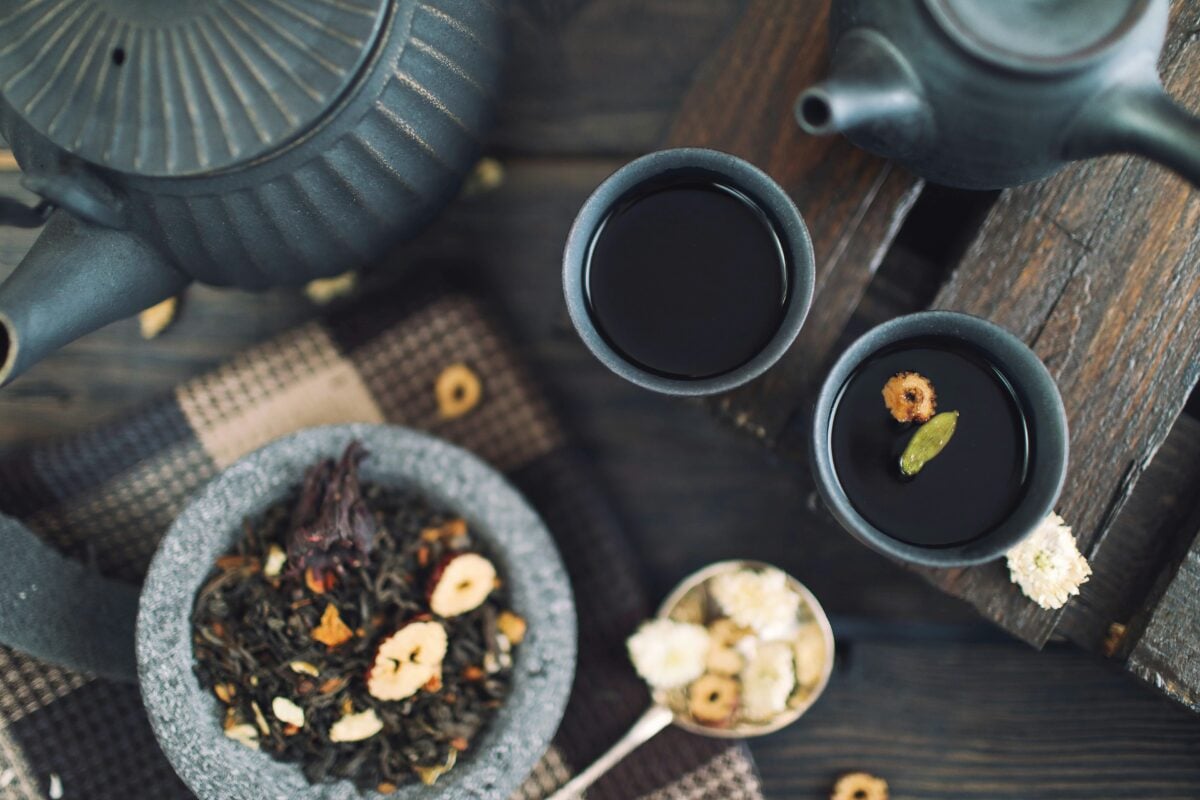
A high cost reshapes your habits. Not something you sip without thought, like a fifty-dollar cup during a show.
Attention arrives naturally. Hues stand out.
Scents fill the moment. Each round of brewing shifts the taste, revealing new layers.
Value pulls focus into the now. Does paying more make mindfulness worth it? That depends on who you ask.
For some, the routine feels calming, meaningful even. Yet others see only showy emptiness.
Each view holds weight somehow. At its core, tea stays unchanged by dollars spent.
Still, how it hits your lips ties to setting, hopes, maybe self-deception too. Expensive tea sits oddly between an everyday item and masterpiece.
Grown in fields, yet shaped by human hands like old tools passed down. Each leaf holds years of practice, moments folded tight inside.
Culture wraps around every sip, impossible to peel away. Taste carries tales, even when silence fills the room.
More from Go2Tutors!

- The Romanov Crown Jewels and Their Tragic Fate
- 13 Historical Mysteries That Science Still Can’t Solve
- Famous Hoaxes That Fooled the World for Years
- 15 Child Stars with Tragic Adult Lives
- 16 Famous Jewelry Pieces in History
Like Go2Tutors’s content? Follow us on MSN.