15 Medal Of Honor Stories to Know
The Medal of Honor stands as America’s highest military decoration, awarded for acts of courage that go beyond the call of duty. These stories aren’t just about battles and bravery in the traditional sense—they’re about people who faced impossible situations and made choices that saved lives, changed outcomes, and inspired generations.
Let’s look at some of the most remarkable stories behind this prestigious award.
Audie Murphy
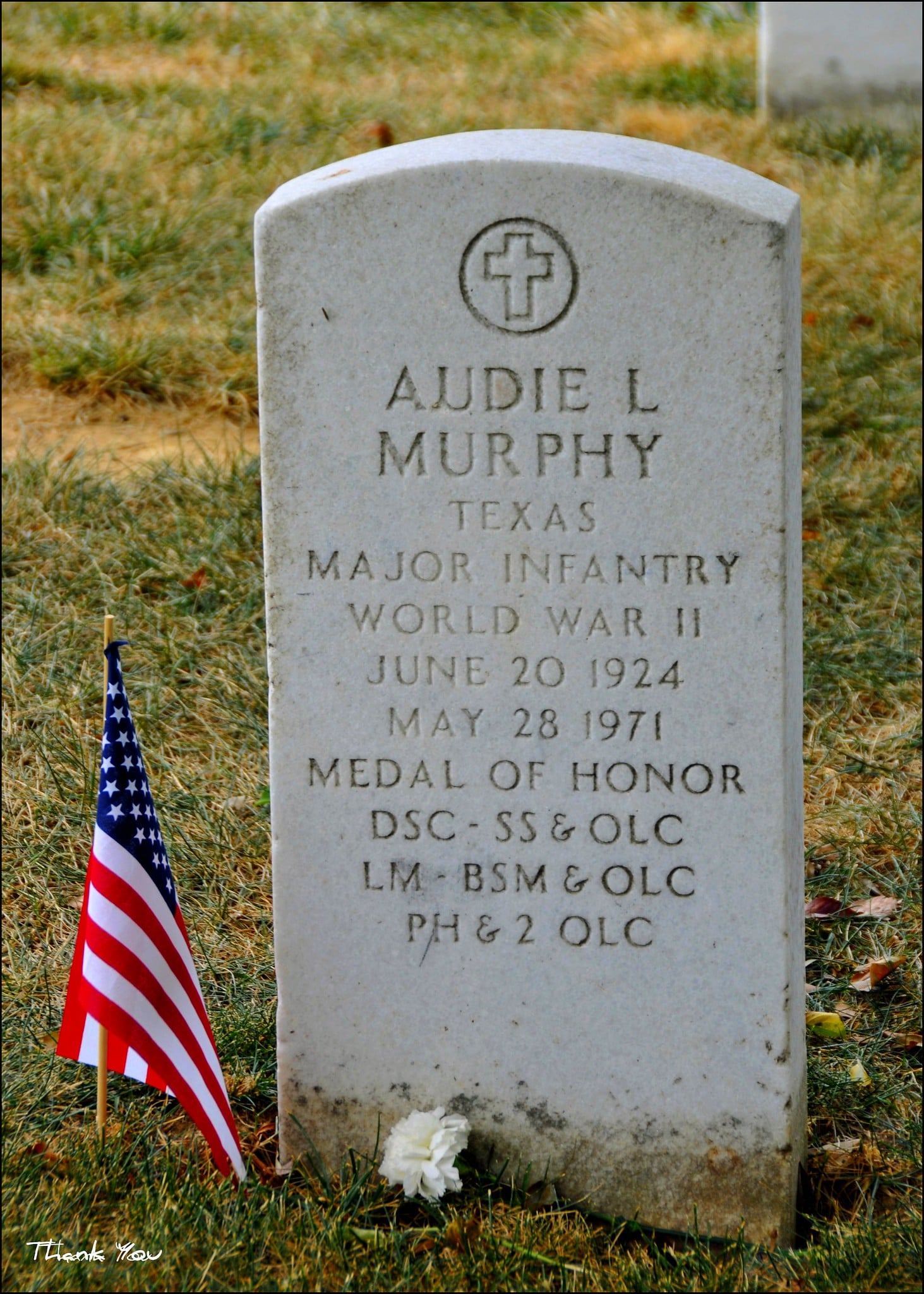
Audie Murphy became one of the most decorated American combat soldiers of World War II, and his story reads like something out of a movie. On January 26, 1945, near Holtzwihr, France, Murphy’s company faced a German attack with six tanks and hundreds of infantry.
With his men falling back, Murphy climbed onto a burning tank destroyer and used its machine gun to hold off the enemy for nearly an hour. He killed or wounded about 50 German soldiers while standing completely exposed on that burning vehicle.
After running out of ammunition, he organized a counterattack that forced the Germans to withdraw.
Desmond Doss
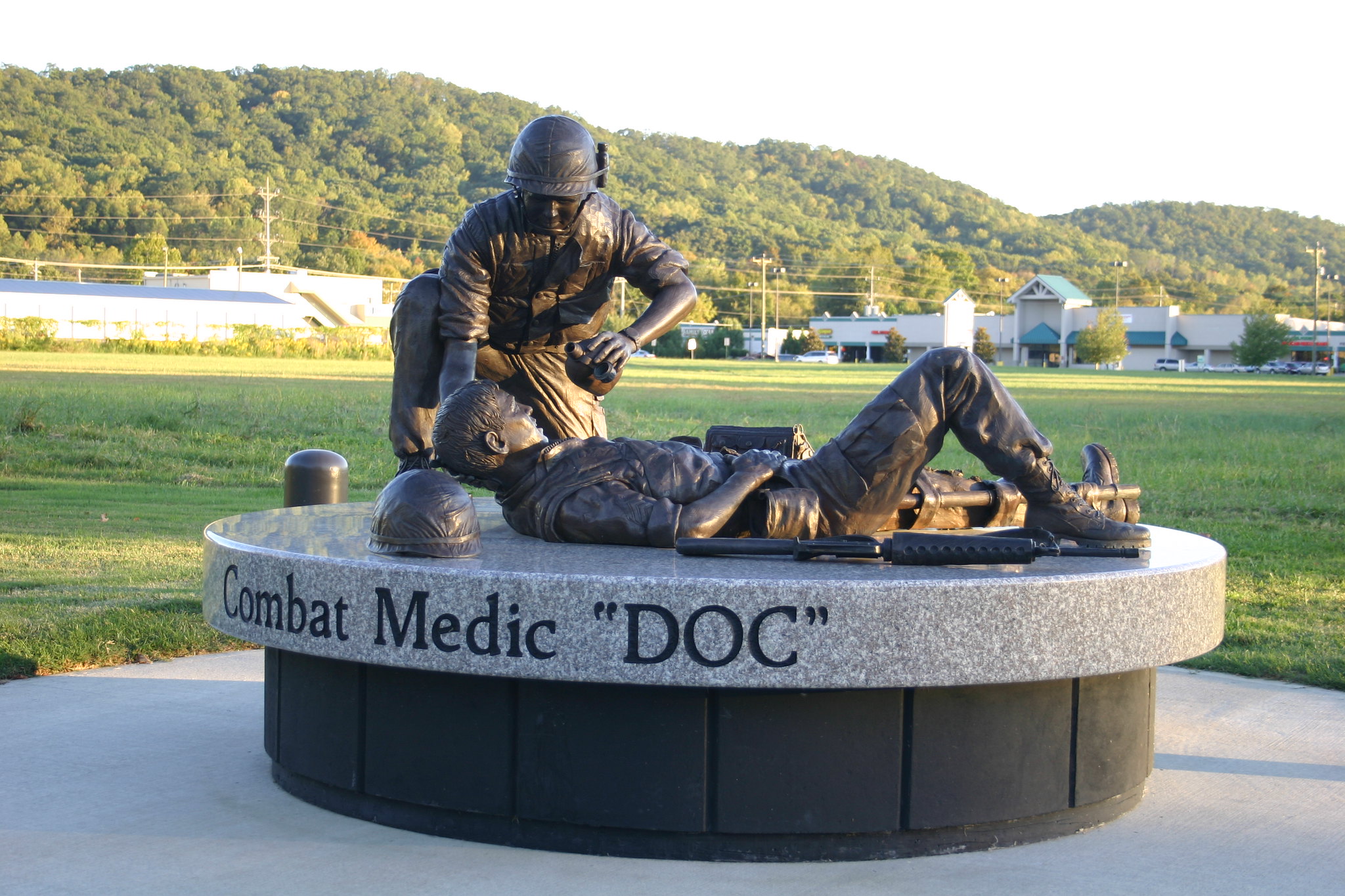
Desmond Doss earned his Medal of Honor without ever firing a weapon, which makes his story unique in military history. As a combat medic and Seventh-day Adventist, Doss refused to carry a gun during World War II because of his religious beliefs.
During the Battle of Okinawa in May 1945, he single-handedly rescued 75 wounded soldiers from the top of a 400-foot cliff called Hacksaw Ridge. Doss lowered each man down the cliff face using a rope sling while under constant enemy fire.
He continued this work while wounded himself, refusing to leave until every injured soldier had been evacuated.
Roy Benavidez
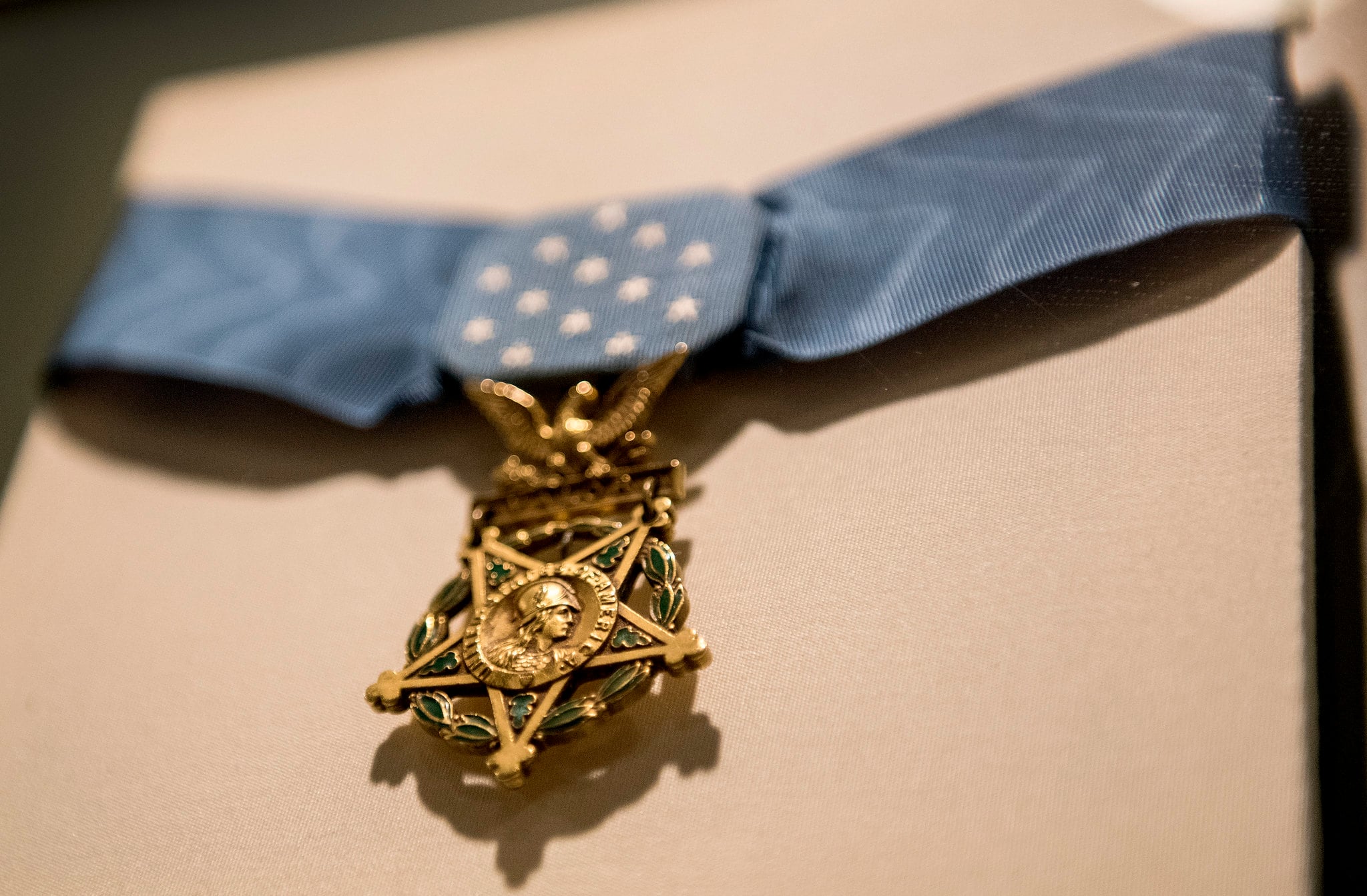
Roy Benavidez’s actions in Vietnam on May 2, 1968, defy belief even when reading the official records. When he heard that a 12-man Special Forces team was surrounded and taking heavy casualties, Benavidez jumped from a helicopter into the combat zone armed only with a knife.
Over the next six hours, he made multiple trips across open ground under heavy fire to drag wounded men to safety. He was shot multiple times, hit by grenade shrapnel, and stabbed with a bayonet.
Despite his injuries, Benavidez refused medical attention until all survivors were evacuated.
Alvin York
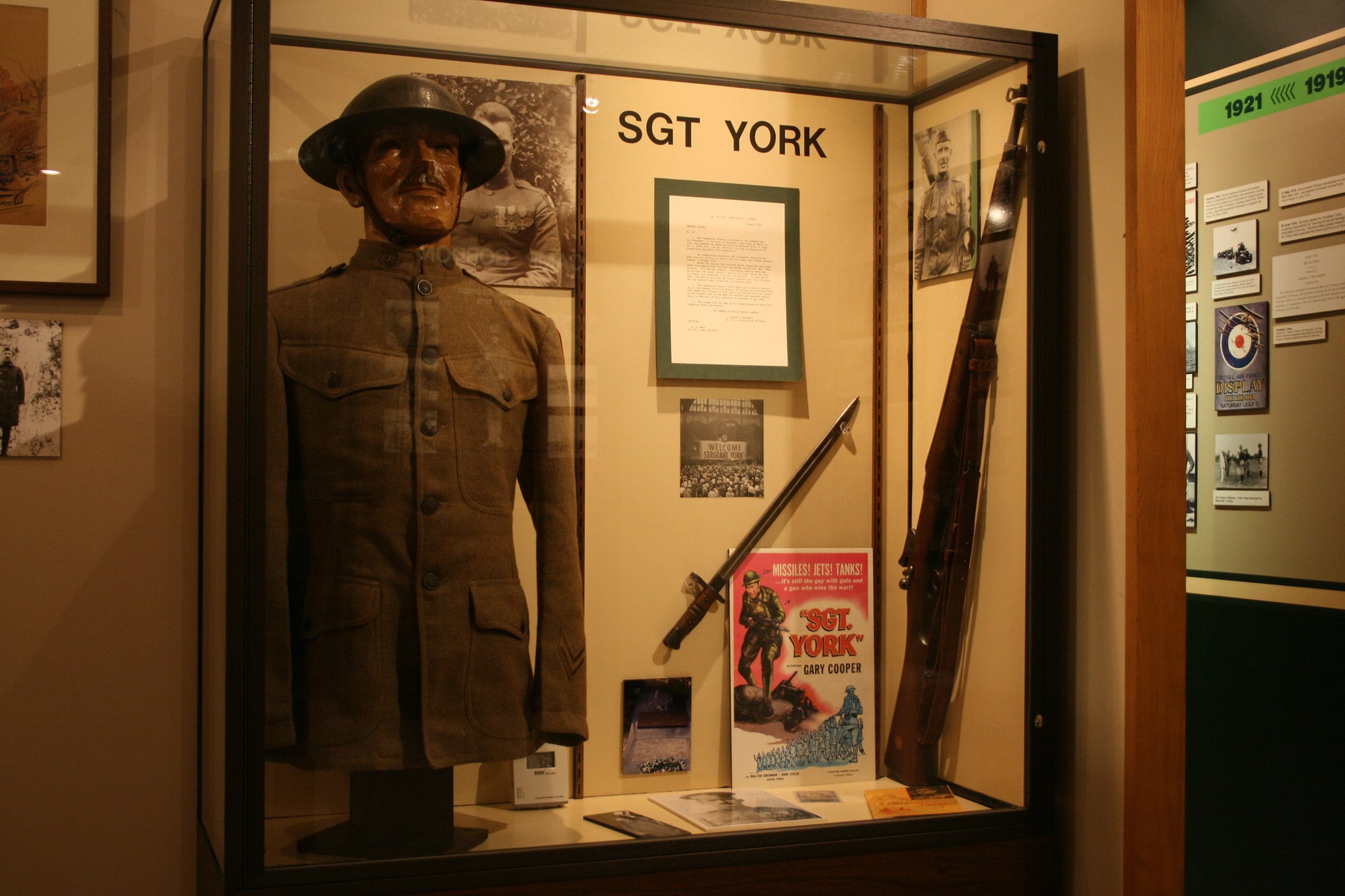
Alvin York’s transformation from a pacifist farmer to war hero captures one of World War I’s most unusual stories. On October 8, 1918, in France’s Argonne Forest, York found himself in charge after German machine guns killed his superior officers.
Using his hunting skills from Tennessee, York systematically took out German machine gun nests while under fire. He captured 132 German soldiers and killed at least 25 enemy troops.
York accomplished this while leading just seven other men, turning what looked like certain defeat into a major victory.
Daniel Inouye
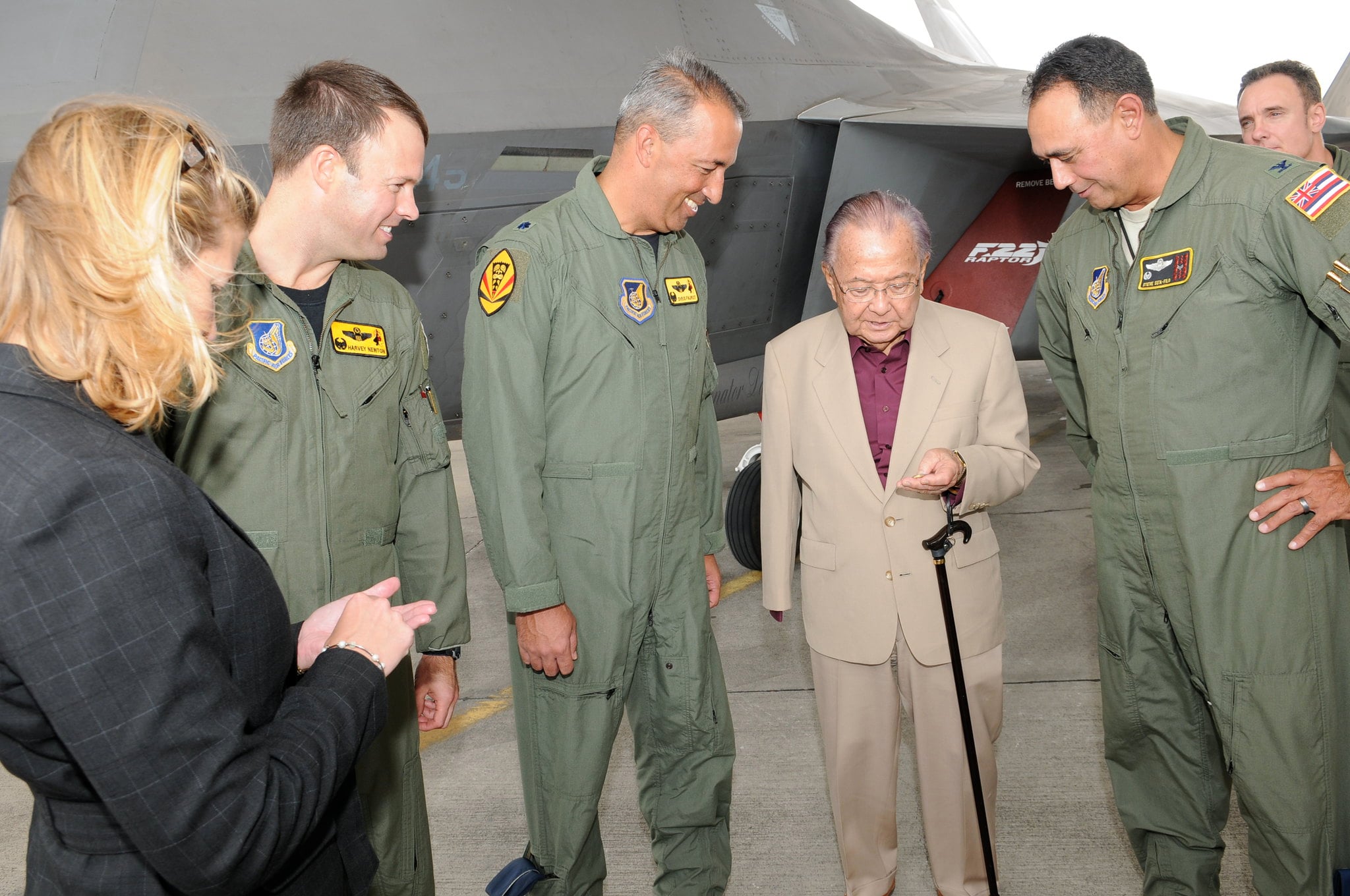
Daniel Inouye fought with the 442nd Regimental Combat Team, a unit composed entirely of Japanese Americans during World War II. On April 21, 1945, in Italy, Inouye led an assault on three German machine gun nests despite being shot in the stomach.
He destroyed the first two bunkers with grenades, then approached the third. A German soldier fired a rifle grenade that shattered his right arm, but Inouye pried the live grenade from his useless hand and threw it into the bunker with his left.
He continued fighting for another hour before finally collapsing from blood loss.
Thomas Custer
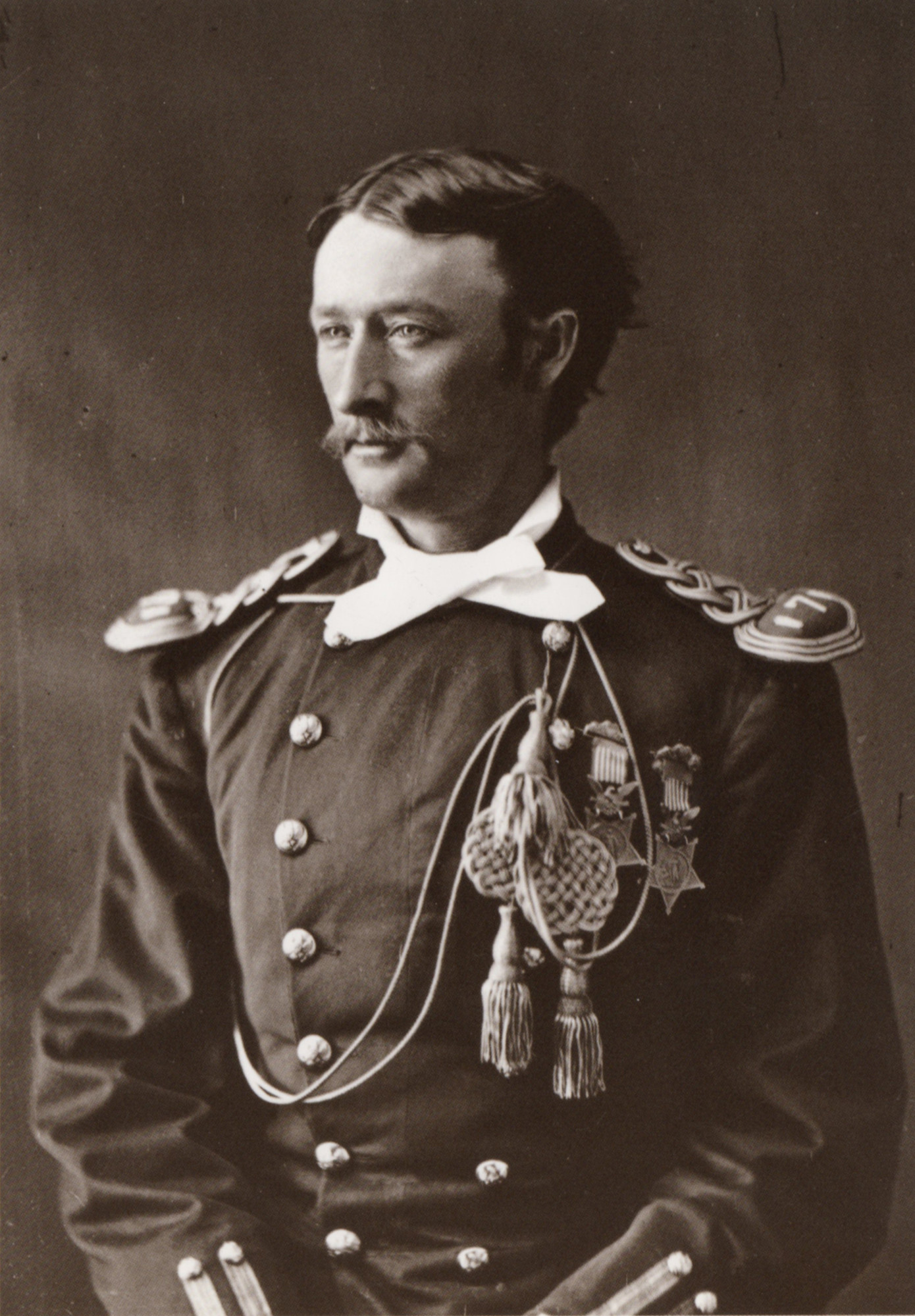
Thomas Custer remains the only person to receive two Medals of Honor during the Civil War, and one of just 19 people to ever receive the medal twice. At Namozine Church, Virginia, in April 1865, Custer captured a Confederate flag by charging into enemy lines and engaging in hand-to-hand combat.
Three days later at Sailor’s Creek, he repeated this feat, capturing another flag while being wounded in the face. His brother George Armstrong Custer was present for both actions.
Thomas would later die alongside his famous brother at the Battle of Little Bighorn.
Mitchell Paige
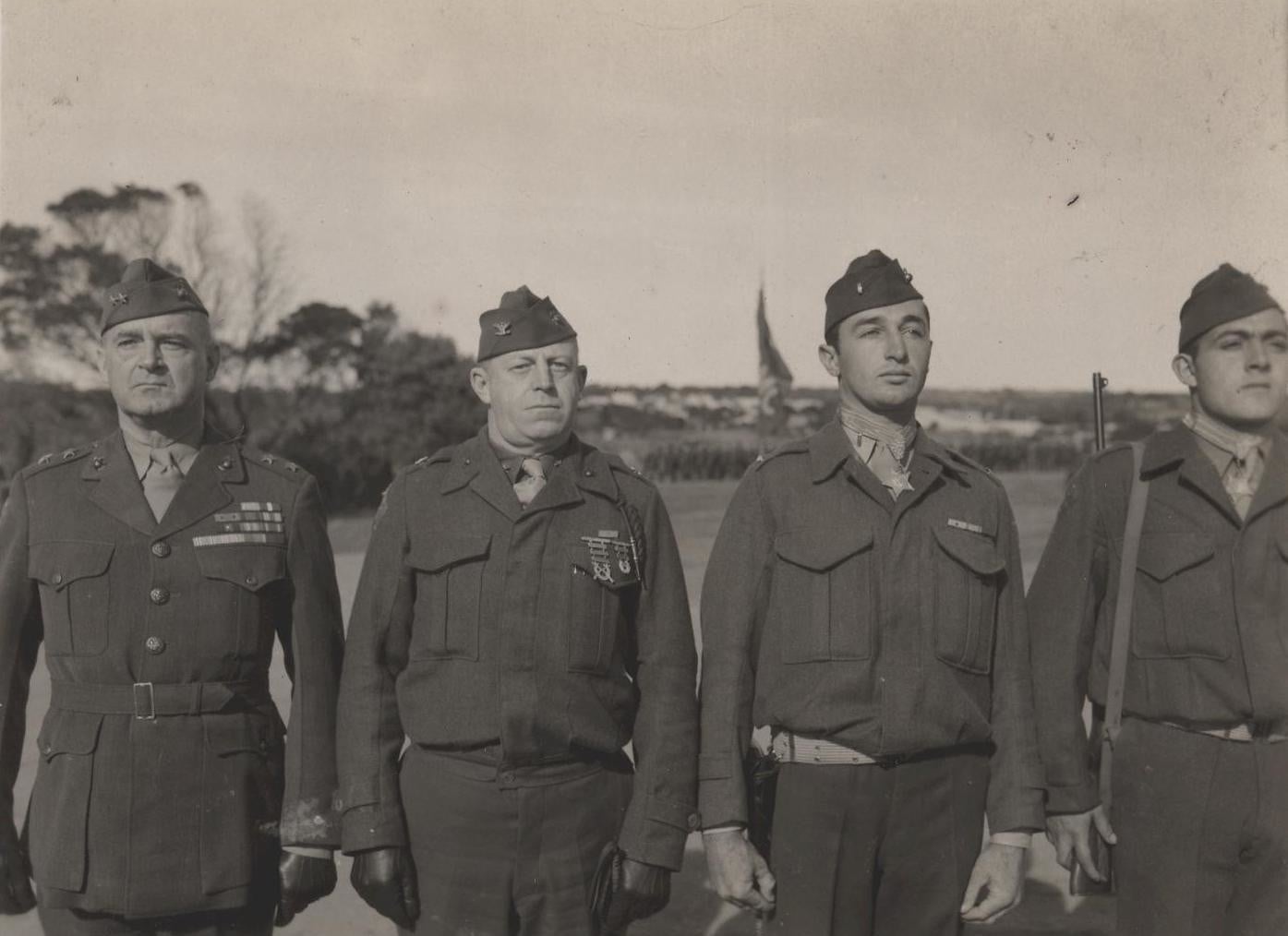
Mitchell Paige held a critical position on Guadalcanal for an entire night in October 1942, facing wave after wave of Japanese attacks. When all of his machine gun squad members were either killed or wounded, Paige operated the guns alone for hours.
He moved between positions, carrying heavy machine guns through enemy fire to create the illusion of a larger defensive force. At dawn, Paige led a bayonet charge that pushed the Japanese back and secured Henderson Field.
His actions prevented the loss of this strategic airfield.
Mary Edwards Walker
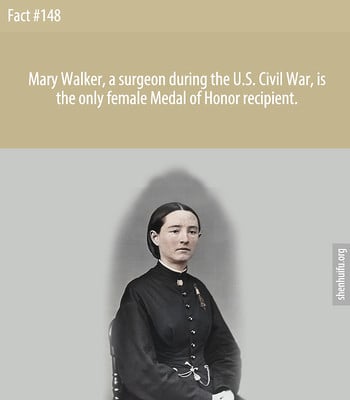
Mary Edwards Walker remains the only woman to ever receive the Medal of Honor, earning it for her service as a surgeon during the Civil War. Walker crossed enemy lines multiple times to treat wounded soldiers on both sides of the conflict.
Confederate forces captured her in 1864 and held her as a prisoner of war for four months. After the war, the Army initially rescinded her medal during a review process, but President Jimmy Carter restored it in 1977.
Walker wore her medal every day until her death in 1919.
John Basilone
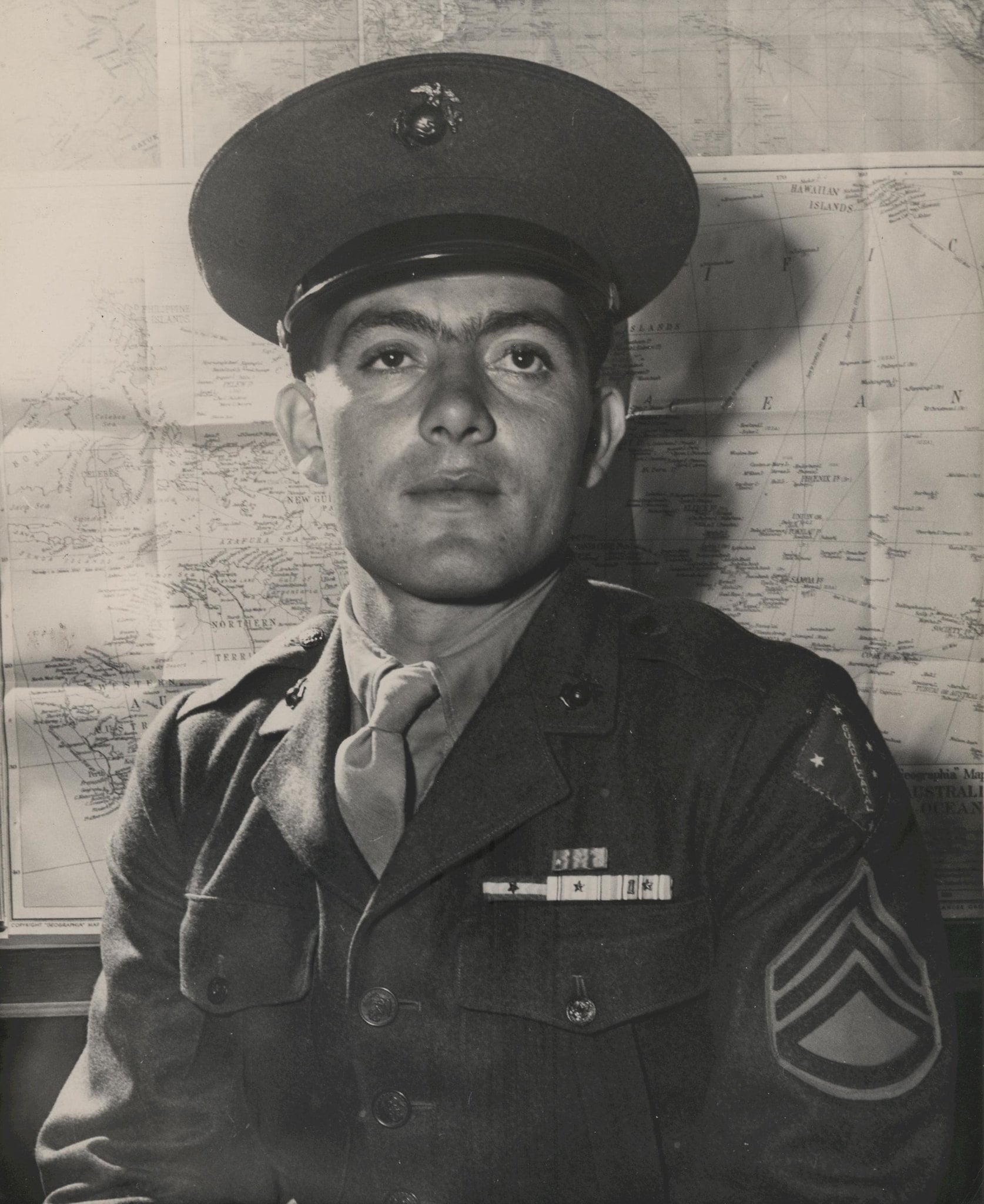
John Basilone’s actions at Guadalcanal in October 1942 helped turn the tide of the Pacific War. When Japanese forces launched a massive assault on Henderson Field, Basilone and his machine gun section faced overwhelming odds.
He fought through the night, repairing and manning guns while his section was reduced from 15 men to three. Basilone made multiple trips through enemy fire to bring back ammunition and supplies.
After receiving his medal, he could have stayed stateside for public relations duties, but he requested to return to combat and died at Iwo Jima in 1945.
Smedley Butler
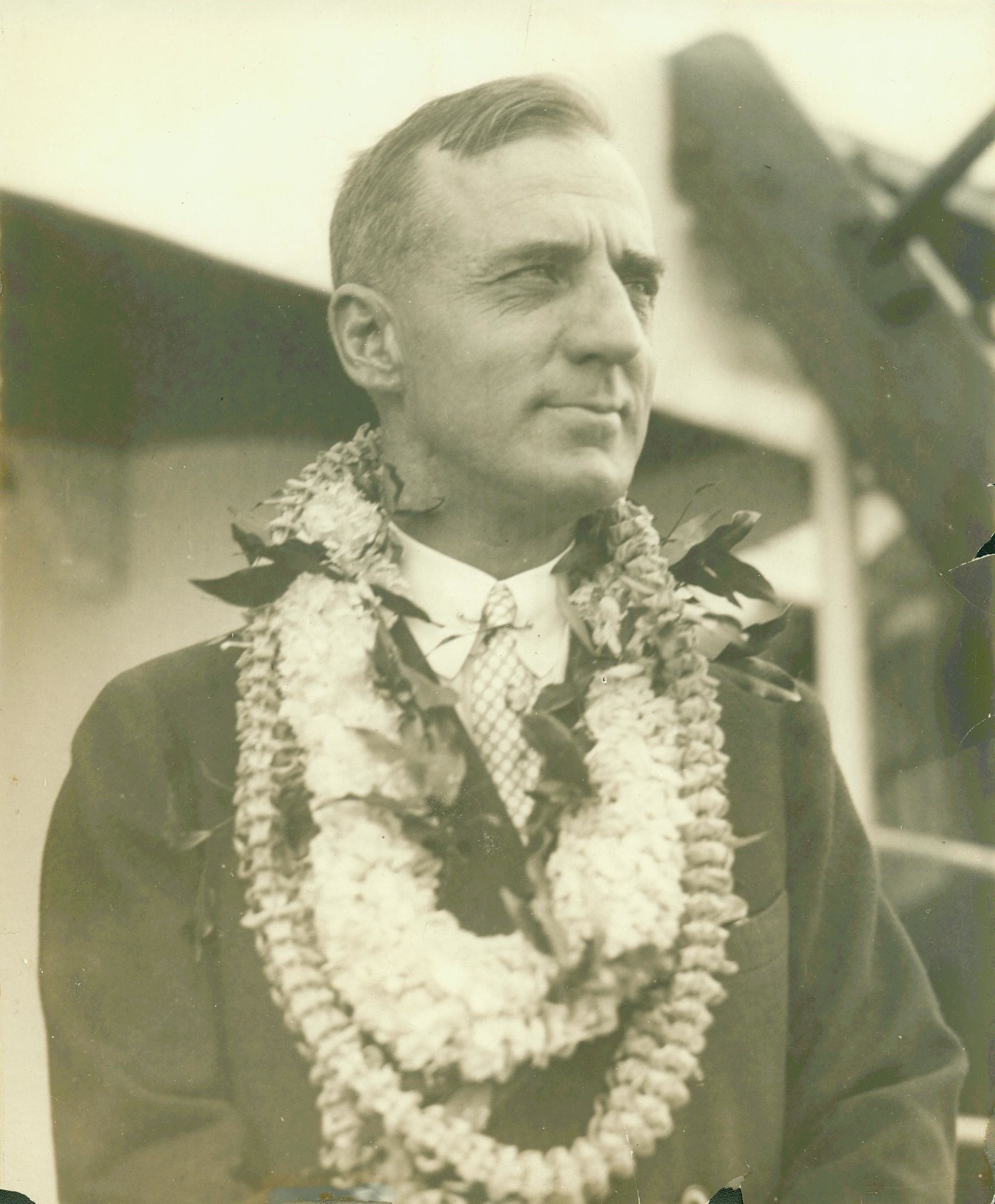
Smedley Butler earned two Medals of Honor in separate conflicts, making him one of the most decorated Marines in history. He received his first medal for actions in Veracruz, Mexico, in 1914, where he led reconnaissance missions under fire.
His second came during the Haitian campaign in 1915 when he led his men in capturing Fort Riviere. Butler later became known for his vocal criticism of American military interventionism, writing a famous essay called ‘War Is a Racket.’
His outspoken nature after retirement made him a controversial figure despite his military achievements.
Vernon Baker
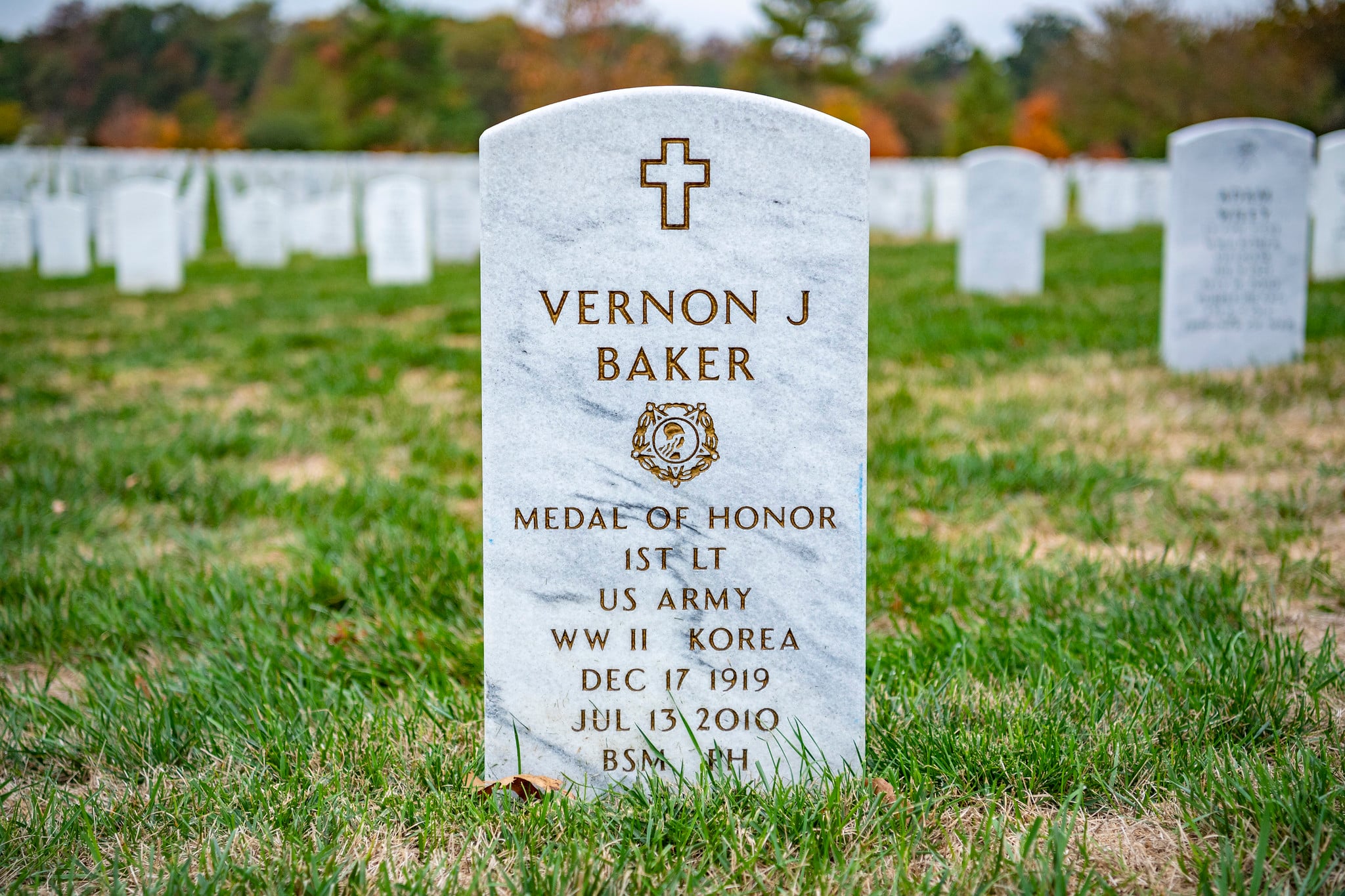
Vernon Baker fought in Italy during World War II and waited 52 years for official recognition of his heroism. On April 5, 1945, Baker destroyed three machine gun positions, an observation post, and a German dugout while leading his company up Castle Aghinolfi.
Enemy fire killed or wounded most of his men, but Baker continued forward alone. The Army initially awarded him the Distinguished Service Cross, but in 1997, a review of overlooked African American veterans resulted in Baker receiving the Medal of Honor.
He was the only living recipient from that review.
William Carney
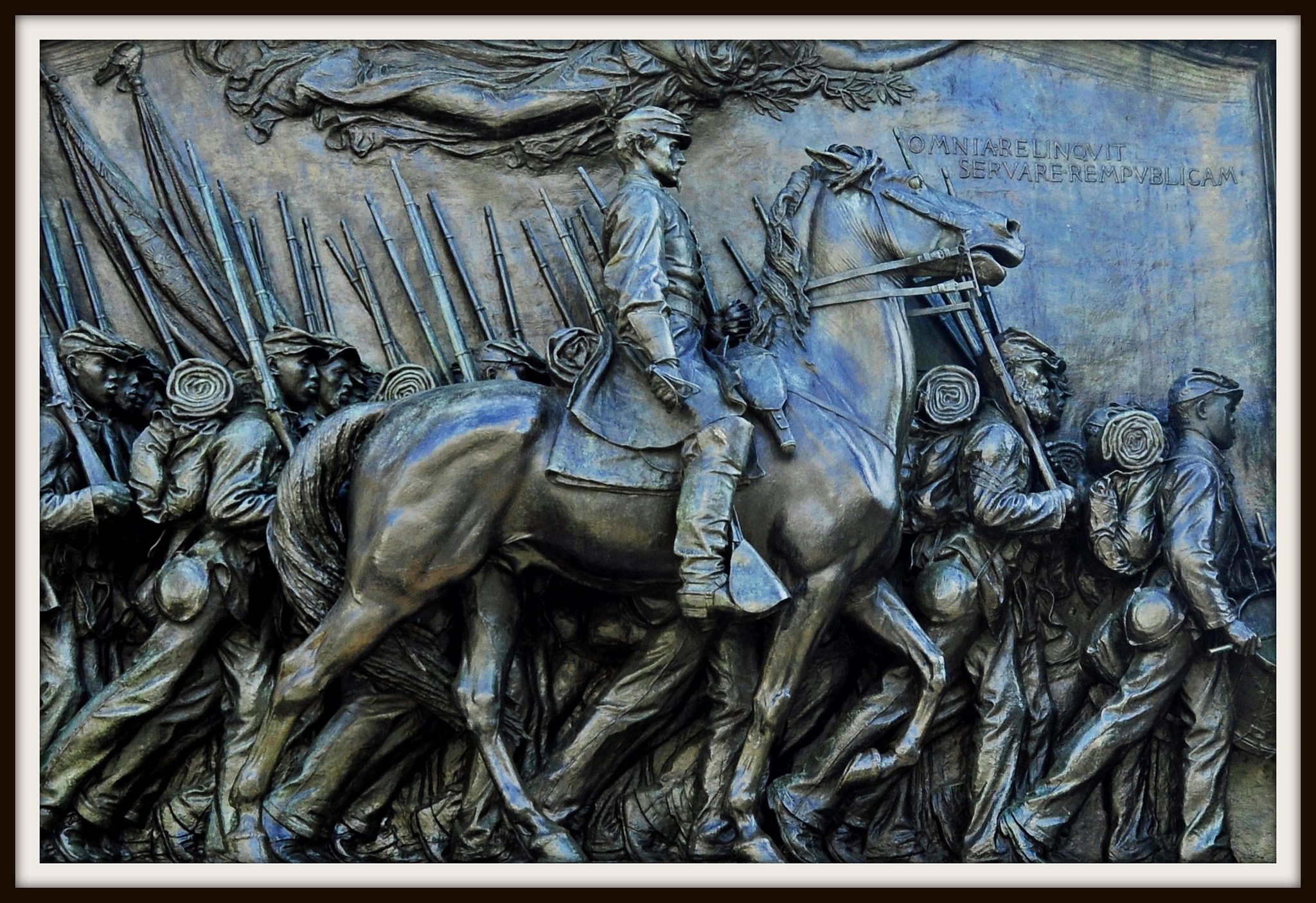
William Carney became the first African American to earn the Medal of Honor for his actions during the Civil War’s Battle of Fort Wagner. When the flag bearer fell during the famous assault by the 54th Massachusetts Infantry in July 1863, Carney grabbed the colors and carried them forward.
Despite being wounded twice, he kept the flag from touching the ground throughout the battle and the retreat. Carney’s fellow soldiers remembered him saying, ‘Boys, the old flag never touched the ground.’
His medal wasn’t officially presented until 1900, but his actions occurred before any other African American recipient.
Jacklyn Lucas
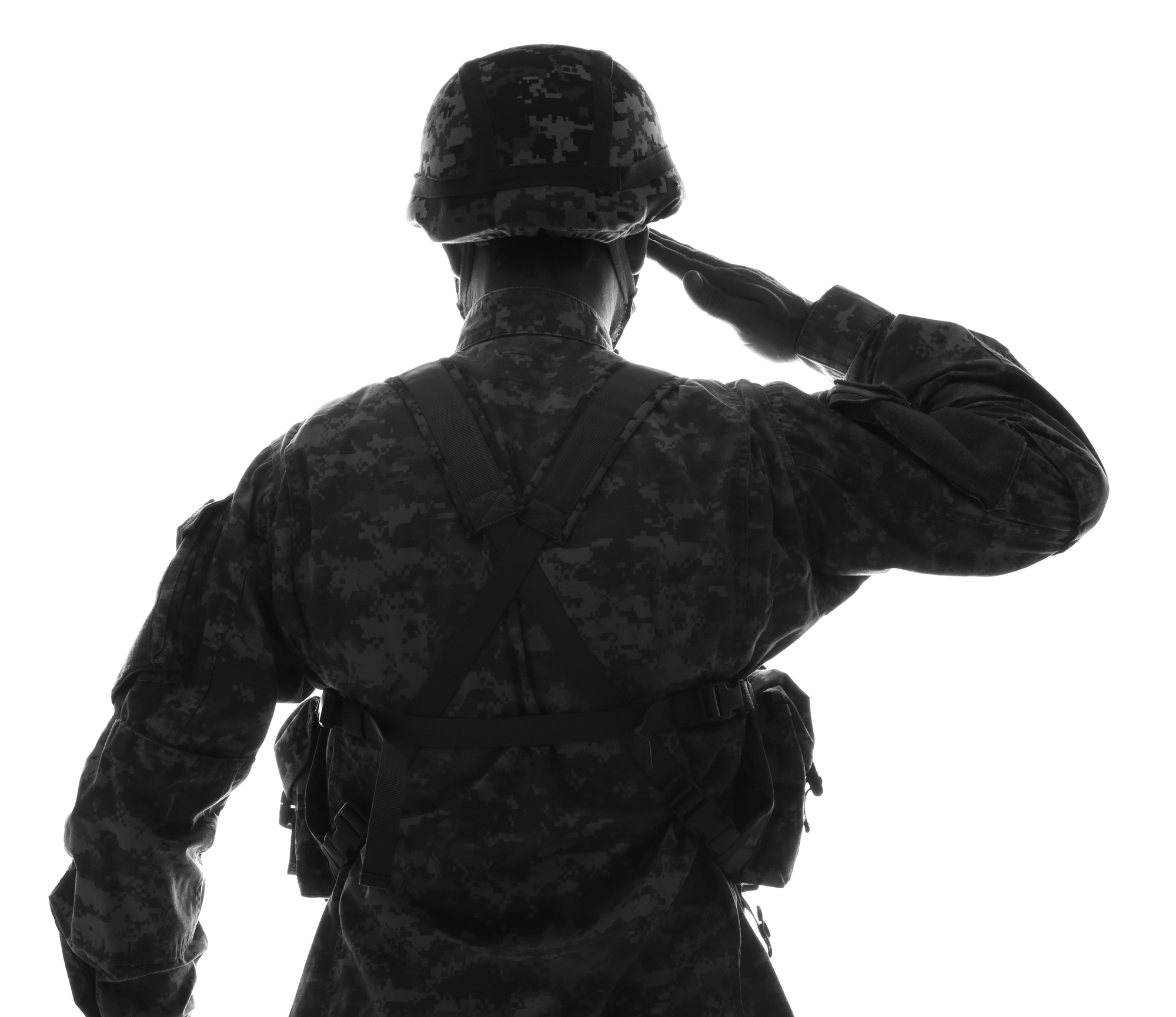
Jacklyn Lucas became the youngest Marine and the youngest service member in World War II to receive the Medal of Honor at just 17 years old. On February 20, 1945, at Iwo Jima, Lucas threw himself on two grenades to protect his fellow Marines.
One grenade didn’t explode, but the other detonated beneath him. The blast drove the other grenade into Lucas’s body, where it remained lodged but failed to explode.
He survived with over 200 pieces of shrapnel in his body and underwent 26 operations. Lucas lived until 2008, spending decades speaking to young people about service and sacrifice.
Joshua Chamberlain
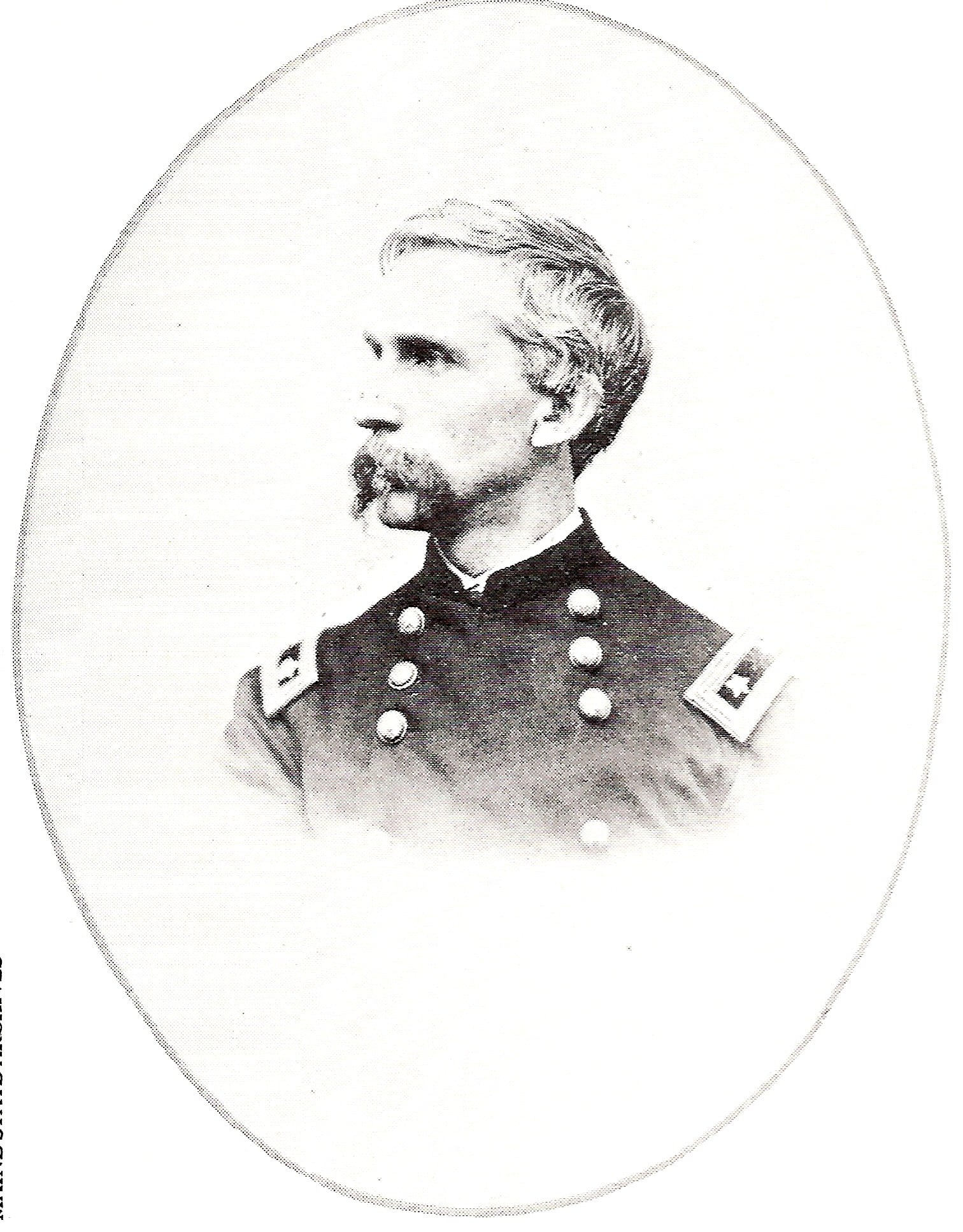
Downhill with fixed bayonets – Chamberlain led his men when bullets ran out. Holding the extreme left, the 20th Maine stood firm on July 2, 1863.
Little Round Top saw repeated Southern assaults before the final gamble unfolded. Captured enemy troops numbered in the hundreds after the surprise descent.
That sharp decision likely blocked a wider collapse along the Union side. Few moments draw more attention than this clash within Gettysburg’s roar.
The fight there still shapes how some view turning points in war.
Sal Giunta
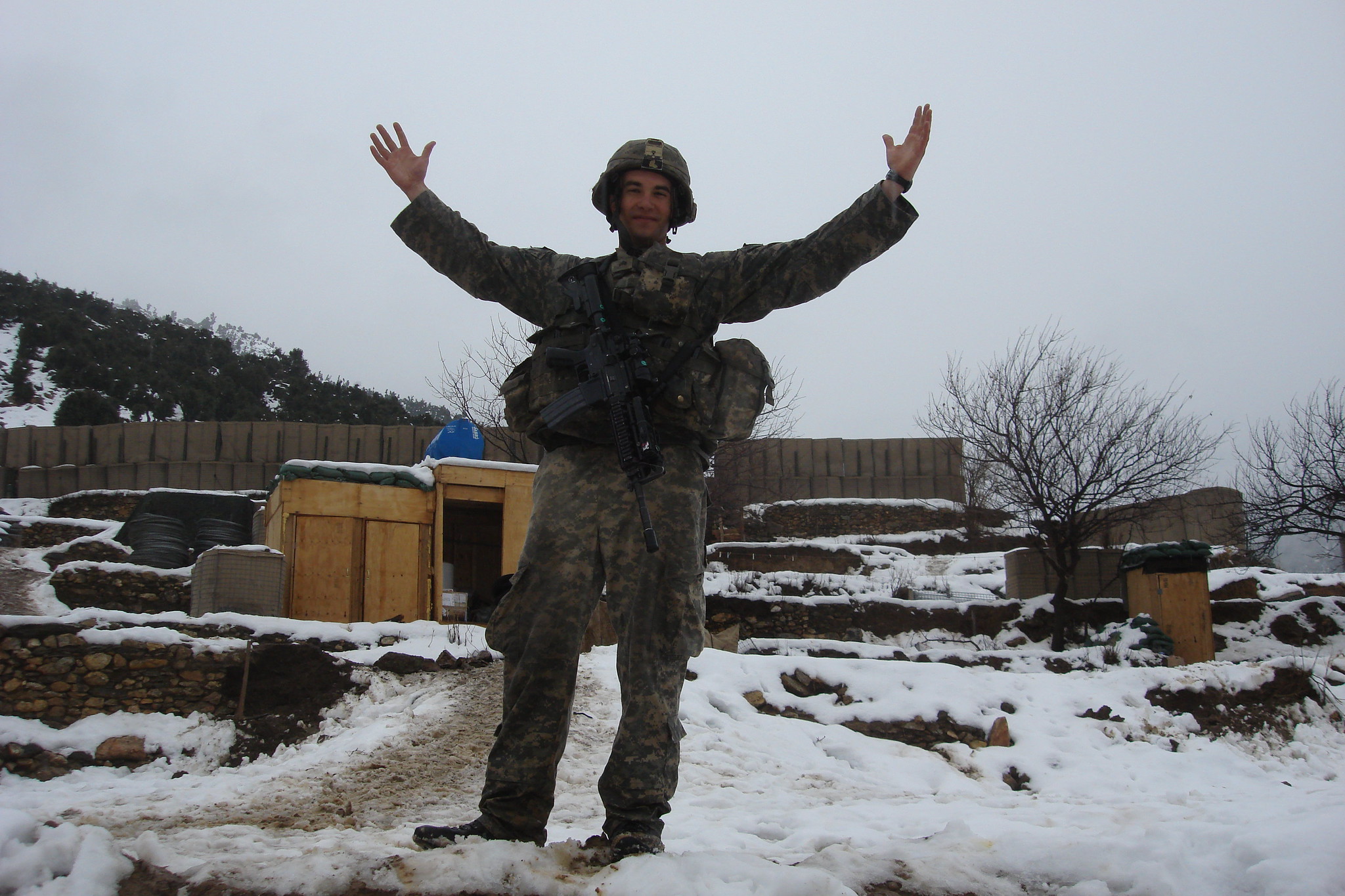
That day in the Korengal Valley, gunfire split the air as Sal Giunta moved fast toward fallen men. Instead of taking cover, he charged across open ground, dodging rounds meant to stop him.
One soldier was being hauled off by attackers – Giunta closed in without hesitation. Bullets snapped past, yet he wrested the man free amid chaos.
Not since Vietnam had someone still breathing earned such recognition for bravery like this. What stood out wasn’t just courage under pressure, but how raw moments define duty now.
The medal found its way into living hands because of choices made in dust and noise.
Now I See What’s Changed Since Then. Ahead Lies Something Different Entirely
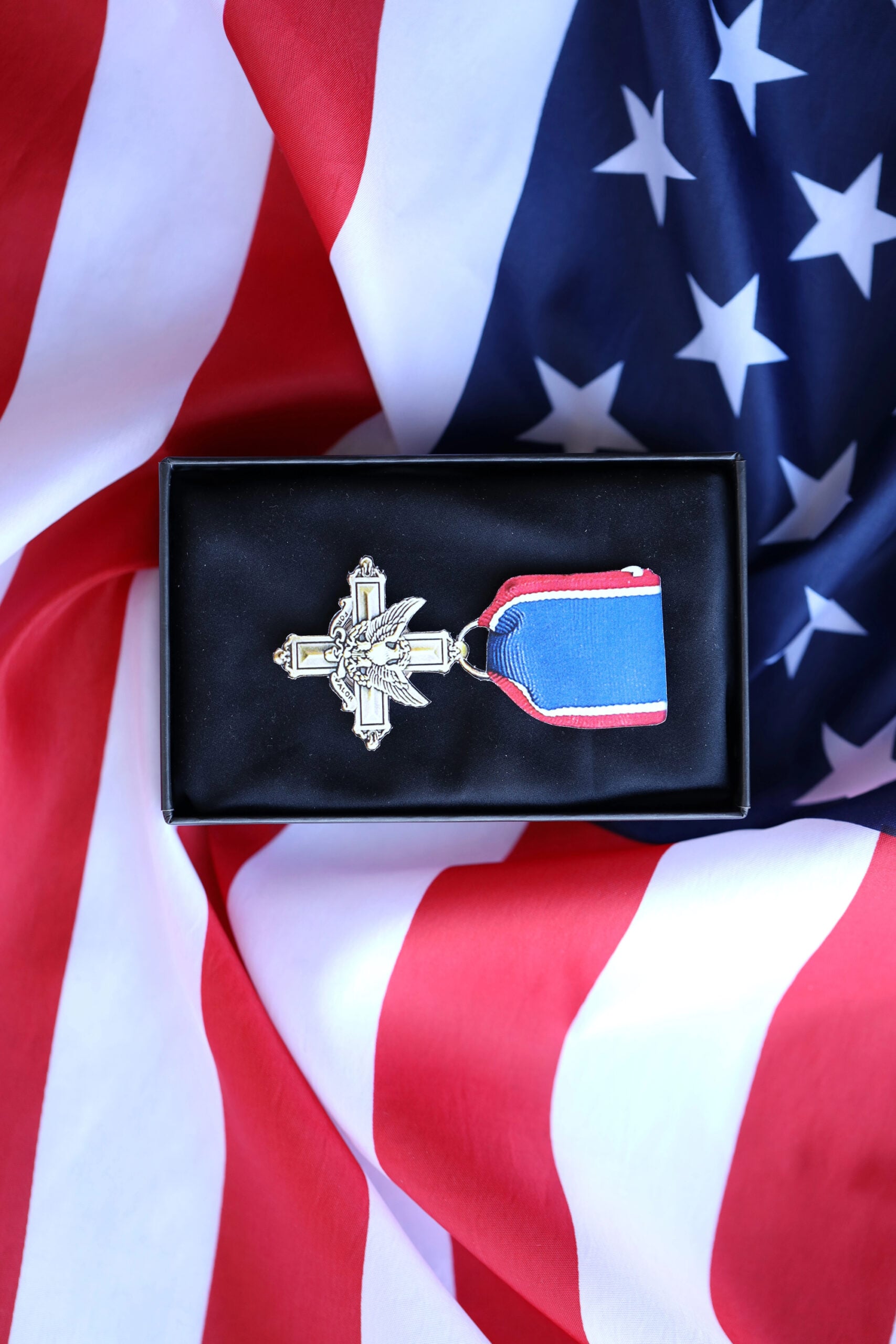
More than a century and a half of U.S. conflict fills these accounts, reaching from battlefields of the Civil War to the mountains of Afghanistan. When danger struck, each person confronted a fork: protect themselves or uphold their duty.
It was precisely that decision – and how they acted – that earned them the Medal of Honor. Hailing from varied lives, serving across separate wars, tackling distinct dangers – still, bravery stitched their experiences together.
A single woman among many men, yet her resolve matched theirs without question. Even now, long after their deeds, young people hear these tales and begin to grasp what giving up something valuable really looks like.
More from Go2Tutors!

- The Romanov Crown Jewels and Their Tragic Fate
- 13 Historical Mysteries That Science Still Can’t Solve
- Famous Hoaxes That Fooled the World for Years
- 15 Child Stars with Tragic Adult Lives
- 16 Famous Jewelry Pieces in History
Like Go2Tutors’s content? Follow us on MSN.