17 Overlooked Moments From The D-Day Invasion
June 6, 1944 holds its place in history as one of the most documented military operations ever conducted. Yet beneath the sweeping narratives of courage and liberation lie countless smaller moments that rarely make it into the history books.
These fragments — a misplaced landing craft here, an unexpected conversation there — reveal a different side of D-Day, one that feels more human and infinitely more complex than the sanitized version most people know.
The Dummy Paratrooper Distraction
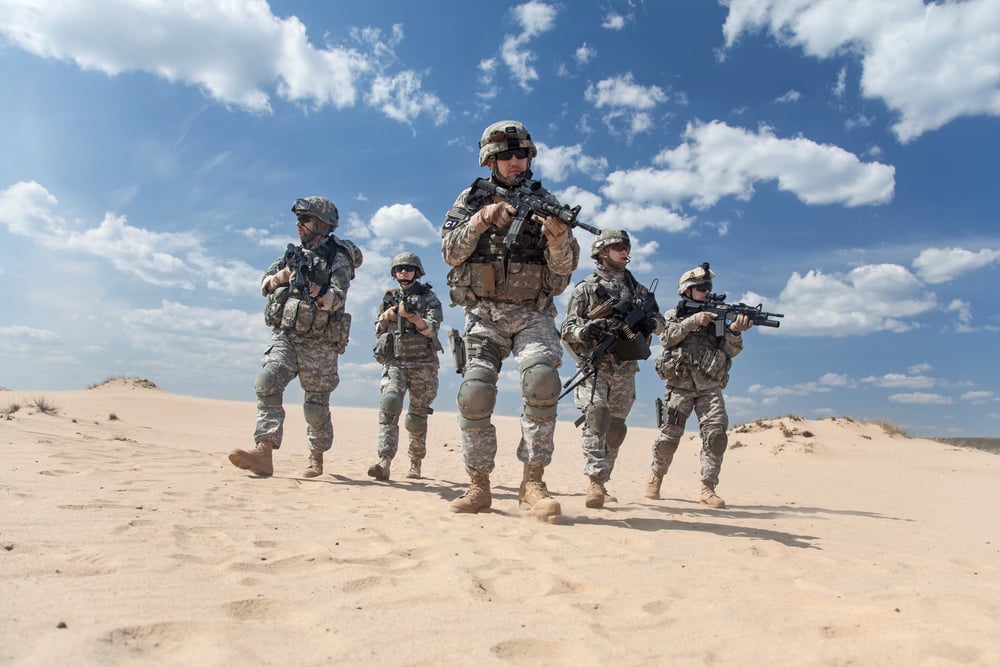
Operation Titanic sounds like something from a spy novel. British forces dropped hundreds of dummy paratroopers across Normandy to confuse German defenders about where the real assault was coming.
The dummies were rigged with firecrackers to simulate gunfire once they hit the ground. What makes this brilliant is how simple it was.
Fabric, straw, and small explosives created enough chaos to pull German reserves away from the actual landing zones. Some German units spent hours hunting phantoms in the French countryside while real Allied forces secured their objectives miles away.
The Pigeon That Changed Everything
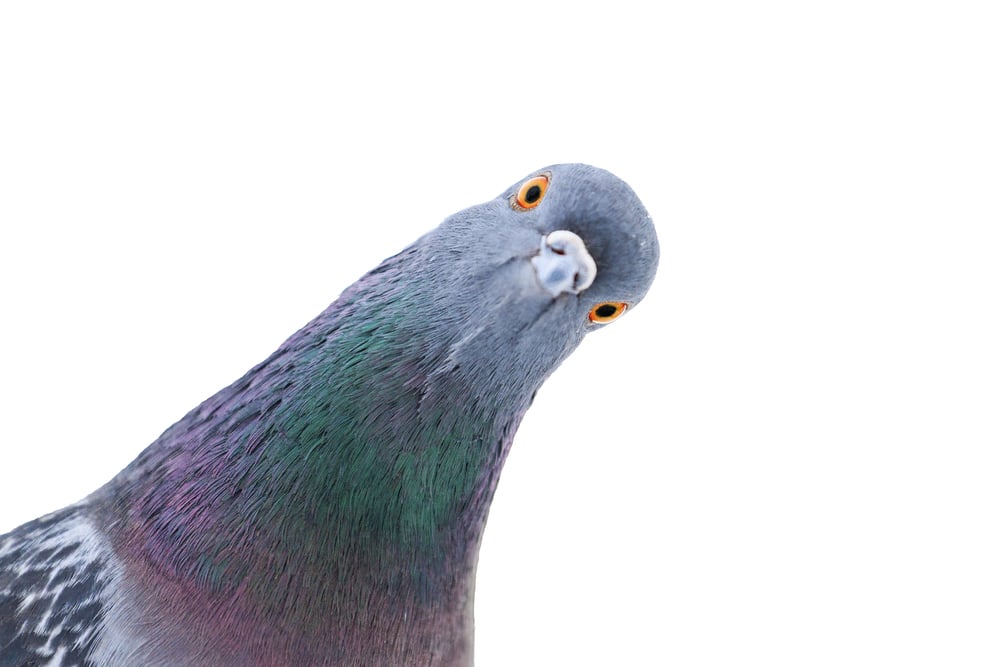
Gustav the pigeon (and this gets complicated because wartime record-keeping for birds wasn’t exactly thorough, though the basic facts check out) carried the first news of successful landings back to England, beating radio communications by hours. The bird flew 150 miles across the English Channel in five hours and sixteen minutes — which sounds almost impossibly fast until you consider that electronic communications were jammed, delayed, or simply failed under combat conditions, while this pigeon just flew home like it was any other Tuesday morning.
And here’s what the official histories miss: Gustav wasn’t supposed to be the primary messenger bird. That honor belonged to another pigeon that was killed by shrapnel before it could launch.
So the most important message of D-Day was delivered by a backup pigeon. Which feels about right, actually — the entire invasion was held together by backup plans and improvisation, so why should avian communications be any different?
The Wrong Beach Landing
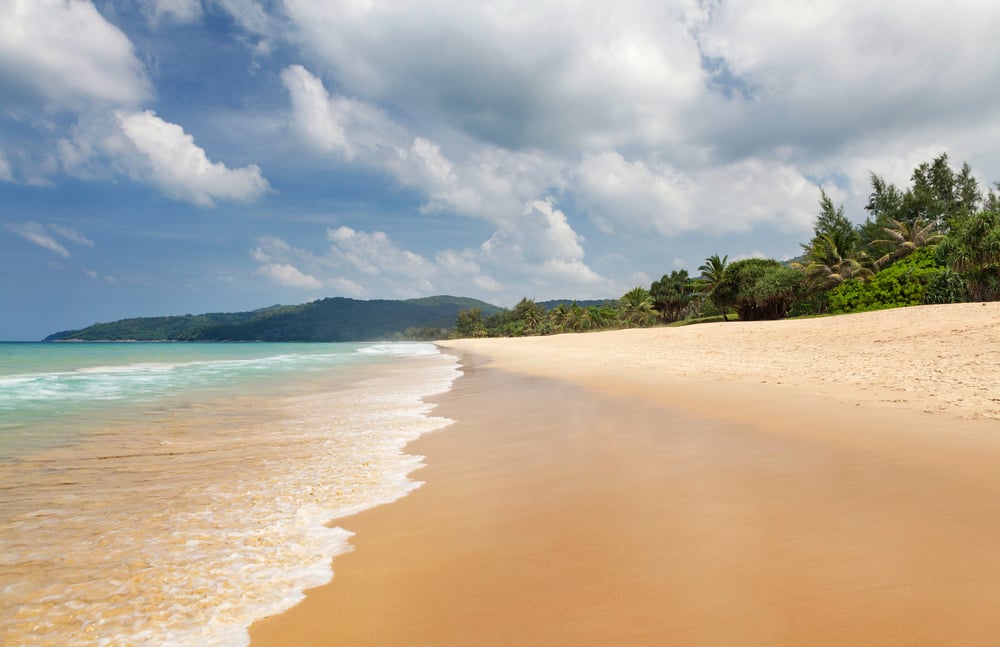
Picture this: your boat is supposed to land at a specific section of beach, marked on maps, rehearsed dozens of times. The problem is that beaches look different when people are shooting at you and smoke is drifting across the water.
Companies of soldiers ended up hundreds of yards from their intended landing spots, sometimes mixing with units they’d never trained with. Rather than chaos, this created something unexpected.
Units adapted, formed new teams on the spot, and pushed inland anyway. The rigid battle plans that commanders had spent months perfecting became irrelevant within the first hour.
What mattered was that soldiers kept moving forward, regardless of which patch of sand they’d washed up on.
French Civilians In The Crossfire

The liberation of France came with a cost that’s easy to overlook. French civilians caught between Allied bombardment and German defense didn’t have the luxury of viewing D-Day as a heroic moment.
They huddled in cellars while their towns were destroyed by the same forces that came to free them. In Caen alone, Allied bombing killed more French civilians than German soldiers.
The moral arithmetic of war is always ugly, but this particular calculation — destroying French homes to drive out German occupiers — created a burden that many veterans carried for decades. Liberation isn’t clean, and the people being liberated sometimes pay the steepest price.
The Medic Who Saved Everyone
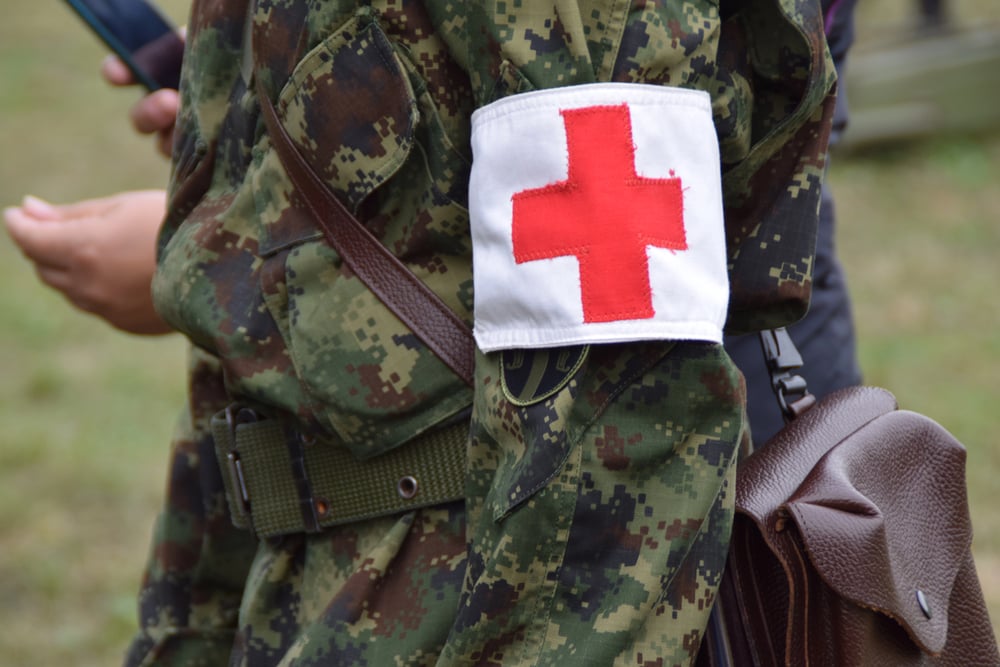
John Bradley wasn’t the most famous medic on D-Day, but his story captures something essential about the invasion. Bradley treated wounded soldiers from both sides without distinction, working for eighteen straight hours on Omaha Beach.
German prisoners, American GIs, French resistance fighters — it didn’t matter to him. What’s remarkable isn’t just the medical care he provided, but how he moved between different groups of soldiers who were still, technically, trying to eliminate each other.
War creates these strange pockets of humanity where normal rules get suspended and people just help each other survive.
The Chaplain’s Improvised Service
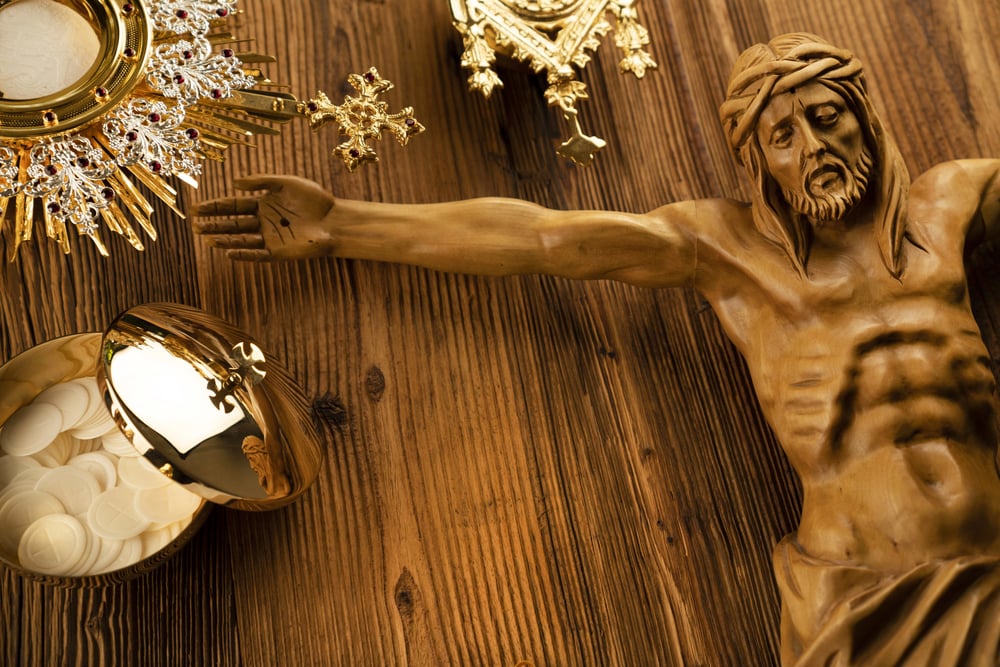
Father Francis Sampson held a communion service on Utah Beach using a ration box as an altar and seawater mixed with wine for the sacrament. The image of soldiers kneeling on sand still warm from artillery fire, receiving communion from makeshift materials, captures something about hope that feels both absurd and necessary.
Sampson had lost most of his religious supplies when his transport was hit. So he improvised.
The communion wafers were crackers from K-rations. The altar cloth was a torn parachute.
None of this should have worked as a religious service, but it did.
Messages In Bottles

Allied soldiers threw bottles containing personal messages into the English Channel before the invasion began — a practice that commanders officially discouraged but never quite managed to stop. Some bottles washed up on English beaches years later, containing final letters to family members that were never meant to be final at all (because the soldiers who wrote them survived and went home and forgot about the bottles entirely, which makes finding them decades later either poignant or awkward, depending on your perspective).
The messages reveal what soldiers were actually thinking about as they approached the French coast, and it wasn’t glory or patriotism. Mostly they wrote about missing home, worrying about the weather, and hoping they’d done enough training.
And yet — the bottles also show that even young men heading into combat understood they were participating in something historically significant. They just weren’t sure they’d live to tell anyone about it.
The Dog That Joined The Invasion

Weighing four pounds, she spent D-Day running messages between units when radio communications failed. Military regulations clearly prohibited bringing pets on combat operations.
But regulations become suggestions when you’re loading thousands of men onto ships in the dark. Smoky wasn’t the only unofficial mascot to make the crossing, but she might have been the most useful.
Small dogs can move through spaces that humans can’t, and they don’t get distracted by gunfire the way humans do.
The Unexpected German Defector
Severloh’s position could have inflicted significant casualties on the American landing force. His decision to switch sides probably saved dozens of lives and shortened the battle for that section of beach by hours.
But his name appears in exactly zero official histories of D-Day, because documenting enemy soldiers who helped wasn’t a priority for military historians in 1944.
Radio Silence Broken By Music

Someone — and military records never identified who — broke radio silence on D-Day to broadcast music across Allied communication channels. For about twenty minutes, soldiers across Normandy heard American jazz instead of tactical communications.
Commanders were furious. Soldiers loved it.
The music came at a moment when the outcome of the invasion was still uncertain and casualties were mounting. Whether it was intentional morale-boosting or just someone’s mistake, it provided a brief reminder that there was still a world beyond the immediate business of not getting shot.
Sometimes that’s exactly what people need to hear.
The Cook Who Became A Hero

Private James Patterson was assigned to a field kitchen unit, which meant he was supposed to stay well behind the fighting and prepare meals for combat troops. Instead, he spent D-Day carrying wounded soldiers off the beaches and running ammunition to forward positions.
Patterson had no combat training beyond basic rifle instruction. But he could see that wounded soldiers needed help more than anyone needed hot meals, so he did what needed doing.
Military hierarchies tend to break down under extreme stress, and D-Day created situations where cooks became medics, clerks became riflemen, and job descriptions became meaningless.
Letters Never Sent

The Allied postal system on D-Day was overwhelmed, delayed, and frequently destroyed by enemy fire. Thousands of letters written by soldiers during and immediately after the invasion were never delivered — some because the recipients had moved, others because entire mail bags were lost, and many because the soldiers who wrote them didn’t survive long enough for the letters to matter (which sounds grimmer than it is, because most of the letter-writers did survive, but mail delivery wasn’t exactly a priority for the first few days after the invasion).
These undelivered letters, discovered decades later in military archives, provide the most honest account of what D-Day felt like to the people who lived through it. No heroic rhetoric, no grand strategy — just young men trying to explain to their families that they were scared, tired, and homesick, but still doing their jobs.
The German Soldier Who Helped
Klaus Weber was a German medic stationed near Sword Beach who spent D-Day treating wounded Allied soldiers alongside his own casualties. Weber spoke fluent English and served as an unofficial translator between German prisoners and Allied interrogators.
Weber’s decision to help enemy soldiers wasn’t unique, but it was risky. German military law treated assistance to enemy forces as treason.
But medical personnel on both sides often operated by different rules, and Weber apparently decided that wounded soldiers were wounded soldiers, regardless of uniform.
The Weather Forecast That Almost Canceled Everything

Group Captain James Stagg, the chief meteorologist for D-Day, predicted a brief break in the storms that had been battering the English Channel for days. His forecast was disputed by other weather experts, and if he’d been wrong, the invasion would have been a disaster before the first soldier reached shore.
Stagg based his prediction on weather data from a single observation station in the Atlantic. One weather station determined the timing of the largest military operation in human history.
The margin for error was essentially zero, and Stagg knew that if his forecast failed, he’d be responsible for the deaths of thousands of Allied soldiers.
The Resistance Fighter’s Last Message

Marie-Claire Dupont was a French resistance operative who guided Allied paratroopers to their objectives inland from the beaches. She was captured by German forces on the evening of D-Day and executed the following morning, but not before passing along crucial intelligence about German troop movements.
Dupont’s final message, smuggled out of prison by a sympathetic guard, contained detailed information about German reinforcements moving toward the invasion beaches. This intelligence helped Allied commanders position their forces to intercept the German counterattack.
Her contribution to D-Day’s success was significant, but her name appears in few historical accounts because resistance operations were classified for decades after the war.
The Photographer Who Documented Everything
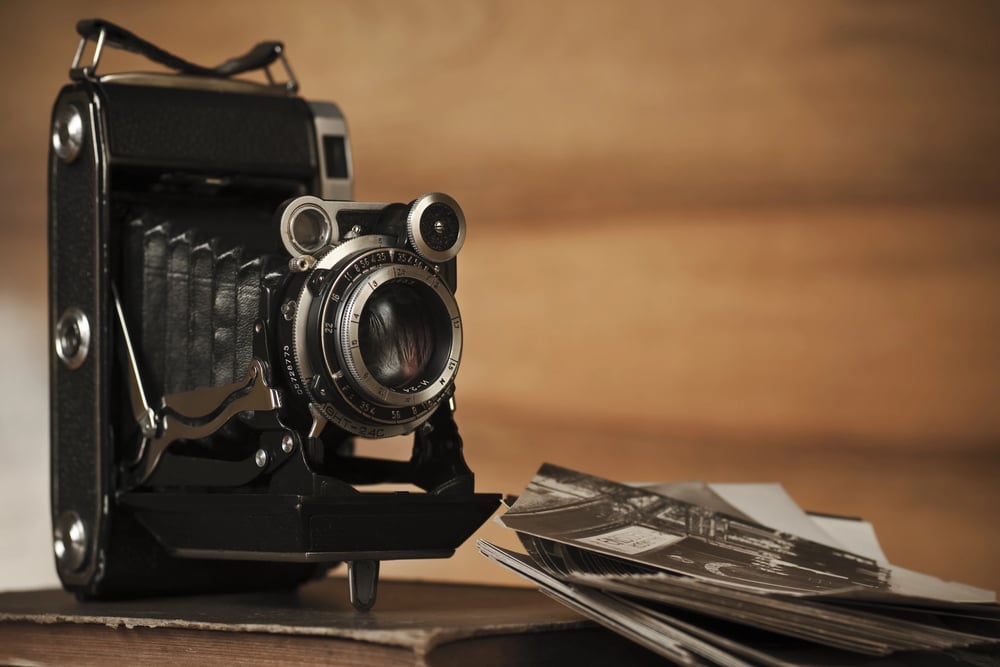
Robert Capa took the most famous photographs of D-Day, but most of his film was accidentally destroyed during processing. Only eleven images survived from the hundreds he shot on Omaha Beach, creating the visual record that most people associate with the invasion.
The destroyed photographs contained scenes that would have fundamentally changed how D-Day is remembered. Capa shot images of wounded soldiers, dead civilians, and the chaos that official military photographers were instructed to avoid.
The accidental destruction of his film meant that the visual history of D-Day became sanitized by default rather than by design.
Silence At The End Of The Longest Day

The first night after D-Day was eerily quiet. After eighteen hours of constant gunfire, explosions, and shouting, the sudden silence felt wrong to soldiers who had survived the day.
Many reported having trouble sleeping not because of the noise, but because of the absence of noise. Combat creates its own rhythm, and soldiers adapt to constant sound and movement.
When the immediate fighting ended and the beaches were secured, that rhythm stopped abruptly. The silence meant safety, but it also meant that soldiers had time to process what they’d experienced, and that processing was often harder than the fighting itself.
Remembering The Forgotten

D-Day succeeded because thousands of people made individual decisions to keep moving forward when every instinct told them to find cover and wait for someone else to solve the problem. The famous moments from that day — the ranger assault on Pointe du Hoc, the breakthrough at Omaha Beach — were built on countless smaller acts of courage that no one bothered to document.
History remembers the dramatic gestures, but wars are won by people who simply refuse to quit when quitting makes perfect sense.
More from Go2Tutors!

- The Romanov Crown Jewels and Their Tragic Fate
- 13 Historical Mysteries That Science Still Can’t Solve
- Famous Hoaxes That Fooled the World for Years
- 15 Child Stars with Tragic Adult Lives
- 16 Famous Jewelry Pieces in History
Like Go2Tutors’s content? Follow us on MSN.



