15 Misprints That Made Items Valuable
Mistakes happen in manufacturing all the time. Most errors make products less valuable, but sometimes a misprint transforms an ordinary item into a rare collector’s piece worth far more than its perfect counterparts. These printing errors create one-of-a-kind items that collectors eagerly hunt down.
Here is a list of 15 misprints that turned everyday items into valuable treasures.
Inverted Jenny Stamp
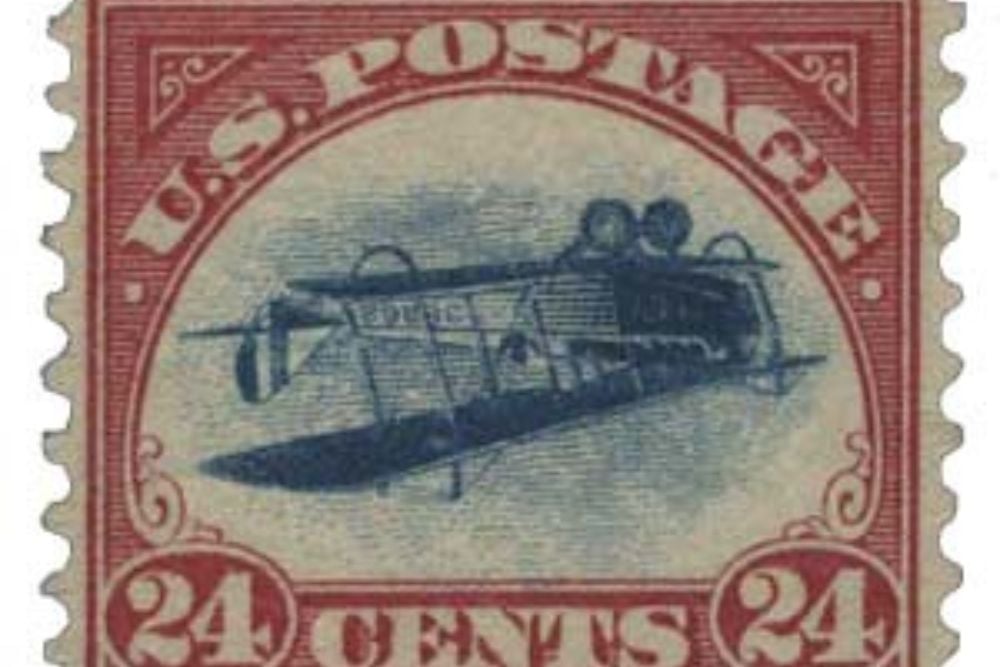
In 1918, the U.S. Postal Service accidentally printed a 24-cent stamp featuring the Curtiss JN-4 airplane upside down. Only one sheet of 100 stamps with this error ever made it to the public, sold to collector William Robey for $24.
These “Inverted Jenny” stamps now rank among the most valuable postal mistakes ever, with single stamps selling for over $1.5 million. The central image being printed upside down while the border remained correct made this error immediately noticeable and famous among collectors.
1955 Double Die Lincoln Penny
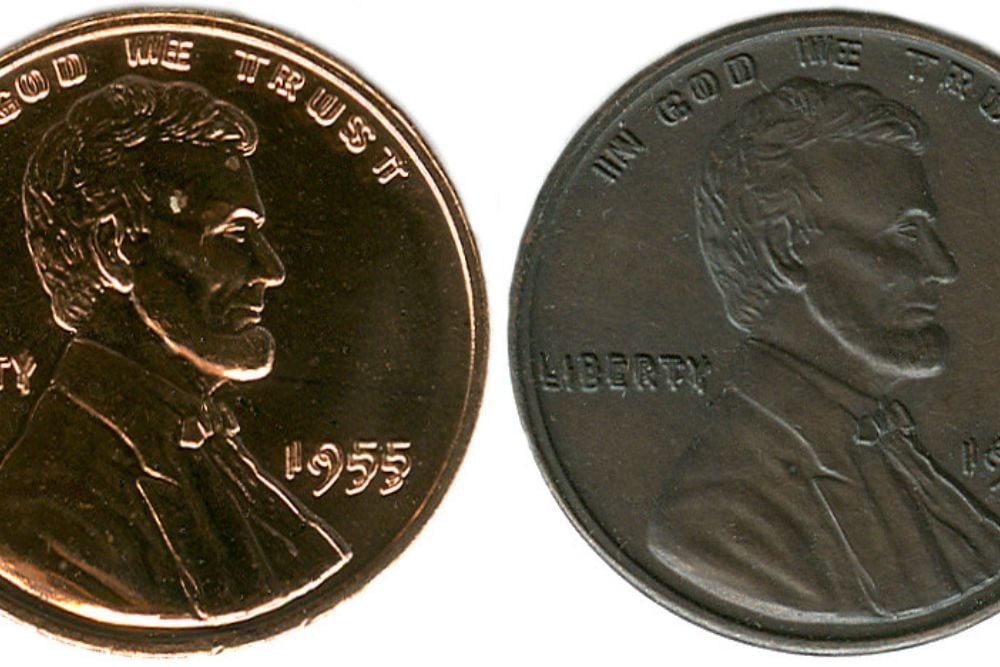
The U.S. Mint accidentally created pennies with doubled features when the die used to stamp them was pressed twice at slightly different angles. As a result, thousands of 1955 Lincoln pennies were released with a clear doubling on the date and lettering.
While regular 1955 pennies are only worth a few cents, these double die versions can sell for $1,000 to $2,000 in good condition. The doubling is easiest to spot in the words “LIBERTY” and “IN GOD WE TRUST,” where the letters appear noticeably shifted.
Like Go2Tutors’s content? Follow us on MSN.
Misprinted Harry Potter Book
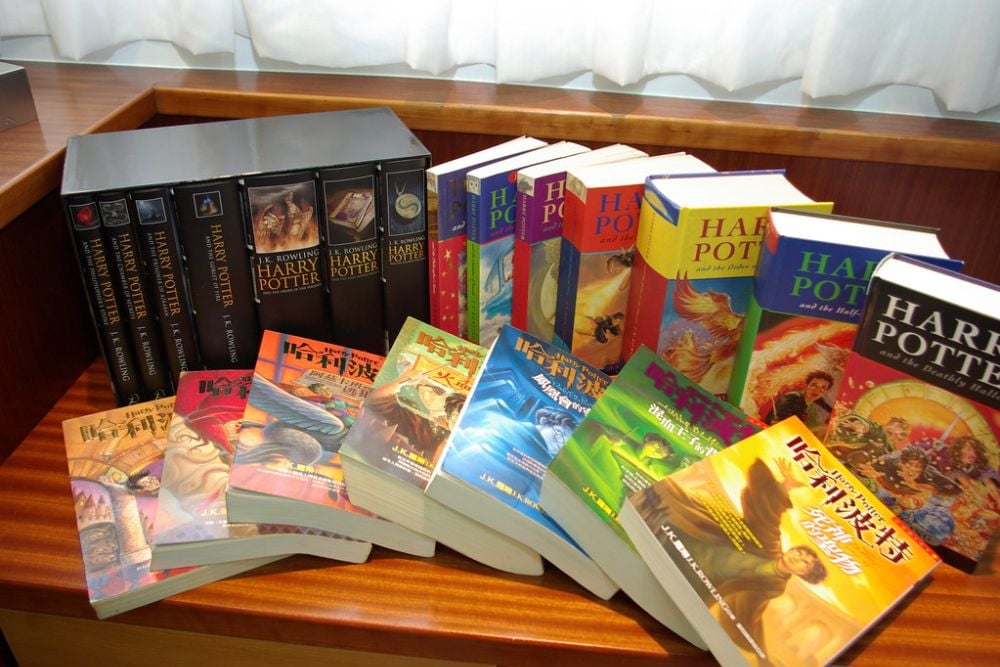
First edition copies of Harry Potter and the Philosopher’s Stone contain a mistake on page 53, where “1 wand” appears twice in a list of required school supplies. Only 500 hardcover copies were printed with this error before it was fixed in later printings.
These misprinted first editions now sell for $40,000 to $55,000 at auction, compared to a few hundred dollars for regular first editions without the error. The small duplicate line seems minor but it helps authenticate genuine first-print copies of this wildly popular book.
2005 Minnesota Extra Tree Quarter
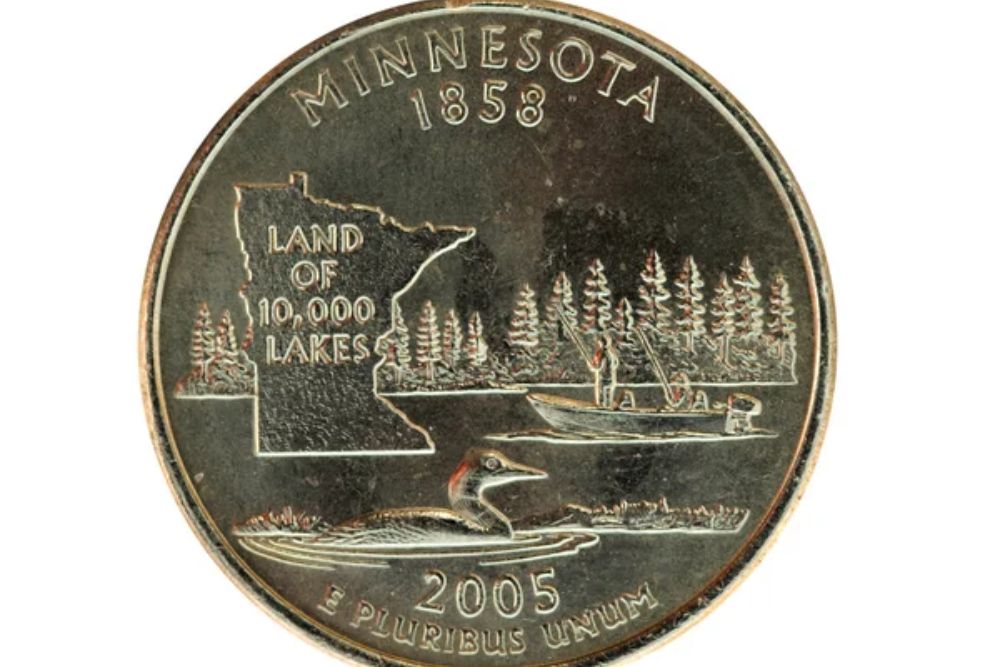
When making Minnesota state quarters in 2005, the U.S. Mint accidentally created a doubling error that made an extra treetop appear near the state outline. A few thousand quarters were made with this faint vertical line, which looks like a floating tree.
Regular Minnesota quarters are worth 25 cents, but these error coins sell for $100 to $500 depending on condition. Collectors call this the “Extra Tree” quarter, though the line isn’t actually meant to be a tree at all.
Upside Down Flag Billy the Kid Photo

The only authenticated photo of outlaw Billy the Kid includes an unexpected detail—a U.S. flag stamped upside down on his gun belt’s cartridge holder. This rare tintype sold for $2.3 million in 2011, thanks to both its scarcity and this unusual printing error.
The upside-down flag appears on the decorative tin frame surrounding the image, adding an accidental but distinctive feature that helps confirm the photo’s authenticity.
Like Go2Tutors’s content? Follow us on MSN.
Color-Missing Monopoly Money
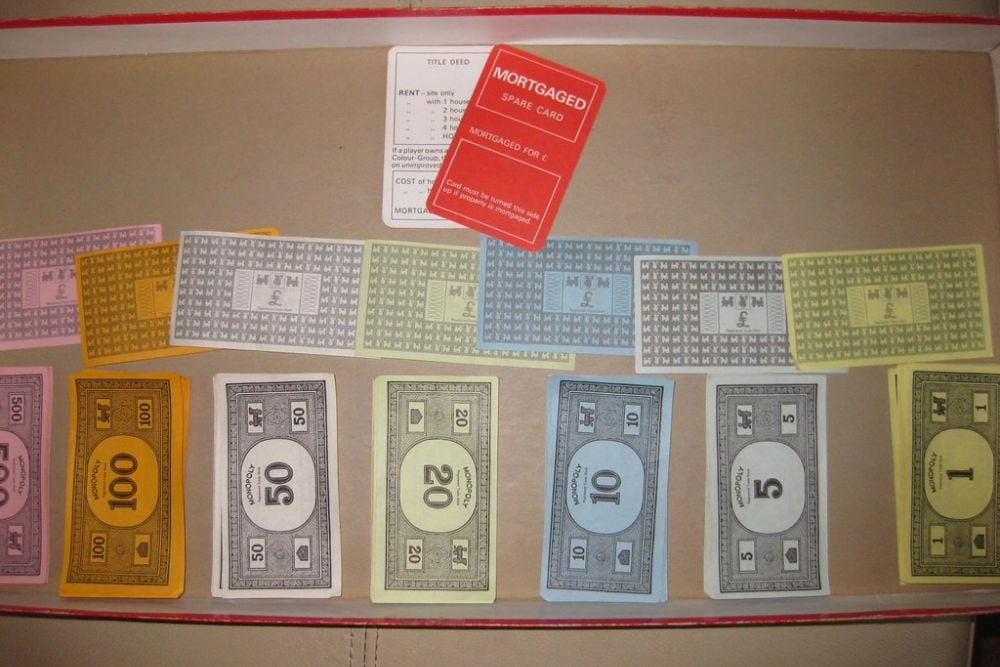
During the printing process, Hasbro accidentally printed some Monopoly sets with the money missing one or more color layers. While regular Monopoly money has no value beyond the game, these misprinted bills sell to collectors for $50 to $100 per bill.
The most valuable errors are bills missing all colors except black, creating eerie-looking ghost money. Game collectors specifically seek these printing errors for their uniqueness among mass-produced board games.
Blue Mauritius Stamp
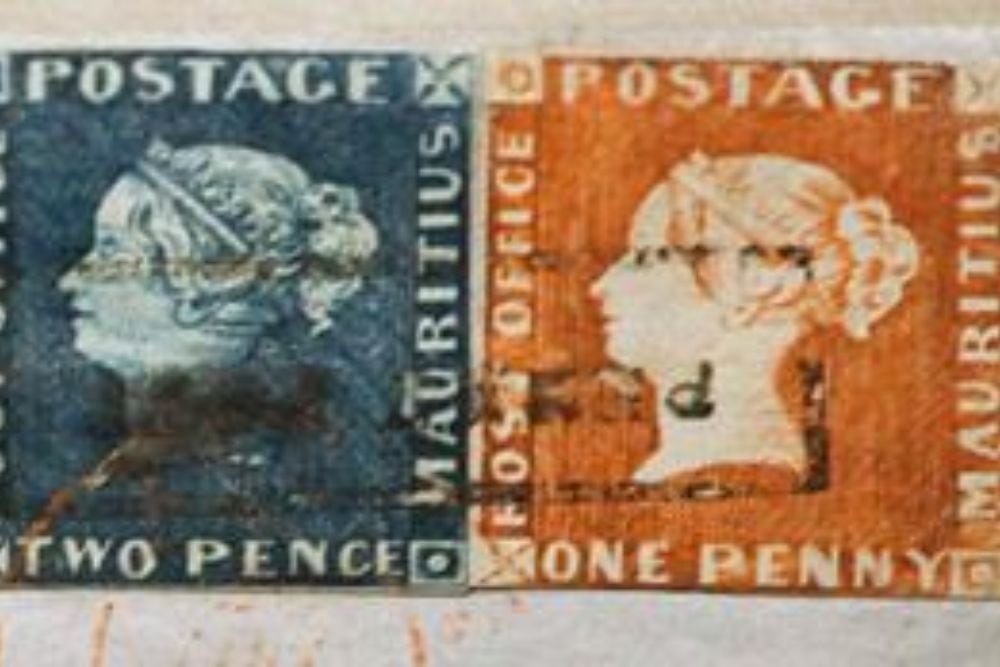
In 1847, Mauritius issued its first postage stamps with the accidental text “POST OFFICE” instead of the intended “POST PAID.” Only 27 of these stamps still exist today, making them among the rarest stamps in the world.
The “Blue Mauritius” version of this error stamp sold for $1.67 million in 2011, while its red companion sold for even more. The error happened because the jeweler making the printing plates wasn’t familiar with standard postal terms.
Topps Baseball Card Misprints

The 1989 Fleer Billy Ripken baseball card accidentally showed the player holding a bat with an obscenity written on the knob. Fleer tried to fix the error by blacking out the offensive word, which led to the creation of multiple card variants.
The uncensored error version now sells for $300 to $1,000, compared to just a few dollars for the corrected version. Ripken later admitted he wrote the word on his practice bat to distinguish it from game bats, never expecting it to appear on his official card.
Like Go2Tutors’s content? Follow us on MSN.
1992 Close AM Lincoln Cent

Some 1992 Lincoln pennies were stamped with a reverse design that caused the letters A and M in “AMERICA” to appear too close together—a mistake collectors call the “1992 Close AM” error. Regular 1992 pennies are worth just 1 cent, but these error coins can sell for $2,000 to $3,000 in uncirculated condition.
It’s a subtle flaw, but serious coin collectors know exactly what to look for.
Upside-Down Bible Pages
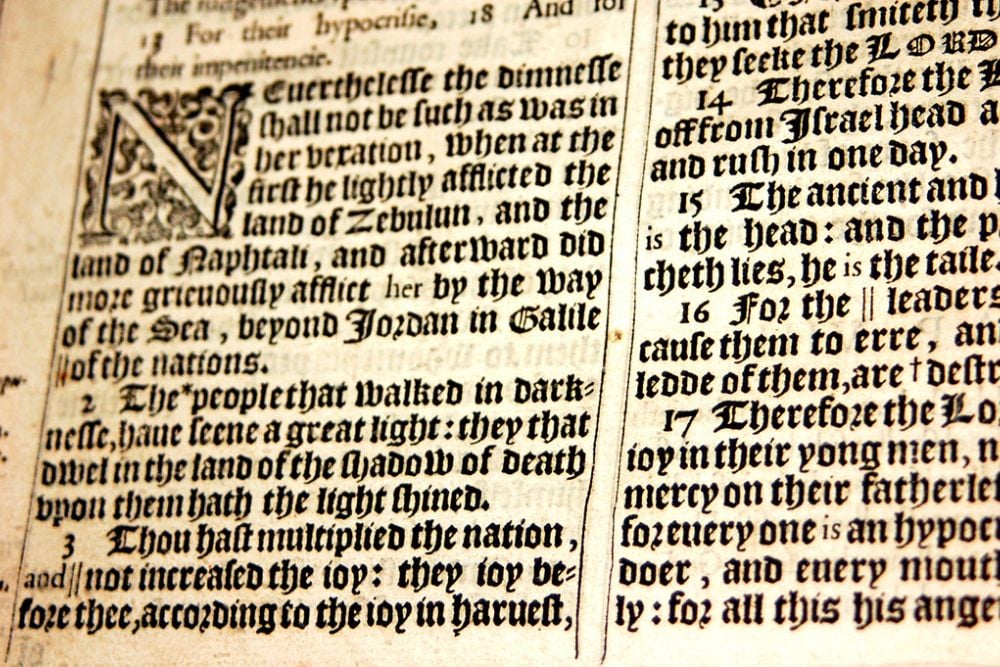
A few Bibles printed in the 1950s and 1960s have sections of pages printed upside down due to binding errors. While regular vintage Bibles might sell for $50 to $100, these misprinted versions can fetch $500 to $1,000 from collectors.
The most valuable examples contain entire chapters or books printed upside down rather than just a page or two. Religious book collectors seek these errors as unique oddities in otherwise standardized sacred texts.
Error Castle Lego Set

In 2008, Lego accidentally packed some Castle sets with a rare, discontinued gray baseplate instead of the correct green one. Regular Castle sets sell for around $100 on the secondary market, but sets with this error plate sell for $200 to $400.
The gray baseplate hadn’t been produced for years, making this manufacturing mistake particularly interesting to Lego collectors. The company likely had old parts mixed in with new inventory, creating this unusual packaging error.
Like Go2Tutors’s content? Follow us on MSN.
Nintendo World Championship Cartridge Misprint

In 1990, Nintendo produced 116 gold-colored game cartridges for a video game championship, but some labels were misprinted with tears or alignment issues. Even with these defects, these extremely rare cartridges sell for $15,000 to $20,000, with one notably misprinted cartridge selling for $100,000.
The printing errors actually add to the cartridges’ authenticity, as counterfeiters typically produce perfect-looking fakes. Game collectors value these cartridges as some of the rarest Nintendo items ever released.
Misprinted Paper Money

The Bureau of Engraving and Printing occasionally makes errors like misaligned printings, missing serial numbers, or ink smears on paper currency. A regular $20 bill is worth exactly $20, but bills with major printing errors sell for hundreds or thousands of dollars.
The most valuable paper money errors are those with missing colors or dramatically misaligned prints that make the bills look dramatically different from normal. Currency collectors call these “error notes” and actively seek them in circulation.
Batman Comic Printing Error

In 1994, DC Comics accidentally printed Batman Adventures #12 with a coloring error on Harley Quinn, giving her a different costume than intended. This comic book introduced Harley Quinn to the Batman comic universe, with the error version now selling for $1,500 to $2,500 in mint condition.
Regular non-error copies still sell for $700 to $1,000 due to the character’s popularity, but the misprint adds significant collector value. Comic collectors particularly value this error because it affects a key character’s first appearance.
Like Go2Tutors’s content? Follow us on MSN.
Alphabet Beanie Baby Tag Errors

Some Beanie Babies were accidentally produced with mismatched or misspelled information on their heart-shaped tags. Regular Beanie Babies from the 1990s typically sell for $5 to $20 today, but rare tag errors can increase values to $100 to $500.
The most valuable errors include completely wrong animal names, production dates that don’t match the animal’s release timeline, or rare early versions of tag formatting. The small fabric tags became crucial for authenticating these plush collectibles during their height of popularity.
Mistakes Worth Money

What makes these misprints valuable isn’t just their rarity but the stories behind how they happened. Each error represents a moment when quality control failed, creating something unique and unexpected.
While most manufacturing mistakes end up in the trash, these 15 examples show how imperfections sometimes create treasures more valuable than perfection. Collectors prize these items precisely because they’re different, turning ordinary production flaws into extraordinary finds worth seeking out.
More from Go2Tutors!

- 18 Unexpectedly Valuable Collectibles You Might Have Lying Around
- 15 Things Every Teenager in the ’70s Did That Teens Today Wouldn’t Understand
- 15 Strange Things People Have Tried to Ban (And Failed)
- 15 Inventions That Were Immediately Banned After Being Created
- 20 Actors Who Were Almost Cast in Iconic Roles
Like Go2Tutors’s content? Follow us on MSN.