Fastest Swimming Sea Creatures
The ocean holds speed records that would make most land animals look sluggish by comparison. When you think about what it takes to move quickly through water—a substance 800 times denser than air—the speeds these animals achieve become even more remarkable.
They’ve spent millions of years perfecting their bodies for velocity, developing streamlined shapes and powerful muscles that push the boundaries of what seems possible underwater.
The Black Marlin Takes the Crown
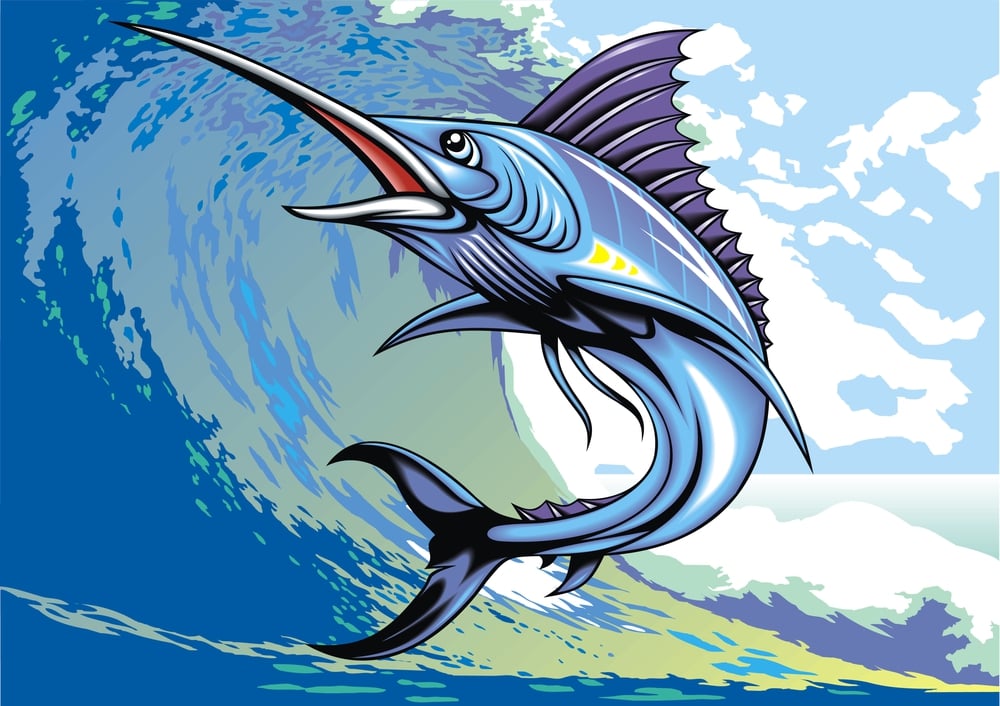
Black marlins hold the title for fastest fish in the ocean, hitting speeds around 80 miles per hour. These massive fish can weigh over 1,500 pounds, yet they slice through water with surprising agility.
Their bill—that long, pointed extension from their upper jaw—acts like a spear, helping them cut through water resistance.
You’ll find black marlins in tropical and subtropical waters, where they hunt schools of smaller fish and squid. When they’re chasing prey or running from danger, they transform from casual swimmers into speed demons.
The way they can accelerate from a standstill to top speed in just a few tail beats shows the raw power packed into their bodies.
Sailfish Flash Through Tropical Waters

Sailfish come in a close second, reaching speeds of about 68 miles per hour. That enormous dorsal fin—their “sail”—isn’t just for show.
They raise it when they’re herding prey or trying to appear more intimidating, but fold it down flat against their body when speed matters most.
These fish hunt cooperatively, which makes their speed even more effective. A group of sailfish will work together to corral a school of sardines or anchovies into a tight formation near the surface.
Then they take turns slashing through the school at full speed, stunning prey with their bills before circling back to eat.
Swordfish Cut Through Deep Water
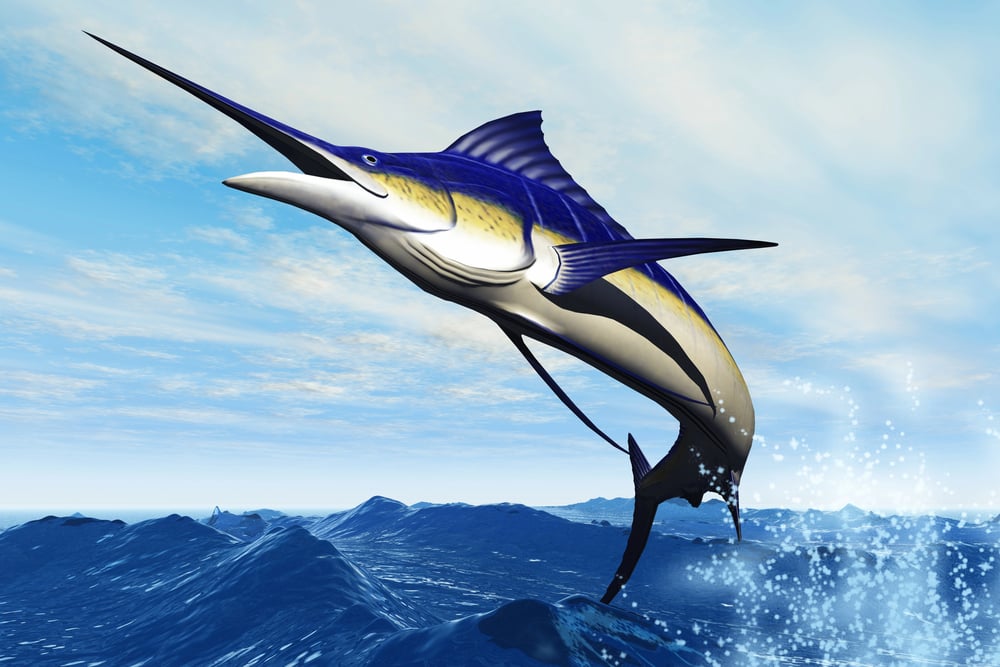
Swordfish can hit speeds around 60 miles per hour, making them formidable predators in deep ocean environments. Their flat, sword-like bill serves a different purpose than the rounded bills of marlins and sailfish.
Swordfish swing their bills side to side like a club, stunning or injuring prey before consuming them.
What makes swordfish particularly interesting is their ability to maintain high speeds in cold, deep water. They have special organs near their eyes and brain that warm these critical areas, keeping their vision sharp and reactions quick even when they dive into waters where temperatures drop dramatically.
Mako Sharks Dominate Speed Among Sharks
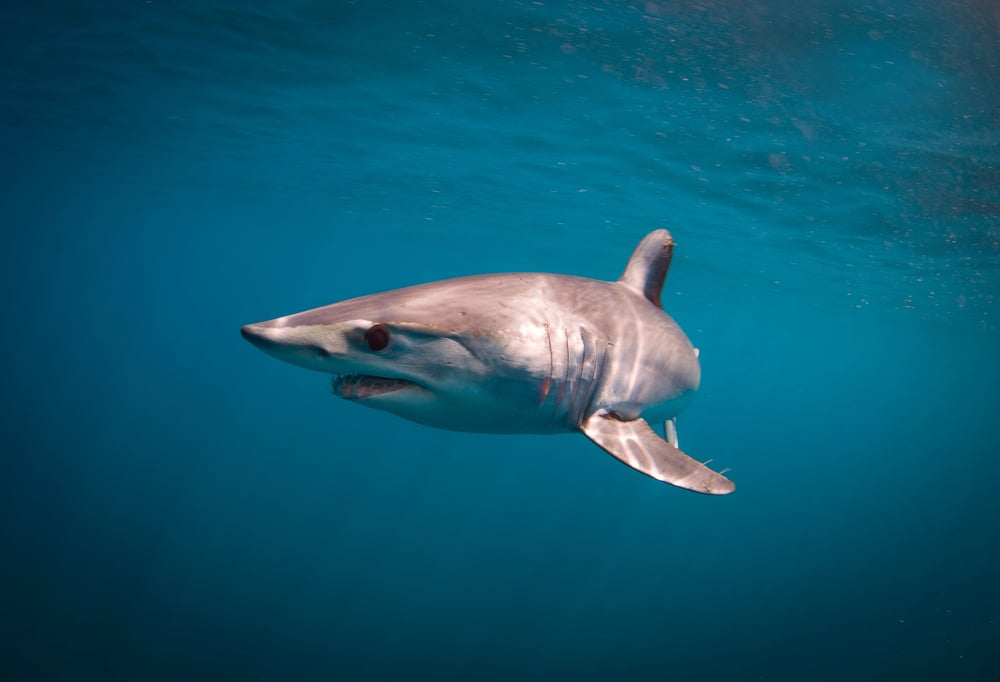
The shortfin mako shark reaches speeds of 45 miles per hour, making it the fastest shark species. These sharks have a sleek, torpedo-shaped body with a pointed snout and powerful crescent-shaped tail.
Their speed helps them catch fast-moving prey like tuna and swordfish, which says something about their athletic abilities.
Makos can also leap clear out of the water, sometimes reaching heights of 20 feet or more. When hooked by fishermen, they’re known for these spectacular aerial displays.
The same explosive power that propels them through water allows them to launch themselves into the air with impressive force.
Yellowfin Tuna Travel Vast Distances
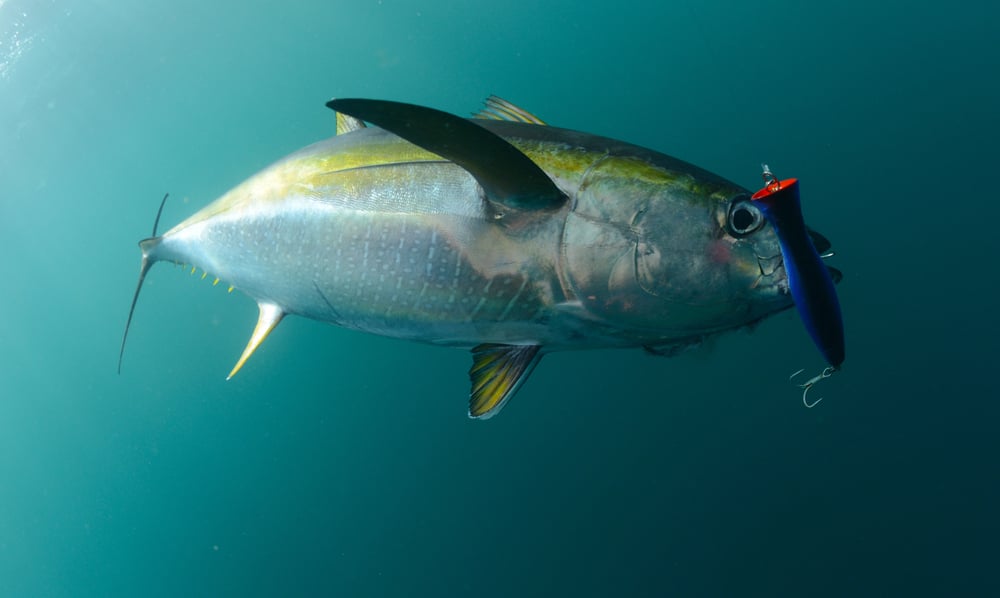
Yellowfin tuna cruise at speeds around 47 miles per hour when they need to. These fish are built for endurance as much as speed.
Their bodies stay warm—warmer than the surrounding water—which gives their muscles more power and efficiency. This internal temperature regulation is rare among fish.
You’ll find yellowfin tuna in open ocean waters around the world, often traveling in large schools. They can dive to depths of over 3,000 feet while hunting for squid, smaller fish, and crustaceans.
The combination of speed and stamina makes them incredibly successful hunters.
Wahoo Streak Through Warm Seas
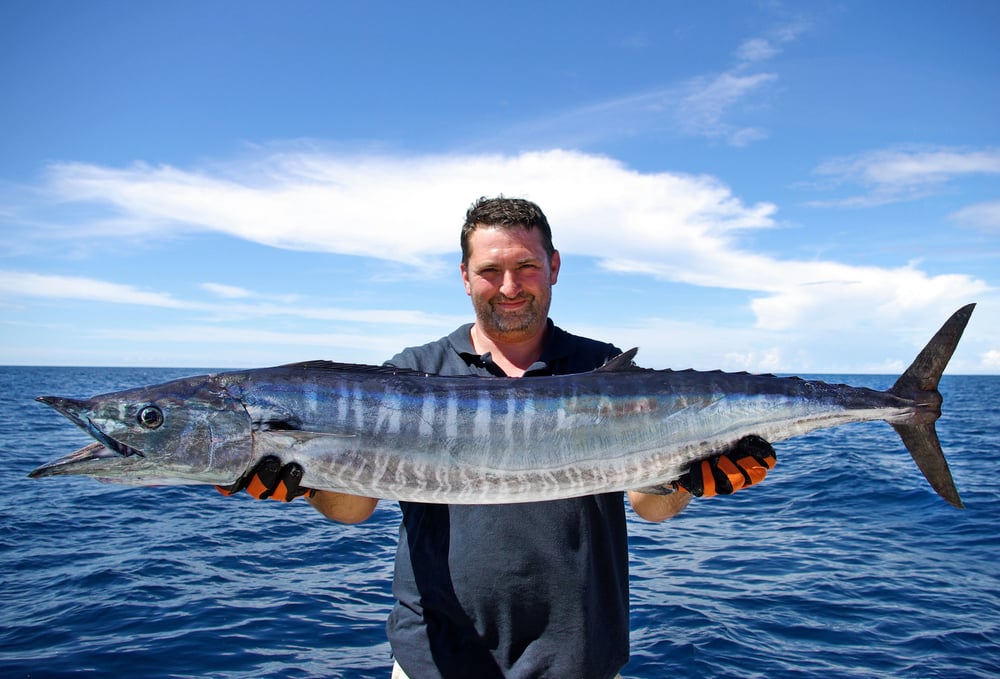
Wahoo can reach speeds of 60 miles per hour, putting them among the fastest fish in the ocean. They have elongated bodies covered in tiny scales that reduce drag, and their razor-sharp teeth can slice through prey in an instant.
Wahoo are solitary or travel in small groups, unlike many other fast swimmers that school in large numbers.
These fish are ambush predators. They’ll lurk near structures like reefs or floating debris, then explode forward when prey passes by.
The strike happens so fast that prey rarely has time to react. Wahoo prefers warmer waters, typically staying in areas where temperatures remain above 72 degrees Fahrenheit year-round.
Bluefin Tuna Cross Entire Oceans

Atlantic bluefin tuna can swim at speeds up to 43 miles per hour, but their real superpower is endurance. These fish migrate across entire ocean basins, swimming thousands of miles between feeding and spawning grounds.
They’re also massive—some individuals exceed 1,000 pounds—which makes their speed even more impressive.
Bluefin tuna have a unique circulatory system that keeps their swimming muscles warm. This warm-bloodedness in a fish gives them a significant advantage in cold waters where other predators slow down.
They can hunt effectively in waters ranging from tropical to nearly polar temperatures.
Bonefish Speed Through Shallow Flats
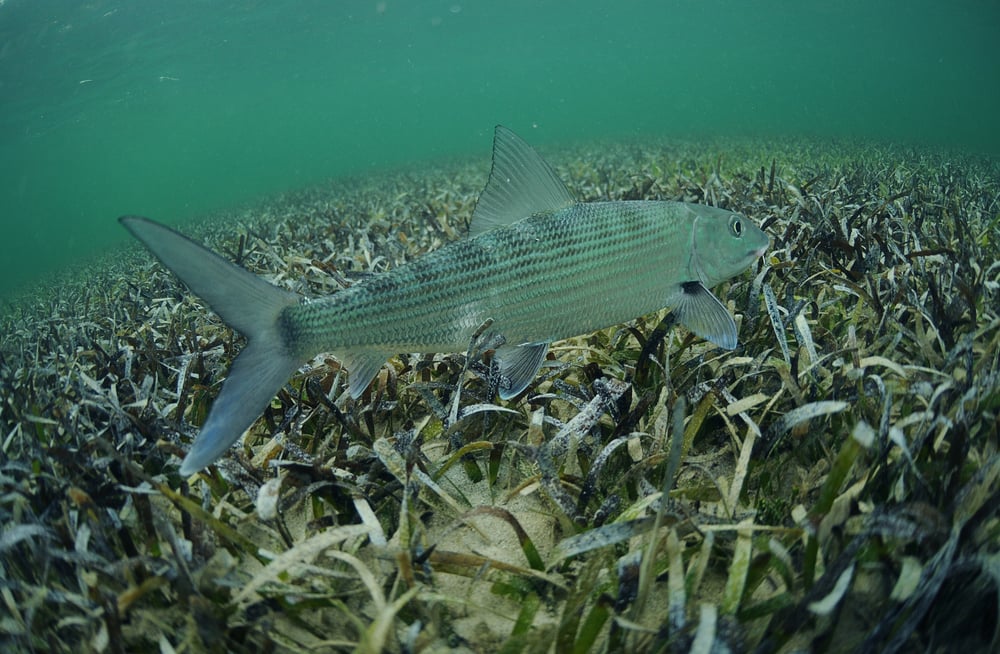
Bonefish reach speeds around 40 miles per hour, which is remarkable given they often swim in water only a few feet deep. These silver fish have adapted to hunt in the shallow flats of tropical coastlines, where their speed helps them escape predators that can’t follow into such shallow water.
When a bonefish gets spooked, it takes off like a rocket. Anglers call these sudden bursts “runs,” and a large bonefish can strip hundreds of yards of line off a reel in seconds.
Their ability to accelerate so quickly in shallow water without beaching themselves shows incredible control over their swimming.
Flying Fish Escape Into the Air
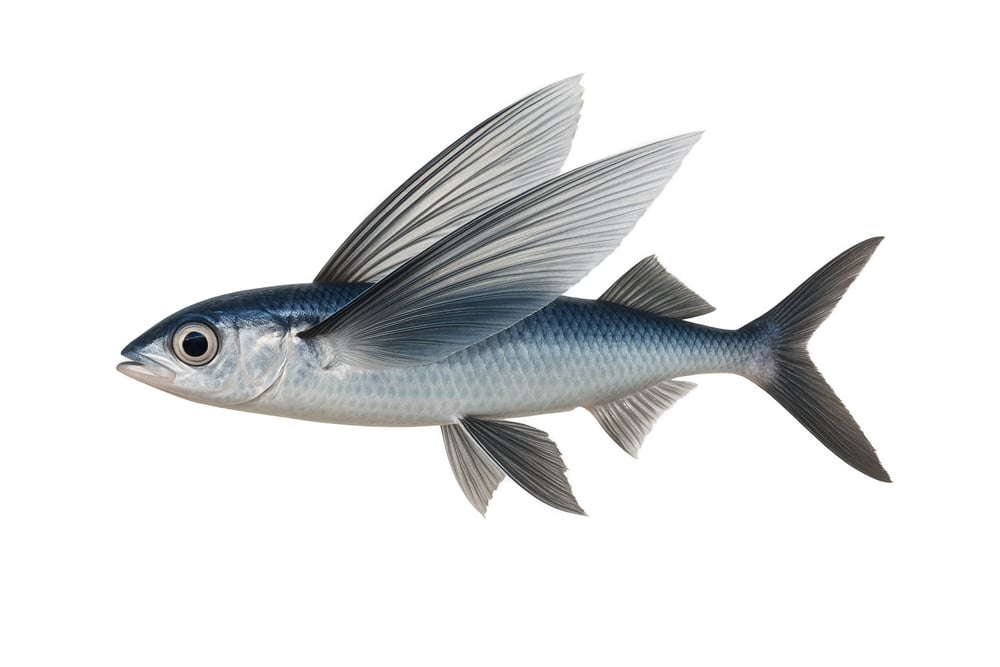
Flying fish take a different approach to speed. They can reach swimming speeds of about 37 miles per hour underwater, but their real trick is breaking the surface and gliding through the air.
They use their speed underwater to build momentum, then burst through the surface with their wing-like pectoral fins spread wide.
A flying fish can glide for over 600 feet in a single flight, staying airborne for up to 45 seconds. They do this to escape predators like dolphins, tuna, and marlin.
The moment they sense danger, they angle upward and launch themselves into an environment where their pursuers can’t follow. Some species have enlarged pelvic fins too, giving them four “wings” instead of two.
Dolphins Match the Fastest Fish
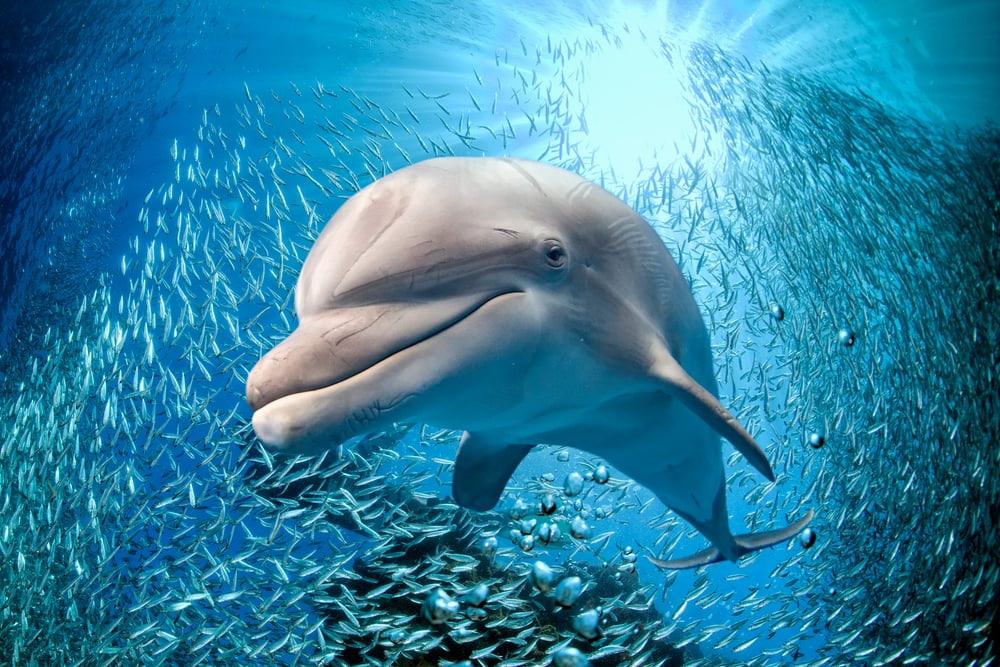
Bottlenose dolphins can swim at speeds around 30 miles per hour, but short bursts can push them faster. What makes dolphins impressive isn’t just their speed—it’s their agility and intelligence while moving that fast.
They can make sharp turns, sudden stops, and direction changes that would be impossible for most fish.
Dolphins also use a technique called porpoising, where they leap in and out of the water while traveling. This reduces drag because air offers less resistance than water.
You’ll often see pods of dolphins traveling this way when they’re covering long distances or chasing fast-moving prey.
Killer Whales Combine Size and Speed
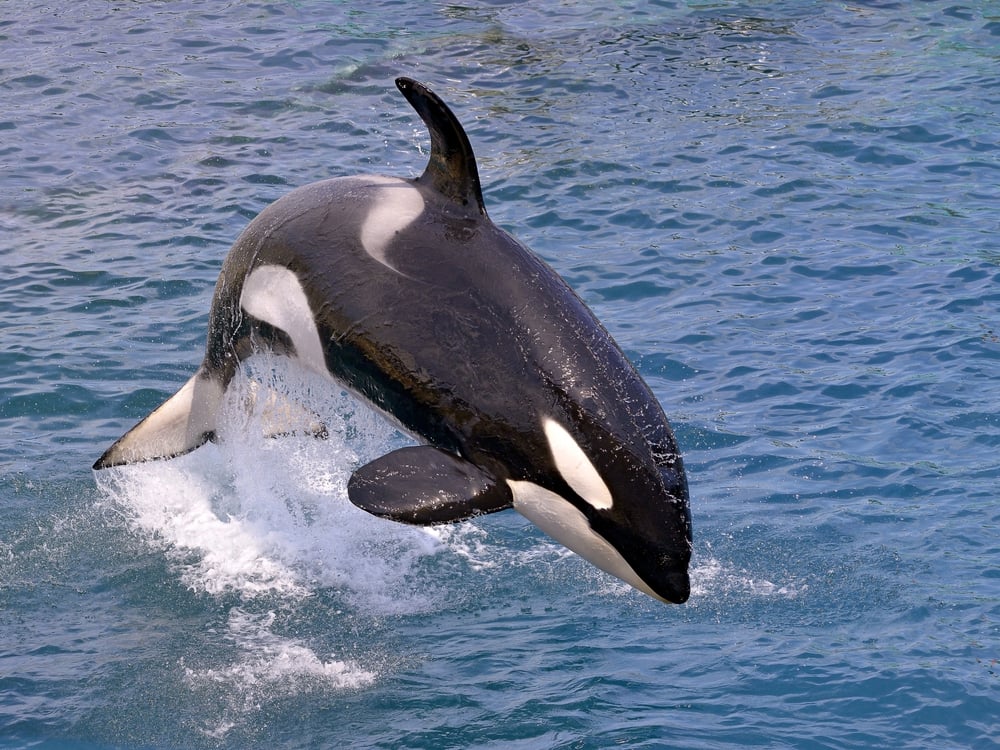
Orcas can reach speeds of 34 miles per hour despite weighing up to 6 tons. These massive predators use their speed to hunt everything from fish to seals to even other whales.
When a pod of orcas decides to chase something down, very few ocean animals can outrun them.
Their hunting strategies often involve speed and teamwork. Orcas will work together to create waves that wash seals off ice floes, or they’ll take turns ramming into large prey to exhaust it.
The combination of their speed, size, and intelligence makes them apex predators throughout the world’s oceans.
Barracuda Strike Like Lightning
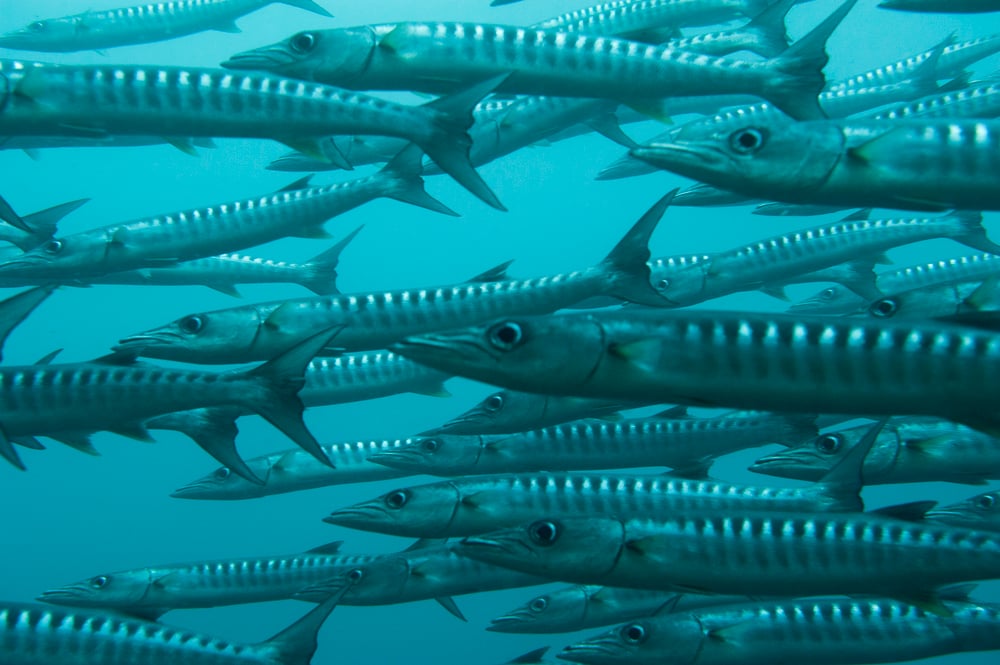
Barracuda can hit speeds around 35 miles per hour, and they use every bit of that velocity when attacking prey. These elongated fish have powerful jaws filled with fang-like teeth.
When they spot a potential meal, they accelerate so quickly that their prey often doesn’t realize danger is near until it’s too late.
You’ll find barracuda in tropical and subtropical waters, often hanging motionless near reefs or in open water. They rely on surprise and explosive speed rather than endurance.
A barracuda can go from perfectly still to full speed in just a couple of powerful tail strokes, making them incredibly effective ambush predators.
Pilot Whales Travel in Close-Knit Groups
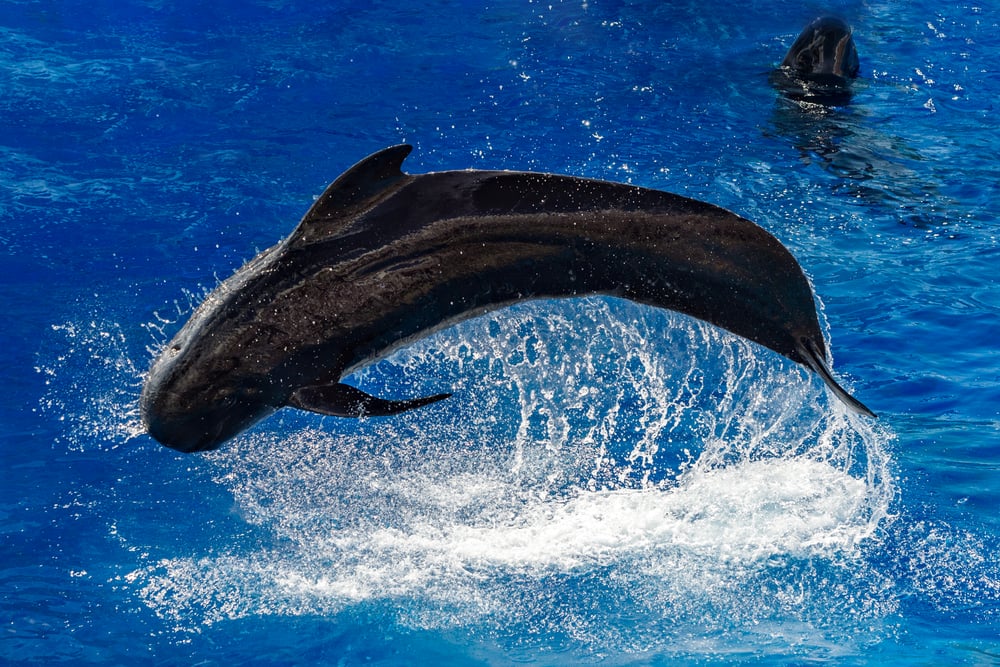
Long-finned pilot whales can swim at speeds up to 23 miles per hour. While not the fastest swimmers, their speed is noteworthy given their size—males can reach 20 feet in length and weigh over 3,000 pounds.
These social animals travel in pods that can number in the hundreds, and they coordinate their movements with remarkable precision.
Pilot whales are deep divers, regularly descending to depths of 2,000 feet or more to hunt squid. They use echolocation to navigate and find prey in the darkness of the deep ocean.
When the pod decides to dive or surface, they move together, their synchronized swimming creating an impressive display of speed and coordination.
Sea Lions Bridge Two Worlds
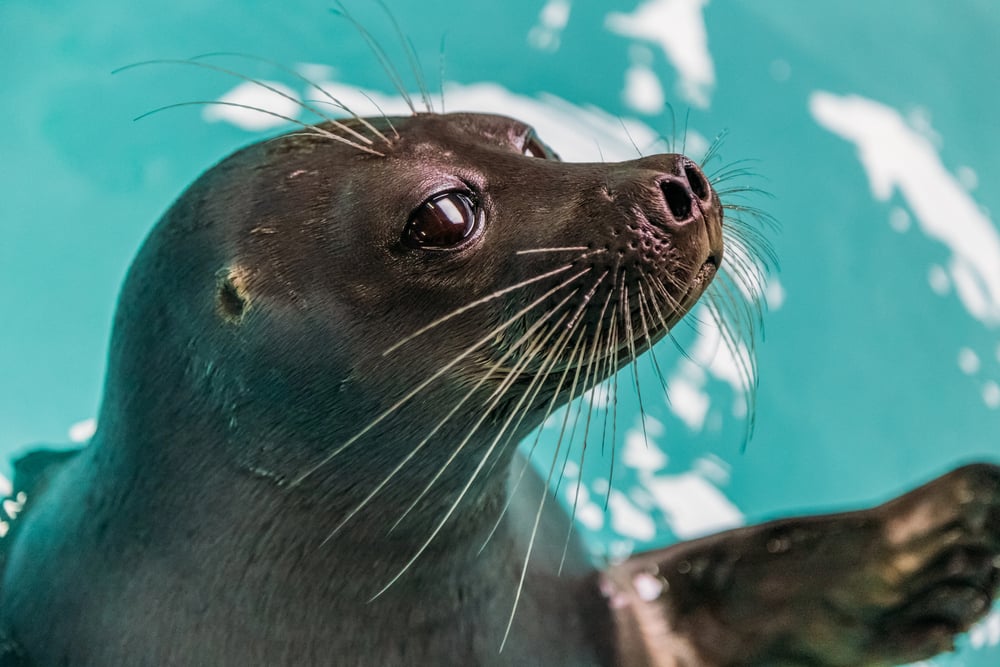
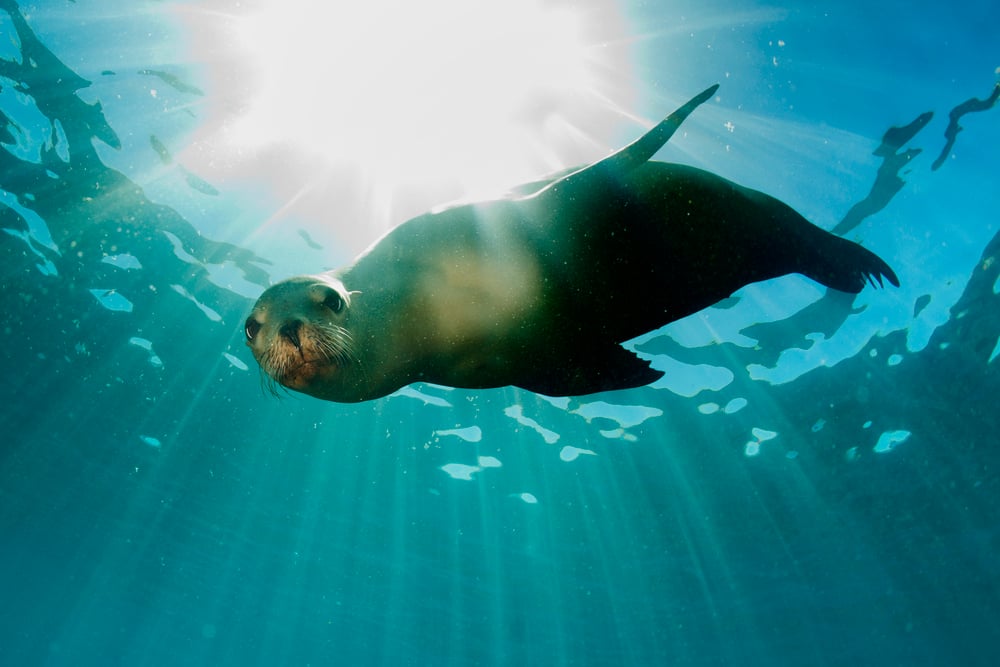
Speeds near 25 miles per hour come easily to California sea lions – quite a feat for creatures also built for solid ground. Shaped like torpedoes, they slice through water, driven by strong front flippers that give sharp control.
While seals stay stiff, these animals twist their back flippers ahead, aiding motion on shorelines while boosting thrust below waves.
Along the Pacific, sea lions hunt close to kelp beds and jagged shores. Chasing fish and squid, they move together, pushing their targets into tight clusters.
Even while focused on food, flashes of joy appear – sudden spins, quick rolls, bursts through waves as if thrilled by how fast and sharp they turn. The ocean seems alive beneath them.
Speed Runs Deeper Than Numbers
Speeds like these are not only about survival. Because one creature sprints, another learns to dodge.
When hunters push limits, chased animals respond – forcing evolution into motion. Ocean life shapes itself around who moves fastest.
What stands out is how these animals move through an environment where every dive, rise, or turn happens in full 3D. On land, motion sticks to flat paths – forward, back, left, right.
Underwater, there is also climbing and dropping, layered over balance issues, shifting pressure, and thick water pushing back. Speed here does not mean sprinting alone. It shows what nature builds when being slow means disappearing.
More from Go2Tutors!

- The Romanov Crown Jewels and Their Tragic Fate
- 13 Historical Mysteries That Science Still Can’t Solve
- Famous Hoaxes That Fooled the World for Years
- 15 Child Stars with Tragic Adult Lives
- 16 Famous Jewelry Pieces in History
Like Go2Tutors’s content? Follow us on MSN.