15 Modern Inventions That People Can’t Imagine Living Without
Life moves fast these days, and somewhere between checking notifications and ordering groceries with a tap, it’s easy to forget how recently most of our daily conveniences arrived. The gadgets and services that feel essential now barely existed a generation ago.
Some of these inventions slipped so seamlessly into our routines that imagining life without them feels almost impossible — like trying to picture a world without running water or electricity.
Smartphones

The entire internet fits in your pocket now. Every phone call, text message, photo, map, and random 2 AM question lives in the same device.
People check them roughly 96 times per day, which sounds excessive until you realize how many problems they solve without you even noticing.
GPS Navigation
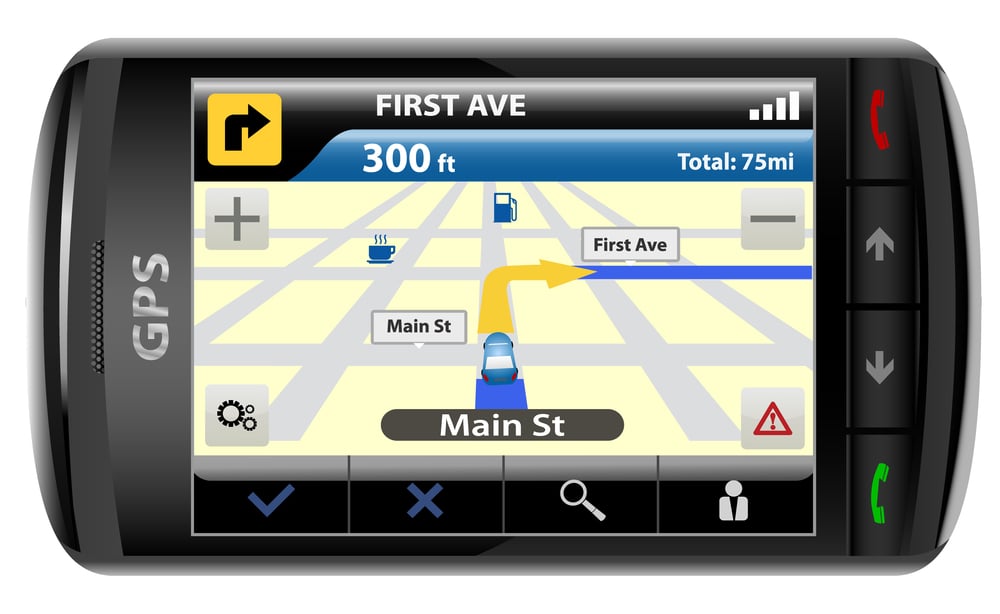
Before GPS, getting lost was a genuine life skill that everyone had to master. People kept folded paper maps in their glove compartments and (God help them) actually had to ask strangers for directions when those failed.
Now the idea of driving somewhere unfamiliar without turn-by-turn voice guidance feels reckless, like rock climbing without a rope.
Wi-Fi
There’s something almost mystical about invisible signals carrying entire movies through the air, and yet disappointment hits hard when the connection drops for even thirty seconds during a video call. Wi-Fi transformed every coffee shop into a potential office and every airport into a place where productivity could theoretically happen (though it rarely does).
The password has become the new key to the city — establishments live or die by the strength of their signal and the generosity of their sharing policy.
So we’ve built an entire economy around the assumption that high-speed internet will be available almost everywhere. Remote work exists because Wi-Fi does.
The gig economy exists because Wi-Fi does. The expectation that you can video chat with someone on the other side of the planet while sitting in a random café — that’s barely twenty years old, and yet it feels like a basic human right now.
Online Shopping

Same-day delivery ruined everyone’s patience for waiting. Why would anyone drive to a store, search through limited inventory, and carry heavy items to their car when the alternative involves clicking a button and having products appear at the front door?
The entire retail landscape restructured itself around this shift, and physical stores now serve more as showrooms than actual purchase locations.
Social Media
Humans figured out how to broadcast their thoughts to hundreds of people simultaneously and then wondered why everything felt more complicated. Social media platforms became the town square, the photo album, the news source, and the primary means of keeping up with friends and family.
The psychological effects are still being studied, but the practical reality is that entire relationships now exist primarily through these channels.
Streaming Services
The idea of watching whatever you want, whenever you want, seems basic now — until you remember that entertainment used to be scheduled by television networks and distributed according to their convenience, not yours. (Missing your favorite show meant actually missing it, sometimes forever.)
The shift from appointment viewing to on-demand consumption changed not just how people watch things, but what gets made in the first place, since creators no longer have to fit stories into neat 22-minute network television slots or worry about losing viewers during commercial breaks.
Binge-watching became a cultural phenomenon because the technology finally allowed for it. And streaming services started producing their own content when they realized that owning the shows meant never having to negotiate licensing deals or worry about other networks pulling popular programs from their catalogs.
Digital Banking
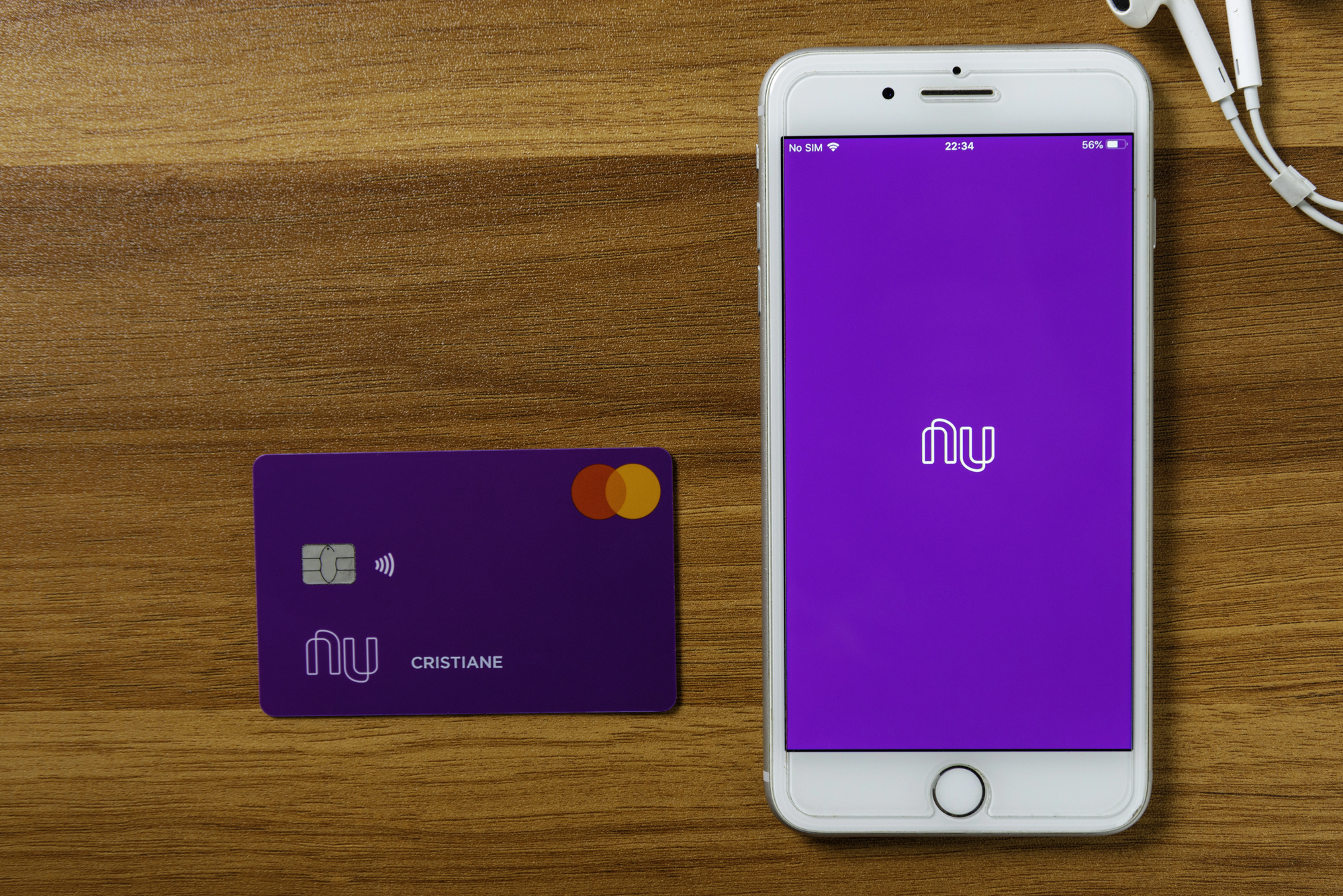
ATMs were revolutionary, but mobile banking finished the job of making physical bank branches feel almost obsolete. Depositing checks by taking a photo seemed like magic when it first appeared — and frankly, it still does.
The ability to transfer money instantly between accounts, pay bills automatically, and check balances from anywhere eliminated most reasons to ever speak with a human about routine financial tasks.
Ride-Sharing Apps

Uber and Lyft solved several problems simultaneously: finding transportation in areas without good public transit, avoiding the uncertainty of traditional taxis, and providing an alternative to driving when that wasn’t practical or safe. The apps gamified the entire experience — you could see exactly where your driver was, rate the experience afterward, and never had to worry about whether you had cash or if the credit card machine was mysteriously “broken.”
These services also created an entire category of employment that didn’t exist before, turning anyone with a decent car into a potential driver for hire.
Digital Photography
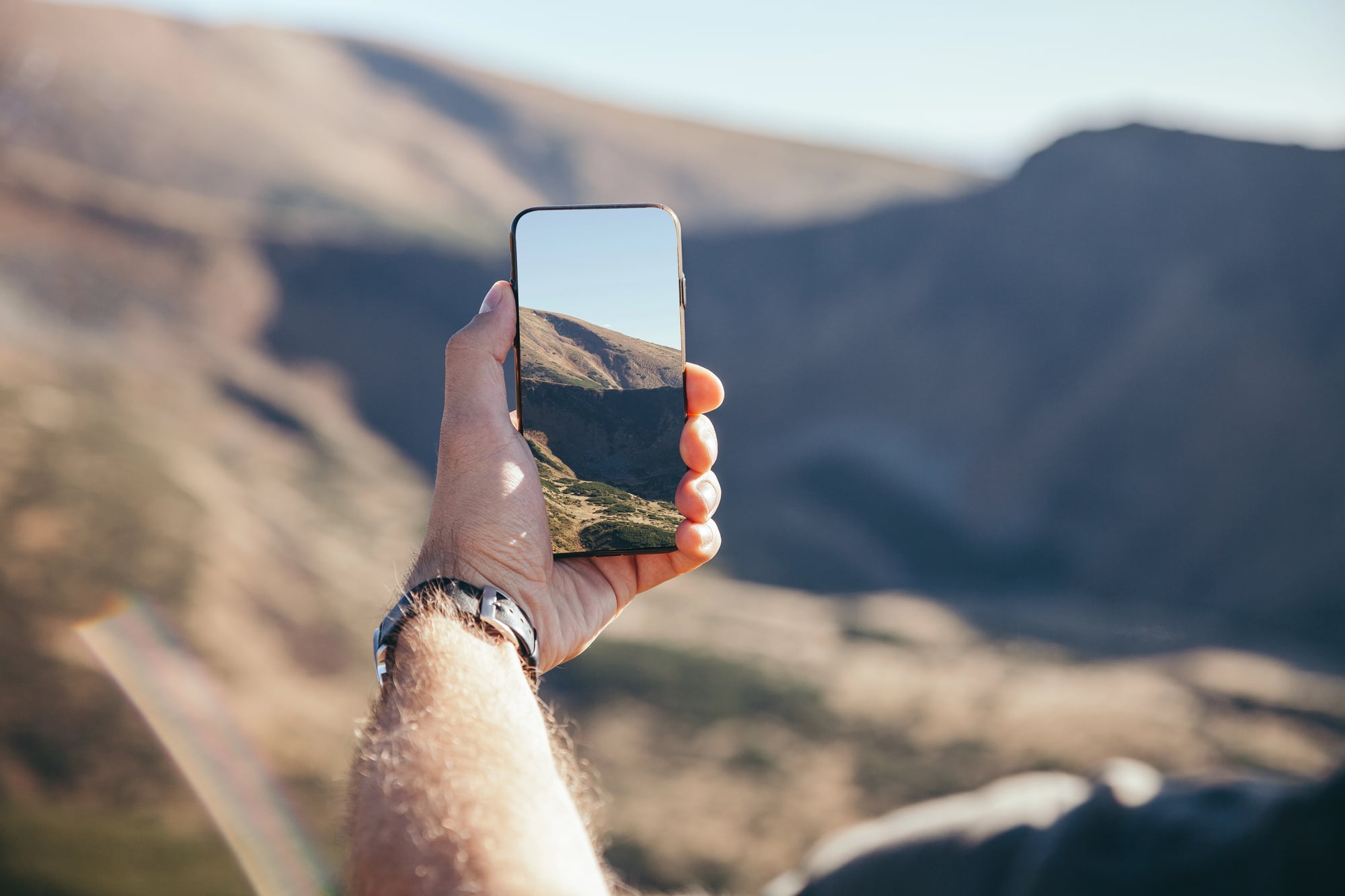
Film photography required planning (and chemistry and patience and money for developing). Digital photography requires none of these things, which explains why people now take roughly 1.4 trillion photos per year globally.
The ability to see results immediately, delete mistakes without cost, and store thousands of images in devices smaller than old film canisters changed photography from a deliberate craft into a casual documentation of daily life.
So smartphones became cameras, and cameras became smartphones, and suddenly everyone carried professional-grade image-capturing equipment everywhere they went. The line between casual snapshots and serious photography blurred because the tools became accessible to everyone.
Contactless Payments

There’s something deeply satisfying about the tiny beep that confirms a transaction went through — a sound that barely existed before the late 2000s but now provides the soundtrack to commerce. Contactless payments eliminated the friction of cash handling and the awkwardness of chip card insertion timing. (Was it too fast? Too slow? Should you remove it now? The card reader will let you know by making disapproving noises.)
The pandemic accelerated adoption of tap-to-pay technology as businesses preferred transactions that didn’t require physical contact. What started as a convenience became a public health measure, and then settled in as the new normal because it was simply faster and easier than the alternatives.
Video Calling

The ability to see someone’s face while talking to them from anywhere in the world used to be science fiction — the kind of technology that appeared in futuristic movies to show how advanced society had become. Now it’s so routine that video calls feel more natural than voice-only conversations for many people, especially younger generations who grew up with the technology.
Cloud Storage
The idea that your files could exist “somewhere else” but always be accessible felt abstract at first, like trusting your possessions to an invisible butler. But cloud storage solved the fundamental problem of digital life: stuff accumulates faster than hard drive space, and hard drives eventually fail.
The cloud promised (and largely delivered) on making data loss a choice rather than an inevitability.
Photos, documents, music, and entire computer backups now live in remote servers managed by companies whose entire business model depends on keeping that data safe and accessible. The peace of mind is worth the monthly subscription fee, which is probably why few people ever cancel these services once they start using them.
Electric Vehicles
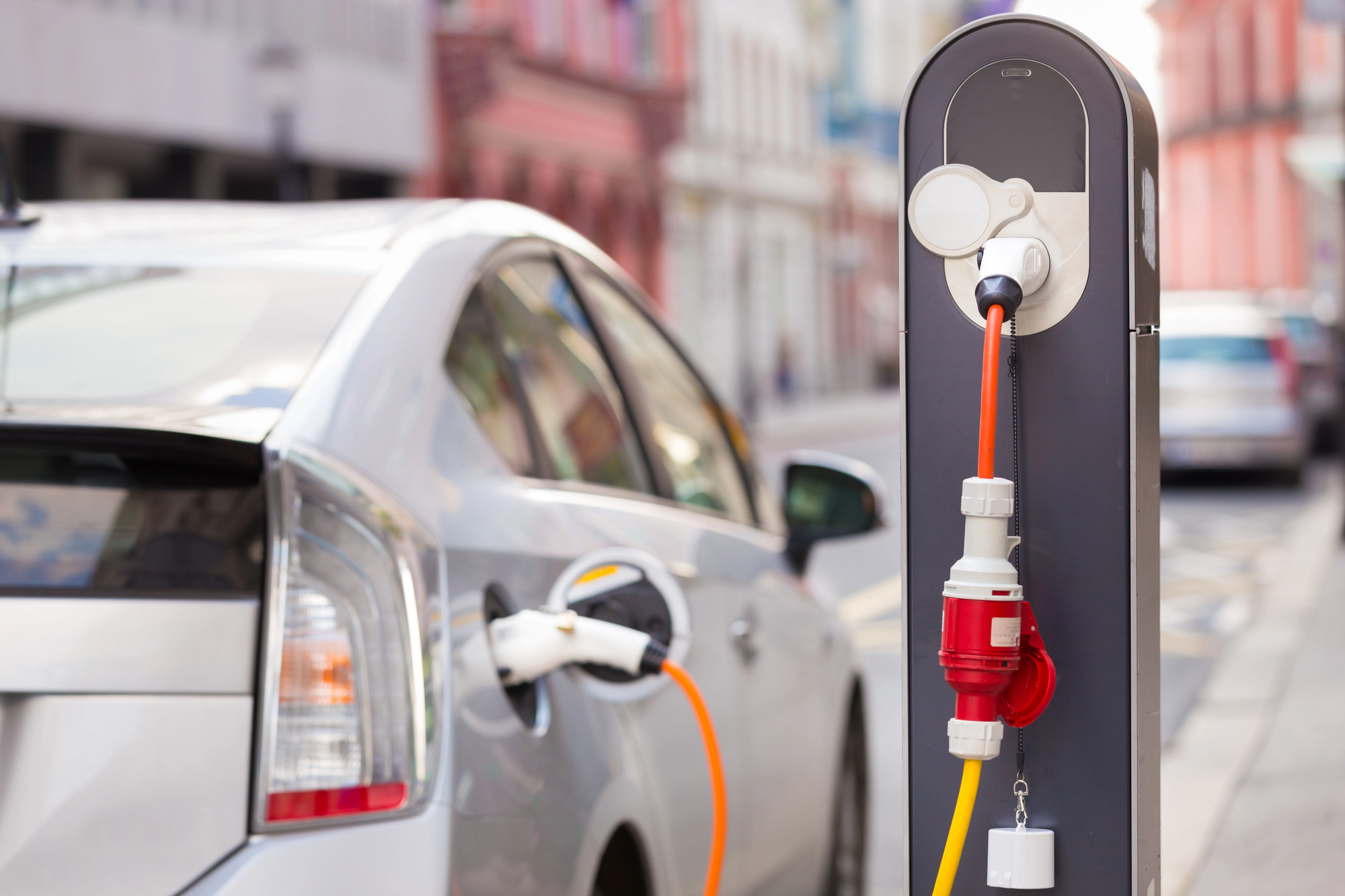
Electric cars were supposed to be the future for decades before they actually became practical for regular people. Tesla proved that electric vehicles could be desirable rather than just environmentally responsible, and other manufacturers followed with increasingly viable options.
The shift happened gradually, then suddenly — charging infrastructure expanded, battery technology improved, and the total cost of ownership became competitive with gas-powered vehicles.
So now there’s an entire generation of drivers who will never have to learn the particular frustrations of internal combustion engines: oil changes, tune-ups, smog checks, and the general complexity of maintaining hundreds of moving parts working in precisely timed coordination.
Food Delivery Apps

These apps didn’t just digitize restaurant ordering — they created an entire industry of people willing to bring food from places that never offered delivery before. DoorDash, Grubhub, and Uber Eats expanded the concept of takeout to include essentially every restaurant, not just pizza places and Chinese food.
The convenience comes with obvious trade-offs (cost, fees, food quality after transport), but the fundamental value proposition proved irresistible: access to restaurant food without leaving home.
The pandemic turned food delivery from a luxury into a necessity for many businesses and customers, cementing its place in the daily routine.
Voice Assistants

Talking to devices still feels slightly ridiculous, but it works well enough that people do it anyway. Alexa, Siri, and Google Assistant made voice control mainstream by focusing on simple, practical tasks: setting timers, playing music, checking weather, controlling smart home devices.
The technology works best when expectations stay modest — these aren’t the conversational AI companions of science fiction, but they’re useful for hands-free control of routine tasks.
Voice assistants succeeded by being ambient rather than intrusive. They wait quietly until summoned, respond quickly to straightforward requests, and don’t try to be more helpful than their capabilities allow.
The Invisible Foundation

Looking at this list reveals something interesting about modern life: convenience has a way of becoming necessity remarkably quickly. Each of these inventions solved specific problems, but together they’ve rewired expectations about how daily life should function.
The infrastructure they created — physical and digital — now supports everything else we do.
What seemed like luxury features just a few years ago now feel like basic requirements. And the next wave of innovations is already being developed by teams of people who grew up with all of these technologies and can’t imagine why anyone would want to live without them.
More from Go2Tutors!

- The Romanov Crown Jewels and Their Tragic Fate
- 13 Historical Mysteries That Science Still Can’t Solve
- Famous Hoaxes That Fooled the World for Years
- 15 Child Stars with Tragic Adult Lives
- 16 Famous Jewelry Pieces in History
Like Go2Tutors’s content? Follow us on MSN.