15 Most Dangerous Gangsters and the Crimes That Defined Them
The shadow world of organized crime has always held a dark fascination for people drawn to stories of power, violence, and betrayal. These aren’t fictional antiheroes crafted for entertainment — they’re real individuals whose actions left deep scars on society, families destroyed in their wake, and law enforcement agencies scrambling to keep up.
From the bootlegging era of Prohibition to modern-day international trafficking operations, certain names have become synonymous with the most ruthless criminal enterprises in history. Each of these figures built their reputation through a defining moment or series of crimes that revealed just how far they were willing to go.
Some sought respect through fear, others through cunning, but all understood that in their world, weakness meant death. Their stories reveal the brutal machinery that operates beneath the surface of civilized society, where loyalty is bought with blood and betrayal carries the ultimate price.
Al Capone
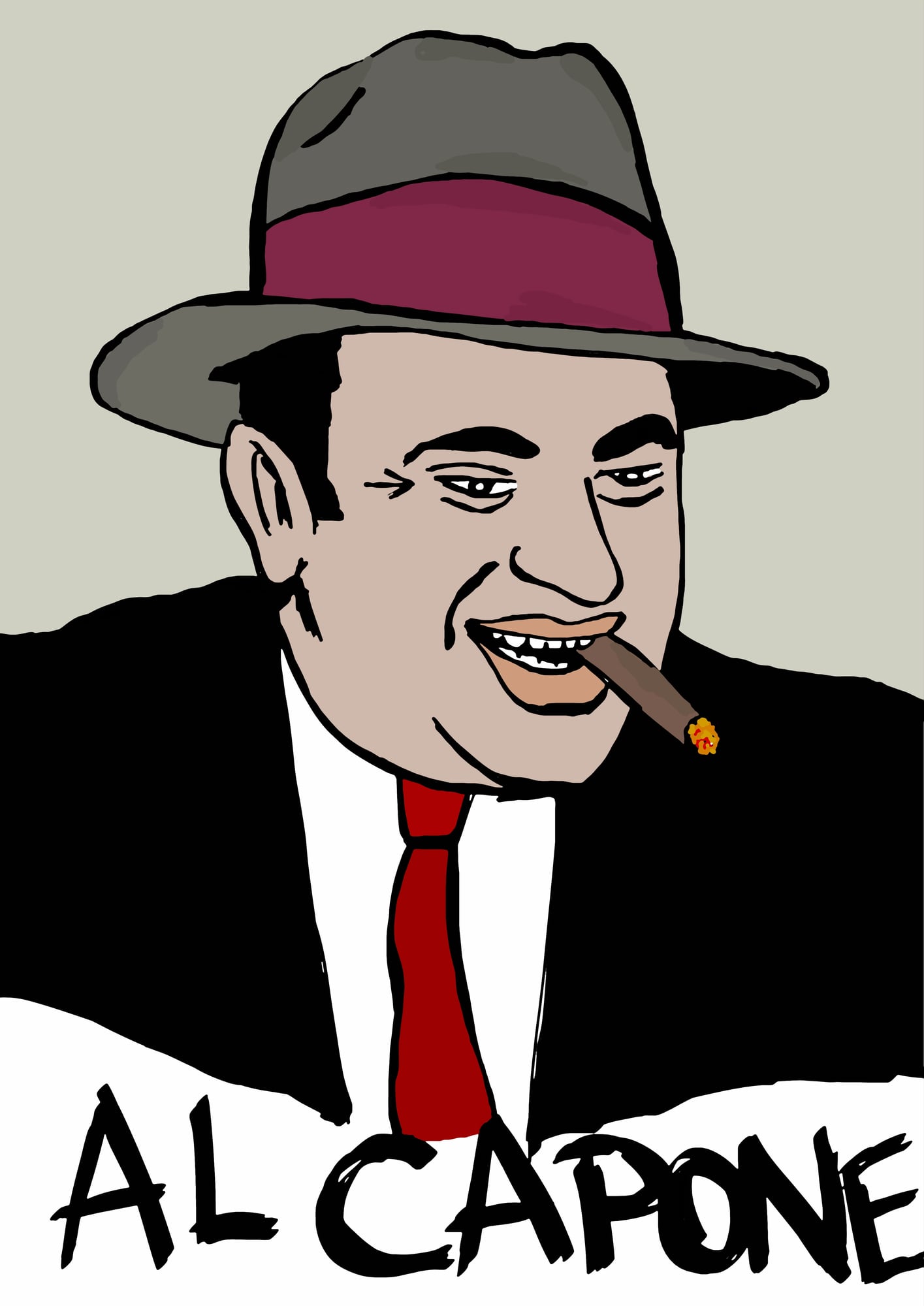
Capone didn’t just run Chicago’s underworld during Prohibition — he owned it. The Saint Valentine’s Day Massacre wasn’t just another gang killing. It was a public execution designed to send a message that his word was law.
Seven members of the rival North Side Gang were lined up against a warehouse wall and gunned down in broad daylight. The precision was clinical, the brutality absolute.
Capone understood that sometimes you have to make an example that echoes through every speakeasy and back alley in the city.
John Gotti
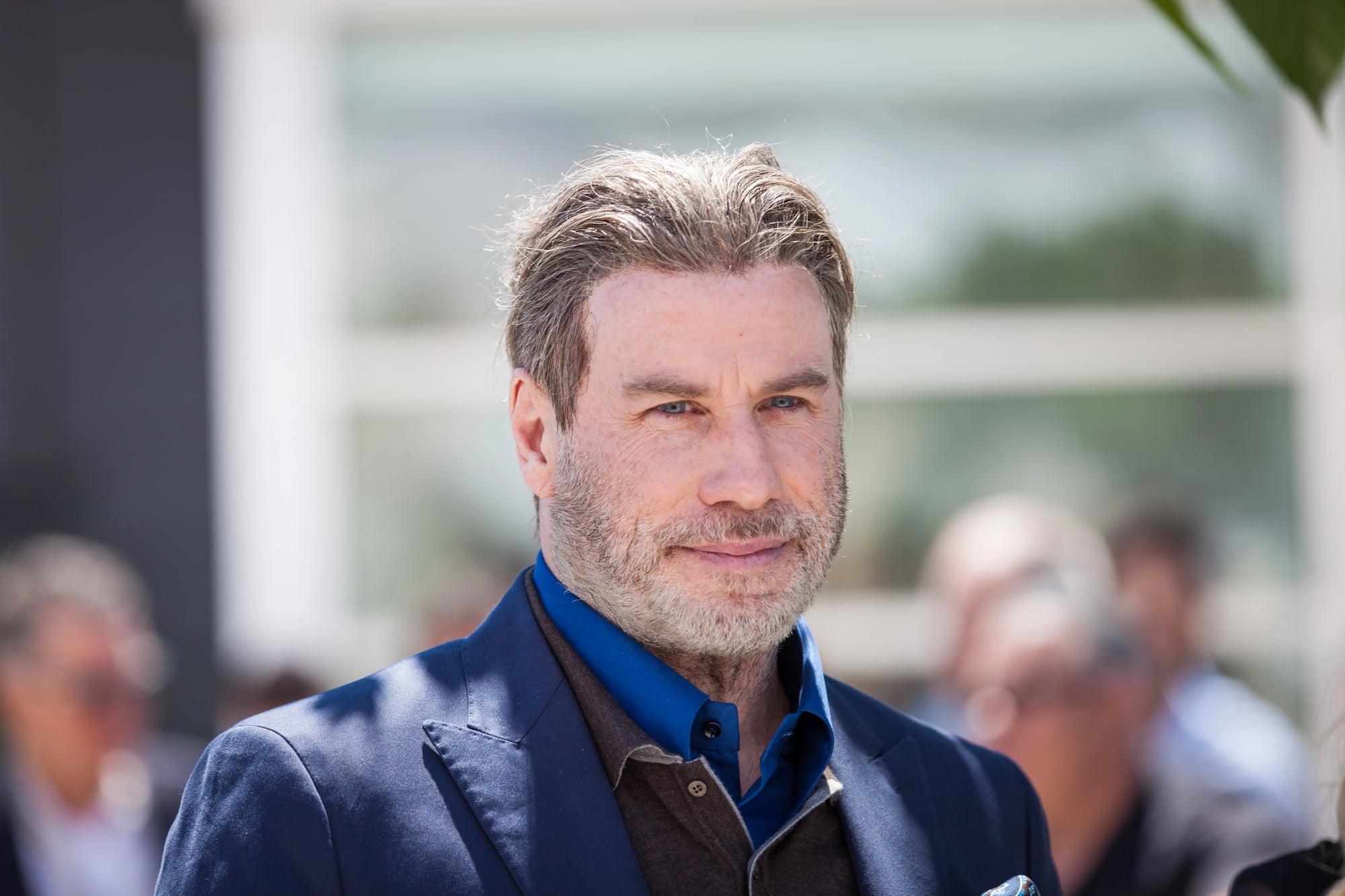
The “Teflon Don” earned his nickname by slipping through prosecution after prosecution, but it was the assassination of Paul Castellano that truly defined his ruthless rise to power. Gotti orchestrated the hit right outside Sparks Steak House in Manhattan, gunning down the Gambino family boss in rush-hour traffic as if he were settling a parking dispute rather than executing the head of one of New York’s most powerful crime families.
The audacity wasn’t just criminal — it was theatrical, and Gotti knew that in the mob world, perception often matters more than reality. So when he walked into that same steakhouse later as the new boss, everyone understood that the rules had changed, and John Gotti was writing them now.
Pablo Escobar
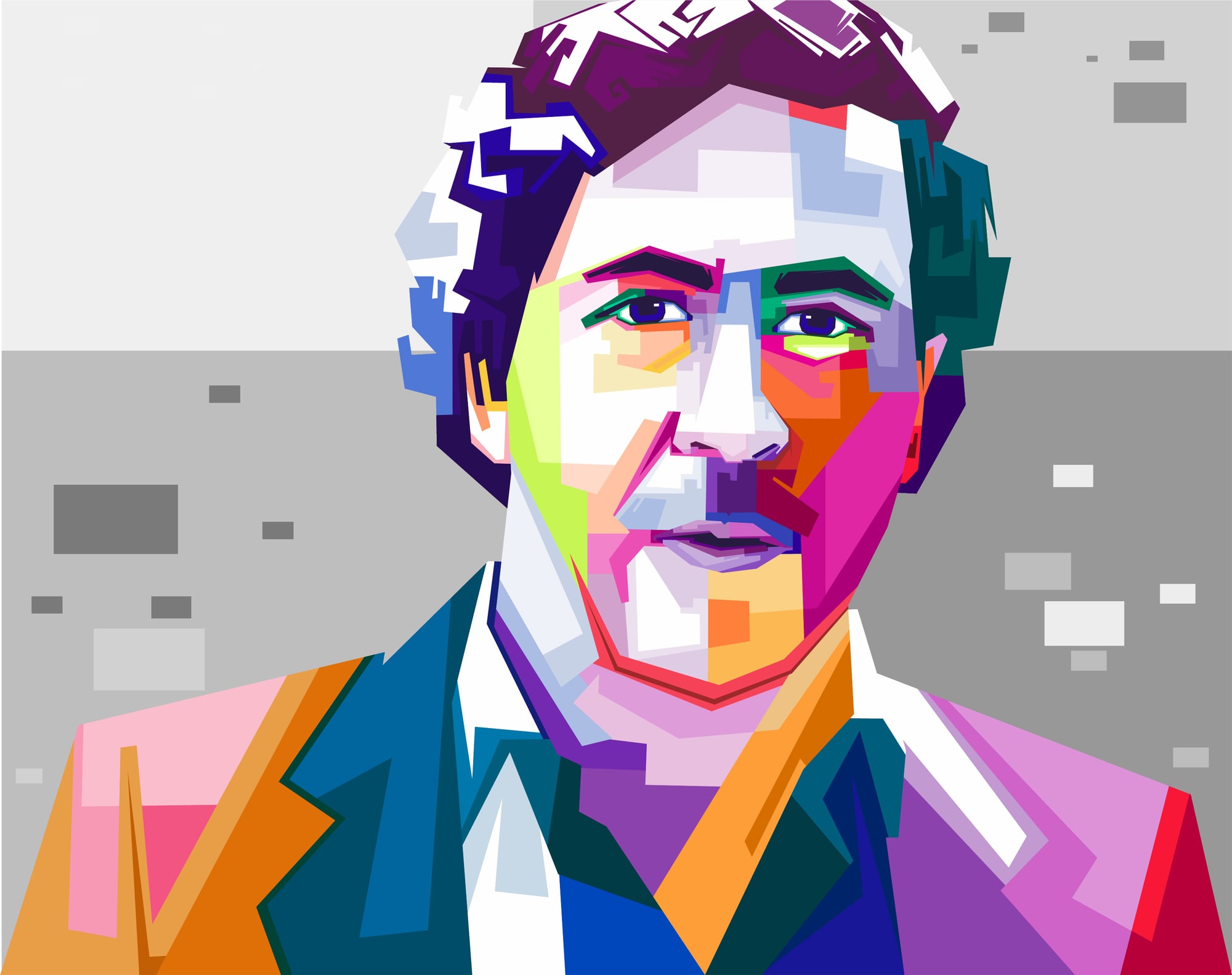
There’s something almost incomprehensible about the scale of violence Pablo Escobar was willing to unleash to protect his cocaine empire. When Colombian authorities tried to extradite him to the United States, he didn’t just resist — he declared war on the entire country.
The bombing of Avianca Flight killed innocent people. Escobar ordered the attack to eliminate one target who wasn’t even on the plane.
That level of collateral damage reveals a mind that viewed human life as expendable currency in a larger game of power and control.
Meyer Lansky
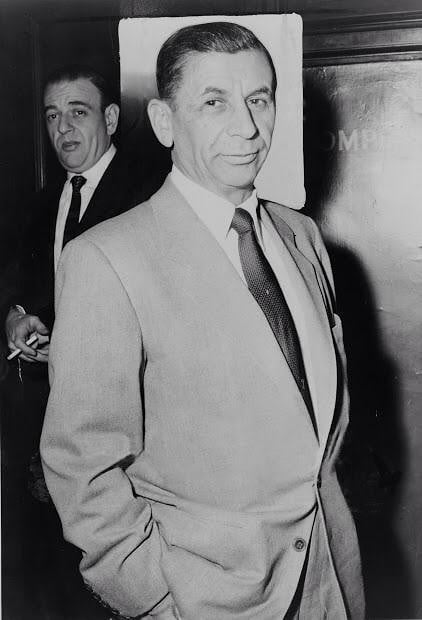
Lansky built his empire on numbers, not violence — though he understood when violence was necessary. The formation of the National Crime Syndicate wasn’t just an alliance between crime families. It was the creation of organized crime’s board of directors.
He turned criminal enterprises into legitimate businesses, pioneering money laundering techniques that are still studied today. Lansky proved that the most dangerous gangsters aren’t always the ones with the biggest guns.
Sometimes they’re the ones with the sharpest minds.
Lucky Luciano
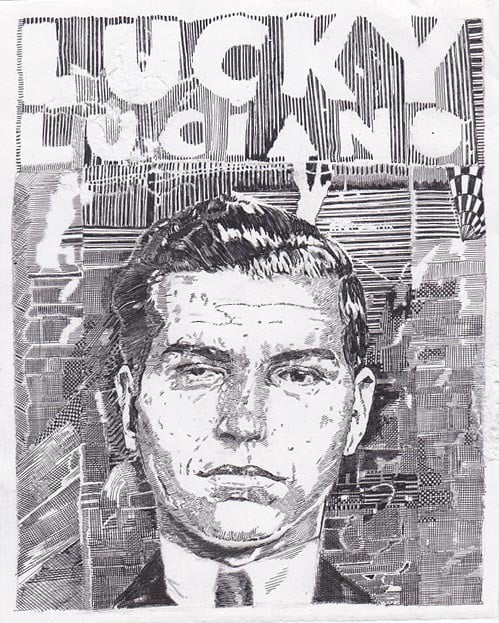
The Castellammarese War wasn’t just another gang conflict. It was Luciano’s calculated dismantling of the old-world Sicilian power structure that had dominated American organized crime. When he ordered the simultaneous murders of Giuseppe Masseria and Salvatore Maranzano — bosses on opposite sides of the conflict — he wasn’t picking a side, he was eliminating the game entirely and creating his own rules.
What made Luciano truly dangerous wasn’t his willingness to kill his way to the top. It was his ability to see beyond the immediate bloodshed to the organizational possibilities that lay beneath.
The Commission system he established didn’t just end a war; it created the framework that would govern organized crime for generations.
Bugsy Siegel
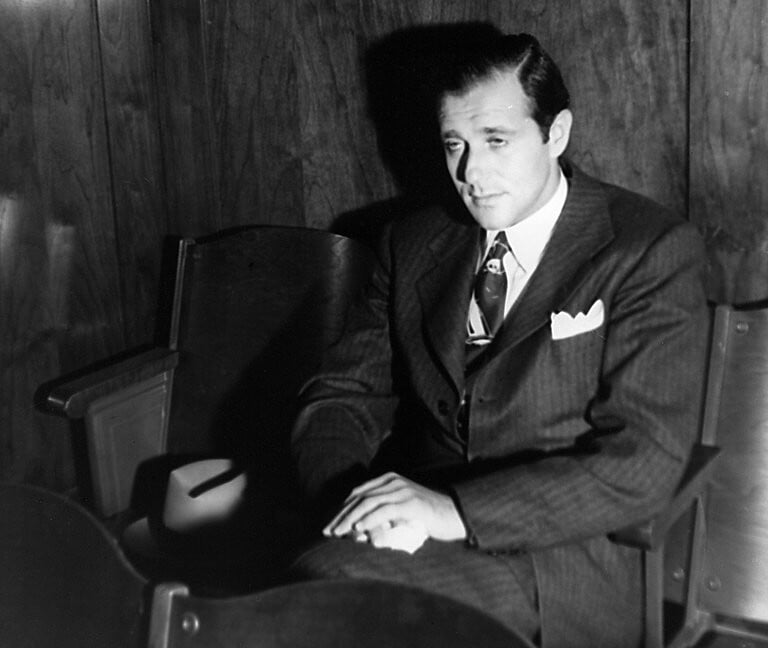
Siegel’s vision for Las Vegas was either brilliant or insane, and the line between those two things has always been thinner than most people realize. The Flamingo Hotel wasn’t just a casino — it was his attempt to create a criminal empire disguised as legitimate entertainment, built in the middle of a desert where normal rules didn’t apply.
The project consumed millions of dollars that belonged to other dangerous men, and when cost overruns spiraled out of control, Siegel found himself in the impossible position of owing money to people who collected debts with bullets rather than lawyers.
His execution in a Beverly Hills mansion wasn’t just the end of a man; it was the moment organized crime learned that even visionaries have to answer for their mistakes.
Griselda Blanco
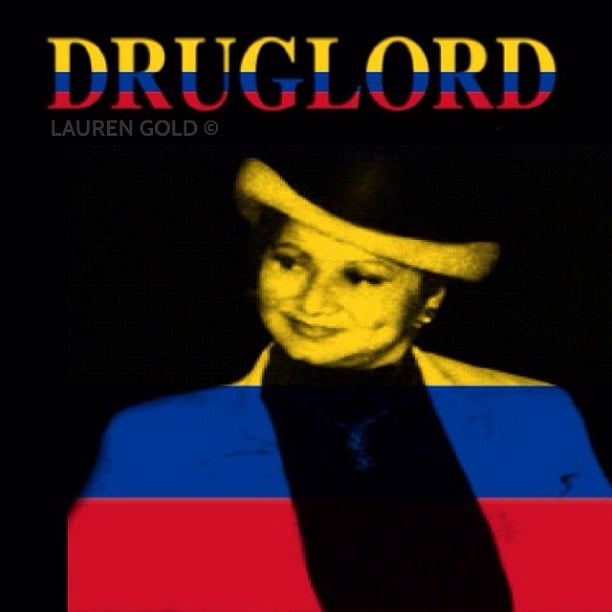
Blanco didn’t just participate in the cocaine trade — she revolutionized it with a level of violence that shocked even seasoned criminals. The motorcycle assassinations she pioneered in Miami turned public streets into execution grounds, with hitmen pulling up next to targets in broad daylight before disappearing into traffic.
Her willingness to kill anyone who stood in her way, including former lovers and business partners, earned her a reputation that transcended typical criminal hierarchies.
In a world where men assumed women couldn’t match their ruthlessness, Blanco proved them catastrophically wrong.
Frank Costello
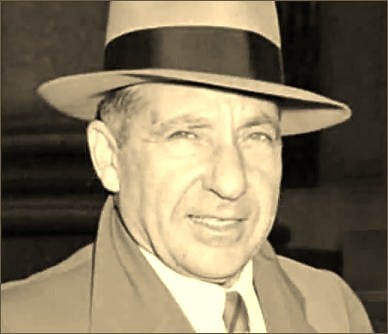
The “Prime Minister of the Underworld” understood that the most effective criminal enterprises operate not in opposition to legitimate power, but alongside it. Costello’s corruption of political figures and law enforcement officials created a shadow government that controlled everything from construction contracts to judicial appointments.
His testimony before the Kefauver Committee revealed the stunning extent to which organized crime had infiltrated American institutions. The hearings were televised, and viewers watched Costello’s hands as he spoke.
The cameras weren’t allowed to show his face, but those nervous gestures told the story of a man who had built an empire on handshake deals and mutual favors that couldn’t survive public scrutiny.
Carlo Gambino
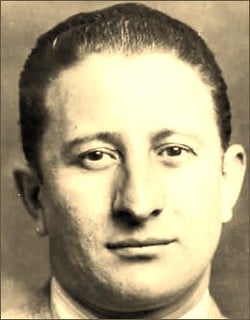
Gambino’s rise to power came through patience rather than spectacle. He understood that the most successful criminals are often the ones you never hear about until it’s too late. His control of the Gambino crime family turned it into the most powerful criminal organization in America.
The family’s infiltration of legitimate businesses — construction, trucking, waste management — created a criminal enterprise that generated revenue whether or not traditional illegal activities succeeded.
Gambino proved that the most dangerous gangsters don’t just break the law; they make breaking the law look like good business.
Vincent Gigante
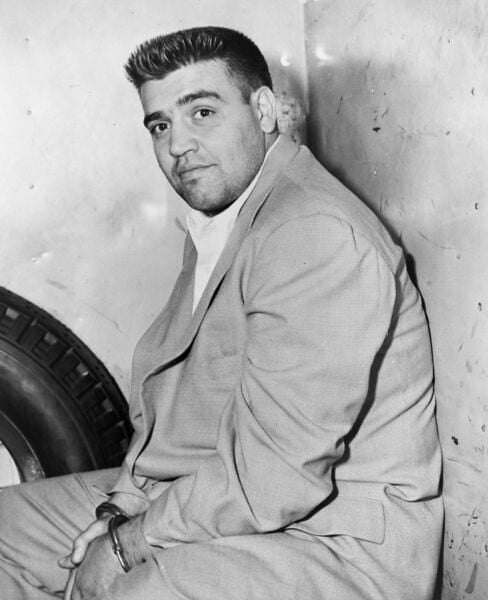
For decades, Gigante wandered the streets of Greenwich Village in his bathrobe and slippers, mumbling to himself and appearing mentally incompetent, while simultaneously running the Genovese crime family as one of the most sophisticated criminal organizations in the country. The “Oddfather” turned mental illness into the ultimate alibi, making it nearly impossible for law enforcement to build a case against someone who appeared incapable of organizing his own breakfast, let alone a criminal empire.
And the truly unsettling part wasn’t just that he fooled psychiatrists and judges for years — it was that he maintained this elaborate deception while making decisions that affected thousands of people and millions of dollars. The bathrobe wasn’t a sign of weakness; it was camouflage that allowed him to hide in plain sight.
Semion Mogilevich
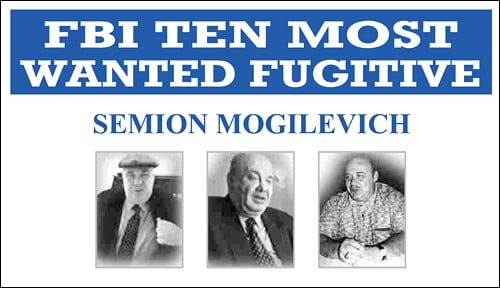
Eastern European organized crime operates by different rules than its American counterparts, and Mogilevich embodies that fundamental difference. His criminal enterprises span multiple continents and involve financial crimes so complex that law enforcement agencies struggle to understand them, let alone prosecute them.
The YBM Magnex International fraud alone cost investors hundreds of millions of dollars. But what makes Mogilevich particularly dangerous isn’t just the scale of his crimes — it’s his ability to operate across international boundaries where jurisdictional conflicts create safe havens for criminals sophisticated enough to exploit them.
Matteo Messina Denaro
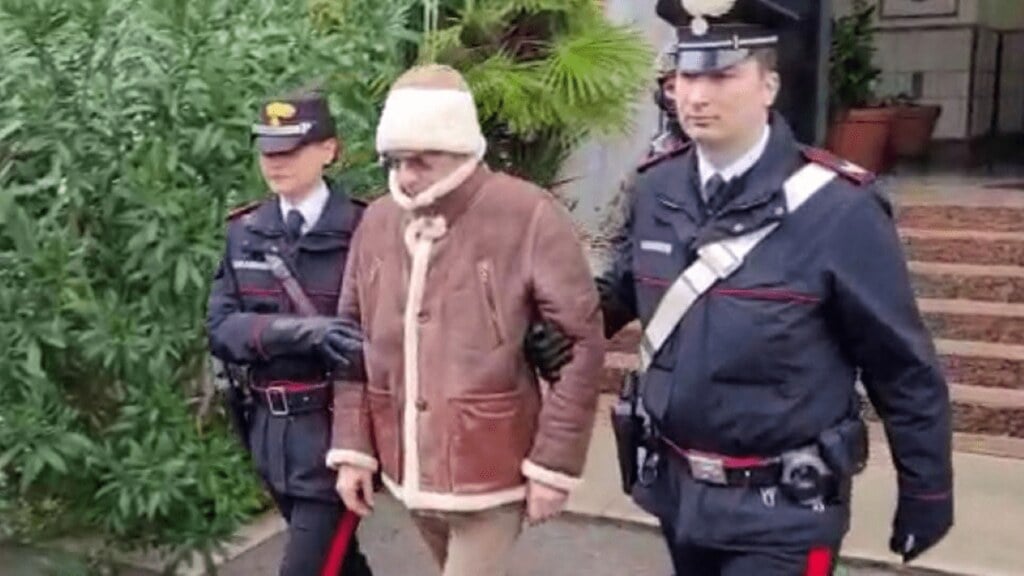
Denaro represents the evolution of traditional Sicilian organized crime into something more elusive and potentially more dangerous. His thirty-year run as a fugitive wasn’t just impressive — it revealed how deeply the Cosa Nostra had embedded itself into the social and economic fabric of Sicily.
The bombings that killed anti-mafia judges Giovanni Falcone and Paolo Borsellino weren’t just assassinations. They were declarations of war against the Italian state itself, and Denaro’s role in planning those attacks established him as one of the most wanted men in the world.
Joaquín “El Chapo” Guzmán
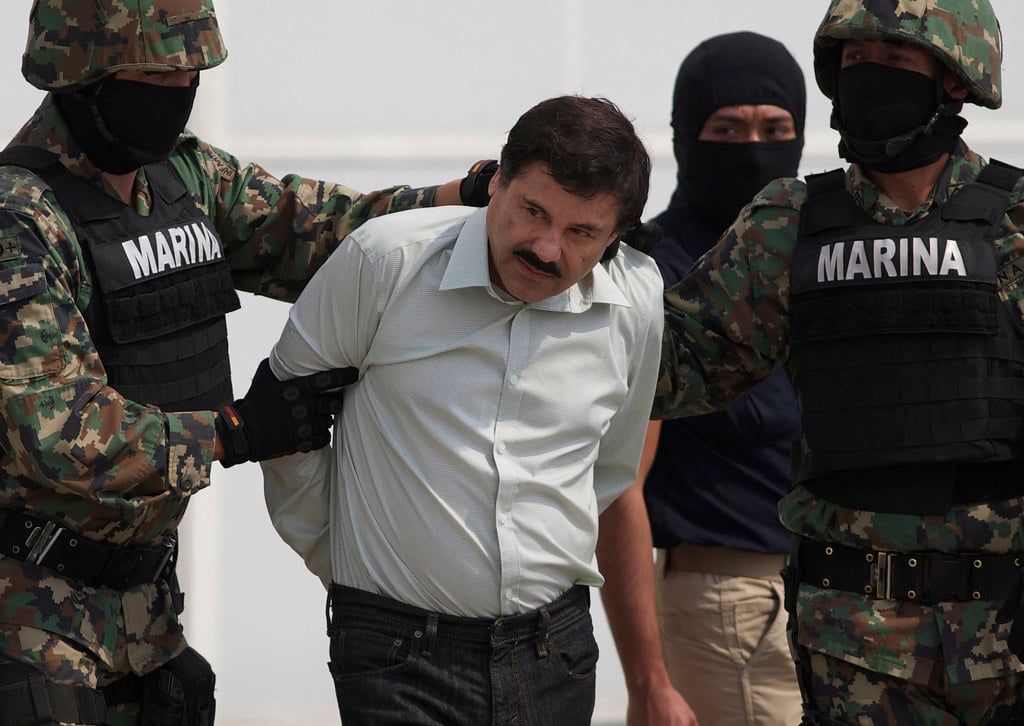
El Chapo’s prison escapes weren’t just jailbreaks — they were public demonstrations of the Sinaloa Cartel’s reach and sophistication. The mile-long tunnel that led from his cell to a construction site wasn’t dug by desperate criminals. It was engineered by professionals with access to heavy machinery and detailed architectural plans.
His ability to continue running a multi-billion dollar drug empire from maximum security prisons revealed the extent to which corruption had compromised Mexican institutions.
When traditional walls and bars can’t contain someone, it suggests the problem extends far beyond any individual criminal.
Salvatore Riina
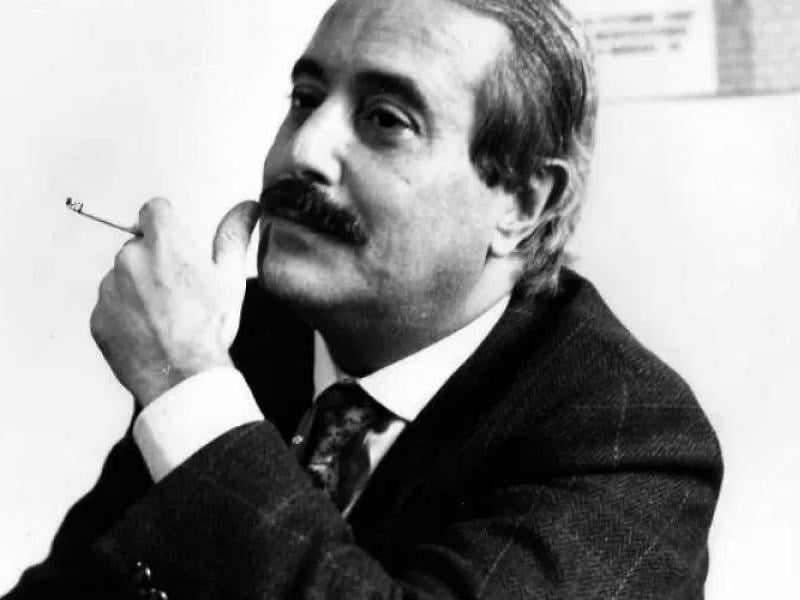
Riina’s approach to leadership within the Sicilian Mafia was simple: kill anyone who might become a problem before they realize they’re a problem. His strategy of preemptive violence eliminated potential rivals and critics with such thoroughness that he earned the nickname “The Beast”.
The campaign of terror he unleashed against Italian authorities included bombings that targeted not just judges and prosecutors, but their families and anyone associated with anti-mafia efforts.
This wasn’t just criminal activity — it was an attempt to make opposition so dangerous that it became unthinkable.
Dawood Ibrahim
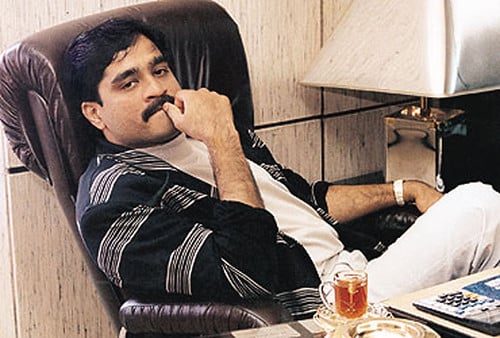
Ibrahim’s transformation from a small-time smuggler in Mumbai to one of the world’s most wanted figures illustrates how organized crime can evolve into something far more dangerous than traditional law enforcement is equipped to handle. The Bombay bombings that killed hundreds of people weren’t just criminal acts — they were coordinated attacks designed to inflict maximum civilian casualties.
His alliance with extremist organizations created a hybrid criminal enterprise that combines the profit motives of organized crime with ideological extremism.
This fusion represents perhaps the most dangerous evolution in modern criminal organizations.
The Price of Understanding Evil

Looking back through these stories, you start to notice patterns that say something unsettling about human nature itself. These weren’t monsters born in some criminal underworld — they were individuals who made calculated decisions about how far they were willing to go to get what they wanted.
The scariest part isn’t their capacity for violence; it’s their ability to rationalize that violence as necessary, even justified. Their crimes didn’t just harm their immediate victims.
They corrupted institutions, destroyed communities, and created cultures of fear that persist long after the perpetrators are gone. Understanding their methods isn’t about glorifying their actions — it’s about recognizing the warning signs when ordinary ambition crosses the line into something far more dangerous.
More from Go2Tutors!

- The Romanov Crown Jewels and Their Tragic Fate
- 13 Historical Mysteries That Science Still Can’t Solve
- Famous Hoaxes That Fooled the World for Years
- 15 Child Stars with Tragic Adult Lives
- 16 Famous Jewelry Pieces in History
Like Go2Tutors’s content? Follow us on MSN.