Worst Invasive Animal Species
You don’t need to look far to find places where animals have shown up where they don’t belong. Sometimes a few individuals escape, or someone releases a pet they can’t care for anymore, and decades later entire ecosystems struggle under the weight of creatures that never should have been there.
The damage adds up quickly—native species disappear, habitats shift, and communities spend millions trying to control populations that just keep growing.
Burmese Pythons in the Everglades
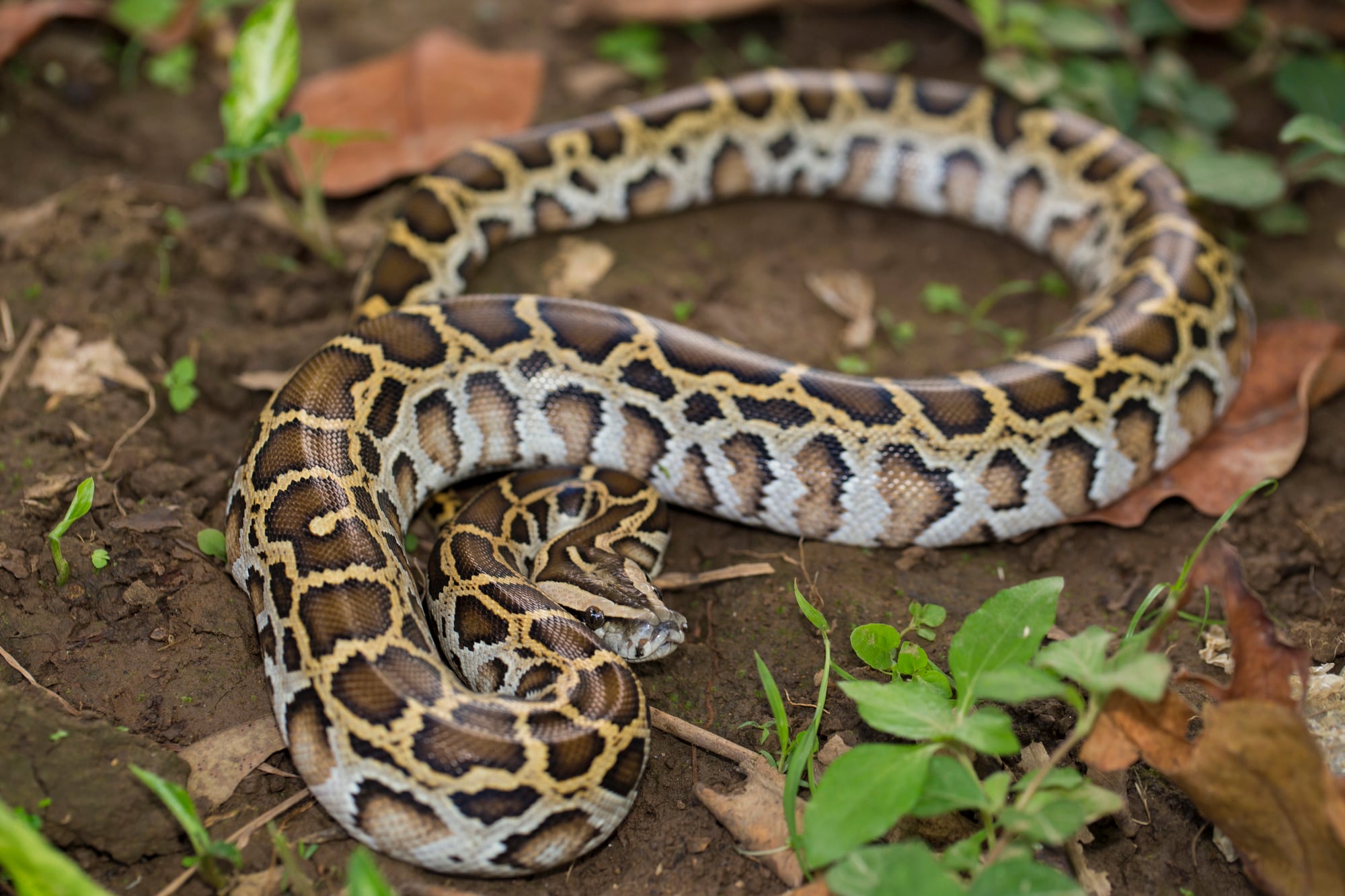
The Florida Everglades used to have a different rhythm. Wading birds nested in the marshes, mammals moved through the sawgrass, and everything existed in a delicate balance.
Then pet owners started releasing Burmese pythons they couldn’t manage, and those snakes found paradise.
These pythons grow enormous—some reach over 20 feet long. They eat anything they can swrap around, from rabbits to deer to alligators.
Studies show that mammal populations in areas with high python densities have crashed by more than 90 percent. Raccoons, opossums, and bobcats have essentially vanished from parts of the park.
The snakes blend into the landscape so well that finding them takes specialized training and equipment. Hunters use dogs, thermal imaging, and radio telemetry just to locate a handful.
Thousands hide in the wetlands, and each female can lay dozens of eggs at a time.
Cane Toads Across Australia
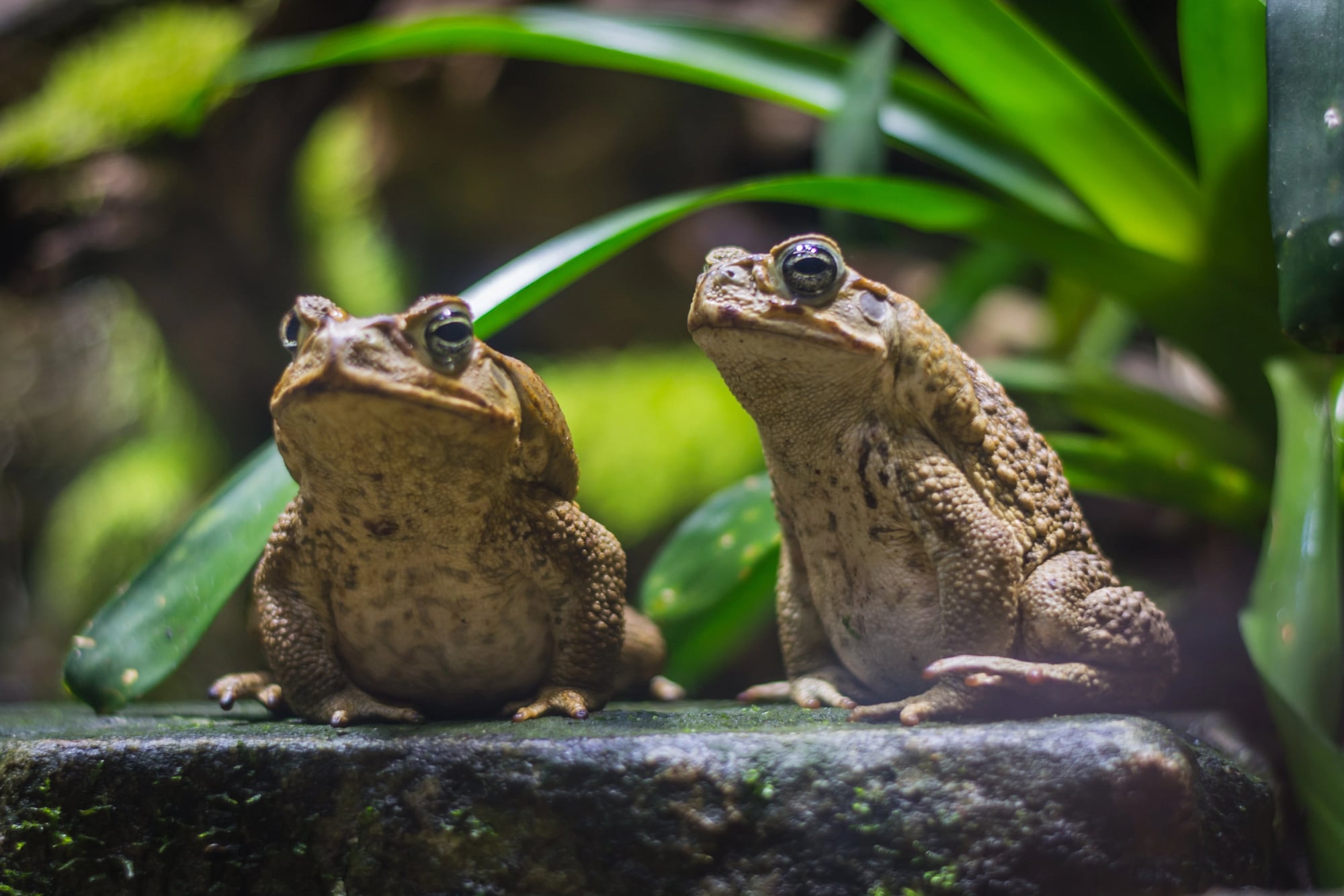
Australia tried to solve one problem and created a much bigger one. Farmers imported cane toads from South America in 1935 to control beetles that damaged sugarcane crops.
The toads ignored the beetles and started spreading across the continent instead.
These toads produce toxins from glands on their backs that kill most animals that try to eat them. Native predators—quolls, goannas, snakes—die after biting into a cane toad.
The toxin works fast, and animals that lived in Australia for millions of years have no defense against it.
Cane toads keep pushing into new territory. They’ve reached the northern coast and continue moving west.
Each toad can lay thousands of eggs, and they thrive in habitats from rainforests to suburban gardens. Nothing stops them naturally, and their population numbers in the hundreds of millions.
Lionfish in the Caribbean
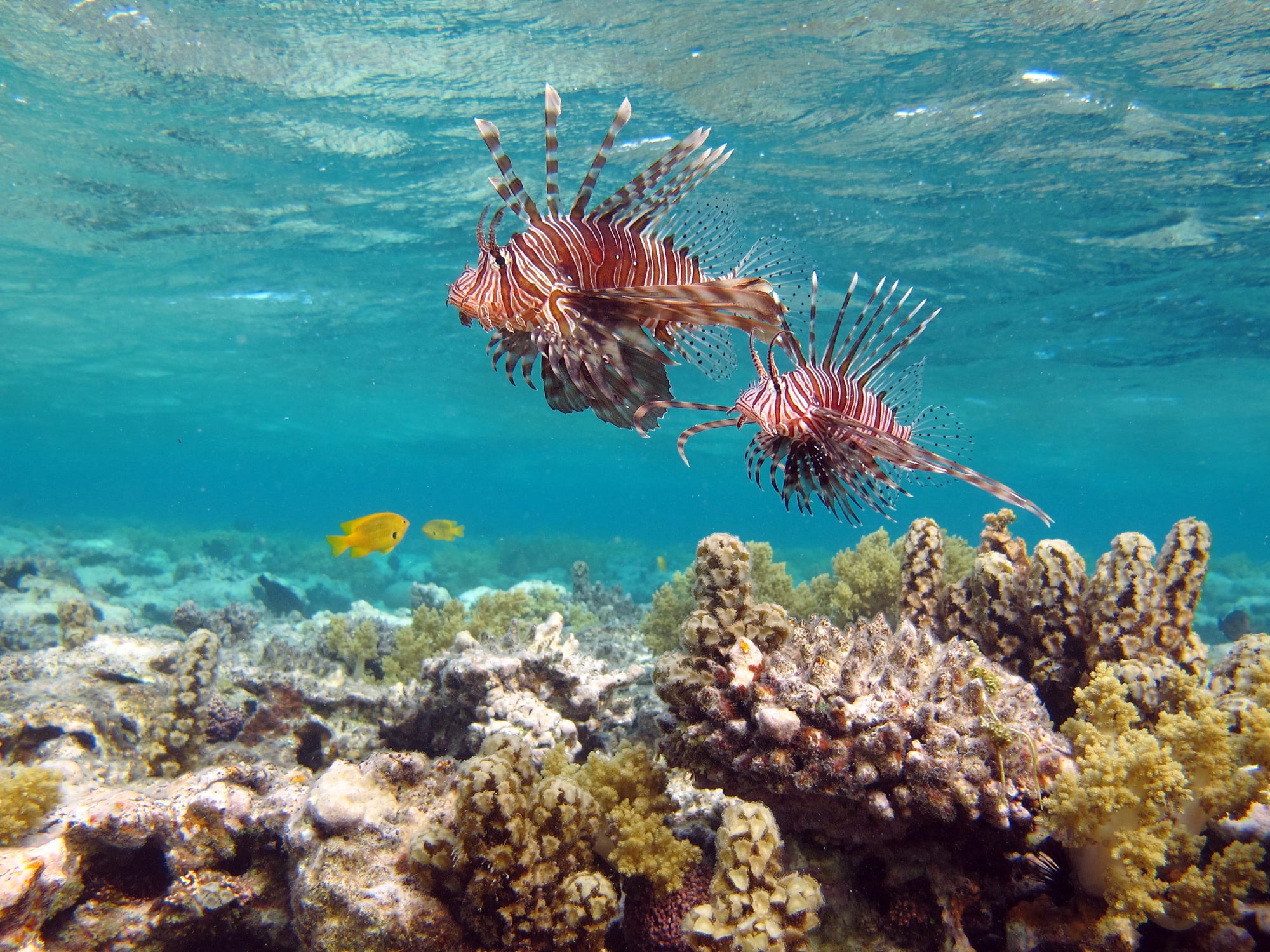
Someone probably dumped a few aquarium lionfish off the Florida coast in the 1980s or early 1990s. That small release turned into an invasion that now covers the entire Caribbean and much of the Atlantic coast.
These fish look beautiful with their striped bodies and fan-like fins, but they tear through reef ecosystems.
Lionfish eat juvenile fish that would normally grow up to maintain coral reef health. They consume huge quantities—up to 20 small fish in a single 30-minute feeding session.
Native fish haven’t learned to recognize lionfish as predators, so they don’t flee when these invaders approach.
The spines contain venom that causes extreme pain in humans and likely deters most natural predators in the Atlantic. In their native Pacific range, groupers and sharks keep lionfish populations in check.
Caribbean predators haven’t figured out how to hunt them safely yet.
Divers now spearfish for lionfish regularly, trying to control numbers on popular reefs. But the fish reproduce so quickly that removal efforts barely make a dent.
Feral Pigs Destroying Habitats

Pigs went feral in North America starting with early European settlers, and they’ve adapted to almost every environment on the continent. These animals root through soil looking for food, tearing up ground cover and destroying habitat for ground-nesting birds.
They wallow in streams and wetlands, muddying water and degrading quality for other species.
A single sounder of pigs can destroy an acre of land in one night. They eat anything—plants, insects, small mammals, bird eggs, carrion.
This dietary flexibility lets them thrive almost anywhere. They also carry diseases that spread to livestock and wildlife.
Feral pigs reproduce faster than almost any other large mammal. Females can breed before they turn one year old, and they produce litters of four to six piglets multiple times per year.
Populations explode quickly. Hunters remove hundreds of thousands every year, yet numbers keep climbing. Some estimates put the U.S. feral pig population at over six million.
Brown Tree Snakes on Guam

After World War II, brown tree snakes accidentally arrived on Guam, probably hiding in cargo from ships or planes coming from New Guinea. The island had no native snakes, and most of Guam’s birds had never encountered a predator like this.
The damage happened fast. Within a few decades, the snakes eliminated most of Guam’s native forest birds.
Species that evolved on the island for thousands of years went extinct. The Guam rail, Guam flycatcher, and Guam kingfisher vanished from the wild.
Only captive breeding programs saved a few species from complete extinction.
Brown tree snakes climb trees easily and hunt at night. They’re mildly venomous, and while their bite rarely seriously harms humans, they cause other problems.
The snakes climb power lines and cause frequent blackouts by short-circuiting electrical equipment. Guam spends millions on snake-proof barriers at airports and shipping facilities to prevent these reptiles from reaching other Pacific islands.
European Starlings in North America
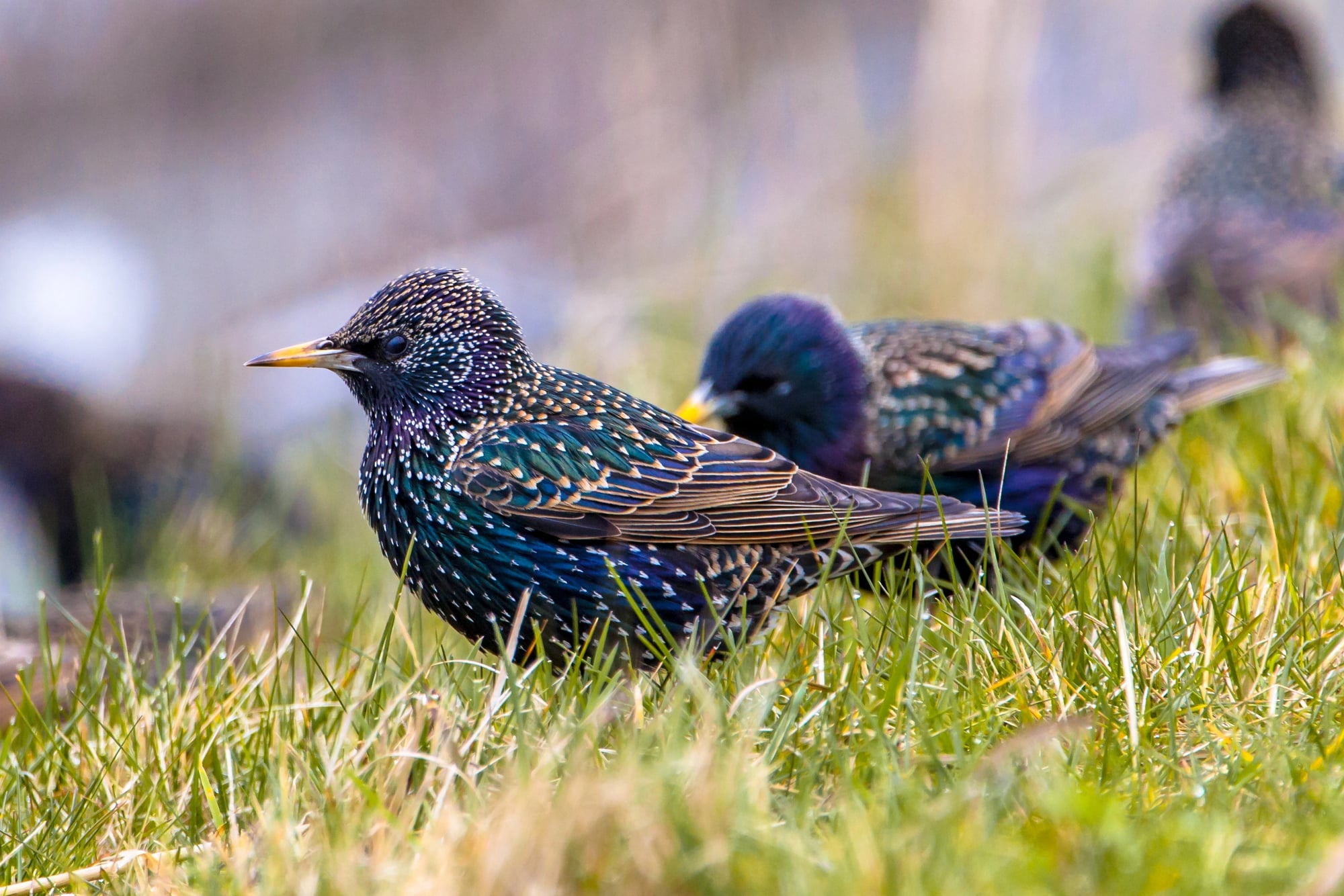
In 1890, someone decided New York City needed all the birds mentioned in Shakespeare’s plays. They released about 100 European starlings in Central Park.
Those birds multiplied into hundreds of millions that now live across North America.
Starlings travel in massive flocks that overwhelm native cavity-nesting birds. They take over nest boxes meant for bluebirds, tree swallows, and woodpeckers.
Their aggressive behavior drives native species away from prime nesting spots. A single starling pair can evict multiple native families during breeding season.
The flocks descend on agricultural areas and consume huge amounts of grain, fruit, and livestock feed. They roost in cities and cover buildings, bridges, and trees with acidic droppings that damage structures and create health hazards.
Their numbers stay high year after year, and controlling them proves nearly impossible.
Asian Carp Threatening Waterways
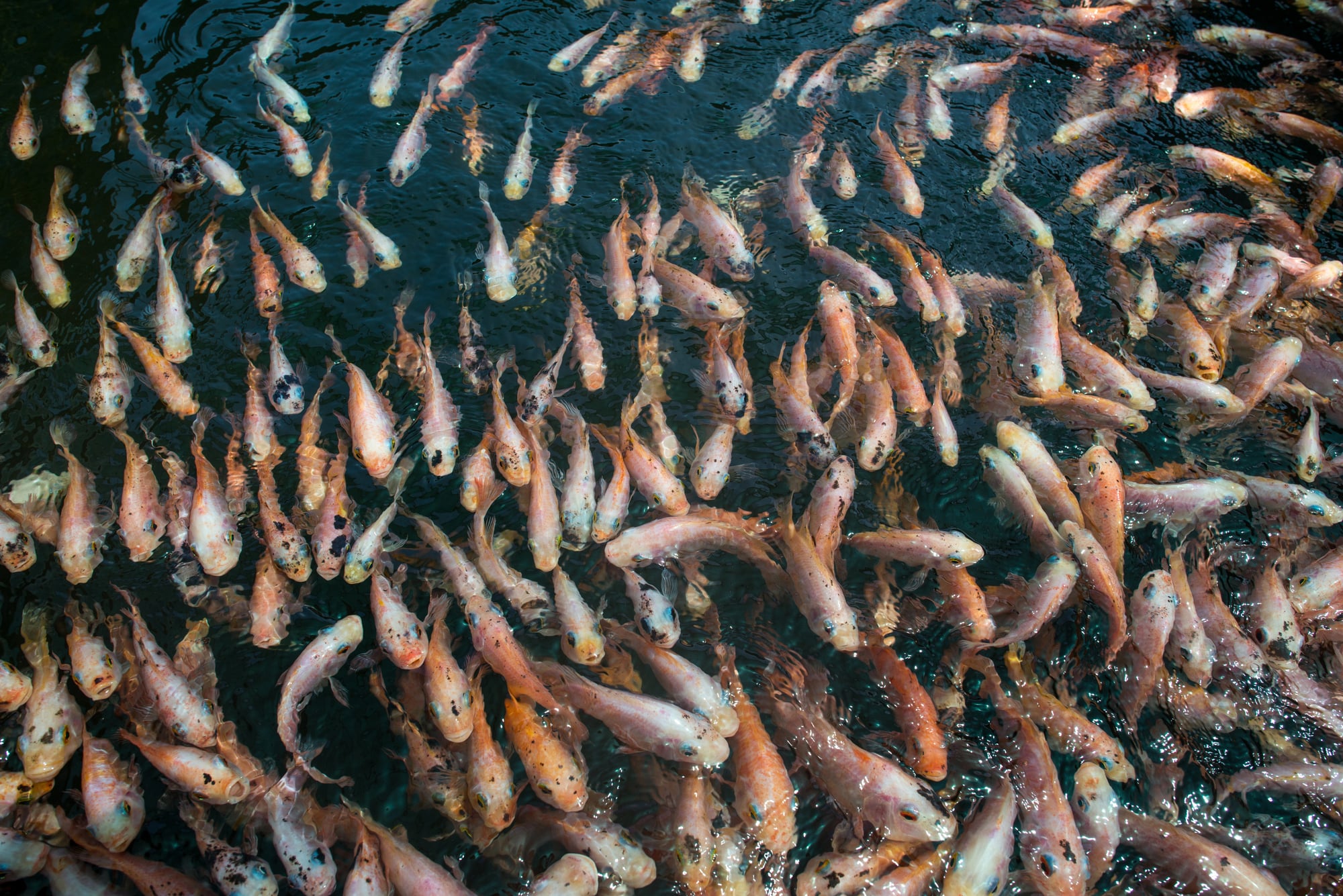
Multiple species of Asian carp—bighead, silver, black, and grass carp—escaped from aquaculture facilities in the southern United States during the 1970s. These fish were imported to control algae and vegetation in fish farms and treatment ponds.
Heavy flooding carried them into the Mississippi River system.
Silver carp jump when startled by boat motors, and they can weigh 40 pounds. These airborne fish have injured boaters, broken bones, and created hazards on popular waterways.
Beyond the immediate danger, the carp consume enormous amounts of plankton—the foundation of aquatic food webs. Native fish that depend on plankton for food struggle when carp populations move in.
The fish reproduce rapidly and grow quickly. Females produce hundreds of thousands of eggs, and young carp mature in just a few years.
They’ve pushed up the Mississippi River system and threaten the Great Lakes, where they could devastate already struggling native fish populations. Electric barriers, fishing programs, and other controls have slowed their advance but haven’t stopped it.
Nutria Eroding Wetlands

Nutria look like oversized rats with orange teeth, and they came from South America as part of the fur trade. Farms raised them for their pelts, and inevitably some escaped.
These rodents adapted to wetlands across the southern United States, and their appetite for vegetation creates serious problems.
Each nutria eats about 25 percent of its body weight daily. They prefer the root systems of marsh plants, and when they feed, they kill the entire plant.
Wetlands lose their soil stability when roots disappear, and without vegetation to hold it together, marshland erodes into open water. Coastal Louisiana has lost thousands of acres of wetlands partly because nutria populations destroyed protective vegetation.
These rodents breed prolifically—females can produce multiple litters each year with four to six young per litter. They live in burrows that further destabilize levees and banks.
Some states put bounties on nutria tails and encourage hunting, but populations persist in many areas despite control efforts.
Zebra Mussels Clogging Infrastructure

Zebra mussels arrived in the Great Lakes during the 1980s in ballast water from ships traveling from Europe. These tiny mollusks might seem insignificant at first glance, but they reproduce at staggering rates and form dense colonies that cover every hard surface underwater.
The mussels filter massive amounts of water—each individual can process about a liter per day. This sounds beneficial, but they strip out plankton so efficiently that native fish and other filter feeders starve.
The mussels also accumulate toxins in their tissues, and those toxins concentrate as they move up the food chain.
Infrastructure damage costs billions. Zebra mussels clog water intake pipes for power plants, treatment facilities, and industrial operations.
They attach to boat hulls, docks, and other structures. Removing them requires constant effort and expense.
They’ve spread throughout the Great Lakes, down the Mississippi River, and into countless lakes and rivers across North America. No effective way to eliminate them exists once they establish in a water body.
Red Imported Fire Ants Across the South
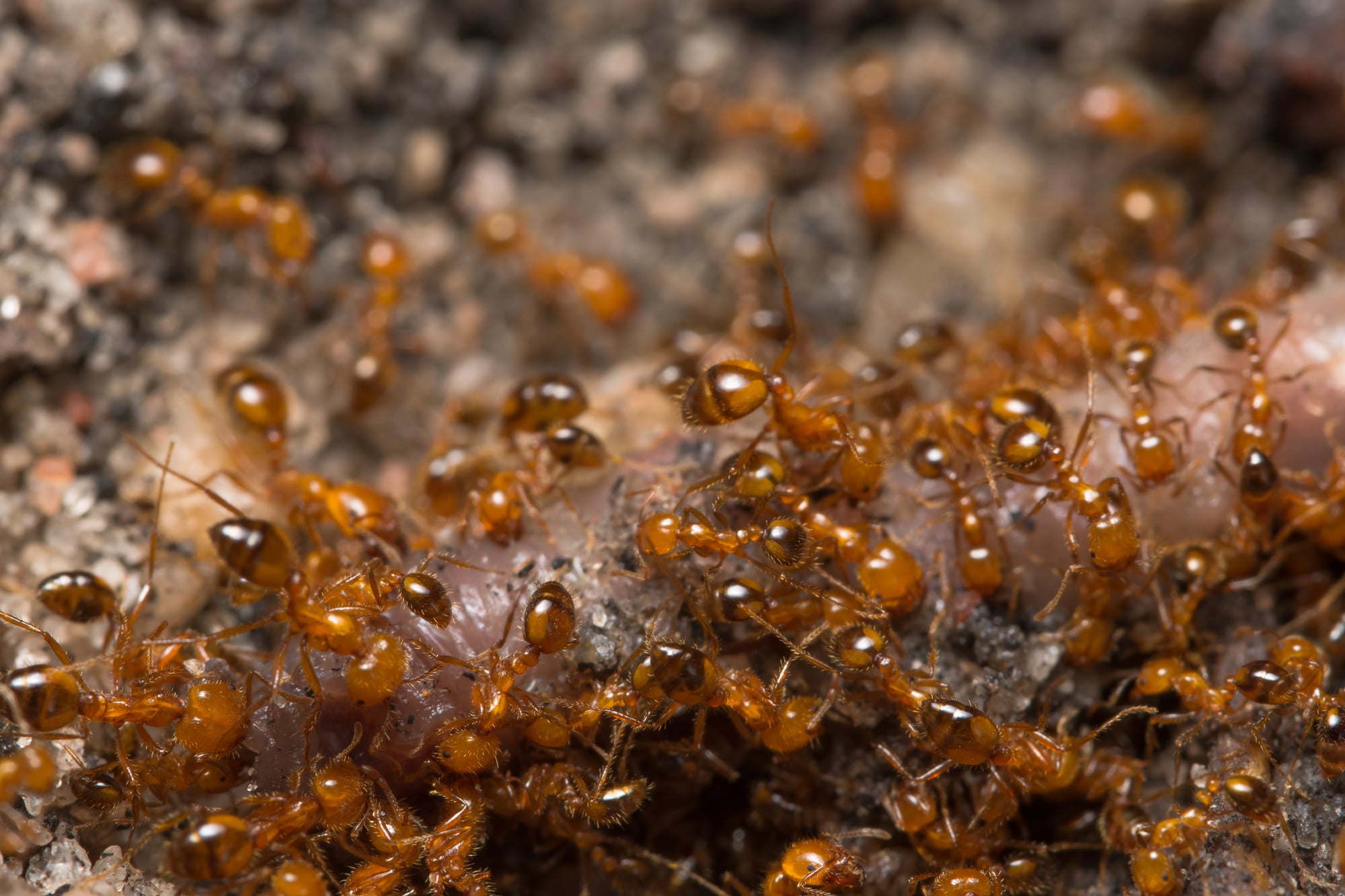
Fire ants came to Alabama from South America in the 1930s, probably in soil used as ship ballast. These small insects pack a painful sting, and they defend their colonies aggressively.
Anyone who’s stepped on a fire ant mound knows the experience—the ants swarm up your leg and sting simultaneously, leaving burning welts that last for days.
Beyond the pain they inflict on humans and animals, fire ants disrupt ecosystems. They eat insects, small vertebrates, and seeds.
Ground-nesting birds, small mammals, and reptiles all suffer when fire ants move into an area. The ants compete with native ant species for resources and often drive them out completely.
Fire ant colonies grow enormous—mature mounds can contain 200,000 workers. Queens live for years and produce thousands of eggs daily.
The colonies spread rapidly, forming new mounds every few meters in favorable habitat. Chemical treatments work temporarily, but surviving colonies quickly repopulate treated areas.
Northern Snakehead Fish in Rivers
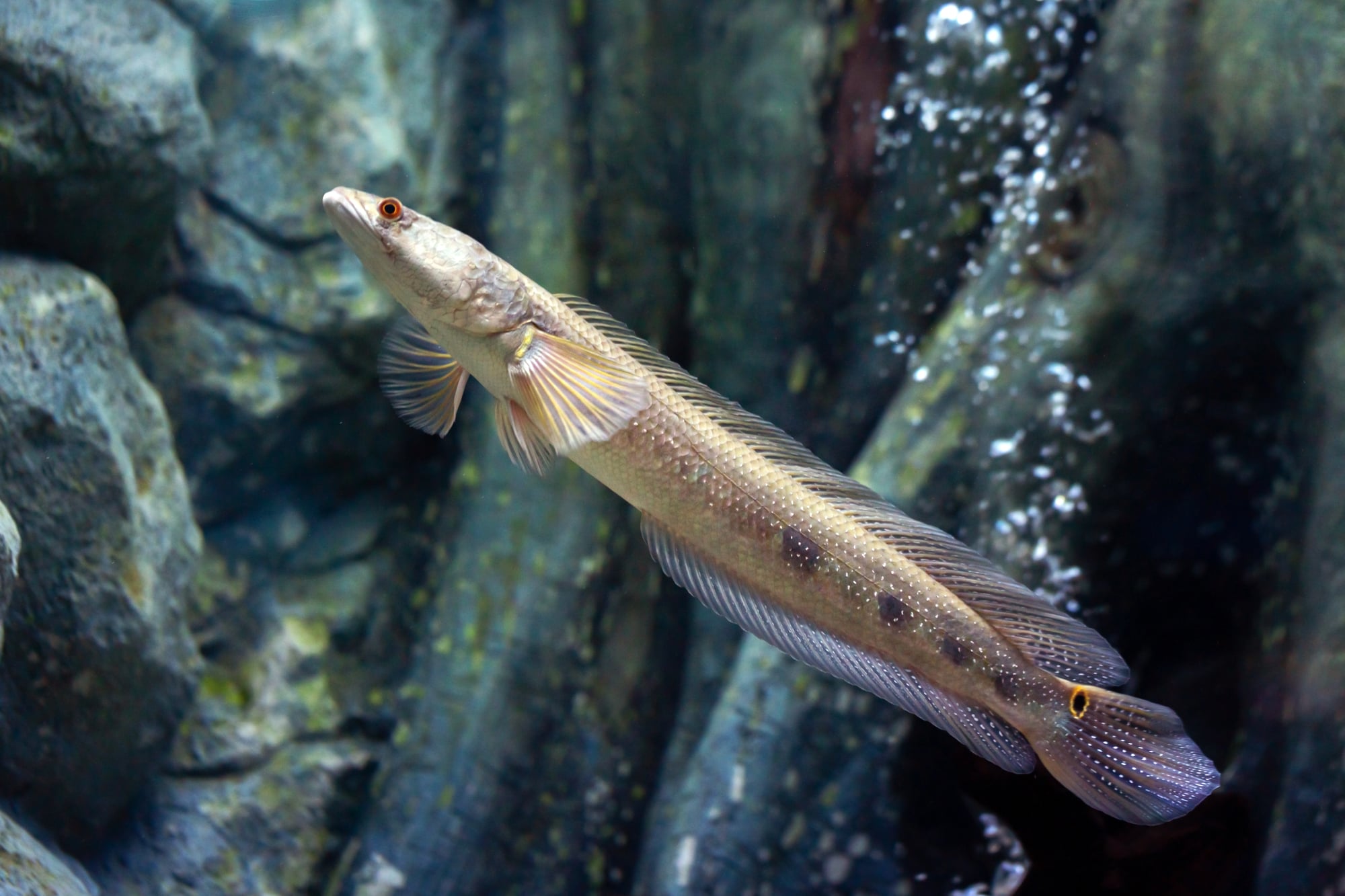
Northern snakeheads can breathe air, walk on land, and survive out of water for days. These characteristics make them formidable invaders.
Native to Asia, they appeared in a Maryland pond in 2002, and they’ve since spread into the Potomac River and other waterways.
These predatory fish eat anything they can swallow—other fish, frogs, small birds, and mammals. They grow over three feet long and hunt aggressively.
Their ability to survive in low-oxygen water and tolerate a wide range of temperatures lets them thrive where other predatory fish struggle.
Snakeheads spawn multiple times each year, and parents guard their young aggressively. Baby snakeheads stay in schools near the surface, looking like reddish clouds in the water.
Once they mature, they disperse and establish territories. Controlling them requires intensive fishing pressure, but their adaptability makes eradication extremely difficult.
Mongoose Species on Islands

People introduced mongooses to Caribbean, Hawaiian, and Pacific islands to control rats that damaged sugarcane crops. The plan backfired spectacularly.
Mongooses hunt during the day, while rats are active at night, so the two species rarely encountered each other. Instead, mongooses decimated ground-nesting birds, turtle eggs, and native reptiles.
In Hawaii, mongooses contributed to the extinction of several native bird species. These birds evolved without mammalian predators, so they nested on or near the ground and showed no fear of the small predators.
Mongoose populations exploded and spread across multiple islands.
The damage continues today. Mongooses still raid nests, hunt native species, and compete with native predators.
Removing them from islands requires massive, coordinated efforts involving trapping, poisoning, and careful monitoring. New Zealand has successfully eliminated mammals from some offshore islands, but larger landmasses present overwhelming challenges.
Burmese Python Cousins and Other Reptiles
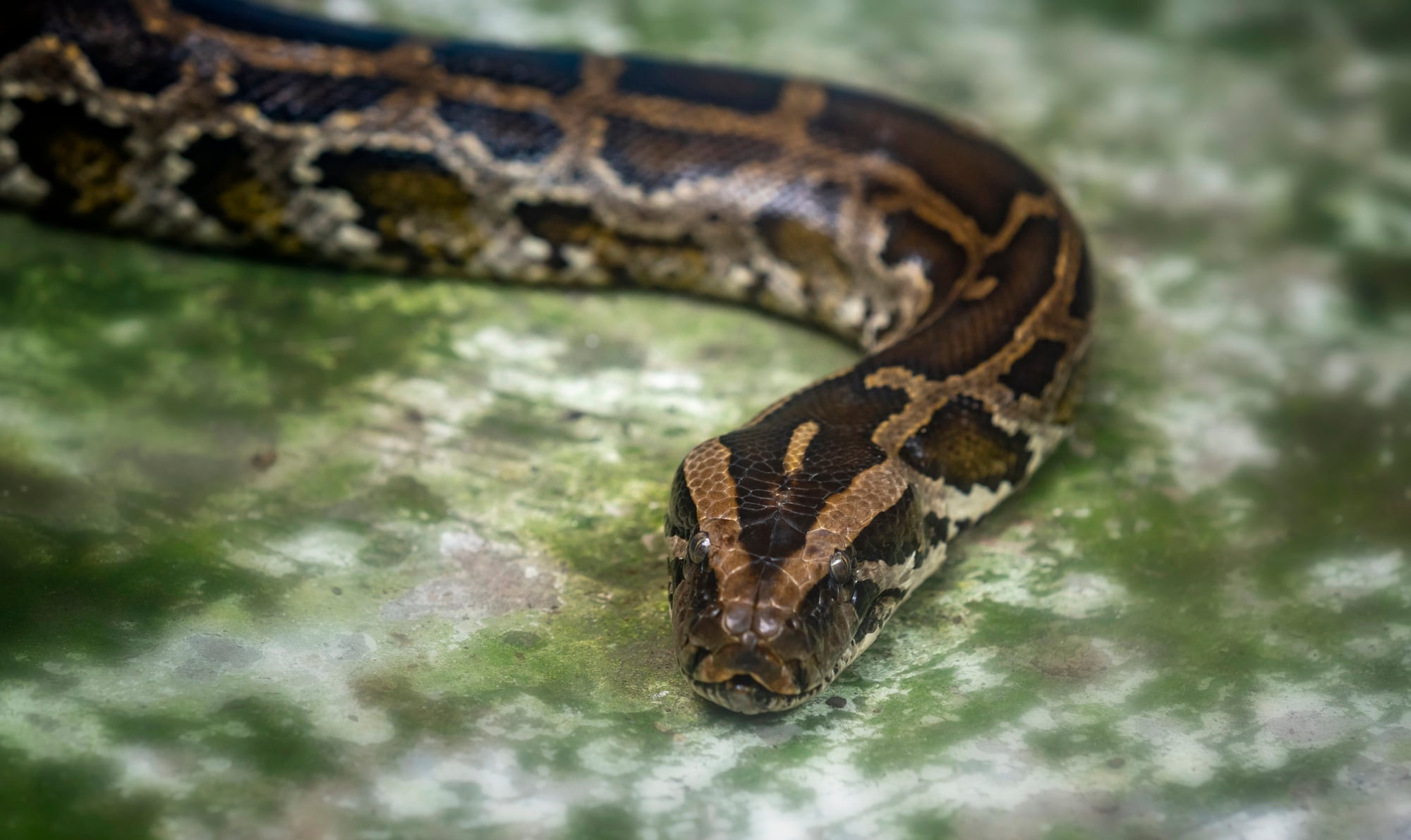
Beyond Burmese pythons, Florida hosts multiple invasive reptile species. Nile monitor lizards, tegu lizards, and various python species all established breeding populations.
These reptiles compete with native predators, eat protected species, and adapt readily to Florida’s climate.
Nile monitors grow over six feet long and eat birds, eggs, small mammals, and other reptiles. Tegus dig up sea turtle and gopher tortoise eggs.
Each species adds pressure to ecosystems already strained by habitat loss and other environmental challenges. Pet owners releasing animals they can’t manage continues to introduce new populations.
Tracking and controlling these diverse reptile populations stretches resources thin. Different species require different management approaches, and all of them prove difficult to find in Florida’s varied habitats.
The state now requires permits for many reptile species and has banned several completely, but established populations persist and grow.
When Control Becomes the Only Option

Managing invasive species takes persistence, funding, and acceptance that complete eradication rarely happens. Most control programs focus on slowing spread and reducing population density in critical areas.
Some efforts show success—island restoration projects have eliminated invasive mammals and seen native species recover. But for widespread invasions like zebra mussels or European starlings, the best anyone can do is minimize damage and protect the most vulnerable ecosystems.
Prevention works better than control. Stricter regulations on pet trades, better screening of imported goods, and public education about releasing animals all help.
But once an invasive species establishes itself, the costs—ecological and economic—compound with each passing year.
The species covered here represent just a fraction of the invaders reshaping ecosystems worldwide. Each case shows how quickly a small population can explode when freed from natural controls.
And each reminds us that the consequences of careless introductions last far longer than anyone anticipates.
More from Go2Tutors!




