Weird Design Features You’ve Seen All Your Life But Never Questioned
The world is full of strange little design choices that blend into everyday life so completely that nobody thinks to ask why they exist. That tiny pocket inside jeans, the bumps on the F and J keys, the blue part of an eraser.
These features show up everywhere, yet most people go their whole lives without wondering about their purpose. Some of these designs solve problems from decades or even centuries ago but stuck around anyway.
Others serve incredibly specific functions that most folks never need to use. Here are some of the odd design details hiding in plain sight that actually have pretty interesting reasons for being there.
The tiny pocket inside your jeans pocket
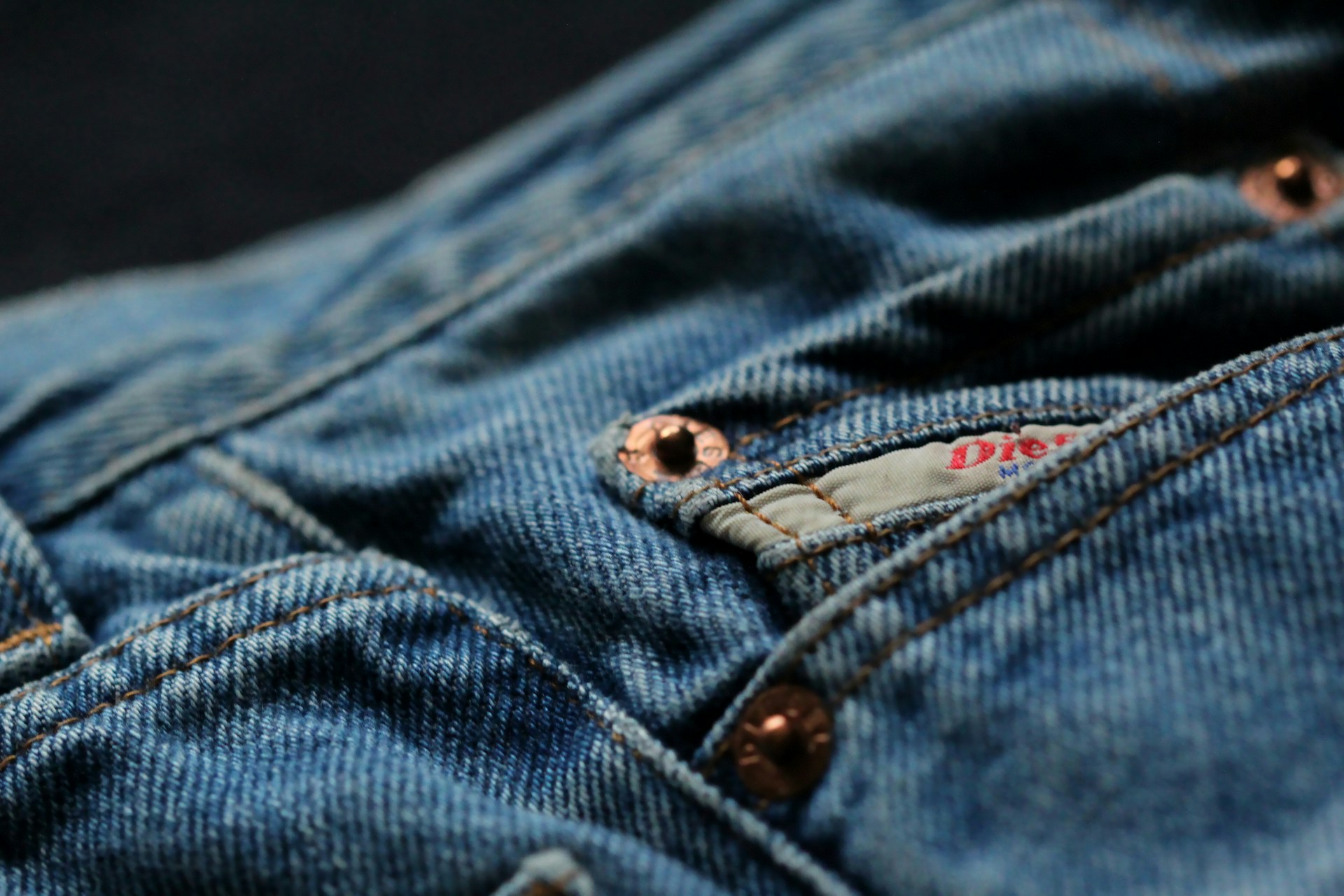
That little pocket stitched inside the regular front pocket of jeans originally had a very specific job. Back in the 1800s, cowboys needed a safe spot to store their pocket watches.
Levi Strauss added this watch pocket to his denim work pants, and it became standard. Pocket watches disappeared from everyday use over a century ago, but the tiny pocket stayed.
People now use it for coins, guitar picks, or little odds and ends, though many jeans wearers just ignore it completely.
Bumps on the F and J keyboard keys
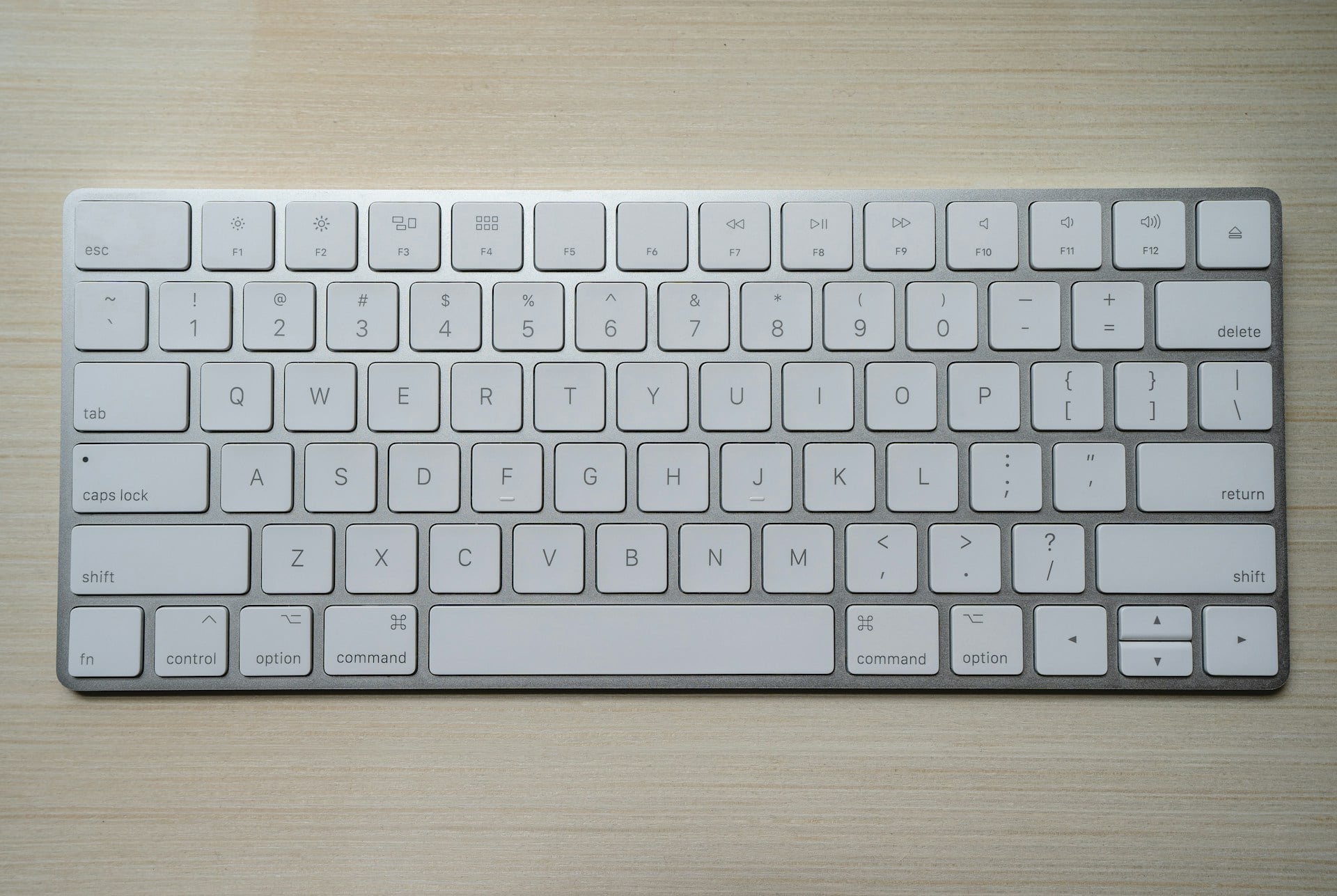
Touch typists rely on those little raised bumps without even thinking about them. The bumps mark the home row position where index fingers should rest when typing properly.
This lets people position their hands correctly without looking down at the keyboard. Typists can feel the bumps and know exactly where their fingers belong.
The simple design improvement speeds up typing and reduces errors for anyone who learned proper finger placement.
The blue part of a pink eraser
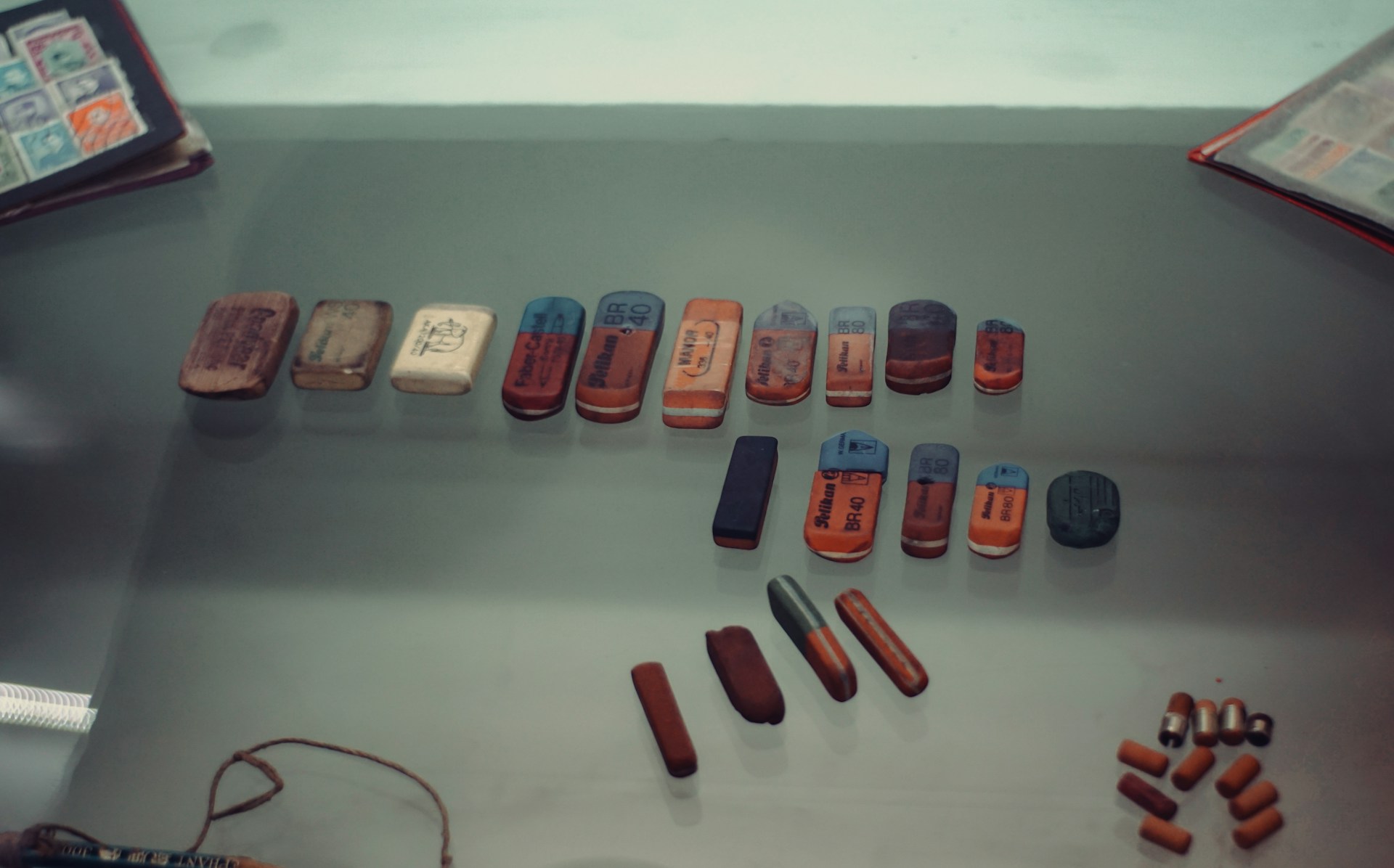
Most people think the blue end erases the pen while the pink end handles the pencil. That’s completely wrong.
The blue part was designed to erase pencil marks from heavier paper stock that artists and drafters used. Regular pink erasers work great on thin notebook paper but can smudge or tear on thicker art paper.
The blue portion is more abrasive and removes pencil from tougher surfaces. Using it on regular paper or trying to erase a pen just tears the paper and makes a mess.
Gas pump handles with different colors

Gas station pumps use color-coded handles, and it’s not just for looks. The colors indicate different fuel grades or types.
Yellow usually means diesel, while green often marks mid-grade gasoline. Black and red typically indicate regular and premium gas.
This system helps prevent people from pumping the wrong fuel into their vehicles. Diesel in a regular car or vice versa causes expensive damage, so the color coding serves as a quick visual reference even when someone isn’t paying close attention.
Wine bottles with that indent on the bottom

That dimple punched into the bottom of wine bottles is called a punt. It serves multiple purposes that matter more for some wines than others.
The indent adds structural strength to the bottle, helping it withstand the pressure from carbonated wines like champagne. It also collects sediment in older wines, keeping the gunk away from the neck where you pour.
Winemakers kept the design even for wines that don’t really need it because the punt has become associated with quality bottles.
Horizontal lines on red solo cups
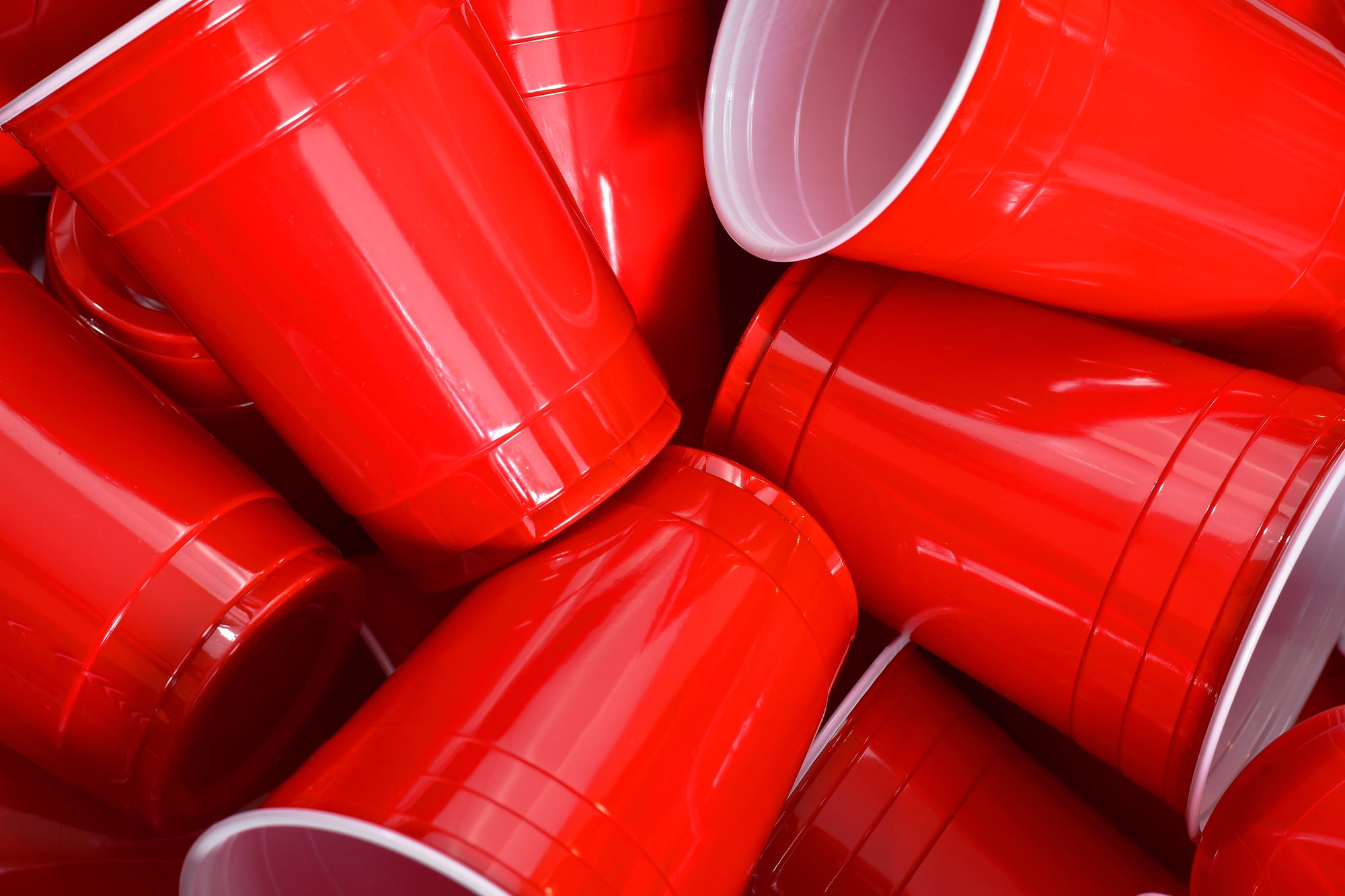
Those ridges molded into the sides of red plastic party cups aren’t just decoration. They actually work as measuring guides for different types of drinks.
The bottom line sits at one ounce, perfect for a shot of liquor. The next line up marks five ounces, a standard wine serving.
The top line hits twelve ounces for beer. The manufacturer designed these measurement markers to help with portion control, though most people using them at parties have no idea the lines mean anything specific.
Notebook paper with that red margin line

The red line running down the left side of notebook paper protected the writing from rats. Seriously.
Back when people stored papers in their homes, rats would chew on the edges. The margin line told writers to keep their important text away from the edge where rodents might nibble.
Modern paper doesn’t face many rat attacks, but the margin stuck around. Teachers use it as a boundary for punches and binding, plus it creates a clean visual space for notes and corrections.
Arrow next to your gas gauge
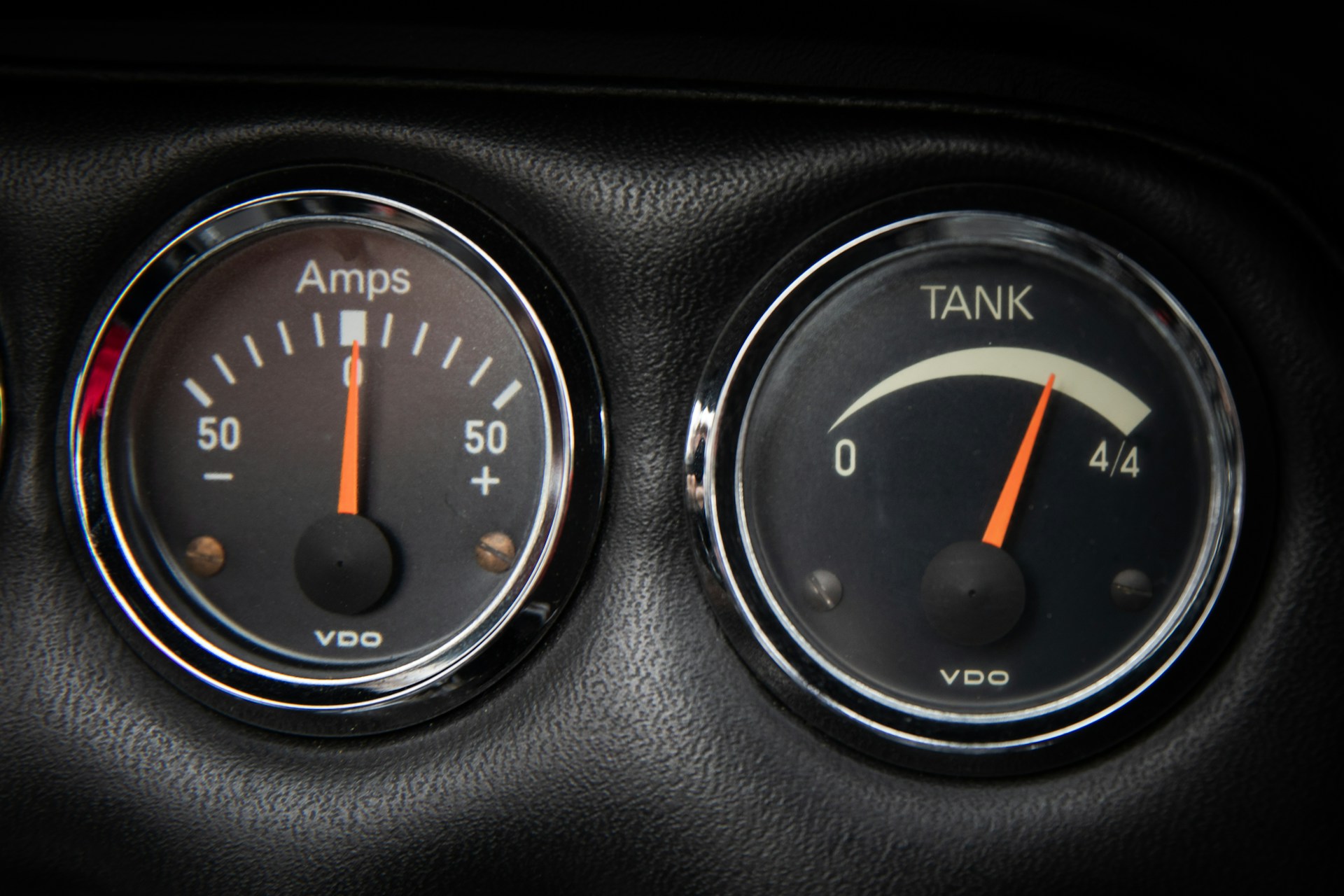
That little arrow next to the gas pump symbol on your dashboard points to which side of the car has the fuel door. This helps when driving rental cars or borrowed vehicles where you don’t know the layout.
Pull up to a gas station and you can glance at the arrow instead of guessing which side to park on. The feature seems obvious once someone points it out, but plenty of drivers go years without noticing it exists.
It saves those awkward moments of parking on the wrong side and having to loop back around.
Foam pads under laptop keys

People assume laptops are thinner and lighter now thanks to better technology. Part of the credit goes to those tiny foam or rubber bumpers stuck under keyboard keys.
These pads stop the keys from bottoming out too hard and protect the screen when the laptop closes. Without them, the keys would hit the screen and eventually cause damage or pressure marks.
The bumpers also make typing quieter and give the keys a softer, more pleasant feel when pressed.
Ridges on quarters and dimes
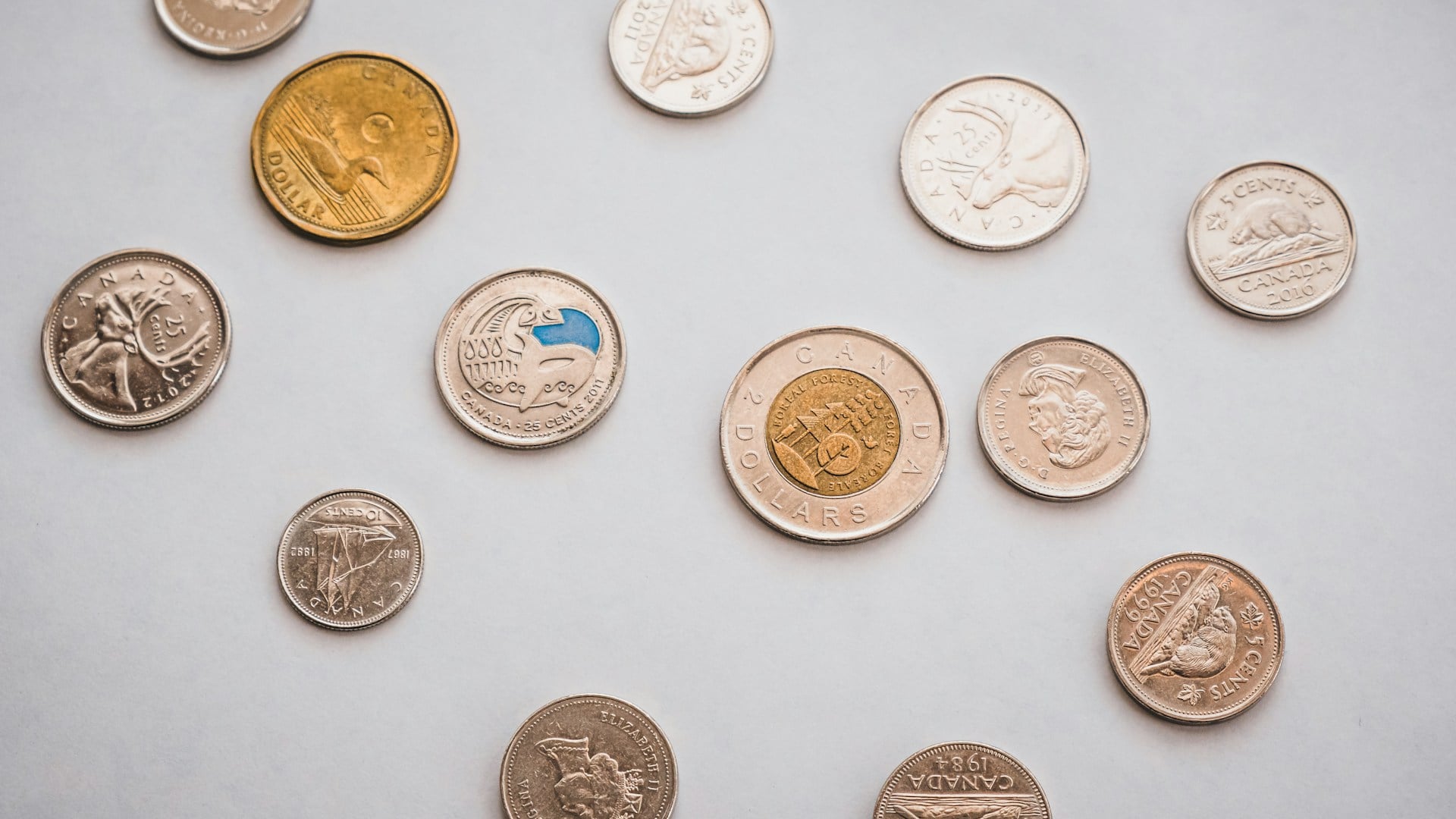
Coins have those grooves milled around the edges because of scammers from centuries ago. When coins contained actual precious metals like silver, criminals would shave the edges off and collect the shavings.
They’d spend the slightly lighter coins at full value while pocketing the silver. Minting ridges on the edges made this tampering obvious to anyone who looked.
Coins don’t use precious metals anymore, but the ridged design continued as a way to help blind people distinguish between different denominations by touch.
Plastic disc under soda bottle caps

That little plastic disc inside bottle caps is a liner that keeps carbonation from escaping. Without it, the metal or plastic cap wouldn’t create a perfect seal against the bottle opening.
The carbonation would slowly leak out and drinks would go flat. The liner squishes down when the cap gets tightened, filling any tiny gaps.
It’s basically the unsung hero keeping sodas fizzy from the bottling plant all the way to someone’s refrigerator weeks or months later.
Loops on the back of dress shirts
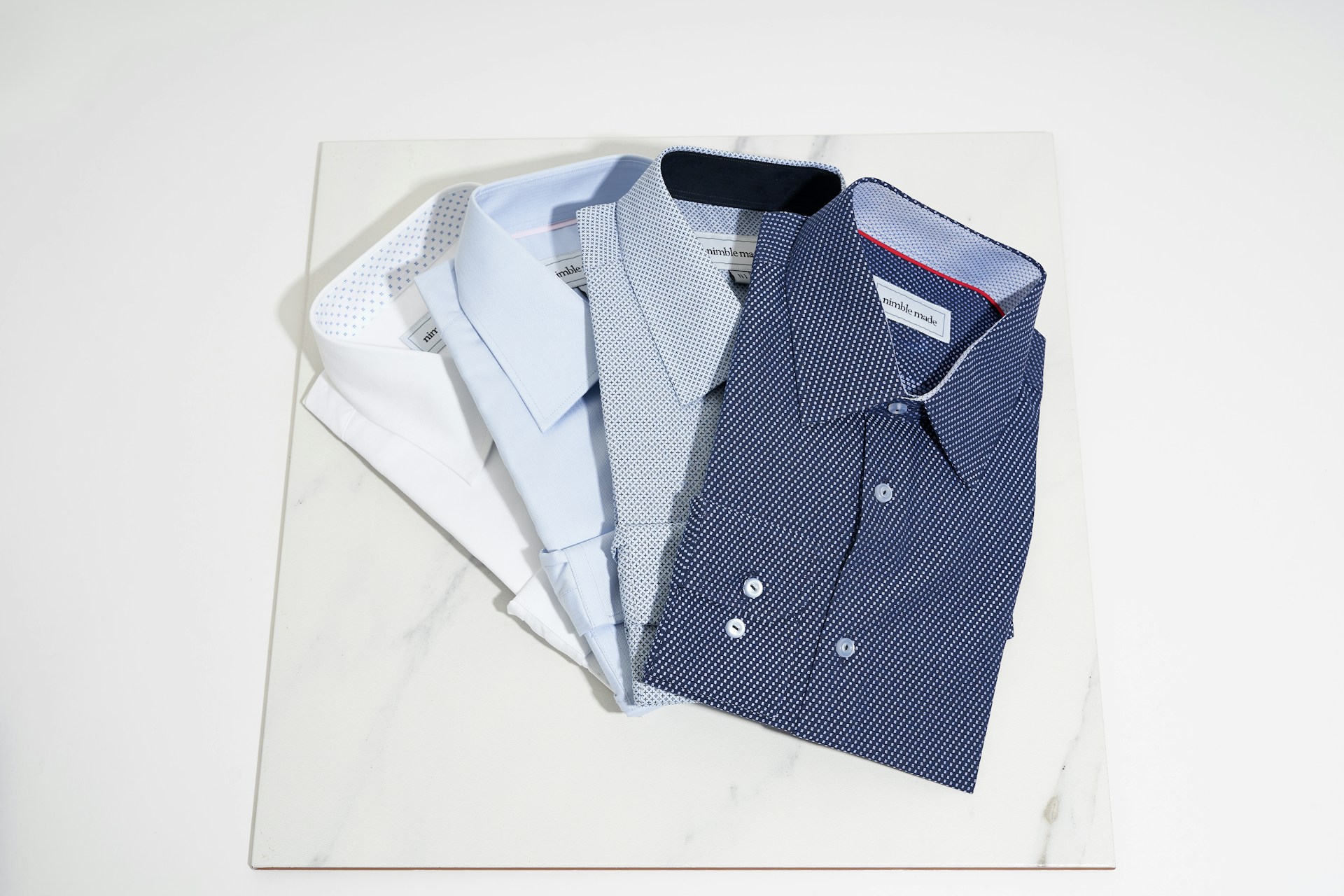
That hanging loop stitched into the back of men’s dress shirts started as a practical feature in college dorms. Students in the 1960s had limited closet space, so they’d hang shirts from hooks using these loops.
The design came from Navy sailors who used similar loops to hang uniforms on ship hooks. Some people thought removing the loop after getting married symbolized being off the market, though that tradition never really caught on widely.
Most modern shirts keep them purely out of habit.
Studs on the corners of your jeans

Those metal rivets at the pocket corners and other stress points reinforce the fabric where it’s most likely to rip. Levi Strauss added them after a customer complained that their pockets kept tearing from the weight of mining tools.
The rivets spread stress across a wider area instead of letting it concentrate at seams. Denim is tough fabric, but even it needs reinforcement at spots that get pulled and stretched constantly.
The functional design became such a signature look that jeans feel wrong without them.
Openings in airplane windows

Commercial airplane windows have a tiny opening drilled into them on purpose. Airplane windows actually consist of three panes, and that little opening sits in the middle one.
It equalizes air pressure between the cabin and the gap between window panes. This design protects the inner pane from stress and prevents fogging.
The outer pane handles most of the pressure difference between the cabin and outside air. That weird little opening does a critical job that keeps windows from failing at 35,000 feet.
Drawer under your oven

Most people use that drawer under the oven for storing pots and pans. That’s not what it’s meant for.
It’s actually a warming drawer designed to keep finished dishes hot while cooking other parts of a meal. The heat from the oven above keeps the drawer warm.
Using it for storage works fine, but it means missing out on a handy feature during dinner prep. Some newer ovens label it clearly as a warming drawer, but older models leave people guessing about its real purpose.
Loops on grocery cart handles

Those plastic or metal loops sticking up from shopping cart handles serve as bag hangers for delicate items. Bread, eggs, and other crushable stuff can hang there instead of getting smashed at the bottom of the cart under heavier groceries.
The loops also give people something to grab when maneuvering the cart through tight spaces. Some carts have loops specifically angled and sized for reusable shopping bags.
The simple addition solves multiple problems with one basic design element.
Rough patches on backspace and number 5 keys

Beyond the bumps on F and J, some keyboards add texture to other keys too. The backspace key often has a different surface so fingers can find it without looking.
Number pads usually mark the 5 key with a raised dot or different texture, similar to how F and J work. These tactile markers help people who type numbers frequently, like accountants or data entry workers.
Phone keypads use the same system on the 5 button. The pattern gives fingers a reference point that speeds up work.
Metal tip on measuring tapes
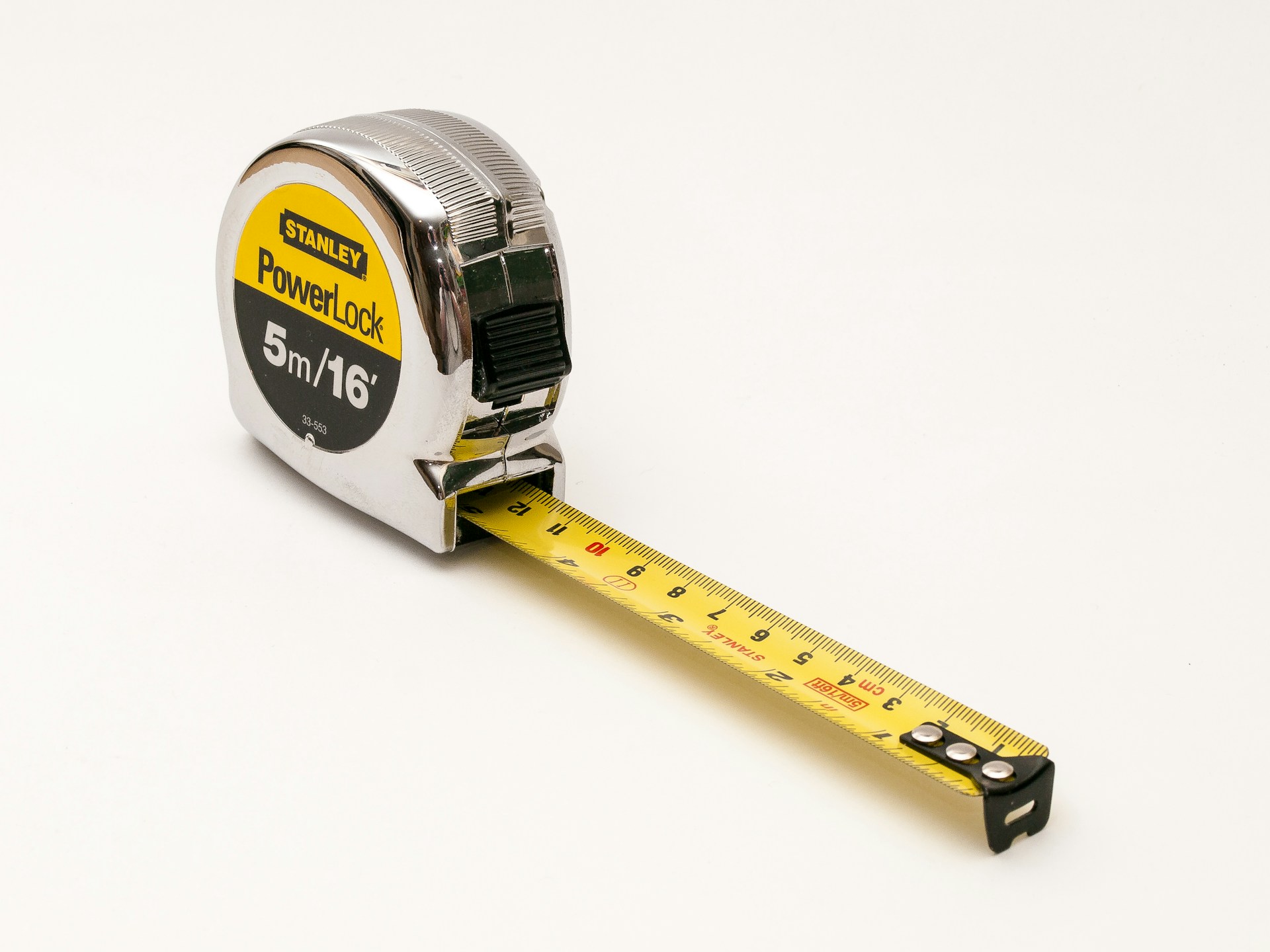
That metal piece at the end of a measuring tape is loose on purpose, not broken. It slides back and forth a tiny bit to account for different measuring techniques.
When hooking it over an edge for an outside measurement, it needs to sit one way. When pushing it against a surface for an inside measurement, it needs to adjust slightly.
The amount of wiggle equals the thickness of the metal hook itself, making measurements accurate either way. The clever design compensates for its own width.
Why these details matter
Everyday objects carry centuries of problem-solving built right into their design. Features that seem random or decorative usually started as solutions to specific issues.
Some have outlived their original purpose but hung around anyway out of tradition or because people found new uses for them. Others keep doing their jobs so well that nobody notices them working.
More from Go2Tutors!

- The Romanov Crown Jewels and Their Tragic Fate
- 13 Historical Mysteries That Science Still Can’t Solve
- Famous Hoaxes That Fooled the World for Years
- 15 Child Stars with Tragic Adult Lives
- 16 Famous Jewelry Pieces in History
Like Go2Tutors’s content? Follow us on MSN.