15 Most Dangerous Roads Around the World
Every year, approximately 1.19 million people lose their lives in road traffic crashes worldwide. Some roads claim far more victims than others, though. Most drivers deal with typical hazards like traffic jams and construction zones, yet certain routes around the globe present challenges that go far beyond ordinary driving conditions. These treacherous pathways wind through mountains where one wrong turn means a thousand-foot plunge. They cross regions where landslides reshape the landscape overnight and traverse terrain so hostile that simply reaching your destination becomes an achievement.
From the fog-shrouded cliffs of Bolivia to the avalanche-prone passes of India, these roads test both human engineering and driver courage. Here’s a list of 15 roads where the journey itself becomes a life-or-death gamble.
North Yungas Road, Bolivia

Bolivia’s infamous ‘Death Road’ earned its nickname through brutal statistics. Until 2006, this 64-kilometer route averaged around 209 accidents and 96 deaths per year — making it statistically the deadliest road on Earth. Paraguayan prisoners of war built the road in the 1930s, connecting La Paz to the Amazon rainforest region while descending from 15,750 feet to just over 3,900 feet in under 40 miles. What makes it particularly treacherous? Its width. Several sections are less than 3 meters wide, barely enough for a single vehicle, though it accommodated two-way traffic. Rain, fog, and mudslides regularly turn the unpaved surface into a slippery nightmare, while waterfalls cascade directly onto the roadway.
Killar to Kishtwar Road, India

This 114-kilometer mountain trail through northern India’s Kishtwar region represents engineering audacity at its most dangerous. The road’s so narrow that only one vehicle can pass at a time — with a 1000-foot drop into the Chandrabhaga River on one side and sheer cliff faces on the other. The surface consists of loose rocks, dirt, and mud that shifts constantly due to landslides and weather. Unlike established mountain highways, this route lacks any safety barriers or paved sections. Drivers must navigate through sections known as ‘Cliff Hanger,’ where the road literally crumbles away from the mountain face, and vehicle recovery after an accident becomes virtually impossible.
Transfăgărășan Highway, Romania

Romania’s most famous road stretches 90 kilometers through the Carpathian Mountains — featuring 80 hairpin curves, 5 tunnels, and over 500 small bridges. Built during the 1970s as a military strategic route, the construction required roughly six million kilograms of dynamite and cost numerous lives. Official records mention 40 soldiers died, though unofficial estimates suggest hundreds. The road climbs to 2,042 meters above sea level and passes through an 884-meter tunnel that remains completely dark. Weather changes rapidly at altitude, with snow possible even in August — and the route closes entirely from late October to late June due to dangerous conditions.
Interstate 4, Florida

America’s deadliest highway runs 132 miles between Tampa and Daytona Beach, creating what experts call a ‘perfect storm’ of danger. A five-year analysis ranks I-4 as the most dangerous highway in the United States — with a deadly combination of factors contributing to its reputation. Theme park tourists unfamiliar with the roads drive slowly and unpredictably, while local commuters and freight traffic rush to make schedules. The mix of confused vacationers and aggressive locals creates constant conflict, especially around Orlando’s tourist corridor. Construction zones and sudden weather changes add additional hazards to an already volatile situation.
Karakoram Highway, Pakistan-China
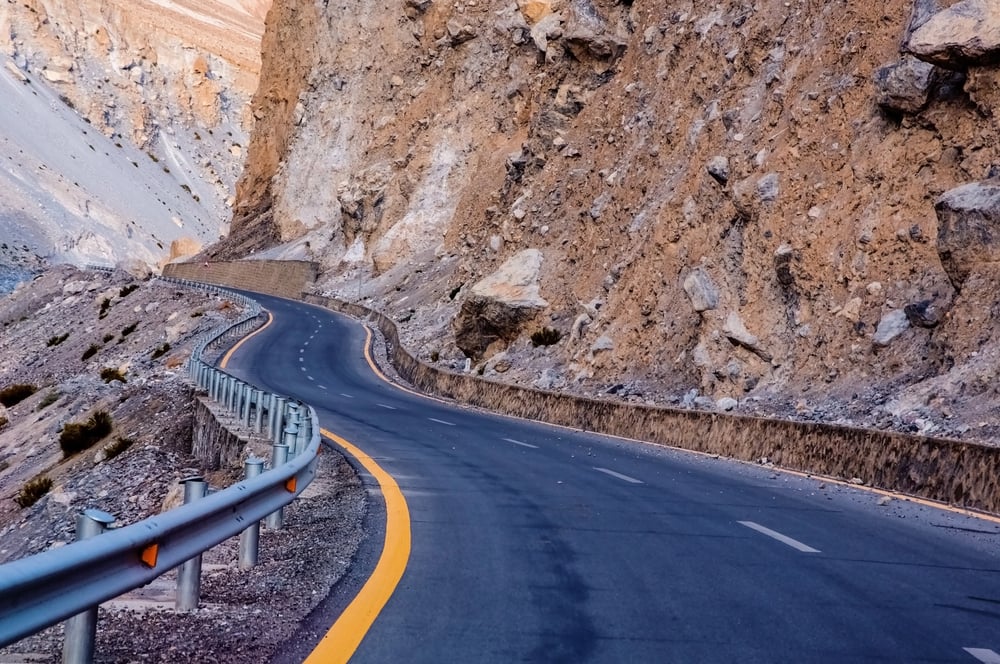
Stretching over 800 miles through some of the world’s highest mountains, the Karakoram Highway connects Pakistan and China across terrain that seems designed to reject human presence. Rockfalls occur daily — crushing vehicles without warning — while flash floods can wash away entire sections overnight. The road reaches altitudes where oxygen becomes scarce, affecting driver judgment and reaction times. Avalanches regularly block passages for weeks, stranding travelers in remote locations with limited supplies. The combination of extreme altitude, unstable geology, and harsh weather makes every journey a calculated risk.
N2 Highway, South Africa

South Africa’s N2 Highway carries the grim distinction of being one of Africa’s deadliest roads. Six sections of the 2,255-kilometer highway rank among the country’s top 25 most dangerous — with three fatalities recorded daily on average, totaling 1,095 deaths over 12 months. The highway connects major cities but passes through areas where vehicle hijackings occur alongside traditional traffic accidents. Poor lighting, inadequate signage, and mixing of high-speed traffic with pedestrians and livestock create constant hazards. Rural sections lack emergency services, meaning accident victims often wait hours for help.
Guoliang Tunnel, China

Carved directly through a mountain by local villagers using only hand tools, the Guoliang Tunnel in China’s Henan Province represents determination over engineering prudence. The tunnel stretches 1,200 meters through solid rock — with openings cut into the mountainside that serve as windows and potential exit points for vehicles that lose control. The tunnel width barely accommodates a single car, yet vehicles pass each other regularly. Sharp turns inside the tunnel eliminate visibility, and the lack of proper ventilation creates air quality issues. Outside the tunnel, the road continues along cliff edges with no barriers — where one mistake means a several-hundred-foot fall.
Jalalabad-Kabul Highway, Afghanistan

This 143-mile stretch through Afghanistan’s mountains combines natural dangers with human-made threats. The road passes through Taliban-controlled territory where military convoys face regular attacks, but civilian traffic also encounters landslides, rockfalls, and extreme weather. Steep grades and sharp curves challenge even experienced drivers, while the constant threat of roadside explosives forces vehicles to travel in unpredictable patterns. Poor maintenance means potholes can disable vehicles — leaving occupants vulnerable in hostile territory. Many drivers attempt the journey in a single push to minimize exposure time.
Stelvio Pass, Italy

Italy’s Stelvio Pass contains 48 hairpin turns in just 15 miles, climbing to 9,045 feet above sea level. The road was built in the 1820s with gradients up to 12% — creating challenges that modern vehicles still struggle with. Motorcyclists from around the world attempt the pass, but many underestimate how quickly weather changes at altitude. Fog rolls in without warning, reducing visibility to mere feet, while ice can form on shaded sections even during summer months. The narrow roadway leaves no room for error — and vehicle recovery requires specialized equipment that takes hours to arrive.
Tianmen Mountain Road, China

Known as the ‘Dragon Road,’ this highway in China’s Hunan Province features 99 turns leading to a tunnel through the mountain itself. The road climbs 3,900 feet in elevation while winding back and forth across the mountainside like a dragon’s spine — each turn requiring complete concentration, as guardrails provide only psychological comfort against the massive drops below. Weather changes occur rapidly at elevation, with sudden rainstorms turning the road surface treacherous. The final destination requires drivers to navigate in near-complete darkness while maintaining precise steering control through a tunnel carved directly through the mountain.
BR-319, Brazil
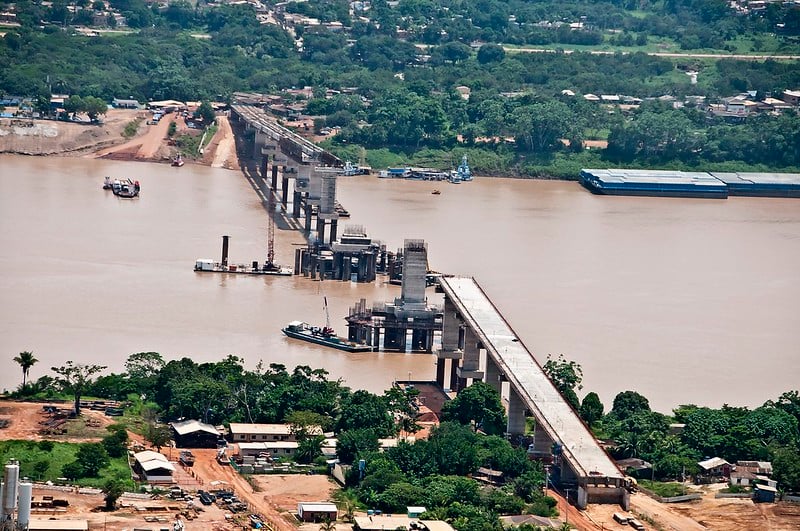
Brazil’s BR-319 highway attempts to connect Manaus to Porto Velho through 550 miles of Amazon rainforest, though calling it a ‘highway’ stretches the definition considerably. Large sections remain unpaved and become impassable during the rainy season, when the road literally disappears under water and mud. Bridges collapse regularly, forcing travelers to use improvised ferry crossings where vehicles sometimes slip into rivers. The remote location means mechanical problems can strand drivers for weeks, while the dense jungle makes rescue operations nearly impossible. Drug traffickers and illegal loggers control certain sections, adding human dangers to environmental ones.
Dalton Highway, Alaska

Alaska’s Dalton Highway runs 414 miles from Fairbanks to the Arctic Ocean, crossing terrain where winter temperatures drop to minus 60 degrees Fahrenheit. The road was built to support oil pipeline construction, not civilian traffic, and services remain virtually nonexistent for hundreds of miles. Trucks carrying massive loads dominate the narrow roadway, creating windblasts that can flip smaller vehicles. Ice fog reduces visibility to zero, while blizzards can trap travelers for days. The isolation means that vehicle breakdowns become survival situations, and many drivers carry emergency supplies for weeks-long delays.
Highway of Death, Iraq

The Highway 80 between Kuwait City and Basra earned its name during the Gulf War, though it continues to live up to the reputation today. Military convoys, civilian traffic, and commercial trucks share a roadway that passes through areas where warfare damaged the infrastructure beyond repair. Potholes large enough to swallow vehicles create constant navigation challenges, while unexploded ordinance remains buried along the shoulders. Sandstorms reduce visibility to zero without warning, and the extreme heat causes tire blowouts and engine failures. Security checkpoints can turn into conflict zones, making every journey unpredictable.
Leh-Manali Highway, India
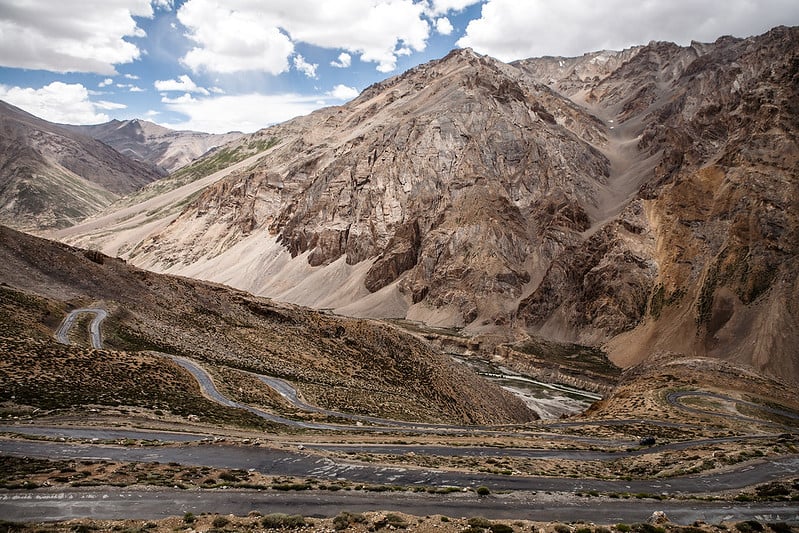
This high-altitude highway crosses some of the world’s most challenging mountain passes, reaching elevations where altitude sickness affects driving ability. The road includes sections above 17,000 feet where oxygen levels drop to half of sea level amounts, causing confusion and poor judgment. Landslides occur daily during monsoon season, while winter snow closes the highway for six months annually. The narrow roadway lacks guardrails along precipitous drops, and passing requires vehicles to back up to designated spots. Military convoys add additional complications, as civilian traffic must yield to army vehicles regardless of conditions.
Atlantic Road, Norway
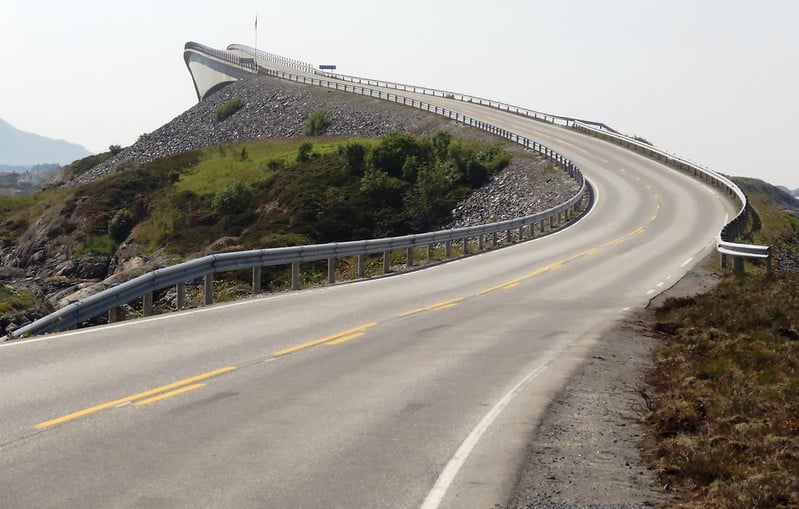
Norway’s Atlantic Road appears deceptively beautiful in tourism photos, yet driving it reveals why locals call it ‘the road to nowhere.’ The route connects small islands via bridges that seem to disappear into the ocean during storms. Winter brings ice that makes steering nearly impossible, while summer storms create waves that crash over the roadway itself. The bridges lack shoulders, meaning mechanical problems leave drivers exposed to traffic and weather simultaneously. Sudden weather changes can transform a pleasant drive into a survival situation within minutes, as rescue services can’t reach stranded vehicles during severe storms.
A Living Testament to Human Determination
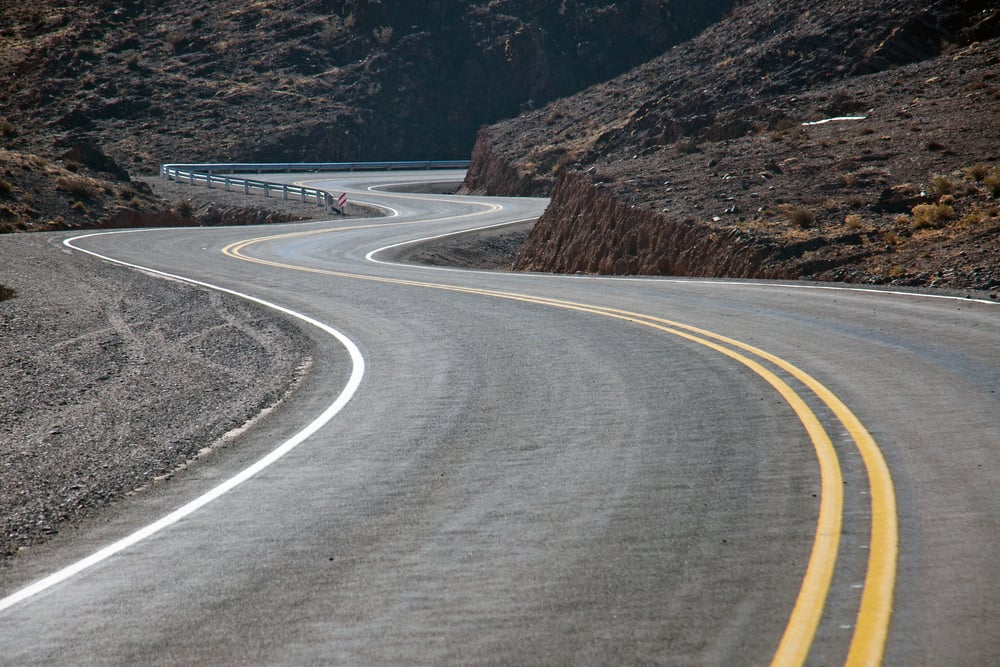
These roads exist because people needed to reach places that geography tried to keep separate. Each represents a victory of human determination over natural obstacles, though that victory comes at a continuing cost in lives and resources. While modern engineering has created safer alternatives for some routes—like Bolivia’s new highway that replaced most Death Road traffic—others remain the only connections to remote communities and resources.
Understanding these roads helps us appreciate both the challenges of mountain engineering and the courage of those who travel them daily. Whether driven by economic necessity, military strategy, or simple human wanderlust, these dangerous passages remind us that not all journeys are about the destination. Sometimes, just surviving the trip becomes the real achievement.
More from Go2Tutors!

- The Romanov Crown Jewels and Their Tragic Fate
- 13 Historical Mysteries That Science Still Can’t Solve
- Famous Hoaxes That Fooled the World for Years
- 15 Child Stars with Tragic Adult Lives
- 16 Famous Jewelry Pieces in History
Like Go2Tutors’s content? Follow us on MSN.



