Surprising Truths About the First Olympic Games
The ancient Olympic Games hold a special place in history as one of humanity’s oldest sporting traditions. The majority of people are aware of the fundamentals; they originated in Greece, paid homage to Zeus, and served as the model for the modern Olympics.
However, compared to the sanitized version we frequently hear about, the reality of these ancient competitions was much stranger, more brutal, and more fascinating. The first Olympics weren’t the well-executed, international event that they are today.
They were dangerous, sweaty, religiously charged events where spectators braved intense heat without shade, men risked their lives for glory, and the rules were, well, rather lenient. These 15 unexpected facts about the ancient Olympic Games will alter your perspective on this storied contest.
It Started With Just One Event

The first recorded Games in 776 BCE featured only the stadion race, a sprint covering roughly 192 meters. Coroebus of Elis is traditionally cited as the winner of that inaugural footrace, becoming the first Olympic champion in history.
Additional events were added gradually over the next century, beginning with the diaulos in 724 BCE and the dolichos in 720 BCE.
Everyone Competed Completely Unclothed

Nudity became standard practice at the Olympics, likely spreading between 720 and 700 BCE. Orsippus of Megara is named in sources like Pausanias as the first unclothed runner, though the story details vary depending on who’s telling it.
This was exclusively a male tradition that symbolized Greek ideals of strength, physical perfection, and citizenship—a way of showing they had nothing to hide.
Only Winners Got Prizes

At the ancient Games, only first place counted for anything at all. The prize was a wreath called the kotinos, made from olive leaves taken from the sacred tree of Zeus in Olympia.
Coming in second meant you were just the first loser, and your name disappeared into obscurity while the champion got immortalized in poems and statues.
Athletes Could Die During Competition

Deaths occurred at the Olympics, especially in pankration, the brutal no-holds-barred combat sport. The most famous death-and-victory story involves Arrhachion of Phigalia in 564 BCE, who died just as his opponent submitted.
The judges awarded Arrhachion the victory because he represented the ultimate struggle for excellence, even in death.
Married Women Faced Execution For Attending

The penalty for married women caught attending the Olympics was theoretically death, though there’s no known case of anyone actually being executed. The best-known exception is the story of Kallipateira, a widow who disguised herself as a trainer to watch her son compete—she was discovered but pardoned.
Unmarried women, meanwhile, could attend the separate Heraia festival, which was held in honor of Hera.
Greece Delayed Defending Against Persia For The Games
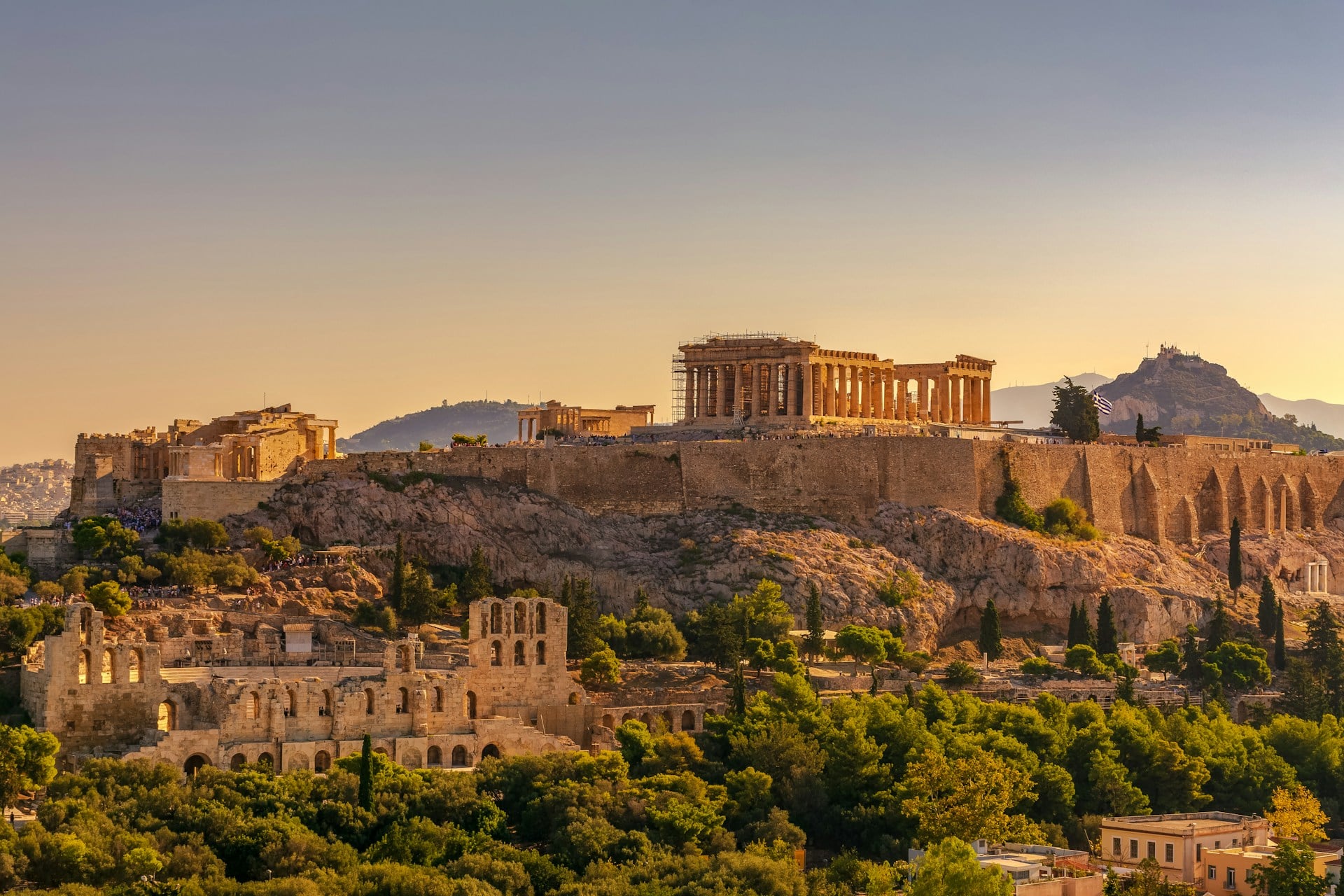
When the Persians invaded in 480 BCE, Spartans delayed sending troops to Thermopylae because of religious festivals coinciding with the Olympics. The Greeks took their sacred events so seriously that military defense had to wait until after the proper rituals and competitions were completed.
This wasn’t just about sports—it was about honoring the gods, and you didn’t mess with that.
The Olympic Truce Didn’t Stop Wars
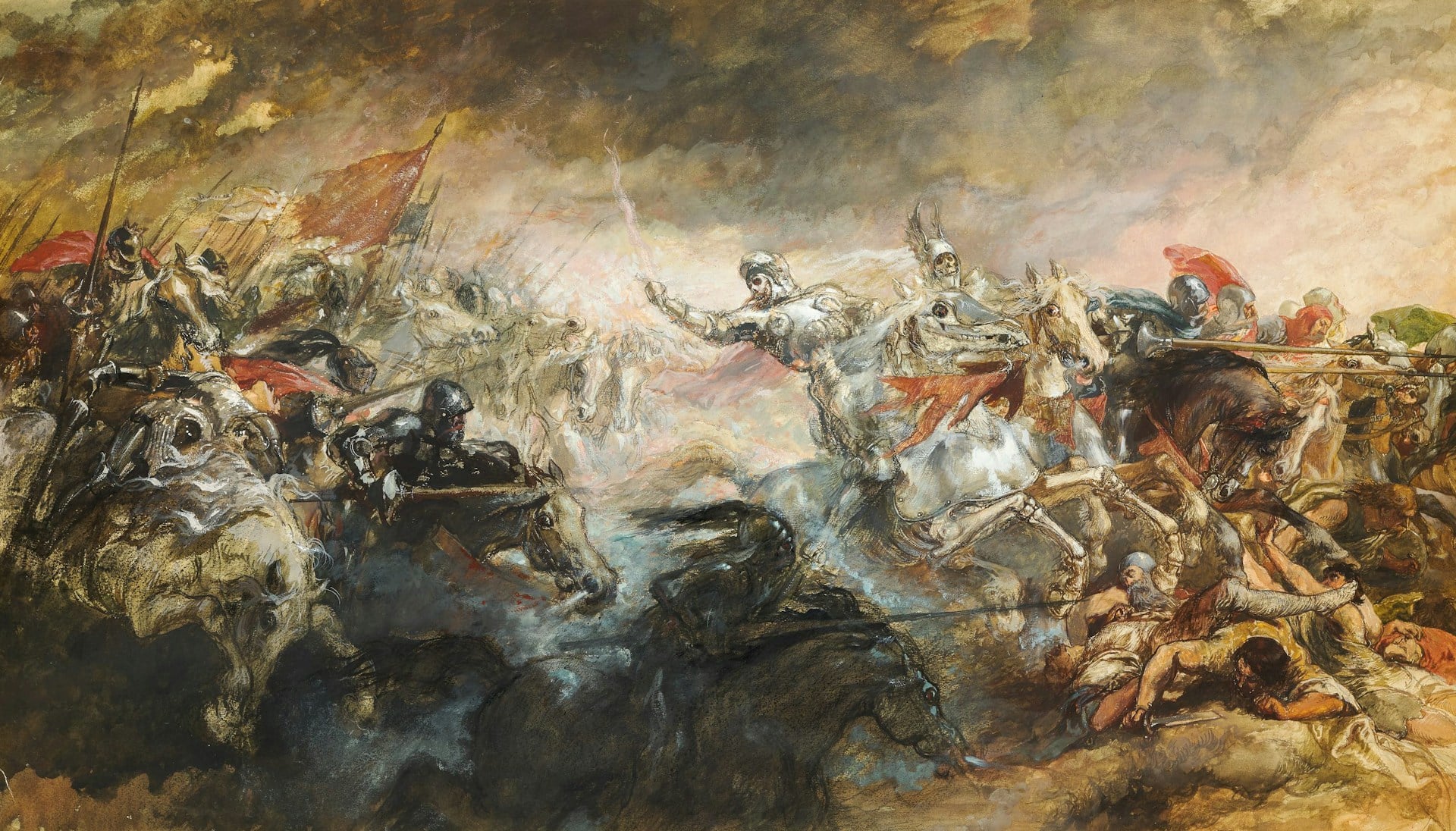
The Olympic truce, known as the ekecheiria, guaranteed safe travel to and from Olympia but didn’t require anyone to stop fighting. Multiple city-states ignored the spirit of the truce, and disputes were usually about violations rather than enforcement.
Wars continued during the Olympics—people just got temporary safe passage to attend.
Winners Sold Their Body Oil As Souvenirs

Athletes scraped oil, sweat, and dust from their bodies using tools called strigils, and this mixture—known as gloios—was collected and sold. Whether winners personally marketed their own body scrapings is uncertain, but the substance was definitely commercialized.
Imagine buying a jar of your favorite athlete’s sweaty residue as a memento—ancient Greek fans were into it.
There Was A Male Beauty Contest
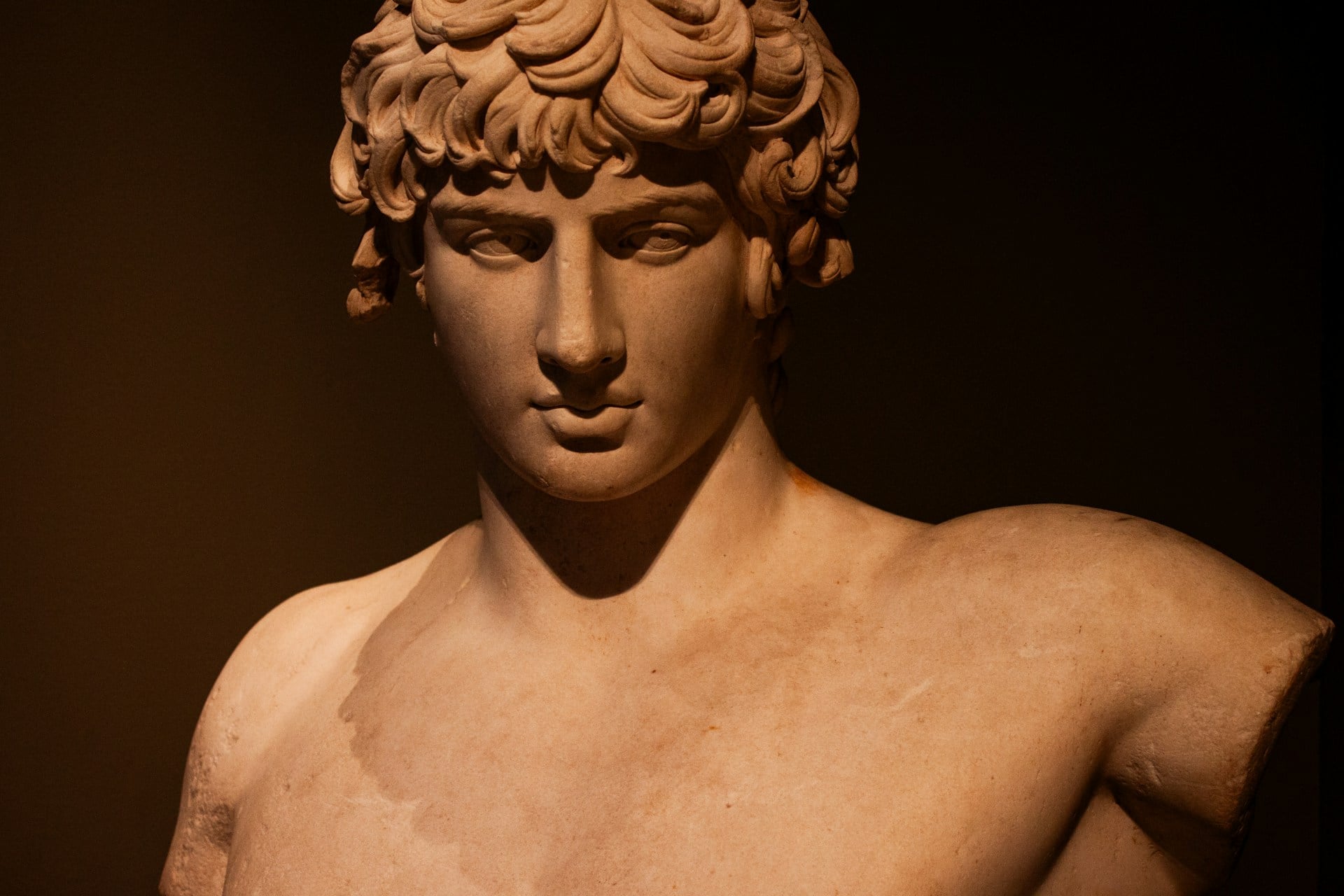
The Panathenaic Games in Athens, which were modeled on the Olympics, featured a male beauty contest called Euandria. While this wasn’t technically part of the Olympics at Olympia, it shows how Greek athletic festivals celebrated physical appearance alongside athletic prowess.
Looking good mattered just as much as performing well in ancient Greece.
Trumpet Blowers And Announcers Competed For Glory
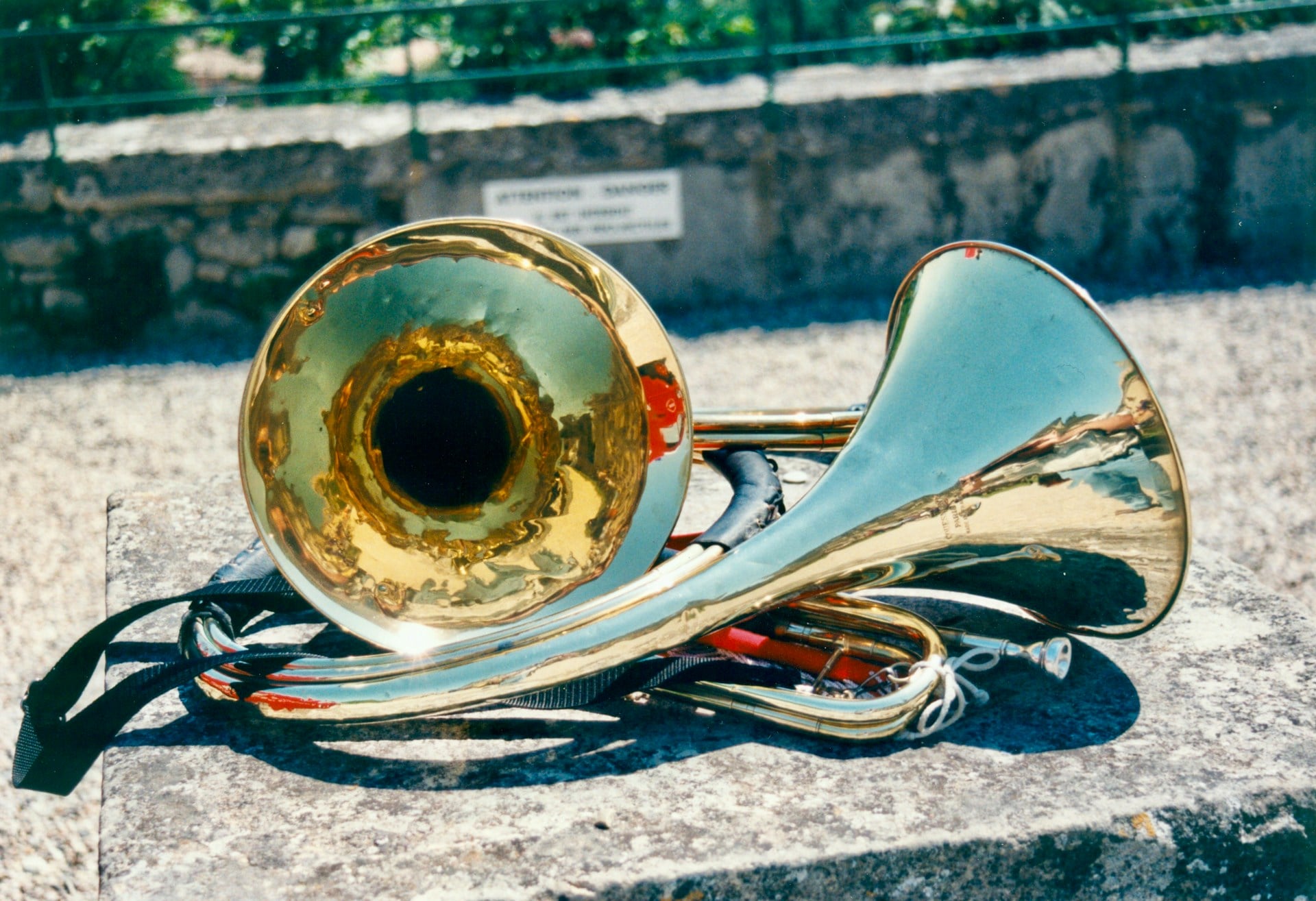
Events for heralds and trumpeters were added to the Olympics in 396 BCE. The job went to whoever could blow the trumpet loudest or shout announcements with the most power and clarity.
These winners received olive wreaths just like the athletes, making them legitimate Olympic champions in their own right.
Cheaters Got Permanent Monuments To Their Shame
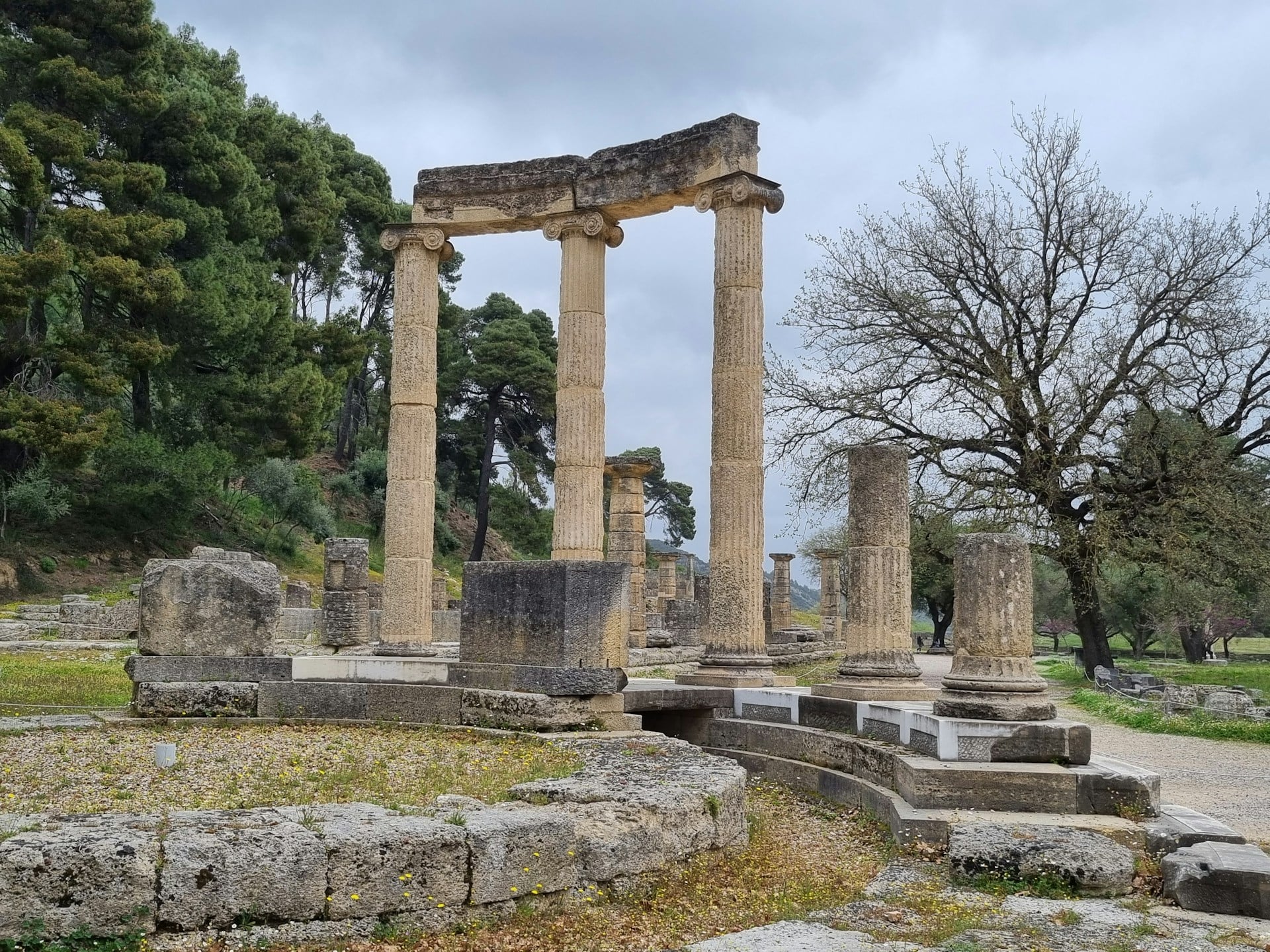
Fines imposed on cheaters funded bronze statues of Zeus, called Zanes, which lined the entrance to the stadium. Inscriptions on the bases named the offenders and described their crimes in detail.
Your dishonor wasn’t just temporary embarrassment—it was literally carved in bronze for every future generation of athletes and spectators to see.
One Boxer Won Without Throwing A Punch

Melankomas of Caria became famous for his unique boxing technique that relied entirely on defense and endurance. According to later Roman sources like Dio Chrysostom, he managed to defeat opponents without ever throwing or receiving a blow—he simply outlasted them.
While the story might be semi-legendary, it speaks to the Greek appreciation for self-control and stamina over brute force.
The Famous Wrestler Milon Ate An Entire Cow

Milo of Croton was a six-time Olympic wrestling champion who competed from 540 to 516 BCE. According to legend, he once carried a full-grown cow into the sanctuary on his back, killed it, and ate the entire animal in a single day.
While this anecdote is mythic rather than historical, it reflects how ancient Greeks viewed their greatest athletes as almost superhuman figures.
Only One Acceptable Excuse For Being Late
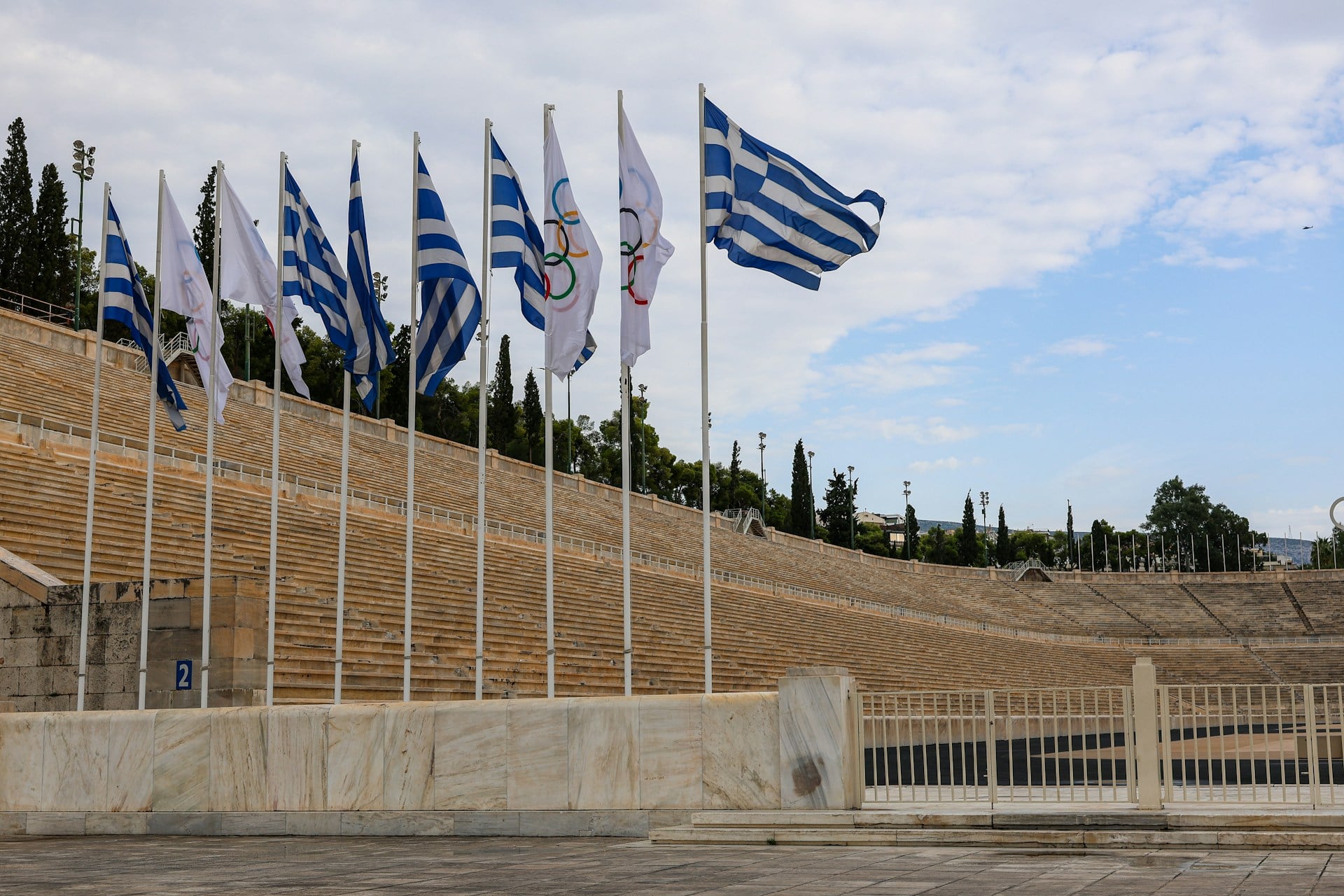
Competitors trained for one month at Elis before the Games began, and punctuality was taken extremely seriously. According to later commentaries, shipwreck was the only excusable reason for missing training or arriving late to the competition.
Miss your ship or get caught in a storm, and you might get a pass—any other excuse wouldn’t cut it.
They Lasted Over 1,000 Years Before Ending
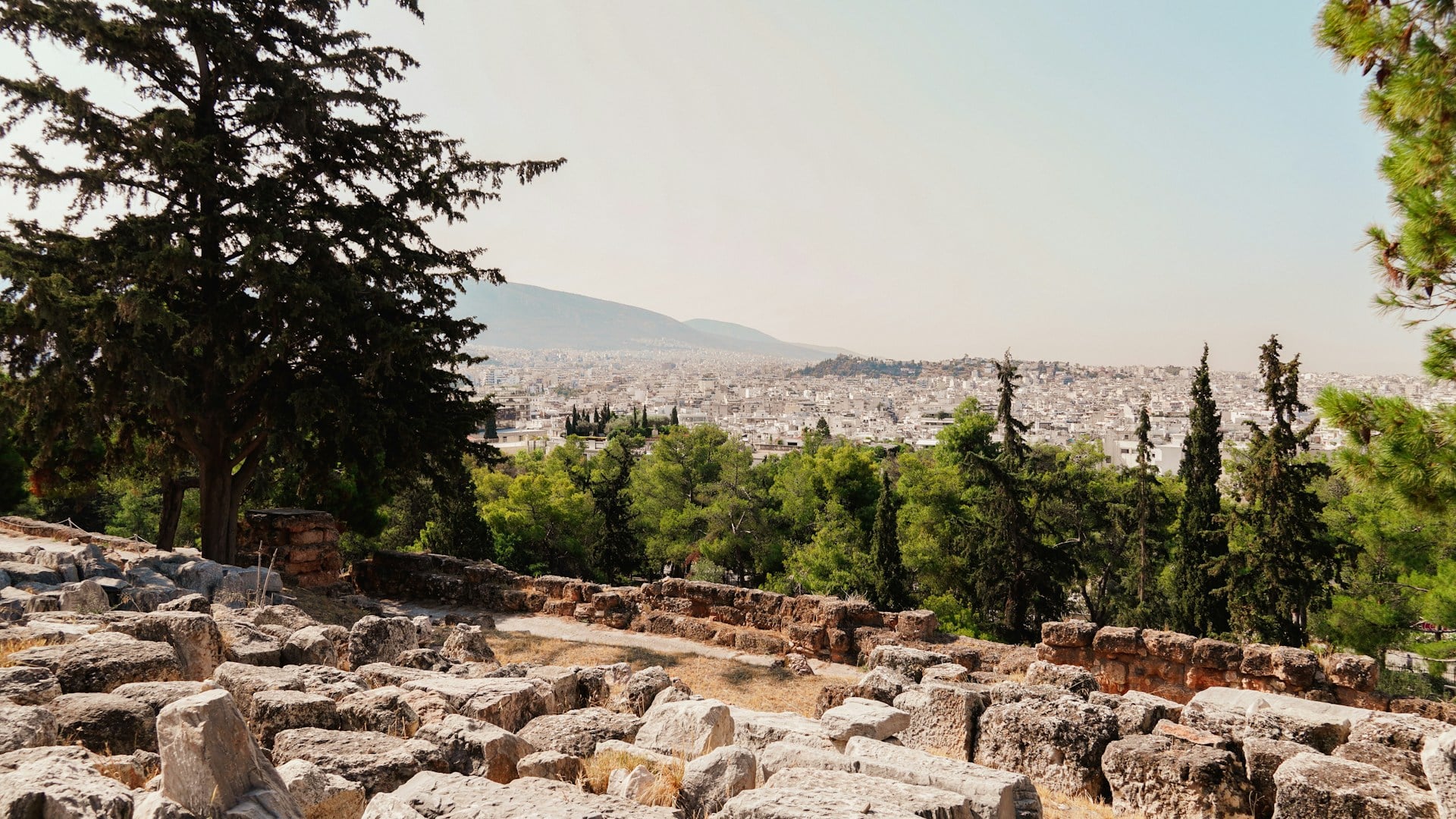
The Games were held from 776 BCE until 394 CE, when Roman Emperor Theodosius I abolished them as part of his campaign to ban pagan festivals. That’s more than 1,100 years of continuous competition, making the ancient Olympics one of the longest-running sporting events in human history.
The end came not from lack of interest but from religious and political transformation across the Roman Empire.
More Than Just Athletic Glory

Sports were never the only focus of the ancient Olympics. They were cultural events where poets and philosophers presented their works, political arenas where city-states vied for prestige, and religious festivals where 100 oxen were offered as sacrifices to Zeus.
A society that placed a high value on physical prowess and divine favor over nearly everything else was reflected in the brutality, rituals, and bizarre customs. Baron Pierre de Coubertin attempted to resurrect the Olympics in 1896, but he undoubtedly omitted the part about competing in the buff and peddling body oil to spectators.
More from Go2Tutors!

- The Romanov Crown Jewels and Their Tragic Fate
- 17 Halloween Costumes Once Considered Taboo
- Famous Hoaxes That Fooled the World for Years
- 15 Child Stars with Tragic Adult Lives
- 16 Famous Jewelry Pieces in History
Like Go2Tutors’s content? Follow us on MSN.