15 Most Powerful Rivers In The World
Rivers shape our world in ways both visible and hidden. They carve canyons, move mountains grain by grain, and turn deserts into fertile valleys.
Some flow with such force that they could power entire nations, while others carry so much water they create their own weather patterns. The most powerful rivers on Earth don’t just flow — they command respect, alter landscapes, and remind us that nature still holds the upper hand.
Amazon River

The Amazon doesn’t just flow. It dominates.
This river system moves more water than the next seven largest rivers combined. During peak flood season, you can’t see across it — the opposite bank disappears beyond the horizon like an ocean shoreline.
Congo River
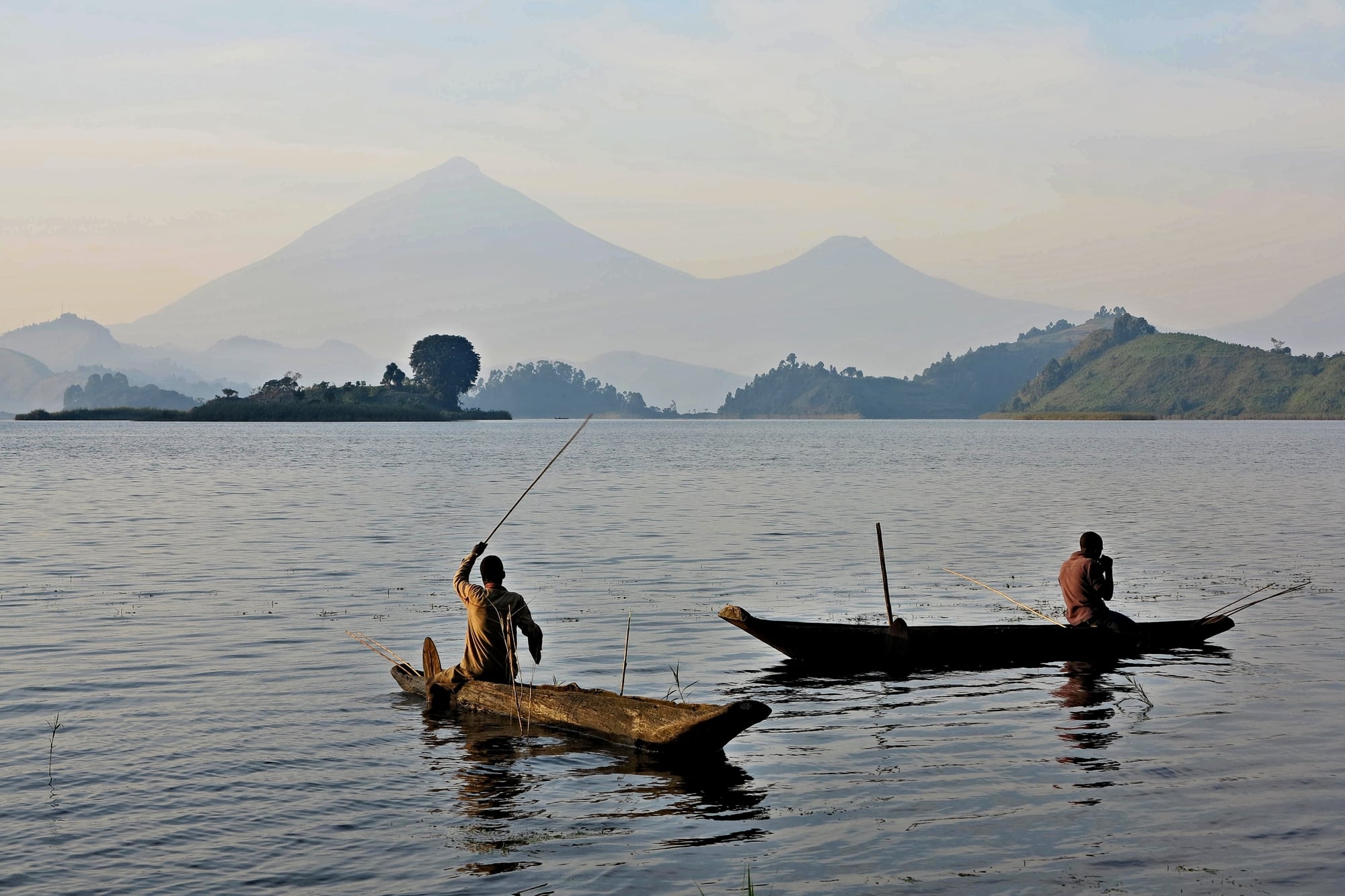
The Congo (which used to be called the Zaire, and before that had a name most people couldn’t pronounce without stumbling) carries the second-largest volume of water on the planet, but what makes it particularly fascinating — and slightly terrifying if you think about it too long — is that it’s the deepest river anywhere, plunging down over 720 feet in some spots where the current has spent millions of years carving through bedrock like water through sand. And the rapids.
The rapids are legendary. Those aren’t just rough patches where you might get your canoe wet — they’re churning, violent stretches of whitewater that have been swallowing boats and confounding explorers for centuries, which explains why this river remained largely unmapped until embarrassingly recently in human history.
Yangtze River
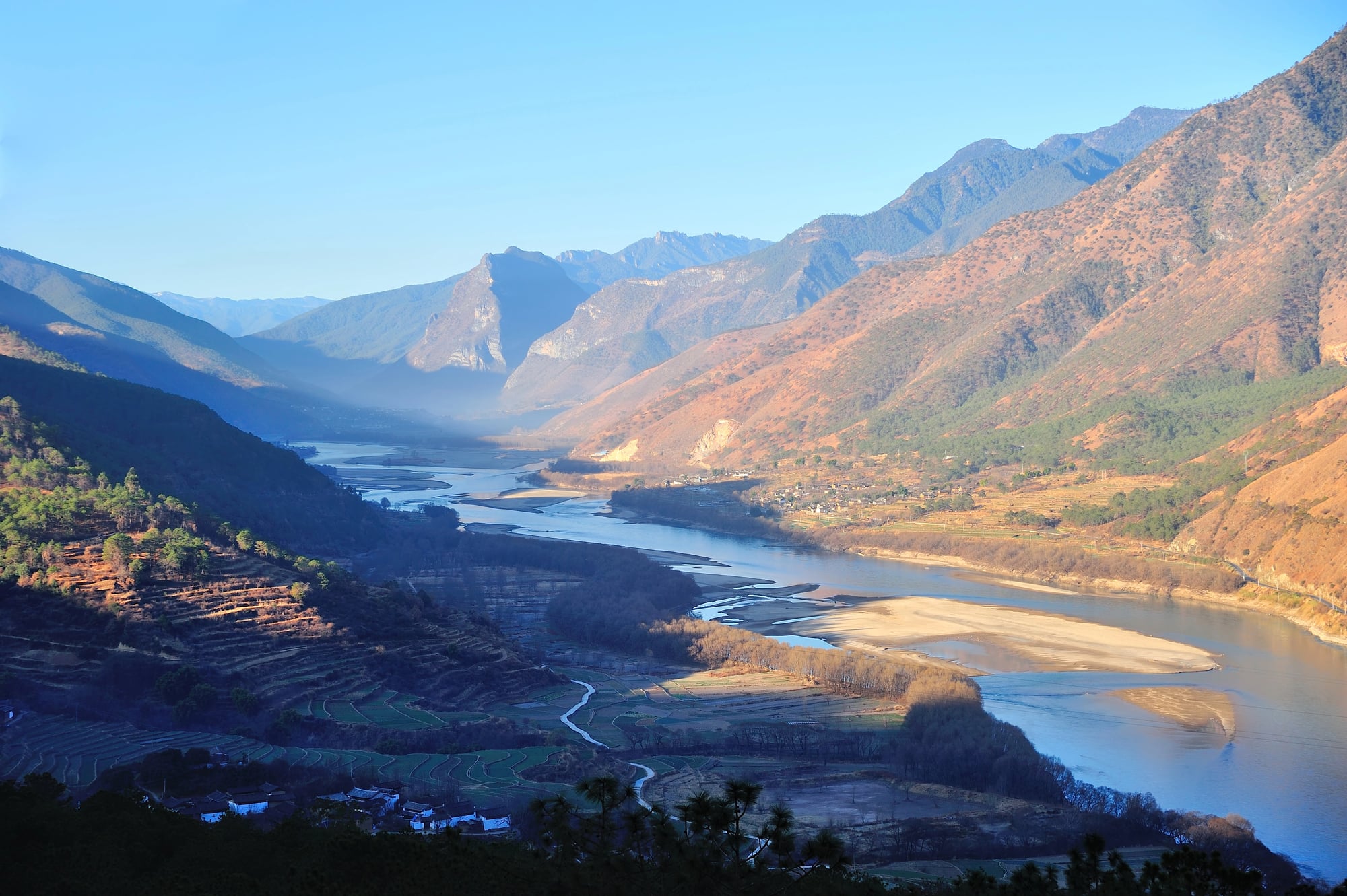
The Yangtze moves through China like a restless giant, carrying stories in its current that stretch back thousands of years. It floods with the seasons, rising and falling in rhythms that entire civilizations learned to read like a calendar.
When it swells beyond its banks, it doesn’t just overflow — it transforms the landscape into something unrecognizable, as if the river were trying on different shapes to see which one fits. The water carries more than silt and debris.
It carries the weight of industry, the runoff of progress, and the quiet persistence of a river that has watched empires rise and crumble from the same vantage point.
Mississippi River
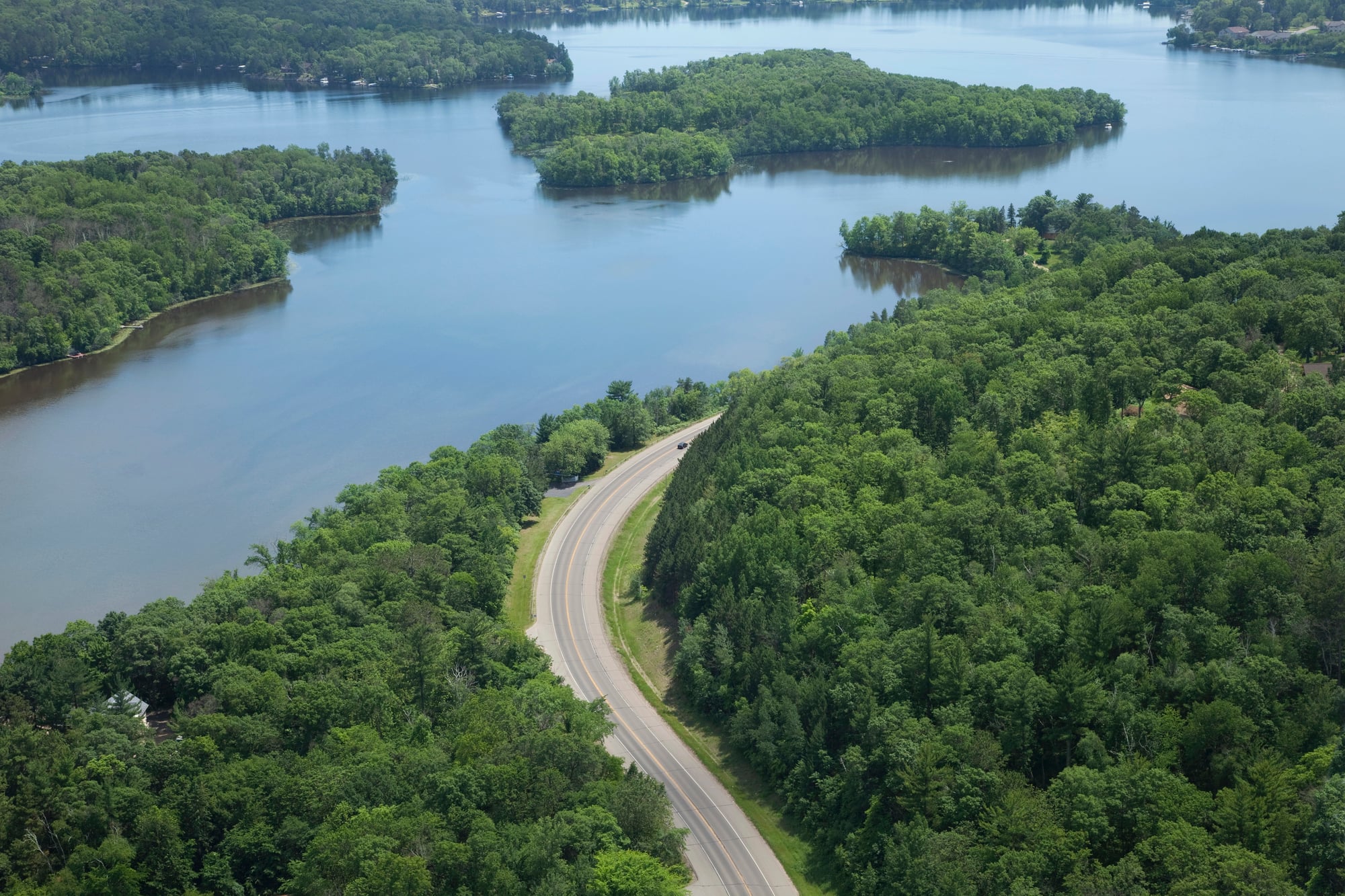
The Mississippi is the most overworked river in America. It drains water from 31 states and two Canadian provinces, which means every raindrop that falls from Montana to Pennsylvania eventually ends up in this single channel heading south.
The engineering required to keep it flowing where humans want it to flow — rather than where it wants to go — is staggering. Mark Twain called it the crookedest river in the world, and he wasn’t exaggerating for literary effect.
Nile River
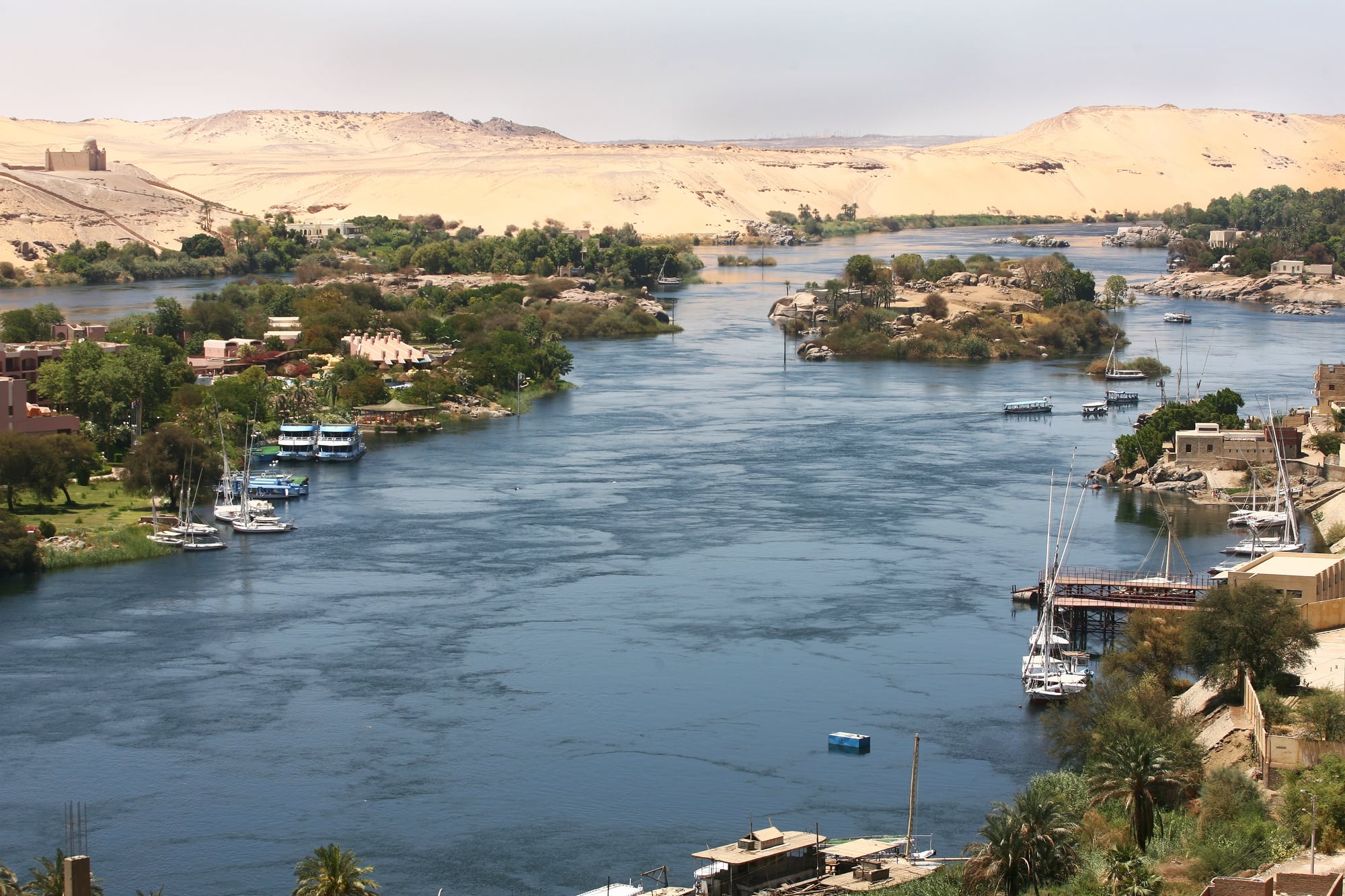
The Nile flows uphill on every map, which confuses people until they remember that “up” means north and rivers don’t care about cardinal directions. But here’s what the Nile figured out that other rivers missed: predictability wins over drama.
For thousands of years, it flooded at exactly the right time, deposited exactly the right amount of fertile silt, and then receded right on schedule (though the Aswan Dam has since put an end to that reliable rhythm, and the river hasn’t been quite the same since). The ancient Egyptians built their entire civilization around this one river’s annual mood swings, and it worked out pretty well for everyone involved.
Turns out there’s something to be said for a river that keeps its promises.
Ganges River
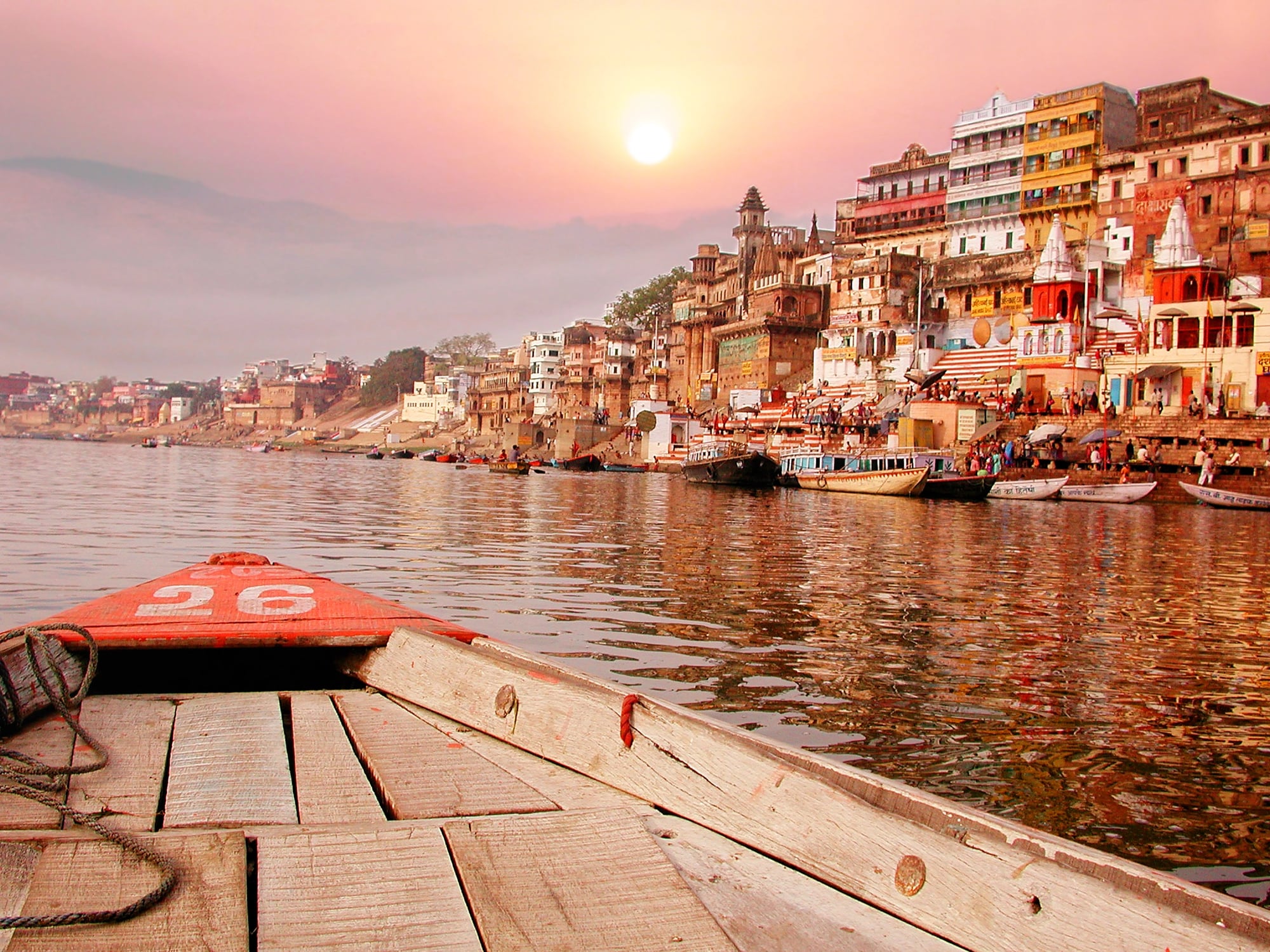
The Ganges doesn’t just flow through India — it flows through the soul of a subcontinent. Pilgrims travel thousands of miles to touch its waters, believing the river can wash away lifetimes of accumulated mistakes.
Whether you subscribe to that particular worldview or not, there’s something undeniably powerful about a river that carries both industrial runoff and human hopes with equal indifference. The current moves with a weight that feels heavier than water, as if it’s transporting more than just sediment and rainfall.
Stand on its banks during monsoon season and watch the brown water surge past, carrying everything the land couldn’t hold onto.
Mekong River
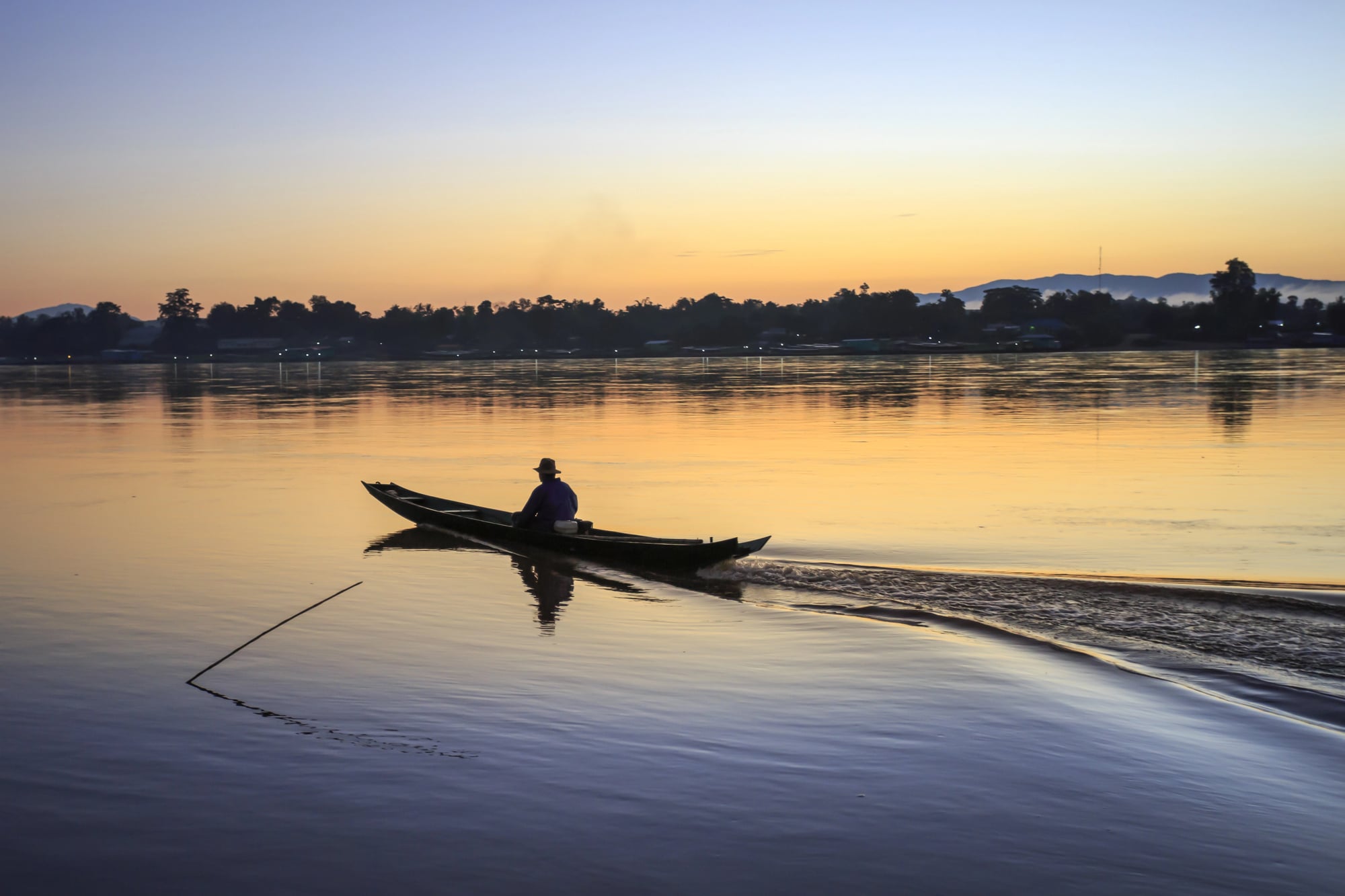
The Mekong has more personality disorders than any river should reasonably possess — flowing clear and gentle through some stretches, then turning violent and muddy without warning, changing direction like it’s forgotten where it was supposed to be heading, supporting massive fish populations in some sections while remaining stubbornly barren in others (and nobody has quite figured out why the fish avoid certain parts, though local fishermen have theories that range from plausible to supernatural). But this inconsistency, this refusal to behave predictably, is precisely what makes it one of the most powerful forces in Southeast Asia.
So it feeds nearly 300 million people. And yet it remains one of the least understood major river systems on Earth, which is saying something in an age when we can map ocean floors and track individual icebergs from space.
Orinoco River
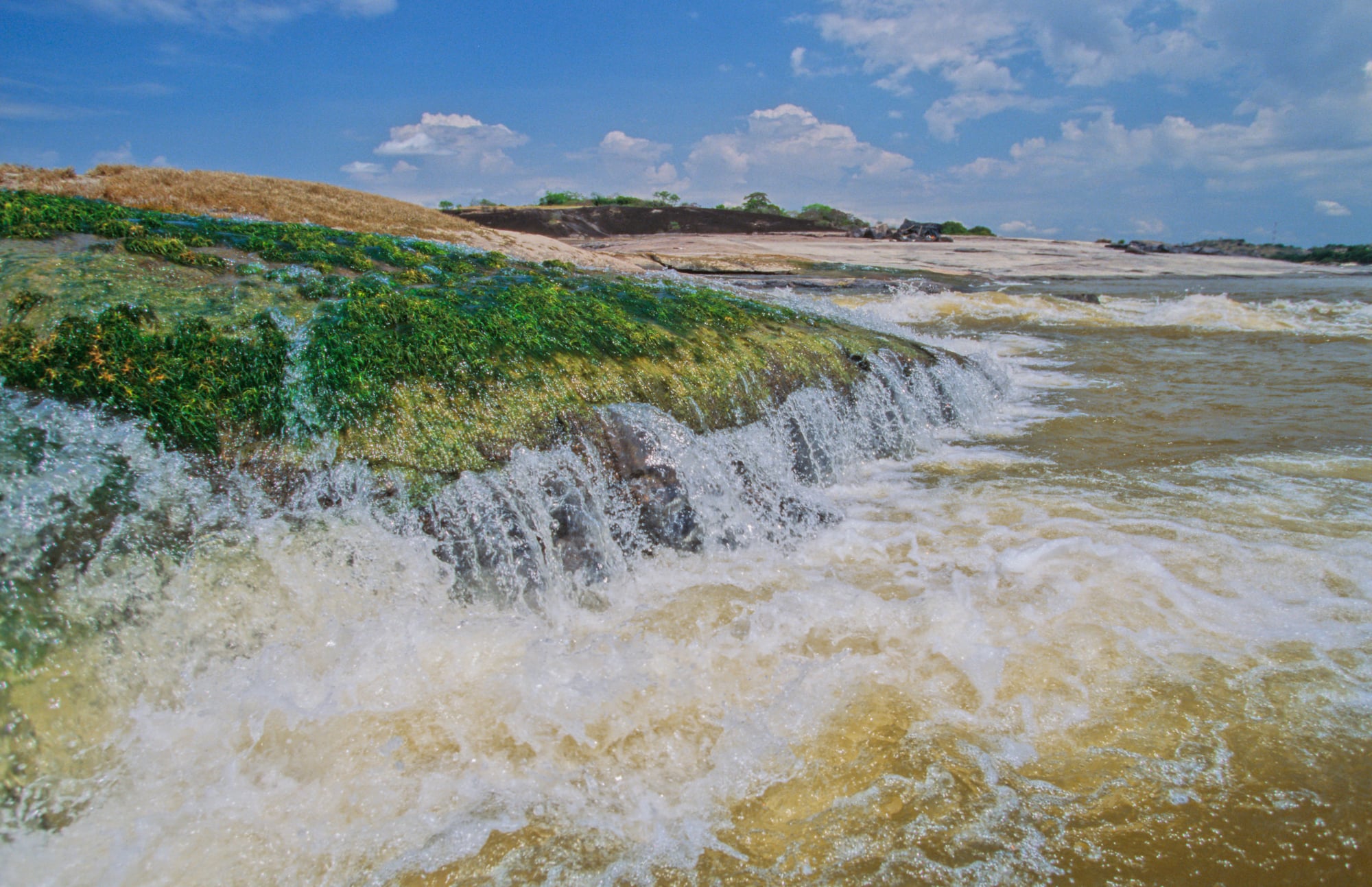
The Orinoco cuts through South America like a question mark, curving and bending through Venezuela and Colombia with the unhurried confidence of a river that knows it has all the time in the world. During flood season, it spreads so wide that the term “riverbank” becomes meaningless — the water simply claims whatever territory it wants and holds it until the mood passes.
What makes this river particularly remarkable isn’t just its size, but its color. The water runs dark with tannins from decomposing vegetation, creating a flow that looks more like coffee than water, especially where it meets the lighter-colored tributaries.
Ob River

The Ob River is criminally underrated. It drains one of the largest river basins on the planet, stretching across Siberia like a liquid highway that nobody talks about because it’s inconveniently located in one of the least populated regions on Earth.
During spring thaw, this river moves with terrifying force, carrying the accumulated ice and snow of an entire winter southward in a rush that can be heard from miles away. The fact that most people couldn’t locate it on a map doesn’t make it any less powerful — just overlooked.
Parana River

The Parana moves through South America with the steady persistence of something that has been doing this job for millions of years and has no intention of stopping now (which, to be fair, describes most rivers, but the Parana does it with particular authority). It drains nearly a million square miles of continent, collecting water from Brazil, Paraguay, Bolivia, and Argentina before finally surrendering its cargo to the Atlantic Ocean through the Rio de la Plata, though calling that muddy, turbulent estuary a simple river mouth seems inadequate.
But the real power of the Parana isn’t just in its volume — it’s in its consistency, the way it keeps showing up day after day, year after year, moving cargo and generating electricity and generally making modern life possible across a significant chunk of South America.
Yenisei River
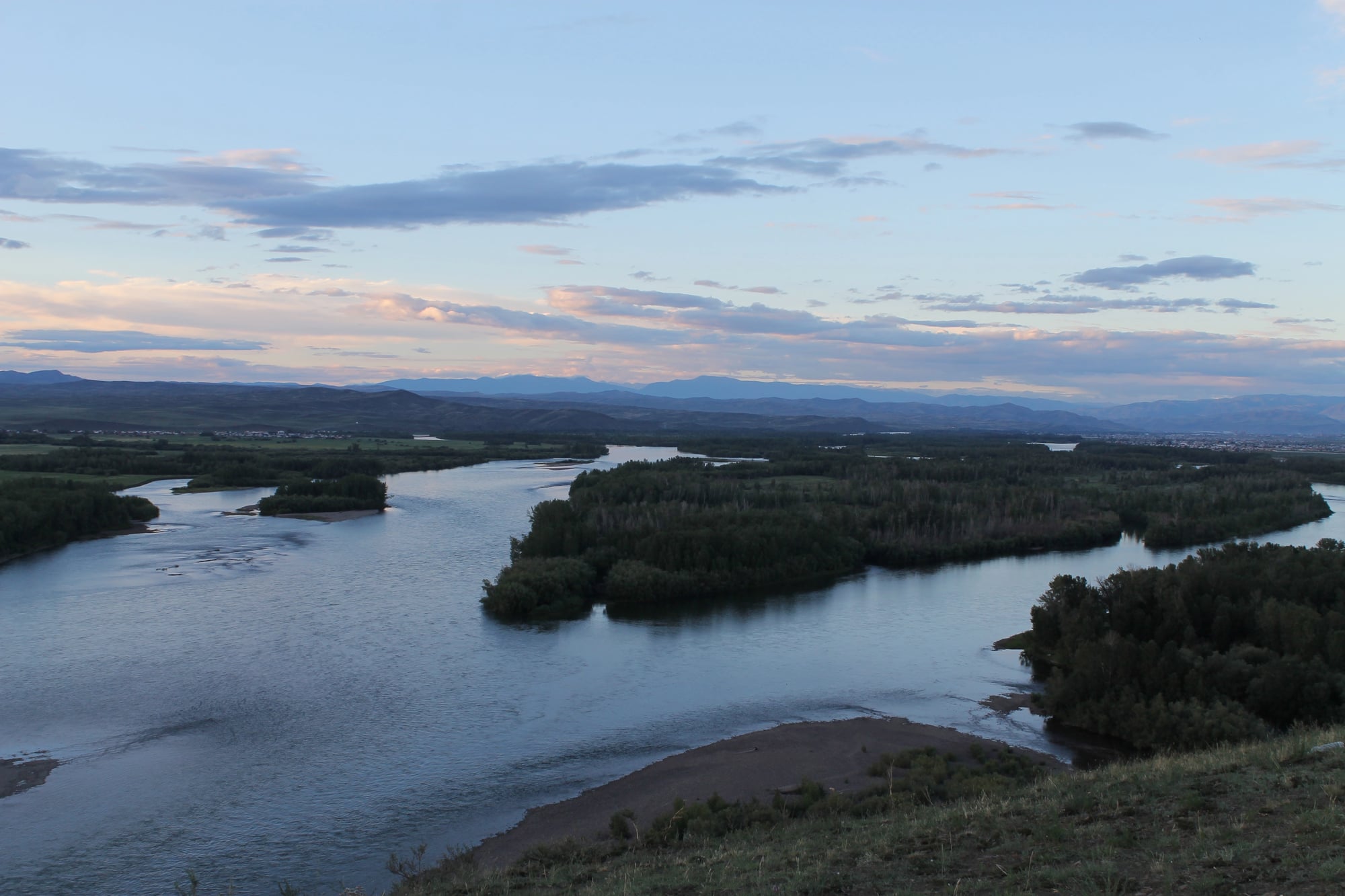
The Yenisei River flows north through Siberia like a force of nature that forgot to check the weather forecast. It carries more water than any other river flowing into the Arctic Ocean, which means it spends months each year frozen solid while still somehow maintaining enough current underneath the ice to carve new channels and move massive amounts of sediment.
When spring arrives, the breakup is spectacular and slightly apocalyptic. Ice jams create temporary dams that can flood entire regions when they finally give way.
Lena River
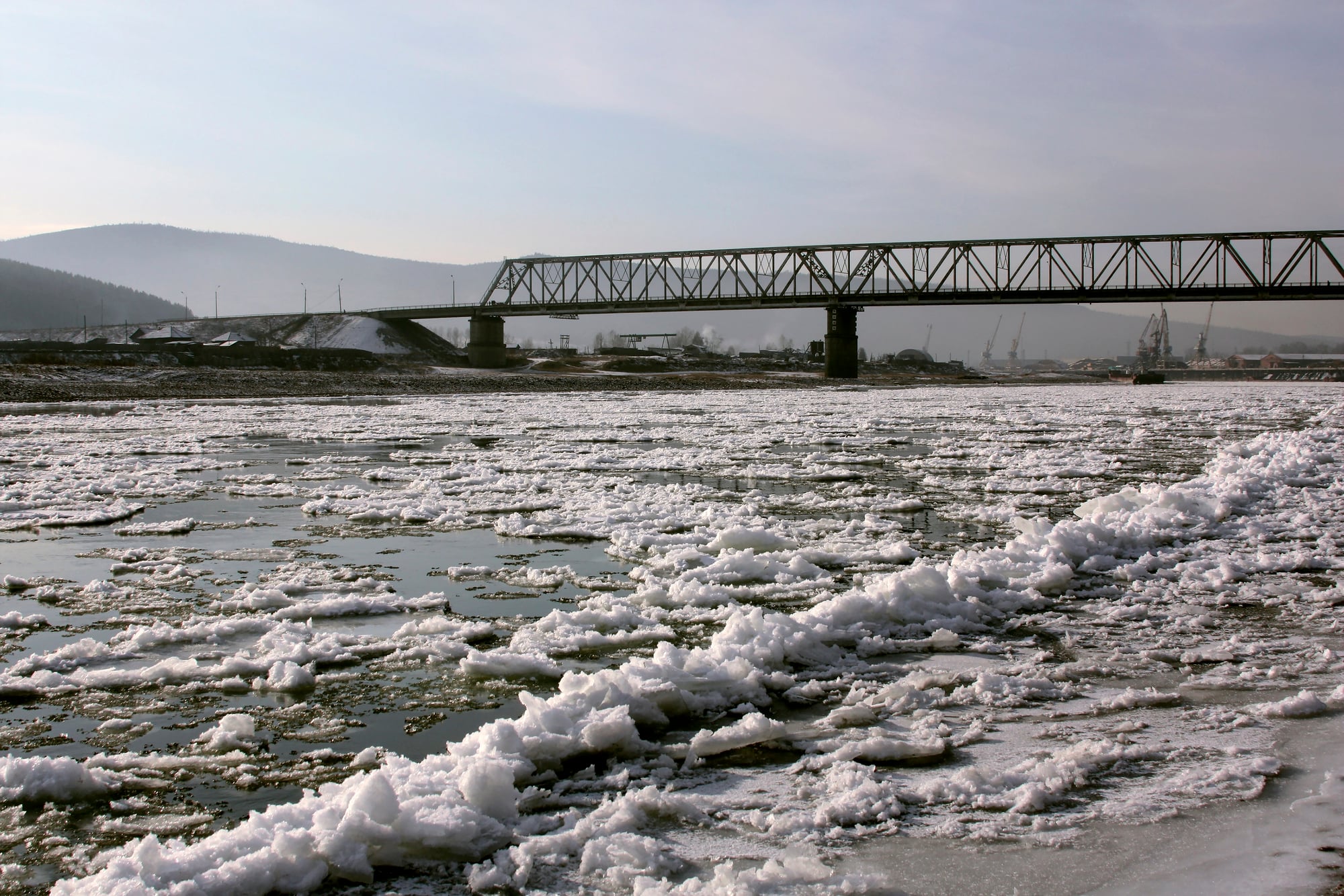
The Lena River is Siberia’s best-kept secret, largely because Siberia doesn’t keep its secrets very well — they’re all hiding in plain sight in places too remote for most people to bother visiting. This river system drains over a million square miles of Russian territory, most of it permafrost that thaws just enough each summer to send billions of gallons of meltwater rushing toward the Arctic Ocean (and as global temperatures continue rising, that annual flood is getting more dramatic each year, though the river itself seems unperturbed by the changing circumstances).
The delta where the Lena meets the ocean is a maze of channels and islands that shifts constantly, as if the river can’t quite decide how it wants to end its journey. Fair enough.
Mackenzie River

The Mackenzie River is Canada’s answer to the Mississippi, except it flows the opposite direction and fewer people know its name. It drains nearly 700,000 square miles of northern Canada, collecting water from places with names like Great Slave Lake and Great Bear Lake — which tells you something about the kind of territory this river covers.
For much of its length, the Mackenzie flows through landscape that looks exactly the same as it did before humans showed up. The river doesn’t seem particularly interested in accommodating civilization, which gives it a kind of austere power that more developed waterways have lost.
Niger River
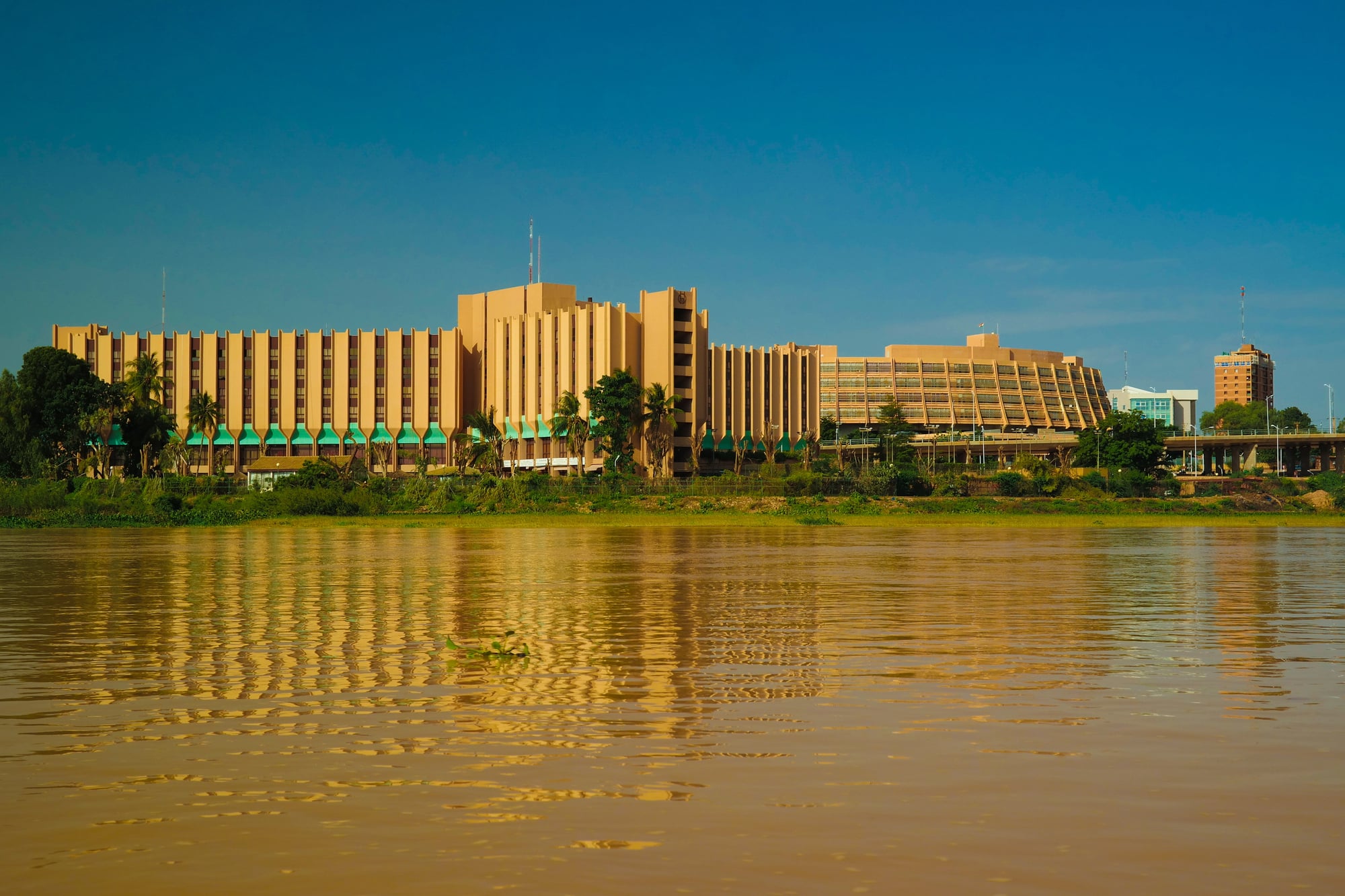
The Niger takes the scenic route through West Africa, flowing in a massive arc that seems designed to visit as many countries as possible rather than finding the most efficient path to the ocean. It’s the kind of river that clearly has its own agenda and isn’t particularly interested in human opinions about optimal routing.
During dry season, parts of the Niger become so shallow that people walk across them. During flood season, it spreads across floodplains like an inland sea, transforming the entire landscape into something aquatic and temporary.
Volga River
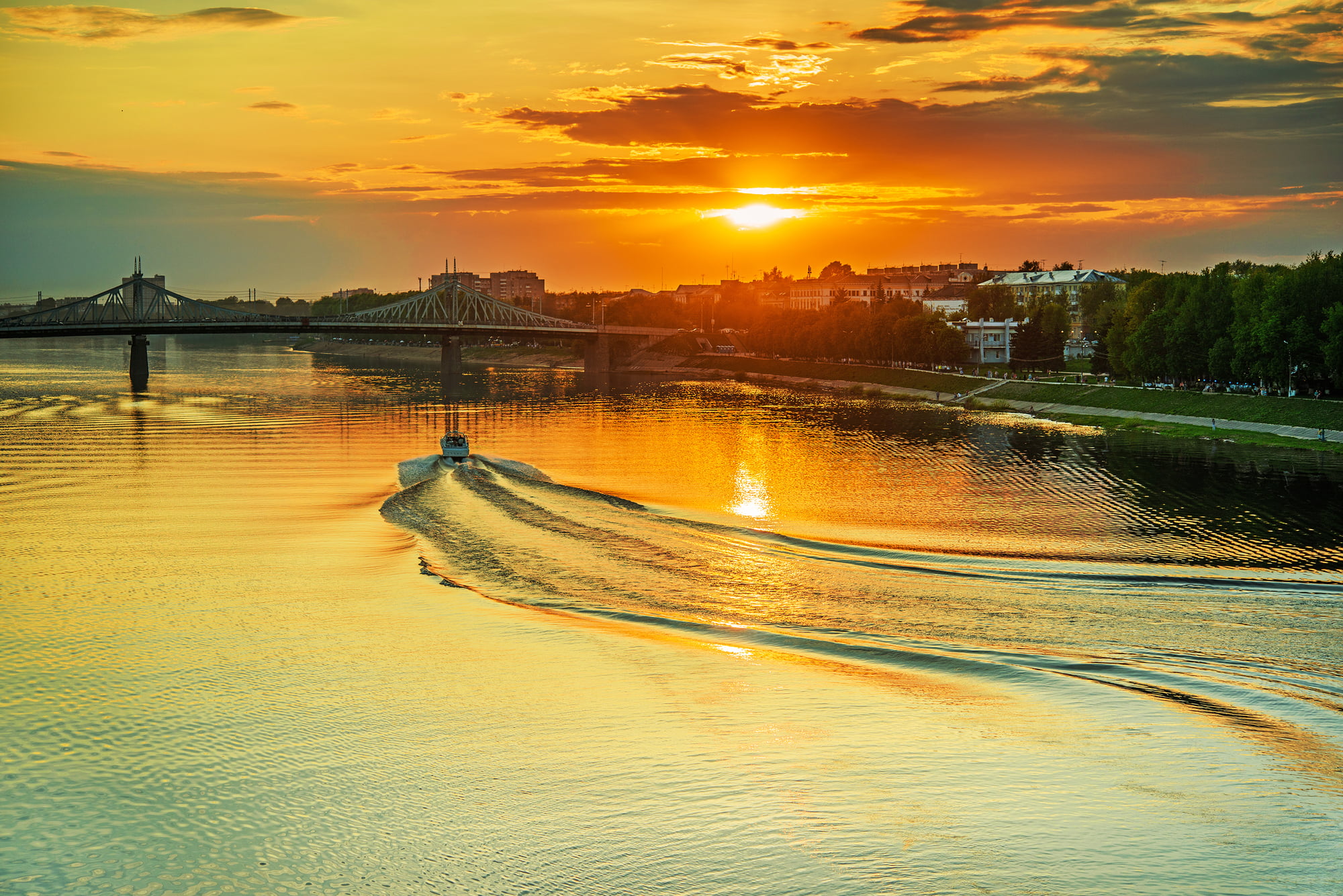
The Volga is Europe’s longest river and Russia’s liquid backbone. It flows entirely within Russian borders, which makes it both a unifying force and a strategic asset — control the Volga, and you control access to a massive chunk of European Russia.
This river has witnessed more history than any waterway should have to endure. It’s seen invasions, revolutions, famines, and industrial development on a scale that would overwhelm smaller river systems.
Through it all, the Volga keeps flowing south toward the Caspian Sea with the steady determination of something that has learned not to get too attached to any particular version of civilization.
When Rivers Remember

Rivers outlast the civilizations that rise along their banks, carrying forward the sediment of collapsed empires and the runoff of forgotten cities. The most powerful rivers in the world don’t just move water — they move time itself, connecting mountain snowfields to ocean depths, carrying the ancient toward the eternal with currents that never rest.
Stand beside any of these waterways and you’re witnessing something both immediate and timeless: the planet reshaping itself, one grain of sand at a time.
More from Go2Tutors!

- The Romanov Crown Jewels and Their Tragic Fate
- 13 Historical Mysteries That Science Still Can’t Solve
- Famous Hoaxes That Fooled the World for Years
- 15 Child Stars with Tragic Adult Lives
- 16 Famous Jewelry Pieces in History
Like Go2Tutors’s content? Follow us on MSN.