The Most Chilling True Stories From Modern Rideshares
Rideshare apps changed how we travel. Tap a button, hop in a stranger’s car, arrive at your destination.
Most trips are forgettable — small talk about traffic, maybe a mint offered from the cupholder. But sometimes, things go wrong in ways that stick with you long after the ride ends.
The stories that follow aren’t urban legends or internet rumors. They’re documented incidents that happened to real people using platforms like Uber and Lyft.
Some involve drivers who crossed lines. Others feature passengers who brought danger into the backseat.
A few are cases of being in the wrong place when something terrible was already in motion. These accounts remind us that rideshares, for all their convenience, involve a fundamental act of trust between strangers.
The Fake Driver In Boston
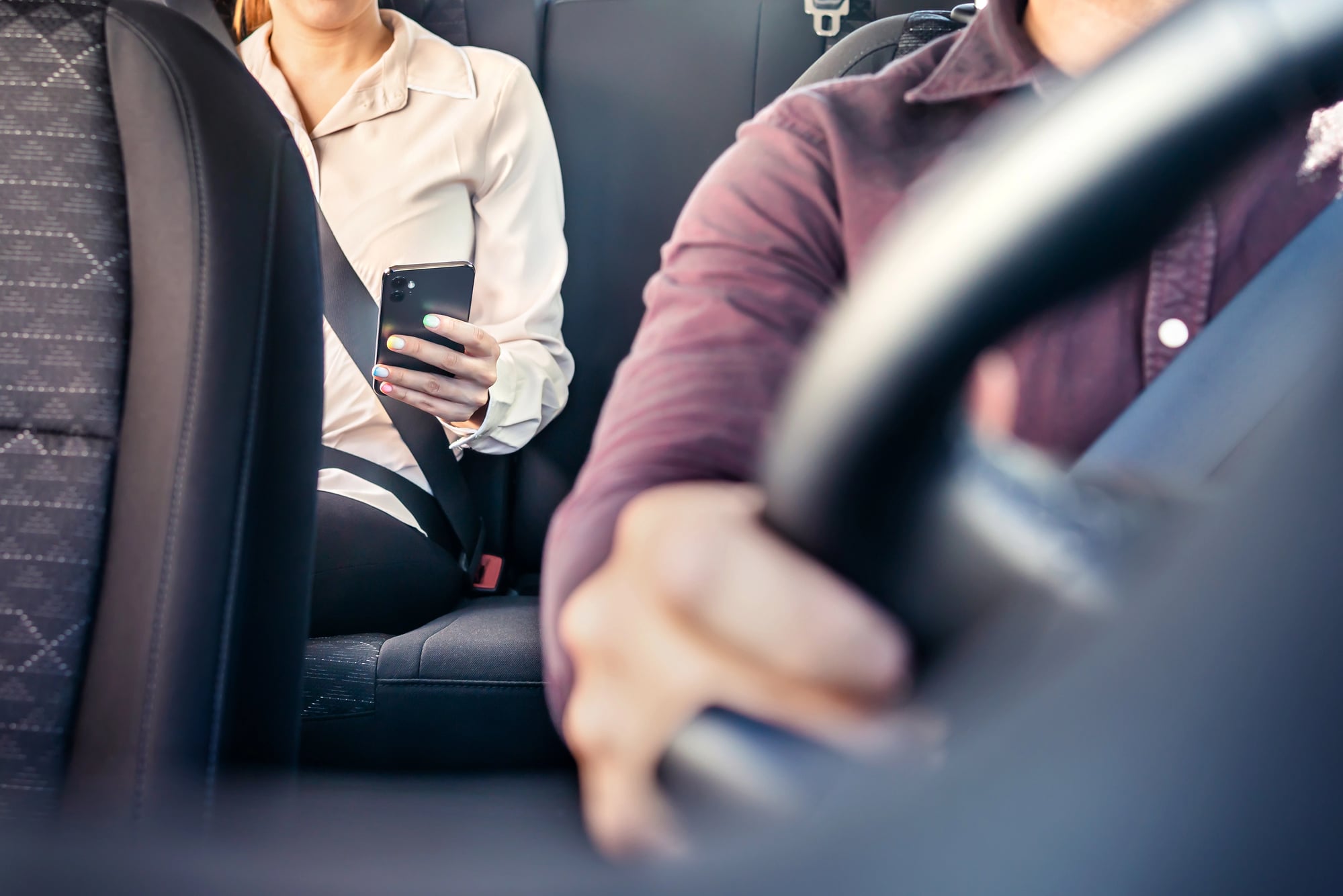
Sarah Jenkins needed a ride home from Logan Airport after a delayed flight. She booked an Uber and waited outside Terminal C, checking her phone for the driver’s arrival.
When a black sedan pulled up and the driver called her name, she got in without checking the license plate. Twenty minutes into what should have been a fifteen-minute ride, she realized they weren’t heading toward her neighborhood.
The driver claimed traffic was forcing a detour, but Sarah noticed he’d turned off the main highway onto increasingly empty side streets. When she asked to see his phone with the GPS directions, he said the battery had died.
She demanded to be let out immediately. The driver refused and locked the doors.
The Passenger Who Wouldn’t Leave
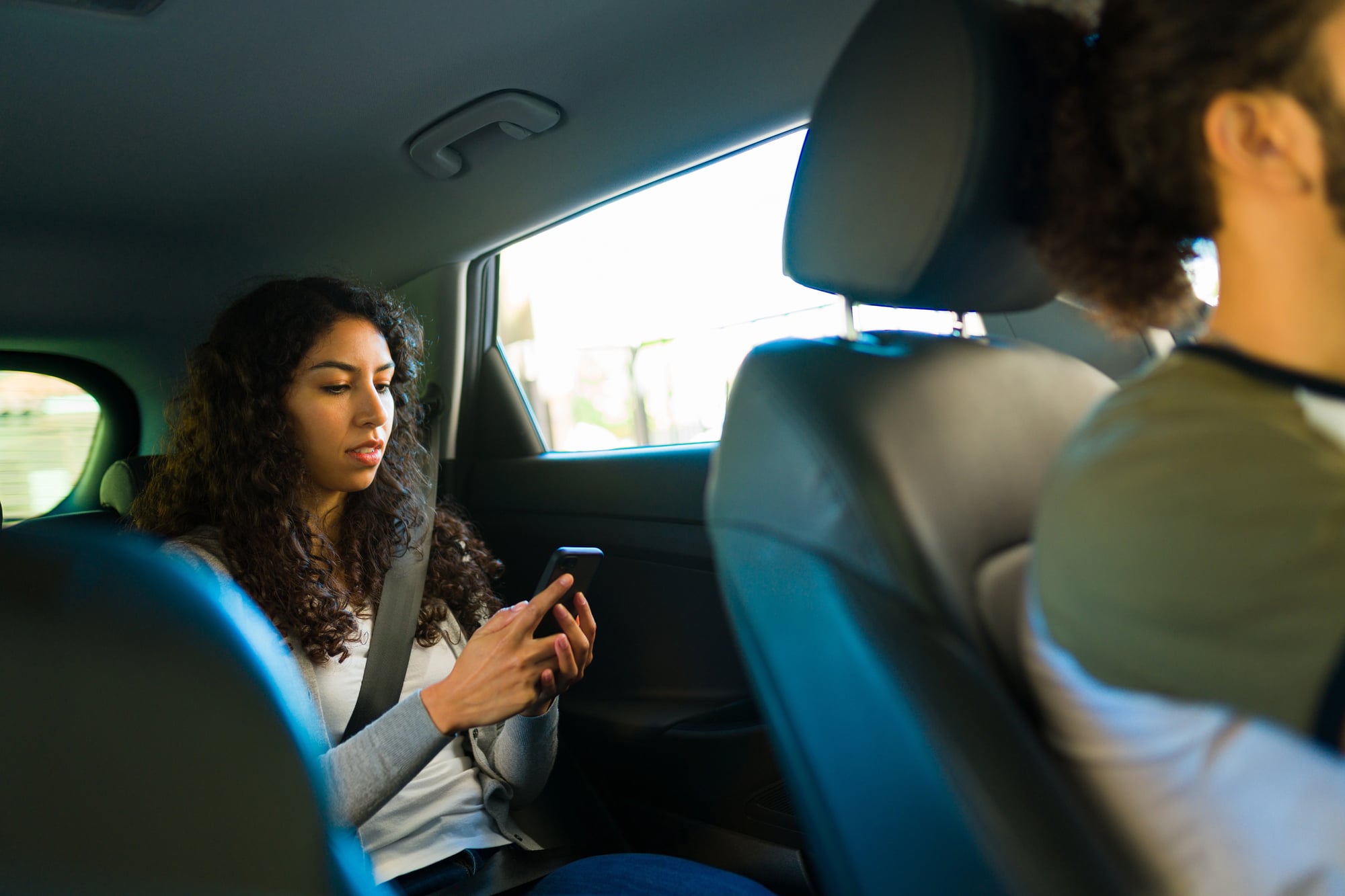
Driver Marcus Thompson picked up a passenger for what the app showed as a seven-mile trip across town. The passenger, a middle-aged man in a business suit, got in and immediately asked Thompson to deviate from the suggested route.
He wanted to make a quick stop at a house that wasn’t listed as the destination. Thompson agreed, thinking it would be a simple detour.
When they arrived at the address, the passenger asked him to wait while he went inside. Five minutes turned into twenty.
Thompson called out that he needed to leave, but the passenger ignored him. Then the passenger returned to the car carrying a large duffel bag that hadn’t been with him before.
He instructed Thompson to drive to a location thirty miles outside the city — a route that would take them through several rural areas with poor cell reception. When Thompson refused and said he was ending the ride, the passenger showed him a knife and calmly explained that the trip would continue as planned.
The Rideshare That Became A Hostage Situation
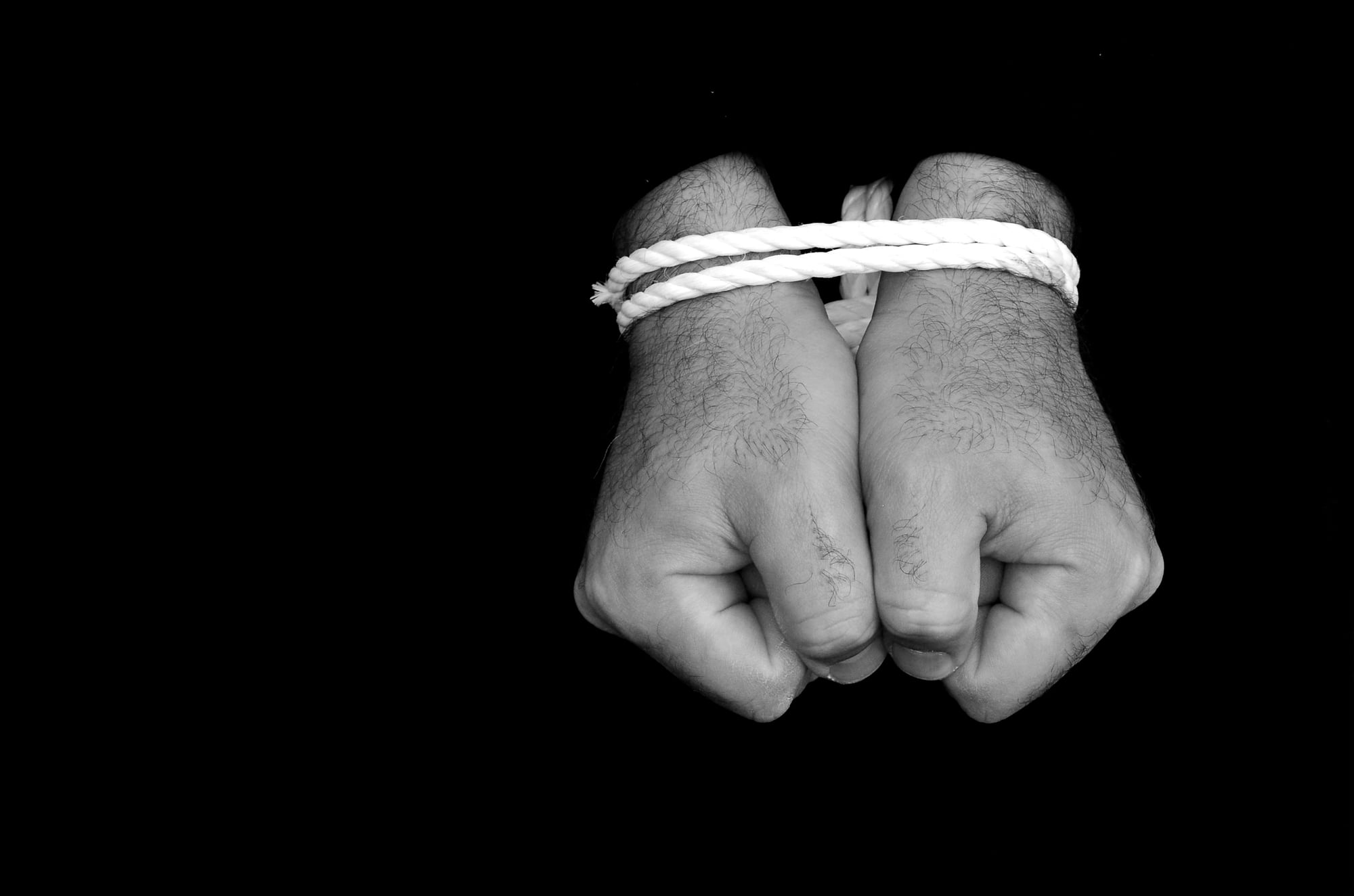
College student Emma Rodriguez was heading home from a late shift at her campus job when she requested a rideshare. The driver seemed normal at first — quiet, professional, drove a clean car that matched the app description.
But instead of taking the direct route to her apartment, he began driving in circles around the same few blocks. When Emma asked what was happening, the driver said he was confused about the address.
She offered to give him directions, but he continued the circuitous route. After fifteen minutes of this pattern, she realized something was deliberately wrong and demanded to be let out.
The driver’s demeanor changed completely. He told her she couldn’t leave until she paid him an additional $200 in cash beyond what the app would charge.
He’d driven her to an industrial area she didn’t recognize and parked behind a warehouse where no one would see the car. Emma’s phone showed no signal.
The driver explained that he’d done this before with other passengers, especially young women traveling alone late at night. He knew the app would show the extended trip time, but customer service rarely followed up on complaints about drivers taking longer routes.
The Driver With A Criminal Past
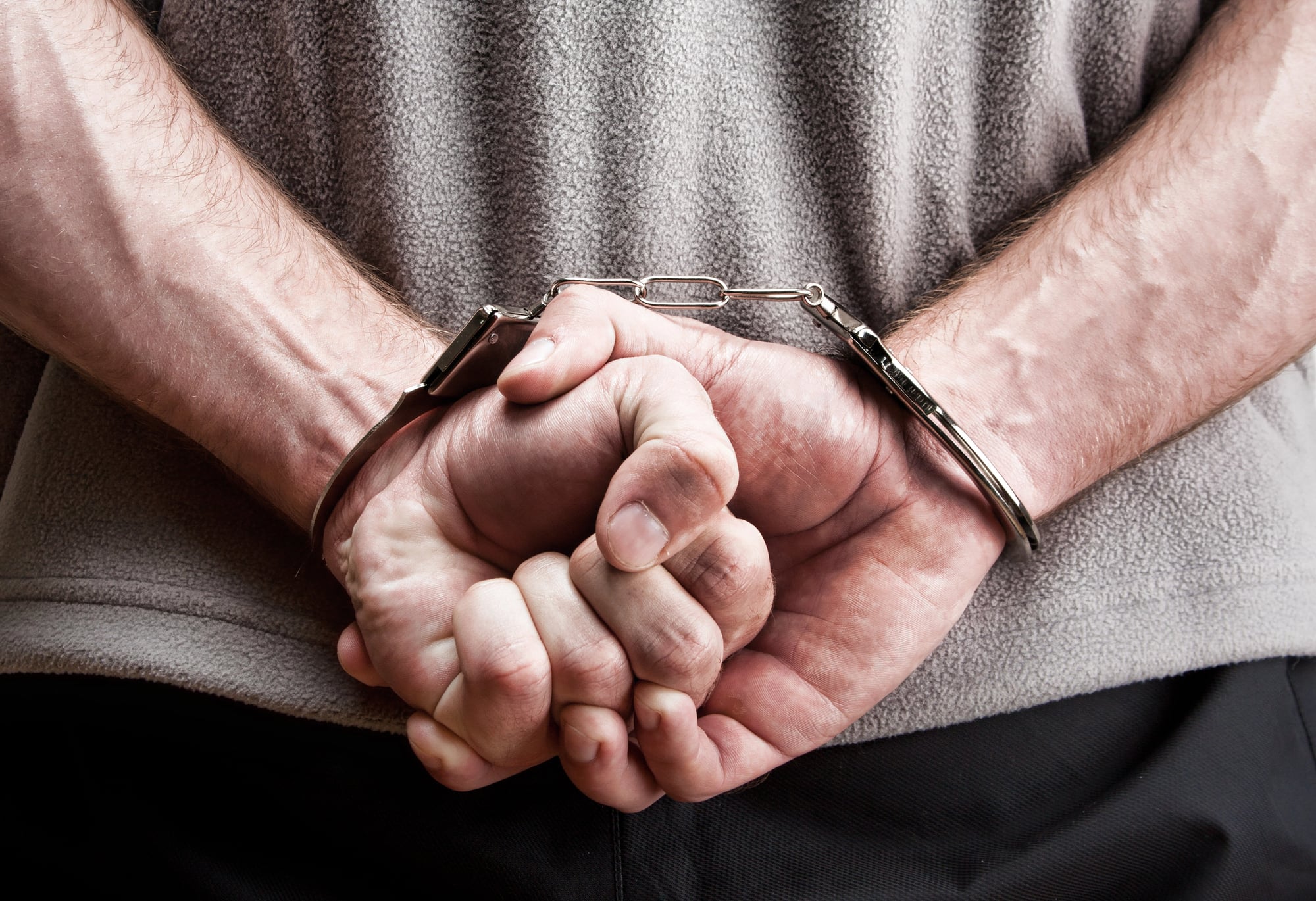
When Amanda Foster requested a ride to meet friends for dinner, she didn’t expect to end up in a police station giving a statement. Her driver, David Chen, had passed the background check required by the rideshare company, but what the screening didn’t catch was a recent arrest for assault that hadn’t yet resulted in a conviction.
During the ride, Chen became increasingly agitated, talking to himself and making angry phone calls in a language Foster didn’t understand. When she asked him to lower his voice, he exploded, screaming that passengers always disrespected him and that he was tired of taking orders from entitled customers.
Chen pulled over on a busy street and got out of the car, leaving Foster in the backseat. But instead of letting her go, he opened the rear door and began yelling directly at her, calling her names and demanding she apologize for being rude.
Other drivers honked as Chen blocked traffic, but no one stopped to help. Foster managed to escape when Chen briefly turned away to argue with another motorist.
She later learned that Chen had been fired from two previous jobs for threatening coworkers and had multiple complaints filed against him by other rideshare passengers.
The Passenger Who Brought Danger Along
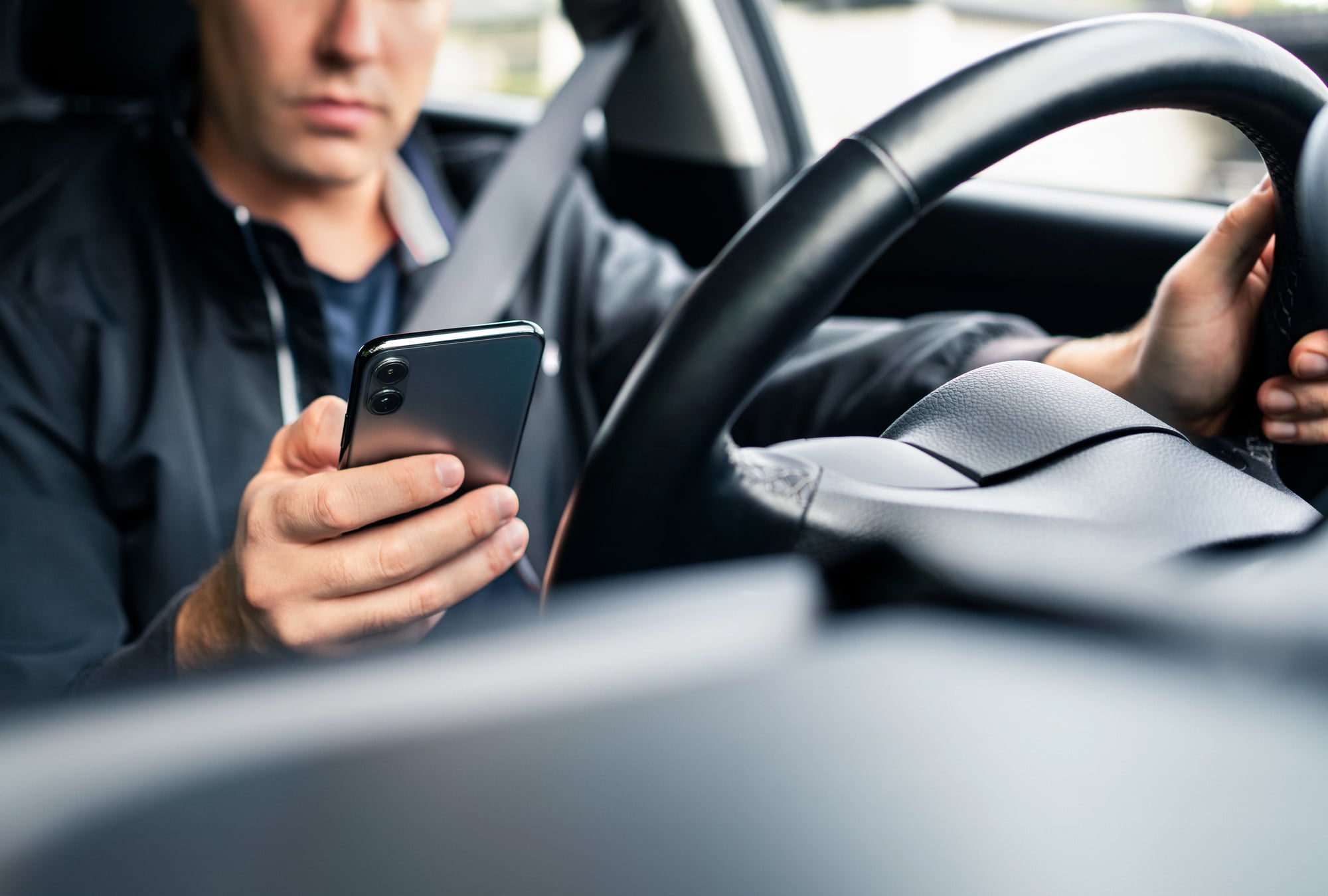
Driver Jennifer Walsh thought she was picking up a single passenger for a routine airport run. The booking showed one rider, one destination, estimated trip time of thirty minutes.
When she arrived at the pickup location, her passenger — a woman named Lisa — got in with a large purse and a nervous energy that immediately felt off. Ten minutes into the drive, Lisa’s phone rang.
The conversation was brief and tense, with Lisa giving one-word answers and looking repeatedly out the rear window. After she hung up, she asked Walsh to change the destination to an address across town, claiming she’d made a mistake in the original booking.
What Walsh didn’t know was that Lisa had stolen money from her employer and was attempting to flee the city before the theft was discovered. The phone call had been from her boss, who’d just realized what happened and was threatening to call police.
As they drove toward the new destination, a car began following them. Lisa noticed first and asked Walsh to make several sudden turns to lose the tail.
When Walsh asked what was happening, Lisa admitted she was in trouble and begged Walsh to help her get away from whoever was following them.
The Ride That Turned Violent
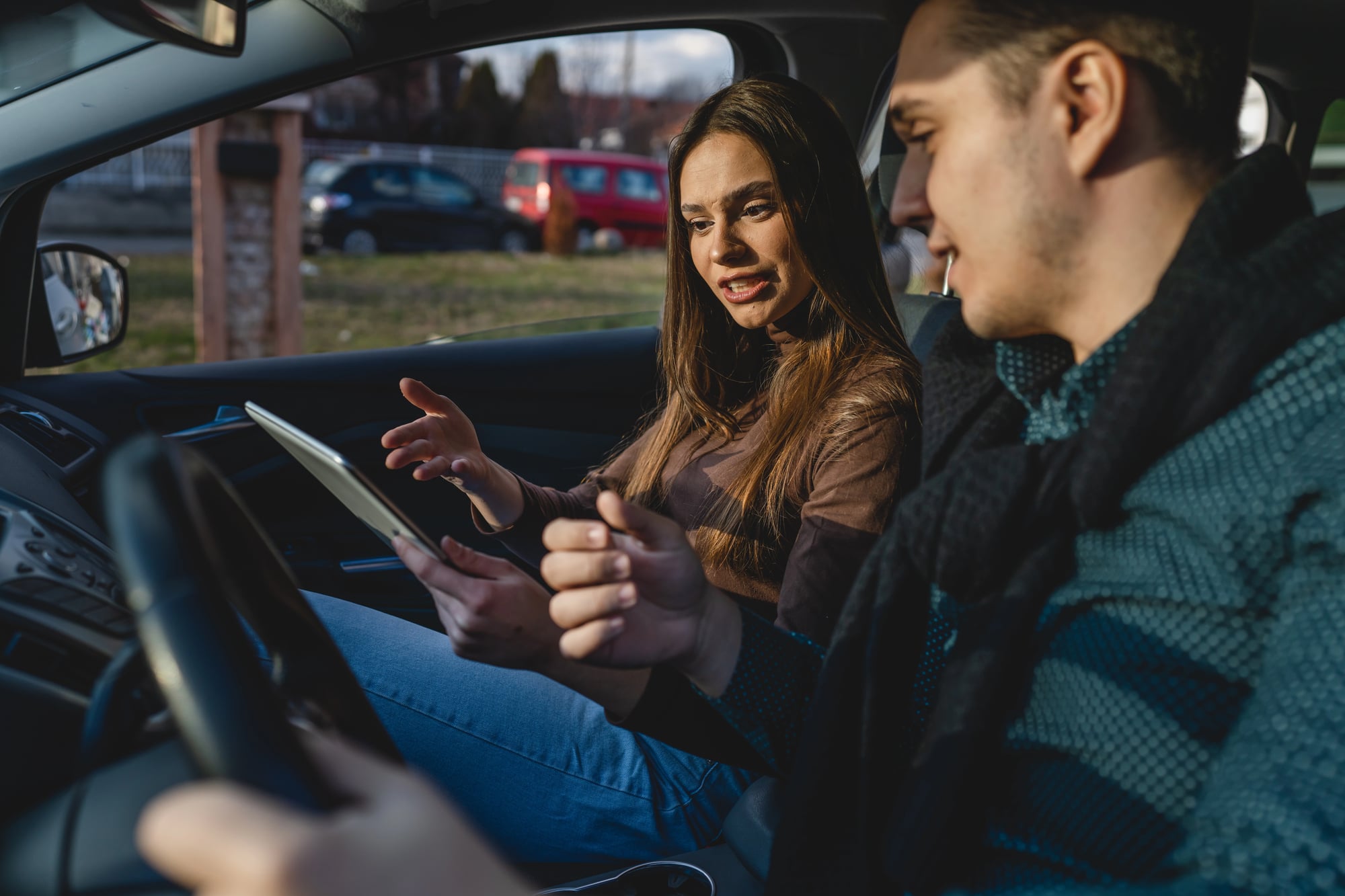
Michael Torres was driving for a rideshare company to earn extra money on weekends when he picked up two passengers outside a downtown bar. The men seemed intoxicated but not unusually so — Torres had given plenty of rides to people who’d been drinking, and it rarely caused problems.
But these passengers became increasingly aggressive as the ride progressed. They criticized Torres’s driving, complained about the music, and made comments about his accent and appearance.
When Torres asked them to keep their voices down, one of the men leaned forward and grabbed the steering wheel while the car was moving. Torres managed to maintain control and pulled over immediately, demanding that both passengers get out.
Instead of leaving, the second passenger opened his door and walked around to the driver’s side. He yanked Torres’s door open and began hitting him while his friend held Torres in the seat.
The attack lasted less than a minute, but Torres suffered a concussion and needed twelve stitches on his face. The passengers fled on foot, leaving behind only their first names and a phone number that turned out to be fake.
The Driver Who Used The App To Stalk
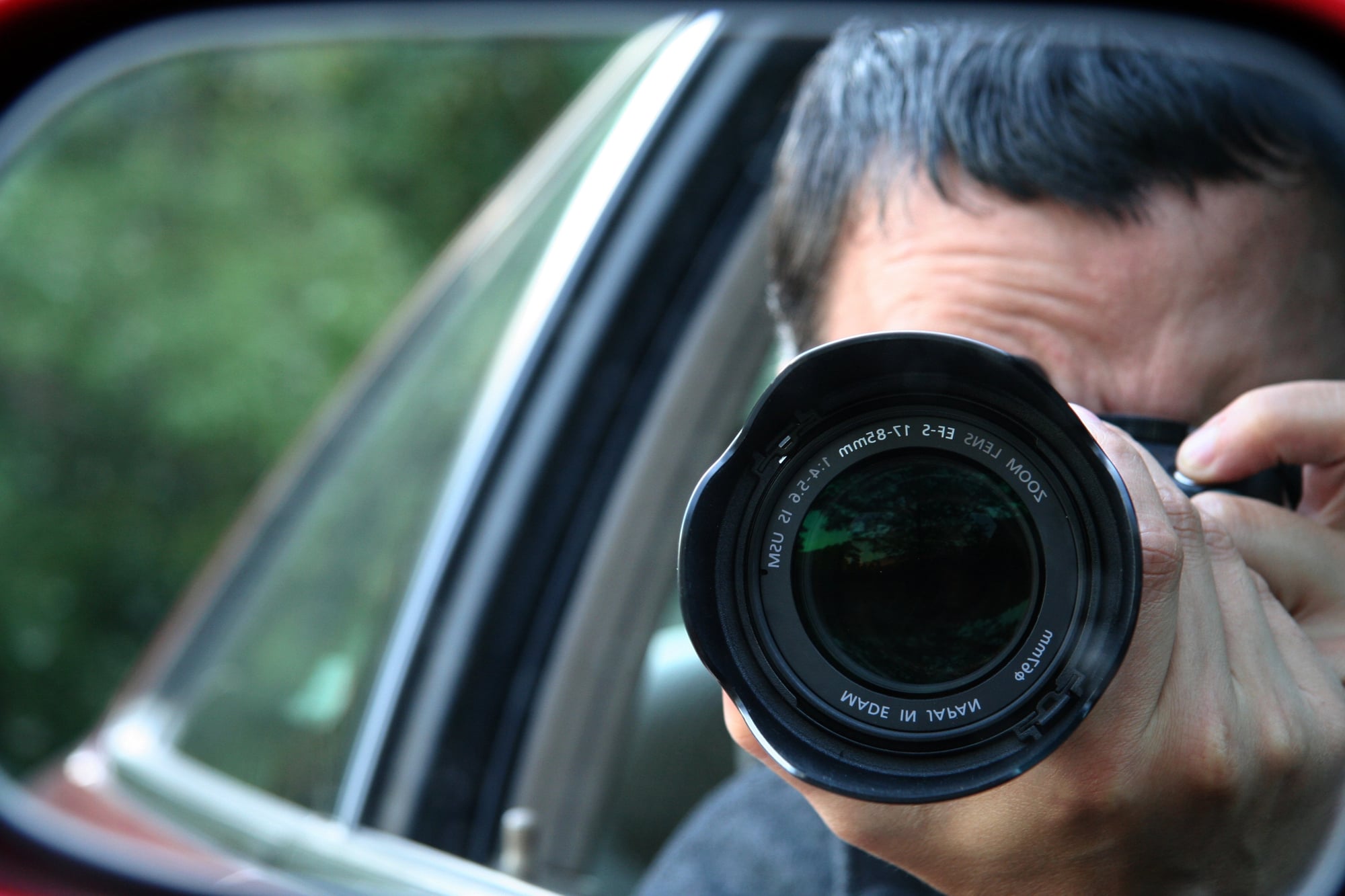
Rachel Kim used rideshare apps regularly for work and social trips around the city. She began to notice that the same driver, Anthony Martinez, was picking her up more frequently than seemed coincidental.
At first, she thought it was just chance — maybe they were both active in the same area during similar hours. But when Martinez started making personal comments about her routine, mentioning places she’d been on days when he hadn’t given her rides, Kim realized something wasn’t right.
Martinez knew details about her schedule that he shouldn’t have had access to through the app. What Kim didn’t know was that Martinez had been using the rideshare platform to track her patterns.
He’d decline other ride requests when he saw her booking trips, positioning himself to be the closest available driver. Between rides, he’d drive past her workplace and apartment, learning her habits.
The situation escalated when Martinez began showing up at locations where Kim was spending time, claiming to be in the area for other pickups. When she stopped using the rideshare service to avoid him, he found her social media profiles and began messaging her directly, referencing conversations they’d had during rides months earlier.
The Fake Emergency
Driver Robert Chen picked up a passenger who claimed to be rushing to the hospital for a family emergency. The woman, who gave her name as Michelle, seemed genuinely distressed and asked Chen to drive as quickly as possible to the medical center across town.
Chen sympathized with the situation and agreed to take the fastest route, even if it meant going slightly over the speed limit. Michelle continued to urge him to hurry, saying her father was in critical condition and she needed to arrive before it was too late.
What Chen didn’t realize was that Michelle had no family member in the hospital. She was actually using the fake emergency to manipulate drivers into breaking traffic laws so she could record their violations and threaten to report them unless they gave her free rides.
Michelle had used this scheme with multiple drivers, always creating urgency around medical emergencies or family crises. She’d document drivers speeding or running red lights in response to her pleas, then contact them after the ride with screenshots and demands for future free transportation.
The Rideshare Robbery Setup
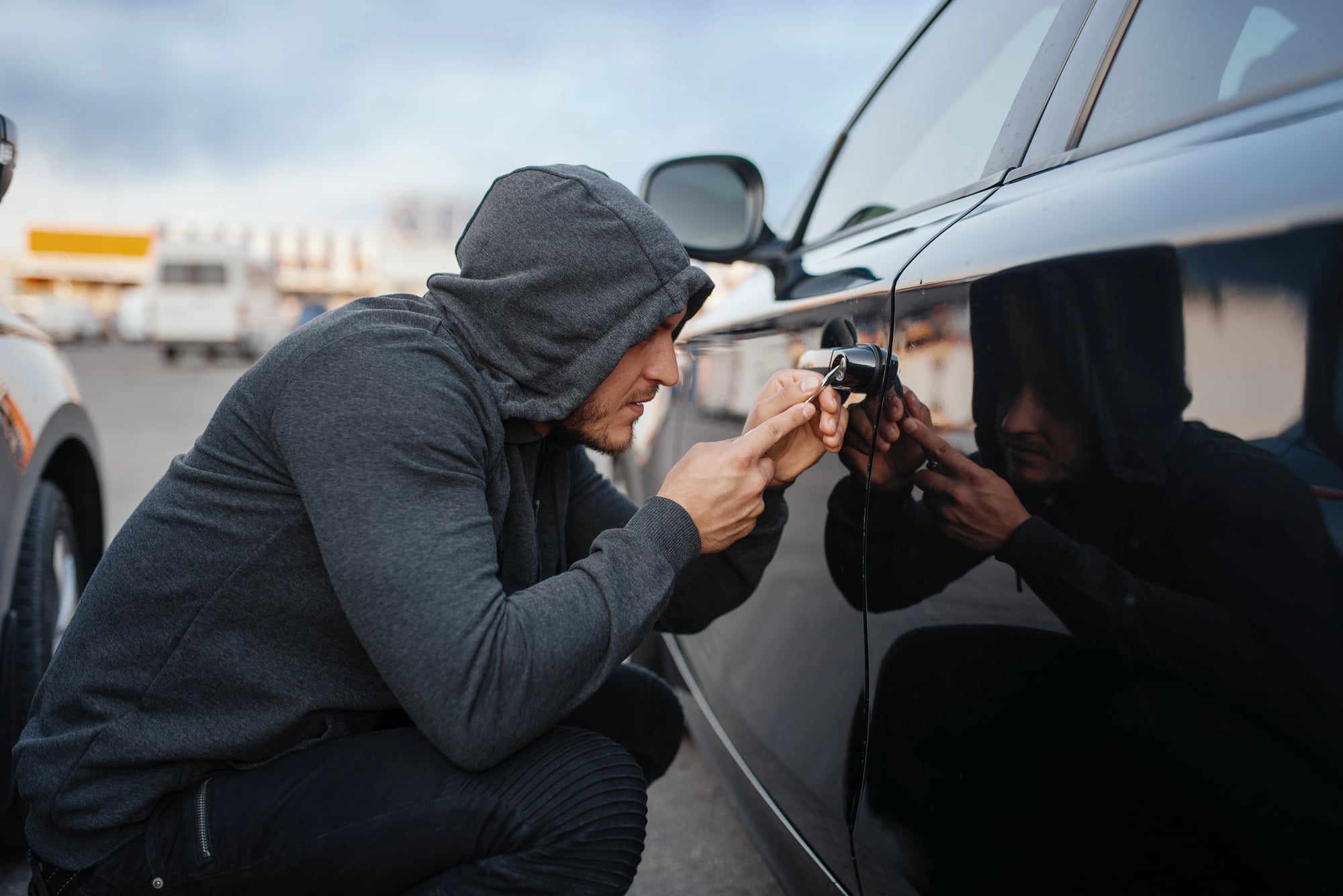
College student Jake Morrison requested a ride back to campus after a night out with friends. His driver seemed friendly enough, asking about school and making conversation about local restaurants.
But the route to campus took them through several neighborhoods Morrison wasn’t familiar with. When the driver stopped at a gas station and said he needed to fill up quickly, Morrison didn’t think much of it.
The driver went inside to pay, leaving Morrison alone in the car. That’s when two men approached the vehicle from different directions.
One opened the driver’s side door while the other blocked Morrison’s exit from the passenger side. They demanded his wallet, phone, and the cash he’d mentioned having when talking to the driver earlier.
The robbery was over in less than two minutes, with both men disappearing into the surrounding neighborhood. When the driver returned, he acted surprised and concerned, claiming he’d been inside the store and hadn’t seen what happened.
But Morrison later realized the driver had deliberately taken him to that location and had been asking specific questions about what valuables he was carrying.
The Passenger Who Lied About The Destination
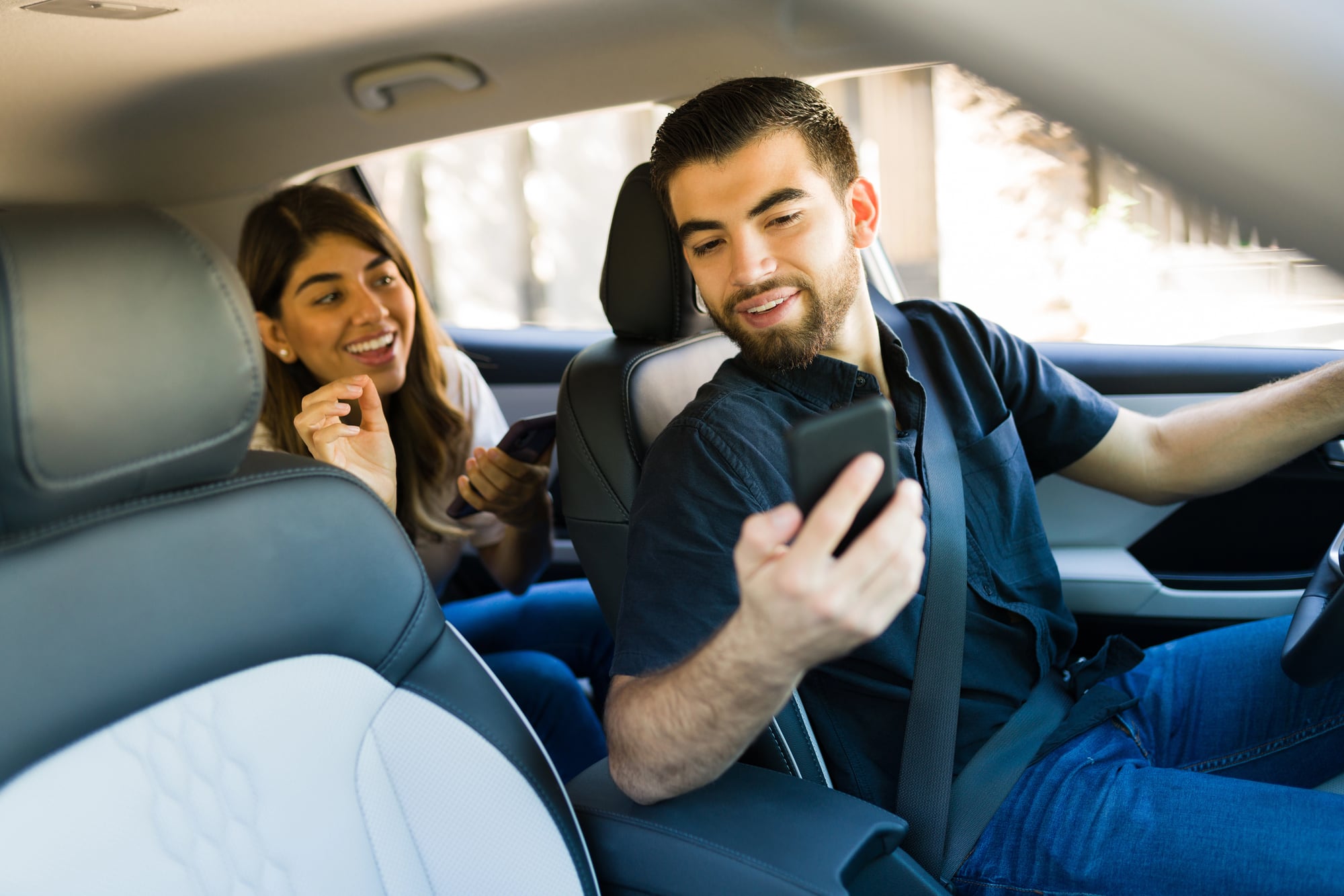
Driver Patricia Williams accepted what appeared to be a straightforward ride request from the airport to a residential address fifteen miles away. Her passenger, a man in his forties carrying only a small backpack, was polite and quiet during the first part of the trip.
But as they approached the destination neighborhood, the passenger revealed that the address in the app wasn’t actually where he needed to go. He claimed his phone had autocorrected to the wrong location and asked Williams to continue to an address much further out of town.
Williams agreed to the change, assuming it was an honest mistake. The new destination was in a rural area with scattered houses and poor lighting.
When they arrived, the passenger asked Williams to wait while he went inside to get money for the fare, since the extended trip would cost more than he’d originally planned. The passenger disappeared into the house and didn’t return.
After waiting thirty minutes, Williams approached the front door and discovered the house was empty — no furniture, no power, no signs that anyone lived there. Her passenger had vanished, leaving her with no payment for a trip that had taken her forty miles from the city.
The Ride With Hidden Passengers
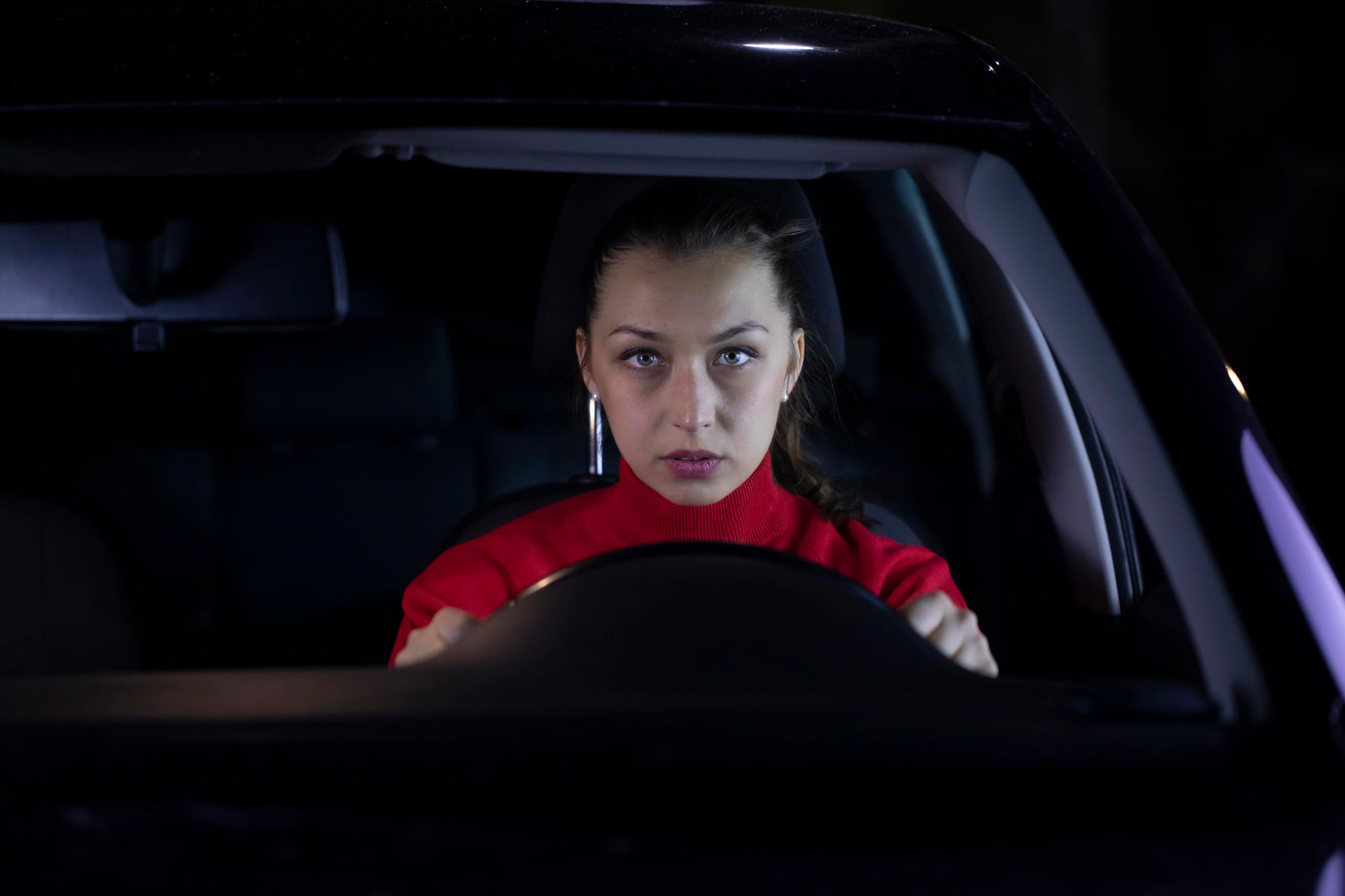
Driver Kevin Park thought he was picking up one passenger for a short trip downtown. The woman who’d booked the ride got in alone and gave him the destination address.
But five minutes into the drive, she asked him to make a quick stop at a convenience store. When they arrived at the store, two men emerged from behind the building and got into the car without asking permission.
The original passenger claimed they were friends who needed rides to the same area, and she’d pay extra for the additional passengers. But the men’s behavior immediately made Park uncomfortable.
They spoke in whispers, kept looking out the rear window, and one of them had what appeared to be blood on his shirt. When Park asked about the extra passengers not being in the original booking, the woman became defensive and insisted everything was fine.
The men directed Park to change the destination to an address in an isolated industrial area. When he refused and said he was ending the ride, one of the men showed him a weapon and explained that they’d all be continuing to the new location together.
The Driver Who Disappeared
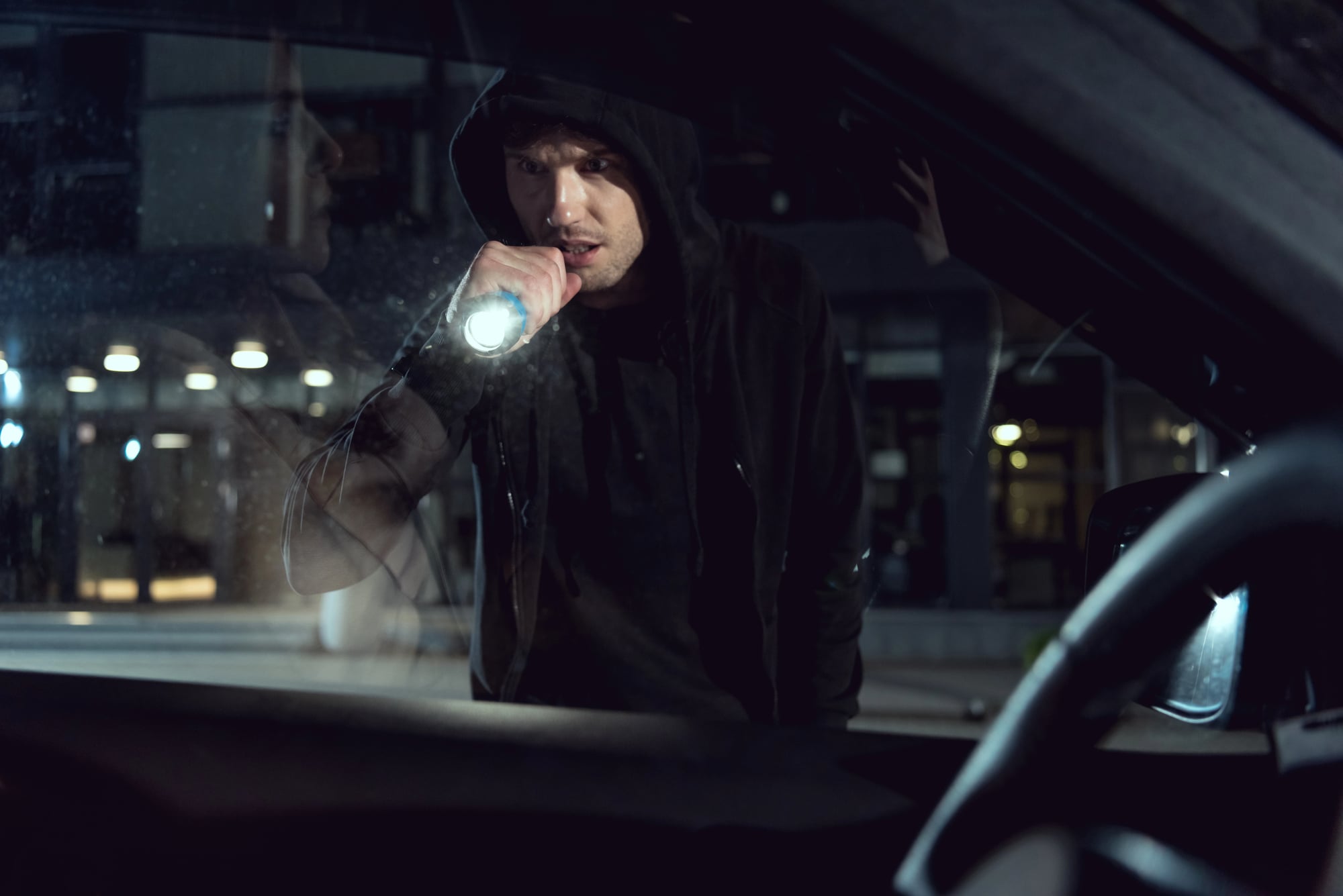
Marketing executive Lisa Chen requested a rideshare to take her from her office to a client dinner across town. The driver, according to the app, was named Steve and was driving a gray Honda Civic.
When the car arrived, Chen checked the license plate against the app information and got in. But twenty minutes into what should have been a twelve-minute trip, Chen realized they were heading away from downtown rather than toward it.
When she pointed this out, the driver claimed he knew a shortcut that would avoid traffic. His explanation didn’t make sense given the time of day and the direction they were traveling.
Chen demanded to see the driver’s phone with the GPS directions. Instead of complying, the driver pulled over in an empty parking lot and told Chen to get out.
When she refused and said she was calling the police, the driver got out of the car and walked away, leaving Chen alone in the vehicle. Police later determined that the car had been stolen earlier that day.
The real rideshare driver, Steve, was found tied up in his apartment, having been robbed and assaulted by someone who’d posed as a passenger to gain access to his car and rideshare account.
The Passenger With Dangerous Cargo
Driver Maria Gonzalez picked up a passenger who claimed to be moving apartments and needed help transporting a few boxes. The passenger, a young man who seemed nervous but polite, loaded three cardboard boxes into the trunk before getting in the front seat.
During the drive, Gonzalez noticed a strong chemical smell coming from the back of the car. When she mentioned it, the passenger said he was transporting cleaning supplies and art materials that might have strong odors.
He seemed eager to reach the destination quickly and kept checking the time on his phone. What Gonzalez didn’t know was that the boxes contained materials for manufacturing illegal substances.
Her passenger was using rideshare drivers as unwitting accomplices to transport dangerous chemicals between production locations, betting that drivers wouldn’t question passengers with legitimate-seeming stories about moving or carrying supplies. The truth came to light when police stopped the car for a routine traffic violation.
The chemical smell led to a search that revealed the contents of the boxes. Gonzalez faced hours of questioning before police determined she’d been manipulated and had no knowledge of what she was helping to transport.
When Trust Breaks Down
These stories share a common thread that goes beyond the specific crimes or deceptions involved. They reveal how rideshare platforms, despite their technological safeguards and background checks, can’t eliminate the fundamental risk that comes with strangers sharing enclosed spaces.
The convenience that makes these services so popular — the ability to summon transportation with minimal planning or verification — also creates opportunities for people with dangerous intentions. Every rideshare trip involves a small act of faith that the other person in the car shares your basic assumption about how human interactions should work.
That faith, most of the time, turns out to be justified. But when it doesn’t, the consequences can be severe and lasting.
More from Go2Tutors!

- The Romanov Crown Jewels and Their Tragic Fate
- 13 Historical Mysteries That Science Still Can’t Solve
- Famous Hoaxes That Fooled the World for Years
- 15 Child Stars with Tragic Adult Lives
- 16 Famous Jewelry Pieces in History
Like Go2Tutors’s content? Follow us on MSN.



