Incredible Stories of People Who Lived in Airports
Sometimes life doesn’t follow the plan you sketched out in your head. Sometimes that detour involves sleeping on airport benches for months, navigating the strange twilight world between departure and arrival.
These aren’t just stories about missed connections or overnight delays. These are tales of people who found themselves calling airports home, whether by choice, circumstance, or sheer stubborn determination.
Mehran Karimi Nasseri
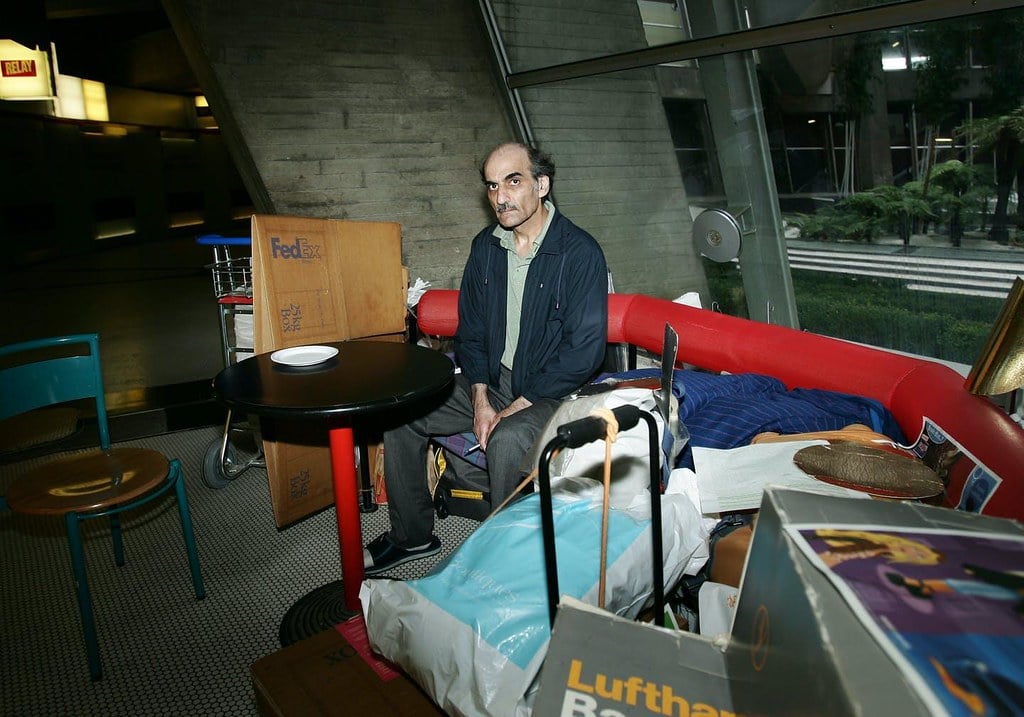
Terminal One at Charles de Gaulle Airport became home for 18 years. Nasseri, an Iranian refugee, lived there from 1988 to 2006 after his refugee documents were stolen and various countries refused him entry.
He slept on a red plastic bench in the departure lounge, surviving on food vouchers and the kindness of airport staff and travelers.
His story inspired the Tom Hanks film “The Terminal,” though the real version was far less romantic. Nasseri kept meticulous diaries, developed friendships with cleaning crews who spoke limited English, and watched thousands of people come and go while he remained stationary.
Airport security eventually stopped questioning his presence — he simply became part of the furniture.
Hiroshi Nohara
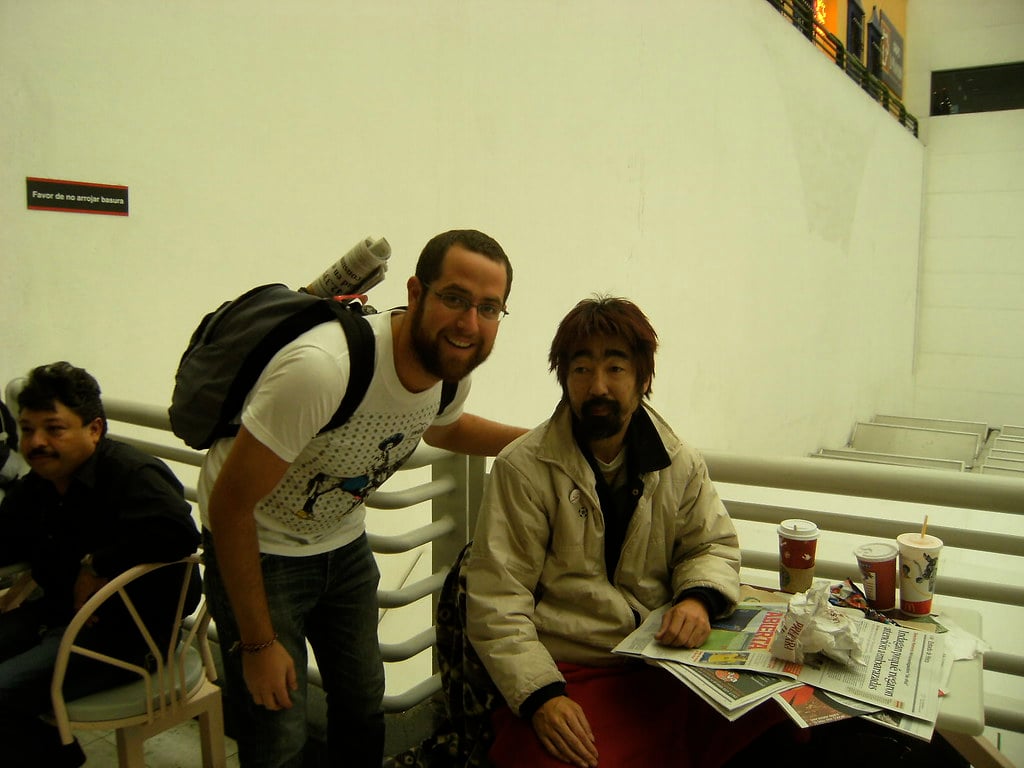
After losing his job and apartment in Japan, Nohara decided the departure lounge at Mexico City’s airport offered better prospects than the streets. He lived there for three months in 2008, using the free Wi-Fi to search for work and the bathroom facilities to maintain his appearance for job interviews conducted via video call.
The irony wasn’t lost on him: surrounded by people eager to leave, he had found the one place that felt stable. Airport restaurants provided free water, and he survived on small meals purchased with his dwindling savings.
His breakthrough came when a fellow traveler, impressed by his resourcefulness, offered him a position with an international shipping company.
Sarah Chen
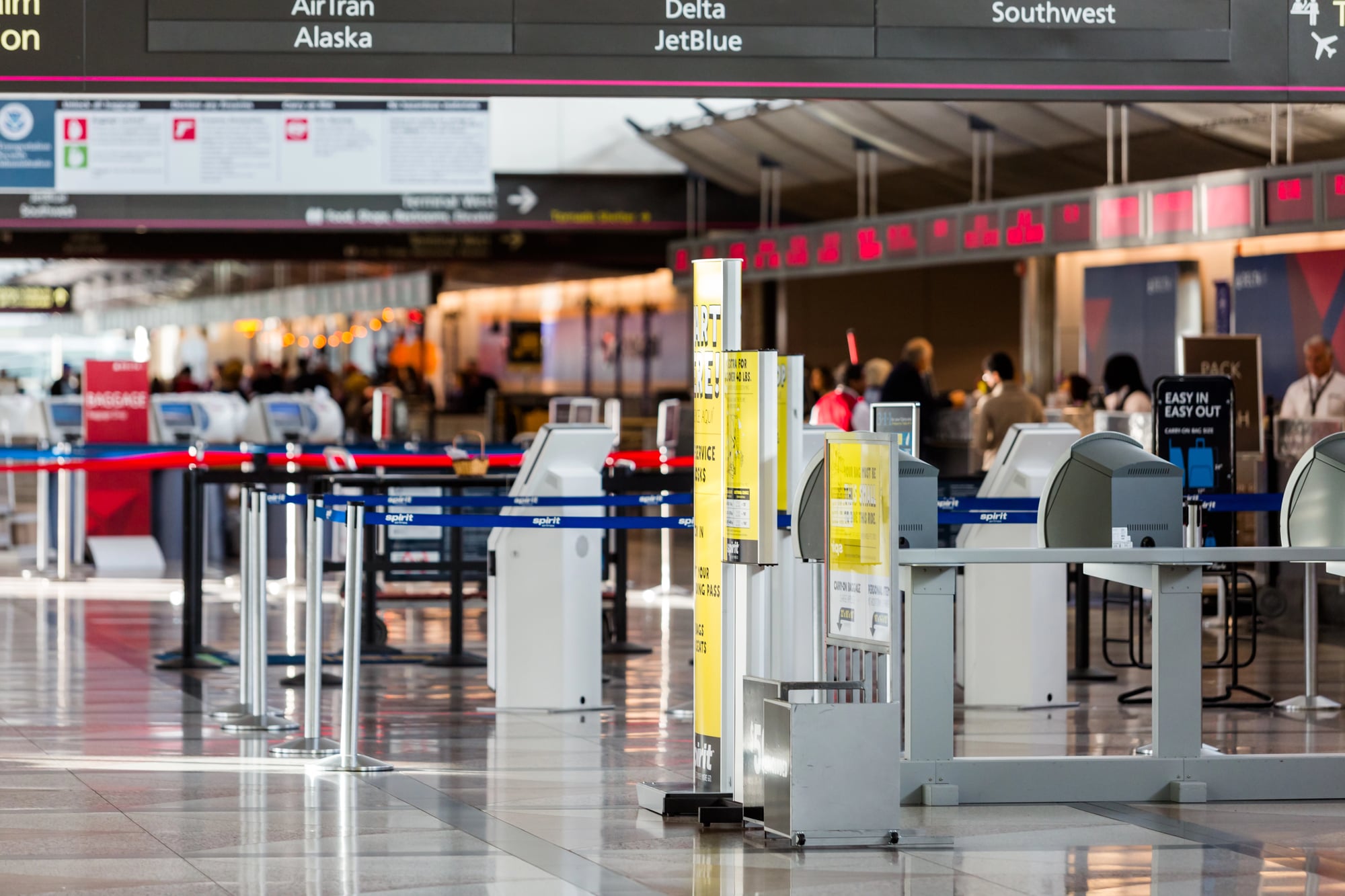
Chen’s three-week airport residence at Denver International wasn’t planned. A visa issue stranded the graduate student between countries, unable to enter the United States but already departed from China.
Immigration officials allowed her to remain in the international transit area while lawyers sorted through the paperwork.
She transformed a corner near Gate B47 into a makeshift study space, continuing her doctoral research on her laptop (the airport had become, somewhat ironically, the subject of her sociology thesis on liminal spaces).
Other travelers began recognizing her, bringing coffee and snacks.
The airport bookstore manager eventually offered her a cot in the back room. Her visa was approved just as she was beginning to prefer the controlled chaos of the terminal to the uncertainty waiting outside.
Viktor Bout
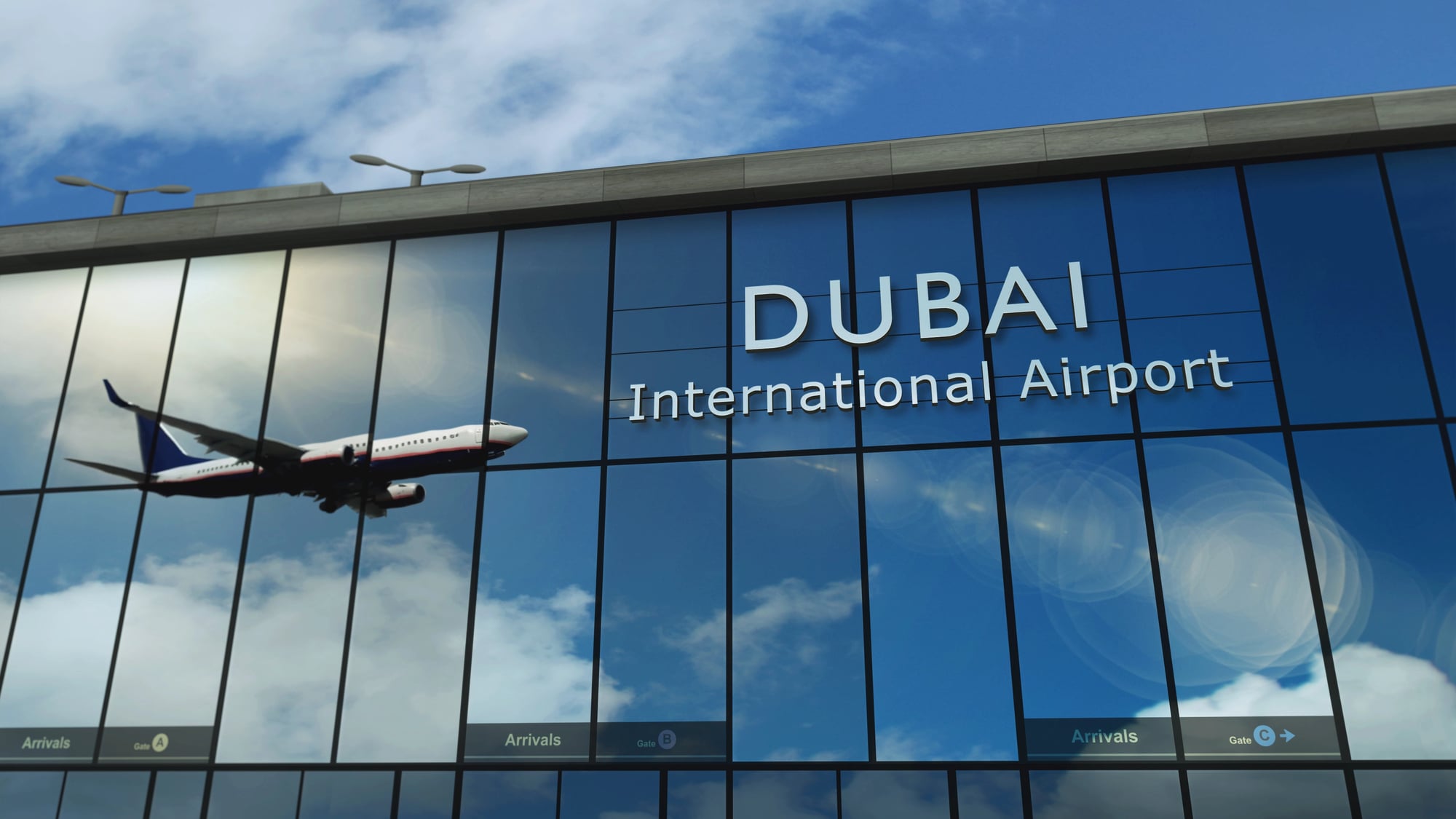
Long before his arms trafficking conviction made headlines, Bout spent two months living in Dubai International Airport in the early 1990s. His Soviet passport had become worthless after the USSR’s collapse, leaving him stateless and unable to travel.
But Bout wasn’t sitting idle. Airport life wasn’t imprisonment for someone already comfortable navigating bureaucratic limbo.
He networked with cargo pilots, learned shipping routes, and began laying groundwork for what would become his controversial air freight empire.
The terminal served as his first office, complete with payphones for conducting business and duty-free shops where he made initial contacts.
Zahra Kamalfar
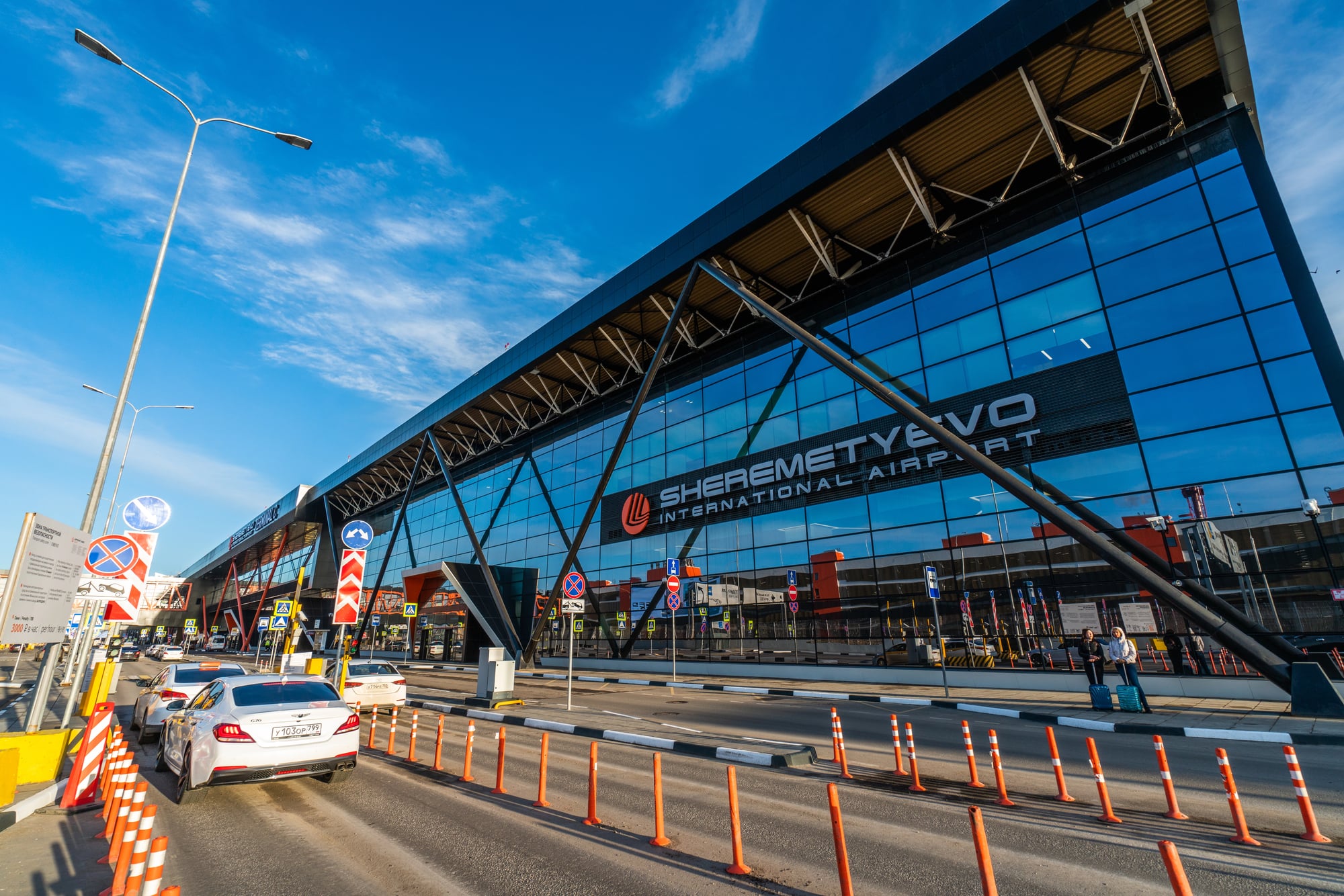
The Iranian asylum seeker lived in Moscow’s Sheremetyevo Airport for 10 months, much like Nasseri before her. Kamalfar fled Iran in 2017 but found herself trapped when Russia wouldn’t grant her entry and Iran wouldn’t take her back.
She established routines that kept her sane: morning walks through the terminal corridors, afternoons reading donated books, evenings writing in a journal that grew to hundreds of pages.
Airport employees began incorporating her into their informal network — the coffee shop staff saved day-old pastries, security guards checked on her during overnight shifts.
Her case was eventually resolved when Canada granted her asylum, but she left behind a community that had formed around her extended presence.
Edith Rodriguez
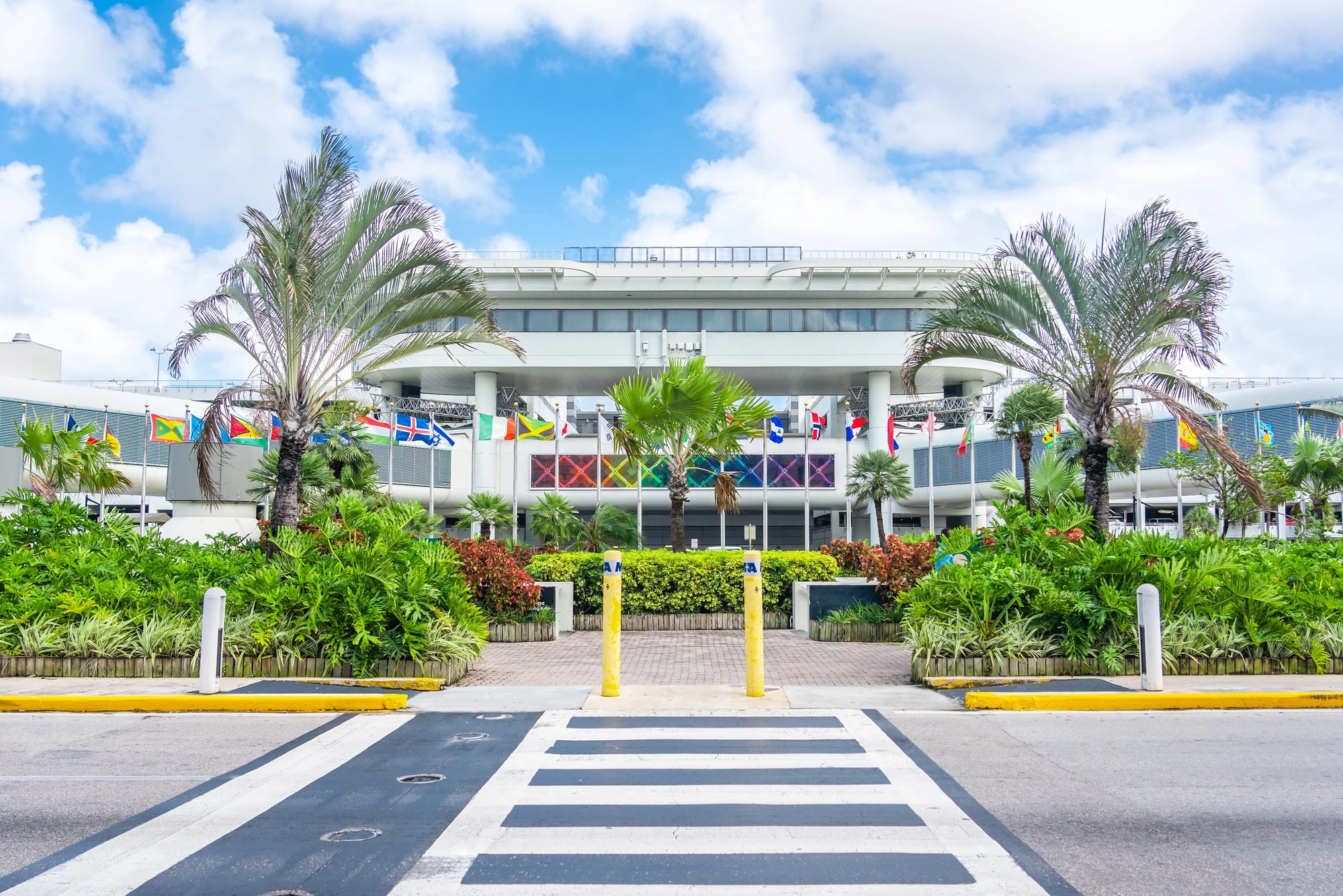
Rodriguez lived in Miami International Airport for six weeks in 2019, not because she was stranded between countries, but because she couldn’t afford housing in one of America’s most expensive cities. Her job at an airport restaurant paid enough to cover food and basic necessities, but not rent.
Airport security initially tried to remove her, but she knew their shift changes and cleaning schedules better than they did.
She rotated between different terminals, used employee areas when possible, and maintained such a low profile that most passengers assumed she was staff.
Her situation resolved when airport management, impressed by her work ethic, helped her find affordable housing through a program for airline industry employees.
Alfred Mehran
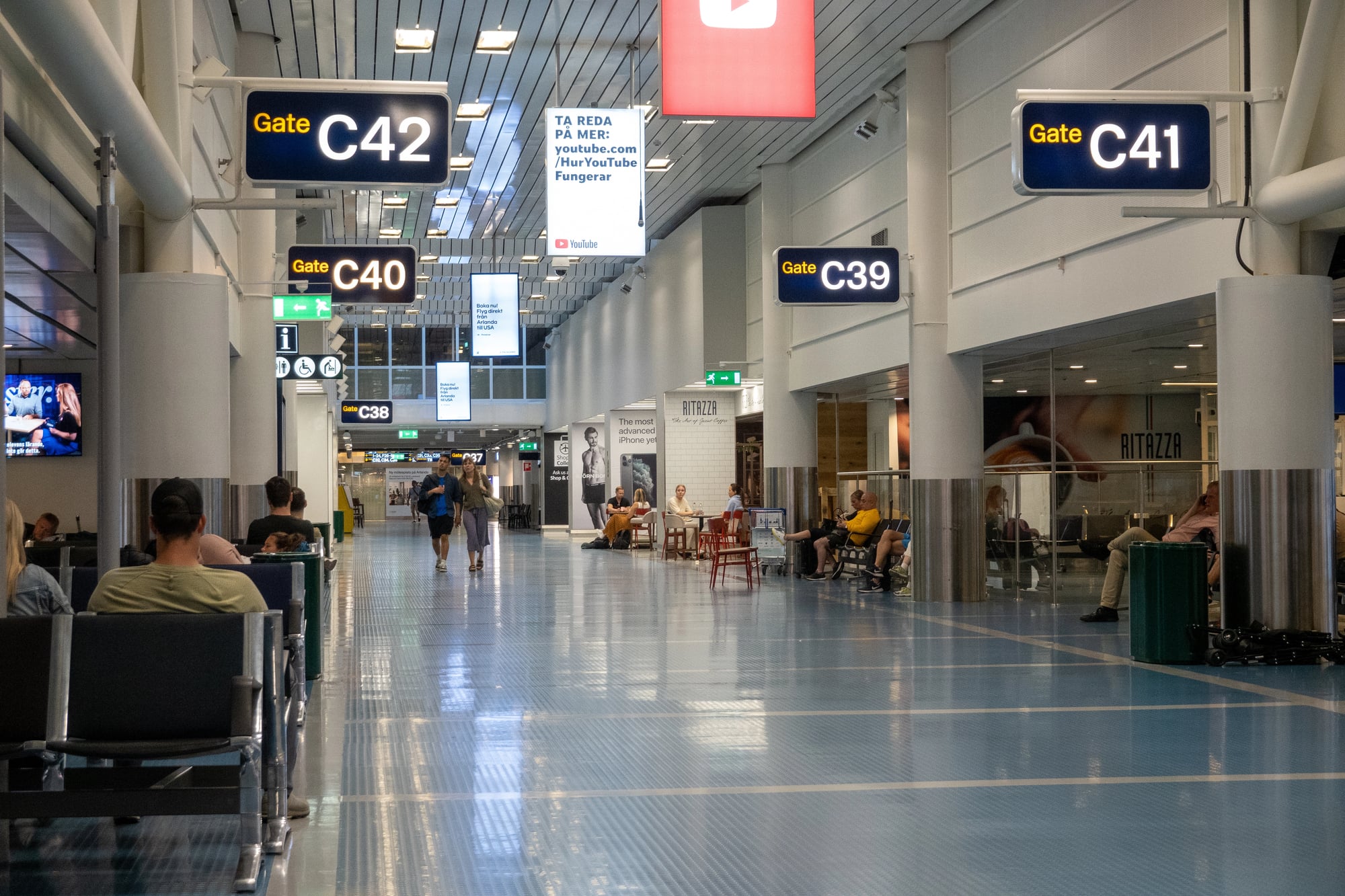
Not to be confused with Mehran Nasseri, Alfred Mehran spent two years at Stockholm’s Arlanda Airport after a bureaucratic error invalidated his Swedish residence permit while he was traveling. Immigration authorities couldn’t send him back to his birth country, which no longer existed on any map.
Mehran adapted with striking creativity. He learned Swedish by eavesdropping on conversations and reading discarded newspapers.
Airport janitors taught him chess during slow overnight hours.
He became an unofficial translator for other stranded travelers, speaking six languages fluently by the time his case was resolved.
The airport’s chaplain eventually hired him as an assistant, giving him official reason to remain on the premises.
Maria Santos
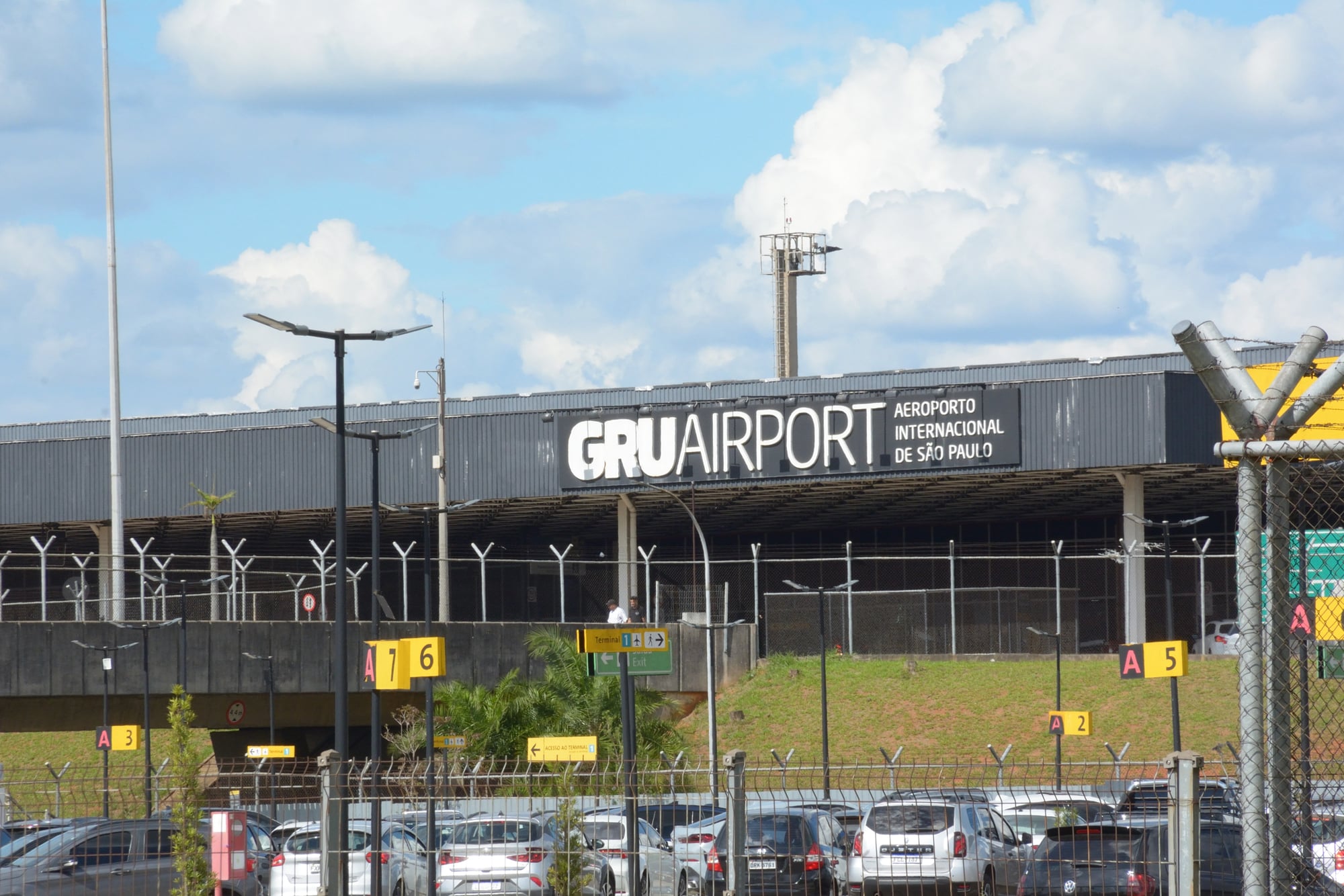
Santos lived in São Paulo’s airport for four months in 2018 after fleeing domestic violence with her two young children. She had a ticket to Portugal, where relatives waited, but her ex-husband had frozen her bank accounts and reported her passport stolen.
The airport became an unexpected sanctuary. Terminal staff organized informal childcare during her meetings with lawyers and social workers.
Other travelers donated toys, clothes, and books for the children.
Airport police provided protection she couldn’t get elsewhere.
Her children later said they remembered the airport period not as trauma, but as the first time they felt truly safe.
Arlen Hassan
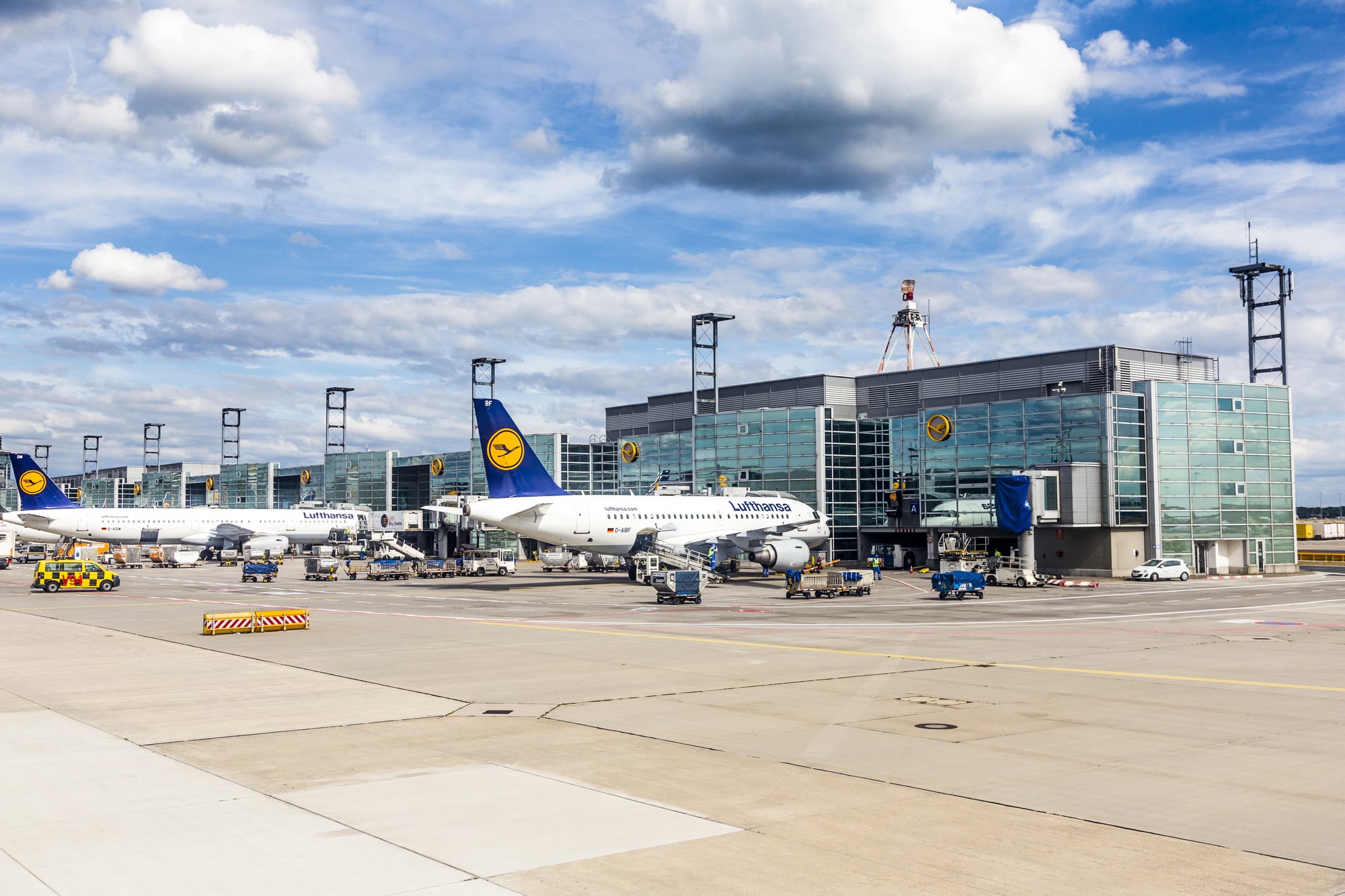
Hassan’s airport residency at Frankfurt began with a missed connection and evolved into a deliberate choice. A recent college graduate with no particular destination in mind, he decided to see how long he could survive in the international terminal using only his skills and charm.
He lasted four months, funding his stay by offering translation services to confused travelers, helping elderly passengers navigate the terminal, and even tutoring children during long layovers.
Airport restaurants began paying him in meals for small tasks.
His impromptu TED talk in the departure lounge about “living in transition” went viral when another passenger recorded it, leading to a job offer from a travel company that appreciated his unconventional perspective.
Fouad Al-Rashid
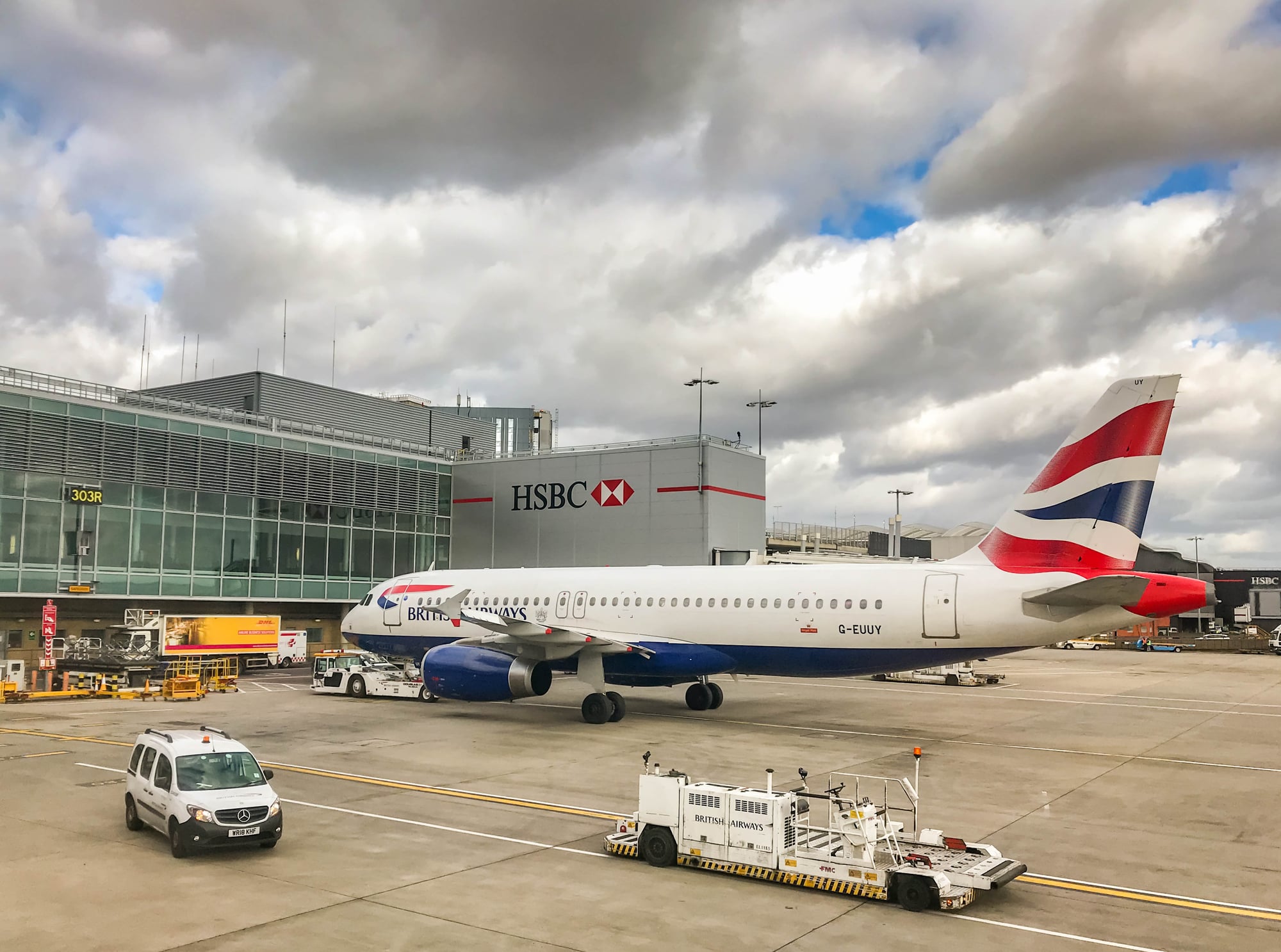
Al-Rashid spent 18 months at London’s Heathrow Airport after his Syrian passport was confiscated by immigration officials who suspected it was forged. Unable to prove his identity to anyone’s satisfaction, he found himself in legal limbo that stretched far longer than anyone anticipated.
His case became a cause célèbre among human rights lawyers, but al-Rashid himself adapted to airport life with remarkable equanimity.
He taught himself English by reading airport signage and listening to announcements.
Passengers began seeking him out for directions — he knew the terminal layout better than many employees.
His legal status was eventually resolved, but he chose to stay in London and now works for a refugee advocacy organization.
Helen Mitchell
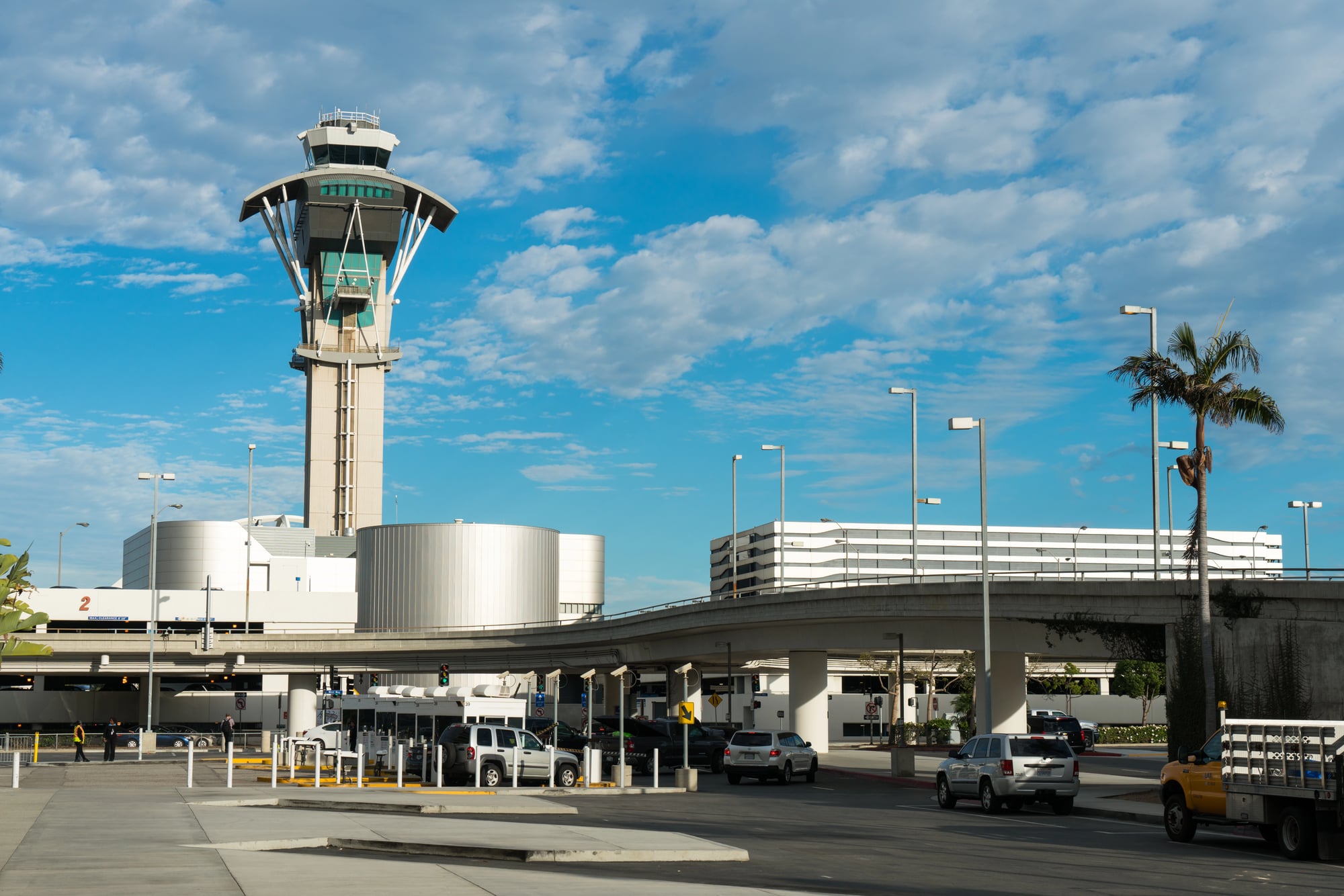
Mitchell, a retired teacher, lived in Los Angeles International Airport for three months in 2020 during the early pandemic. Her cruise ship had been one of the first affected by COVID-19 restrictions, leaving passengers to arrange their own quarantine accommodations in a city where hotels were either closed or prohibitively expensive.
The nearly empty terminal felt less like exile than retreat. She established a routine of gentle exercise in the long corridors, video calls with worried family members, and reading novels on her tablet.
Airport custodial staff, working skeleton crews, welcomed her company during lonely overnight shifts.
Her impromptu English lessons for international staff awaiting their own travel clearances gave structure to days that otherwise blurred together.
Yuki Tanaka
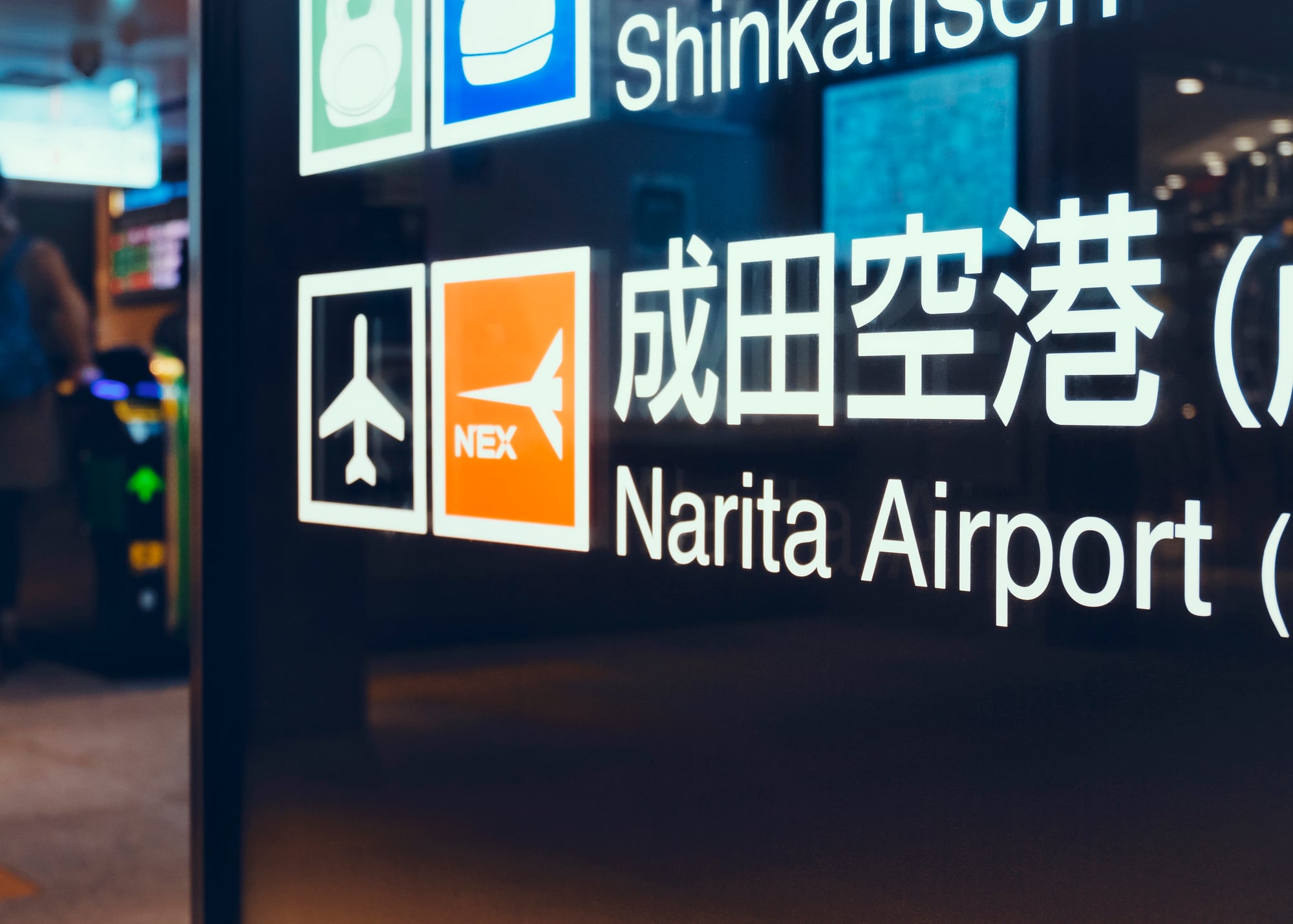
Tanaka chose to live in Tokyo’s Narita Airport for six months as a social experiment for his anthropology dissertation. His research focused on modern nomadism and temporary communities, making the airport an ideal laboratory for studying human adaptation to liminal spaces.
But research became reality when Tanaka found himself genuinely preferring airport life to his cramped Tokyo apartment.
The constant flow of people provided more meaningful social interaction than his isolated neighborhood ever had.
Flight crews on regular routes began recognizing him, offering updates from their destinations.
His study evolved from academic exercise to personal transformation, and he now leads workshops on minimalist living and intentional transience.
The Parallel Universe
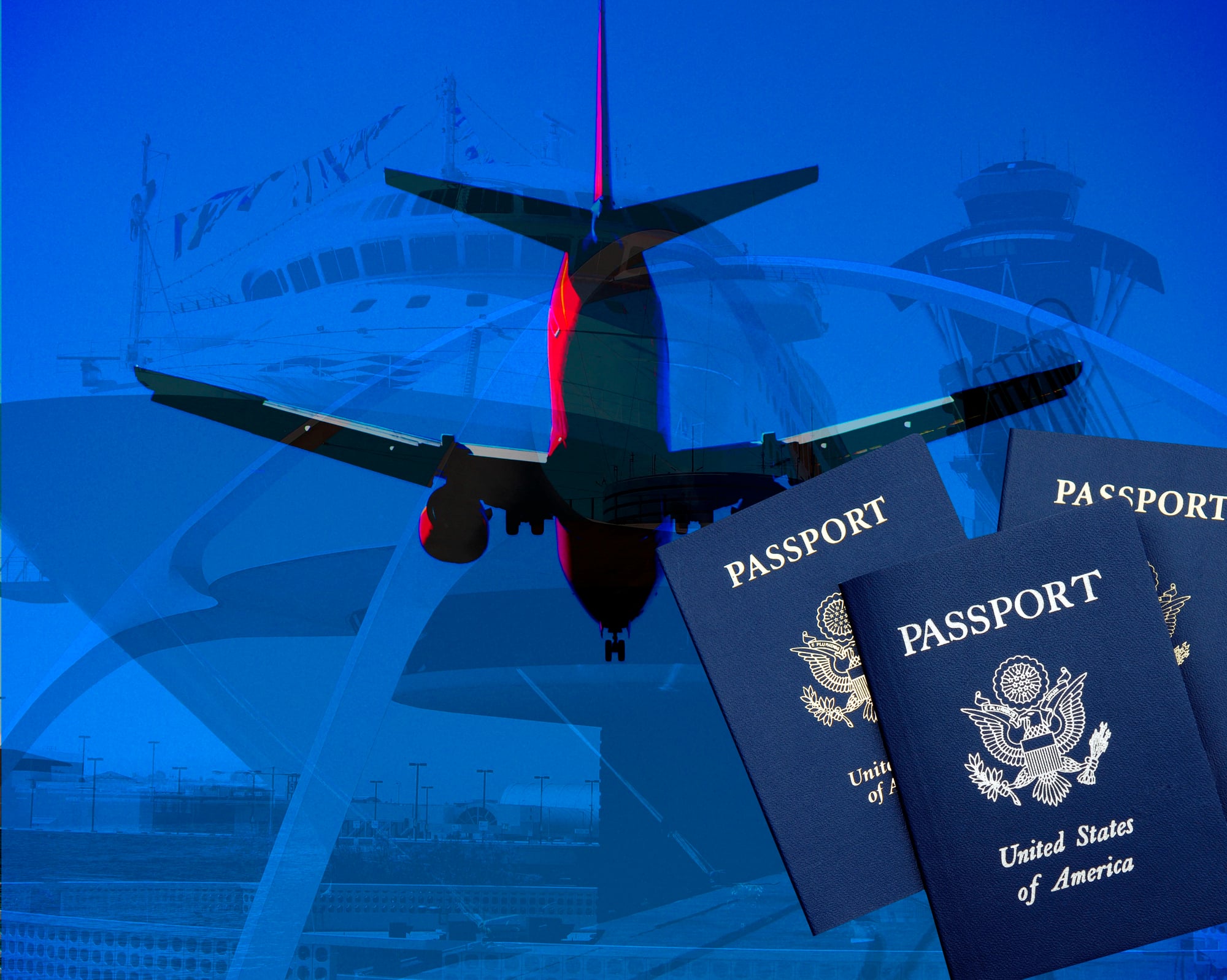
So what draws people into these strange airport lives, and what keeps them there longer than necessary? The answer isn’t always desperation or legal complications.
Sometimes it’s the appeal of existing between worlds, belonging everywhere and nowhere simultaneously.
Airports operate by different rules than the outside world. Time moves differently when measured in departures rather than daylight.
Social hierarchies flatten when everyone’s just passing through.
There’s an odd comfort in surrendering control to arrival and departure boards, in living entirely in the present tense because yesterday’s gate assignments are meaningless and tomorrow’s flights haven’t been posted yet.
These stories remind us that home isn’t always a place you return to. Sometimes it’s a place that finds you when everything else falls away, even if that place exists 30,000 feet above everywhere else you’ve ever belonged.
More from Go2Tutors!

- The Romanov Crown Jewels and Their Tragic Fate
- 13 Historical Mysteries That Science Still Can’t Solve
- Famous Hoaxes That Fooled the World for Years
- 15 Child Stars with Tragic Adult Lives
- 16 Famous Jewelry Pieces in History
Like Go2Tutors’s content? Follow us on MSN.