15 of America’s First Shopping Malls
Long before food courts and anchor stores, American developers were testing a simple idea: put several stores in one planned place and see who shows up. The first attempts looked nothing like the glass-roofed malls of memory.
Some were rows of storefronts at the edge of a neighborhood, and others were Spanish-style villages built around a parking lot.
These fifteen places run roughly in order of opening, from an 1828 granite arcade to a 1970s Chicago high-rise. Each added one idea that later malls borrowed, and a few of the buildings are still open today.
Westminster Arcade, Providence, Rhode Island
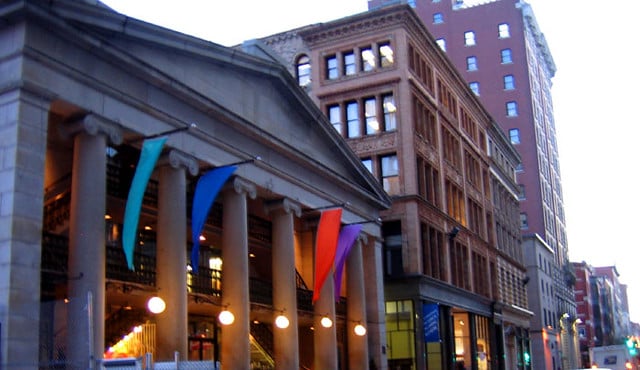
Completed in 1828, this granite Greek Revival building is only 74 feet wide but runs the full length of the block between Weybosset and Westminster Streets. Inside, three floors of shops line a skylit central space, a layout that looks strikingly like a modern mall.
The arcade closed in 2008 and reopened about five years later with stores on the first floor and micro apartments above, most of them between 225 and 300 square feet.
Roland Park Shopping Center, Baltimore
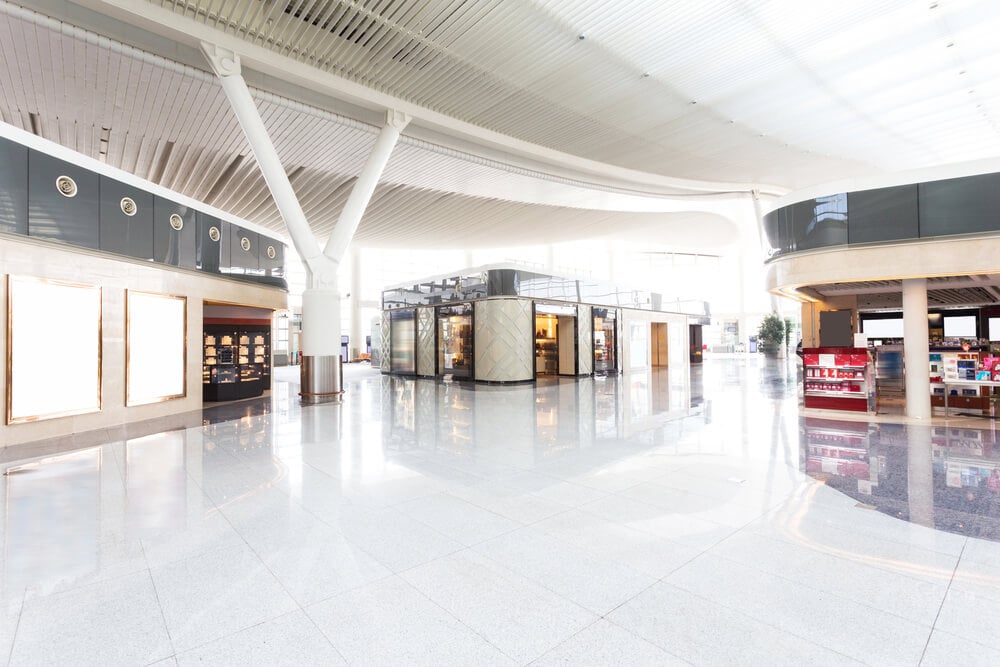
Opened outside Baltimore in 1907, this small cluster of storefronts appears in Guinness World Records as the world’s first shopping center. It sat in a residential neighborhood instead of downtown, which was the entire point.
The design showed that a handful of stores could thrive away from the city core, an idea that took decades to spread.
Market Square, Lake Forest, Illinois
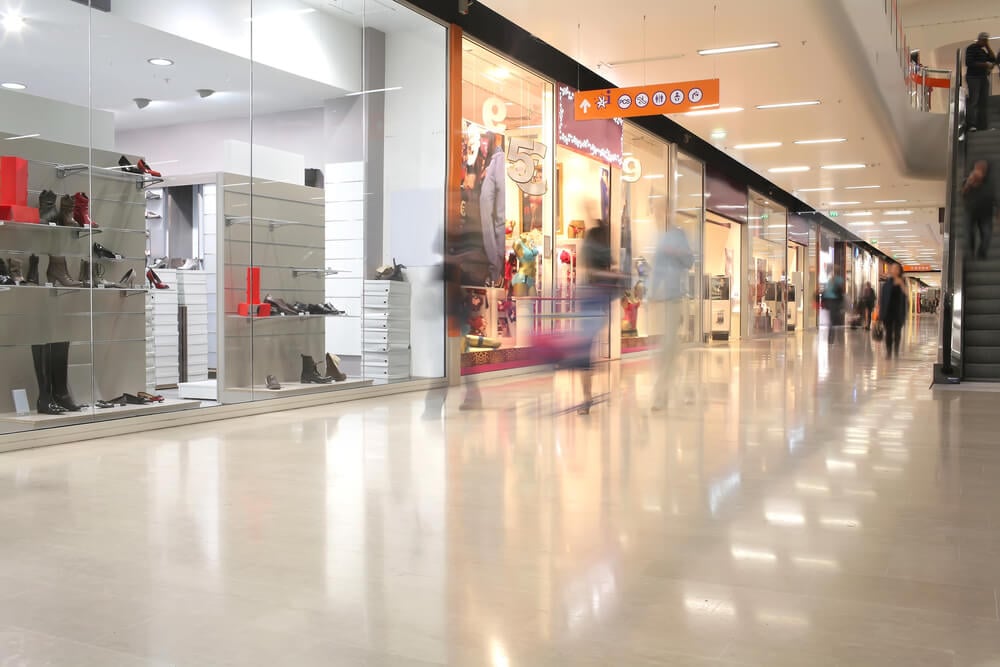
Built in 1916, Market Square has also been cited as the first shopping center in the country. Architect Howard Van Doren Shaw gave its stores a single unified design instead of the usual patchwork of storefronts.
The competing claims between this center and Roland Park are part of why early mall history keeps getting retold.
Country Club Plaza, Kansas City, Missouri
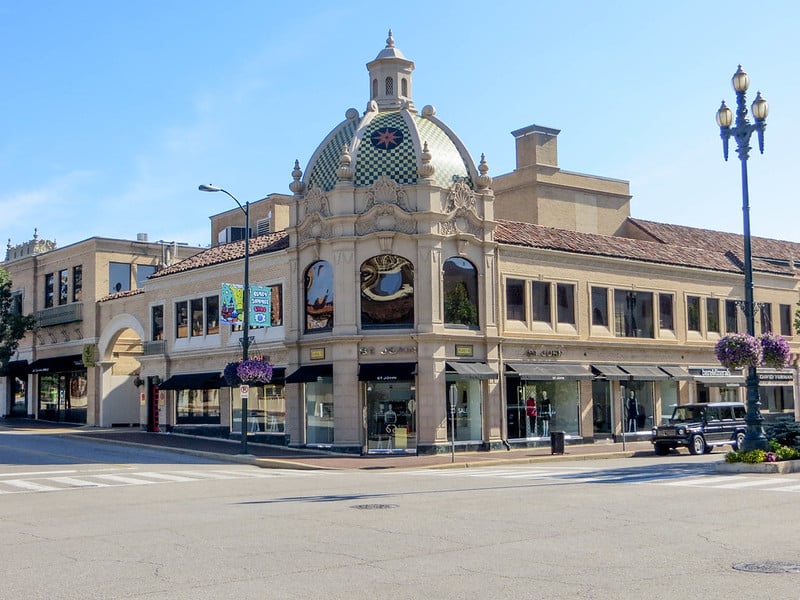
Developer J. C. Nichols opened Country Club Plaza in the early 1920s with unified architecture and careful attention to traffic and parking, and it is often described as the first planned, fully integrated shopping center in the United States. Most stores of the era still lined public streets, so the planning stood out.
Nichols also advised the developers of a Dallas center that would open in 1931, which carried his ideas in a new direction.
Highland Park Village, Dallas
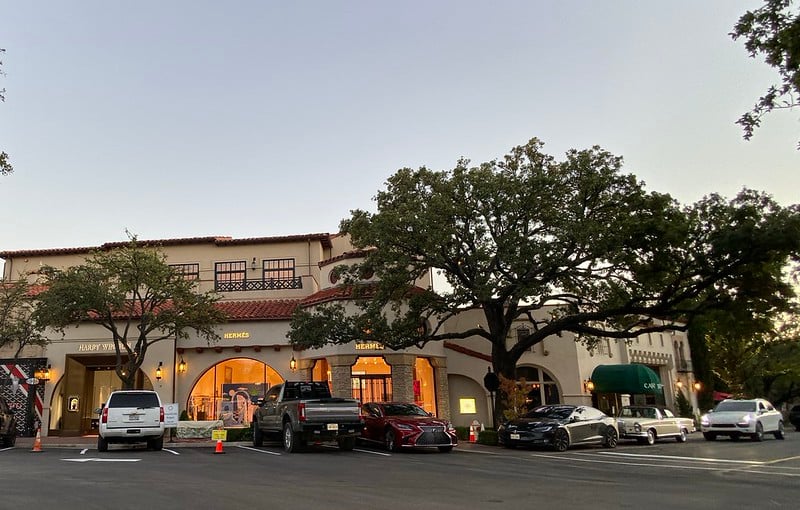
Developed by Hugh Prather and opened in 1931, Highland Park Village turned its stores inward around a central parking area instead of facing them toward the street. The Spanish Colonial Revival buildings were inspired in part by a trip to Spain, where the Barcelona International Exposition of 1929 left a strong impression on the developers.
It was declared a National Historic Landmark in 2000 and remains an upscale shopping destination.
Broadway-Crenshaw Center, Los Angeles
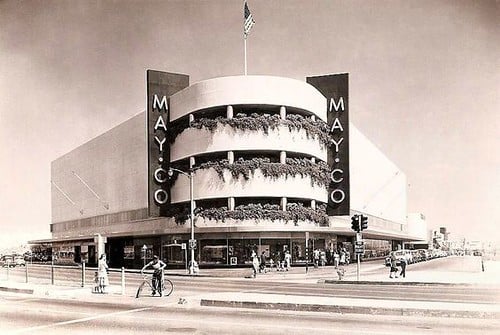
Opened in 1947 in South Los Angeles, Broadway-Crenshaw is one of two suburban shopping centers that predate Northgate, even though Northgate often gets the credit. Its story is a reminder that early shopping center history is crowded with overlooked entries.
It showed that the format could work in a big city’s growing outer districts, not only in small towns.
North Shore Center, Beverly, Massachusetts
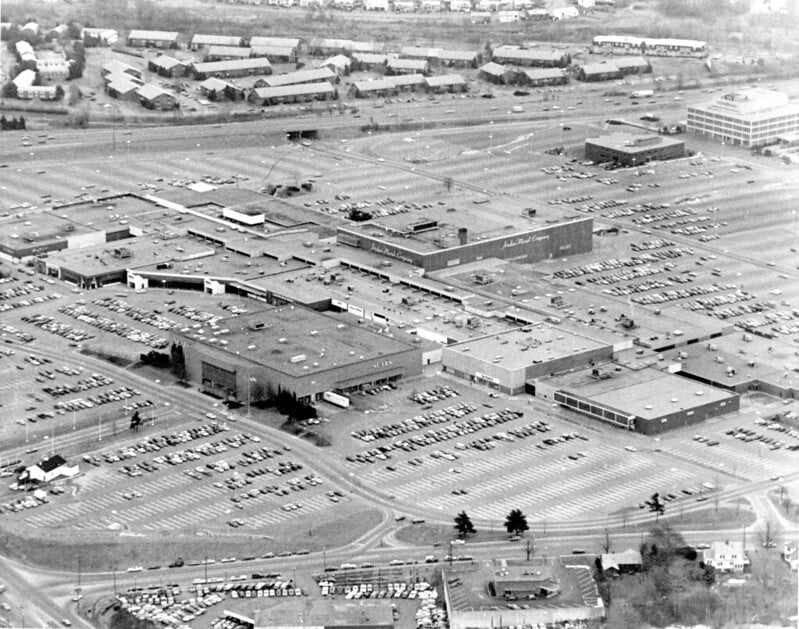
North Shore Center opened in 1947, the same year as Broadway-Crenshaw. Historians point to the pair as proof that Seattle’s celebrated Northgate was not the first suburban shopping center.
New England shoppers had a suburban option three years before the Pacific Northwest got its famous one.
Town & Country Shopping Center, Columbus, Ohio
Opened in 1949 in a suburb of Columbus, Town & Country is credited with inaugurating nighttime shopping. Evening hours sound routine now, but they changed who could shop, since working people no longer had to squeeze errands into daylight.
Few retail decisions have aged as well.
Northgate Mall, Seattle
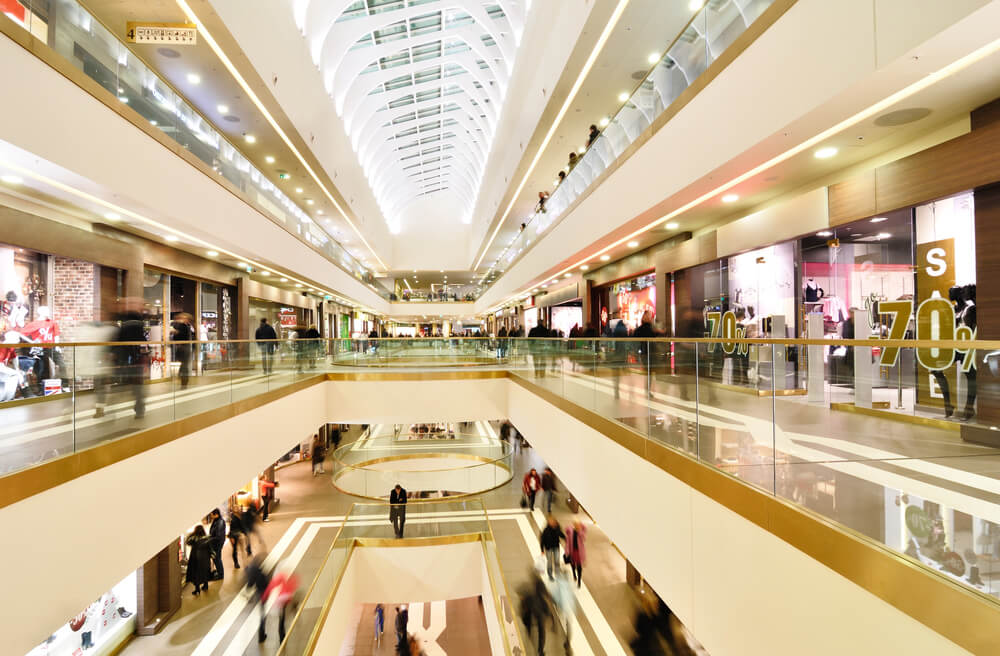
Northgate opened on April 21, 1950, with 18 stores and The Bon Marché as its anchor, after longtime employee Winifred Hines cut the ribbon. It is the first regional shopping center to be defined as a mall, with stores facing a wide walkway where no vehicles were allowed.
Some early shoppers had trouble adjusting to the design and parked their cars on the mall, and by the holidays Life magazine had featured its record-setting 212-foot Christmas tree.
Shoppers’ World, Framingham, Massachusetts
Shoppers’ World opened on October 5, 1951, along Route 9’s so-called Golden Mile, and it was the first suburban mall in the Northeast. Two levels of stores faced each other across a pedestrian walkway, a design that became the prototype for countless later malls.
The complex was demolished in 1994 over the protests of preservationists, and it survives today as a three-dimensional model at the Framingham History Center.
Northland Center, Southfield, Michigan
Northland Center opened outside Detroit in 1954, designed by Victor Gruen, and was described as the first and largest regional shopping center in the world at the time. Gruen’s firm was behind some of the world’s first regional shopping centers, and this was among them.
The center was a preview of the enclosed mall he would complete two years later in Minnesota.
Southdale Center, Edina, Minnesota
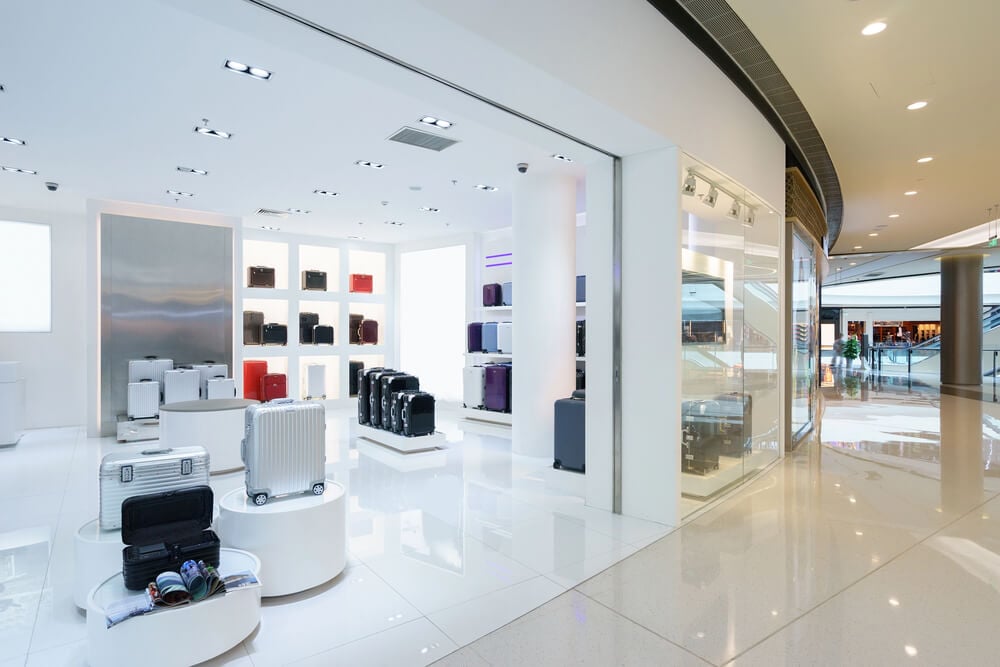
Southdale opened on October 8, 1956, as the first fully enclosed, climate-controlled shopping mall in the United States. Dayton’s department store wanted to lure shoppers during harsh winters, and Victor Gruen delivered a two-level building with 72 tenants, a skating rink, a giant bird cage, and a post office.
More than 40,000 visitors attended the opening, and Gruen later became one of the loudest critics of the commercial malls his design inspired.
Cherry Hill Mall, Cherry Hill, New Jersey
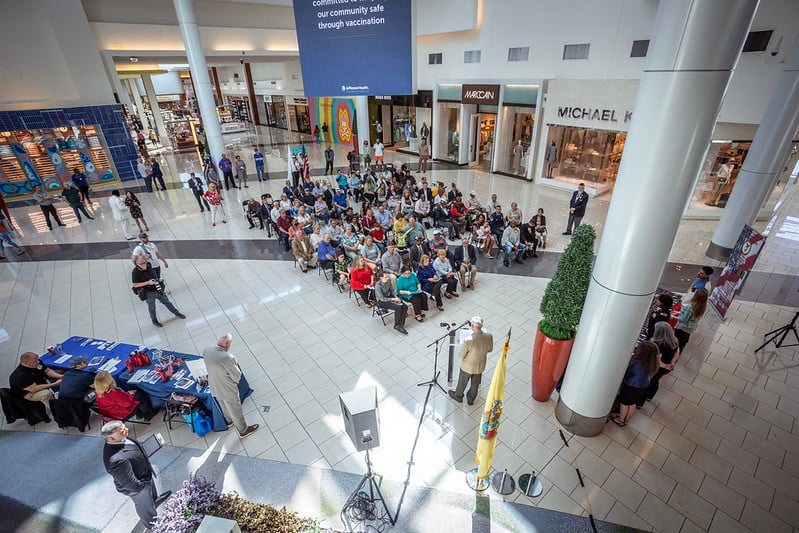
Opened on October 11, 1961, as the Cherry Hill Shopping Center, this was the first purpose-built enclosed, climate-controlled shopping center east of the Mississippi River. Gruen designed it, with Strawbridge & Clothier and Bamberger’s as anchors.
The interior included palm trees, artificial streams, fountains, ducks, and an aviary, which made a trip to the mall feel like an outing instead of an errand.
Paramus Park, Paramus, New Jersey
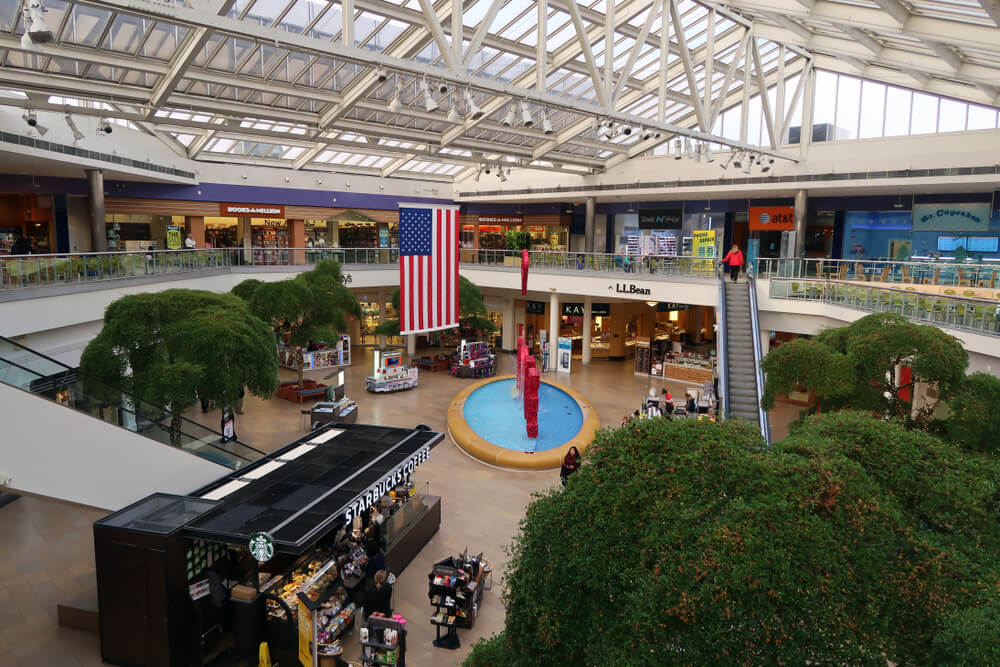
The Rouse Company directed that a food court be built into Paramus Park Mall, which opened in New Jersey in 1974. Few features have defined the mall experience as completely as a ring of fast-food counters around shared seating.
The idea fixed a problem every mall faced, which was keeping hungry shoppers inside the building instead of sending them to restaurants elsewhere.
Water Tower Place, Chicago
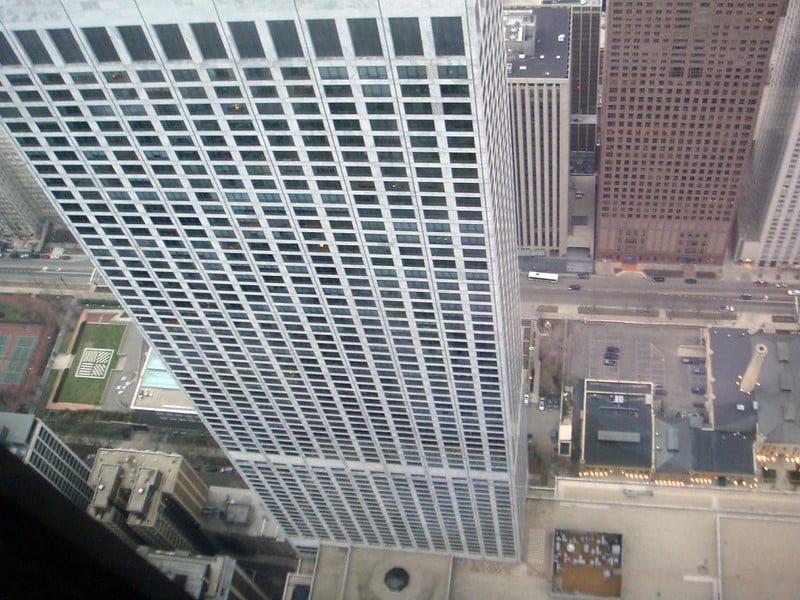
Water Tower Place opened in October 1975 and became the country’s first urban vertical mall. Instead of spreading across a suburban lot, its stores were stacked on multiple floors of a high-rise in the middle of the city.
It proved the mall could be adapted to a downtown address when land was scarce.
The Idea That Kept Moving Indoors

Taken together, these places show that the mall was never invented in a single moment. Each opening borrowed from the last: planned design, inward-facing stores, central parking, evening hours, a roof, and finally a food court.
The people who built them were solving ordinary problems like bad weather, long drives, and crowded downtowns.
Several of the original buildings are gone, and others have been remodeled beyond recognition. Still, the basic bargain they offered, everything in one convenient place, remains familiar.
Even the 1828 arcade in Providence, now partly apartments, has proved flexible enough to survive.
More from Go2Tutors!

- The Romanov Crown Jewels and Their Tragic Fate
- 13 Historical Mysteries That Science Still Can’t Solve
- Famous Hoaxes That Fooled the World for Years
- 15 Child Stars with Tragic Adult Lives
- 16 Famous Jewelry Pieces in History
Like Go2Tutors’s content? Follow us on MSN.