15 Phrases Born From Child Mispronunciations
Children have a remarkable talent for mangling words in the most adorable ways possible. What starts as innocent mispronunciation often becomes family shorthand, and sometimes these delightful verbal mishaps spread far beyond the dinner table. From celebrity slip-ups that became catchphrases to everyday words that got permanently twisted by tiny tongues, these linguistic accidents have left their mark on our language.
The phenomenon happens because young children are still developing their speech patterns and often simplify complex sounds. Here is a list of 15 phrases that originated from children’s creative takes on the English language.
Pasgetti

Long before anyone worried about carb counting, children everywhere were calling spaghetti ‘pasgetti.’ This mispronunciation became so common that many families adopted it permanently, and it’s still heard in households across America.
The swap happens because the ‘sp’ sound cluster is tricky for little mouths to master, so they simplify it to just ‘p.’
Ambliance

When kids need emergency help, they don’t call for an ambulance—they call for an ‘ambliance.’ This adorable mix-up occurs because children often struggle with the ‘amb’ sound combination and substitute it with the easier ‘amb’ plus ‘li’ blend.
Many parents find this version so charming that they use it long after their children have learned the correct pronunciation.
Like Go2Tutors’s content? Follow us on MSN.
Hangaber

McDonald’s chicken McNuggets became ‘hangabers’ in countless households thanks to children’s creative interpretation. The complex word structure gets simplified into something that rolls off the tongue more easily for young speakers.
Some families still use this term decades later, even when ordering at the drive-through.
Pasghetti and Meatballs

Building on the classic ‘pasgetti,’ this phrase took on a life of its own when children combined their mispronunciation with the full dish name. The rhythm and sound became so ingrained in family vocabulary that many adults still catch themselves saying it.
Italian restaurants have even started using this version on their kids’ menus.
Lellow

Yellow becomes ‘lellow’ when filtered through a child’s developing speech patterns. This happens because the ‘y’ sound at the beginning of words is particularly challenging for young children to master.
The ‘l’ sound is much easier to produce, so they make the logical substitution.
Like Go2Tutors’s content? Follow us on MSN.
Mazagine

Magazines transform into ‘mazagines’ in the hands of young readers. Children often add extra syllables to make words easier to pronounce, and this particular addition has stuck around in many families.
The extra ‘a’ sound makes the word flow more naturally for developing speakers.
Pasketti Sauce
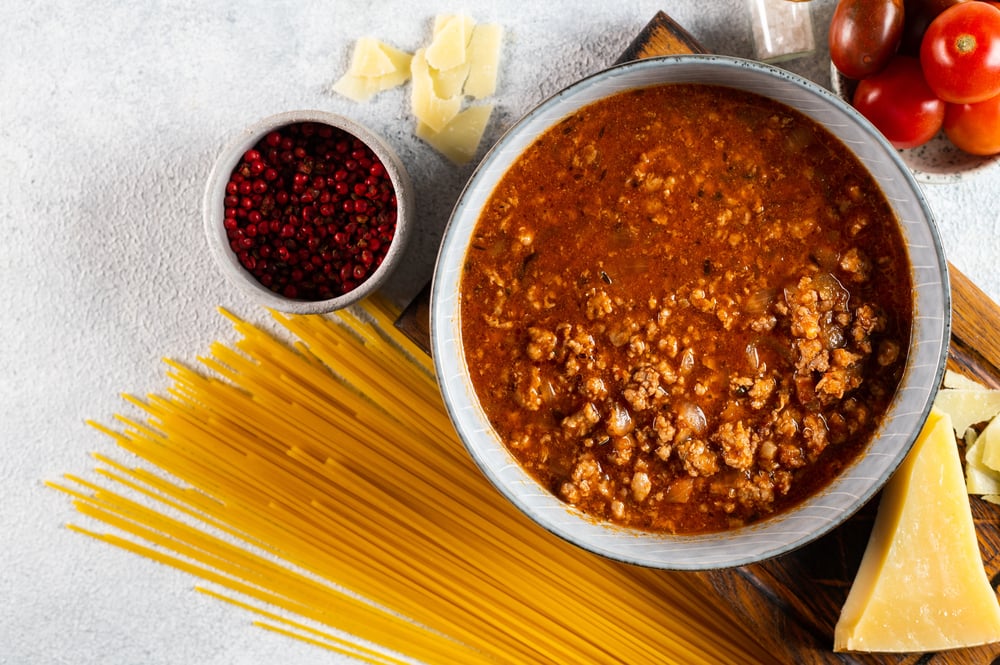
Not content with just changing spaghetti, children also put their spin on the accompanying sauce. ‘Pasketti sauce’ became a standard term in many households, combining the mispronounced pasta with its traditional topping.
This version often persists even after children learn the correct pronunciation of spaghetti.
Constructions

Construction sites become ‘constructions’ when viewed through a child’s eyes. The simplification drops the middle syllable, making the word easier to say and remember.
Many families continue using this version because it captures the wonder children feel when watching big machines at work.
Like Go2Tutors’s content? Follow us on MSN.
Flutterby

Butterflies become ‘flutterbys’ in the mouths of young nature enthusiasts. This mispronunciation actually makes more logical sense than the original word—after all, these creatures do flutter by rather than producing butter.
Some language experts argue this version is more descriptive than the standard term.
Mawn Lower
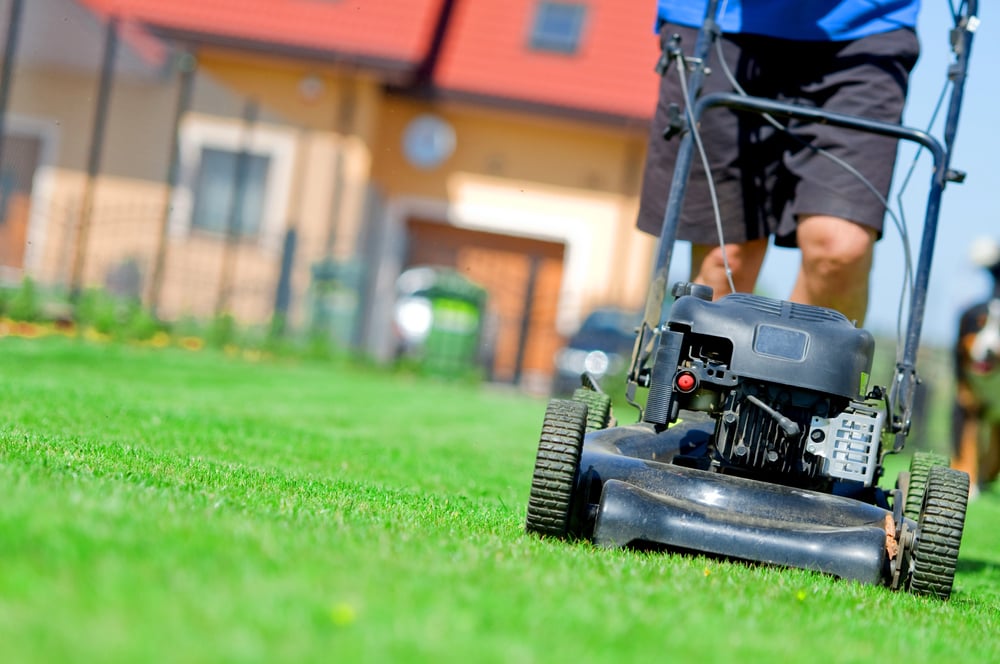
Lawn mowers transform into ‘mawn lowers’ when children try to describe the loud machines that cut grass. The reversal of sounds is common in child speech development, and this particular flip has become endearing family vocabulary in many homes.
The mispronunciation often persists because it sounds so distinctly cute.
Hostible

Hospitals become ‘hostibles’ when children need medical care. This simplification removes the challenging ‘p’ sound and makes the word flow more smoothly for young speakers.
Many families adopt this version because it sounds less intimidating than the clinical original.
Like Go2Tutors’s content? Follow us on MSN.
Eleventeen

Children often create ‘eleventeen’ when counting beyond their learned numbers. This logical extension follows the pattern of thirteen through nineteen, even though it doesn’t exist in standard English.
The consistency of the pattern makes perfect sense to young mathematical minds.
Breakfisk

Breakfast becomes ‘breakfisk’ when filtered through sleepy morning voices. The ‘st’ sound cluster gets replaced with the easier ‘sk’ combination, creating a new word that many families find more charming than the original.
Some parents never correct this version because it captures the rushed nature of morning meals.
Liberry

Libraries become ‘liberries’ when children swap the challenging ‘r’ sounds around. This metathesis—the switching of sounds within a word—is extremely common in child language development.
The mispronunciation often persists into adulthood because it becomes so deeply ingrained in speech patterns.
Like Go2Tutors’s content? Follow us on MSN.
Chimley

Chimneys transform into ‘chimleys’ when young eyes look up at rooftops. The ‘n’ sound gets replaced with an ‘l’ sound, which is easier for children to produce consistently.
This version has become so widespread that some dictionaries now list it as an acceptable variant pronunciation.
Words That Stick Around

These charming mispronunciations remind us that language is constantly evolving, often in the most unexpected ways. Children’s creative interpretations of complex words sometimes make more logical sense than the originals, and their innocent mistakes can bring families together through shared vocabulary.
While most of these phrases remain confined to family circles, they represent the beautiful chaos of language learning and the lasting impact of childhood on our daily communication. The next time you hear a child mangle a word, remember that you might be witnessing the birth of a new family tradition.
More from Go2Tutors!

- 16 Historical Figures Who Were Nothing Like You Think
- 12 Things Sold in the 80s That Are Now Illegal
- 15 VHS Tapes That Could Be Worth Thousands
- 17 Historical “What Ifs” That Would Have Changed Everything
- 18 TV Shows That Vanished Without a Finale
Like Go2Tutors’s content? Follow us on MSN.



