Most Impressive Architectural Feats Across Continents
Architecture tells the story of human ambition, creativity, and the drive to push beyond what seems possible. From ancient wonders that have stood for thousands of years to modern structures that defy gravity, these buildings represent the best of what people can achieve when they combine vision with skill.
Each continent has contributed something extraordinary to the world’s collection of architectural masterpieces, proving that innovation knows no borders. Let’s take a look at some of the most remarkable structures that continue to inspire awe and wonder around the globe.
The Great Wall of China
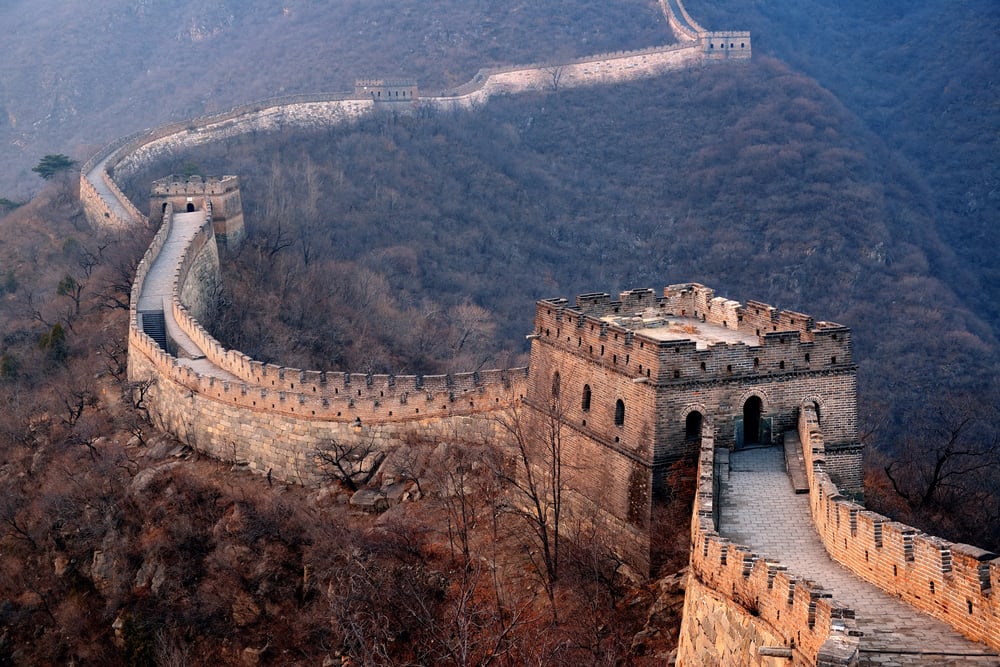
Stretching over 13,000 miles across northern China, this ancient defense system took more than 2,000 years to complete. Workers used millions of bricks, stones, and earth to build a barrier that snakes through mountains, valleys, and deserts.
The wall stands as proof that determination and organization can create something that lasts for centuries, even when the tools available are basic and the landscape is challenging.
Burj Khalifa
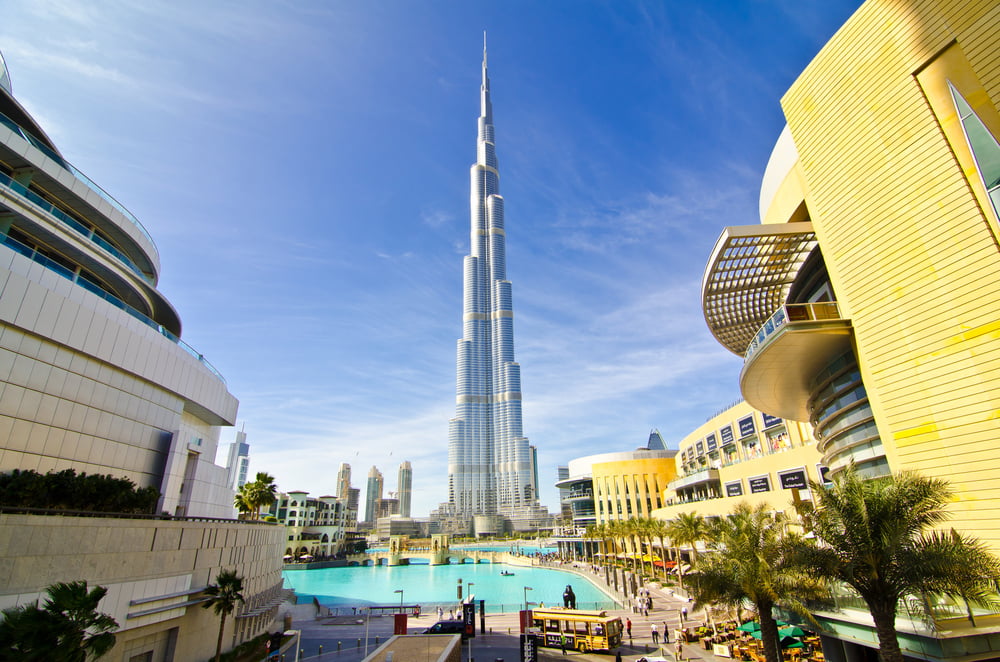
Dubai’s towering giant reaches 2,717 feet into the sky, making it the tallest building on Earth. The structure uses enough concrete to cover a small city and can withstand the desert’s extreme heat and occasional earthquakes.
Engineers designed special systems to pump water and air to the top floors, solving problems that would have seemed impossible just decades ago.
The Colosseum
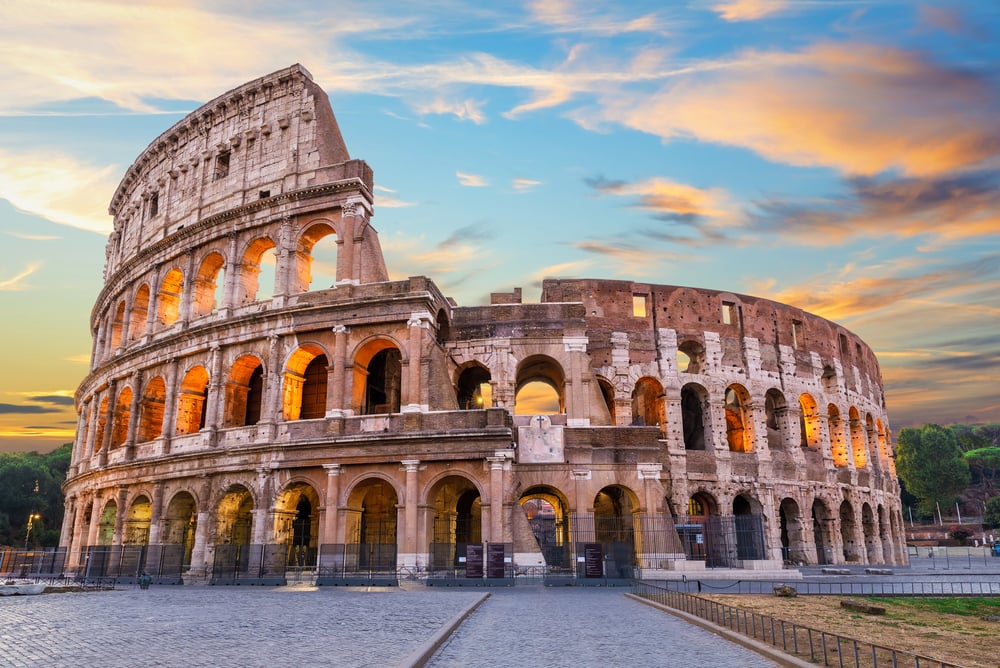
Rome’s ancient arena could hold 50,000 spectators who came to watch events that shaped entertainment for centuries to come. Built with concrete and stone, the structure featured a complex system of tunnels, elevators, and trapdoors beneath the floor.
The design influenced stadium construction worldwide, and even after 2,000 years of earthquakes and stone thieves, much of it still stands strong.
Machu Picchu
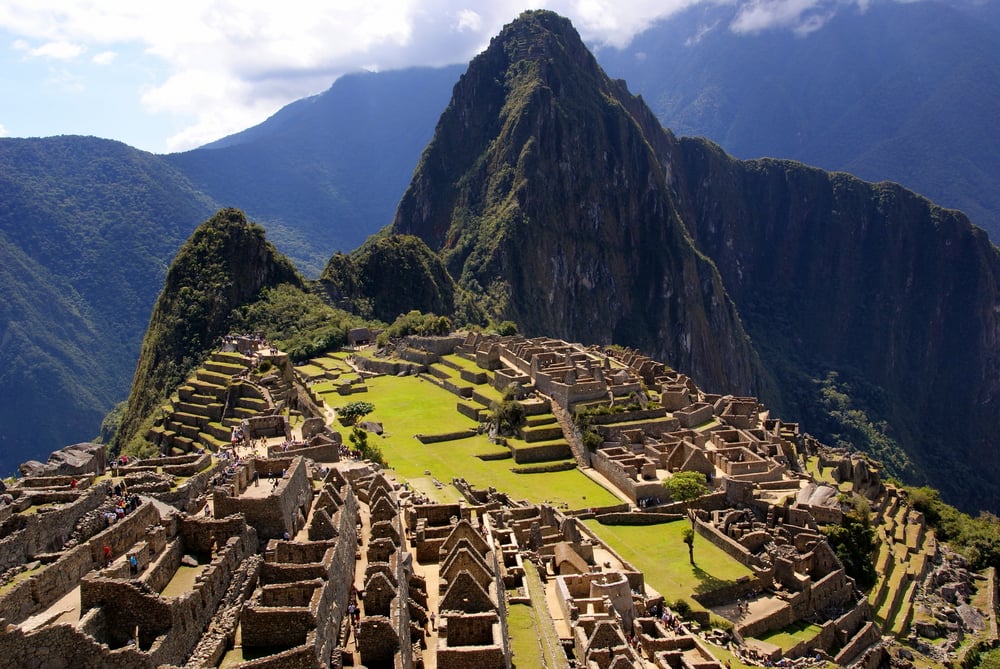
High in the Peruvian Andes, this 15th-century city sits at 7,970 feet above sea level, built without wheels, iron tools, or draft animals. The Inca people cut massive stones so precisely that they fit together without mortar, creating walls that have survived centuries of earthquakes.
Water channels, agricultural terraces, and astronomical observatories show a level of planning that impresses modern engineers.
Sagrada Familia
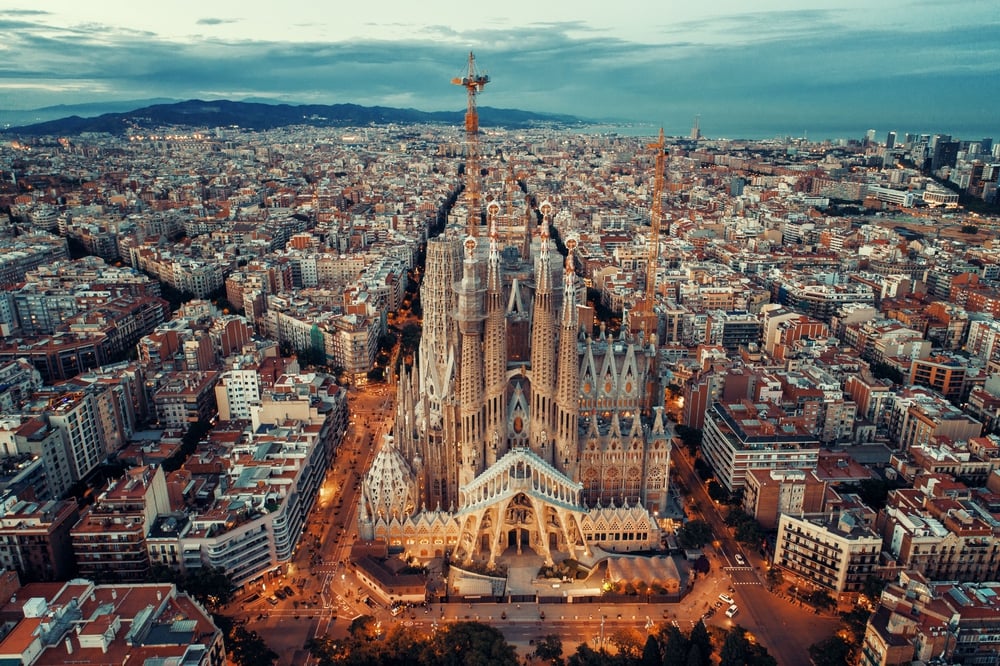
Barcelona’s famous basilica has been under construction since 1882, and workers expect to finish it around 2026. Antoni Gaudí designed a church that looks like nature itself, with columns that branch like trees and facades covered in detailed sculptures.
The building combines traditional craftsmanship with computer modeling, creating something that belongs to both the past and the future.
The Pyramids of Giza
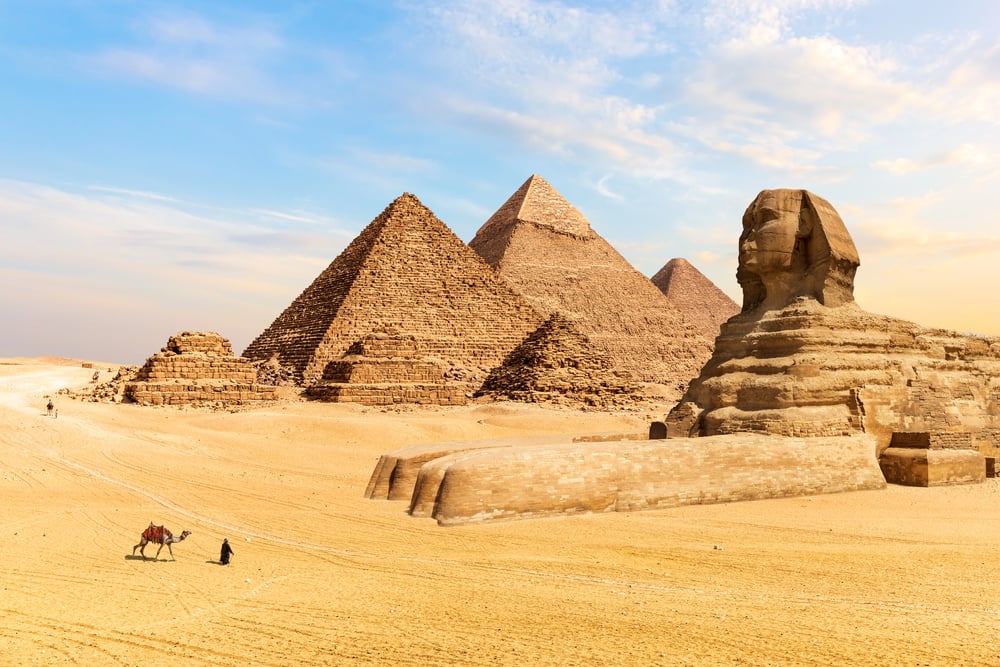
Egypt’s most famous monuments were built around 4,500 years ago using roughly 2.3 million stone blocks. Each block weighs between 2.5 and 15 tons, and workers somehow moved them into place with only basic tools and human power.
The Great Pyramid held the title of world’s tallest structure for nearly 4,000 years, and scientists still debate exactly how ancient builders achieved such precision.
Sydney Opera House
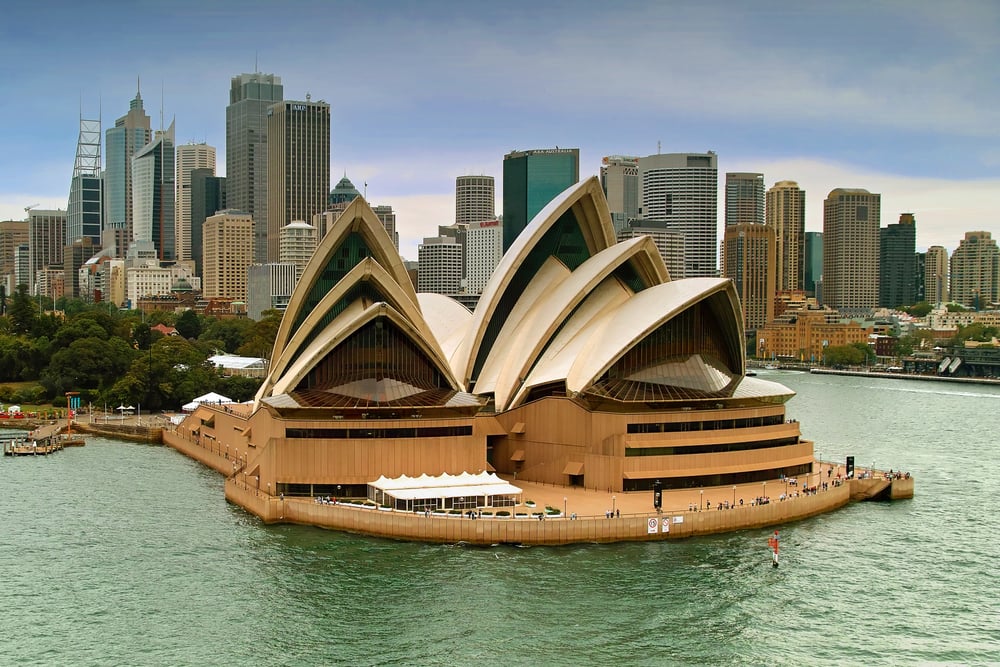
The distinctive white shells on Sydney’s harbor took 14 years to build and nearly bankrupted the project several times. Danish architect Jørn Utzon created a design that looked simple but required completely new construction techniques to pull off.
The building’s unique shape creates perfect acoustics inside while becoming one of the most photographed structures in the world.
Taj Mahal
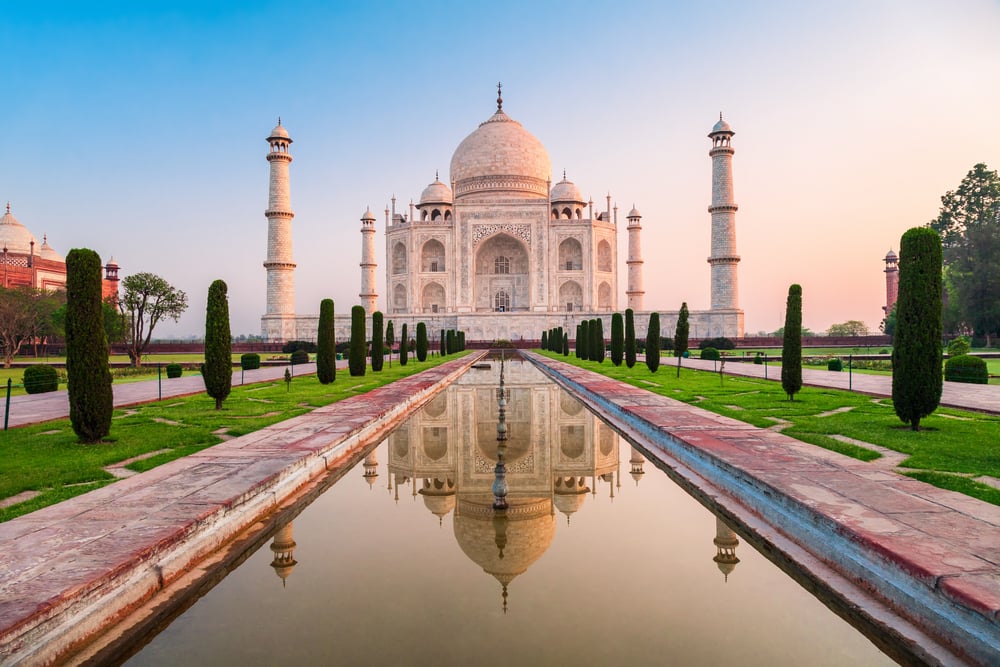
This white marble monument in India took 20,000 workers and 22 years to complete in the 1600s. The building sits perfectly symmetrical, with four identical sides and a central dome that rises 240 feet high.
Craftsmen brought precious stones from across Asia to create intricate inlay work that decorates every surface, making the entire structure shimmer in changing light.
Petra
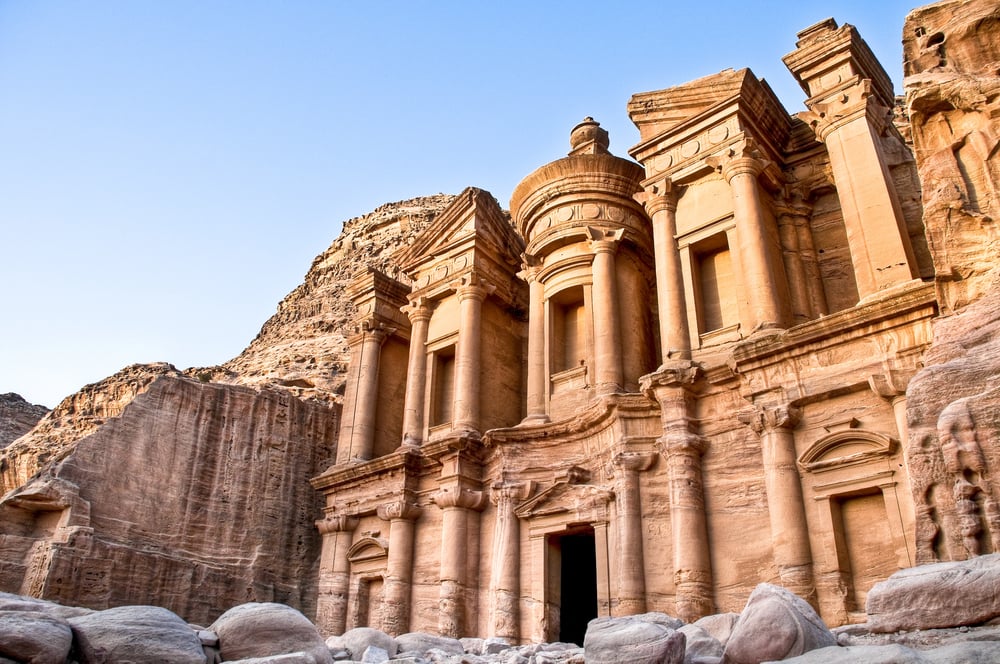
Carved directly into red sandstone cliffs in Jordan, this ancient city features elaborate facades that tower over narrow canyon passages. The Nabataeans created temples, tombs, and a sophisticated water system around 300 BCE, all cut from solid rock.
The most famous building, Al-Khazneh, stands 130 feet tall with columns and sculptures that look impossible to create without modern tools.
Golden Gate Bridge

San Francisco’s iconic bridge spans 1.7 miles across a strait known for fierce winds, thick fog, and strong currents. Engineers completed it in 1937 using enough steel wire to circle the Earth three times.
The orange towers rise 746 feet above the water, and the structure was designed to sway up to 27 feet in high winds without breaking.
Angkor Wat
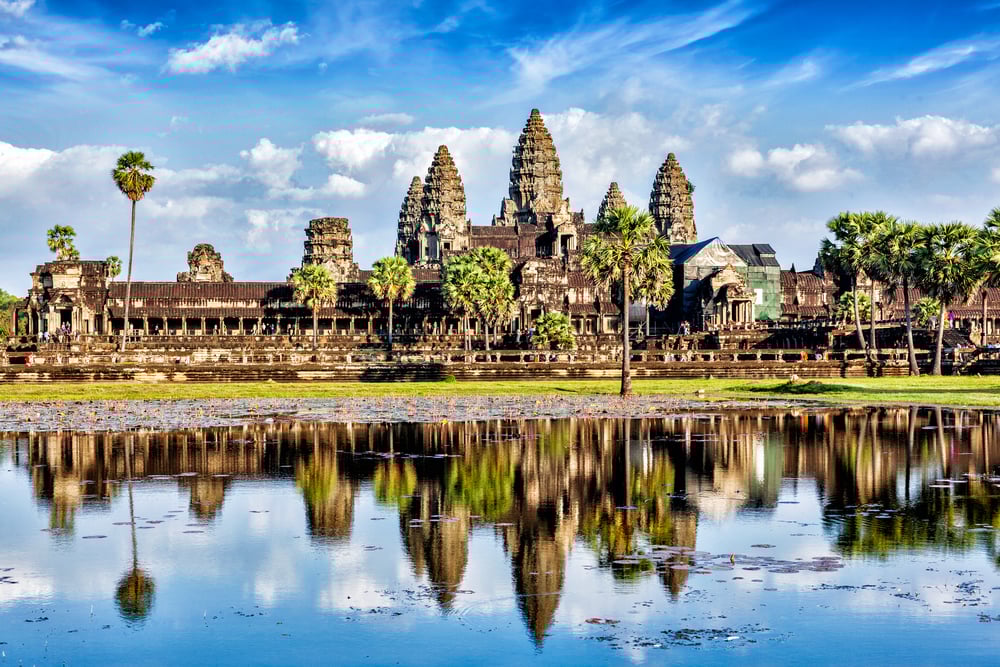
Cambodia’s largest religious monument covers 400 acres and was built in the 12th century as a Hindu temple. The complex includes five towers that represent sacred mountains, surrounded by moats and galleries covered in detailed carvings.
Builders transported millions of sandstone blocks from quarries 25 miles away, creating a structure that reflects precise astronomical alignments.
St. Basil’s Cathedral

Moscow’s colorful landmark features nine separate chapels topped with onion-shaped domes, each painted in different patterns and colors. Ivan the Terrible commissioned the building in 1555 to celebrate military victories, creating something unlike any other church in Russia.
The interior contains a maze of passages connecting the chapels, and legend says the architect was blinded afterward so he could never create anything as beautiful again.
The Parthenon
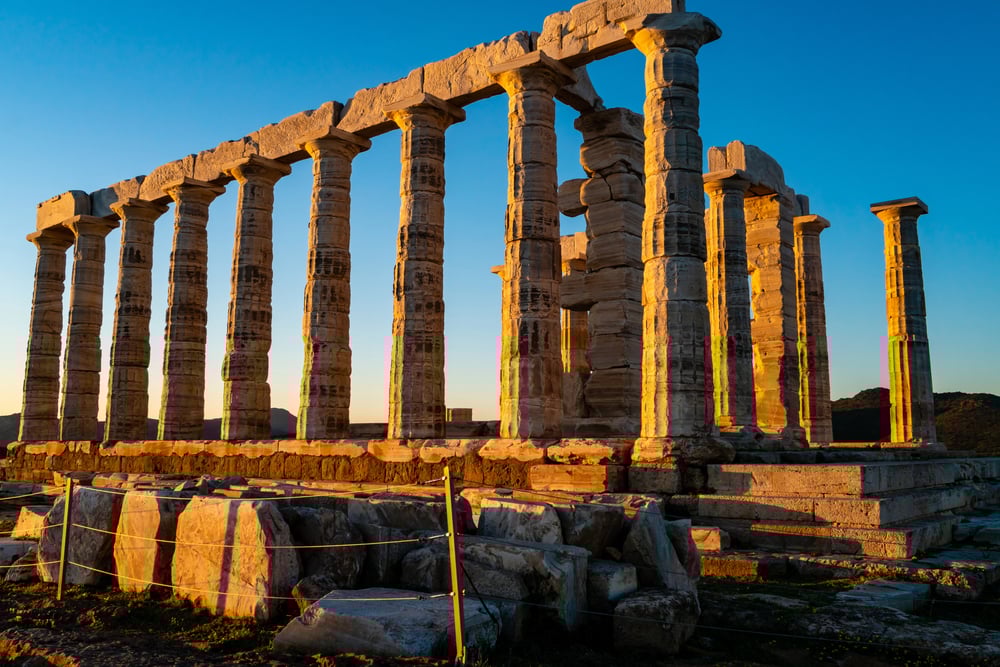
Athens’ ancient temple sits atop the Acropolis, built between 447 and 432 BCE as a tribute to the goddess Athena. The builders used optical illusions, making columns slightly curved and tilted so they appear perfectly straight from a distance.
Despite centuries of war, explosions, and earthquakes, the structure remains a symbol of classical architecture that influenced building design across the Western world.
Channel Tunnel
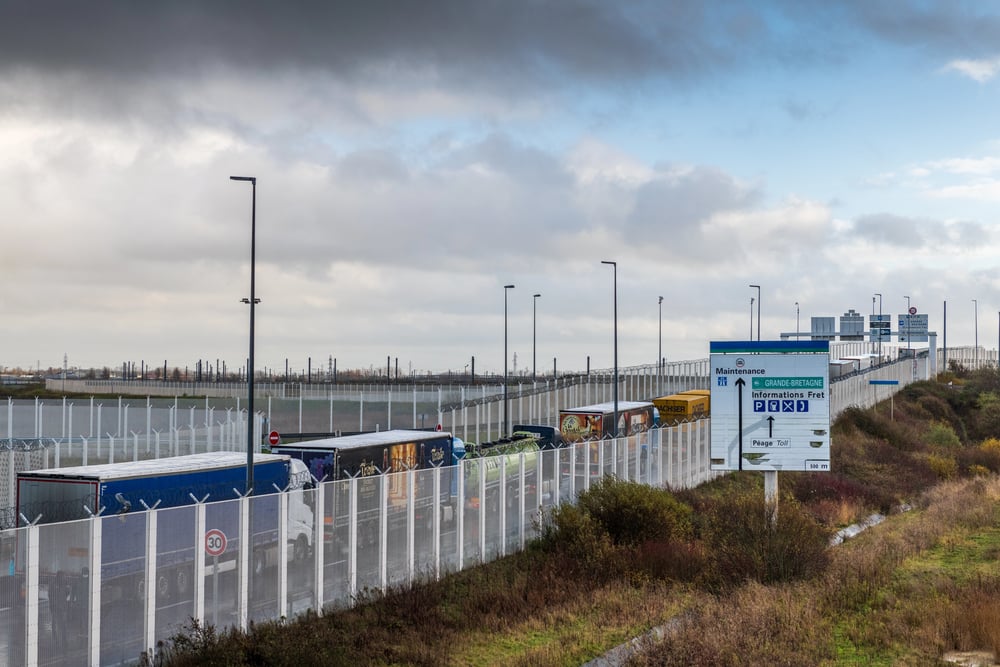
This engineering marvel connects England and France through 31 miles of underwater tunnel, with 23 miles actually beneath the English Channel. Workers dug from both sides simultaneously, meeting in the middle with less than two inches of error.
The project required 11 tunnel boring machines and seven years of work to create a passage that trains now cross in just 35 minutes.
Christ the Redeemer
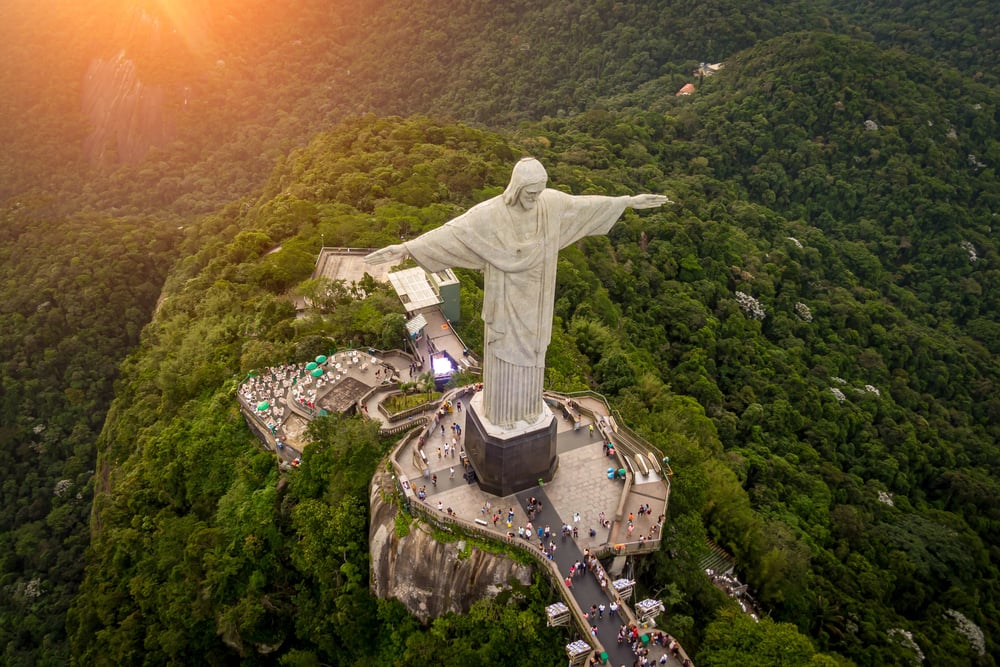
Rio de Janeiro’s famous statue stands 98 feet tall atop Corcovado Mountain, with arms spanning 92 feet wide. Built between 1922 and 1931, the monument required workers to haul concrete and soapstone up a steep mountain, then assemble pieces in place.
Lightning strikes the statue several times each year, but a system of rods and grounding prevents damage to the reinforced concrete structure.
Hagia Sophia
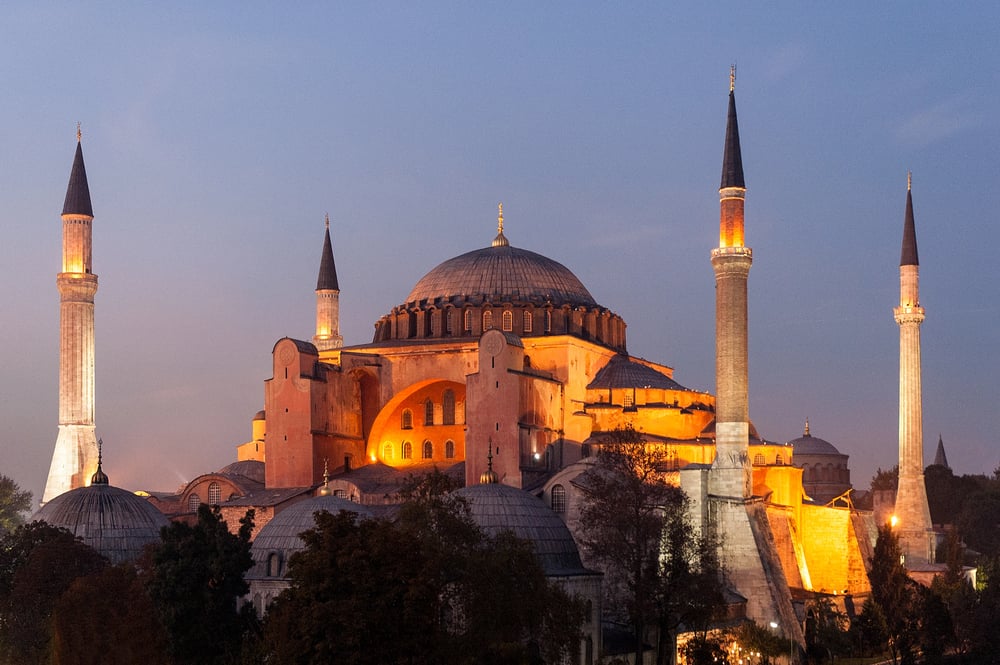
Istanbul’s architectural wonder started as a church in 537 CE, featuring a massive dome that appears to float without visible support. The dome spans 102 feet and sits 180 feet above the floor, using pendentives that were revolutionary for their time.
The building has survived numerous earthquakes and served as a church, mosque, museum, and mosque again, adapting to different purposes while maintaining its structural integrity.
Palace of Versailles
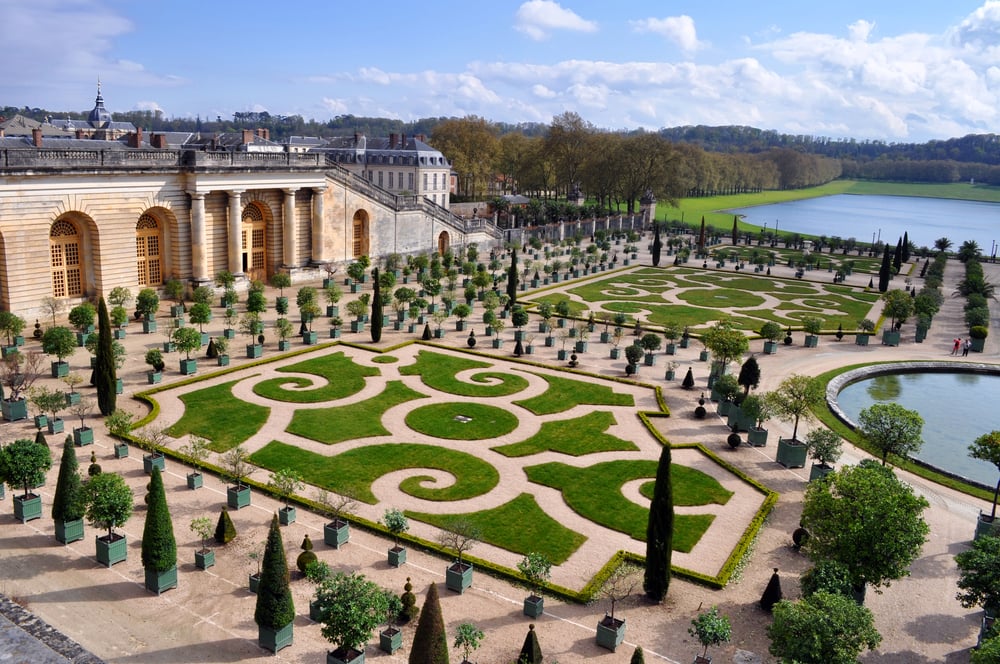
One thousand seven hundred twenty-one thousand square feet hold two thousand three hundred rooms inside France’s grand royal home. Gardens stretch across two thousand acres, unfolding behind walls where kings once walked.
A simple hunting lodge changed completely under Louis XIV, becoming Europe’s most ornate palace. Light floods through seventeen windows, bouncing off three hundred fifty-seven mirrors in what they call the Hall of Mirrors.
Workers by the hundreds kept everything running, day after day. Power showed itself not in speeches but in stone, glass, and endless hallways built just to impress.
Architectural madness defined the place – no detail too small, no space left untouched.
Panama Canal
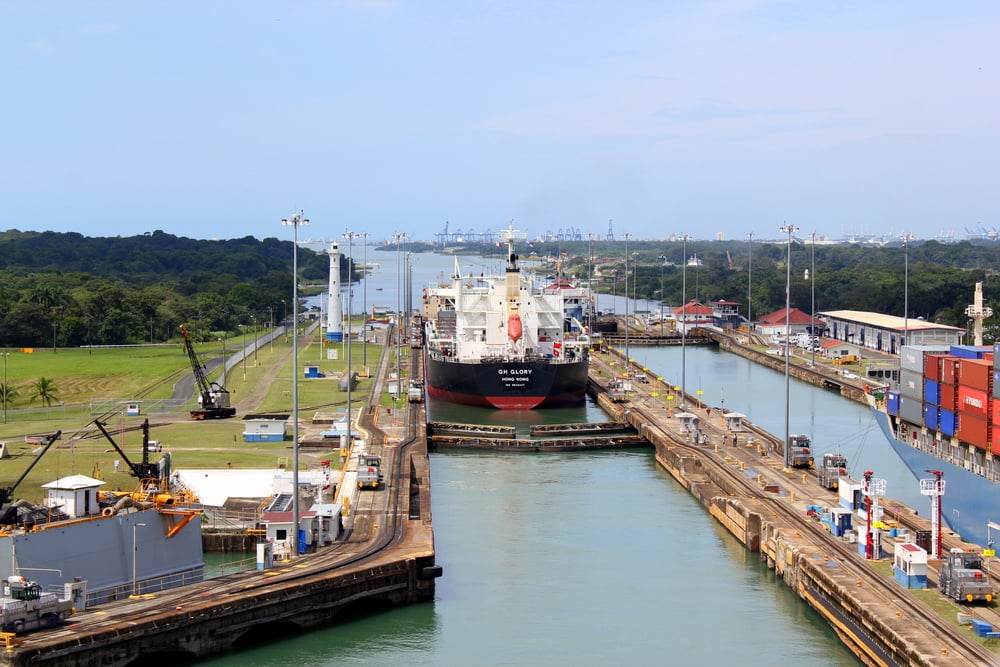
A narrow strip of land once blocked ships between two great oceans – until workers carved a path nearly fifty miles long. Rising from swamps and steep slopes, this passage now lets vessels skip a dangerous trip past South America’s tip.
Built by American teams following earlier European setbacks, it opened in the fourteenth year of the twentieth century. Water lifts boats step by step using massive chambers, shifting them eighty-five feet up then down again.
Thousands of ships pass each year, moving through a project that moved more dirt than almost any before it.
Beyond the Blueprints

Out there, stone by stone, humans shaped dreams into walls taller than doubt allowed. Centuries shifted how things got built – wood gave way to steel, hands to machines – but the urge stayed untouched.
From old ruins to glass towers, each structure carries whispers of someone’s stubborn belief. Workers’ sweat soaked into foundations long before cranes arrived on site.
A single blueprint once laughed at now shelters entire neighborhoods under its roof. Impossible rarely survives contact with time and will.
What bends the skyline today stood as a sketch mocked yesterday. Hands that carved temples also poured concrete for skyscrapers – same fire, different era.
Some ideas refuse to stay buried beneath practicality. Even silence around an empty monument speaks volumes about effort locked inside it.
More from Go2Tutors!

- The Romanov Crown Jewels and Their Tragic Fate
- 13 Historical Mysteries That Science Still Can’t Solve
- Famous Hoaxes That Fooled the World for Years
- 15 Child Stars with Tragic Adult Lives
- 16 Famous Jewelry Pieces in History
Like Go2Tutors’s content? Follow us on MSN.