15 Pirate Myths That Are Actually True
Pirates have long occupied a strange space between fact and fiction. Stories of eye patches, hidden treasure, parrots, and cutlasses have been passed down for generations—amplified by books, movies, and tall tales. Yet, while much of what people believe about pirates feels exaggerated, some of those myths are surprisingly accurate.
Here’s a closer look at 15 pirate legends that history confirms as true—though not always in the way you might expect.
Eye Patches and Wooden Legs Had Real Uses
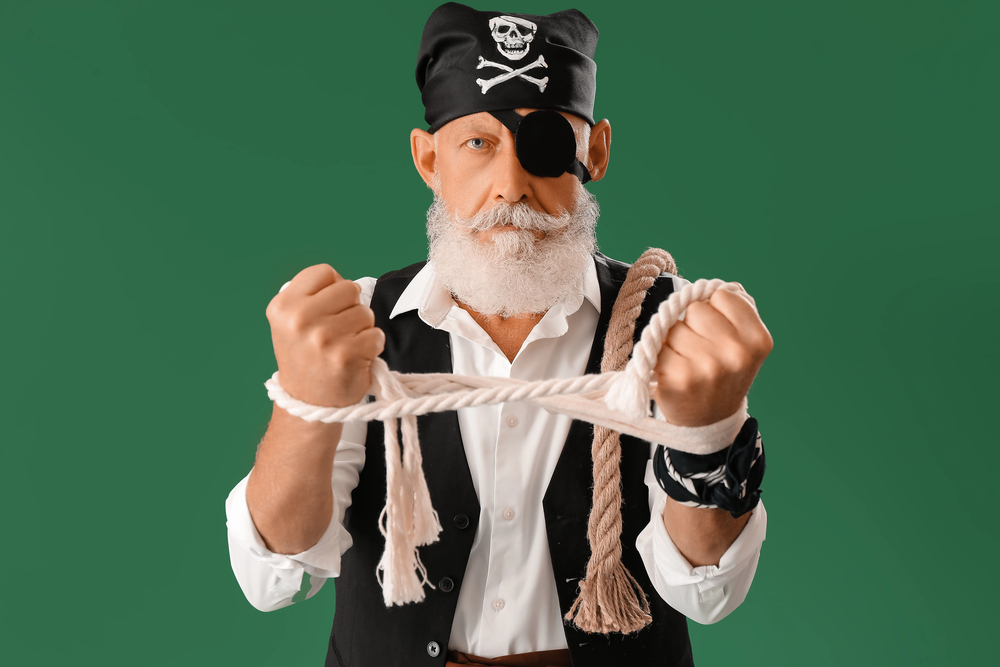
They weren’t just for show. Eye patches helped pirates adjust quickly when moving between the sunlit deck and the dark ship below. Wooden legs, on the other hand, were the best option available after injuries—which were common during combat or accidents at sea. These prosthetics let injured crew continue working instead of being cast aside.
Some Pirates Did Bury Their Treasure
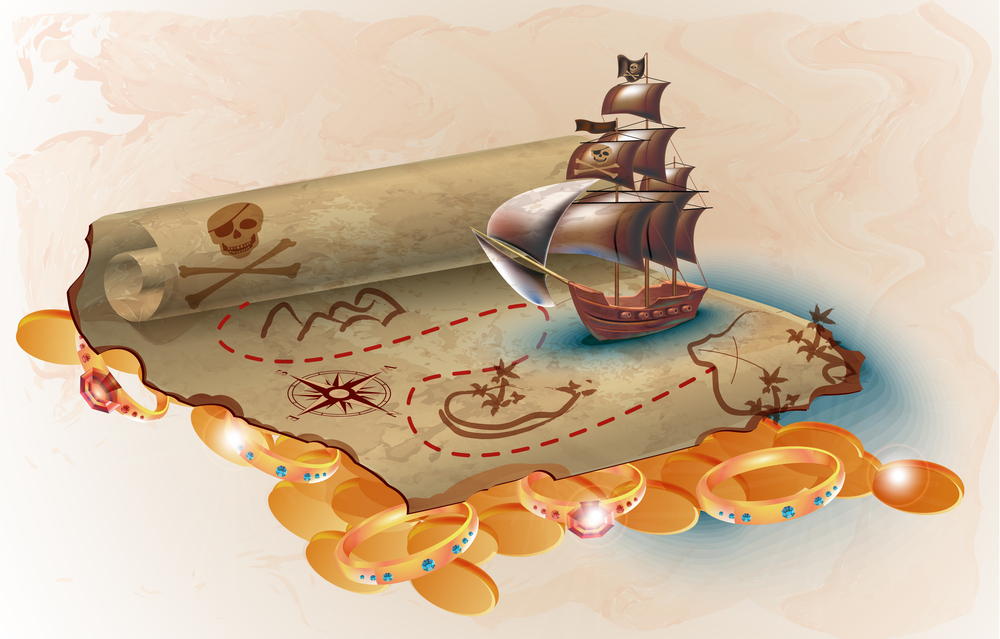
Though most pirates spent their loot rather than save it, some did hide it. Captain William Kidd buried a stash on Gardiners Island—hoping to use it as leverage in court. While rare, this practice wasn’t unheard of during chaotic periods when pirates were hunted and needed to conceal their wealth.
Walking the Plank Wasn’t Just a Storytelling Device
Although it wasn’t a pirate crew’s preferred punishment, forcing someone to walk the plank did happen. More often, prisoners were thrown overboard or left marooned. Still, historical records confirm this terrifying form of execution was occasionally used—especially when pirates wanted captives to take part in their own end.
Pirate Ships Often Operated by Code

Many crews followed strict rules—known as articles—that outlined how loot was divided, what offenses warranted punishment, and how decisions were made. These weren’t just informal agreements. Crewmembers signed or swore to uphold them. In some cases, captains were elected and could be removed if they lost the crew’s confidence.
Parrots Were More Than Just Companions
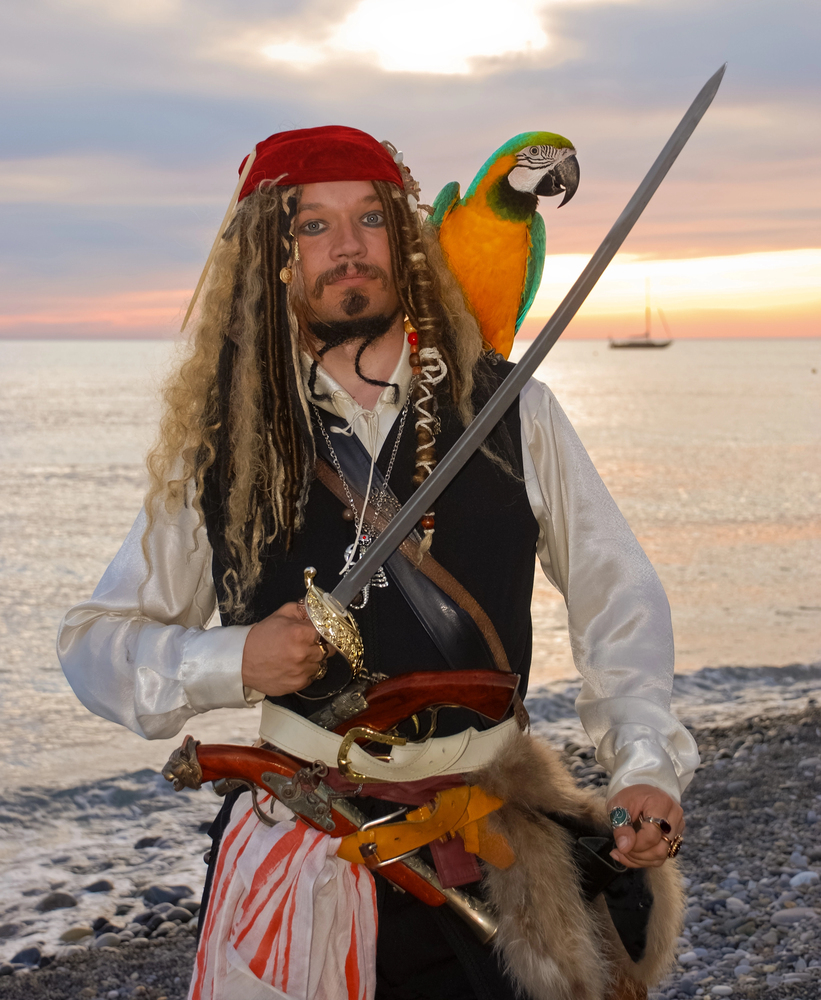
Colorful birds like parrots served both as pets and trade items. Pirates picked them up in the Caribbean or South America, then sold them in European ports where exotic animals fetched high prices. In the meantime, these birds entertained crews with mimicry during long, dull stretches at sea.
The Skull and Crossbones Had a Purpose
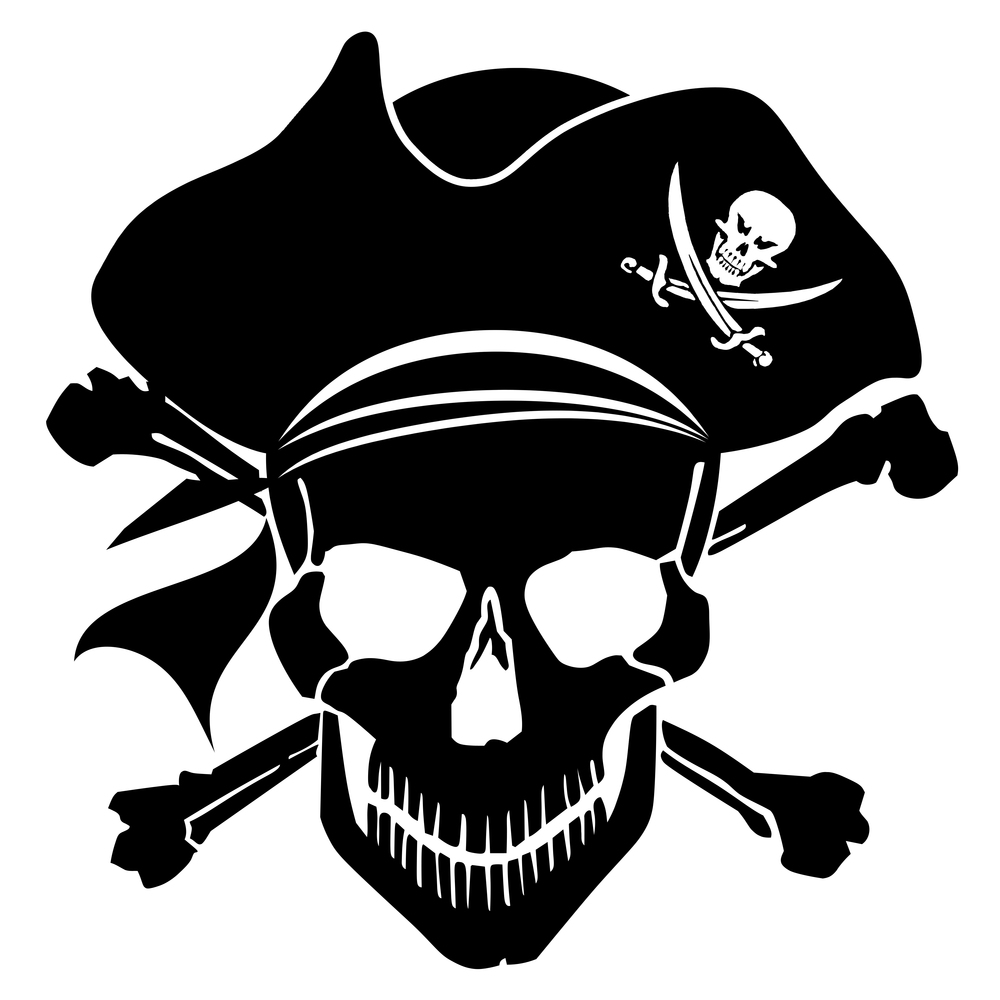
The infamous Jolly Roger wasn’t just a decoration—it was psychological warfare. Different pirates used variations to instill fear. Blackbeard’s flag, for example, featured a skeleton holding an hourglass and a spear. These designs warned enemies: resist, and you’ll regret it.
Marooning Was a Common Punishment
Pirates who broke the code—or caused serious trouble—could be abandoned on a deserted island with minimal supplies. A pistol with a single shot, a bit of food, maybe some water. It was seen as more merciful than outright execution, yet still brutal in its isolation.
Peg Legs Were a Functional Necessity
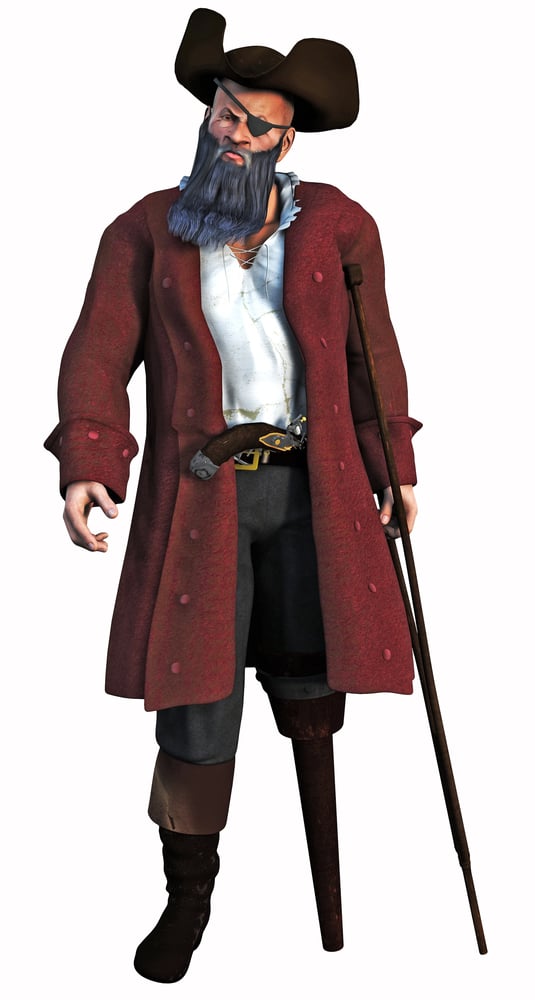
Medical care at sea was minimal. Amputations saved lives, and wooden prosthetics helped crew members stay useful. Ship carpenters built them from spare timber—giving pirates a chance to remain active on board, even after severe injuries.
Pirates Wore Earrings for More Than Style
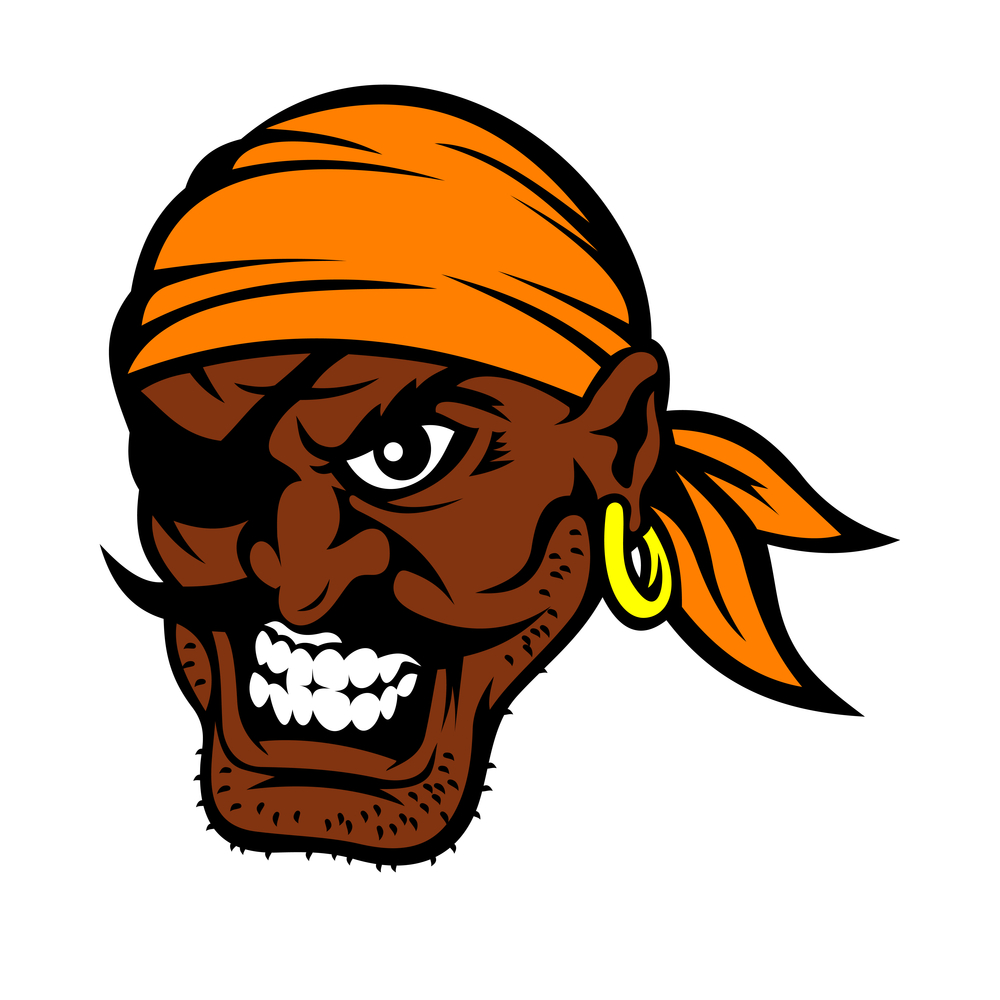
Gold earrings weren’t just fashion statements. Some believed they improved eyesight—a superstition tied loosely to acupuncture. Others wore them so their bodies could be identified and given proper burial if they died at sea. Either way, they doubled as portable wealth.
Treasure Maps Did Exist—Though Not Like in Films
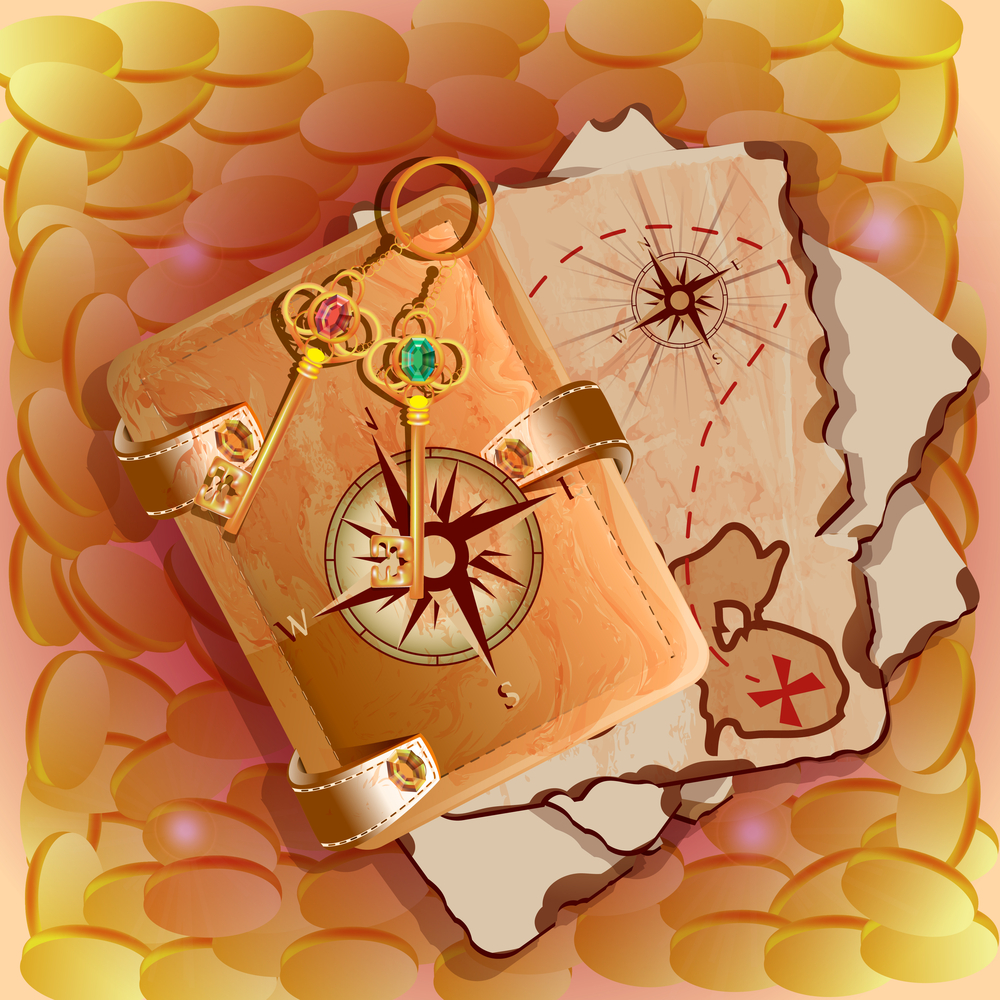
Forget the detailed scrolls with X-marks-the-spot and riddles. Pirates occasionally sketched simple maps showing where they’d hidden goods. These were basic—just enough to help them return later. Many were lost when pirates died before reclaiming their stashes.
Keelhauling Was Used, Though More in Naval Circles
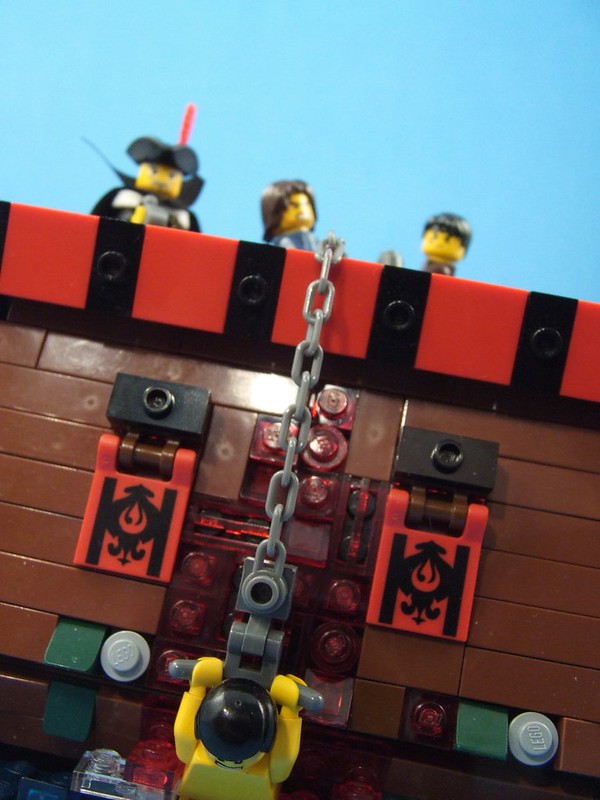
This brutal practice involved dragging a person under the ship’s hull—resulting in deep cuts, infection, or drowning. While more commonly a naval punishment, some pirate crews used it to punish betrayal or intimidate prisoners.
Monkeys Were Kept Onboard
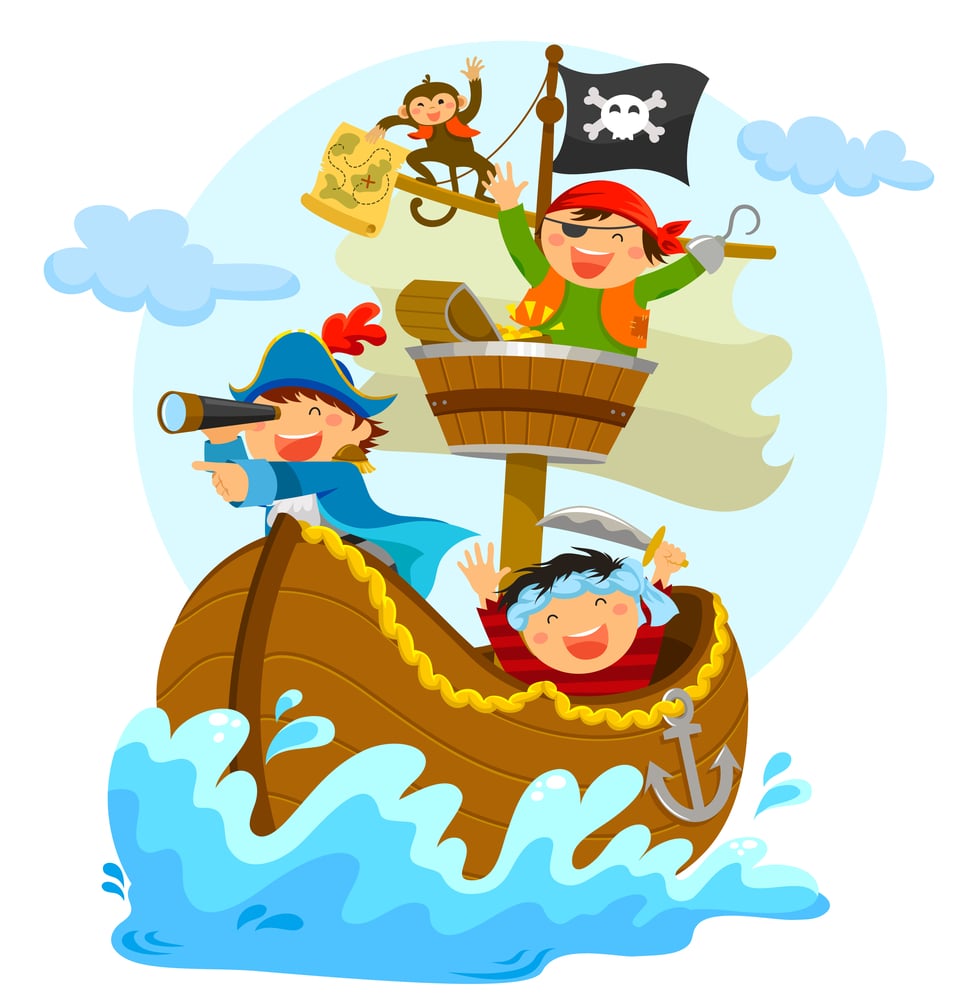
Beyond parrots, some pirates had monkeys aboard. These animals were both entertainment and exotic cargo. Agile and clever, they helped lighten the mood during long journeys and could later be sold in European markets.
Cutlasses Were Ideal for Ship Combat
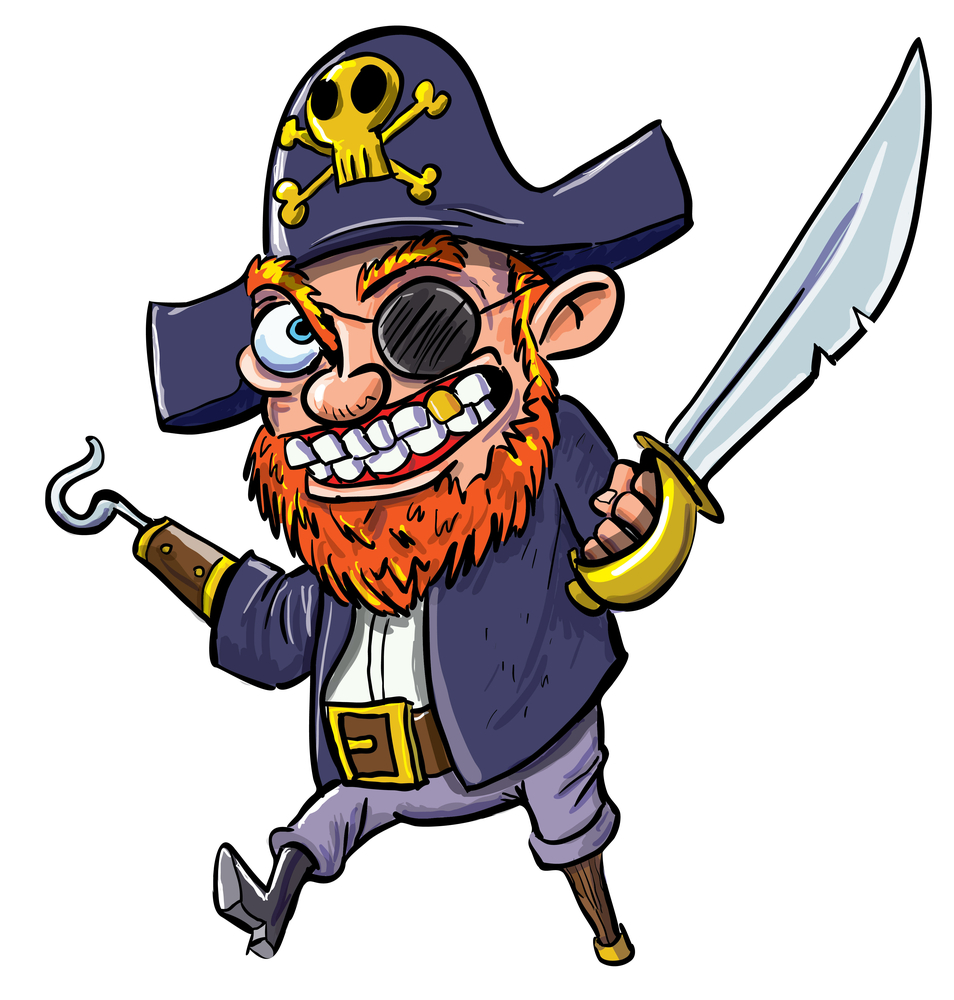
The cutlass—a short, curved sword—wasn’t chosen for its looks. It was practical. On crowded ship decks, long swords were unwieldy. The cutlass allowed for fast, close-quarters fighting and could double as a tool for cutting ropes or branches on land.
Pirates Drank Rum for a Reason
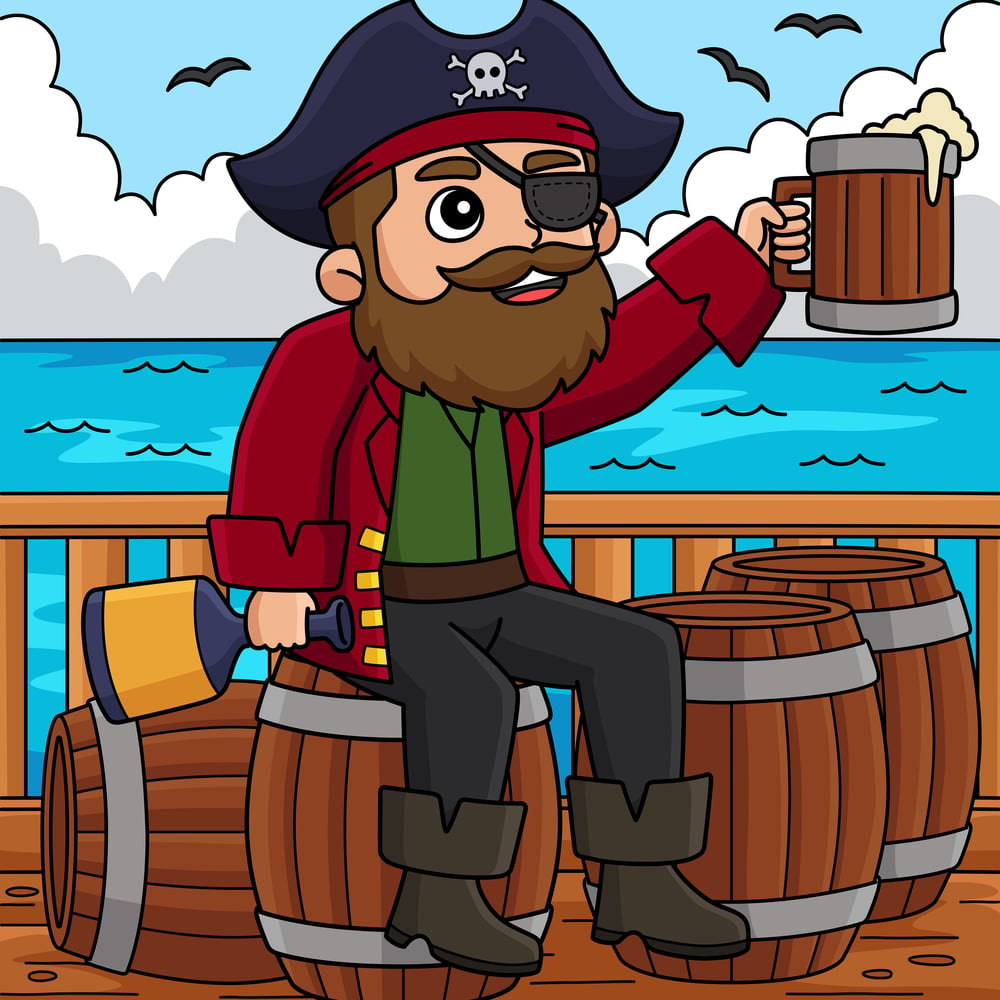
Fresh water didn’t stay fresh for long at sea. Mixing it with rum helped prevent bacterial growth and made it safer to drink. Known as grog, this mixture was a daily staple. It wasn’t just for celebration—it was a form of survival.
Black Flags Signaled Ruthlessness
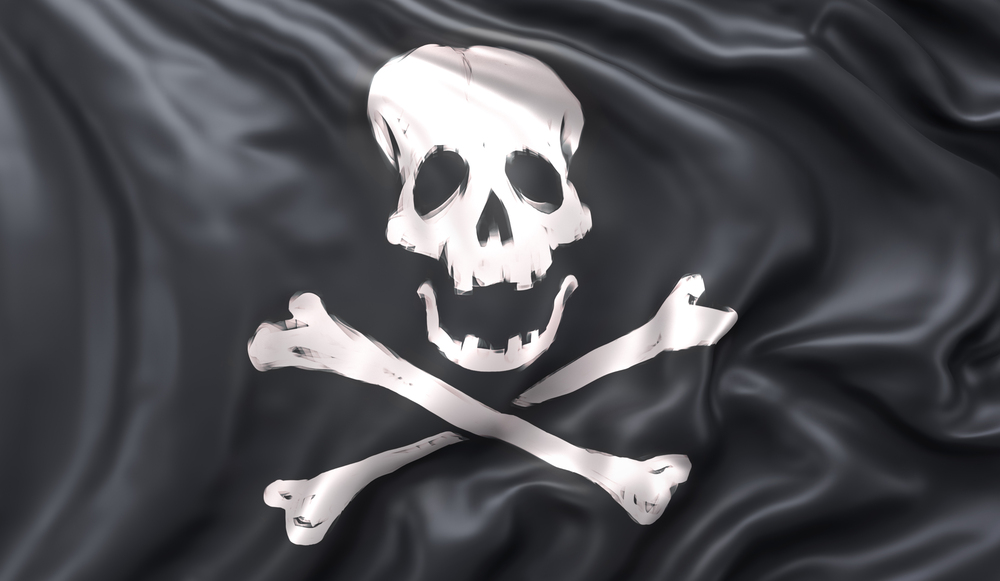
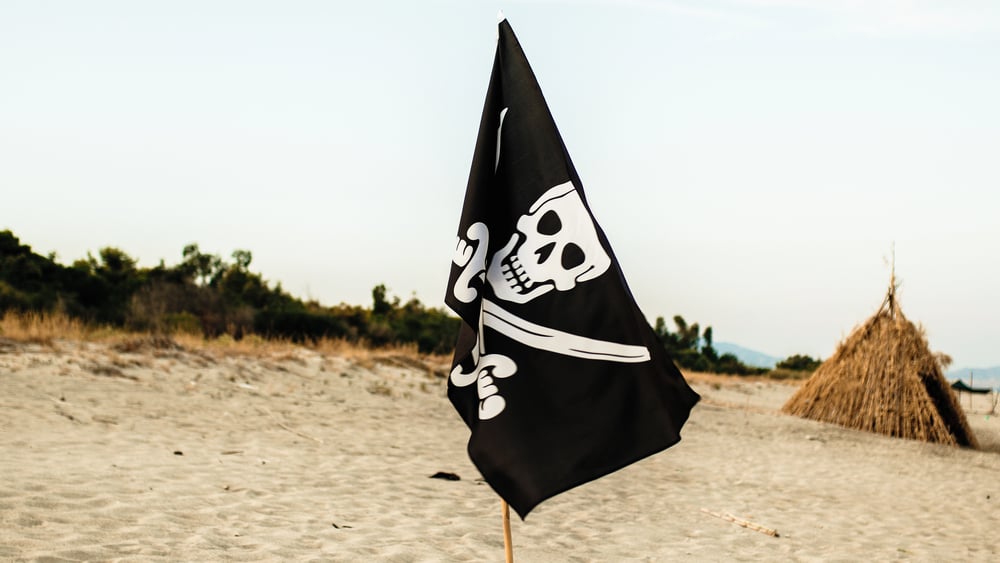
When pirates hoisted a black flag, they meant business. It warned that no quarter would be given if a ship resisted. This tactic often forced surrender before a shot was fired. Crews knew what the flag implied—and many chose to live rather than fight.
Where Fact Outshines Fiction
Though romanticized through centuries of storytelling, pirate life was a mix of brutality, strategy, and strange order. From democratic codes to exotic pets, their world was more structured—and often more bizarre—than the myths suggest. While not every tale holds water, many of them do. Sometimes, the truth was even stranger than the legend.
More from Go2Tutors!

- 16 Historical Figures Who Were Nothing Like You Think
- 12 Things Sold in the 80s That Are Now Illegal
- 15 VHS Tapes That Could Be Worth Thousands
- 17 Historical “What Ifs” That Would Have Changed Everything
- 18 TV Shows That Vanished Without a Finale
Like Go2Tutors’s content? Follow us on MSN.



