Fascinating Facts About Bridges
From ancient stone arches to modern engineering marvels, bridges have connected people and places for thousands of years. They’re not just functional structures—they tell stories of human ingenuity, ambition, and sometimes sheer stubbornness.
Whether they’re defying gravity over deep gorges or quietly growing in tropical forests, these architectural wonders never fail to impress. Here is a list of fascinating facts about bridges that might just change how you see these everyday structures.
The Arkadiko Bridge Has Been Standing for 3,300 Years

Tucked away in Greece’s Peloponnese region, the Arkadiko Bridge has been doing its job since the Bronze Age. Built around 1300 BC by the Mycenaeans, this corbel arch bridge still carries traffic today, making it one of the oldest functioning bridges on the planet.
The structure was part of a military highway connecting the cities of Tiryns and Epidauros, and its design was sophisticated enough to accommodate chariots. The bridge measures 72 feet long and stands 13 feet high, with stone curbs still visible that would have kept those speeding chariots from careening off the edge.
China Built a Bridge Longer Than 100 Miles

The Danyang-Kunshan Grand Bridge in China holds the world record for length, stretching an almost unbelievable 102.4 miles. Completed in 2011 as part of the Beijing-Shanghai High-Speed Railway, this viaduct took 10,000 workers four years to build at a cost of $8.5 billion.
The bridge slashes travel time between major cities—what used to be a four-and-a-half-hour journey from Ningbo to Jiaxing now takes just two hours. Most of the structure runs parallel to the Yangtze River, crossing rice paddies, rivers, and lakes, with a particularly impressive 5.6-mile section spanning Yangcheng Lake supported by 2,000 pillars.
The Golden Gate Bridge Uses 80,000 Miles of Cable Wire

The Golden Gate Bridge’s two main cables are engineering monsters. Each cable contains over 27,000 individual wires that, when laid end to end, would stretch 80,000 miles—about a third of the distance to the moon.
These cables, each nearly 16 inches in diameter, support the bridge’s massive span and represent one of the greatest feats of wire rope construction ever attempted. When the bridge opened in 1937, it was the longest suspension bridge in the world, with a main span of 4,200 feet.
The construction took four years and cost $35 million, which was under budget—a rarity for such ambitious projects.
Tower Bridge Can Open in Just 60 Seconds
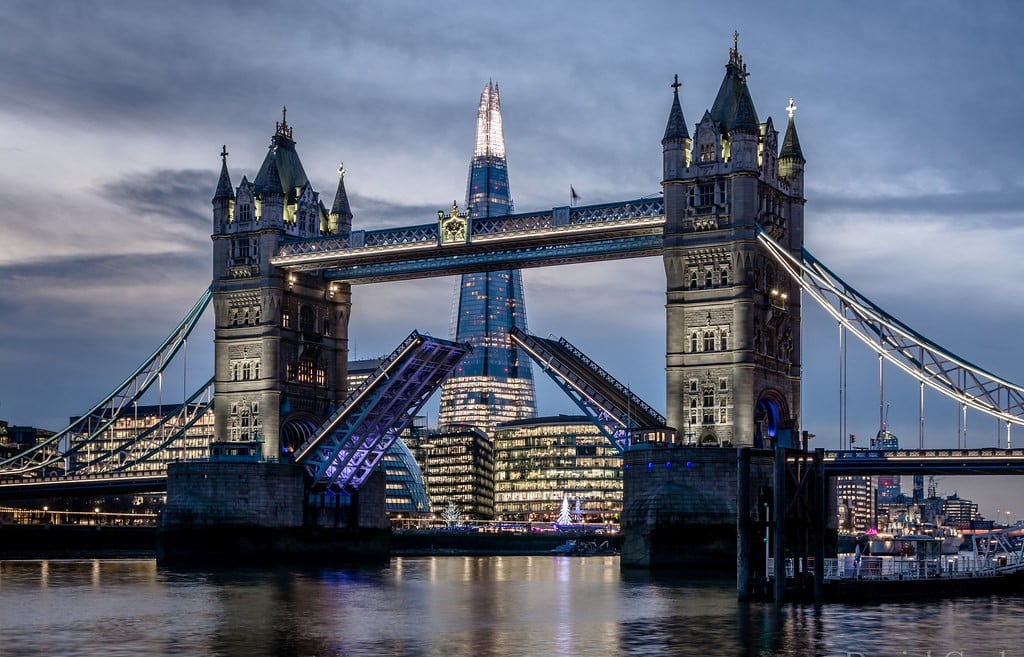
London’s Tower Bridge isn’t just pretty—it’s impressively quick. The iconic bascule bridge, completed in 1894, can raise its two 1,200-ton arms to a maximum angle of 86 degrees in about 60 seconds.
Originally powered by steam-driven hydraulics, the bridge switched to an electro-hydraulic system in 1976 that uses oil and electricity. The mechanism relies on massive counterweights hidden in the chambers below each tower, which help balance the lifting arms and reduce the energy needed to operate them.
When the bridge first opened, it lifted around 6,000 times a year for river traffic; today it opens roughly 800 times annually, mostly for special events and occasional tall ships.
The Brooklyn Bridge Claimed Lives and Made Heroes

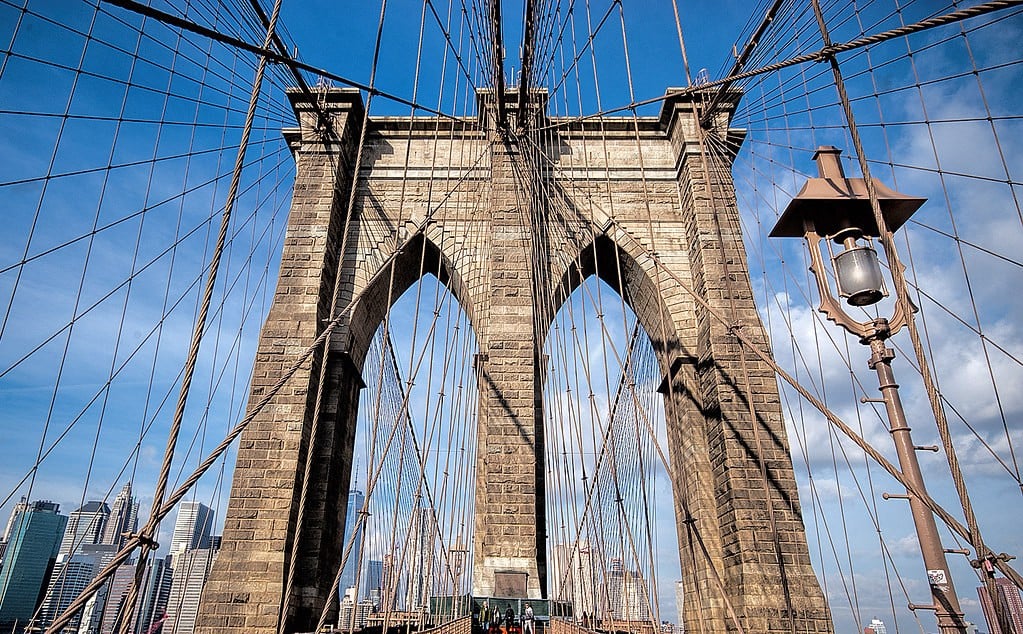
The Brooklyn Bridge’s construction was a family affair marked by tragedy and incredible resilience. Designer John Roebling died from tetanus after a ferry accident just before construction began in 1869.
His son Washington Roebling took over but became paralyzed from decompression sickness after working in the underwater caissons. From his bed, Washington directed the project with help from his wife Emily, who became the bridge’s de facto chief engineer for 11 years.
The construction killed at least 11 workers, with over 100 suffering from the bends. Despite these challenges, the bridge opened in 1883 as the longest suspension bridge in the world, a title it held for decades.
India Has Bridges That Grow Themselves
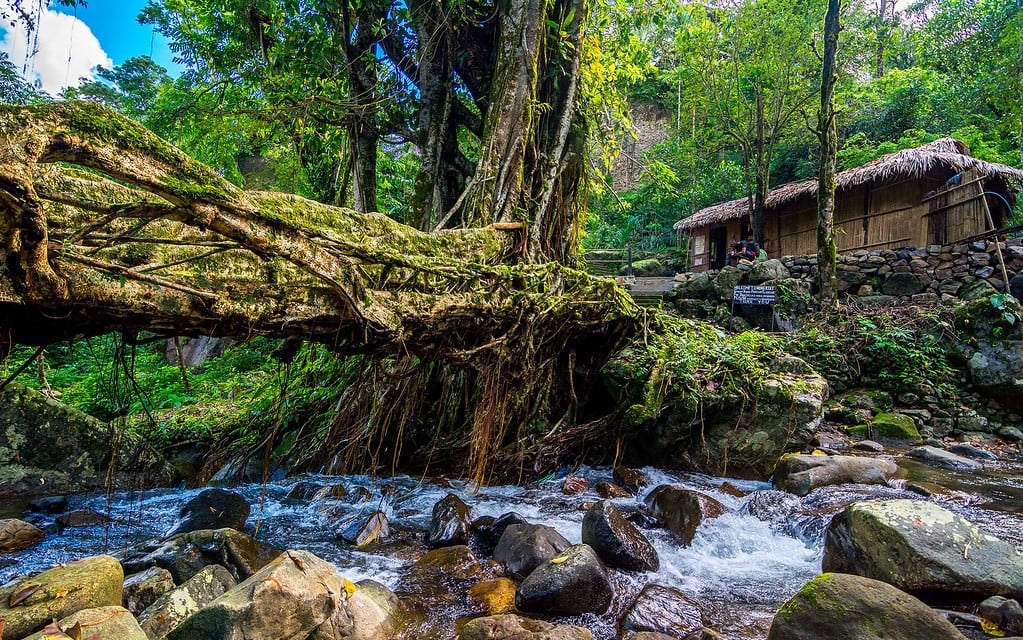
In the rainforests of Meghalaya, India, the Khasi people don’t build bridges—they grow them. These living root bridges are created by training the aerial roots of rubber fig trees across rivers, a process that takes 15 to 30 years.
The roots are guided through hollowed-out betel tree trunks or over bamboo scaffolding until they reach the opposite bank and take hold. The longest living root bridge stretches over 164 feet, and some double-decker versions exist, with the famous one in Nongriat estimated to be 200 years old.
These bridges actually get stronger as they age, withstanding monsoon floods that would destroy conventional bridges, and can last for centuries as long as the trees remain healthy.
The Millau Viaduct Stands Taller Than the Eiffel Tower

France’s Millau Viaduct holds the title of tallest bridge structure in the world, reaching 1,125 feet at its highest point—19 feet taller than the Eiffel Tower. This cable-stayed bridge, designed by architect Norman Foster and engineer Michel Virlogeux, spans the Tarn River valley in southern France at heights up to 890 feet above the water below.
Completed in 2004 after just three years of construction, the bridge cost approximately $394 million and transformed what was once a notorious traffic bottleneck into a smooth, scenic route. The structure features seven slender concrete piers topped with steel pylons that give it the appearance of a massive ship sailing through the clouds.
The Romans Built the Pont du Gard Without Mortar
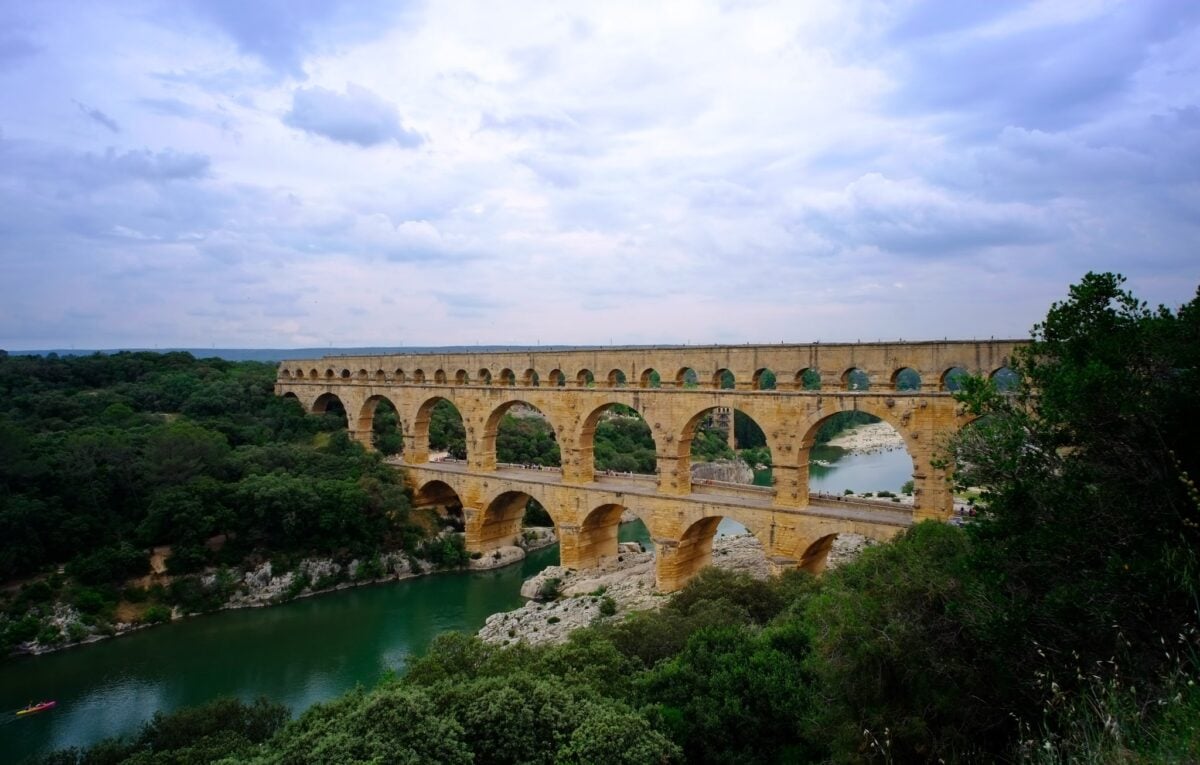
The Pont du Gard in southern France is a testament to Roman engineering genius. This three-level aqueduct bridge, built around 19 BC, stands nearly 160 feet tall and stretches 900 feet across the Gardon River—all without a drop of mortar.
The Romans used precisely cut limestone blocks weighing up to several tons each, stacking them so perfectly that friction and gravity alone hold them together. The bridge was part of a 31-mile aqueduct system that supplied the city of Nîmes with 9 million gallons of water daily, with an average gradient of less than one inch per 300 feet.
The Pont du Gard is the tallest Roman aqueduct bridge still standing and attracts over 1.4 million visitors annually.
Covered Bridges Were Built to Last Over 100 Years

New England’s iconic covered bridges weren’t covered for aesthetic reasons—the roofs were essential for preservation. An uncovered wooden bridge typically lasts only 20 years due to weather damage, but a covered bridge can survive for more than a century.
The Cornish-Windsor Bridge, spanning the Connecticut River between Vermont and New Hampshire, holds the record as the longest wooden covered bridge in the United States at 460 feet. Built in 1866, it’s still in use today. The United States once had about 14,000 covered bridges, but fewer than 1,000 remain.
These structures used various truss designs—Burr, Howe, Town, and Lattice—to distribute weight efficiently across their spans.
The Golden Gate Bridge’s Color Was an Accident

The Golden Gate Bridge’s distinctive International Orange color wasn’t part of the original plan. Architects initially proposed painting it gray or even black and yellow stripes (the Navy’s preference for visibility).
When steel arrived at the construction site coated in orange primer, consulting architect Irving Morrow realized the reddish hue looked stunning against the bay’s natural surroundings and fog. He successfully lobbied for the primer’s color to become permanent.
The bridge requires constant painting—not from end to end every year as myth suggests, but through continuous spot maintenance where corrosion is worst. Crews use between 5,000 and 10,000 gallons of paint annually to protect the steel from the salty air.
Pons Fabricius Has Survived Since 62 BC
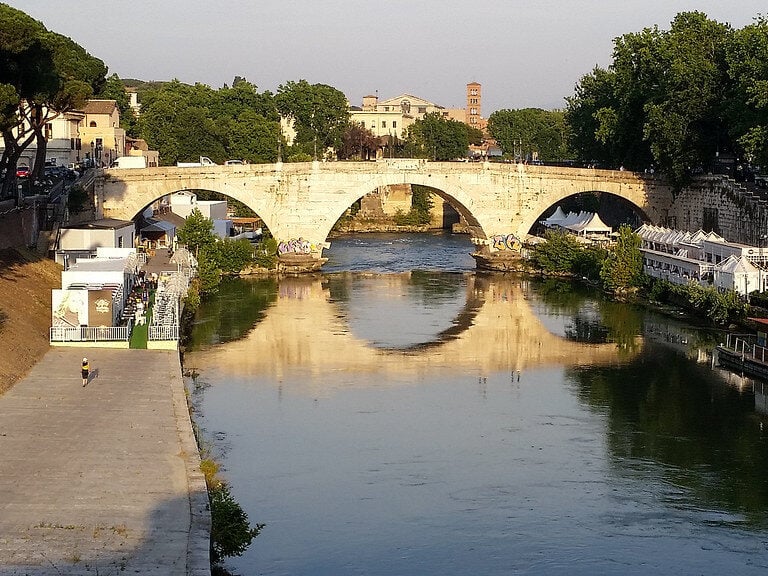
Rome’s Pons Fabricius has been carrying traffic across the Tiber River since 62 BC, making it the oldest bridge in Rome that’s still in its original state. The bridge connects the city to Tiber Island and has survived over 2,000 years of floods, wars, and constant use.
Built with flood openings in its piers to allow water to pass through during high water, the Pons Fabricius demonstrates Roman engineers’ understanding of hydraulic forces. The structure measures 203 feet long and is supported by two wide arches with a central pillar in the riverbed.
It remains a pedestrian crossing today, essentially unchanged except for a four-headed monument added during a 16th-century restoration.
Some Bridges Open Upside Down

New Hampshire’s Sulphite Bridge, also known as the Upside Down Covered Bridge, is the only remaining deck-truss covered railroad bridge in the United States. Built in 1896 to carry the Boston and Maine Railroad across the Winnipesaukee River, this unusual structure has the railroad track running over the top of the covered structure rather than through its center like traditional covered bridges.
The bridge got its nickname from the large amounts of sulfur transported over the rail lines for nearby pulp and paper mills. This inverted design was necessary to accommodate the railroad’s clearance requirements while still providing the protective covering that extends the bridge’s lifespan.
A Bus Once Jumped Tower Bridge
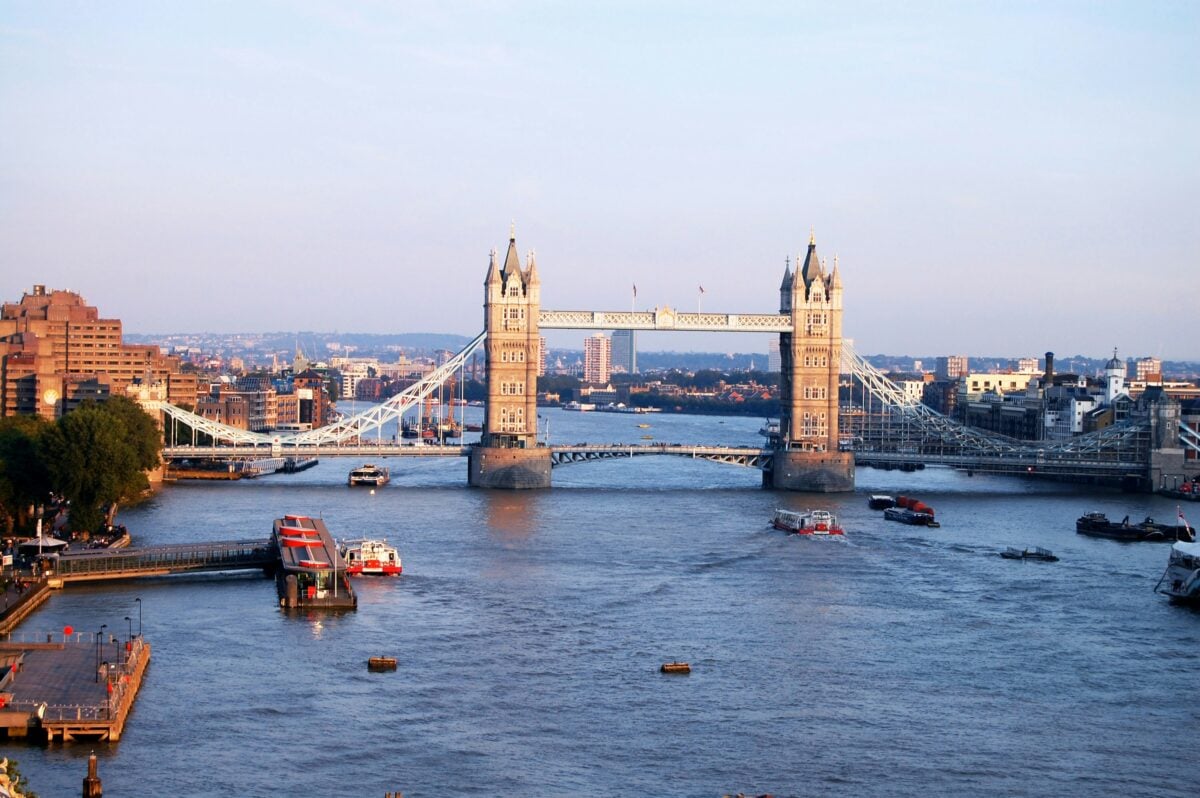
In 1952, London bus driver Albert Gunter became an unlikely hero when he gunned his engine and jumped a growing gap in Tower Bridge. Gunter was driving the number 78 bus across the bridge when the bascules began to rise without warning—the watchman had failed to ring the warning bell.
Rather than brake and risk sliding backwards, Gunter accelerated and cleared the six-foot gap onto the north bascule, which hadn’t yet started rising. The conductor broke his leg and twelve of the twenty passengers received minor injuries, but everyone survived.
Gunter received a £10 bonus for his quick thinking, equivalent to about $247 today.
The Caravan Bridge Is the Oldest Datable Bridge Still Used
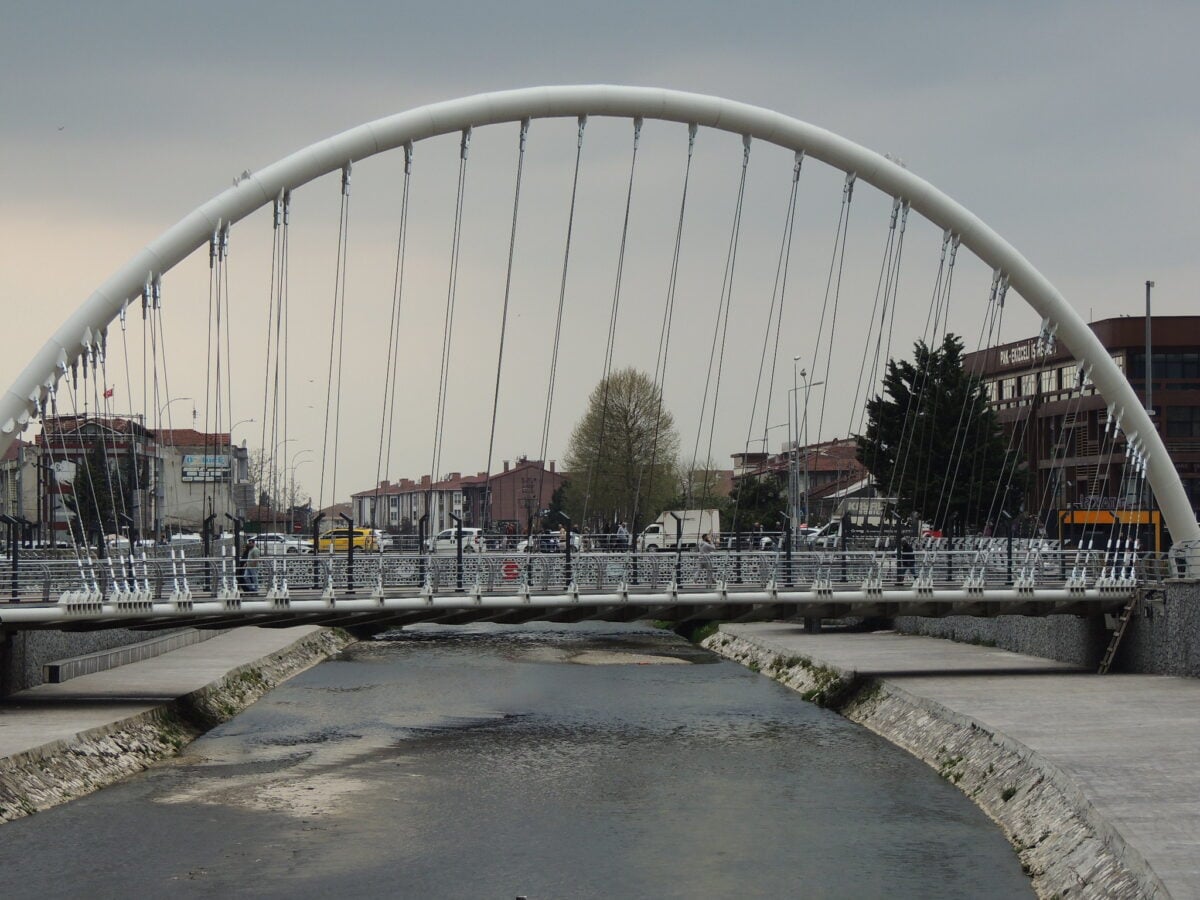
According to Guinness World Records, the Caravan Bridge over the Meles River in Izmir, Turkey, is the oldest datable bridge in the world still in use. Built around 850 BC, this simple slab-stone single-arch bridge has been functioning for nearly 3,000 years.
The bridge once served as a checked entry point into the city of Izmir. The Meles River itself is famous in ancient history as the legendary birthplace of Homer, and the bridge features prominently in some of the ancient poet’s works.
While older remnants of Mycenaean bridges exist, the Caravan Bridge holds the record for continuous use.
Bridge Painters Work Year-Round in Dangerous Conditions

The Golden Gate Bridge employs a dedicated team of about 28 painters who work continuously to maintain the bridge’s iconic appearance. The job requires workers to brave high winds, fog, and dizzying heights while suspended in scaffolding up to 746 feet above the water.
The painting process involves three steps: sandblasting to remove old paint and rust, repairing and applying primer, and finally painting on the International Orange topcoat with extra layers on edges and bolts. All work happens inside 70-foot-by-70-foot containment platforms to prevent pollution.
The salty air and fog create a perfect environment for corrosion, meaning the maintenance work never truly ends.
Ancient Engineers Calculated for Earth’s Curvature

When Chinese engineers designed the Danyang-Kunshan Grand Bridge, they faced a challenge most people never consider: Earth’s curvature. Over a distance of 102 miles, the planet’s curve becomes significant enough that ignoring it would result in structural failure.
Engineers used geodetic surveys and Earth radius calculations to adjust the bridge’s alignment, ensuring it remained level and stable despite the subtle arc of the planet beneath it. This wasn’t a simple adjustment—over 150 river channels intersect the bridge’s path, and each pier placement had to account for both the terrain and the underlying curvature while minimizing environmental impact on aquatic ecosystems.
Engineering Marvels Connected to Human Stories
Bridges represent more than steel, stone, and engineering calculations—they’re monuments to human determination. The Millau Viaduct transformed a region plagued by traffic congestion into a streamlined corridor between northern Europe and the Mediterranean.
The Brooklyn Bridge connected two massive population centers and changed the trajectory of New York City forever. Living root bridges in Meghalaya demonstrate that sustainable infrastructure can work in harmony with nature rather than against it.
Each bridge, whether ancient or modern, tells a story of people who looked at an obstacle and decided to overcome it, creating lasting connections that benefit generations to come.
More from Go2Tutors!

- The Romanov Crown Jewels and Their Tragic Fate
- 13 Historical Mysteries That Science Still Can’t Solve
- Famous Hoaxes That Fooled the World for Years
- 15 Child Stars with Tragic Adult Lives
- 16 Famous Jewelry Pieces in History
Like Go2Tutors’s content? Follow us on MSN.