15 Places That Are Technically Deserts—But Don’t Look Like It at All
When most of us think of deserts, we imagine endless sand dunes, scorching temperatures, and perhaps a lonely cactus or two. However, the technical definition of a desert has nothing to do with sand or heat—it’s simply an area that receives less than 10 inches of precipitation annually. This classification leads to some surprising places falling into the desert category.
Here is a list of 15 places that are technically classified as deserts, even though they might completely contradict your mental image of what a desert should look like.
The Polar Plateaus of Antarctica
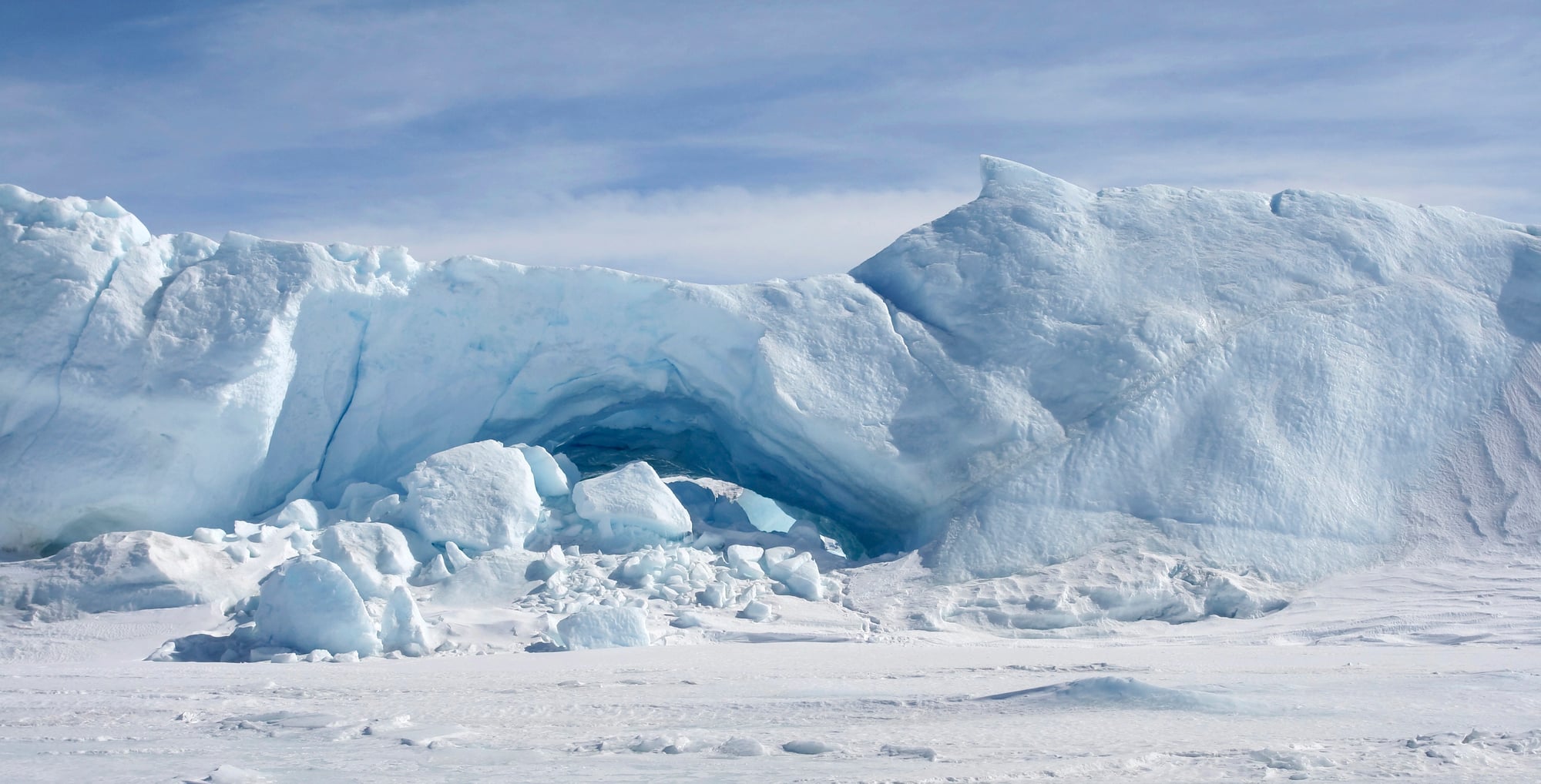
Despite being covered in ice and snow, Antarctica is the world’s largest desert. With annual precipitation equivalent to less than 2 inches of rain in most areas, this frigid continent easily qualifies.
The moisture is simply locked away as ice rather than cycling through the ecosystem, creating an environment that’s paradoxically both frozen and parched.
The Arctic Tundra
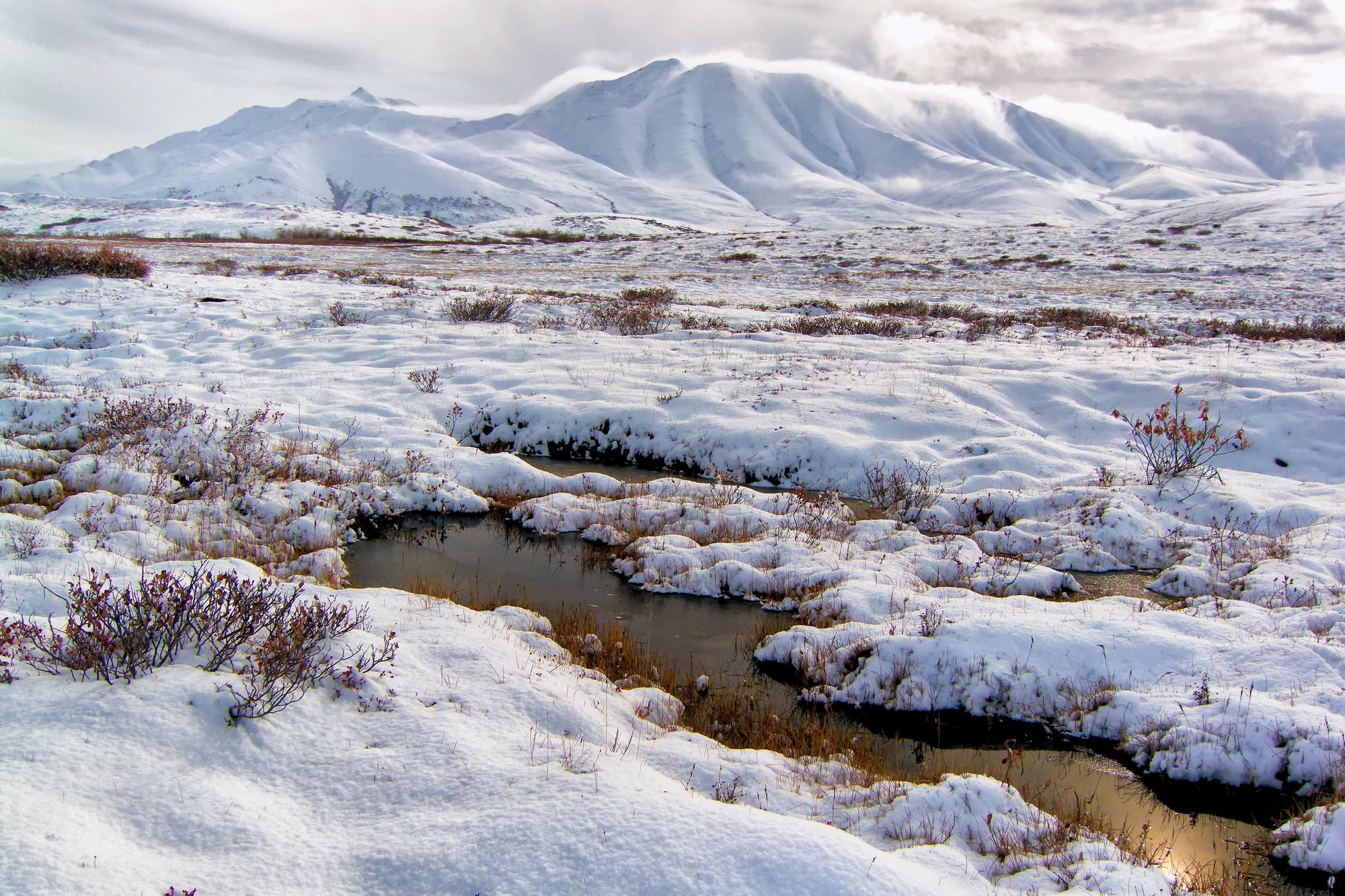
The northernmost parts of North America, Europe, and Asia qualify as polar deserts despite being cold rather than hot. In these regions, precipitation is minimal, and the ground remains frozen for much of the year.
The low temperatures actually reduce the air’s ability to hold moisture, creating desert-like conditions in what appears to be a snow-covered landscape.
Like Go2Tutors’s content? Follow us on MSN.
Oregon’s High Desert
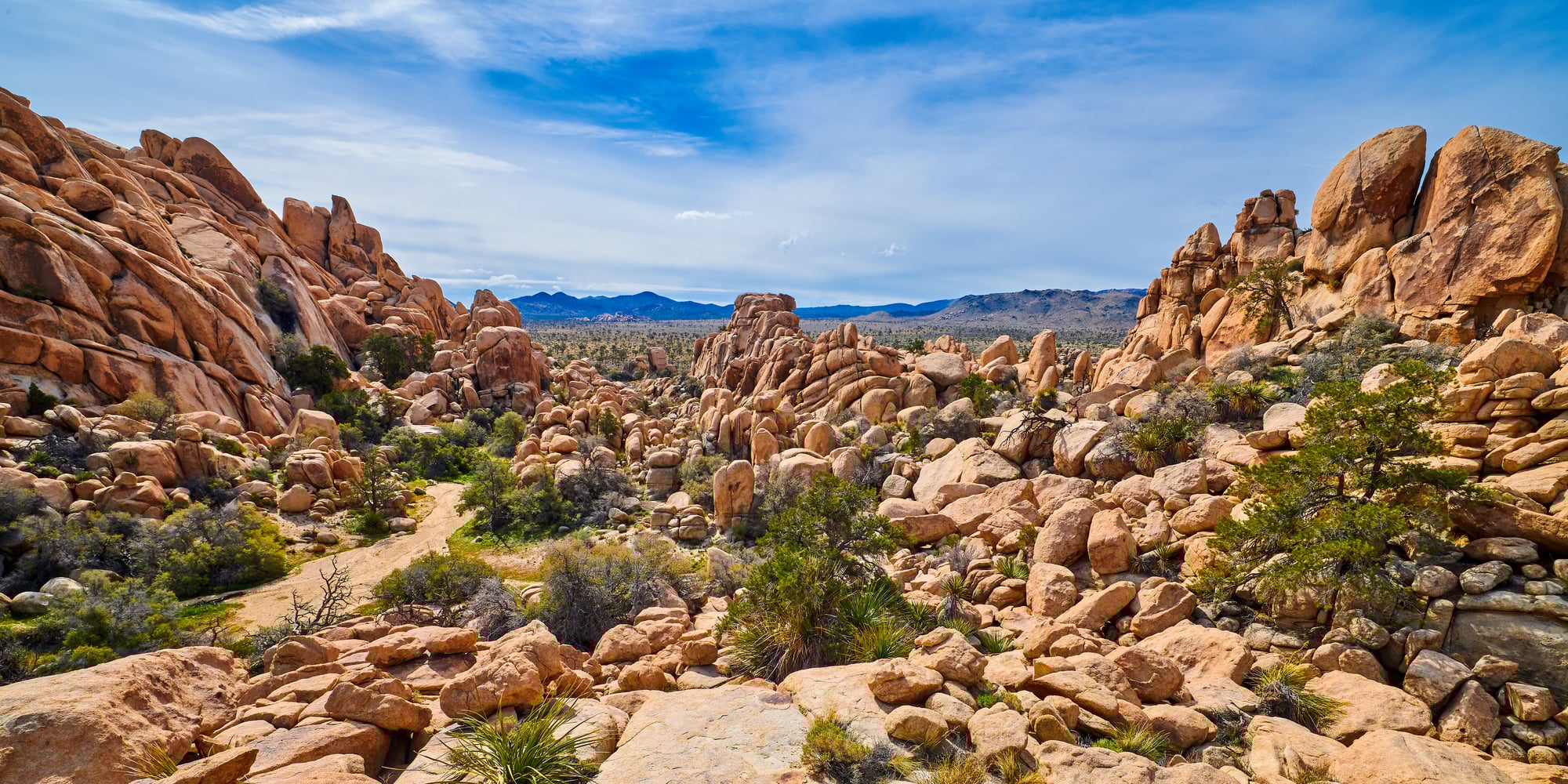
East of the Cascade Mountain Range, Oregon’s High Desert has less than 10 inches of rainfall annually. Juniper flats and sagebrush forests, and even snow in the winter, rather than sand dunes, are what you will see.
Volcanic soil and extreme temperature fluctuations have led to an environment more like mountain country than desert.
The Atacama Desert’s Flowering Desert Phenomenon
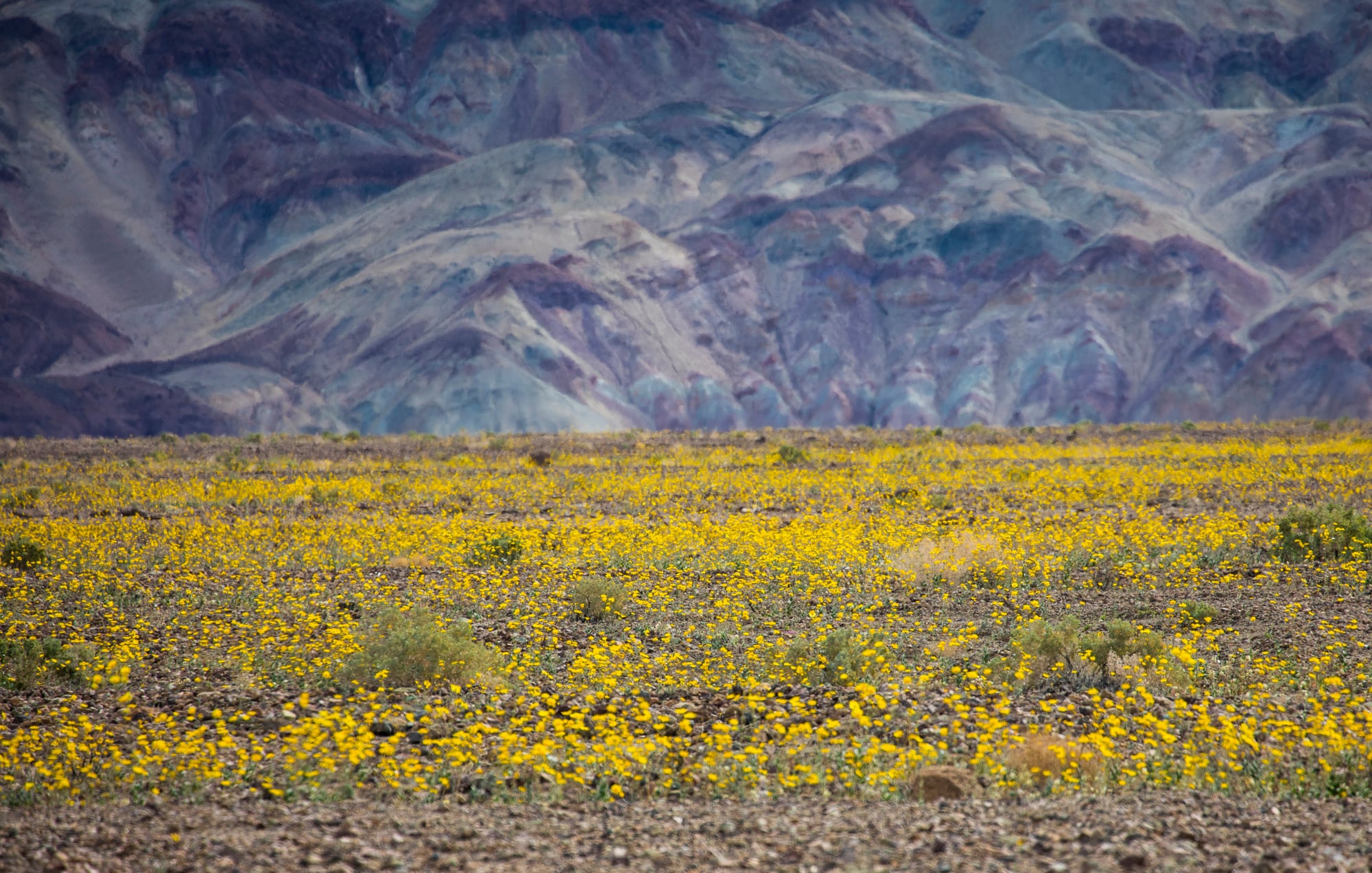
Chile’s Atacama Desert is the driest place on Earth, yet it’s blanketed in a stunning carpet of wildflowers after rare rain showers. This ‘desierto florido’ occurs every 5-7 years when buried seeds burst into bloom, creating a surreal landscape of purple, white, and yellow flowers blanketing the normally desolate terrain.
The Hoh Rainforest in Olympic National Park
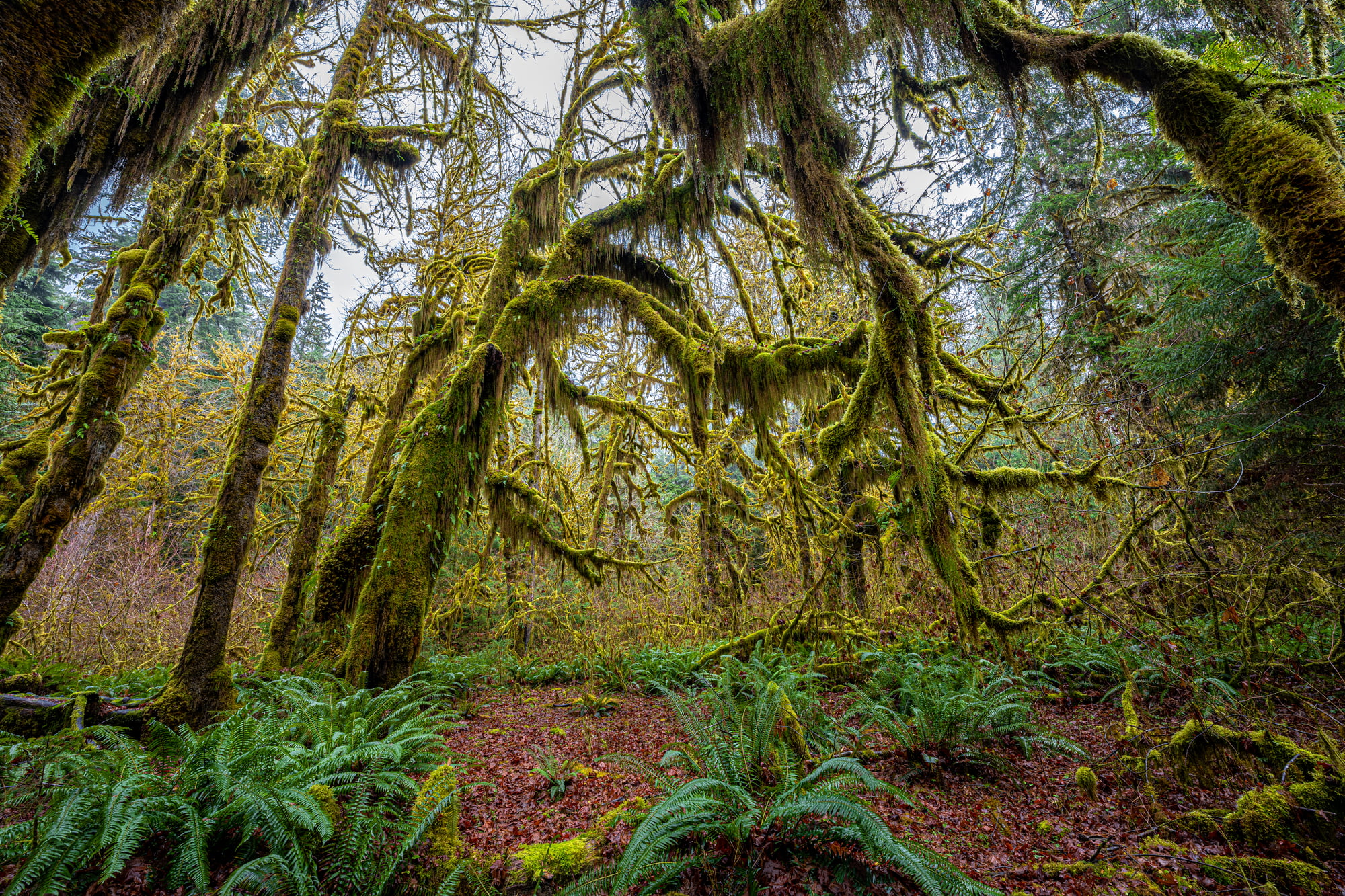
This is probably the most surprising entry on our list. In some areas, parts of Washington State’s famous rainforest are a ‘rain shadow desert’.
While most of the area is beset by prodigious amounts of rainfall, there are some pockets that receive less than 10 inches annually due to the effects of mountain rain shadow, and these produce mini desert environments within the lush setting.
Like Go2Tutors’s content? Follow us on MSN.
The Great Basin Desert
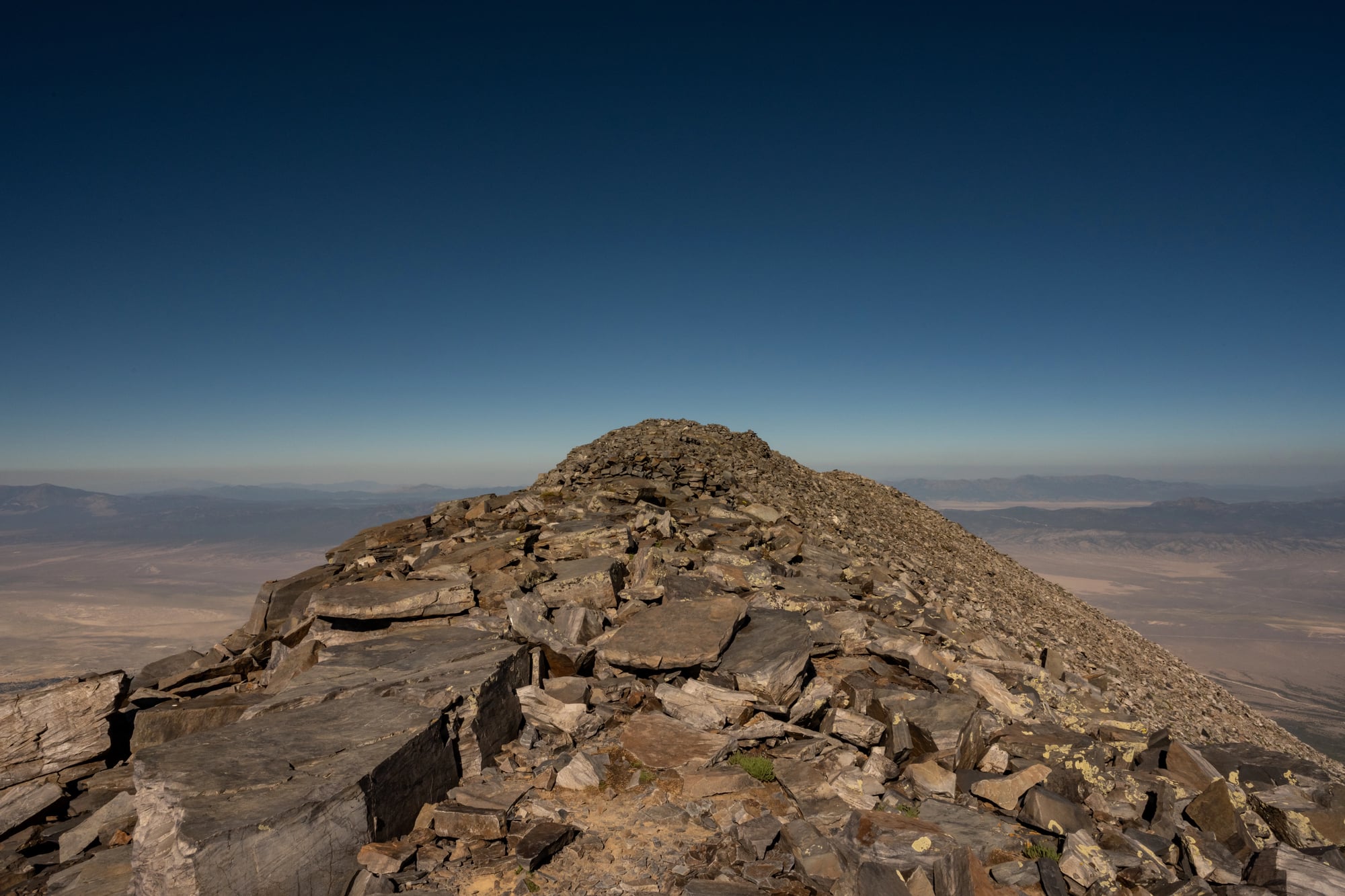
Spanning Nevada, Utah, and parts of surrounding states, the Great Basin Desert features forests of pine and juniper at higher elevations rather than the expected sand. Mountain ranges, valleys, and even seasonal lakes characterize this cold winter desert where you might encounter snow before you’d ever see a stereotypical sand dune.
The Gobi Desert’s Green Edges
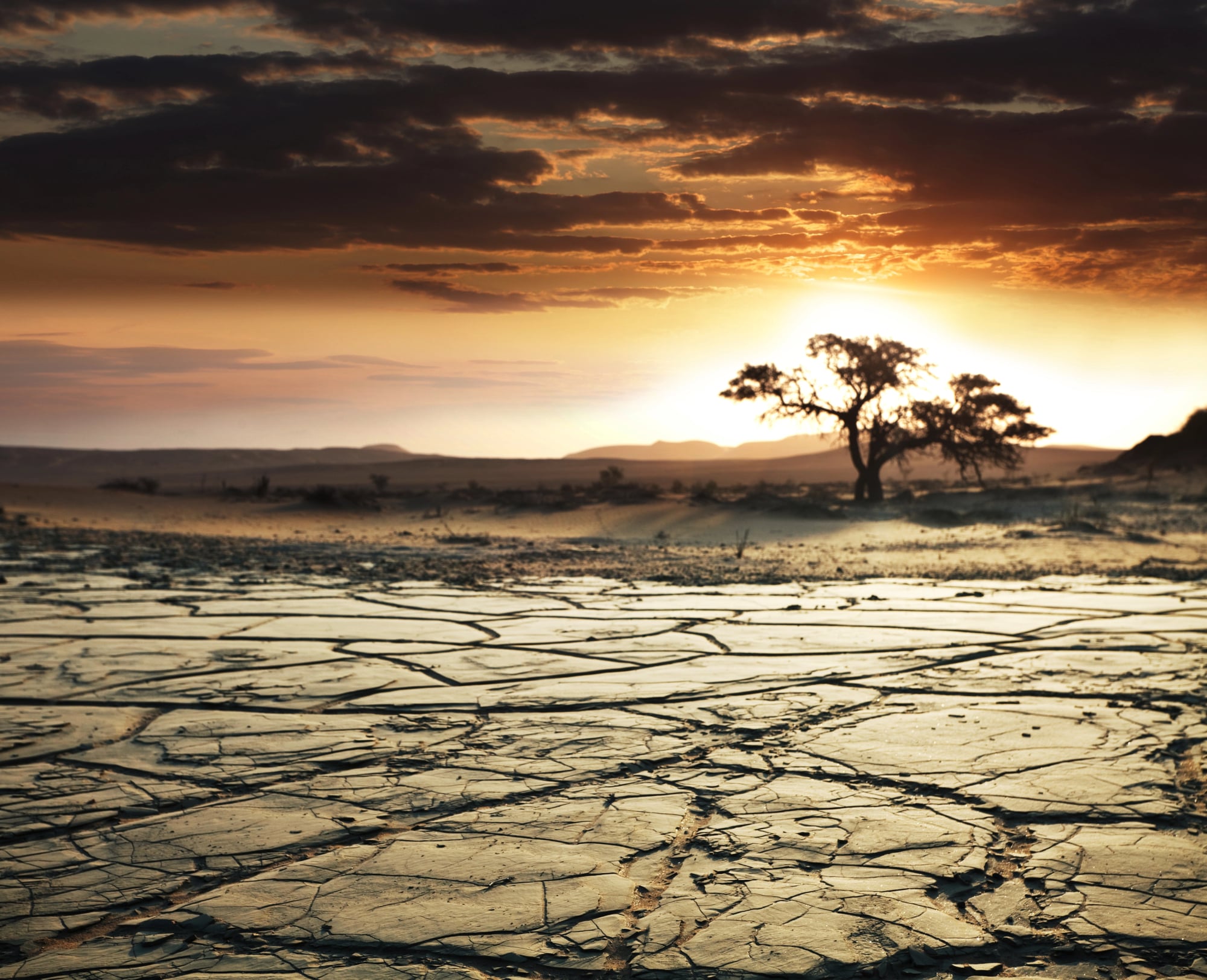
While parts of the Gobi Desert in Asia match our mental image of deserts, its northern regions transition into grasslands and even forests. These boundary areas still qualify as desert due to their minimal rainfall but appear as verdant steppe landscapes where nomadic herders have raised livestock for centuries.
Patagonian Desert
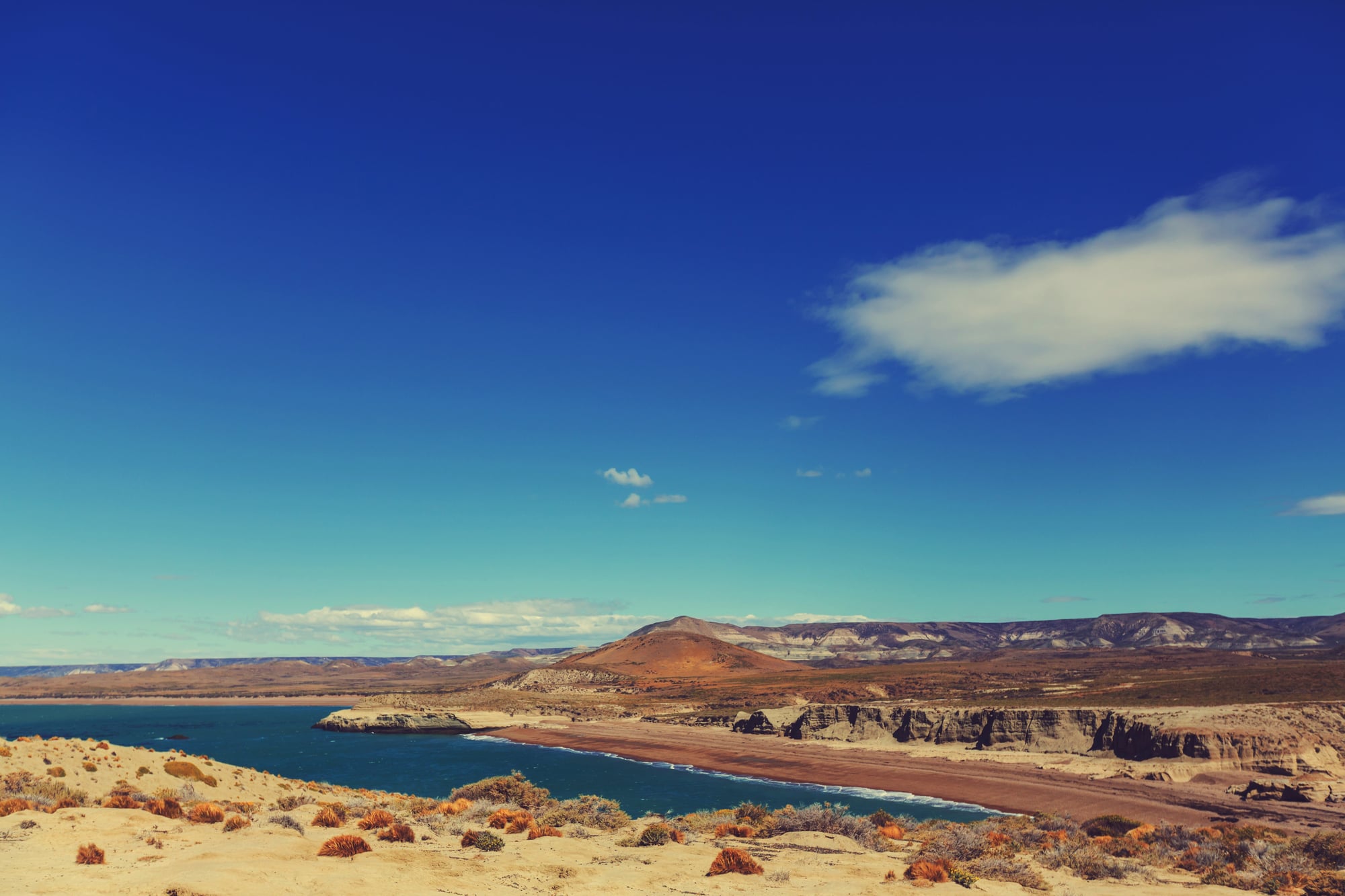
The windswept plains of Argentina’s Patagonia region constitute the largest desert in the Americas after Antarctica. Instead of sand, you’ll find gravel plains, grasslands, and dramatic mountain backdrops.
The strong winds and cool temperatures create an environment that feels more like tundra than what most people associate with desert landscapes.
Like Go2Tutors’s content? Follow us on MSN.
The Negev Desert’s Agricultural Zones
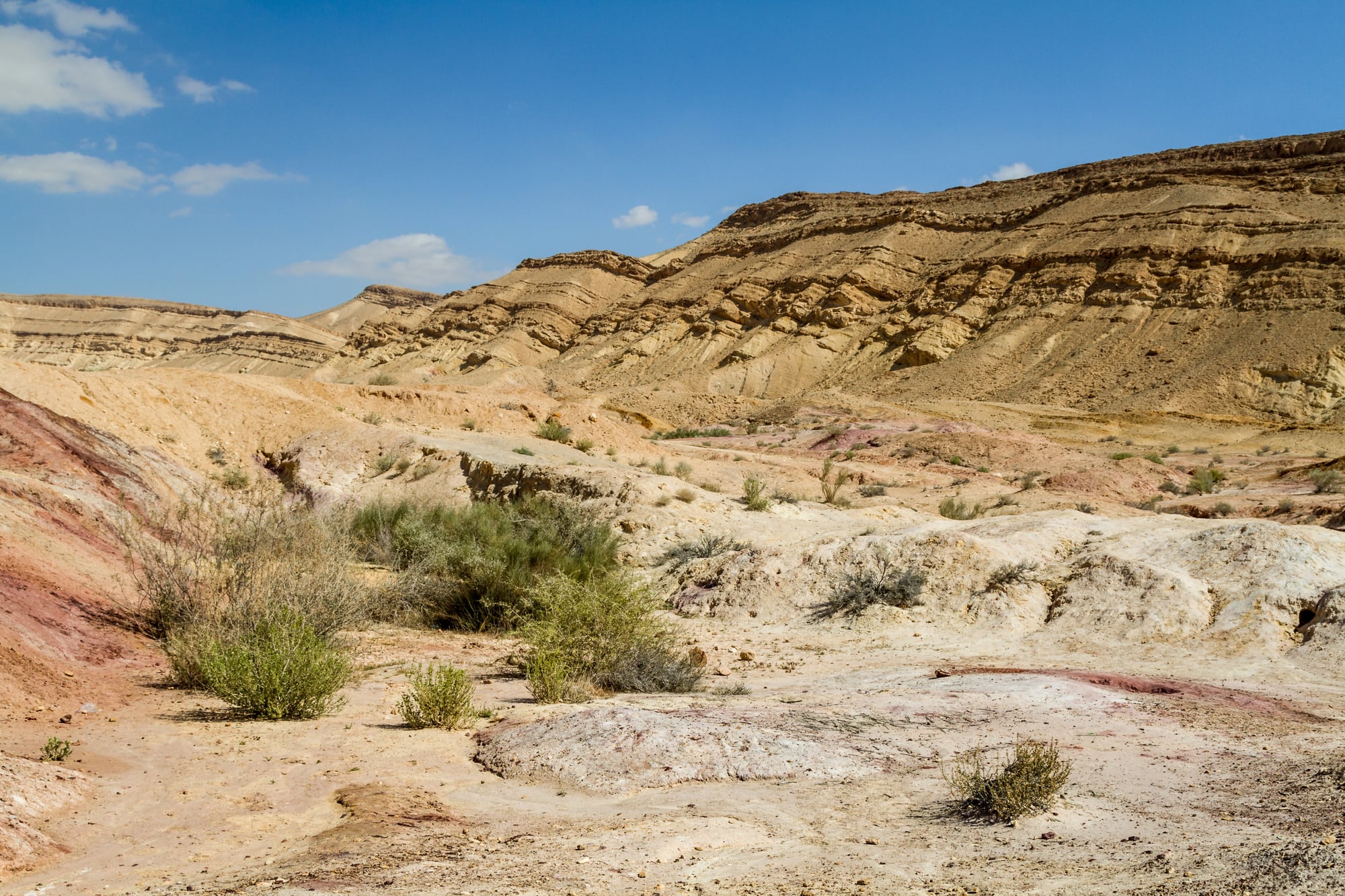
Israel’s Negev Desert has been transformed through innovative irrigation techniques into productive agricultural land. These green patches remain technically desert by precipitation standards, but through water conservation technology and careful planning, they’ve become thriving areas for crops and settlements—a true desert in disguise.
The Namib Desert’s Fog Belt
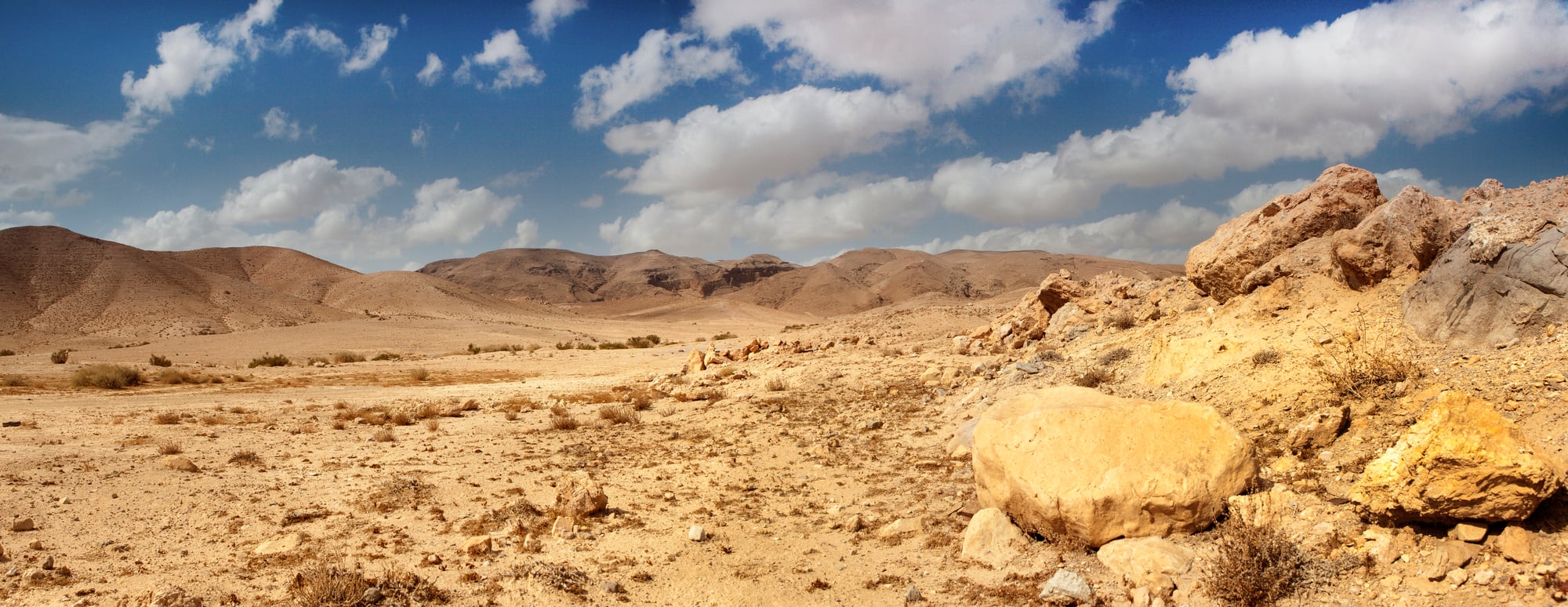
Along the coast of Namibia, the cold Benguela Current creates a unique ecosystem where fog provides the primary moisture source. This coastal strip of the Namib Desert supports remarkable plants like the Welwitschia, which can live for thousands of years by collecting fog moisture through its leaves, creating a surprisingly vibrant ecosystem in what’s officially one of the world’s oldest deserts.
Hawaii’s Desert Zones
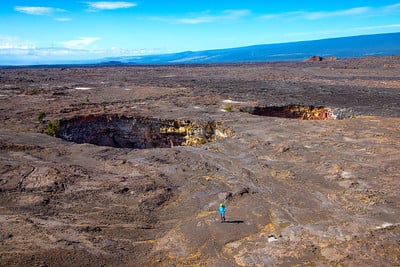
Parts of the Big Island of Hawaii receive less than 10 inches of rainfall annually despite being surrounded by tropical landscapes. These leeward sides of the volcanic mountains create rain shadow deserts where you’ll find dry grasslands and sparse vegetation just miles away from lush rainforests, showcasing how dramatically landscapes can change in small geographical areas.
Like Go2Tutors’s content? Follow us on MSN.
The Great Sandy Desert’s Seasonal Wetlands
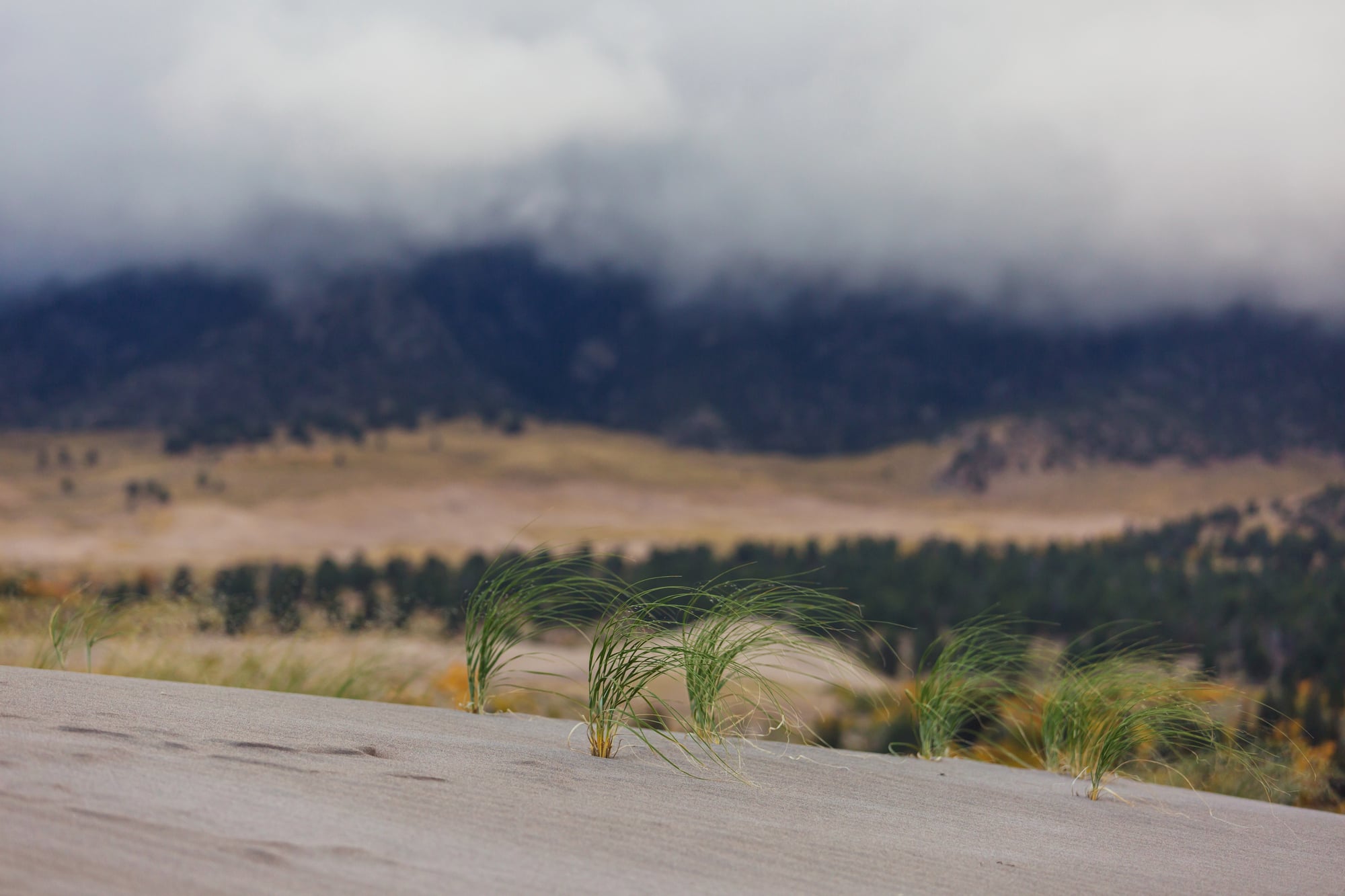
Australia’s Great Sandy Desert transforms after rare heavy rains, with temporary lakes and wetlands appearing across the landscape. These ephemeral water features attract migratory birds and cause dormant plant life to explode into greenery.
When the water recedes, these oases disappear, returning to their desert state until the next unusual rainfall event.
The Sonoran Desert’s Forests
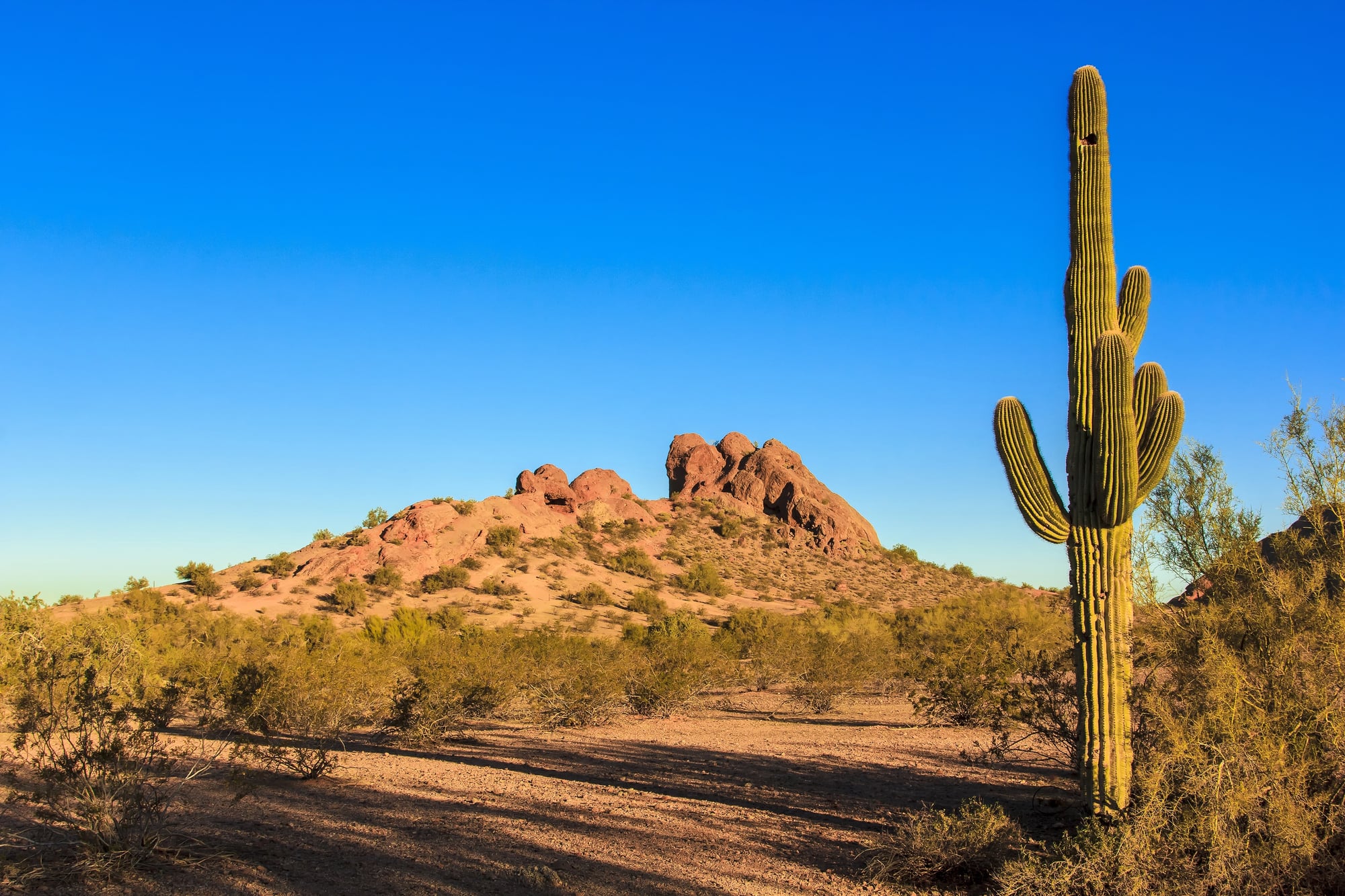
Home to the iconic saguaro cactus, Arizona’s Sonoran Desert doesn’t match the barren image many have of deserts. It boasts the greatest plant diversity of any desert in the world, creating areas that appear more like woodlands than deserts.
The iconic saguaro forests can be so dense that they create unique microclimates beneath their canopy.
The Tabernas Desert of Spain
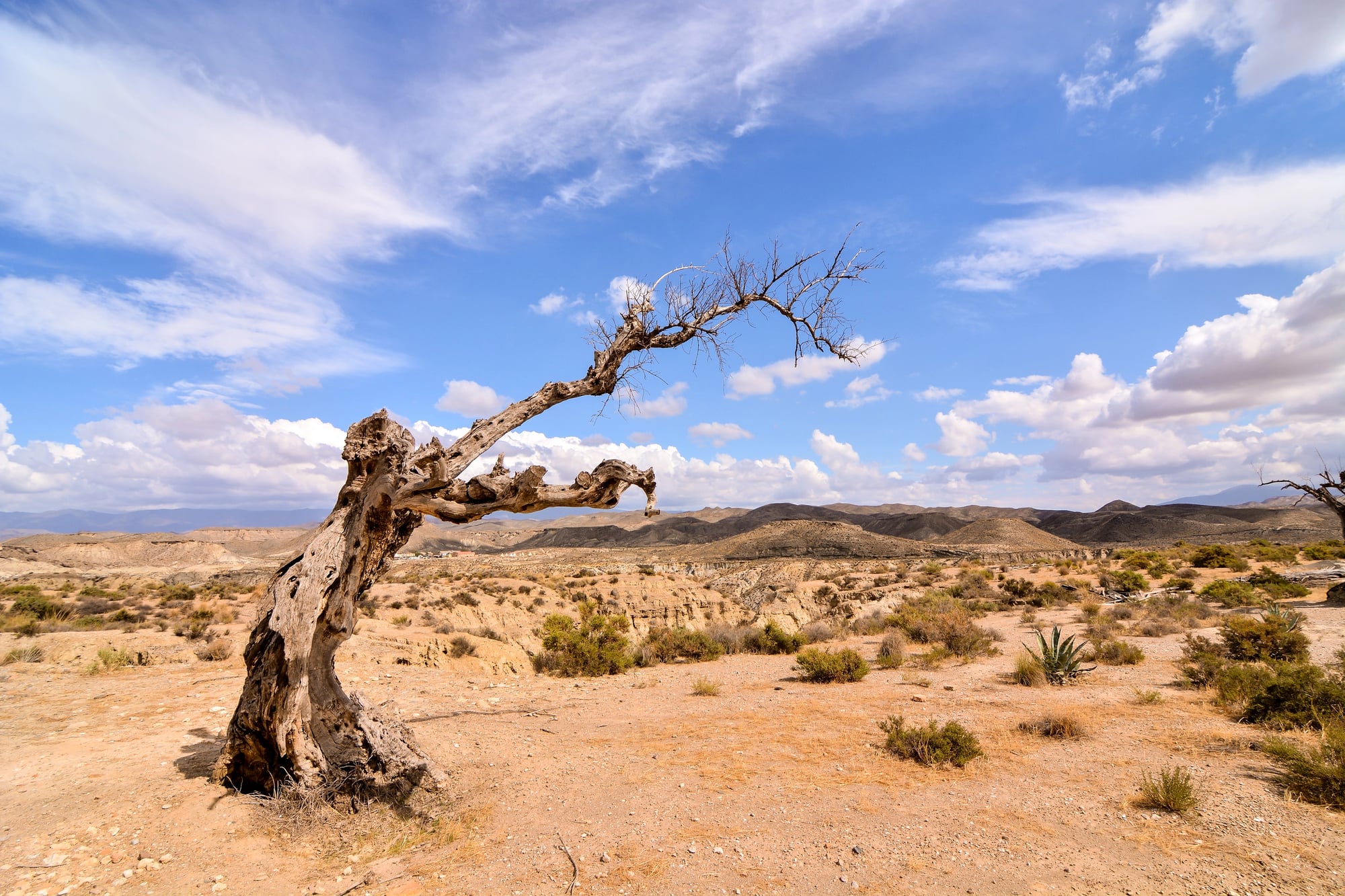
As Europe’s only true desert, the Tabernas in southeastern Spain looks more like badlands than sand dunes. Its clay soil and eroded gullies create a landscape that was famous as the filming location for countless Western movies.
Despite its dusty appearance, the region experiences occasional torrential downpours that carve its distinctive terrain.
Like Go2Tutors’s content? Follow us on MSN.
The Eurasian Steppe
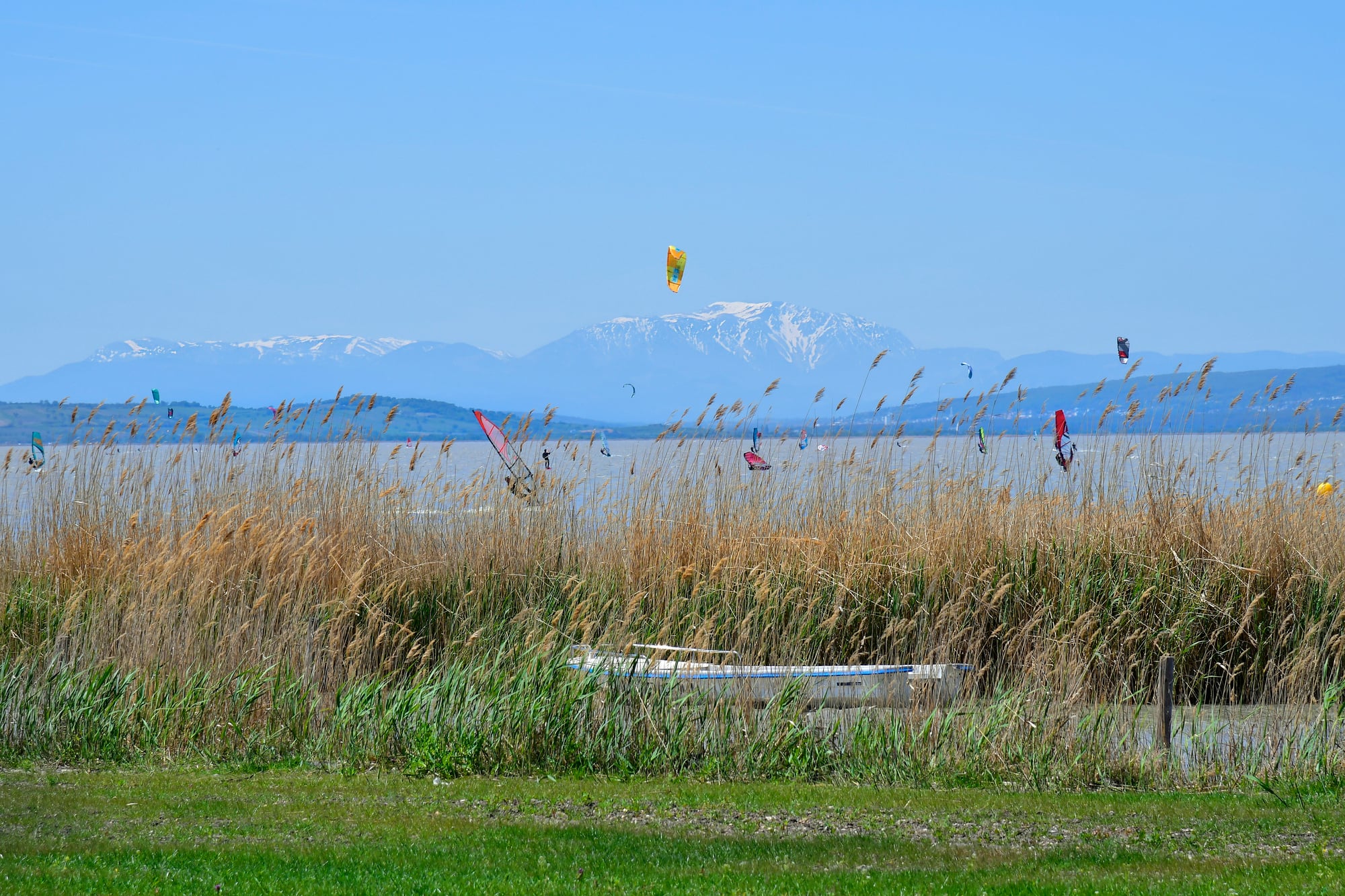
Stretching from Eastern Europe to Mongolia, parts of the vast Eurasian steppe qualify as desert due to their limited rainfall. These grasslands support nomadic cultures and diverse wildlife despite their technical desert status.
The endless plains of grass look nothing like the sandy expanses most people imagine when they think of deserts.
Redefining Our Understanding
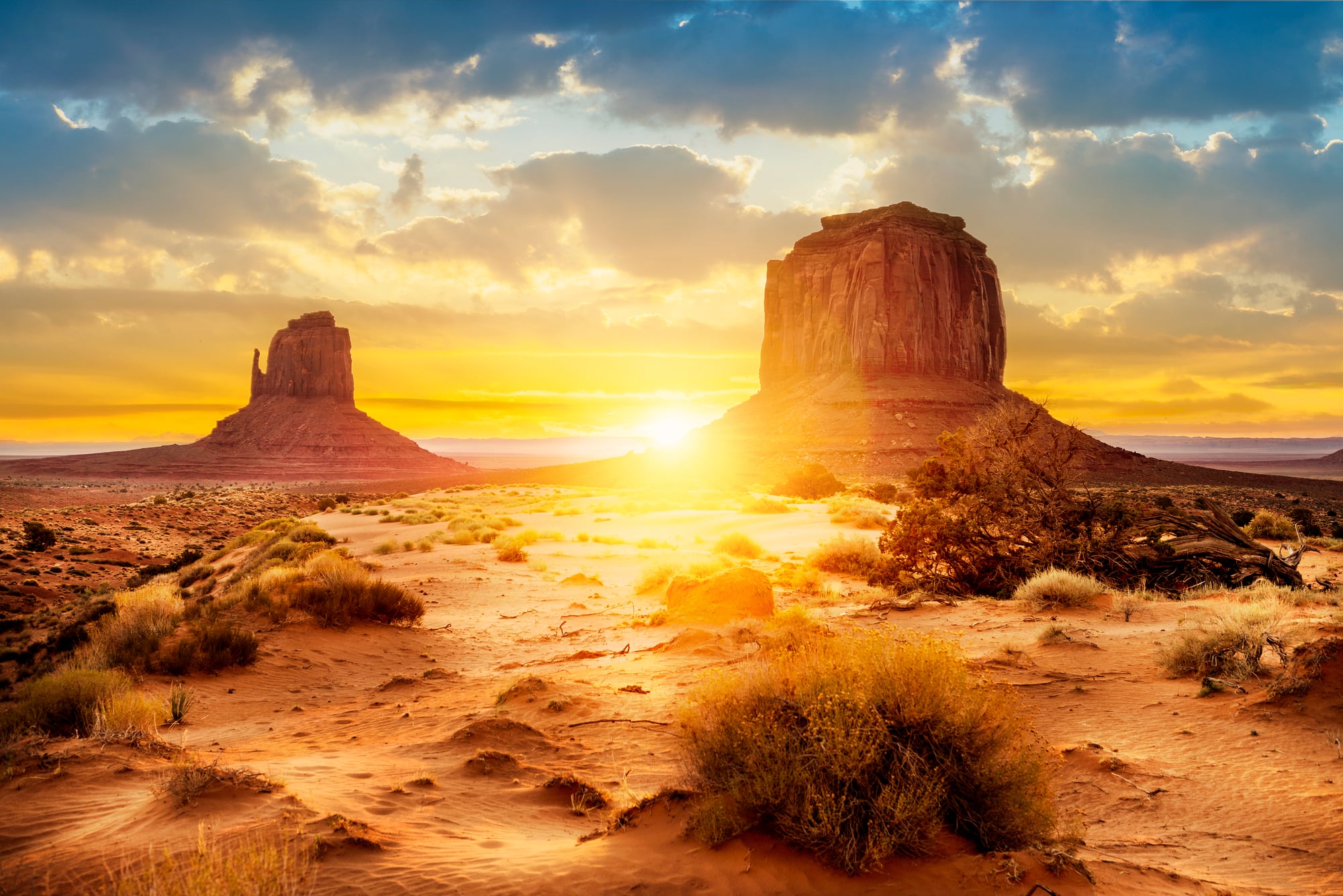
Our planet’s deserts are astonishingly diverse—frozen, forested, flowering, and fog-covered. These fifteen examples demonstrate how nature defies our simplistic categorizations, creating complex ecosystems that remarkably adapt to extreme conditions.
The technical definition of a desert reveals a much richer and more diverse collection of environments than just the sand dunes of popular imagination.
More from Go2Tutors!

- 20 Historical Artifacts That Scientists Can’t Explain
- 20 Little-Known Historical Battles That Had Huge Consequences
- 20 Weapons from the Past That Were Deemed Too Barbaric for War
- 20 Abandoned Military Bases and the Stories Behind Them
- 20 Discontinued Snacks from the 70s and 80s That We Still Miss
Like Go2Tutors’s content? Follow us on MSN.