History of Classic Handbag Shapes
Handbags weren’t always handbags. For most of history, people either wore pockets tied under their clothes or stuffed things into whatever bag they had lying around.
The idea of carrying a bag specifically designed to be fashionable while also functional is surprisingly recent. And once designers figured out that bags could be both beautiful and useful, they went wild creating shapes that have stuck around for decades or even centuries.
Here’s a quick look at how the classic shapes we still carry today came to be.
The Reticule

When women’s fashion shifted toward slim, high-waisted empire dresses in the late 1700s and early 1800s, pockets basically disappeared. The fabric was too thin and clingy to hide bulky tie-on pockets underneath.
Someone needed to invent a solution, and fast. Enter the reticule, a small drawstring bag that women carried by a cord or ribbon.
The French called them “ridicules” at first, which tells you what people thought of them initially. Men mocked women for needing to carry their belongings outside their clothing.
The bags were tiny, barely big enough for a handkerchief, some coins, and maybe a calling card. Reticules were made from silk, velvet, or beaded fabric, often elaborately decorated with embroidery or metallic thread.
By the 1820s, they’d become essential accessories. The shape was simple – usually rounded or oval at the bottom, gathered at the top with a drawstring closure.
Nothing fancy about the construction, but the decoration made them status symbols.
The Carpet Bag

Victorian travelers needed something sturdier than a dainty reticule when they hit the road. Carpet bags appeared in the 1840s and 1850s, made from – you guessed it – the same heavy fabric used for carpets and upholstery.
These weren’t delicate fashion pieces. They were practical, durable travel bags with a distinctive rounded rectangular shape and two handles.
The patterned tapestry fabric came in bold florals and geometric designs. Frames were usually made of wood or metal, with a clasp closure at the top.
Charles Dickens mentioned carpet bags in his writing. Mary Poppins carried one in the books and later the film, cementing the carpet bag’s place in cultural memory.
During the American Civil War, Northern politicians and businessmen who traveled south during Reconstruction carried carpet bags, which gave rise to the term “carpetbagger.” The negative connotation stuck, but the bags remained popular well into the early 1900s.
The Chatelaine Bag
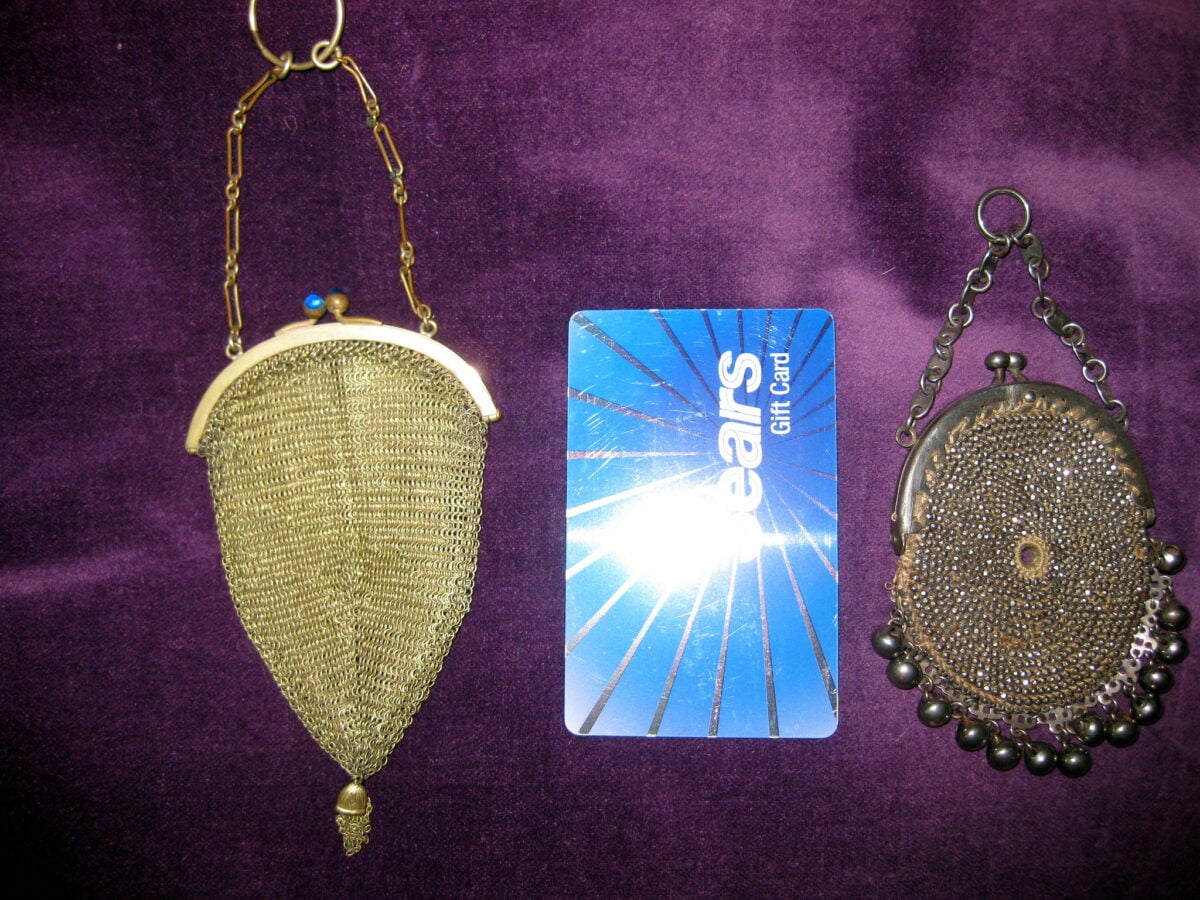
Before shoulder bags became normal, women wore chatelaines – decorative waist clips with chains holding small tools and accessories. Keys, scissors, thimbles, watches, and yes, small bags all dangled from these elaborate belt attachments.
Chatelaine bags from the Victorian era were typically made of mesh metal, beaded fabric, or leather. Silver and gold mesh versions were particularly popular from the 1890s through the 1920s.
The bags hung from ornate frames with chain handles short enough to dangle at hip level. These weren’t meant for carrying much.
A few coins, a love note, maybe some smelling salts. The chatelaine bag was more about ornamentation than utility, though it did keep your hands free while keeping essentials within reach.
The Frame Bag
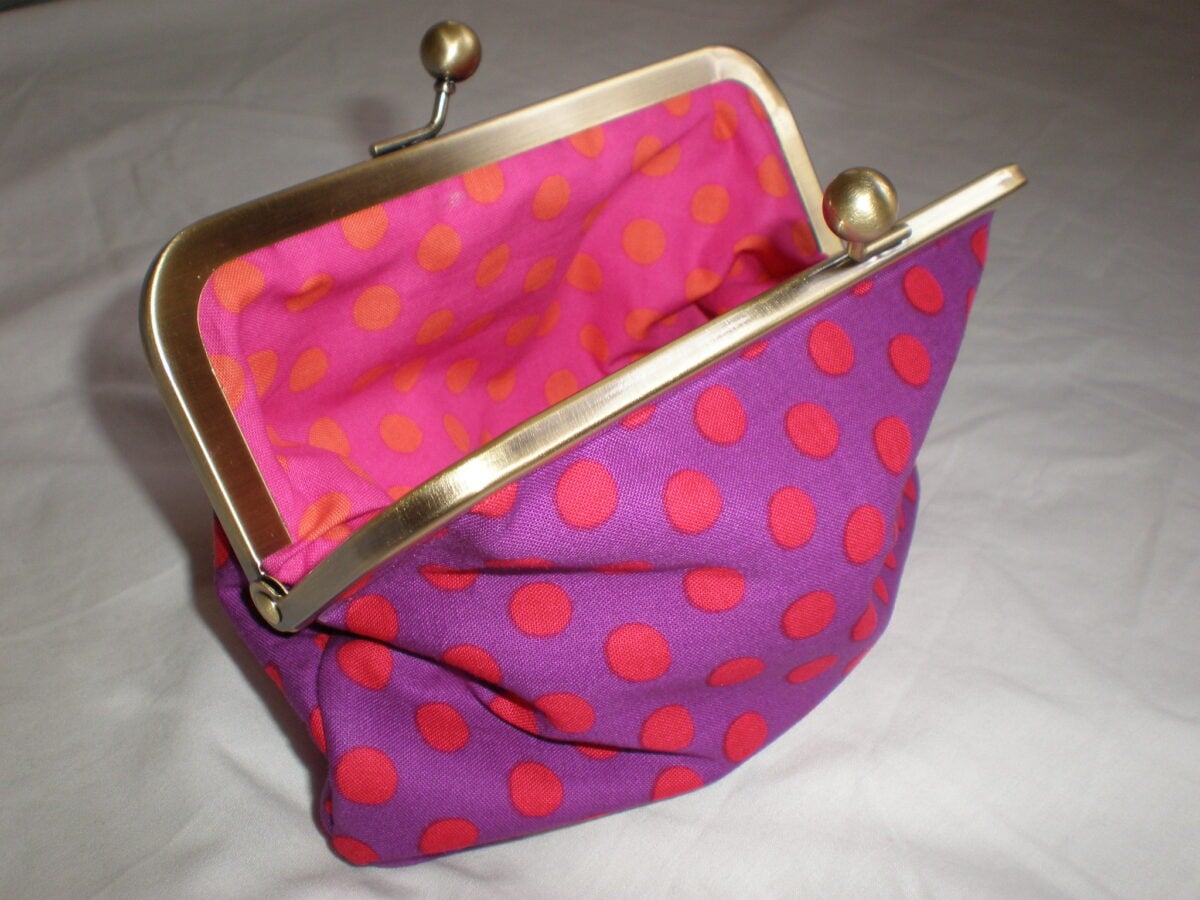
Metal frame bags with a clasp closure at the top became standard in the late 1800s and remained popular through the 1950s. The frame gave structure to an otherwise soft fabric or leather body.
You pressed a button or lever, and the frame would snap open with a satisfying click. Doctors’ bags are probably the most recognizable type of frame bag.
The wide mouth opening made it easy to see and access the contents. Gladstone bags, named after British Prime Minister William Gladstone, used this same frame construction but in a larger travel size.
Women’s frame handbags came in every size from tiny evening purses to substantial daytime bags. The frame was often the most decorative element – ornate metalwork, jeweled closures, carved designs.
Bakelite and celluloid frames became popular in the 1920s and 1930s, offering colorful alternatives to metal.
The Clutch

Flappers in the 1920s wanted bags that matched their streamlined, modern aesthetic. Enter the clutch – a simple envelope-shaped bag with no handles or straps.
You clutched it in your hand or tucked it under your arm, hence the name. Early clutches were flat and rectangular, often made from luxurious materials like silk, satin, or fine leather.
Some had small wrist straps, but true clutches had nothing. Art Deco designs dominated, with geometric patterns and bold embellishments.
The clutch’s simplicity made it perfect for evening wear. Women going to jazz clubs or cocktail parties didn’t need to haul around much anyway.
A compact, lipstick, case, and some cash fit perfectly in a slim clutch. By the 1930s, clutches had become essential for any dressy occasion, and they’ve never really gone out of style.
The Envelope Bag
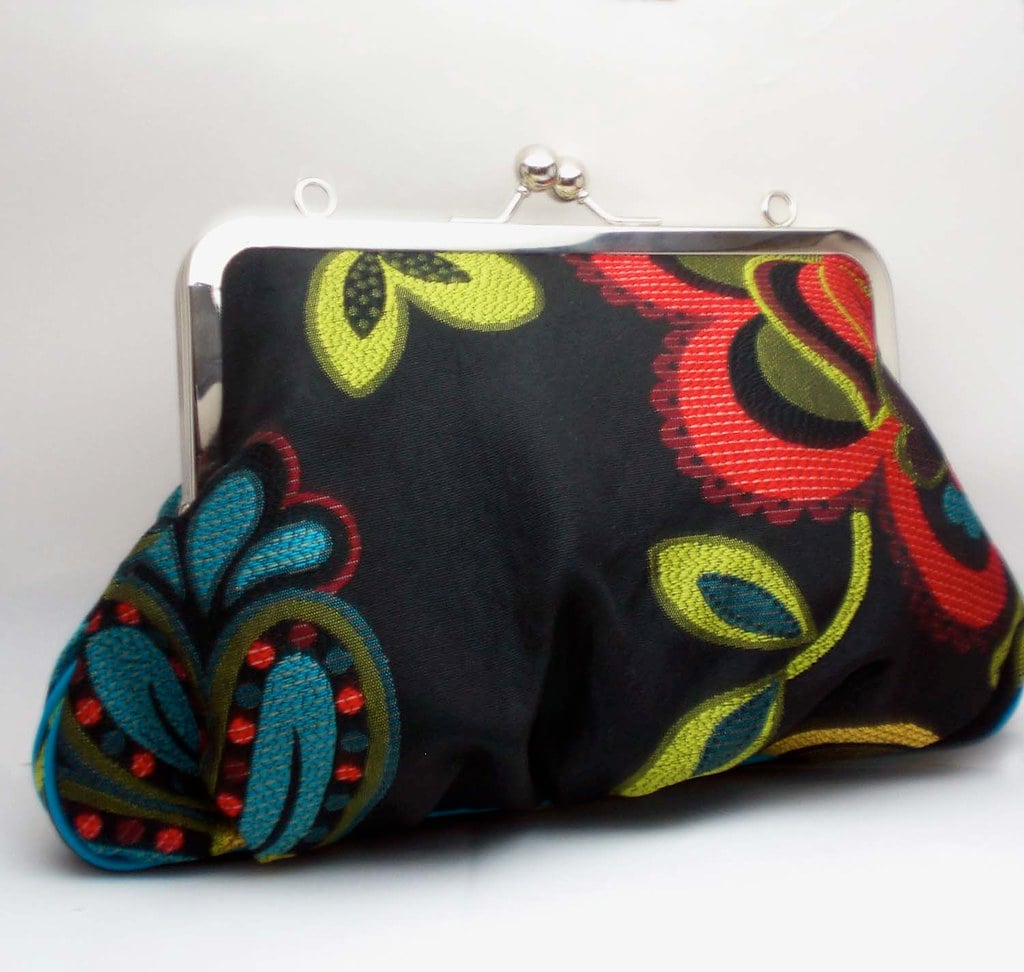
Similar to the clutch but with a distinctive triangular flap closure, envelope bags emerged in the 1940s and 1950s. The flap folded over like an envelope – not terribly complicated to figure out where the name came from.
What set envelope bags apart was the geometry. That angled flap created clean lines that looked polished and professional.
Some versions included a short handle or removable strap, making them more versatile than clutches. Envelope bags worked for both day and evening. Leather versions went to the office, while satin or beaded ones attended parties.
The shape has been revived countless times by designers who appreciate the elegant simplicity.
The Saddle Bag

Borrowed directly from equestrian gear, saddle bags crossed over into women’s fashion in the 1960s and 1970s. The shape is asymmetrical – rounded on one side with a flap closure that curves over the top.
Original saddle bags for horses came in pairs that draped over the animal’s back, but fashion versions were single bags worn across the body. Gucci introduced a bamboo-handled version in the 1950s.
Dior brought out their own saddle bag in 1999, designed by John Galliano, which became one of the most recognizable bags of the early 2000s. The curved shape sits comfortably against the hip when worn on a long strap.
Leather was the traditional material, though designers have experimented with everything from canvas to exotic skins. The saddle bag’s casual, bohemian vibe made it popular during periods when fashion leaned toward relaxed, natural styles.
The Tote
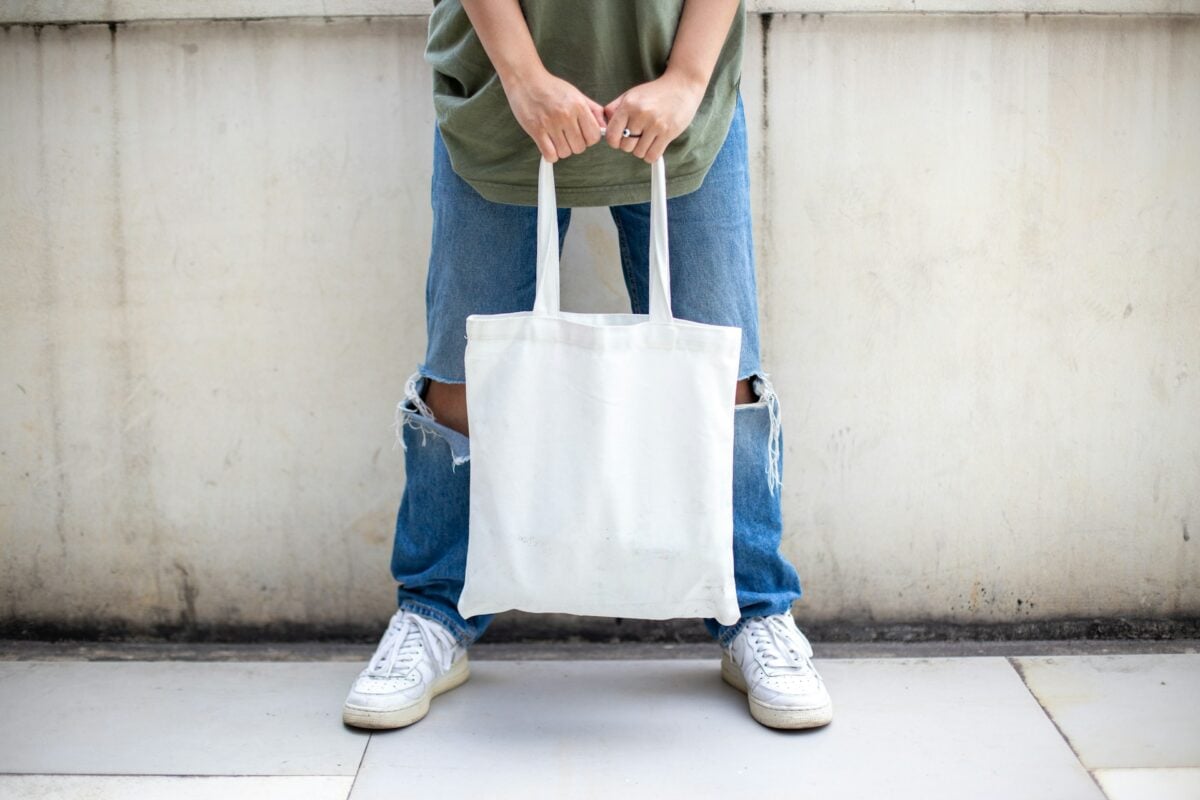
Someone at some point looked at a utilitarian shopping bag and thought, “Let’s make this chic.” The tote as we know it today emerged in the 1940s when L.L.Bean introduced their canvas boat bag – an open-top bag with sturdy handles designed to carry ice from the car to the boat.
The shape is dead simple. Rectangular body, two parallel handles, open or snap closure at the top.
No complicated hardware, no fussy details, just a big bag that holds things. That simplicity turned out to be brilliant.
Bonnie Cashin designed structured leather totes for Coach in the 1960s. Hermes released the Garden Party tote.
By the 1980s, every designer had multiple tote styles in their collection. Working women loved them because they held everything – files, lunch, gym clothes, whatever.
The tote became the unofficial bag of people who had places to be and things to carry.
The Bucket Bag
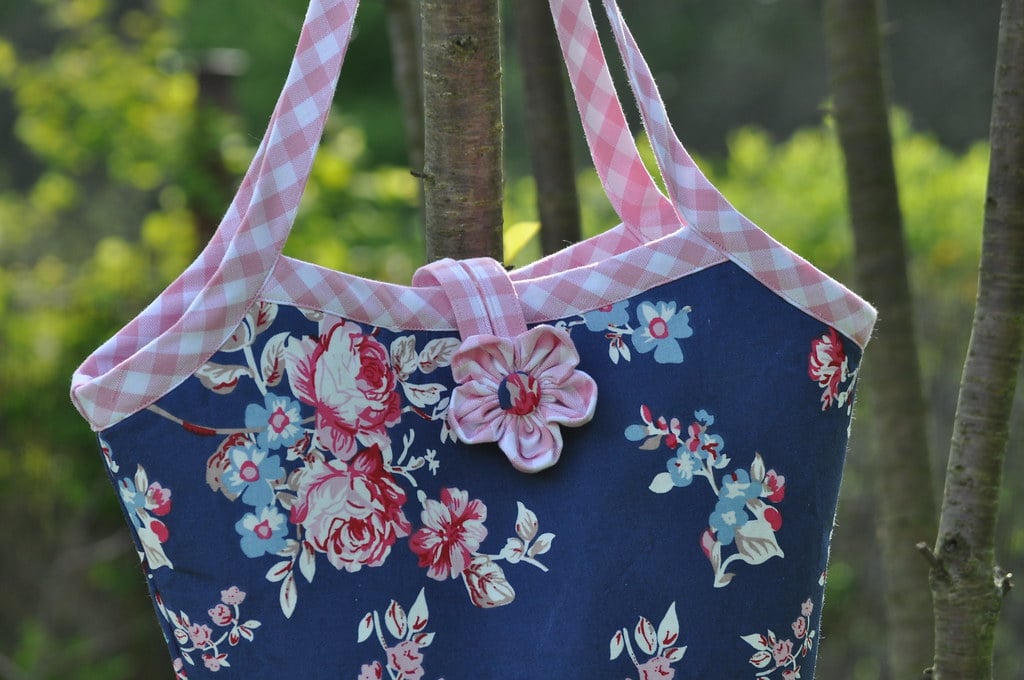
Take a cylinder, add a drawstring top and a shoulder strap, and you’ve got a bucket bag. The shape showed up in the 1930s, though it didn’t really take off until the 1980s and 1990s.
Louis Vuitton’s Noé bag, originally designed in 1932 to carry champagne bottles, is often credited as the first luxury bucket bag. The drawstring closure kept the bottles from falling out, and the shape cradled them perfectly.
Designers realized the same shape worked pretty well for everyday items too.
Bucket bags hit peak popularity in the 1990s when Fendi, Prada, and others released versions in leather, nylon, and canvas. The casual, slouchy shape appealed to the decade’s minimalist aesthetic.
Modern bucket bags sometimes include an interior pouch to keep small items from sinking to the bottom – a practical upgrade on the original design.
The Baguette
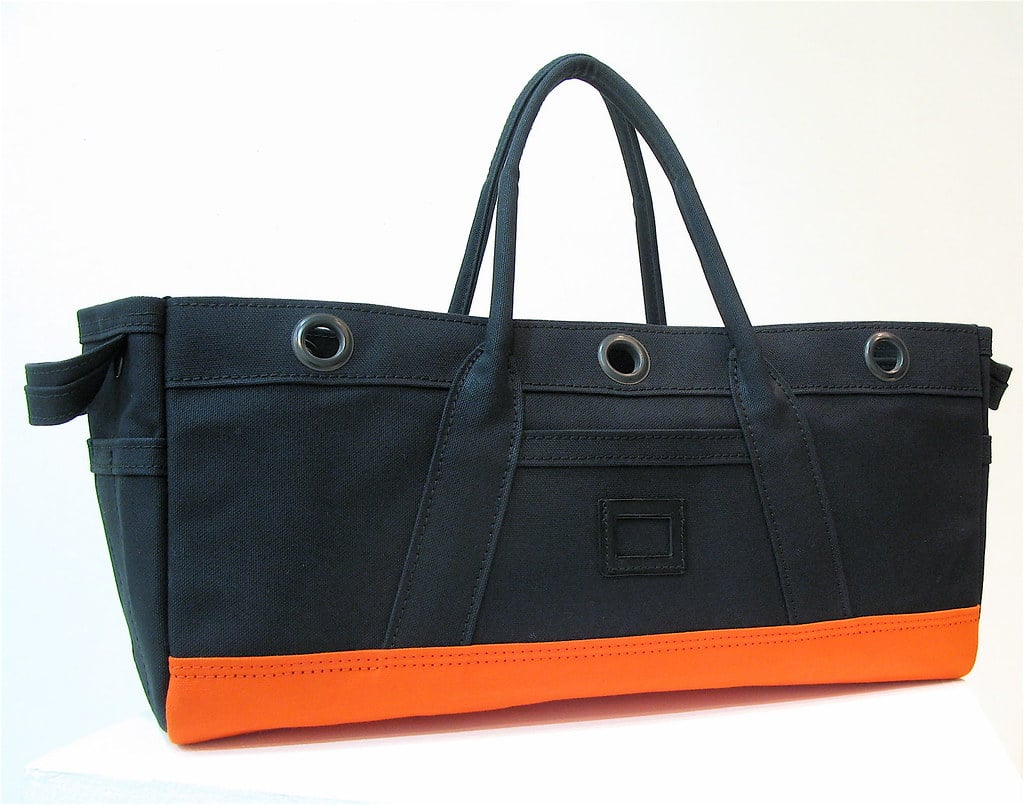
Fendi designer Silvia Venturini Fendi created the Baguette in 1997, and it immediately became one of the most copied bag shapes of the late 1990s and early 2000s. The name came from the way women carried it tucked under their arm, like a French baguette.
The proportions were specific – small, rectangular, with a short shoulder strap that hit right at the underarm. Fendi released it in hundreds of variations: beaded, embroidered, fur-trimmed, sequined.
Carrie Bradshaw carried one, which sealed the Baguette’s status as an It bag.
What made the Baguette different from earlier small shoulder bags was the deliberate compact size paired with luxurious, often over-the-top decoration. This wasn’t meant to be practical.
The Baguette was pure fashion.
The Bowling Bag
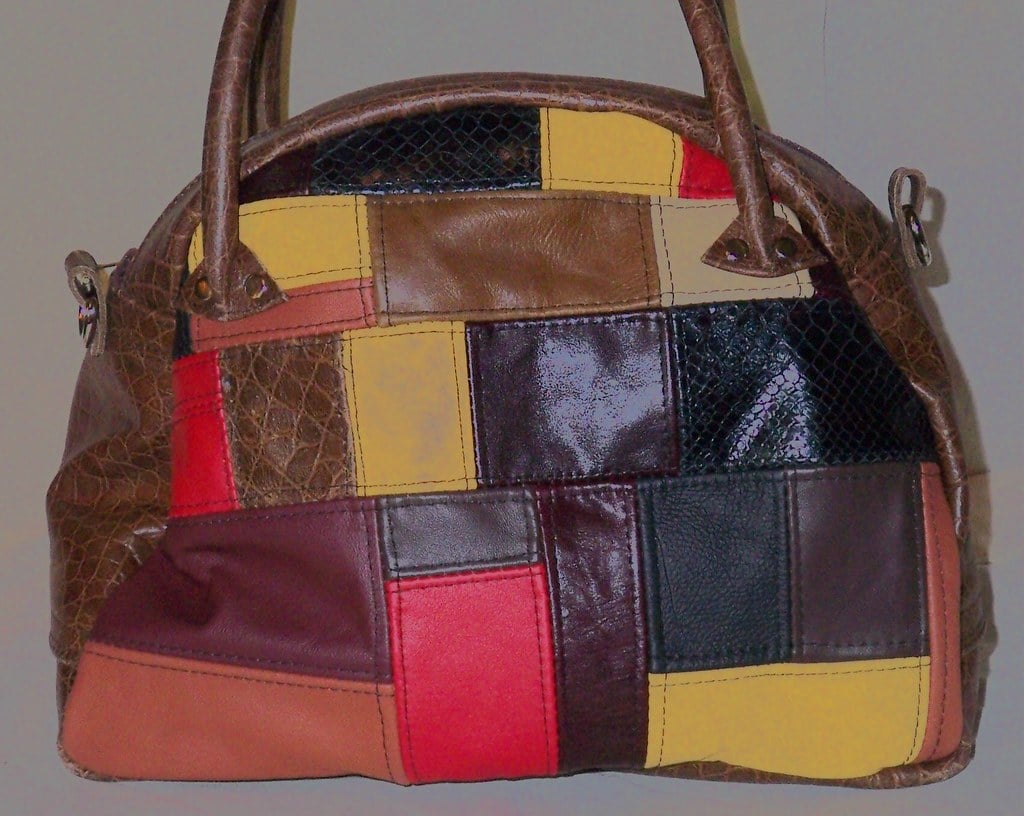
Shaped exactly like the bags people carried bowling shoes in during the 1950s and 1960s, fashion bowling bags maintained that distinctive rounded, dome-like structure. Two short handles on top, a zippered closure, and a structured body that held its shape whether empty or full.
Louis Vuitton’s Speedy bag, introduced in the 1930s, is probably the most famous example. The shape has been endlessly reproduced by other brands. Prada, Gucci, and Fendi all have versions.
The structure makes these bags surprisingly roomy despite their compact appearance. Bowling bags sit well on a desk or table without tipping over, which office workers appreciated.
The handles are usually short enough to carry by hand or in the crook of your arm but not quite long enough to comfortably hang from your shoulder. Some modern versions added detachable longer straps to solve that problem.
The Hobo Bag

Tied to a stick and carried over the shoulder – that’s the hobo bindle from Depression-era imagery. Fashion hobo bags borrowed the slouchy, crescent shape but upgraded the materials.
These bags are characterized by a relaxed, unstructured body that slumps when set down, and a single shoulder strap. Hobo bags became popular in the 1990s during the grunge and boho fashion movements.
The intentionally casual, “I’m not trying too hard” aesthetic fit the decade’s rejection of 1980s structured glamour. Leather versions aged beautifully, developing creases and patina that made them look even better with wear.
The shape is forgiving – it expands to hold more stuff when needed but doesn’t look bulky when it’s not full. No rigid structure means the bag molds to your body when worn. Designers like Bottega Veneta and The Row have created elevated versions that maintain the slouchy silhouette while using premium materials and subtle branding.
The Messenger Bag

Military couriers and bicycle messengers carried crossbody bags with long straps and flap closures for hands-free carrying. Fashion borrowed the utilitarian shape starting in the 1980s and 1990s when streetwear began influencing high fashion.
The messenger bag is typically rectangular with a long adjustable strap meant to be worn across the body. A flap closure covers the top, often secured with buckles, magnetic snaps, or quick-release clasps.
The front flap sometimes includes exterior pockets for easy access to frequently used items. Prada’s nylon bags from the 1980s brought high fashion credibility to sporty, practical shapes.
Other luxury brands followed, creating messenger bags in leather and canvas. The shape works equally well for men and women, making it one of the few truly unisex classic bag styles.
The Satchel

British schoolchildren carried leather satchels with books and supplies, and the structured, boxy shape with a front flap and top handle eventually crossed into adult fashion. Traditional satchels have a long strap for shoulder or crossbody wear plus a shorter handle for carrying by hand.
The Cambridge Satchel Company, founded in 2008, revived interest in classic leather satchels with their colorful versions of the traditional school bag shape. But satchels had been fashion staples long before that. Doctors carried satchel-style bags.
Lawyers used them for documents. The shape conveyed professionalism and practicality.
What defines a satchel is the structure – stiff sides that hold the bag’s shape, a front flap closure (often with buckles or a frame), and that combination of handle plus strap. Modern designer versions range from miniature decorative pieces to oversized work bags, but the basic DNA remains the same.
The Minaudière

This one barely counts as a bag – it’s more like a decorative box with a handle or chain. The minaudière appeared in the 1930s, reportedly invented by Alfred Van Cleef after he noticed Florence Gould carrying her evening essentials in a Lucky Strike tin.
Van Cleef & Arpels created metal cases in gold, silver, and precious materials, often adorned with gemstones and intricate engraving. These rigid boxes opened to reveal compartments for lipstick, powder and other necessities.
Later versions included features like built-in compact and lighters. Judith Leiber became famous for whimsical minaudières shaped like animals, flowers, and everyday objects, all covered in crystals.
Her designs from the 1960s through the 2000s turned the minaudière from an elegant accessory to a collectible art object. Women still carry minaudières to formal events, though they hold phones and credit cards now instead of calling cards.
Where the Shapes Stand Now

Walk into any designer boutique or department store and you’ll find most of these shapes still for sale. The reticule evolved into wristlet pouches.
Carpet bags inspired weekender totes. Frame bags show up in vintage-inspired collections.
Clutches remain evening staples. And the tote – well, the tote is everywhere and probably always will be.
What’s interesting is how these shapes keep cycling back.The saddle bag disappeared for years before Dior’s 1999 version made it essential again.
Baguettes were dated and then suddenly weren’t. Bucket bags come and go.
Designers don’t really invent new shapes so much as remix and refine the classics, adjusting proportions and swapping materials while keeping the basic geometry intact. The fundamental shapes that worked in 1900 or 1950 or 1990 still work now, which says something about how certain designs just get the proportions right.
More from Go2Tutors!

- The Romanov Crown Jewels and Their Tragic Fate
- 13 Historical Mysteries That Science Still Can’t Solve
- Famous Hoaxes That Fooled the World for Years
- 15 Child Stars with Tragic Adult Lives
- 16 Famous Jewelry Pieces in History
Like Go2Tutors’s content? Follow us on MSN.



