15 Private Collections Worth More Than Museums
Priceless works of art are hidden behind velvet ropes and security glass in the best museums in the world. However, some of the most priceless works of art are never shown to the general public.
Billionaires, business titans, and celebrities have amassed private collections that are on par with, and frequently surpass, those of large organizations. These are more than a few good paintings in a hobby collection.
Picassos, Van Goghs, and Pollocks worth billions of dollars are kept in private residences, museums, and climate-controlled warehouses. Even though millions of people visit the Louvre and the Metropolitan Museum of Art, only a small number of people have access to these private treasures.
The art world operates on two levels: the public face of museums and galleries, and the shadowy realm of private collectors who buy and sell masterpieces like investment portfolios. Here is a list of 15 private collections worth more than museums.
Nahmad Brothers Collection
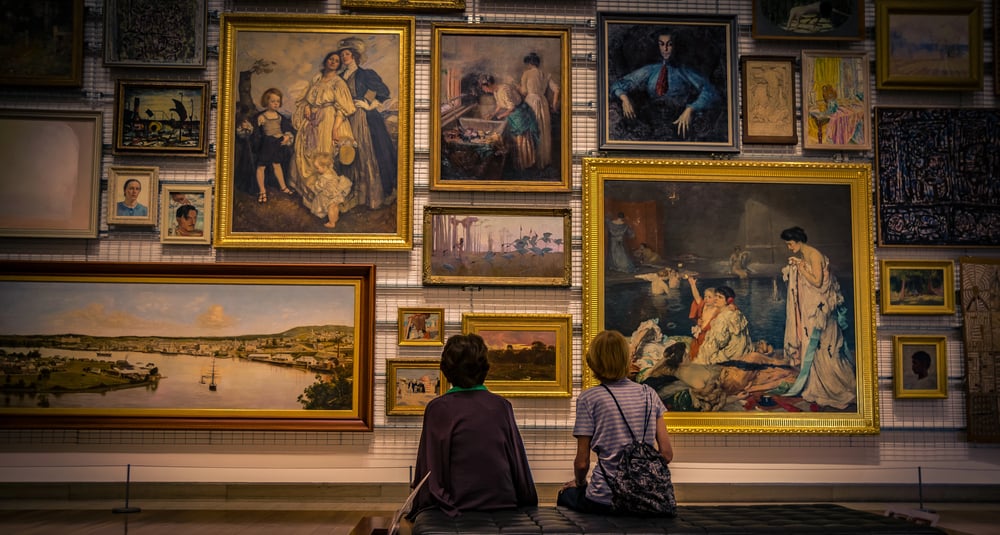
Brothers David and Ezra Nahmad own what many consider the most valuable private art collection in the world, stored in the Geneva Freeport warehouse near the airport. The collection contains approximately 4,500 works valued at around $3 billion, including approximately 300 Picassos worth an estimated $1 billion alone.
The chairman of Christie’s New York has stated the brothers have ‘sold more art than anybody alive,’ primarily dealing at auctions with a simple strategy: buy, hold, and sell for profit. Their inventory spans 30 blue-chip artists including Monet, Matisse, Renoir, and Rothko.
The collection faced legal scrutiny during a 2016-2020 dispute over Modigliani’s Seated Man, which was eventually resolved.
Philip Niarchos Collection
As the eldest son of Greek shipping magnate Stavros Niarchos, Philip inherited a substantial portion of his father’s fortune and art collection valued at approximately $2 billion. The collection reportedly includes the world’s largest private holdings of Van Gogh paintings, including Self-Portrait with Bandaged Ear, purchased for $71.5 million.
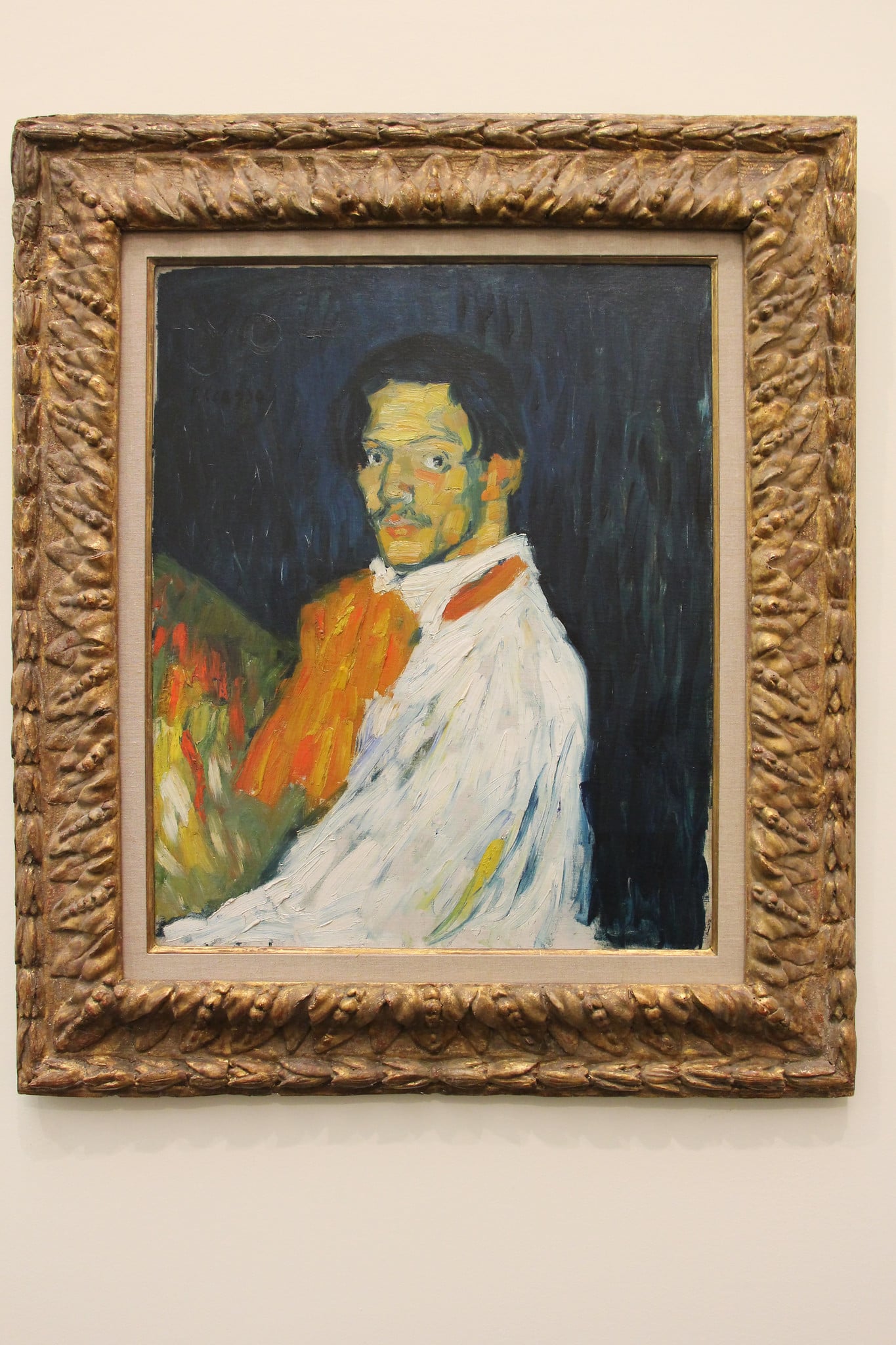
Philip has expanded beyond his inheritance, adding contemporary and post-war pieces by artists like Maurizio Cattelan and Andy Warhol. The collection also includes Picasso’s Yo Picasso, which sold for $47.9 million when Philip acquired it in 1989.
David Geffen Collection
Entertainment tycoon and DreamWorks Animation founder David Geffen has assembled a collection valued at approximately $2.3 billion, focusing on post-war American art. His holdings include masterpieces by Jackson Pollock, Mark Rothko, Willem de Kooning, and Jasper Johns.
Geffen made headlines in 2016 when he sold de Kooning and a Pollock to fellow collector Kenneth C. Griffin for $500 million combined. He previously sold Pollock’s No. 5, 1948 for approximately $140 million in a private sale in 2006 to Mexican financier David Martinez.
Despite owning some of the most valuable mid-century American artworks, Geffen rarely loans his collection to institutions.
François Pinault Collection
French billionaire and luxury goods magnate François Pinault has spent over 30 years building a collection of approximately 3,000 modern and contemporary artworks valued at $1.4 to $1.5 billion. His first major purchase was Mondrian’s Tableau Losangique II for $8.8 million, setting the tone for decades of acquisitions.
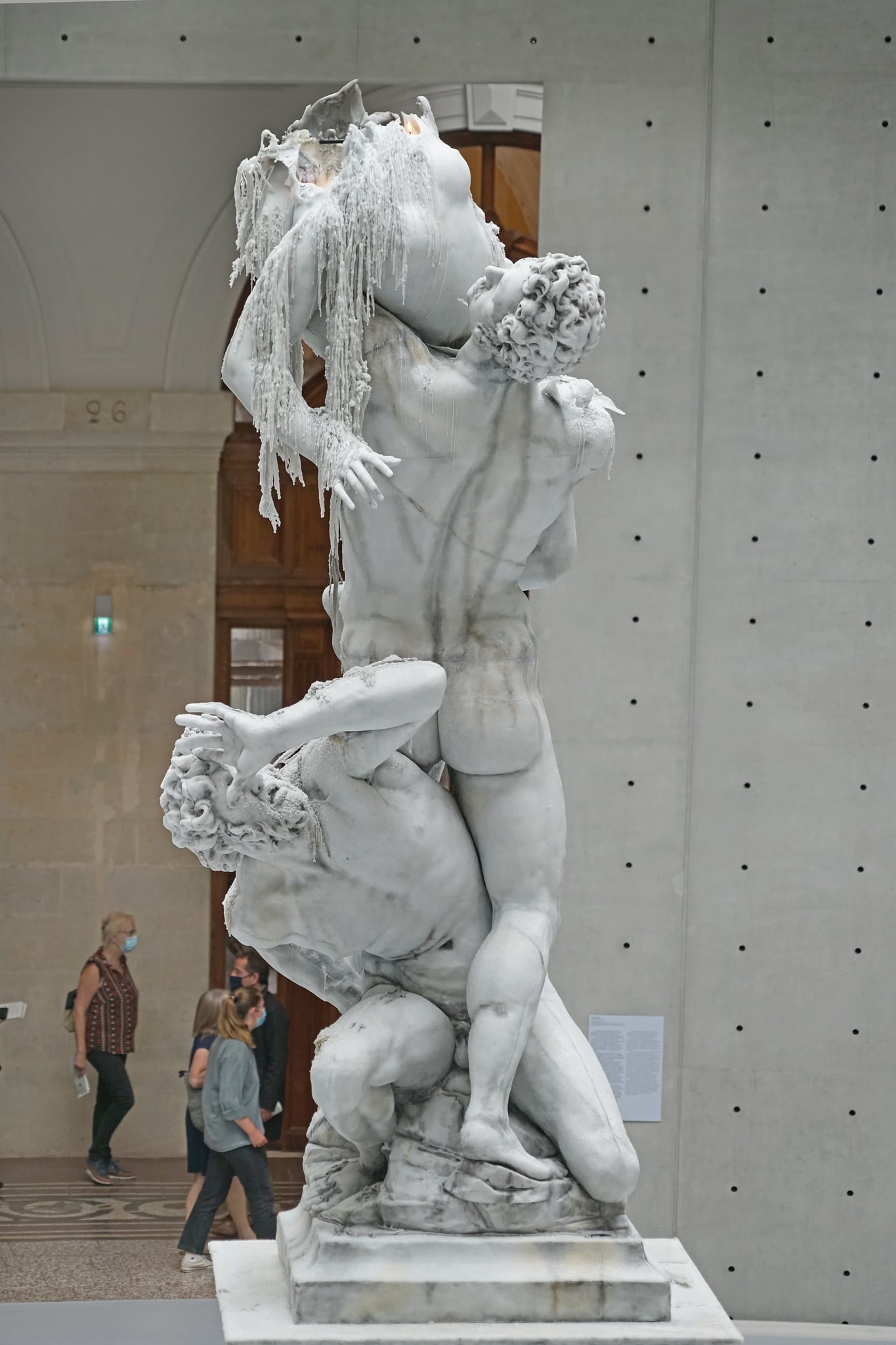
The collection includes works by Mark Rothko, Lucio Fontana, Jeff Koons, and Damien Hirst. Pinault shares his holdings publicly through institutions in Venice—the Palazzo Grassi and Punta della Dogana—and opened the Bourse de Commerce – Pinault Collection in Paris in 2021.
His family’s holding company also owns Christie’s auction house.
Eli and Edythe Broad Collection

The late Eli Broad, who passed in 2021, and his wife Edythe assembled one of the world’s premier contemporary art collections, featuring over 2,000 works by 200 artists acquired over 50 years. Often called the greatest collection of contemporary art in private hands, it includes pieces by Jean-Michel Basquiat, Jasper Johns, Jeff Koons, Cy Twombly, Robert Rauschenberg, and Ed Ruscha.
The Broads founded the Broad Art Foundation in 1984 to loan their art, and opened The Broad Museum in Los Angeles in 2015 to publicly display their collection. Eli Broad was the only person to start two Fortune 500 companies and signed the Giving Pledge, committing to donate 75% of his wealth.
Steve Cohen Collection
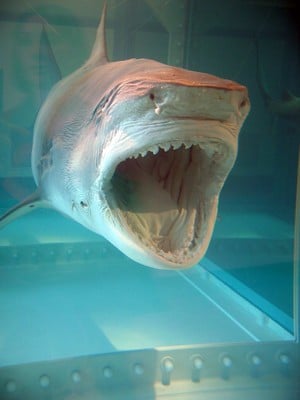
Businessman and New York Mets owner Steve Cohen has spent hundreds of millions building a prestigious art collection since 2000, now valued at approximately $1 billion. His holdings span post-impressionist paintings by Gauguin and Van Gogh to modern works, with particular strength in post-war and contemporary art.
Notable pieces include Bathers by Gauguin, Young Peasant Woman by Van Gogh, Madonna by Munch, Woman III by de Kooning, and one of Jackson Pollock’s famous drip paintings. Cohen also owns Damien Hirst’s controversial The Physical Impossibility of Death in the Mind of Someone Living, the preserved tiger shark purchased for $8 million.
Bernard Arnault Collection
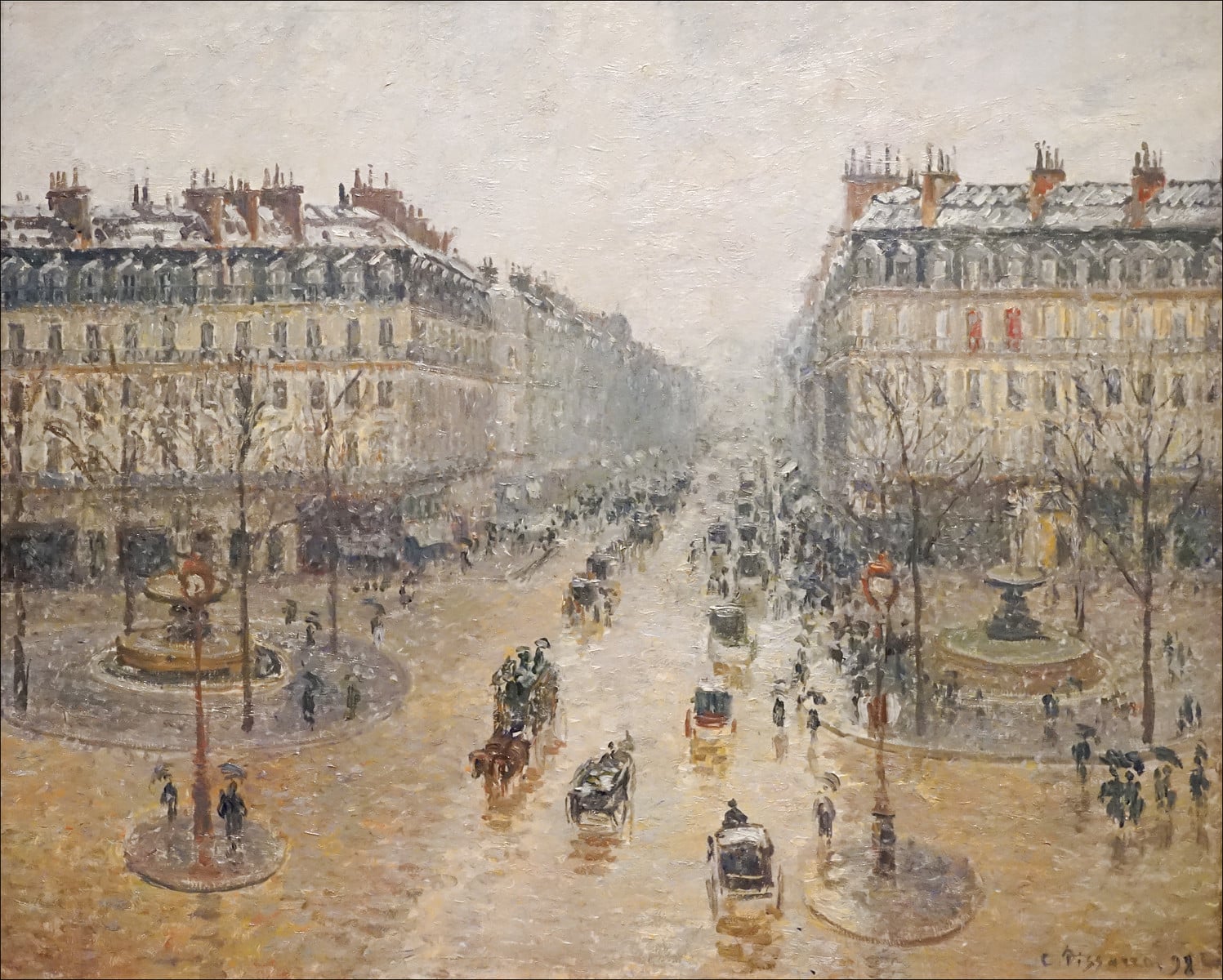
The chairman of luxury conglomerate LVMH has assembled an impressive collection estimated at $1 to $1.5 billion, though exact figures remain private. Arnault’s holdings include pieces by Picasso, Andy Warhol, Yves Klein, and Henry Moore, reflecting his position atop the fashion and luxury goods empire that includes Louis Vuitton, Dior, and dozens of other brands.
In 2014, Arnault founded the Fondation Louis Vuitton museum in Paris to exhibit portions of the family collection alongside rotating exhibitions. As one of the world’s wealthiest individuals, Arnault treats art collecting as both passion and strategic cultural investment.
Charles Saatchi Collection
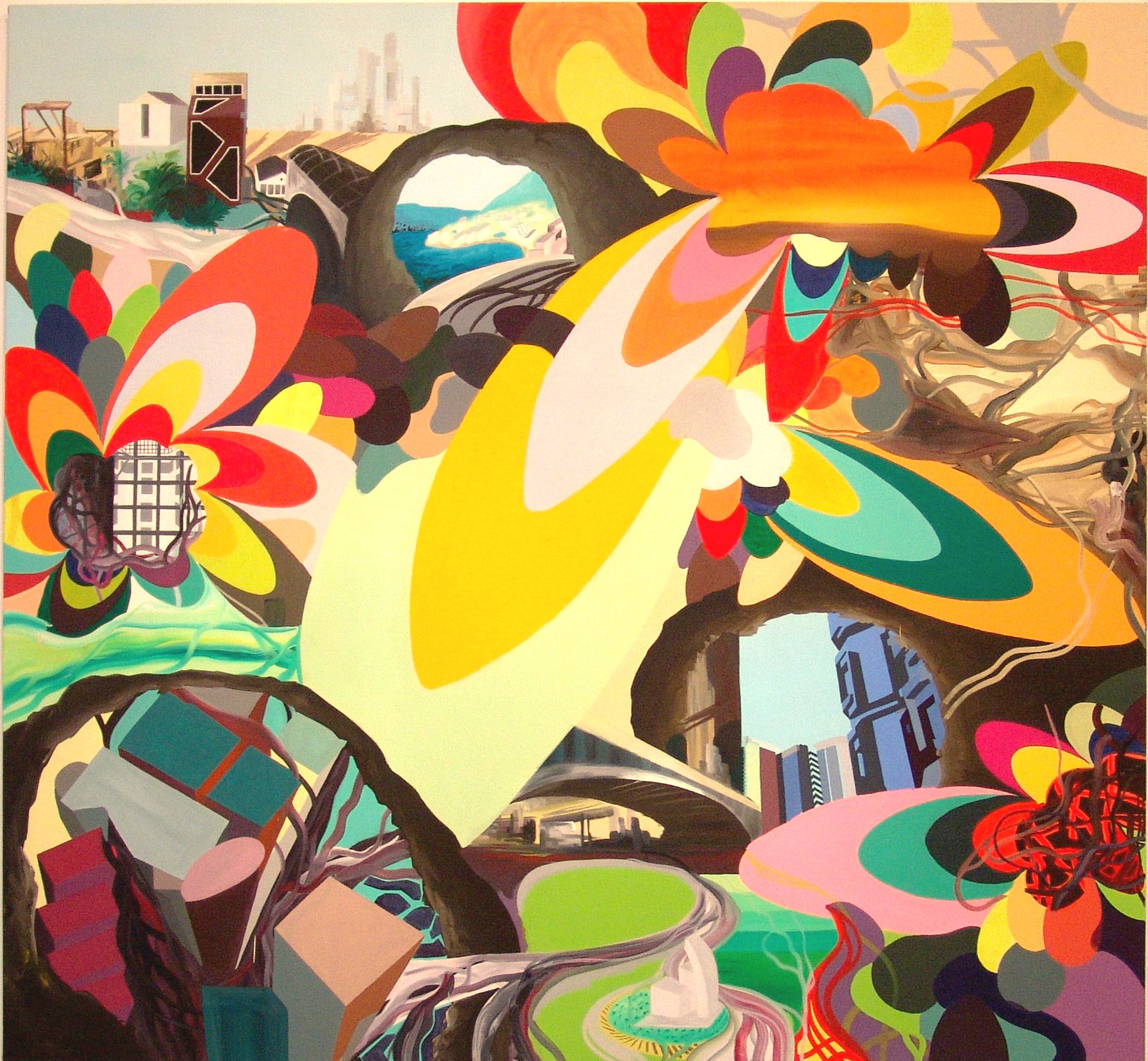
British advertising mogul Charles Saatchi stands out as both collector and dealer, focusing primarily on Middle Eastern and contemporary art with holdings valued at approximately $200 to $300 million. Unlike traditional collectors, Saatchi often sells pieces from his collection online rather than through established auction houses like Sotheby’s or Christie’s.
He founded the Saatchi Gallery in 1985, which became instrumental in promoting Young British Artists. In 2019, Saatchi donated his collection to the UK.
He has become a household name in the art community and an important benchmark for emerging artists and market trends.
Jay-Z and Beyoncé Collection

The power couple has quietly assembled a significant collection featuring works by contemporary masters including Damien Hirst, Andy Warhol, Richard Prince, David Hammons, and Jean-Michel Basquiat. One of the most famous pieces they own is Basquiat’s Mecca, purchased in 2013 for approximately $4.5 million and considered among the artist’s most iconic works.
The collection includes both established blue-chip artists and emerging talents, reflecting their influence in both music and visual arts. The exact total value remains undisclosed, though individual pieces are worth millions.
Swizz Beatz and Alicia Keys (The Dean Collection)

Hip-hop producer Swizz Beatz and singer Alicia Keys founded The Dean Collection, which focuses on Black contemporary artists including Jean-Michel Basquiat, Ernie Barnes, Kerry James Marshall, Kehinde Wiley, and others. The couple owns the largest private collection of Gordon Parks photographs, representing a significant cultural archive.
They own a 19-foot-tall KAWS statue that required cutting an opening in their home’s exterior wall for installation. Swizz Beatz began collecting in the early 1990s with Andy Warhol’s Campbell’s soup cans, building a collection that spans multiple generations and celebrates African American artistic contributions.
Elton John Photography Collection
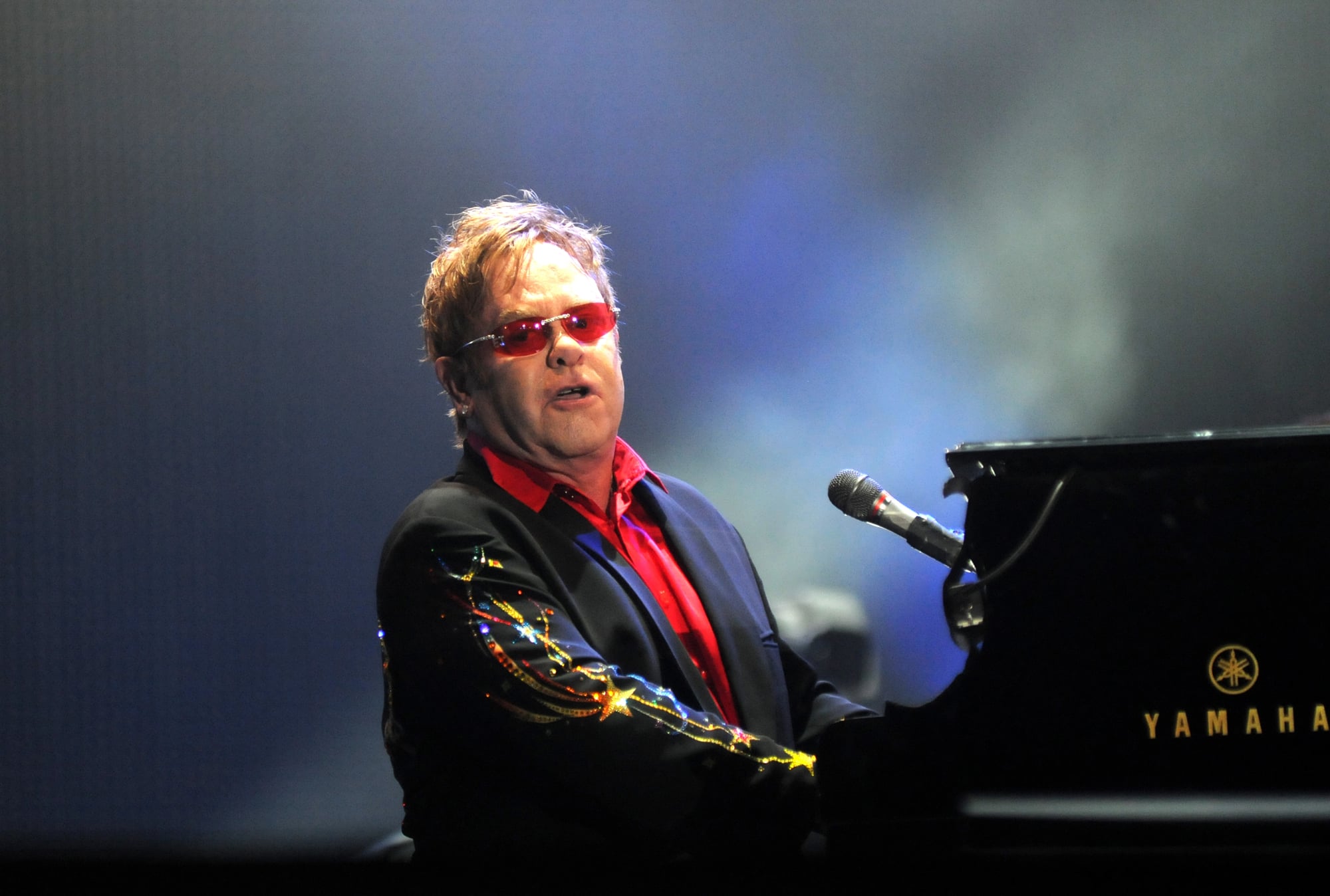
Sir Elton John has amassed one of the largest collections of fine art photography in the world, containing more than 7,000 works. He began collecting photography in the early 1990s and his holdings grew so extensive that he purchased an entire apartment to house them.
John has loaned photographs to the Tate Modern, and the Victoria & Albert Museum in London features a gallery named in his honor and collaborated with him on the 2024 exhibition “Fragile Beauty.” The collection focuses exclusively on photography, making it one of the most specialized major private collections valued in the tens of millions.
JP Morgan Chase Corporate Collection

The financial institution owns one of the world’s most valuable corporate art collections, begun in 1959 under David Rockefeller and now comprising approximately 30,000 works valued at over $2 billion. Notable pieces include Roy Lichtenstein’s Reflections On Crash, acquired for $8 million in 2001.
The collection spans centuries and styles, displayed throughout the bank’s offices worldwide. Unlike individual collectors, JP Morgan Chase has maintained and expanded its collection for decades, treating art as both cultural investment and corporate asset.
The collection’s value exceeds that of many regional museums.
Lee Byung-Chull Collection
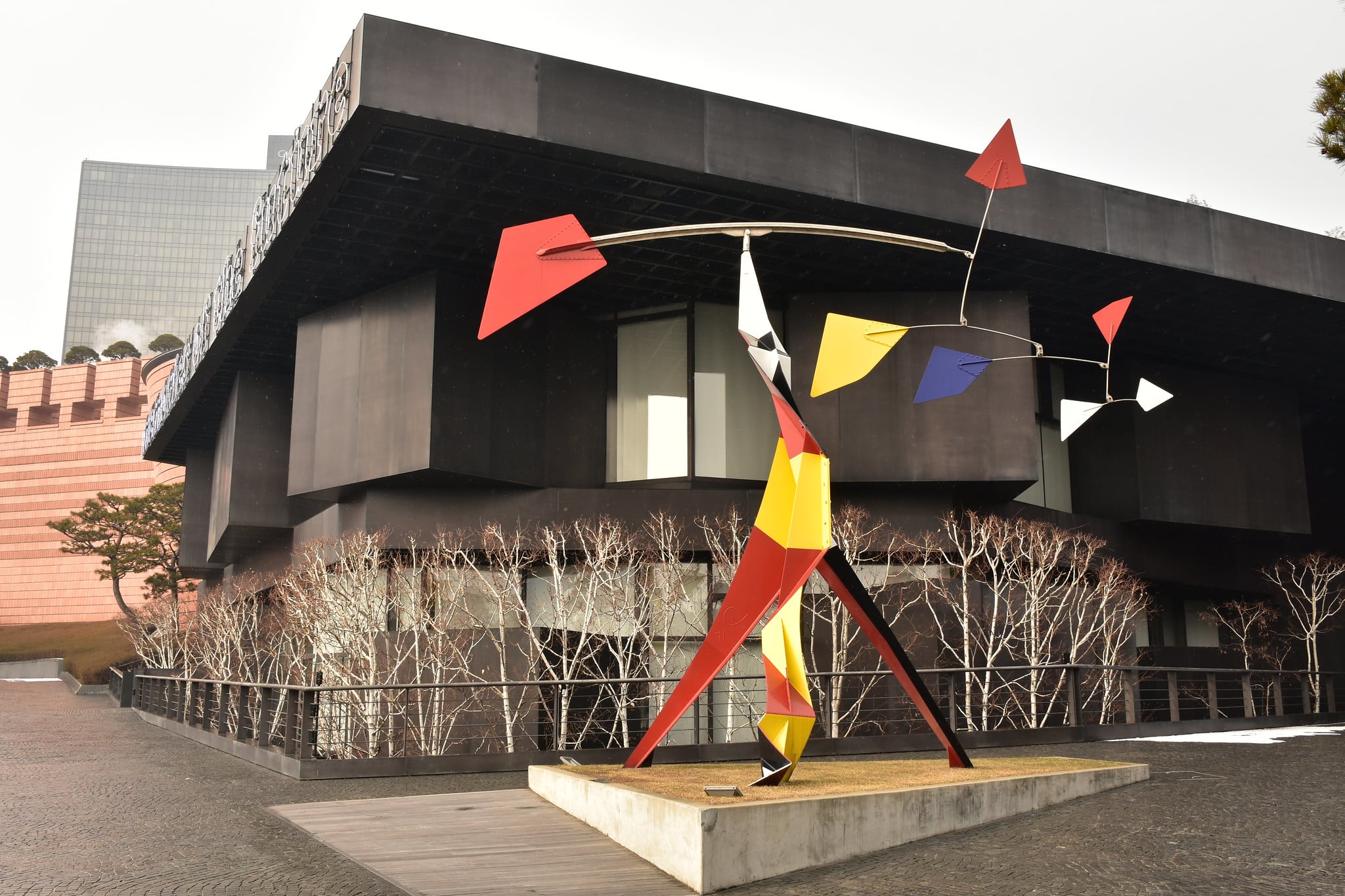
The founder of Samsung Group assembled one of the largest private collections of Korean art, now housed in the Samsung Museum of Art (Leeum) in Seoul, founded in 2004 by the Samsung Foundation. The collection contains numerous pieces that the Korean government defines as national treasures, making it invaluable from both cultural and monetary perspectives.
Lee Byung-chull’s holdings represent one of the most comprehensive private collections of Korean art in existence. The collection’s importance extends beyond mere financial value, as it preserves significant portions of Korea’s artistic heritage that might otherwise have been dispersed or lost.
Adrian Cheng K11 Foundation

Hong Kong businessman Adrian Cheng, heir to billionaire Cheng Yu-tung, founded the K11 Foundation in 2010 to incubate young contemporary artists and promote public education in China. His collection focuses on Chinese contemporary art, facilitating cross-cultural dialogues within the global art scene.
The K11 MUSEA and Art Mall in Hong Kong showcase portions of the collection publicly, blending retail with cultural exhibition. Cheng’s approach combines traditional collecting with institutional support for emerging artists, creating a collection that grows in both size and influence throughout Asia and represents significant investment in the region’s contemporary art market.
Daniel Wildenstein Estate
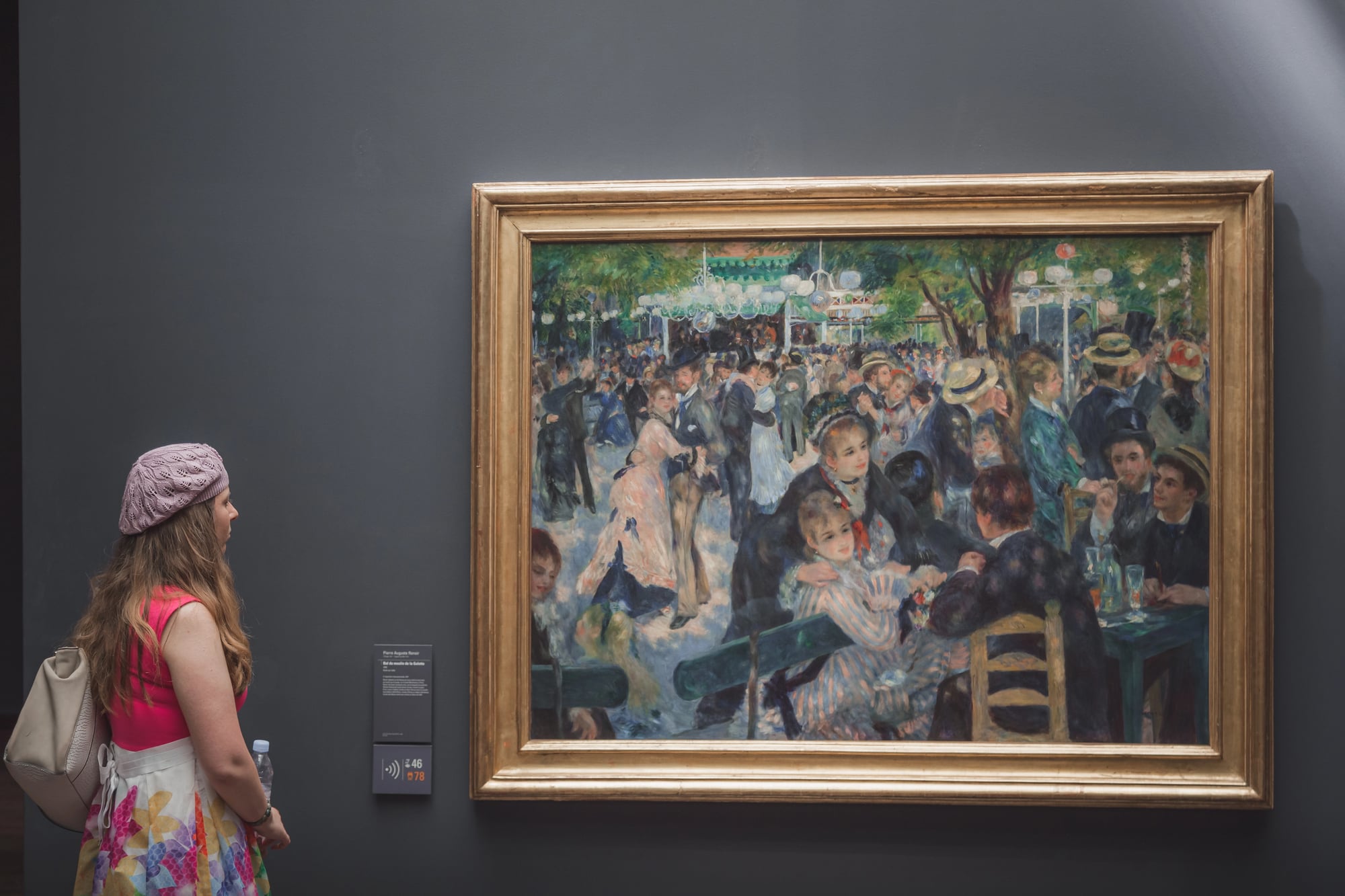
When art dealer Daniel Wildenstein died in 2001, the subsequent inheritance battle with widow Sylvia Wildenstein revealed a collection valued between $4 to $10 billion—far exceeding anyone’s expectations, though exact figures remain disputed. The estate included works by Renoir, Cézanne, and Van Gogh that had been in the family for four generations.
The collection’s scale shocked the art world during the inheritance dispute. This posthumous revelation demonstrated how private collections can dwarf even the most prestigious museums, with a single family accumulating more artistic wealth than many national institutions combined over generations of dealing and collecting.
The Invisible Treasures

These collections demonstrate a fundamental shift in where the world’s artistic treasures reside. While museums operate with public funding and donor support, private collectors leverage personal fortunes to acquire masterpieces that may never be seen by the general public.
The Nahmad brothers store billions in a Swiss warehouse, treating Picassos as investment assets. Philip Niarchos inherited Van Goghs that most people will never view.
Even generous collectors like the Broads and Pinault, who share their holdings through museums, maintain substantial private reserves. The art market increasingly operates as a parallel universe where wealthy individuals control cultural heritage, deciding what gets seen, by whom, and when.
Museums may hold the famous pieces featured in guidebooks and textbooks, but private collections increasingly hold the wealth—and with it, the power to shape which artists and movements gain lasting recognition in art history.
More from Go2Tutors!

- The Romanov Crown Jewels and Their Tragic Fate
- 13 Historical Mysteries That Science Still Can’t Solve
- Famous Hoaxes That Fooled the World for Years
- 15 Child Stars with Tragic Adult Lives
- 16 Famous Jewelry Pieces in History
Like Go2Tutors’s content? Follow us on MSN.



