15 Real Female Pirates From History
When most people think of pirates, they picture bearded men with eye patches sailing the high seas. Yet women played crucial roles in the golden age of piracy, commanding ships, leading crews, and striking fear into merchants across the world’s oceans. These weren’t just token female figures—they were fierce leaders who earned respect through cunning, courage, and sometimes sheer brutality.
The maritime world has always been tough on women, though these fifteen ladies carved out their own space in pirate lore. Here’s a list of 15 real female pirates who proved that the seas belonged to anyone brave enough to claim them.
Anne Bonny

Anne Bonny became one of the most famous female pirates in Caribbean history during the early 1700s. She’d abandoned her arranged marriage to join the crew of Calico Jack Rackham—becoming both his lover and his most trusted crew member. Bonny was known for her fierce temper and skill with both pistol and cutlass, often fighting alongside the men without hesitation.
Mary Read
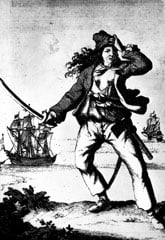
Mary Read lived most of her early life disguised as a man. She even served in the British military before turning to piracy. Read joined Calico Jack’s crew around the same time as Anne Bonny—and the two women became close friends and formidable fighting partners. She was captured alongside Bonny in 1720, though she died in prison before her execution could be carried out.
Grace O’Malley

Grace O’Malley ruled the western coast of Ireland in the 16th century, commanding a fleet of over 20 ships and 200 men. Born into a seafaring family, she inherited her father’s maritime empire and expanded it through both legitimate trade and piracy. O’Malley even negotiated directly with Queen Elizabeth I—securing pardons for her activities and the release of her captured family members.
Ching Shih

Ching Shih commanded the largest pirate confederation in history. She controlled over 1,800 vessels and 80,000 pirates in the South China Sea during the early 1800s. After taking control following her husband’s death, she transformed a chaotic collection of pirate gangs into a disciplined naval force with its own laws and regulations. Her fleet was so powerful that the Chinese government eventually had to negotiate peace terms with her.
Sayyida al Hurra
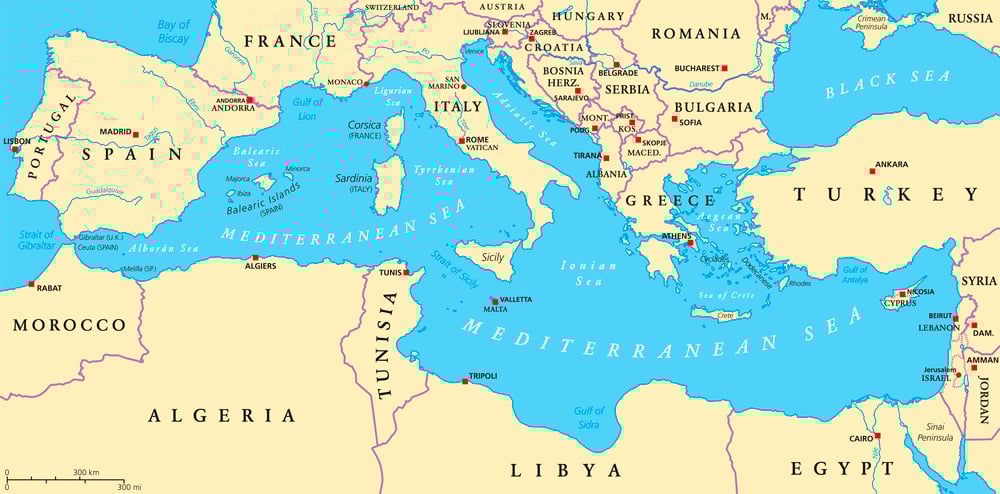
Sayyida al Hurra controlled the western Mediterranean from her base in Morocco during the 16th century—working alongside the famous Ottoman admiral Barbarossa. She became known as the ‘Queen of Pirates’ and was one of the most powerful women in the Islamic world of her time. Her fleet targeted Spanish and Portuguese ships in revenge for the Christian reconquest of Muslim Spain.
Rachel Wall
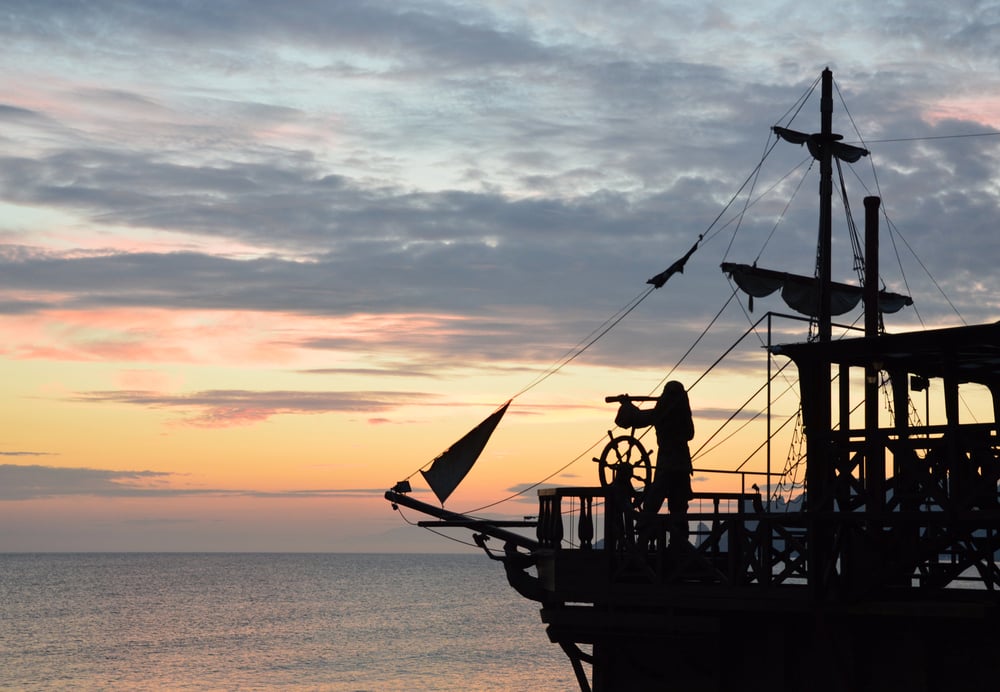
Rachel Wall holds the distinction of being the first American woman executed for piracy, meeting her end in Boston in 1789. She’d worked with her husband’s crew along the New England coast—using clever tactics like pretending their ship was damaged to lure Good Samaritans close enough to rob. After her husband’s death, she continued her criminal career on land before being caught and tried.
Charlotte de Berry

Charlotte de Berry’s story reads like an adventure novel, though historians debate how much of it actually happened. According to legend, she disguised herself as a man to follow her husband to sea—eventually taking command of her own ship after his death. She supposedly operated in the Caribbean and along the African coast during the late 1600s, although some scholars believe she may be entirely fictional.
Anne Dieu-le-Veut

Anne Dieu-le-Veut terrorized Spanish ships in the Caribbean during the late 1600s—earning her fearsome reputation through both her fighting skills and her dramatic personal story. She challenged a famous pirate to a duel after he killed her husband, yet when he refused to fight a woman, she married him instead. Together they formed one of the most successful pirate partnerships of their era.
Jeanne de Clisson

Jeanne de Clisson turned to piracy in the 1340s after the French king executed her husband on charges of treason. She sold her lands to buy three warships—painting them black and flying red sails as she hunted French vessels in the English Channel. Her quest for revenge lasted over a decade. It earned her the nickname ‘The Lioness of Brittany.’
Alvilda
Alvilda’s story comes from medieval Scandinavian legends, yet many historians believe she was based on a real Viking woman who lived around the 5th century. She supposedly became a pirate to avoid an arranged marriage—gathering a crew of other women and raiding ships throughout the Baltic Sea. Her tale has inspired countless stories about female Viking warriors and seafaring adventurers.
Lady Killigrew

Lady Killigrew operated from the coast of Cornwall in the late 1500s, using her noble status to cover her piracy activities. She would invite passing merchants to dine at her castle, then have her servants rob and sometimes murder them during the night. When she was finally caught and sentenced to death, Queen Elizabeth I pardoned her, possibly because other nobles were involved in similar schemes.
Jacquotte Delahaye

Jacquotte Delahaye supposedly faked her own death to escape capture, living under an assumed identity for years before returning to piracy in the Caribbean. She was known for her distinctive red hair and her ability to command respect from male crew members who might otherwise challenge a female captain. Some historians question whether she actually existed, but her legend remains popular in pirate folklore.
Christina Anna Skytte

Christina Anna Skytte came from Swedish nobility but chose the pirate’s life over court society in the late 1600s. She operated in the Baltic Sea, targeting merchant vessels and occasionally allying herself with other Scandinavian pirates. Her story shows how even aristocratic women sometimes found piracy more appealing than the limited roles society offered them.
Ingela Gathenhielm

Ingela Gathenhielm took over her husband’s pirate operation after his death in 1718, commanding a fleet along the Swedish coast during the Great Northern War. She held an official privateering commission, which meant her raids on enemy ships were technically legal acts of war. Gathenhielm successfully managed both the business and military aspects of her operation until retiring with a substantial fortune.
Maria Cobham

Maria Cobham sailed with her husband in the Caribbean during the 1720s, but proved herself capable of independent leadership when circumstances required it. She was known for her strategic mind and her ability to negotiate with both pirates and legitimate merchants. Cobham’s story illustrates how some women entered piracy through family connections but then established their own reputations through skill and intelligence.
When the Wind Changed

These women lived in an era when society offered few opportunities for female independence or leadership, yet they found ways to command ships, lead crews, and build maritime empires. Some sought revenge, others pursued wealth, while a few simply wanted the freedom that life on the open ocean could provide. Their stories remind us that the golden age of piracy wasn’t just a man’s world. It belonged to anyone bold enough to hoist the black flag and make their own rules. Though most of their contemporaries have faded into obscurity, these fierce ladies carved their names into maritime history with cutlass and cannon.
More from Go2Tutors!

- 16 Historical Figures Who Were Nothing Like You Think
- 12 Things Sold in the 80s That Are Now Illegal
- 15 VHS Tapes That Could Be Worth Thousands
- 17 Historical “What Ifs” That Would Have Changed Everything
- 18 TV Shows That Vanished Without a Finale
Like Go2Tutors’s content? Follow us on MSN.



