15 Sports Records Broken Again And Again
The greatest records in sports aren’t always the ones that last forever. Some of them exist to be shattered, standing just long enough for the next athlete to come along and push human performance another inch forward.
These marks tell a different story than the untouchable achievements—they chronicle the relentless march of improvement, technology, and training that defines modern athletics.
The 100-Meter Sprint
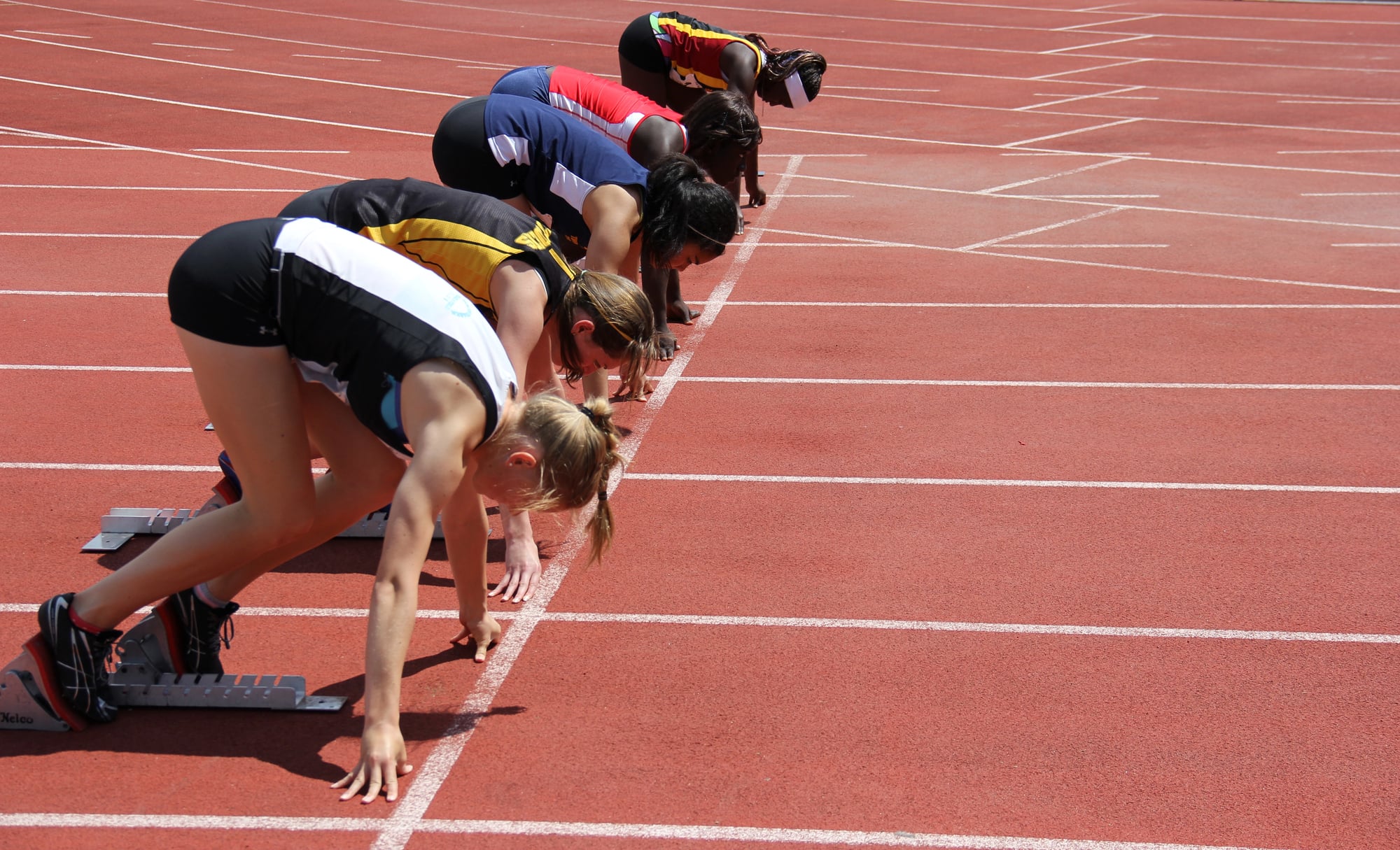
Usain Bolt owns this record now. Before him, it belonged to someone else.
And before that person, someone else entirely. The progression never stops.
Each generation finds a way to shave off another hundredth of a second.
The Marathon

The marathon record reads like a history book of endurance running. Eliud Kipchoge dropped it to 2:01:39 in 2022, but that mark won’t last forever—someone else is already training to break it.
When you think about it (and marathon fans think about it constantly), this particular record carries the weight of every runner who ever believed they could go faster for 26.2 miles than anyone had before. The funny thing is, they keep being right.
So many variables factor into marathon performance—course conditions, pacing strategies, shoe technology that borders on the ridiculous—that each new record feels both inevitable and impossible at the same time. And yet the times keep dropping.
Someone always finds a way. The record progression tells its own story.
Sub-2:10 seemed impossible once. Then sub-2:05.
Now we’re talking about whether anyone will officially break the two-hour barrier in competition.
Home Run Records
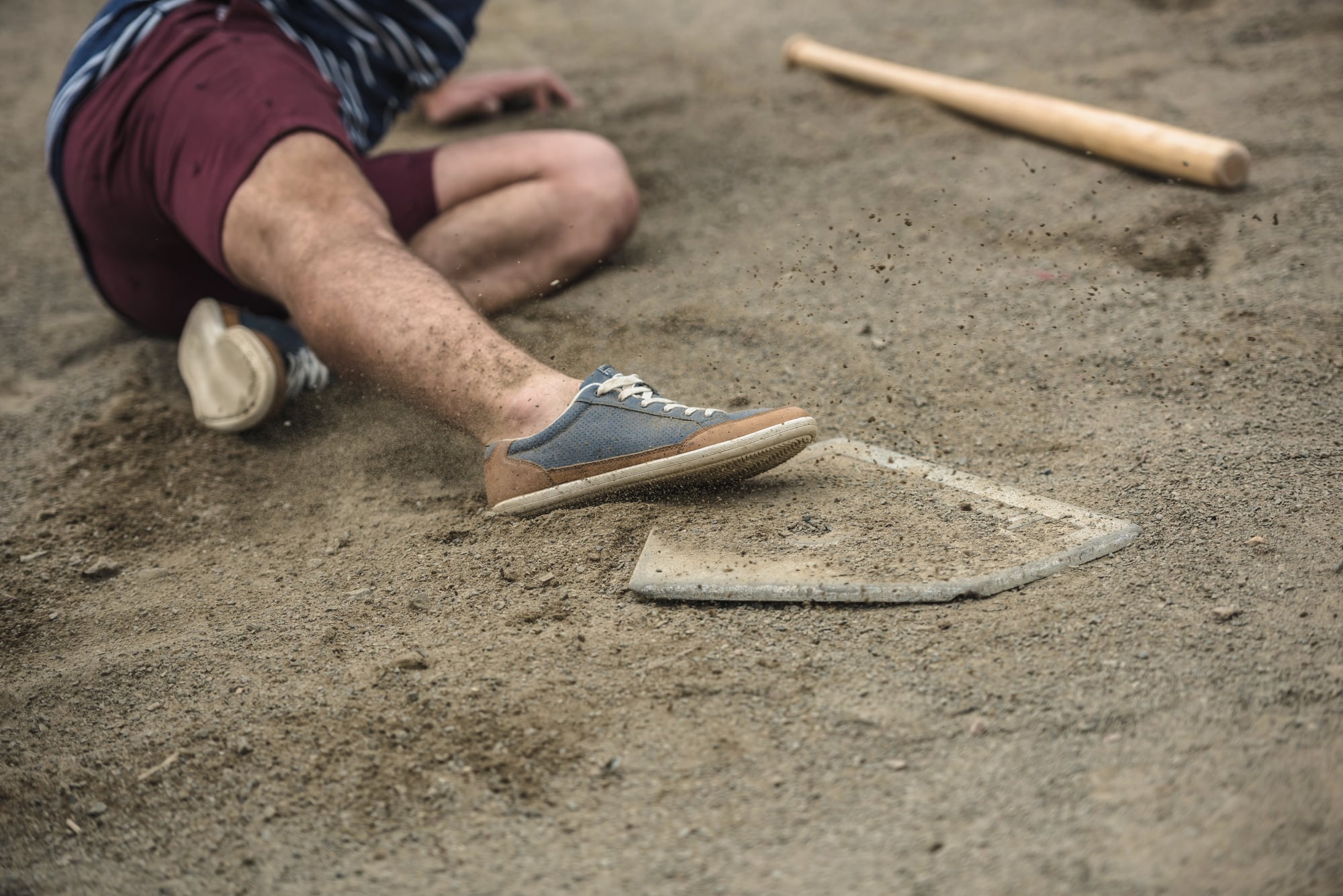
Baseball’s home run records live in a state of constant revision. Babe Ruth’s 714 career home runs seemed untouchable until Hank Aaron hit 755.
Aaron’s record felt permanent until Barry Bonds reached 762. The single-season record follows the same pattern—Ruth’s 60, then Roger Maris with 61, then the steroid era explosion with Mark McGwire, Sammy Sosa, and Bonds again at 73.
Someone will hit 74 home runs in a season eventually. Baseball seasons are long, and players keep getting stronger.
Swimming World Records

Swimming records fall like dominoes at every major competition. The sport has become a laboratory for human performance optimization—stroke technique refinements, training methods that would have seemed impossible decades ago, pool design that minimizes turbulence, racing suits engineered down to the fiber level.
Katie Ledecky obliterates her own distance freestyle records regularly, sometimes by margins that make other swimmers look like they’re moving in slow motion (which, relatively speaking, they are). The men’s sprint events see similar constant turnover.
Someone touches the wall, looks up at the scoreboard, and discovers they’ve just become the fastest human being at that distance in a pool. Until the next race, anyway.
The cycle repeats itself with mechanical precision: record set, record broken, new standard established, someone else starts training to beat it.
Pole Vault Records

The pole vault record climbs in increments so small they seem almost meaningless to anyone watching from the stands. Armand Duplantis owns the current outdoor record, but he’s broken his own mark multiple times.
Each new height represents years of preparation. The margin between success and failure measures in centimeters.
Duplantis makes it look easy, which means someone else will eventually make it look even easier.
Basketball Scoring Records

Basketball records crumble with startling regularity, particularly scoring marks that once seemed carved in stone. Kareem Abdul-Jabbar’s career scoring record stood for nearly four decades before LeBron James surpassed it, but that longevity makes it the exception rather than the rule in a sport where statistical milestones fall constantly.
Individual game scoring records, season totals, playoff performances—they all get rewritten with enough frequency that record books need constant updating. The three-point revolution changed everything.
Players attempt shots that would have gotten them benched a generation ago, and they make enough of them to redefine what constitutes elite scoring. Stephen Curry owns multiple three-point records and keeps extending them.
Someone will eventually shoot better from distance, but Curry will probably have broken a few more of his own marks by then.
Weight Lifting Records

Powerlifting and Olympic lifting records exist in a permanent state of advancement. Every major competition features someone pushing iron heavier than anyone has before.
The human body keeps finding ways to move more weight. Better training methods, nutrition science, and technique refinements drive the progression.
These records fall so regularly that federations struggle to keep their official lists current.
Track And Field Throwing Events

The javelin, shot put, discus, and hammer throw—all of them see their records topple with enough regularity to keep things interesting, though the progression often happens in fits and starts rather than the steady climb you see in running events. Technique changes everything in throwing sports.
An athlete discovers a new approach to their event, spends years perfecting it, then unleashes it in competition to devastating effect. Ryan Crouser has rewritten the shot put record book multiple times (his technique looks different from previous generations, more rotational, more explosive).
The hammer throw record gets extended whenever someone figures out how to generate just a bit more rotational speed without losing control. These aren’t small improvements—when throwing records fall, they often fall by significant margins because the breakthrough represents a fundamental change in approach rather than simple incremental progress.
Equipment regulations matter here more than in most sports. The implements themselves get scrutinized to ensure records reflect human improvement rather than technological advantages.
Speed Skating Records
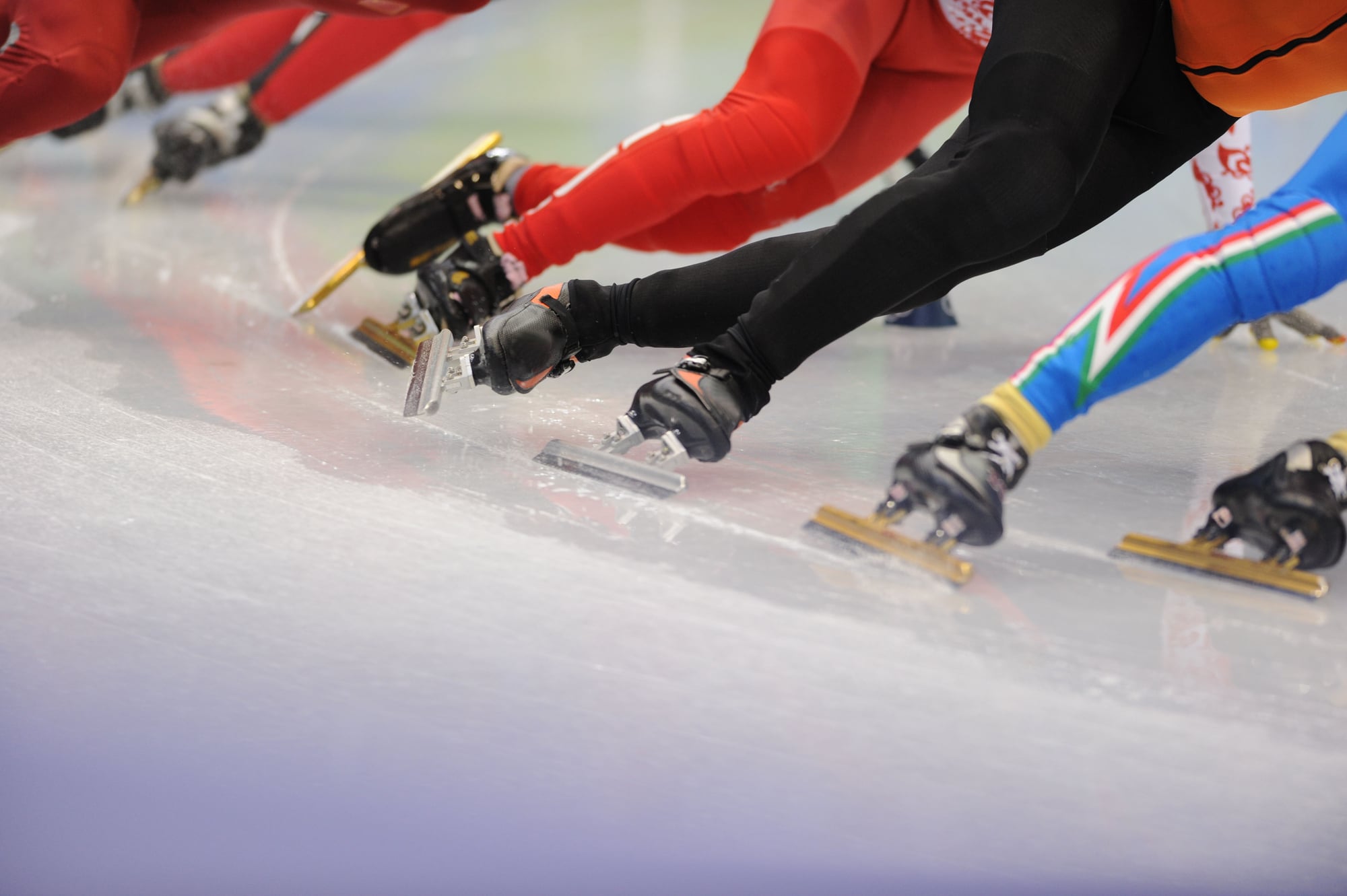
Speed skating records melt away with the regularity of ice resurfacing between sessions. The sport combines pure human power with technique so refined that microscopic adjustments can mean the difference between a world record and fourth place.
Technological advances in blade design, suit aerodynamics, and ice preparation create conditions where records become almost inevitable at major competitions. The Netherlands dominates distance events and keeps pushing times lower.
Sprint events see similar constant progression. Someone always finds a way to go faster on ice.
Cycling Records

Cycling records exist in multiple categories—track, road, time trials—and they all get broken with stunning frequency. The hour record, considered one of the purest tests of human endurance and power output, changes hands regularly as riders find new ways to push themselves through sixty minutes of sustained effort.
Track cycling sprint records fall whenever the sport’s fastest riders gather in one place (which happens several times per year at major competitions). The margins are tiny, but the improvements are real.
Road cycling records depend heavily on course conditions, weather, and tactical situations, but time trial records provide a cleaner measure of individual improvement. Equipment matters enormously—aerodynamic gains measured in watts saved can translate directly to time saved over a measured distance.
Bradley Wiggins, then Victor Campenaerts, then Filippo Ganna have all held the hour record recently. Someone else is probably training to break it right now.
Rowing Records

Rowing records tumble whenever the world’s best crews gather under ideal conditions—flat water, minimal wind, fast courses. The sport measures improvement in fractions of seconds over 2,000 meters, but those fractions represent enormous gains in a sport where technique and power must align perfectly.
The physics of rowing reward marginal gains. Slight improvements in blade angle, stroke rate optimization, or crew synchronization compound over the length of a race.
Records fall in both individual sculling events and team boats, though crew records depend on finding the right combination of athletes who can row together seamlessly.
Swimming Relay Records
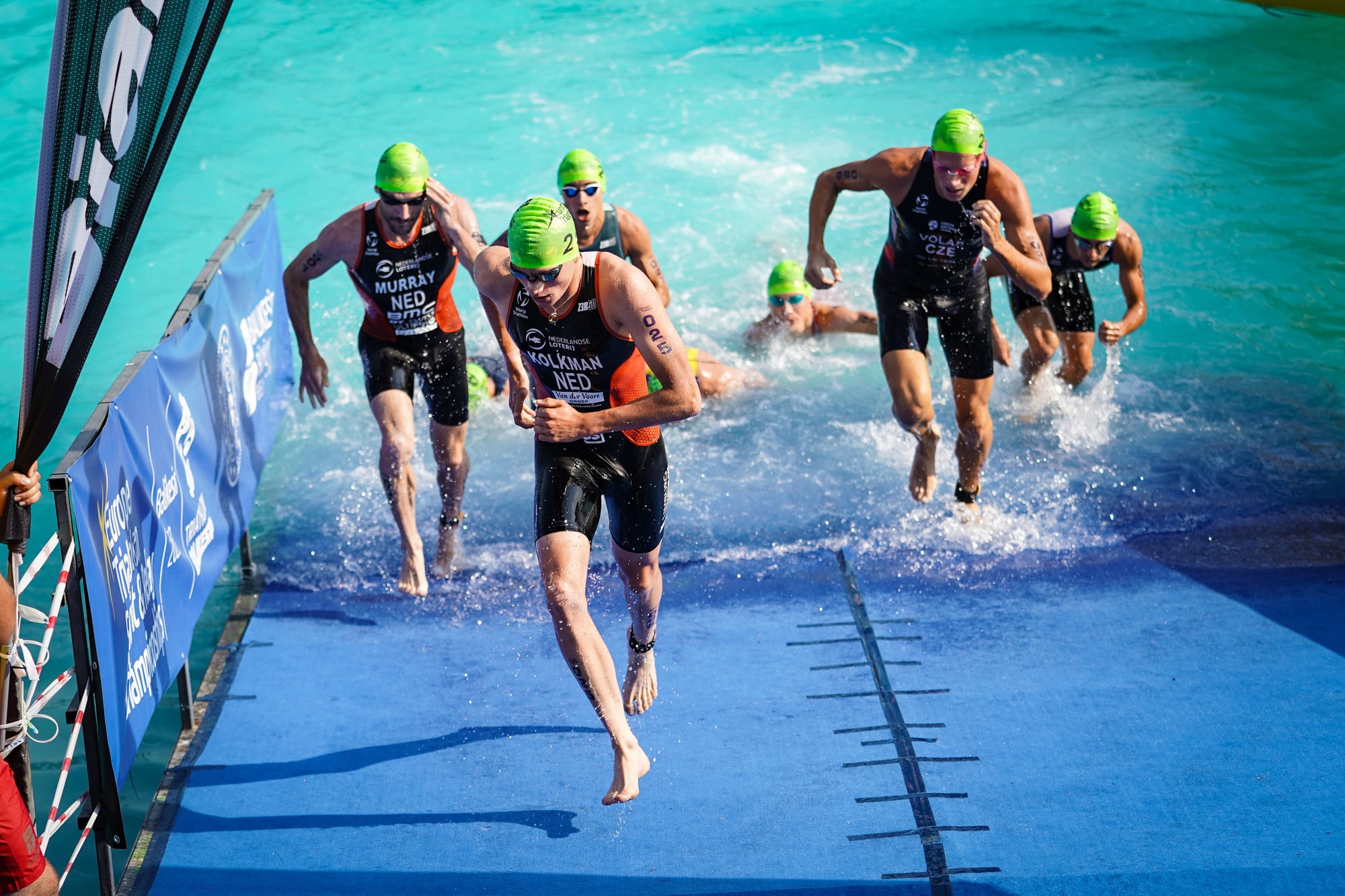
Relay records in swimming face constant assault from teams that combine their fastest individual swimmers into units designed specifically to break existing marks. The handoff timing, stroke technique matching between teammates, and strategic positioning of swimmers within the relay create variables that teams optimize relentlessly.
The United States, Australia, and Great Britain trade relay records back and forth across multiple distances and stroke combinations. Each major championship produces new relay world records because teams peak specifically for these events.
The 4×100 freestyle relay generates the fastest swimming speeds achieved in competition, as swimmers know they only need to maintain their pace for 100 meters rather than longer distances.
Javelin Records

The javelin record occupies an interesting space in track and field because equipment changes have forced the sport to restart its record progression multiple times. The current men’s record belongs to Jan Železný, set in 1996, making it one of the older marks in a sport where most records change hands regularly.
Women’s javelin records fall more frequently. Barbora Špotáková has held the record since 2008, but challengers emerge regularly.
Technique improvements drive most javelin record attempts rather than pure strength gains.
High Jump Records

High jump records climb slowly but steadily, measured in centimeters rather than the larger margins you see in other jumping events. Javier Sotomayor’s men’s record has stood since 1993, making it ancient by modern standards, but women’s records change more frequently.
The Fosbury Flop revolutionized the event decades ago, but technique refinements continue to push heights higher. Approach speed, takeoff angle, and bar clearance efficiency all factor into record attempts.
Current jumpers are approaching heights that seemed impossible when the technique was first developed.
Shot Put Records
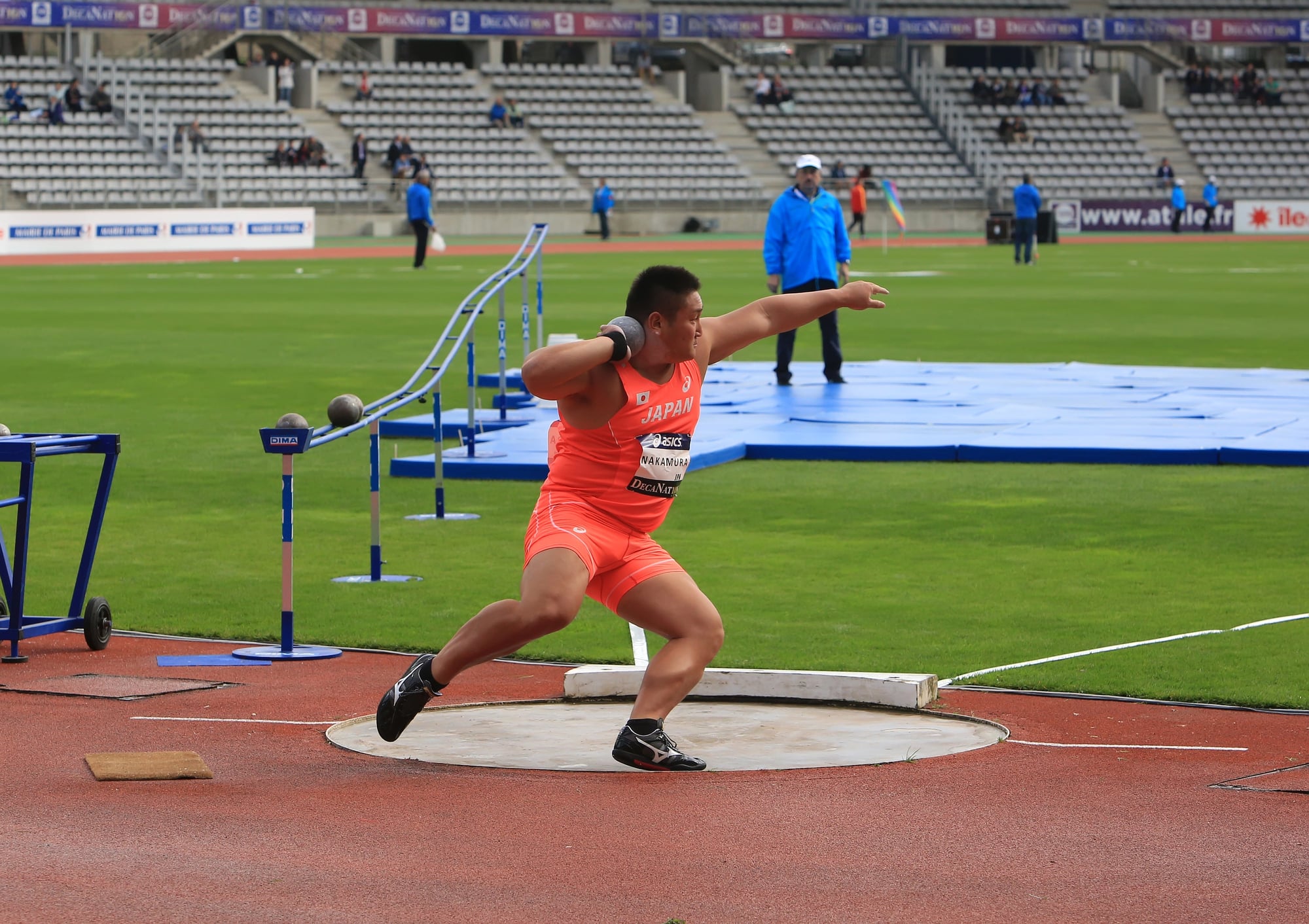
Shot put records advance through a combination of raw power and technique refinement, with throwers constantly experimenting with release angles, foot positioning, and rotation speeds to find extra distance. The glide technique dominated for decades before the rotational method gained popularity, and now throwers blend elements of both approaches.
Ryan Crouser has rewritten the men’s record multiple times, pushing the mark beyond what previous generations considered possible (his technique generates more rotational power than traditional approaches). Women’s records also fall regularly as throwers adapt training methods that maximize both strength and speed.
The 16-pound men’s implement and 8.8-pound women’s shot require different optimization strategies, but both divisions see steady progression. These records matter because shot put serves as a pure measure of explosive power—no wind assistance, no equipment variables, just human strength applied with maximum efficiency.
The Beautiful Futility

Records exist to be broken, which makes them both meaningful and temporary at the same time. Athletes spend years chasing marks that someone else will eventually surpass, and somehow that cycle makes each achievement more valuable rather than less.
The progression continues because human performance has no finish line—just the next starting point.
More from Go2Tutors!

- The Romanov Crown Jewels and Their Tragic Fate
- 13 Historical Mysteries That Science Still Can’t Solve
- Famous Hoaxes That Fooled the World for Years
- 15 Child Stars with Tragic Adult Lives
- 16 Famous Jewelry Pieces in History
Like Go2Tutors’s content? Follow us on MSN.