17 Old Slang Words That Make You Sound Refined
Language changes faster than fashion trends, but some words from the past carry a charm that modern vocabulary just can’t match. These vintage expressions bring an air of sophistication to everyday conversation, making even the most ordinary comments sound like they came from a well-read scholar or a character in a classic novel.
Ready to add some old-world elegance to your vocabulary? These timeless terms will have people thinking you stepped out of a different era.
Balderdash

This delightful word means complete nonsense, and saying it feels almost as satisfying as calling out something ridiculous. People have been using balderdash since the late 1500s, though back then it referred to a jumbled mix of drinks.
Today, it’s the perfect way to dismiss silly ideas without sounding harsh. When someone suggests something absolutely absurd, responding with ‘That’s pure balderdash’ sounds infinitely more refined than saying ‘That’s garbage.’
Rapscallion

Calling someone a rapscallion is basically calling them a troublemaker, but with style. The word evolved from ‘rascal’ in the 1600s and adds an extra layer of playful disapproval.
It works wonderfully for describing mischievous children or friends who can’t help but stir up a little chaos. Unlike harsher insults, rapscallion carries a tone of amused exasperation rather than genuine anger.
Tomfoolery

When people engage in silly, foolish behavior, they’re committing tomfoolery. This word has been around since the 1800s and captures a specific kind of playful stupidity that modern slang struggles to express.
It’s perfect for describing pranks, silly antics, or any activity that seems pointless but entertaining. The word itself sounds whimsical, which makes it ideal for situations where you’re annoyed but not truly upset.
Poppycock

Similar to balderdash, poppycock means nonsense or empty talk. The word likely comes from Dutch and entered English in the mid-1800s.
It’s softer than calling something a lie but stronger than saying you disagree. Using poppycock in conversation immediately elevates your objection from common to classy.
The word has a bouncy quality that makes even serious disagreements sound less confrontational.
Flibbertigibbet

This wonderfully long word describes a frivolous or flighty person who can’t seem to focus. Shakespeare used a version of it in ‘King Lear,’ though the modern spelling came later.
It perfectly captures those moments when someone bounces from topic to topic without finishing a single thought. Calling someone a flibbertigibbet sounds almost affectionate despite pointing out their scattered nature.
The word rolls off the tongue with a rhythm that makes it fun to say.
Whippersnapper

Young people who act too bold or confident for their age used to get called whippersnappers. The term dates back to the 1600s and combines the idea of someone who whips and snaps without real authority.
Today, it works perfectly for describing presumptuous youngsters who think they know everything. Older generations especially enjoy this word because it lets them express frustration with youth culture while sounding dignified.
The word carries just enough bite without being genuinely mean.
Codswallop
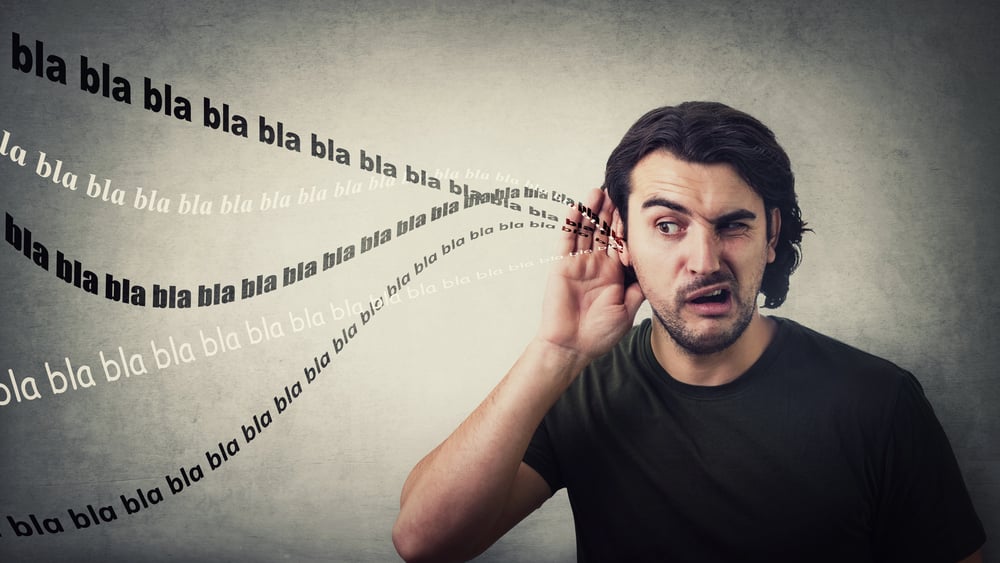
British in origin, codswallop means utter rubbish or nonsense. Some say it comes from Hiram Codd, who invented a bottle for fizzy drinks in the 1870s, though historians debate this origin story.
The word sounds proper and British no matter who says it. Using codswallop instead of more common dismissals makes you sound worldly and educated.
It’s particularly effective when you want to reject an idea firmly but politely.
Lollygag

To lollygag means to waste time or dawdle around aimlessly. Americans started using this word in the mid-1800s, possibly combining ‘loll’ and an old word for deceive.
It describes that specific kind of lazy procrastination where nothing productive happens. Telling someone to stop lollygagging sounds friendlier than accusing them of being lazy.
The playful sound of the word takes the edge off what’s essentially a criticism.
Cattywampus

This Southern American term means something is askew, crooked, or diagonal. Various regions spell it differently—catawampus, caddywampus, or even cattywhompus.
It describes things that aren’t quite right or properly aligned. When a picture frame hangs cattywampus on the wall, fixing it becomes almost urgent.
The word brings a folksy charm to everyday observations about disorder.
Nincompoop

Calling someone a nincompoop is calling them a fool, but with vintage flair. The word appeared in the late 1600s, though nobody knows its exact origins.
It works beautifully for situations requiring gentle mockery rather than harsh criticism. Shakespeare never used it, but it sounds like something his characters might have said.
The word manages to sound both silly and sophisticated at the same time.
Hullabaloo
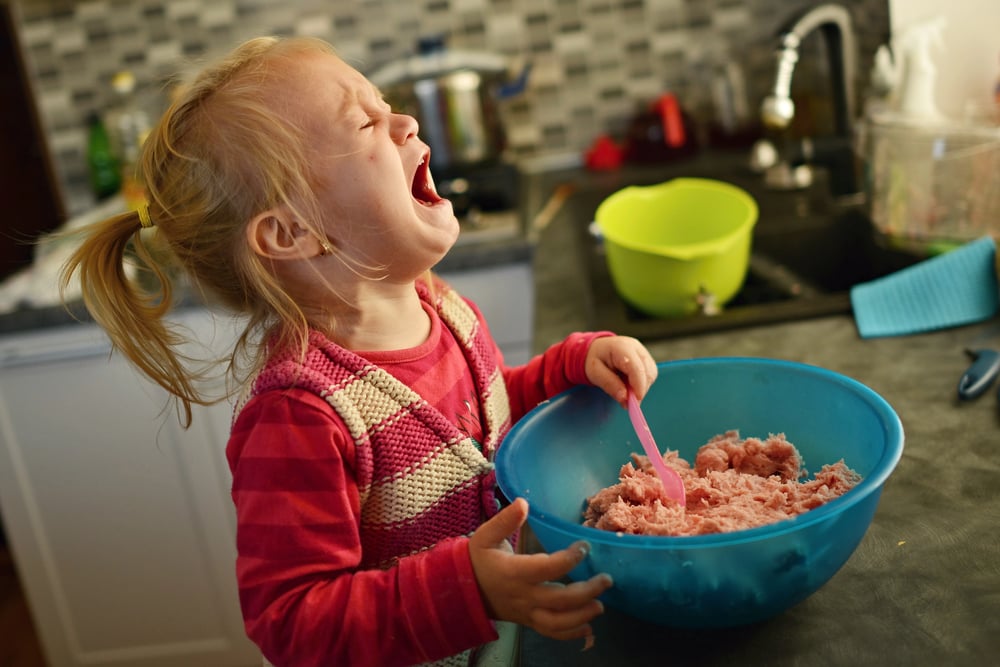
A hullabaloo is a commotion or uproar about something relatively minor. The word emerged in the mid-1700s, possibly from Scottish roots.
It perfectly captures those situations where people make too much fuss over nothing important. When colleagues create a hullabaloo over small workplace changes, using this word acknowledges the drama while maintaining perspective.
The repetitive sound makes it memorable and fun to incorporate into speech.
Brouhaha

Similar to hullabaloo but with French origins, brouhaha describes an uproar or noisy argument. The word entered English in the late 1800s from French theatrical language.
It suggests excitement mixed with confusion and unnecessary drama. When someone creates a brouhaha at a dinner party, they’re making scenes over trivialities.
The word sounds exotic enough to make even petty arguments seem almost theatrical.
Scalawag

Originally describing worthless livestock, scalawag evolved to mean a rascal or troublemaker. After the Civil War, Southerners used it for white Southerners who supported Reconstruction.
Today, it describes lovable rogues who bend rules without breaking them entirely. Calling someone a scalawag suggests they’re naughty but not genuinely harmful.
The word carries historical weight while remaining playful in modern usage.
Kerfuffle

A small uproar, often about nothing much at all – that’s what a kerfuffle really means. Back in the 1800s, folks in Scotland and Ireland were already tossing around forms of this term.
Instead of calm discussion, tempers flare over tiny choices, which is exactly when this word fits best. Picture cousins arguing about who brings the potatoes; truth is, they’re just itching to clash.
Listen closely, and you’ll hear the noise right inside the syllables.
Gobbledygook

Out of the 1940s came this U.S.-born term for speech that feels polished yet empty. A lawmaker from Texas dreamed it up, aiming to tease stiff paperwork laced with foggy phrases.
Think court papers or federal filings – full of nonsense dressed as clarity. Spotting the pattern lets people know you’re onto those who wrap simplicity in complexity.
Though fairly new, it rolls off the tongue like something dusty from an archive.
Cantankerous

A sour mood often lingers around folks stuck in old routines, particularly when they snap at every little thing. Popping up in the 1700s, its roots might trace back to a term from Ireland.
Such individuals appear to relish disagreement, finding fault where others see none. Most streets have someone like that – always grumbling, never satisfied.
Though it carries weight, the word doesn’t feel harsh, more like a raised eyebrow than a scolding.
Bamboozle

Deception is what comes to mind when we talk about bamboozling, especially the sort built on muddled thinking. Writers loved it almost as soon as it appeared around the 1700s.
Misleading without lying – that’s its specialty, relying heavily on distraction instead of falsehood. Truth gets buried under layers of confusing details when someone hits you with an overload of explanation.
Oddly enough, the bouncy rhythm of the word softens the sting of having been duped.
When Old Becomes New Again

They didn’t vanish, those old words – just lingered quietly until ears grew curious again. A well-placed one can brighten a dull chat like sunlight through dusty glass.
People who care about speech hold on to them; newer phrases often feel flat in comparison. When chatter turns silly, toss out balderdash – see how laughter follows.
More from Go2Tutors!

- The Romanov Crown Jewels and Their Tragic Fate
- 13 Historical Mysteries That Science Still Can’t Solve
- Famous Hoaxes That Fooled the World for Years
- 15 Child Stars with Tragic Adult Lives
- 16 Famous Jewelry Pieces in History
Like Go2Tutors’s content? Follow us on MSN.