Why Playground Designs Changed Over Generations
Playgrounds today look nothing like they did decades ago. The metal monsters of the past have given way to colorful, cushioned play spaces that would seem almost unrecognizable to earlier generations.
This transformation didn’t happen by accident—it came from shifting priorities about child safety, development, and what play should actually accomplish. Here is a list of 14 reasons why playground designs changed over generations.
Industrialization Created the Need

Before the late 19th century, playgrounds didn’t exist because children were expected to work in fields or factories rather than play. The concept of a dedicated play space emerged as cities grew crowded during the Industrial Revolution.
Urban kids had nowhere safe to run around, and reformers started pushing for designated areas where children could be children instead of miniature workers. The first American playground opened in San Francisco’s Golden Gate Park in 1887, marking the beginning of a movement that would reshape childhood itself.
Safety Concerns Drove Major Changes
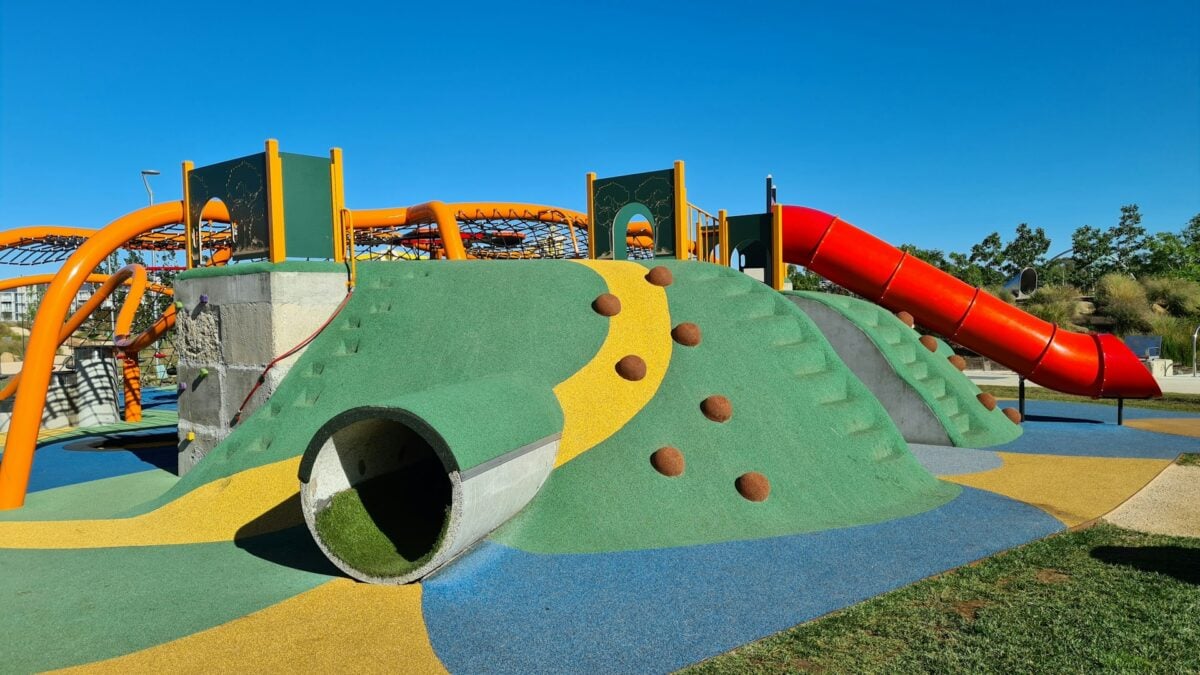
In 1981, the U.S. Consumer Product Safety Commission published the first Handbook for Public Playground Safety, which provided comprehensive guidelines covering everything from structure height to surface materials. This wasn’t just bureaucratic busywork.
Kids were getting seriously hurt on equipment built over concrete and asphalt, with metal structures featuring rough welds and sharp edges. The handbook represented a turning point where society decided that broken bones and head injuries weren’t just the price of fun.
Like Go2Tutors’s content? Follow us on MSN.
Fall Prevention Became Priority Number One

The CPSC Handbook helped zero in on the biggest problem plaguing playgrounds: falls from equipment. Most playground injuries came from kids hitting hard ground after losing their grip or misjudging a jump.
This realization changed everything about how playgrounds were built, from the height of platforms to what went underneath them. The focus shifted from how impressive equipment looked to how safely kids could bounce back from inevitable tumbles.
Surface Materials Underwent Complete Overhauls
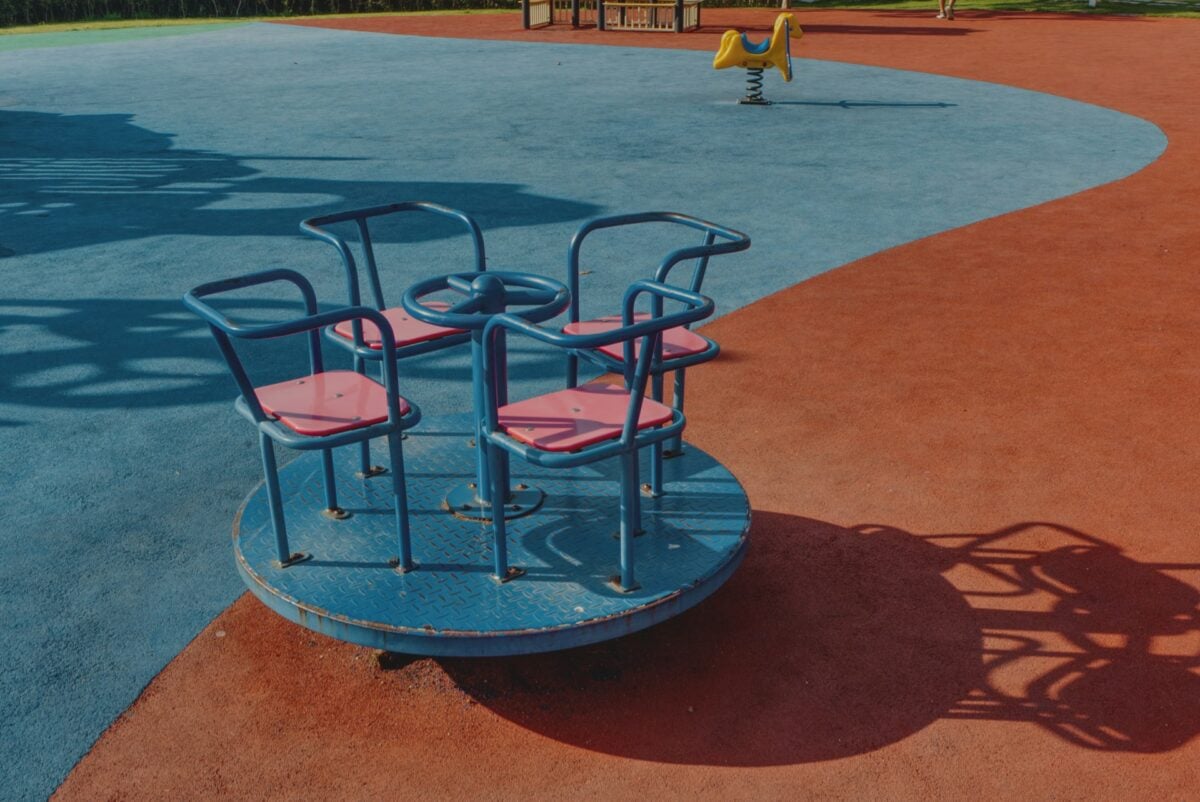
Research showed that materials like sand, wood chips, or rubber mulch could significantly reduce the impact of falls. Concrete and asphalt became taboo as playground surfaces.
Instead, designers started using engineered wood fiber, shredded rubber, and eventually poured-in-place rubber surfacing. These materials could absorb shock from falls up to 16 feet high, transforming what used to be bone-breaking drops into manageable bumps.
Child Development Psychology Influenced Design
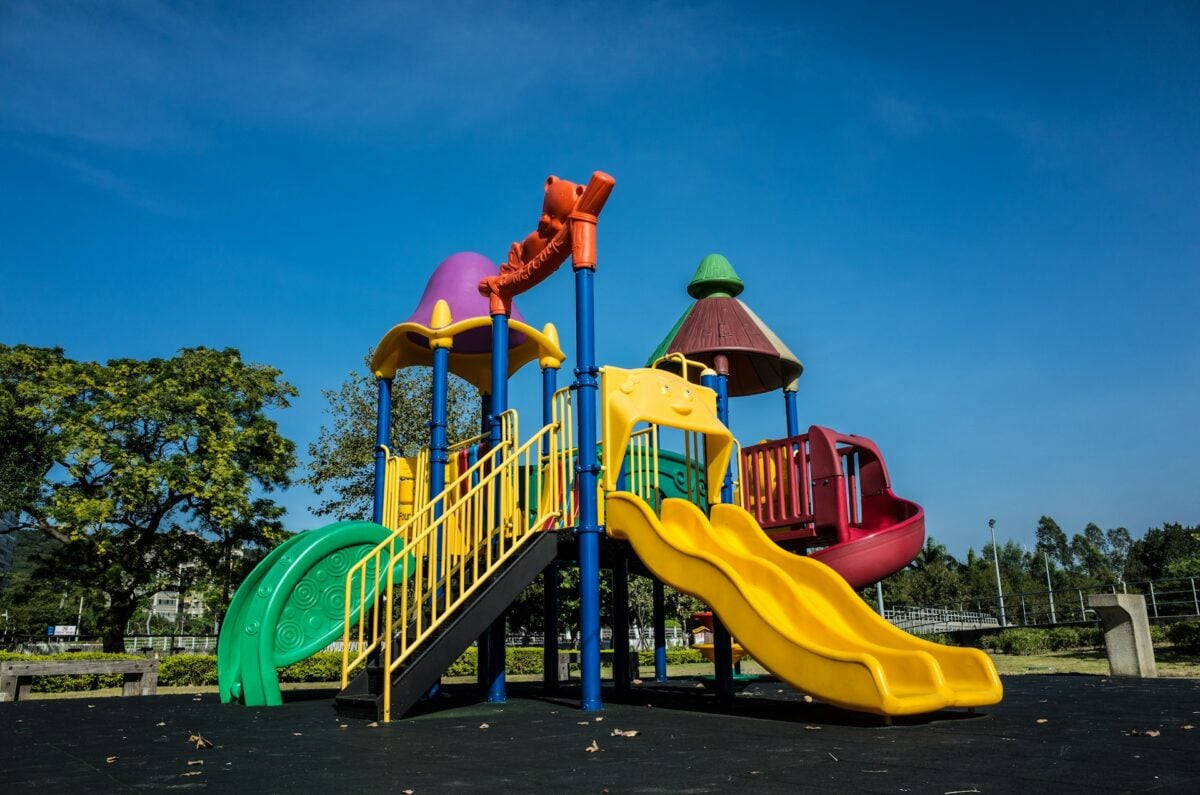
In the 1960s, playground design began incorporating theories of child psychologists such as Erik Erikson and Jean Piaget, with equipment like activity panels geared toward teaching children concepts through play. Playgrounds stopped being just places to burn energy and started being viewed as developmental tools.
Designers began thinking about how different types of play could build specific skills—climbing for motor development, imaginative play areas for creativity, and social spaces for learning cooperation. The psychology behind play became as important as the physical structures themselves.
Like Go2Tutors’s content? Follow us on MSN.
Supervised Play Gave Way to Free Exploration

In the early 1900s, playgrounds were not free-form, with trained instructors teaching children necessary lessons and organizing their play through activities like equipment lessons, parades, and theater productions. This structured approach eventually felt too restrictive.
By mid-century, designers started creating spaces that encouraged kids to make their own fun rather than following adult-led programs. The shift reflected changing ideas about childhood—less about molding obedient citizens and more about nurturing independent thinkers.
Metal Equipment Got Replaced by Gentler Materials
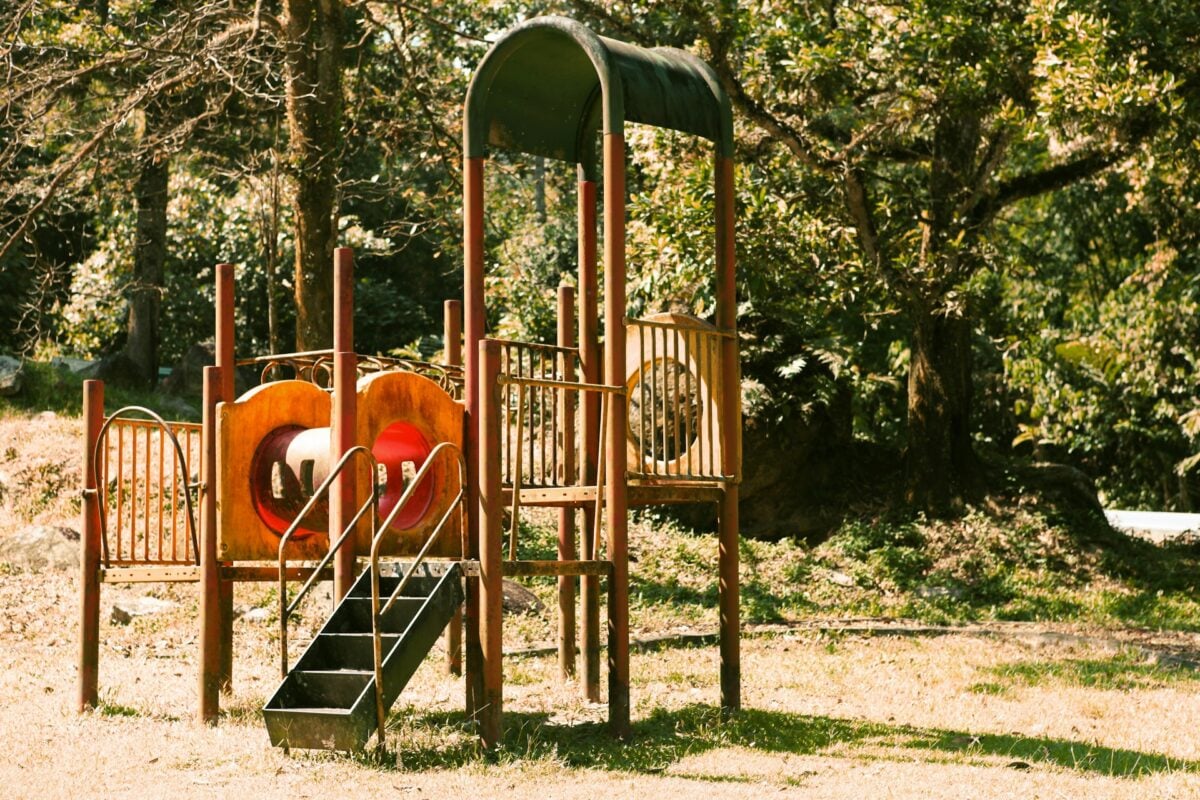
Galvanized steel structures with rough welds and pointy bits were phased out and replaced by wood, plastic, and painted metal. Those old steel jungle gyms could heat up to scorching temperatures in summer and turn ice-cold in winter.
Splinters from wooden equipment and rust from metal created additional hazards. Modern plastic and coated materials stay closer to ambient temperature, resist weathering better, and eliminate sharp edges that used to catch clothing or skin.
Space-Age Themes Captured Imaginations

Beginning in the 1960s, in response to the Cold War, novelty playgrounds took on space ship-themed structures, with satellite, rocket, and submarine playgrounds popping up around the world. The space race influenced everything from fashion to architecture, and playgrounds were no exception.
Kids could pretend to be astronauts on rocket slides or submariners in underwater-themed structures. These themed playgrounds reflected the era’s optimism about technology and exploration, though they often prioritized looks over actual play value.
Like Go2Tutors’s content? Follow us on MSN.
Lawsuits Changed Manufacturing Standards
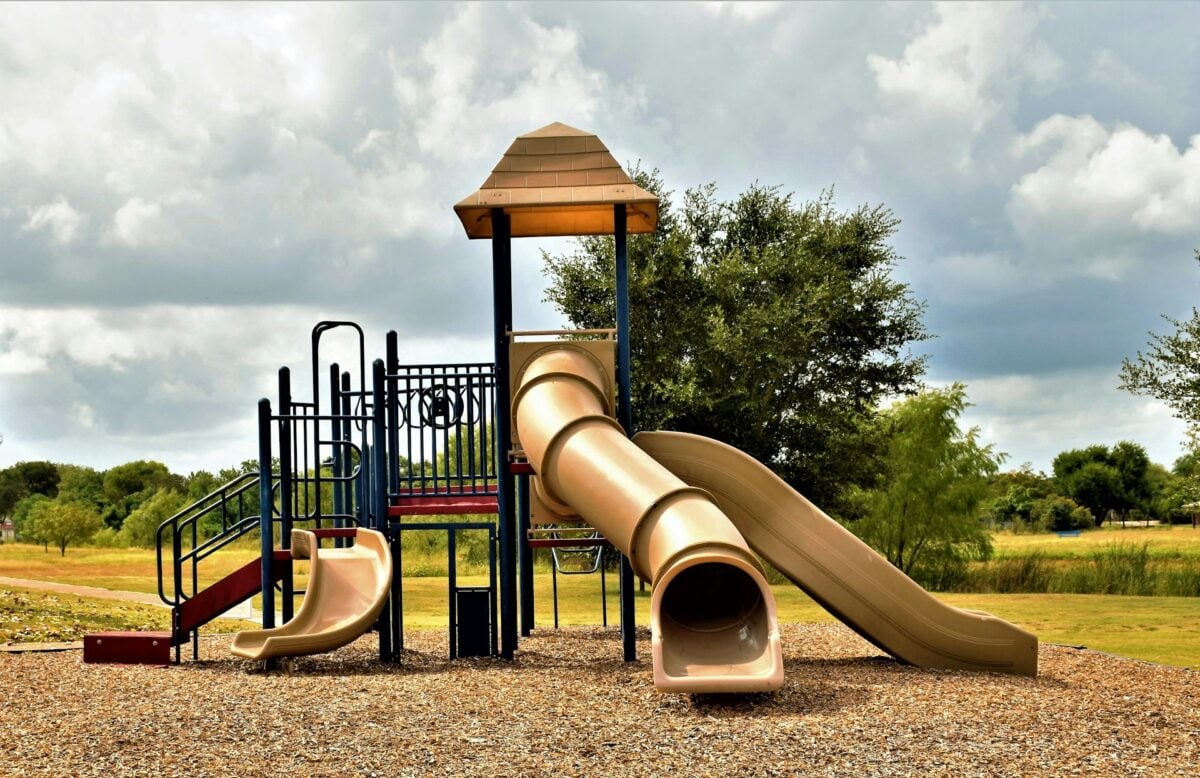
The 1980s saw a barrage of lawsuits against companies who produced playground equipment after children were injured during play, prompting industry regulations to ensure all playgrounds followed proper safety guidelines. Legal liability pushed manufacturers to take safety seriously in ways that recommendations alone couldn’t.
Companies started rigorous testing and created internal standards to avoid costly settlements. This legal pressure, while frustrating for manufacturers, ultimately benefited children by forcing equipment makers to prioritize safety over profit margins.
Inclusive Design Opened Play to Everyone
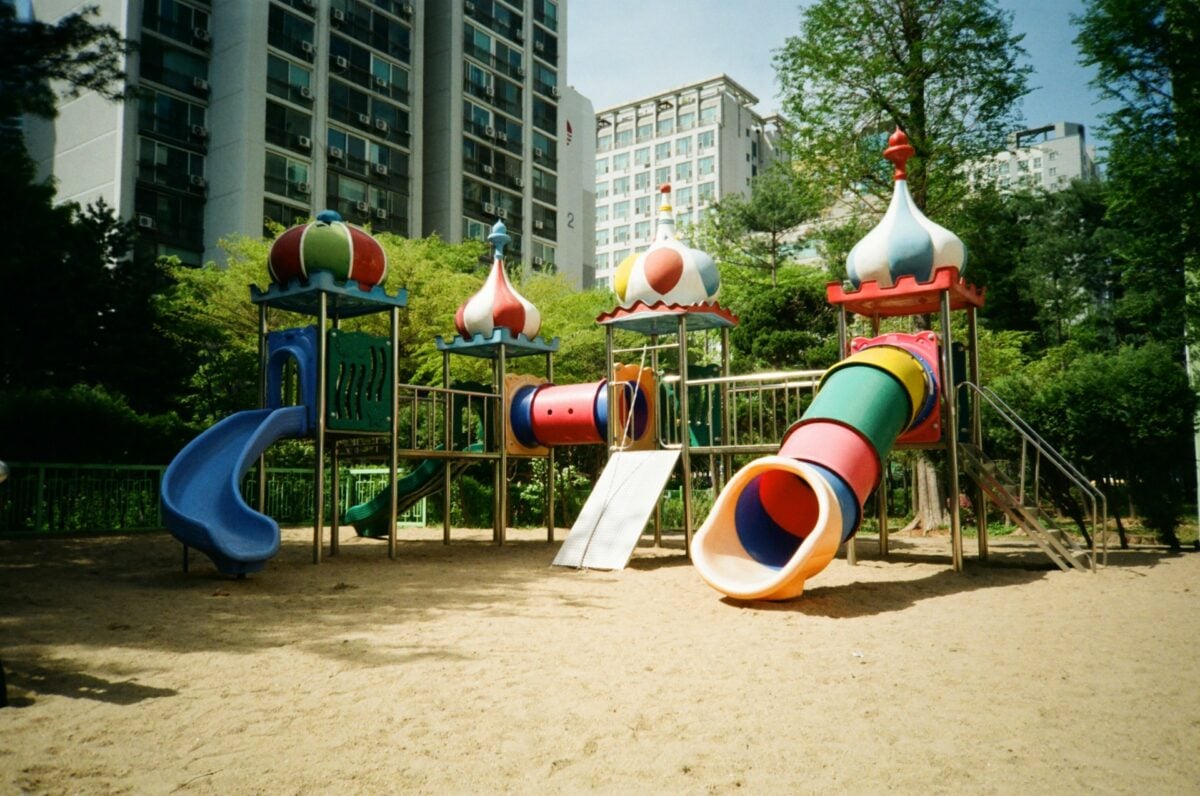
The growing societal emphasis on inclusivity led to the redesign of playgrounds to cater to children of all abilities, ensuring every child could enjoy and benefit from play. Ramps replaced stairs in many areas, ground-level play panels served kids in wheelchairs, and sensory elements engaged children with different developmental needs.
This wasn’t just about compliance with disability laws—it reflected a fundamental shift in understanding that play should be a universal right. Inclusive playgrounds also created opportunities for children with different abilities to play together, building empathy and understanding.
Natural Elements Made a Comeback

Natural materials, clean lines, and colors that blend into the environment became popular, with wooden climbing frames, log balance beams, and stepping stones designed to fit the new idea of being more in tune with the environment. After decades of bright plastic, designers started incorporating nature-inspired elements that felt more organic.
These playgrounds used boulders for climbing, logs for balancing, and natural wood structures that weathered gracefully. The movement responded to concerns about children spending too much time indoors and disconnected from nature.
Like Go2Tutors’s content? Follow us on MSN.
Multigenerational Spaces Emerged
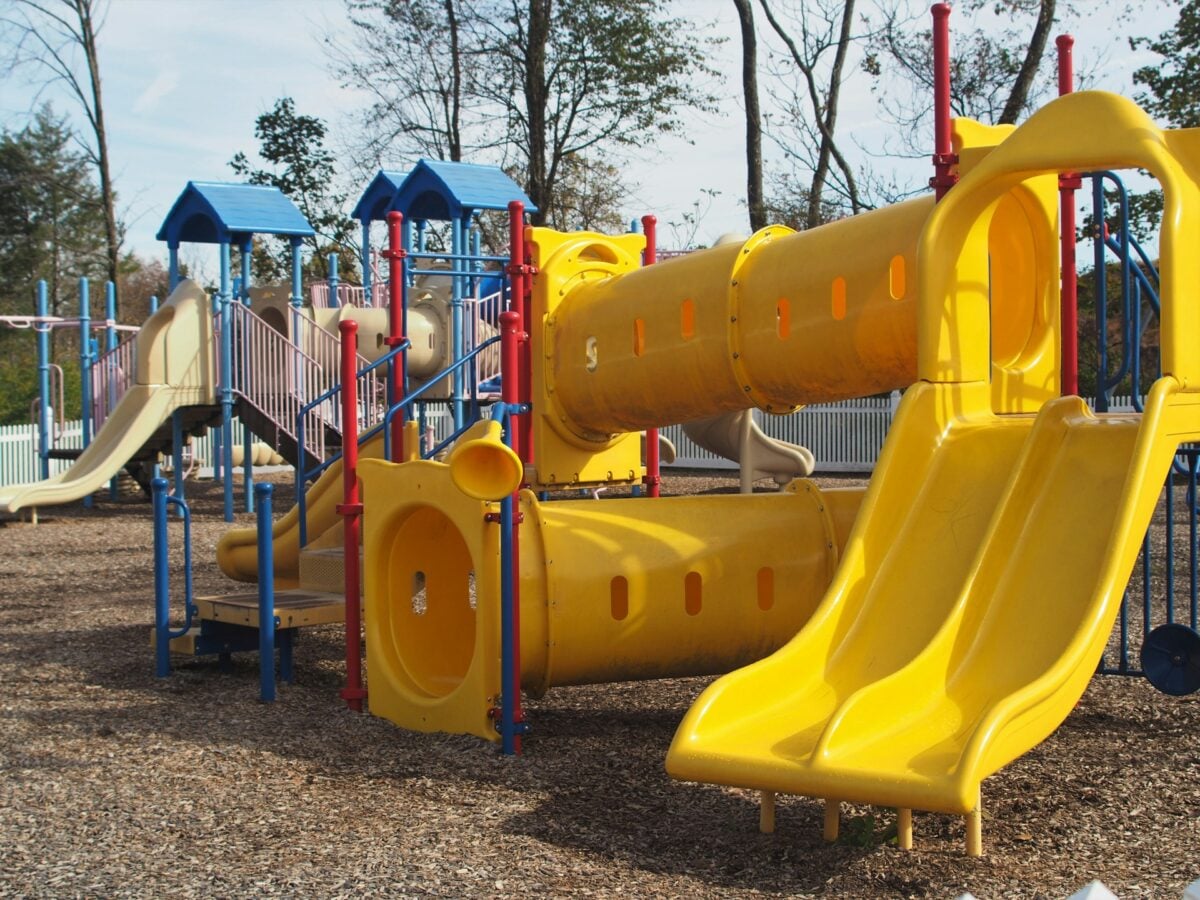
When every generation is able to gather and play together, children learn to value outdoor play, with multigenerational playgrounds enabling socialization of several age groups and increasing feelings of support and mental health benefits. Modern playgrounds stopped being just for kids.
Equipment that grandparents could use alongside toddlers, fitness stations for adults, and seating integrated into play areas rather than separated from them changed the social dynamic. These spaces recognized that play and physical activity benefit everyone, not just children.
Imagination-Focused Equipment Replaced Fixed-Function Pieces
Cas Holman’s Imagination Playground uses different-sized foam blocks which can be configured and reconfigured in endless ways, with the belief that imagination is an essential part of childhood and toys should encourage exploratory, unstructured play. Instead of equipment that only works one way, designers created loose parts and movable pieces with undefined functions.
Kids could build their own play structures, rearrange elements, and invent new uses for the same pieces day after day. This approach trusted children to create their own challenges rather than relying on adults to design every experience for them.
Adventure Playgrounds Challenged Traditional Safety

Adventure playgrounds contained tires and other materials with a few existing play structures that would allow children to build and create their own unique play area, though many became a repository for unwanted material. These spaces gave kids hammers, nails, and scrap materials to construct their own play environments.
The concept emerged after World War II when children played on bombed-out buildings and rubble, showing they thrived with unstructured materials. While adventure playgrounds never caught on widely in America due to safety concerns and maintenance issues, they influenced modern playground philosophy about giving children agency in their play.
Like Go2Tutors’s content? Follow us on MSN.
Where Play Goes From Here
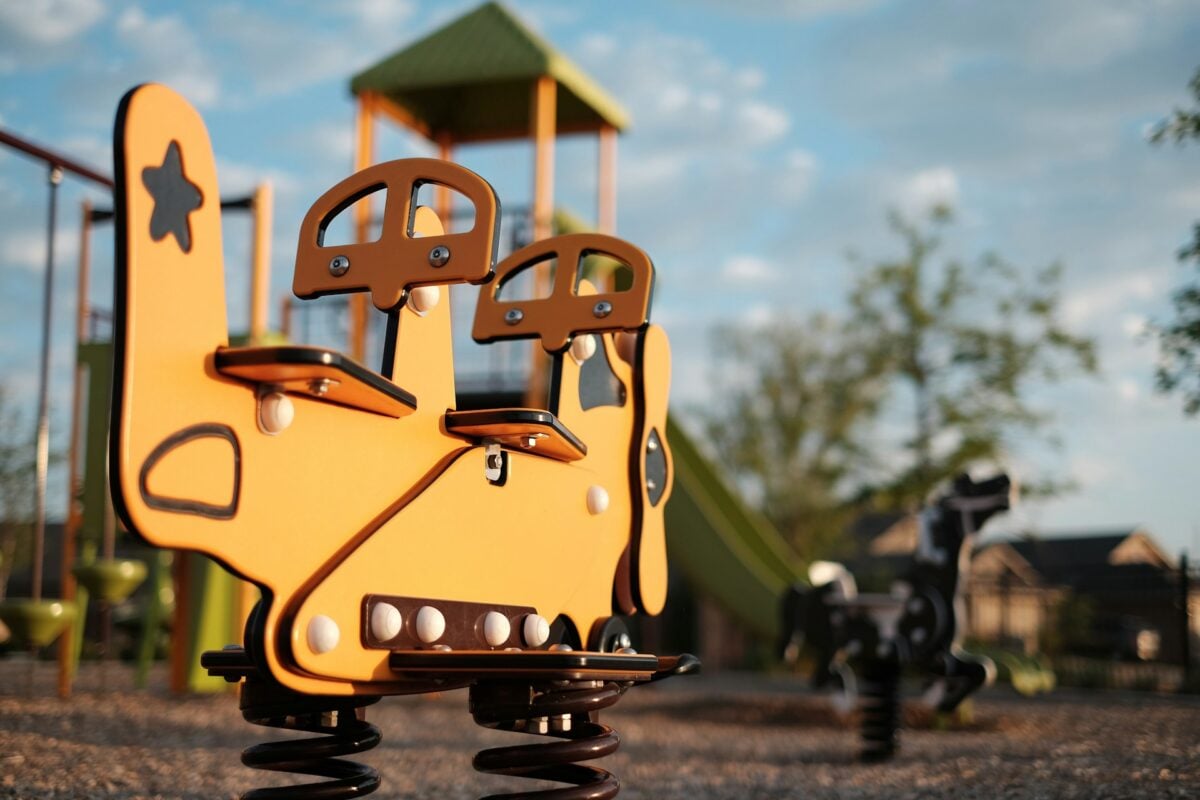
Playground design has traveled from rigid supervision to creative freedom, from dangerous metal to forgiving materials, from exclusion to inclusion. Each generation’s playgrounds reflected what society valued about childhood—whether that meant creating orderly citizens, sparking scientific curiosity, or fostering independence.
Today’s playgrounds balance safety with challenge, accessibility with adventure, and structure with imagination. They’re not perfect, but they represent over a century of learning what children actually need from play spaces.
More from Go2Tutors!

- 16 Historical Figures Who Were Nothing Like You Think
- 12 Things Sold in the 80s That Are Now Illegal
- 15 VHS Tapes That Could Be Worth Thousands
- 17 Historical “What Ifs” That Would Have Changed Everything
- 18 TV Shows That Vanished Without a Finale
Like Go2Tutors’s content? Follow us on MSN.



