15 Small Nations with Odd Global Claims
Some countries punch way above their weight class when it comes to making their mark on the world stage. Not through military might or economic powerhouses, but through peculiar specialties that somehow became their calling cards.
These small nations have carved out bizarre niches for themselves — from monopolizing the world’s supply of something you’ve never thought about to claiming ownership over concepts that seem almost too strange to be real. What makes these claims even more fascinating is how seriously the rest of the world takes them, turning what might seem like quirky footnotes into genuine geopolitical leverage.
Vatican City
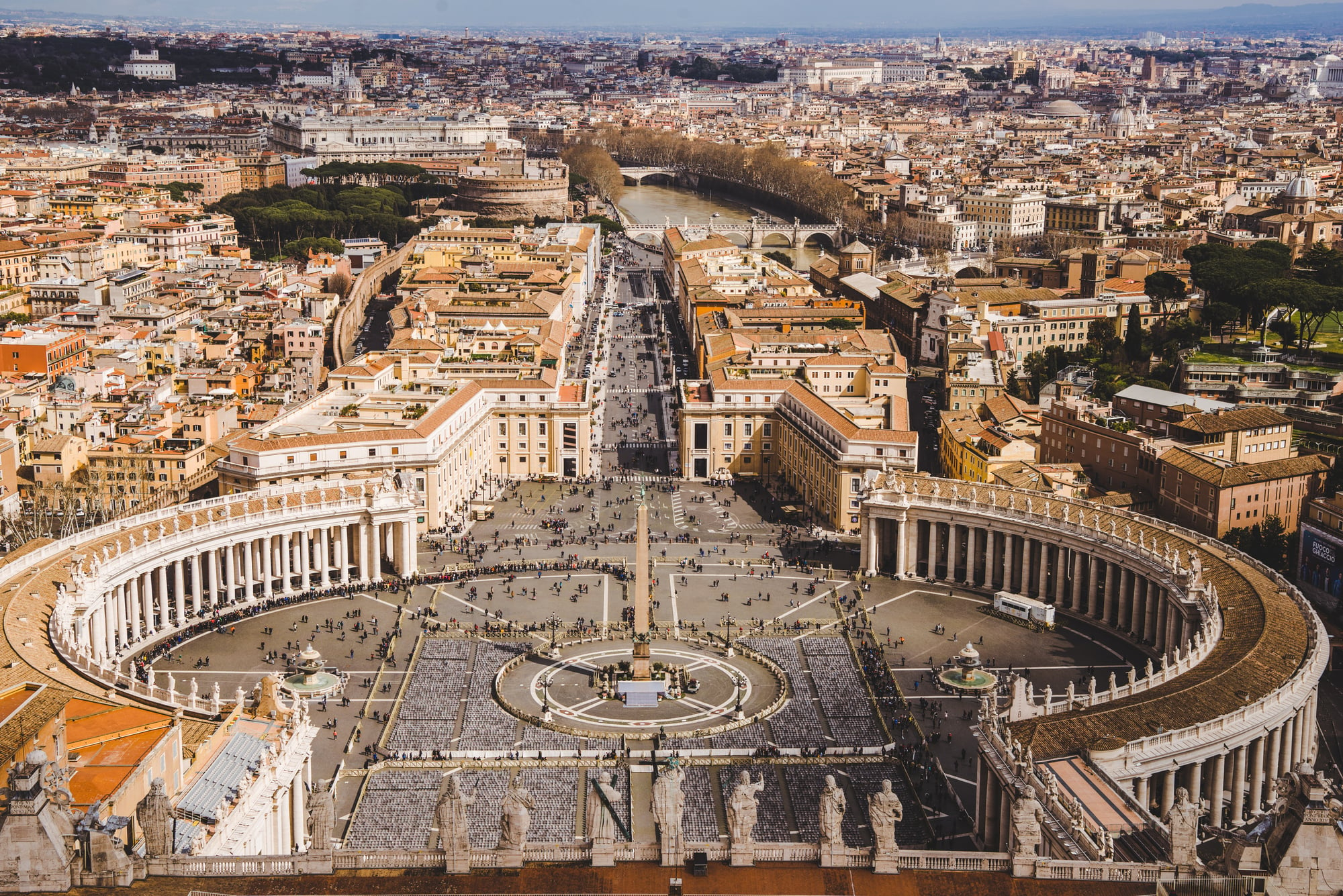
The Vatican operates the world’s only ATM that offers services in Latin. Think about that for a moment: a dead language dispensing modern cash in the smallest sovereign state on earth.
The Holy See also issues its own euros, which are legal tender across Europe but worth far more to collectors than their face value.
San Marino
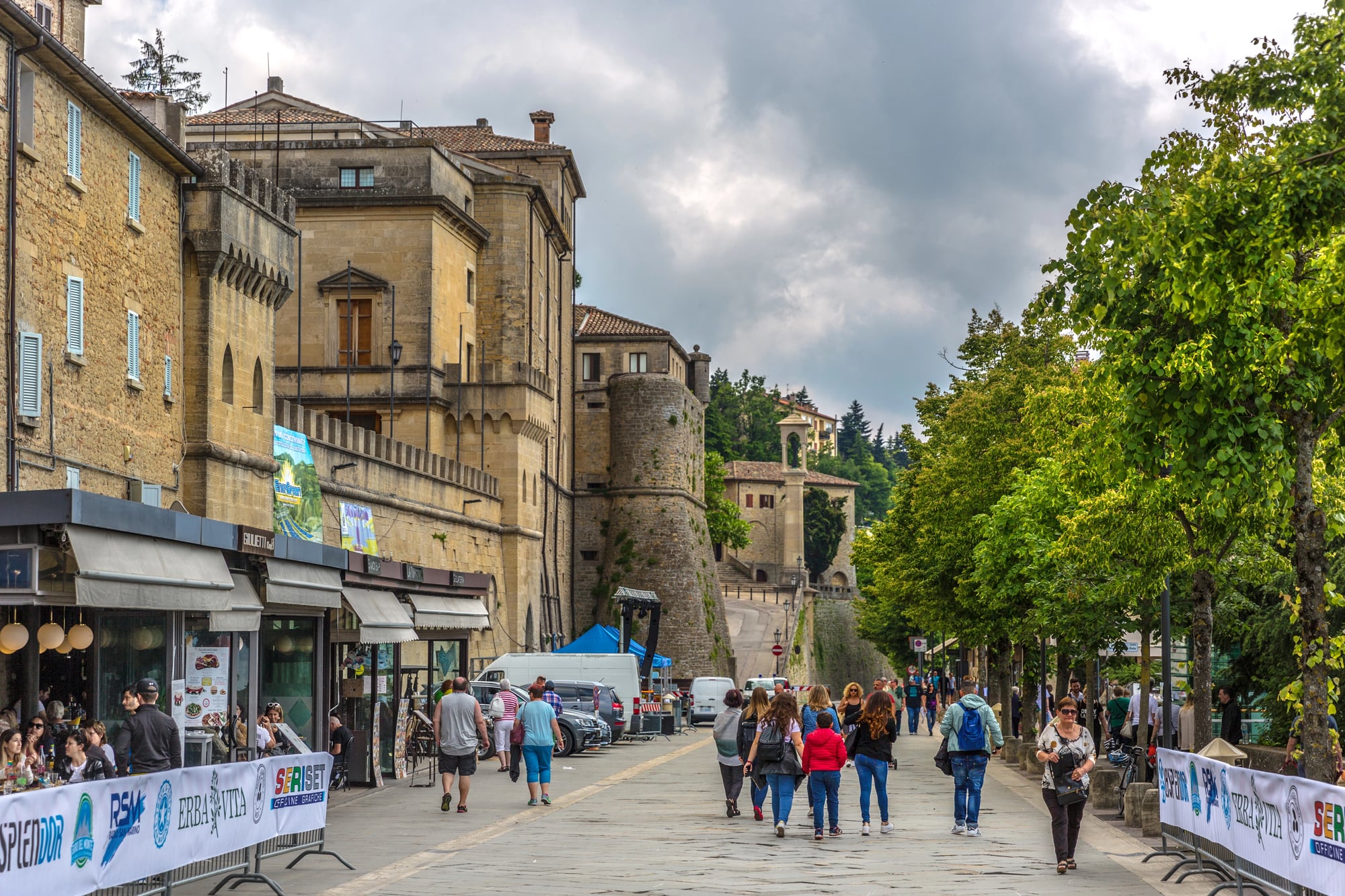
San Marino claims to be the world’s oldest surviving republic, founded in 301 AD. More importantly for your mail collection, it’s become Europe’s unofficial stamp printing capital.
This 24-square-mile country generates a significant portion of its revenue by creating elaborate, collectible postage stamps that philatelists worldwide obsess over.
Monaco
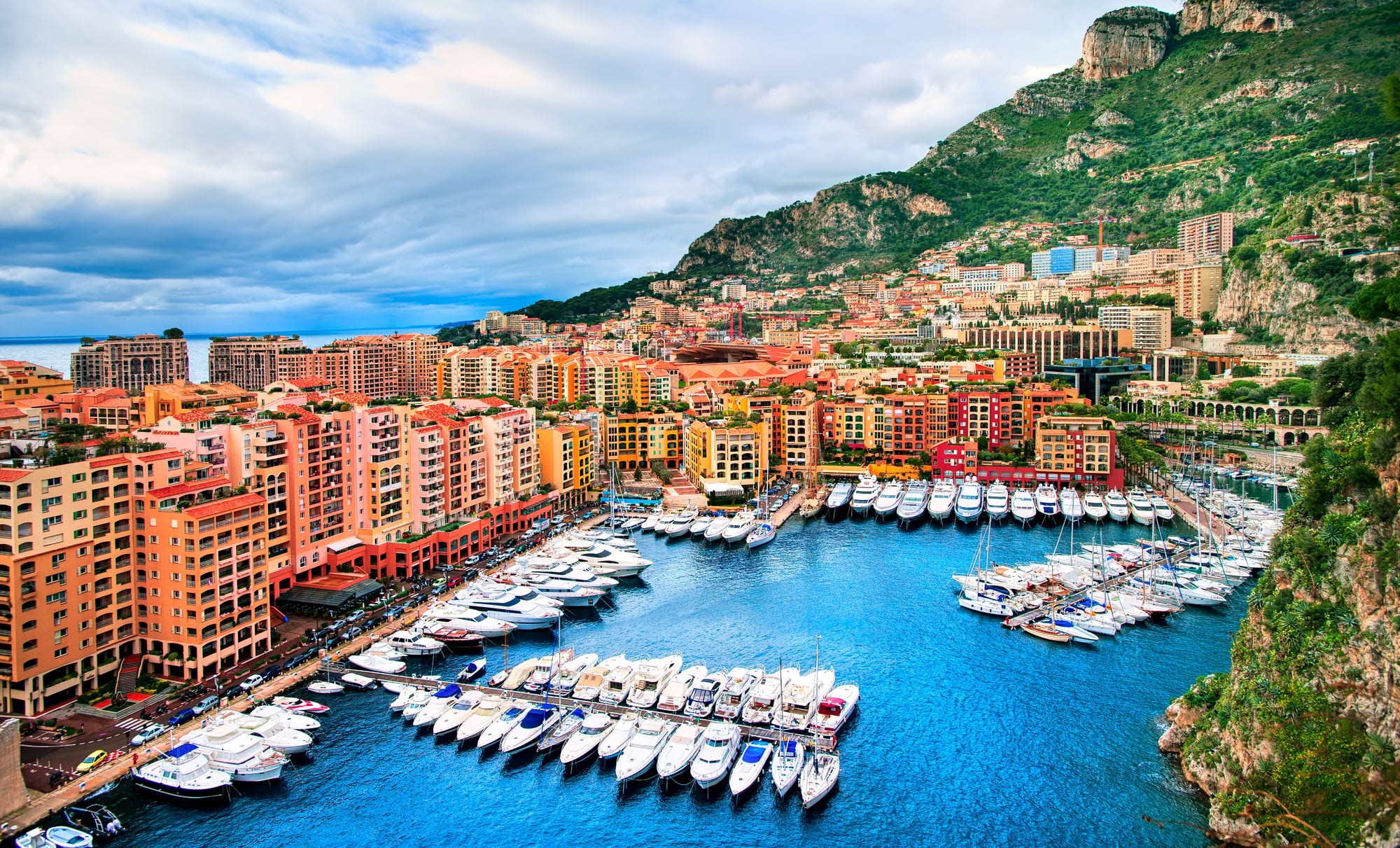
Monaco has achieved something that urban planners dream about but never quite manage: zero unemployment and a crime rate so low it’s practically theoretical. The country is so small (less than a square mile) that police officers could theoretically chase a criminal across the entire nation in under ten minutes, though apparently they never need to because Monaco somehow convinced crime not to exist there in the first place.
But here’s where it gets strange — Monaco also claims to have the highest concentration of millionaires per capita on earth, which sounds impressive until you realize the entire population could fit inside a large apartment building, so the statistical sample is roughly equivalent to surveying the residents of a particularly upscale city block and declaring them representative of global wealth distribution.
Liechtenstein
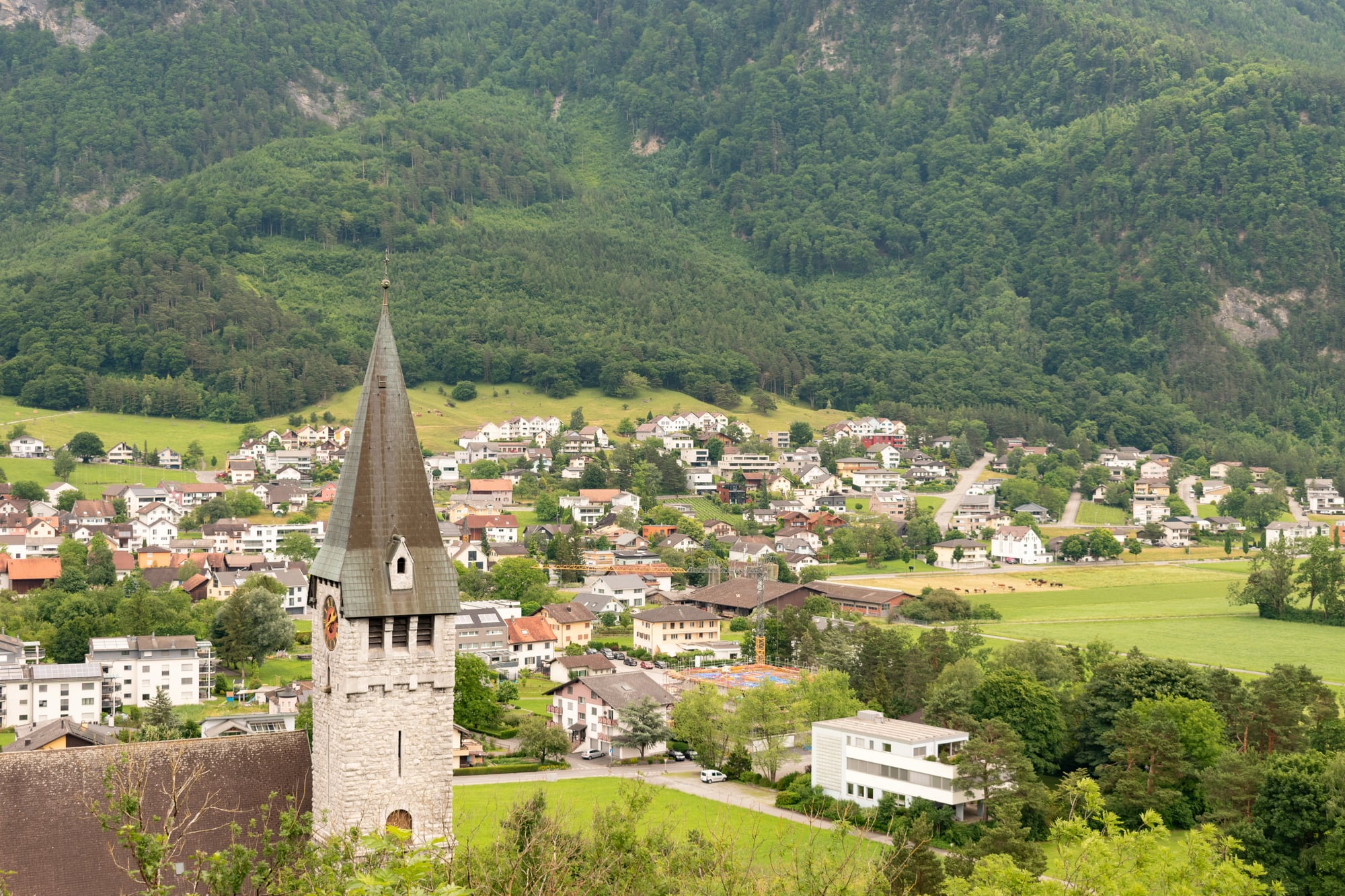
Liechtenstein has no airport, no military to speak of, and once accidentally invaded Switzerland when their army got lost during training exercises. What they do have is a monopoly on manufacturing the world’s false teeth.
Roughly half the dentures on earth come from this Alpine microstate wedged between Austria and Switzerland. The country also rents itself out for private events.
For about $70,000 a night, you can have exclusive access to the entire nation.
Nauru
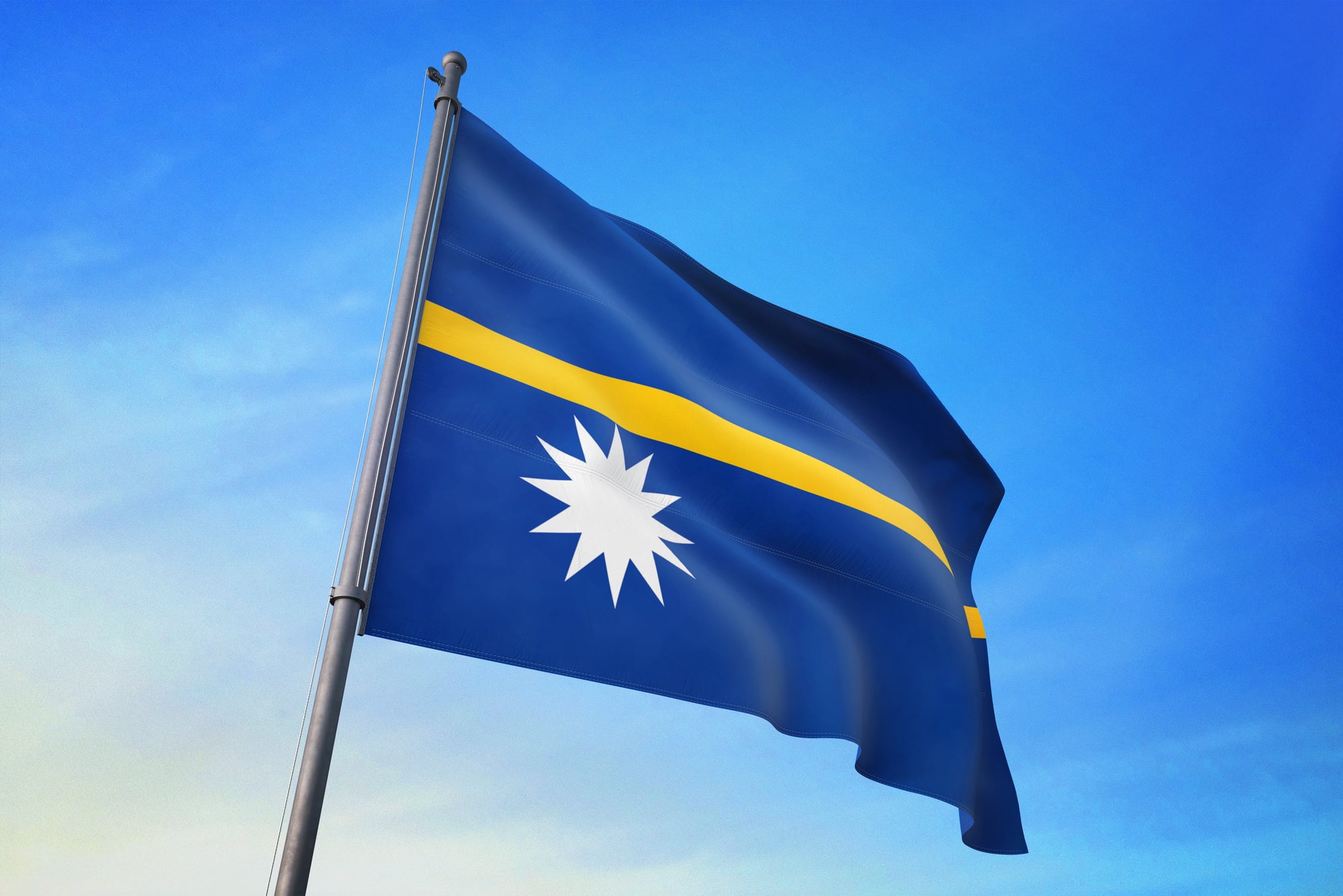
Nauru used to be the richest country per capita in the world, entirely because of bird droppings. Decades of phosphate mining from accumulated seabird guano left the island nation wealthy but environmentally devastated.
Now it claims the unfortunate distinction of having the highest obesity rate globally — nearly 95% of the population is overweight.
Tuvalu
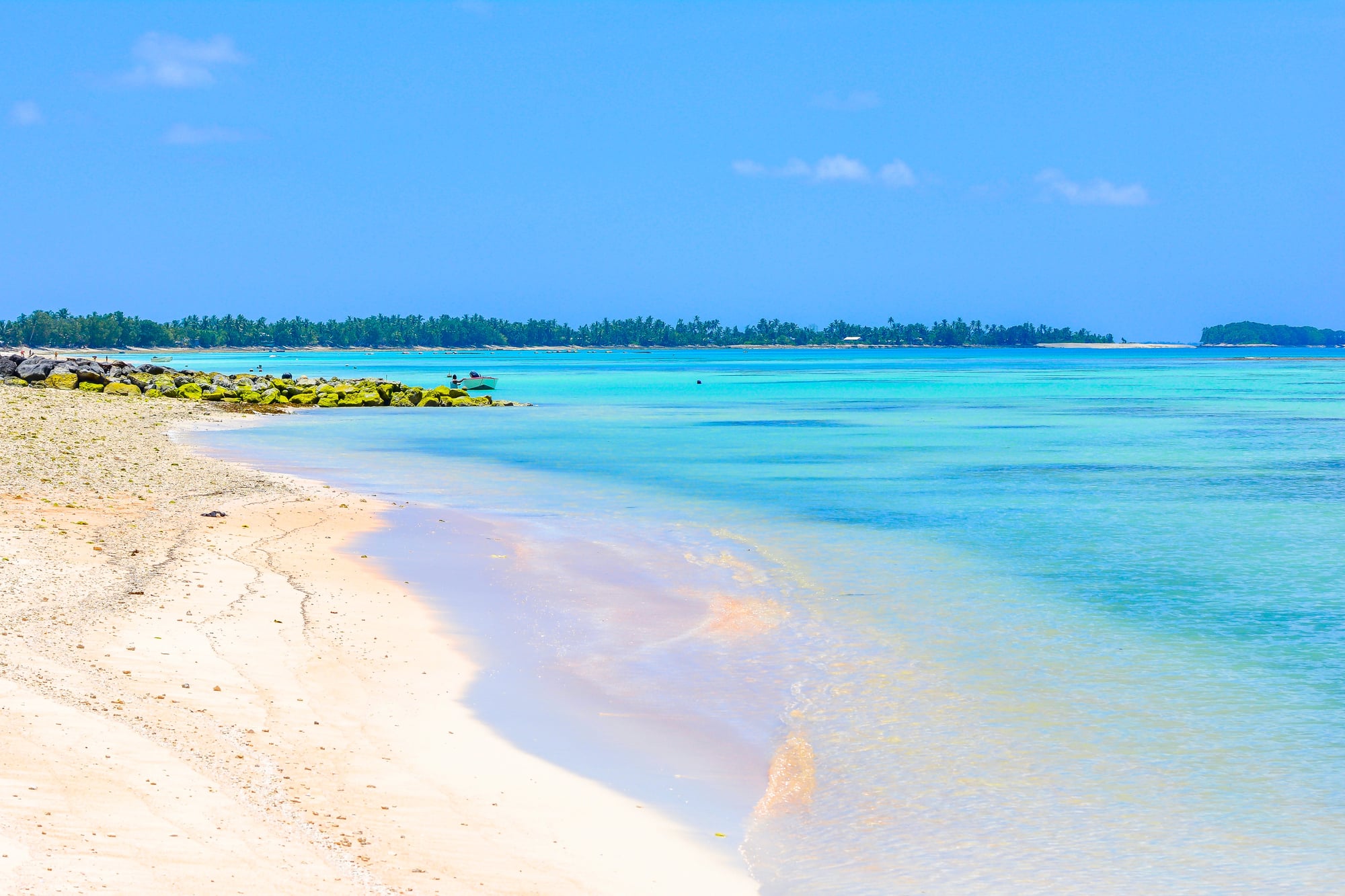
Tuvalu struck internet gold when it was assigned the domain suffix “.tv” — which television companies worldwide pay handsomely to use. This Pacific island nation of 11,000 people essentially finances its government through domain name royalties.
The country is also slowly disappearing underwater due to rising sea levels, making it perhaps the only nation actively selling its digital real estate while its physical real estate vanishes beneath the waves. Like watching someone liquidate their assets while the house floods around them, Tuvalu has turned existential crisis into revenue stream: they’re not just losing their homeland to climate change, they’re monetizing their digital identity to fund their relocation plans.
And yet this arrangement — a drowning nation subsidized by television networks who want a catchy web address — somehow makes perfect sense in our current moment.
Palau
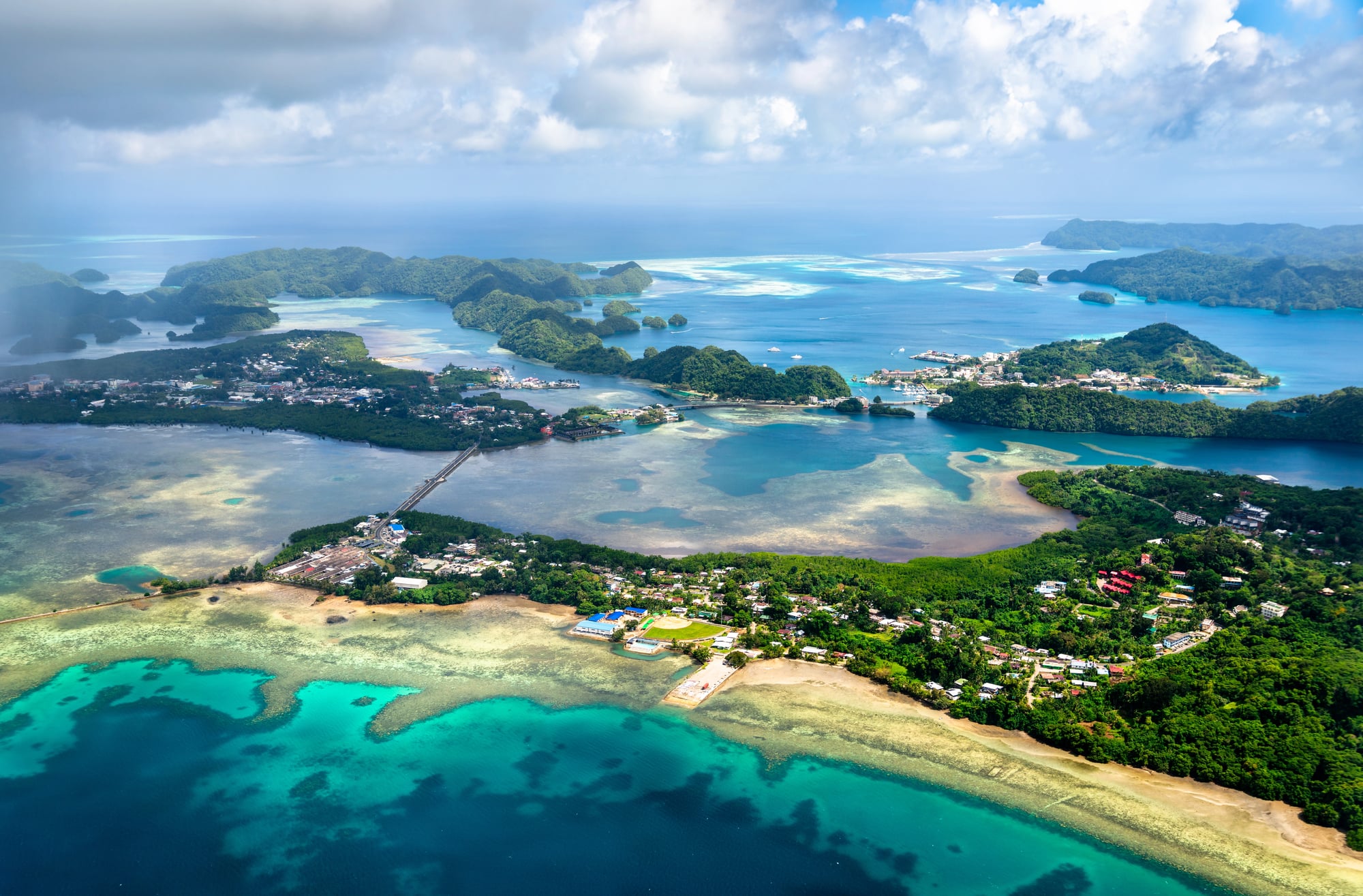
Palau created the world’s first shark sanctuary, banning all commercial shark fishing across 200,000 square miles of ocean. This diving paradise of 18,000 people essentially appointed themselves global guardians of one of the ocean’s apex predators.
The ban isn’t symbolic — they patrol their waters and impose hefty fines on violators.
Malta
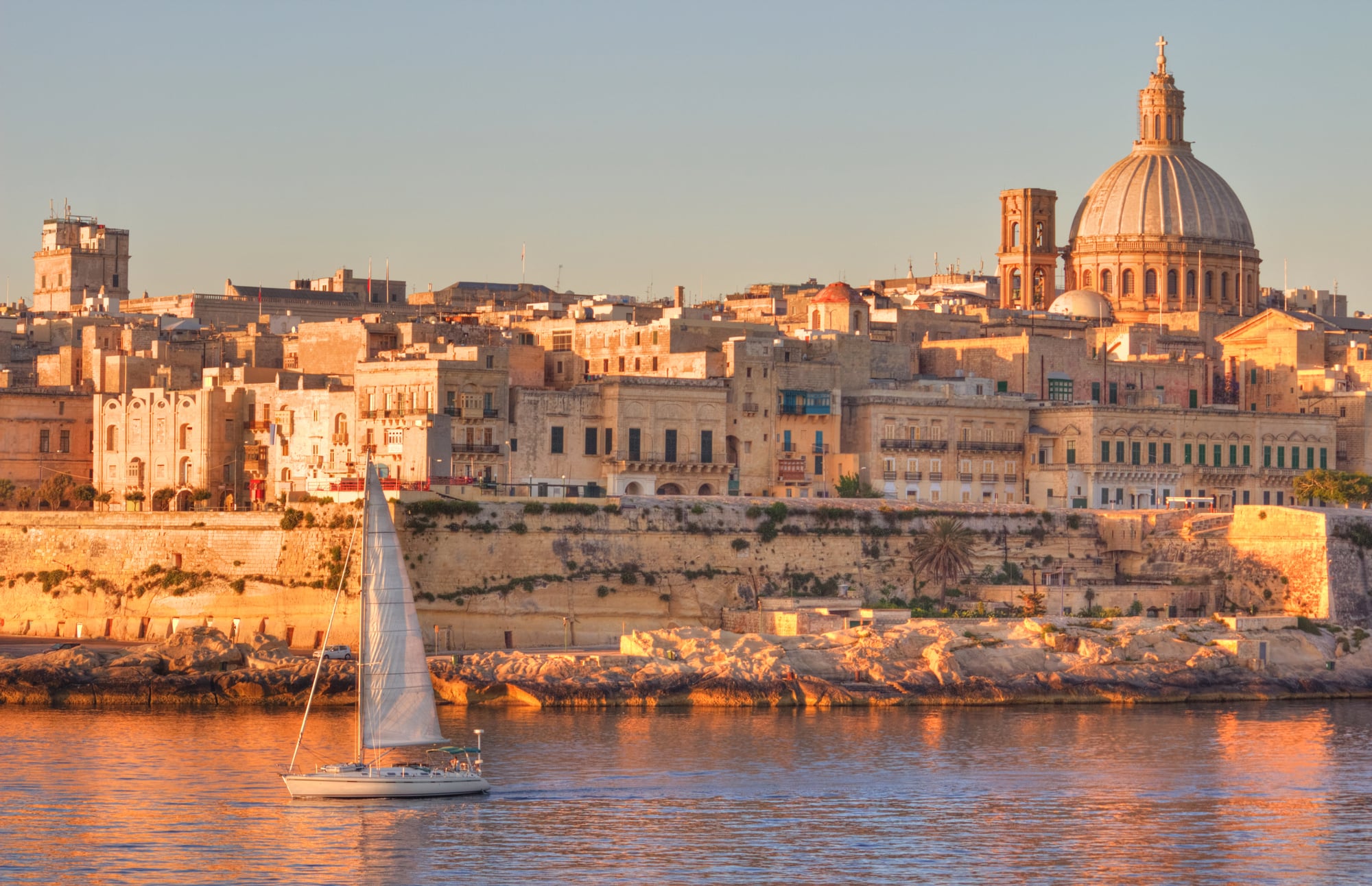
Malta has more UNESCO World Heritage sites per square kilometer than any other country. This Mediterranean island nation is essentially one large outdoor museum.
They also claim to have invented the wedding dress train, though this seems like the kind of historical footnote that’s impossible to verify and probably doesn’t matter. What matters more is that Malta has become the European Union’s unofficial headquarters for cryptocurrency regulation.
Blockchain companies flock there for legal clarity that larger nations can’t seem to provide.
Andorra
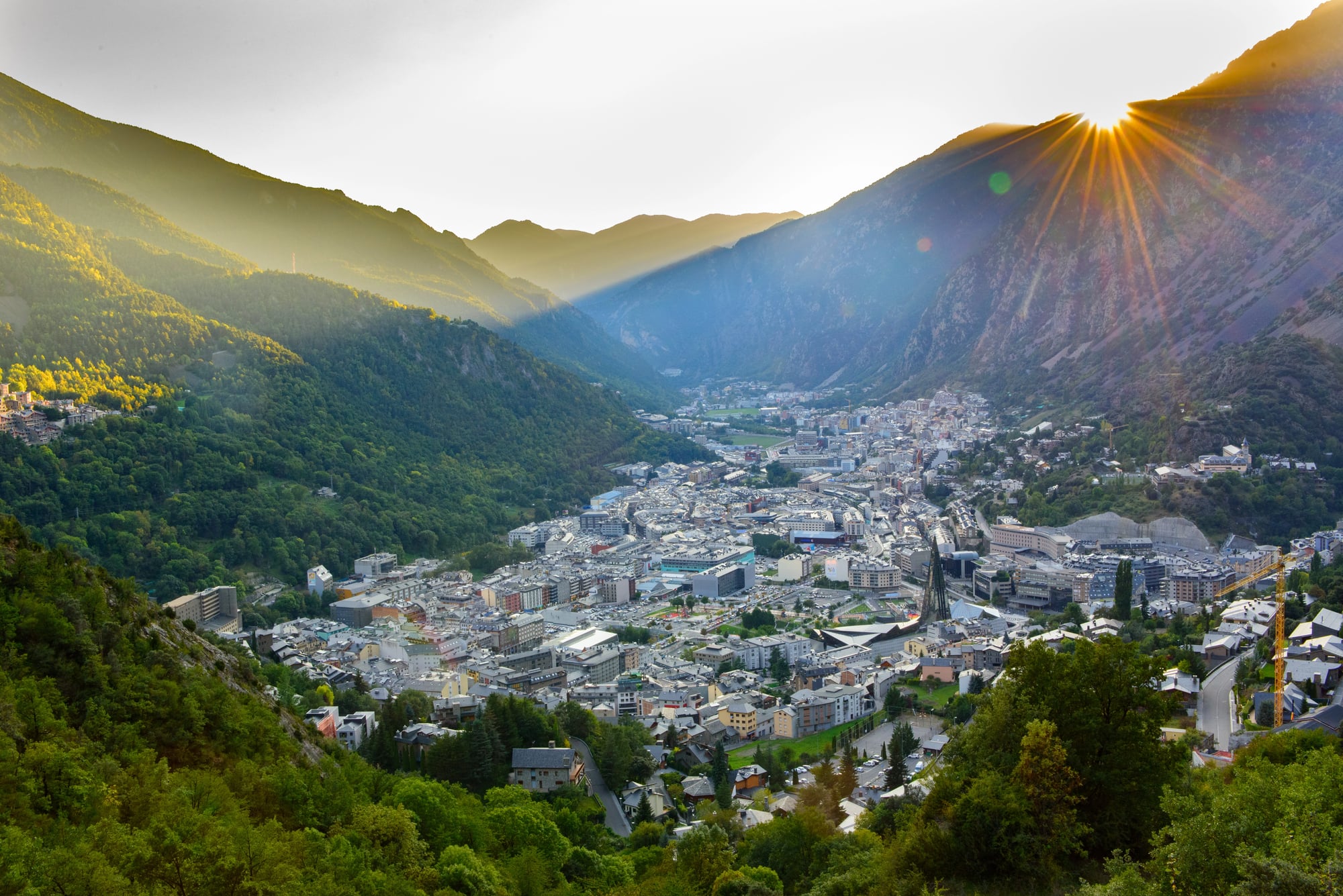
Andorra has no military but somehow managed to stay neutral through both World Wars despite being sandwiched between France and Spain. The country survives almost entirely on duty-free shopping and ski tourism.
Citizens don’t pay income tax, which explains why Spanish and French residents cross the border daily to buy cigarettes and electronics. They also produce some of Europe’s most expensive bottled water, sourced from Pyrenees mountain springs.
Andorra has convinced the world that their tap water is worth $50 a bottle.
Iceland
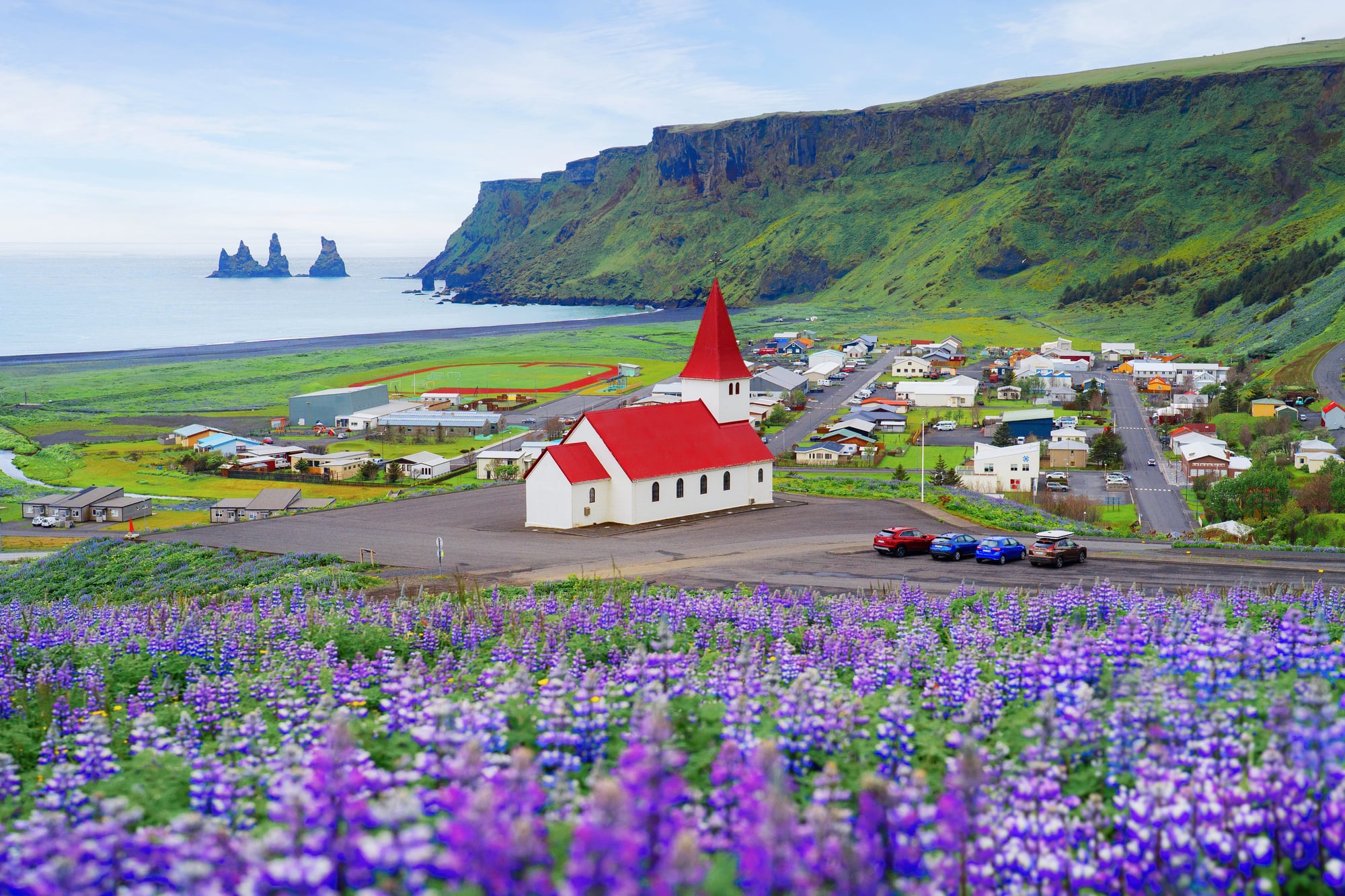
Iceland generates 100% of its electricity from renewable sources and has more writers and artists per capita than anywhere else on earth. This volcanic island also believes in elves — or at least enough of the population does that construction projects sometimes get rerouted to avoid disturbing elf habitats.
Road crews have been known to consult “elf spotters” before breaking ground.
Luxembourg
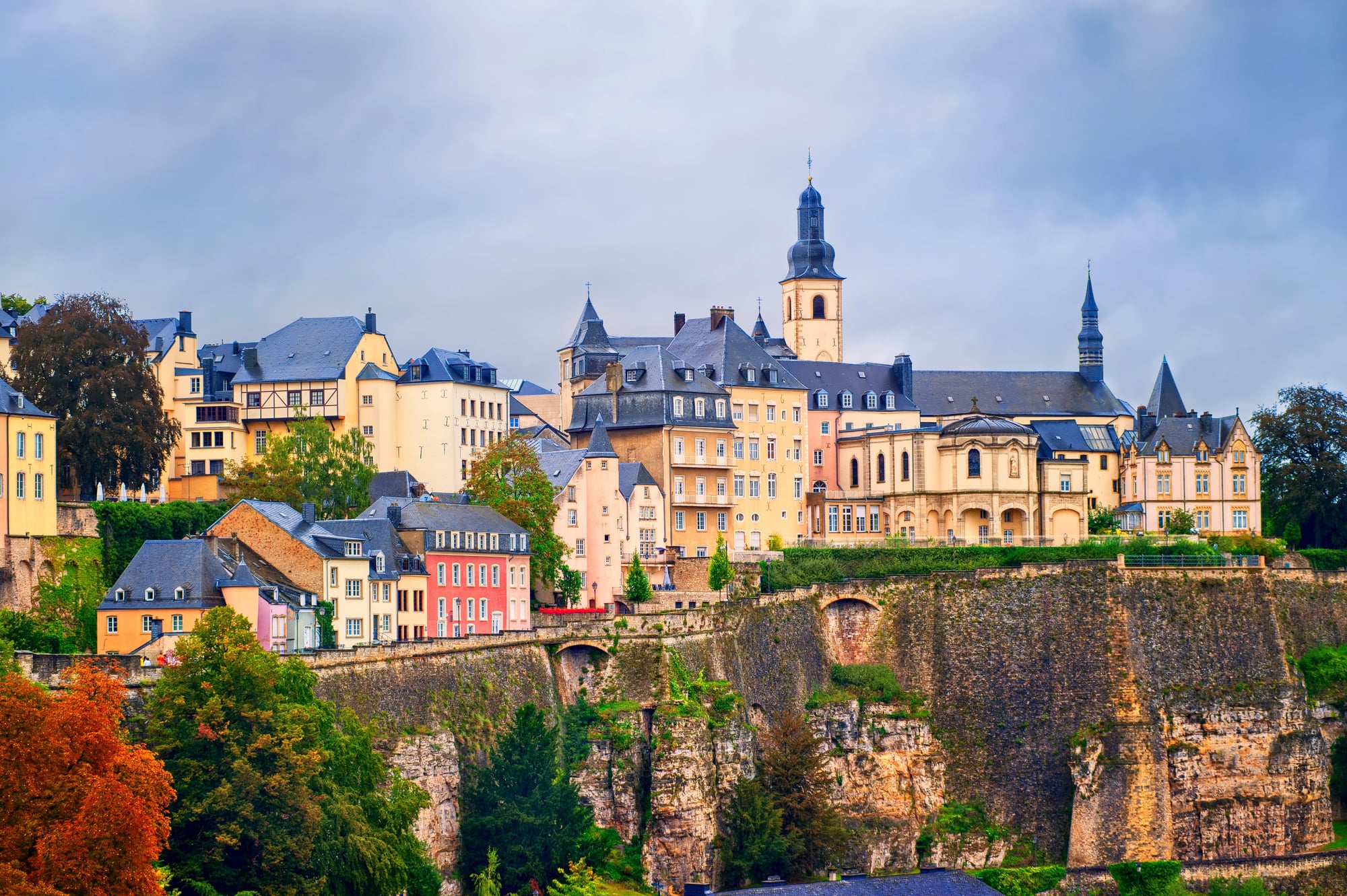
Luxembourg is the world’s second-richest country per capita and has more banks than restaurants. This is partly because Luxembourg positioned itself as Europe’s financial secrecy haven long before anyone cared about such things.
Now they’re trying to become the global headquarters for asteroid mining regulation, presumably because someone needs to write the rules before space prospecting becomes a thing. The country has more registered investment funds than citizens, which creates the surreal situation where financial instruments outnumber human beings.
That’s not a metaphor for modern capitalism — it’s a literal headcount.
Brunei
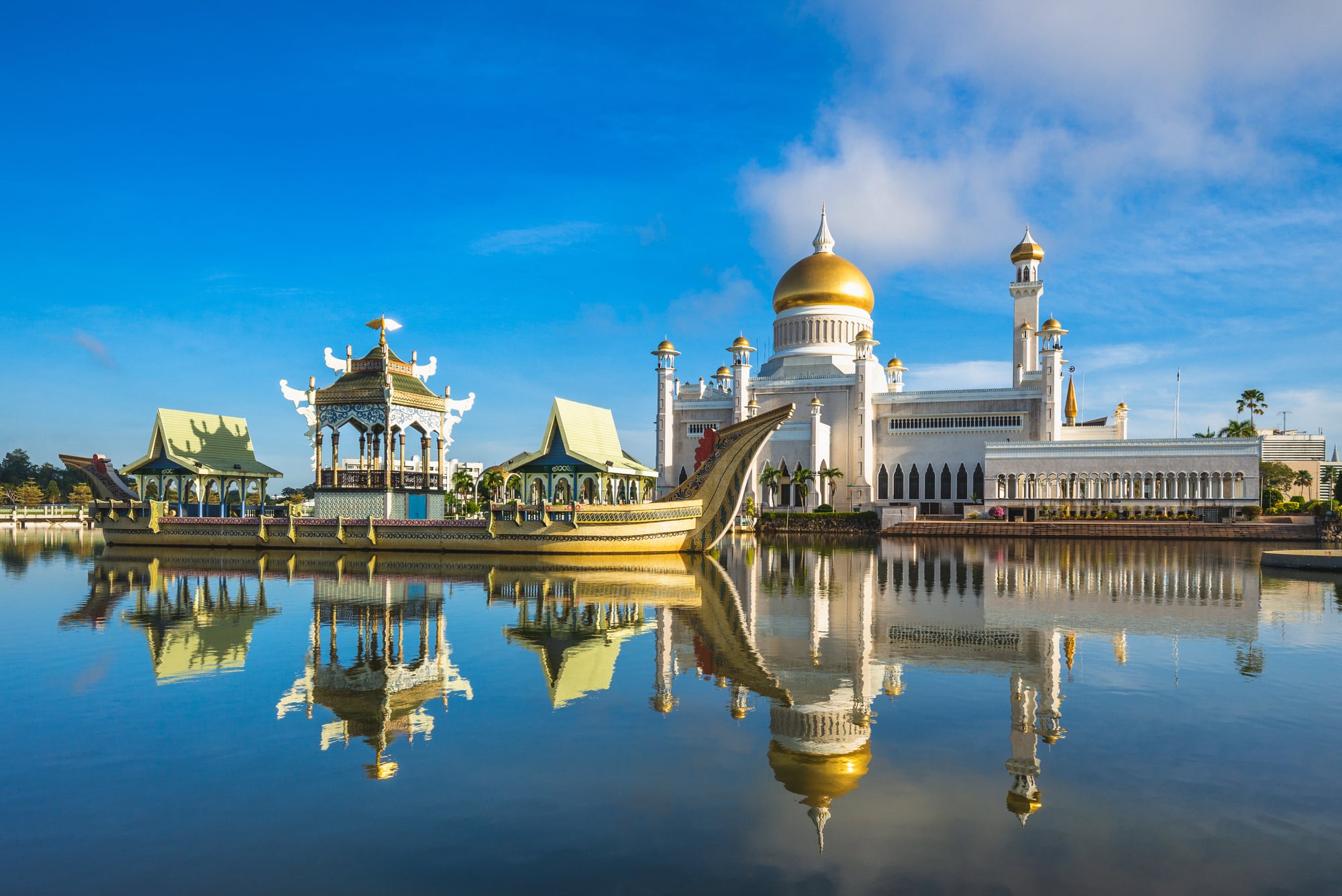
Brunei’s Sultan owns more cars than most people see in a lifetime — over 7,000 vehicles including custom Rolls-Royces plated in gold. The country has no personal income tax because oil revenues fund everything.
Citizens get free healthcare, education, and subsidized housing, making Brunei essentially a functioning petro-state welfare system.
Bhutan
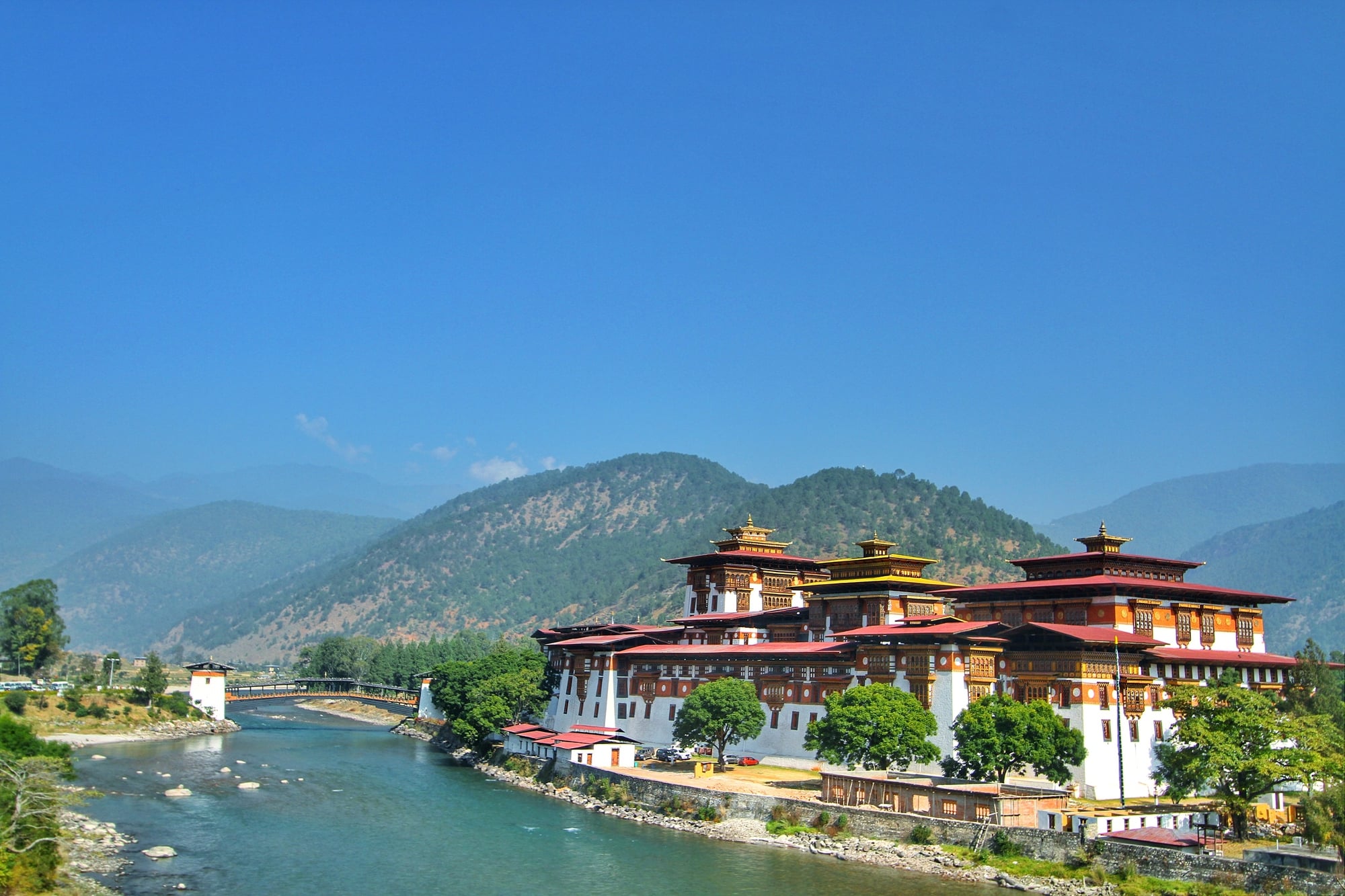
Bhutan measures Gross National Happiness instead of Gross Domestic Product. This Himalayan kingdom also absorbs more carbon dioxide than it produces, making it one of only three carbon-negative countries on earth.
They limit tourism through high daily fees, ensuring only serious travelers visit. Bhutan has convinced the world that maybe economic growth isn’t the only metric that matters.
Seychelles
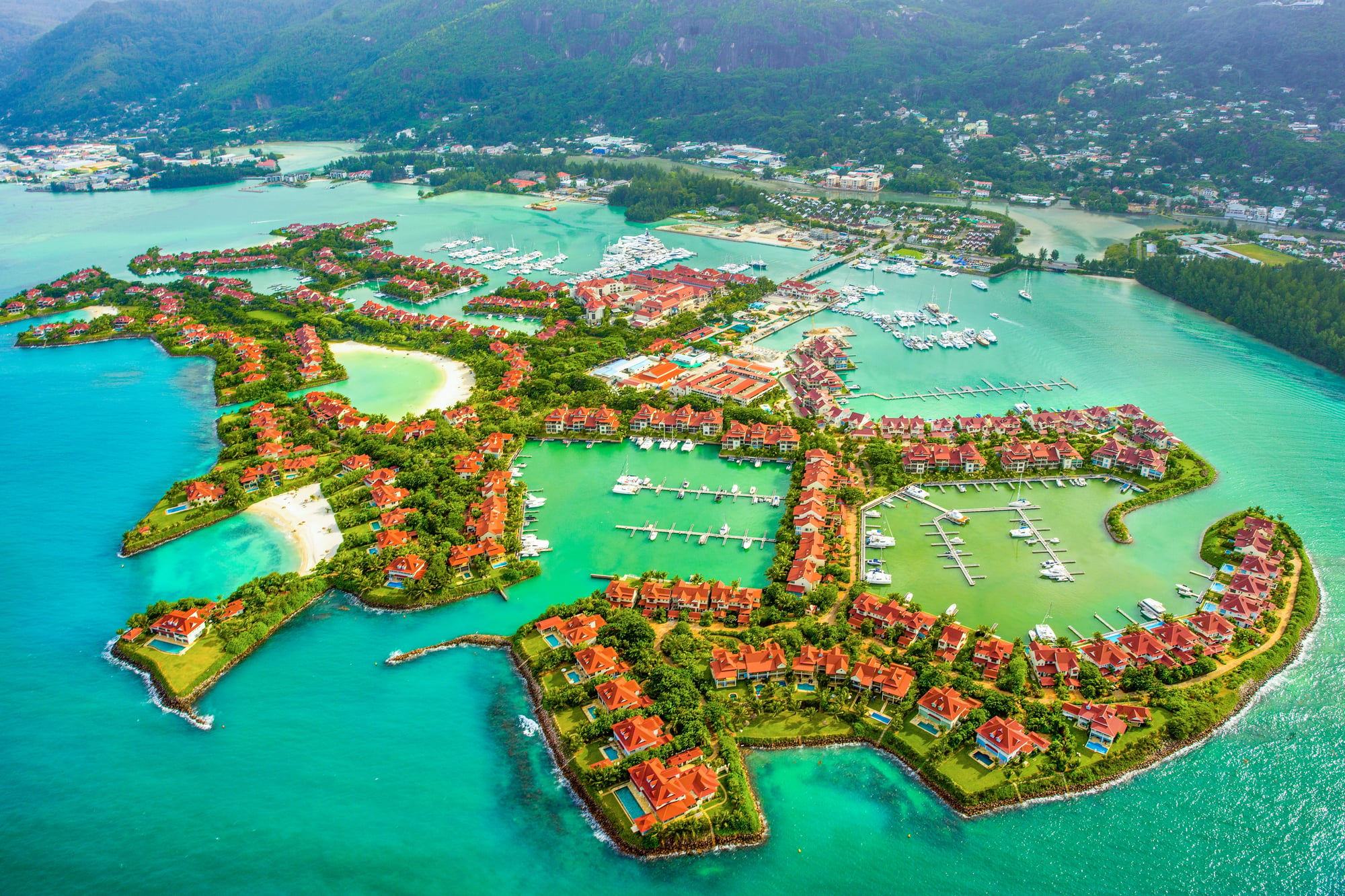
Seychelles produces the world’s largest seeds — coco de mer nuts that can weigh up to 40 pounds each. These suggestively shaped seeds were once worth more than gold and were believed to have magical properties.
The country still controls their export strictly. Seychelles also claims to have the smallest capital city in the world, though this depends on how you define “city.”
Maldives
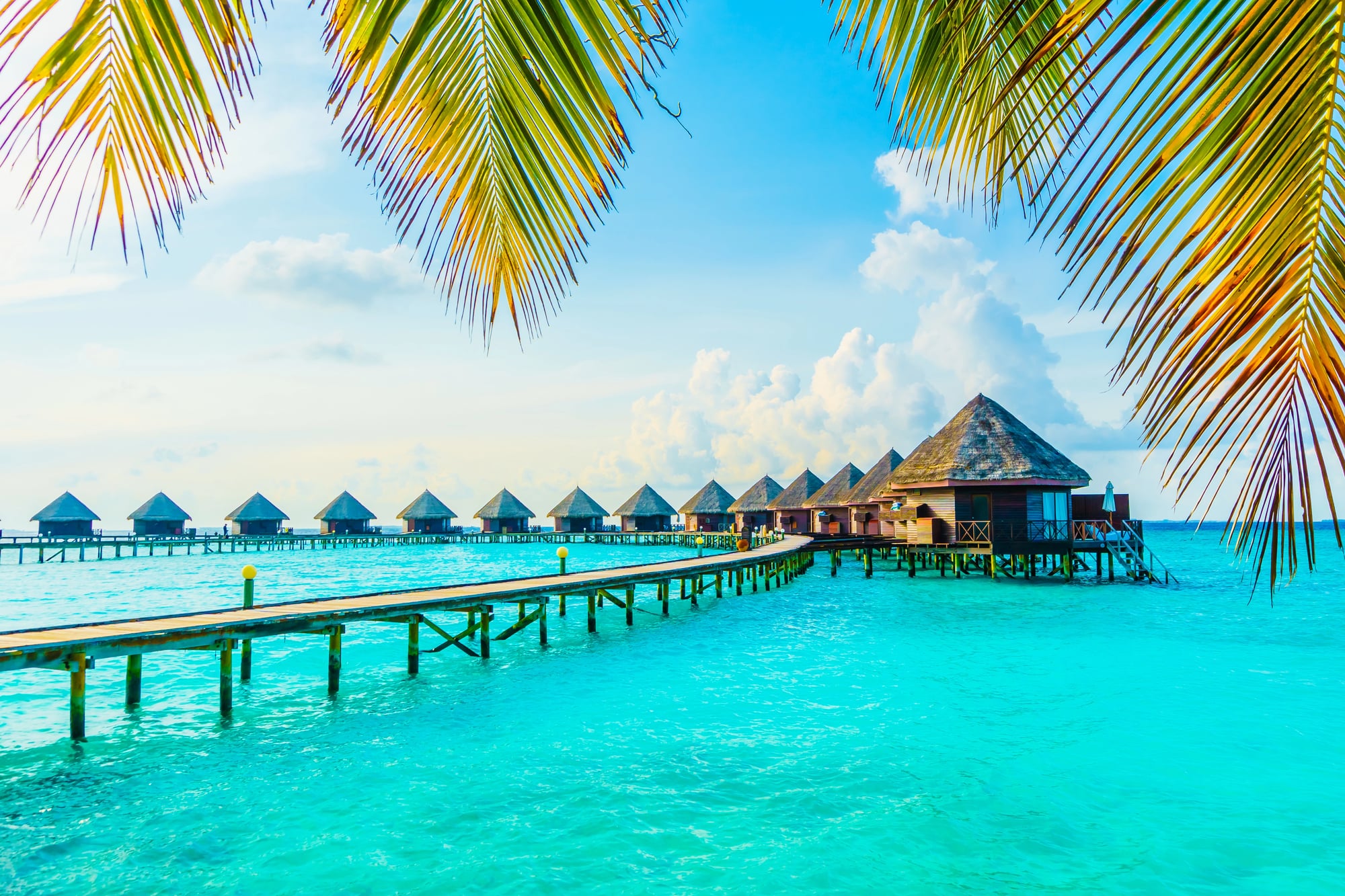
The Maldives held a cabinet meeting underwater in 2009 to highlight climate change concerns. This nation of 1,200 coral islands averages approximately five feet above sea level, making it the flattest country on earth.
They’re also planning to become the first fully renewable energy nation by 2020 — a deadline they missed, but the intention remains admirable. The Maldives has turned existential dread into tourism marketing, essentially inviting visitors to see paradise before it disappears.
Which is either brilliantly honest or deeply depressing, depending on your perspective.
Small Countries, Big Ideas
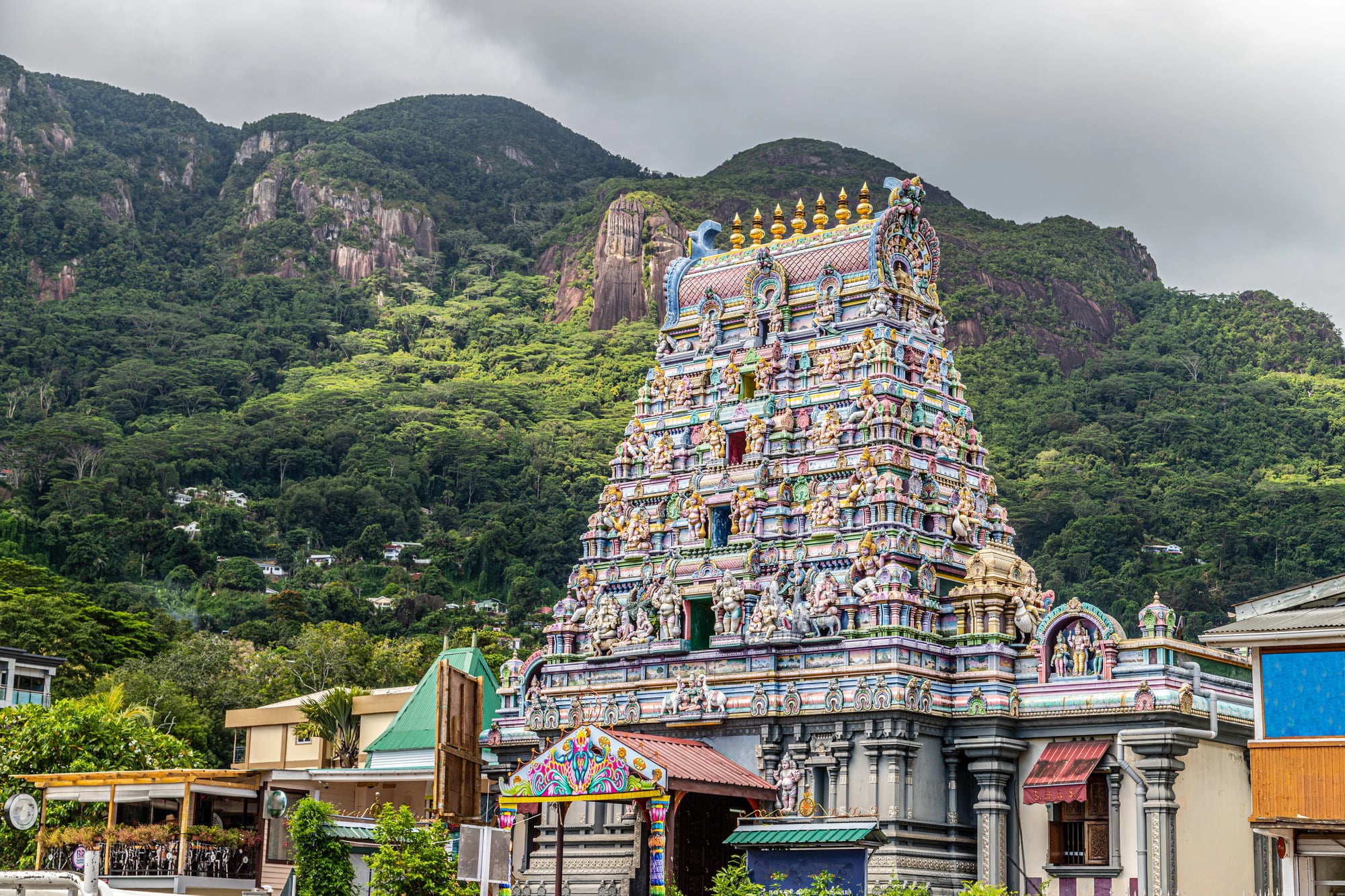
These nations prove that influence isn’t always about size or population. Sometimes the most memorable countries are the ones that lean into their quirks instead of trying to compete on conventional terms.
Whether through accident, necessity, or sheer audacity, they’ve found ways to matter in a world dominated by superpowers. Their odd claims aren’t just curiosities — they’re strategies for survival in an increasingly connected world where attention itself has become a valuable resource.
More from Go2Tutors!

- The Romanov Crown Jewels and Their Tragic Fate
- 13 Historical Mysteries That Science Still Can’t Solve
- Famous Hoaxes That Fooled the World for Years
- 15 Child Stars with Tragic Adult Lives
- 16 Famous Jewelry Pieces in History
Like Go2Tutors’s content? Follow us on MSN.