Concepts People Confuse Because of Similar Names
Words that sound alike or look nearly identical create confusion all the time. You see someone use “affect” when they meant “effect,” or you catch yourself pausing before writing “principal” versus “principle.”
These mix-ups happen to everyone, and they’re not signs of poor vocabulary—they’re just the natural result of our language’s quirks. The confusion gets worse when the concepts behind the words are actually related.
Empathy and Sympathy Sound Like Siblings
Empathy means you feel what someone else feels. You put yourself in their position and experience their emotions as if they were your own.
Sympathy sits at more of a distance. You feel bad for someone without necessarily feeling what they feel, offering compassion while observing from outside.
Affect Versus Effect Trips Up Writers Daily
Affect works as a verb most of the time. The weather affects your mood, and poor sleep affects your performance.
Effect usually functions as a noun. The effect of the new policy became clear within weeks, showing the result or consequence of something.
Compliment and Complement Both Feel Nice
A compliment praises someone. You tell your coworker their presentation went well or notice a haircut and say something kind.
A complement completes something or makes it better. Red wine complements steak, and a new hire’s skills complement the existing team’s weaknesses.
Discreet and Discrete Sound Identical
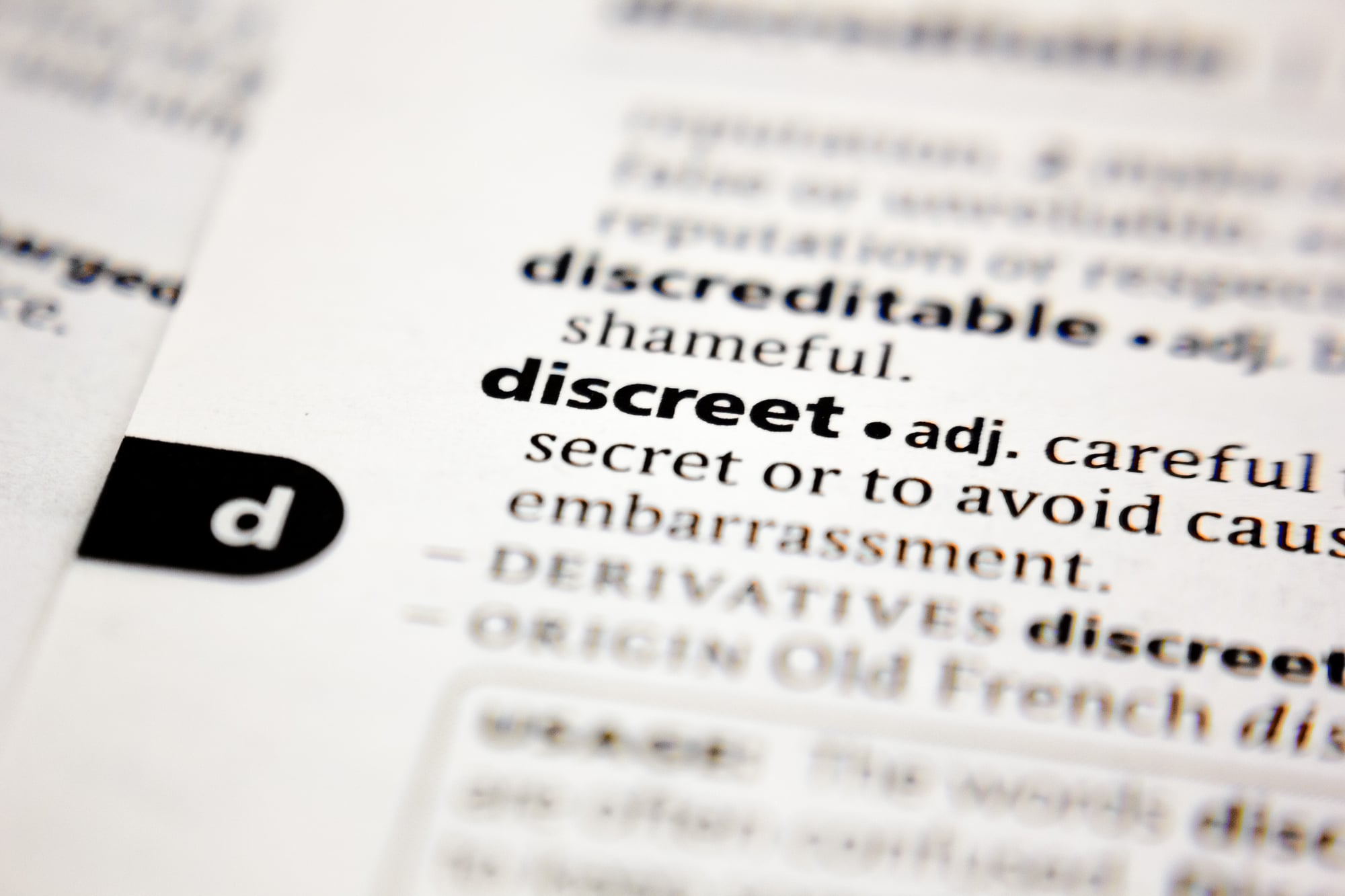
When you’re discreet, you show caution and privacy. You handle delicate situations with tact and don’t broadcast sensitive information.
Discrete describes separate, distinct things. Discrete categories don’t overlap, and discrete units exist independently from each other.
Principal Means First or Main

The principal of a school leads the building, and your principal concern takes priority over minor worries. Principal relates to primary importance or authority.
Principle refers to a fundamental truth or rule. You operate on principles of design, chemistry, or ethics. The memory trick: principal is your “pal,” but principles are rules.
Stationary Versus Stationery Confuses Shoppers

Stationary means not moving. The bike remained stationary at the red light, and stationary exercises happen in place.
Stationery refers to writing paper and office supplies. Fancy stationery makes letters feel personal, and the “e” reminds you of “envelope.”
Capitol and Capital Split on Buildings

A capitol is where lawmakers gather, often with a round roof. The U.S. Capitol in DC is the most famous example.
Capital covers everything else—big cities, money, uppercase letters, or the death penalty. Capital is the more common everyday term.
Desert Has One Less S Than Dessert
A desert is dry, barren land with little rainfall. Deserts challenge most living things to survive.
Dessert is the sweet course after dinner. The double “s” reminds you that you always want seconds of dessert.
Further Deals With Abstract Distance

Further means additional or more in abstract ways. You need further information, and further discussion is required.
Farther refers to measurable physical distance. The store sits farther down the street, or you threw the orb farther this time.
Elicit Versus Illicit Changes Legality
Elicit means to draw out a response or reaction. Jokes elicit laughter, and questions elicit information.
Illicit is against the law or socially frowned upon. Drugs, secret relationships, or underground markets are illicit, and the “ill” hints at harm.
Adverse and Averse Both Express Opposition

Adverse conditions work against you. Adverse weather delays flights, and adverse effects harm your health.
Averse means personal dislike or opposition. You are averse to public speaking or risk-taking, expressing internal opposition.
Ensure, Insure, and Assure All Promise Something
You ensure something happens by making it certain. You ensure the door is locked or a project meets a deadline.
Insure relates to financial protection. You insure your car or home against fire. Assure means to remove doubt for someone. You assure a friend everything will be fine.
Poisonous Animals Must Be Eaten or Touched

A poisonous creature harms you when eaten or touched. Poison dart frogs and some plants are examples.
Venomous animals inject toxins through bites or stings. Snakes, spiders, and scorpions are venomous, and contact is required for harm.
Historic Events Happened, Historical Things Relate to History

Something historic holds significance in history. A historic victory or agreement reshapes events worth remembering.
Historical means connected to history in general. Historical records, novels, or research describe or examine the past.
Similar Sounds Don’t Always Mean Similar Meanings
Tiny changes in letters or matching sounds hide entirely unrelated ideas. Paying close attention helps make sense of them and avoids embarrassing mix-ups.
Sentence structure, context, or nearby words give hints. When unsure, a quick search can clarify the meaning.
Words Keep Playing These Tricks

English borrowed terms from many languages, creating layers of confusion. Some pairs began together but drifted apart, while others coincidentally look alike.
Figuring out differences takes practice and keeps your attention sharp. Noticing distinctions ensures accurate communication and avoids repeated mistakes.
More from Go2Tutors!

- The Romanov Crown Jewels and Their Tragic Fate
- 13 Historical Mysteries That Science Still Can’t Solve
- Famous Hoaxes That Fooled the World for Years
- 15 Child Stars with Tragic Adult Lives
- 16 Famous Jewelry Pieces in History
Like Go2Tutors’s content? Follow us on MSN.