15 Stunning Macro Photos That Reveal the Beauty Of Everyday Items
The world changes when you look closer. That coffee cup sitting on your desk, the pen cap you’ve been chewing on, the fabric of your favorite sweater — they’re all hiding intricate landscapes that exist just beyond what your eyes can see.
Macro photography strips away the familiar and reveals the extraordinary architecture of ordinary things. These close-up shots don’t just magnify objects; they transform them into something entirely different, something that makes you question whether you’ve ever really looked at anything before.
Salt Crystals

Salt becomes architecture under magnification. Perfect geometric structures emerge from what seemed like simple white grains.
Each crystal forms its own miniature city block. Sharp edges and clean planes that would make any architect jealous.
Coffee Beans
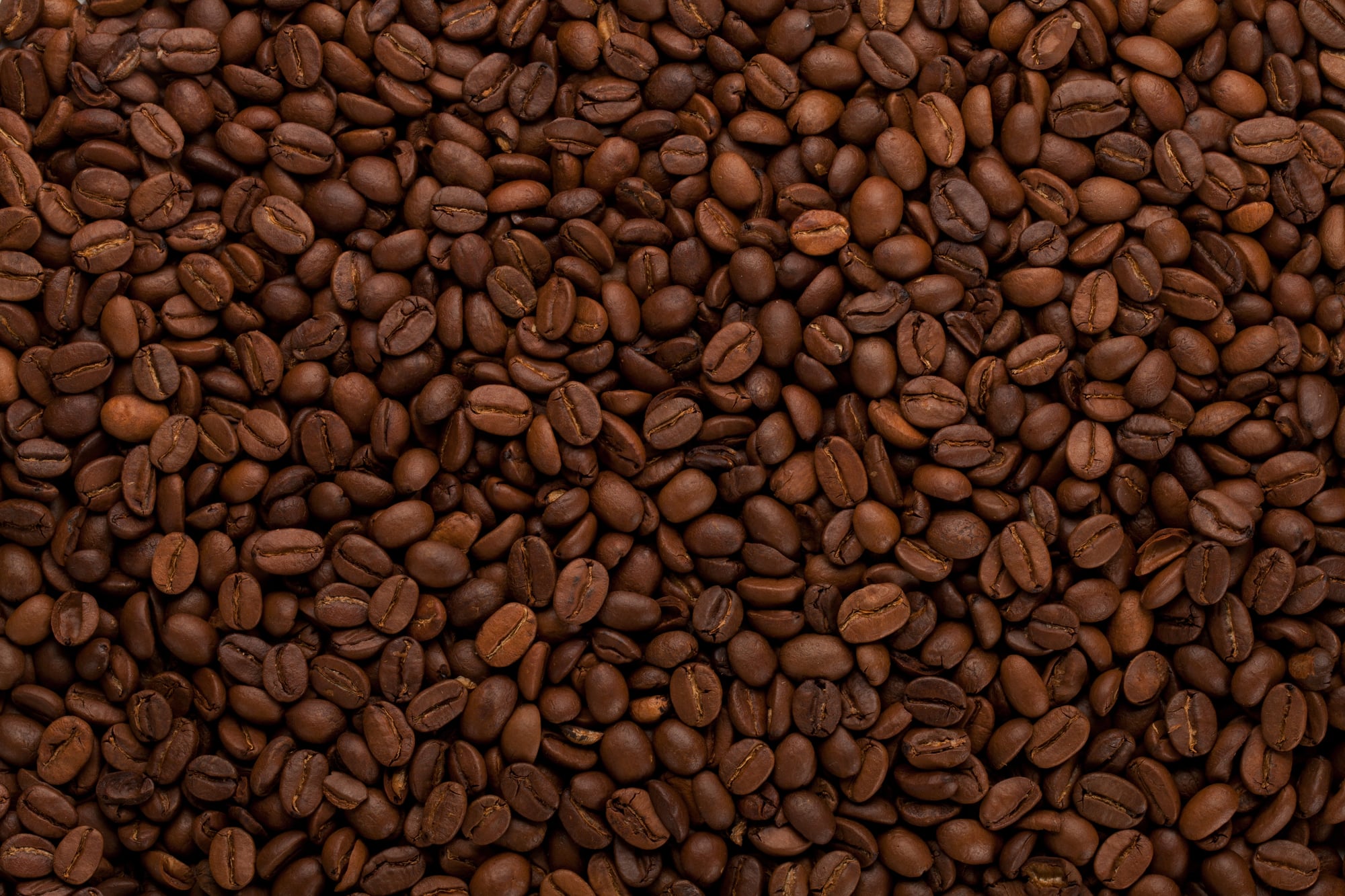
The surface of a coffee bean (when viewed through a macro lens) resembles a vast canyon system carved by ancient rivers, complete with ridges, valleys, and weathered plateaus that speak of time and pressure working in perfect harmony. And the color variations — which your unaided eye dismisses as simple brown — reveal themselves as an entire spectrum ranging from deep amber to nearly black, with patches of gold that catch light like precious metal deposits hidden in stone.
So what you thought was just your morning fuel turns out to be a geological wonder sitting in your kitchen cabinet.
Those tiny fissures running across the surface aren’t flaws; they’re the roadmap of the roasting process, each crack telling the story of heat transformation.
Vinyl Records

Vinyl records under extreme magnification look like aerial photographs of farmland — neat rows carved into black earth, each groove a carefully planned furrow designed to hold sound itself.
The physics become poetry here. Those undulations contain entire orchestras, compressed into waves that spiral inward like a musical whirlpool.
Every scratch and speck of dust becomes a mountain range in this miniature landscape.
Fabric Weave
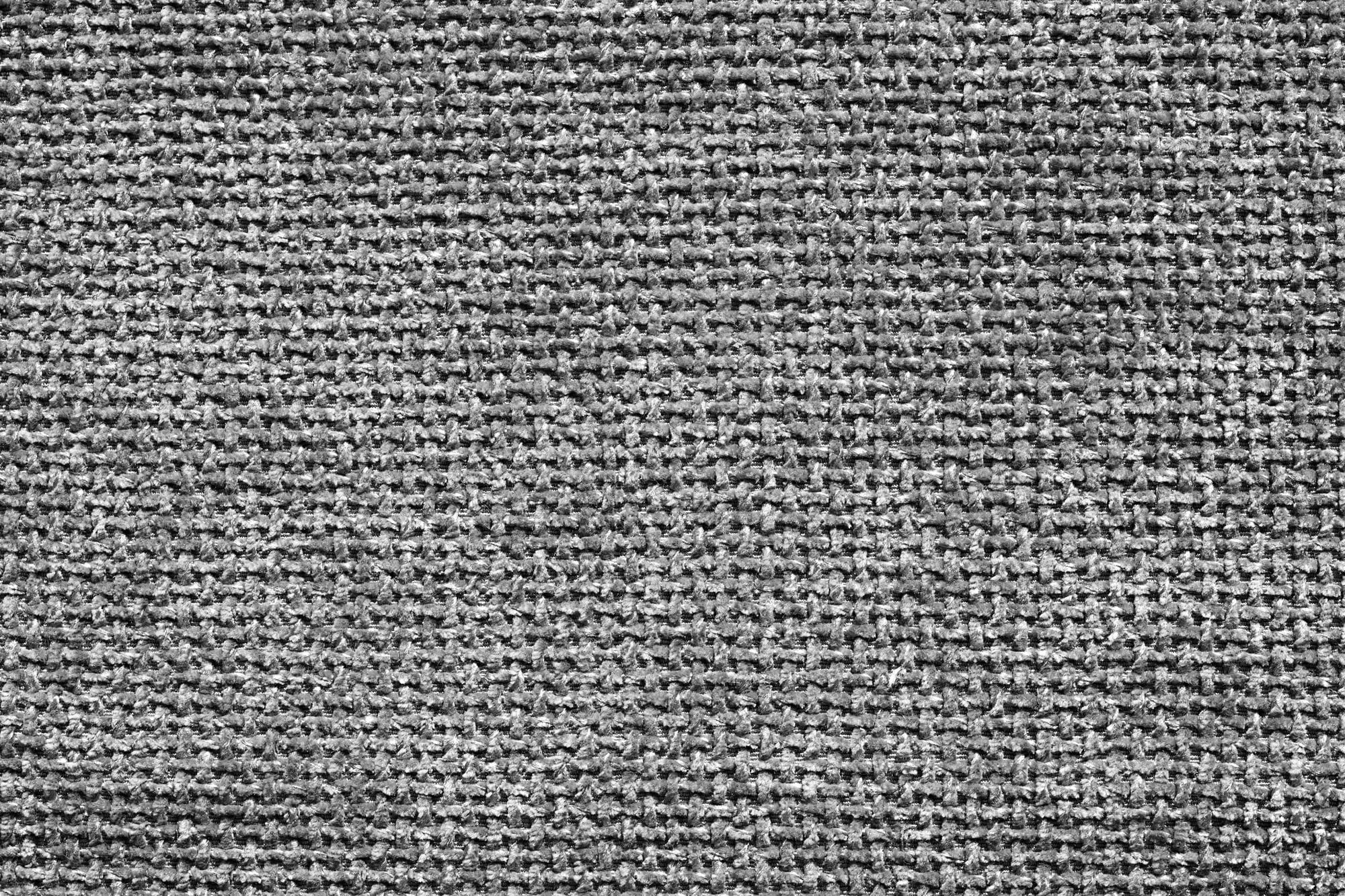
Cotton fabric is vastly overrated as a simple material. Under magnification, it reveals an engineering marvel that puts modern manufacturing to shame.
Each fiber twists around its neighbors with mechanical precision. The weave pattern emerges as deliberate and complex as any architectural blueprint.
Pencil Tip
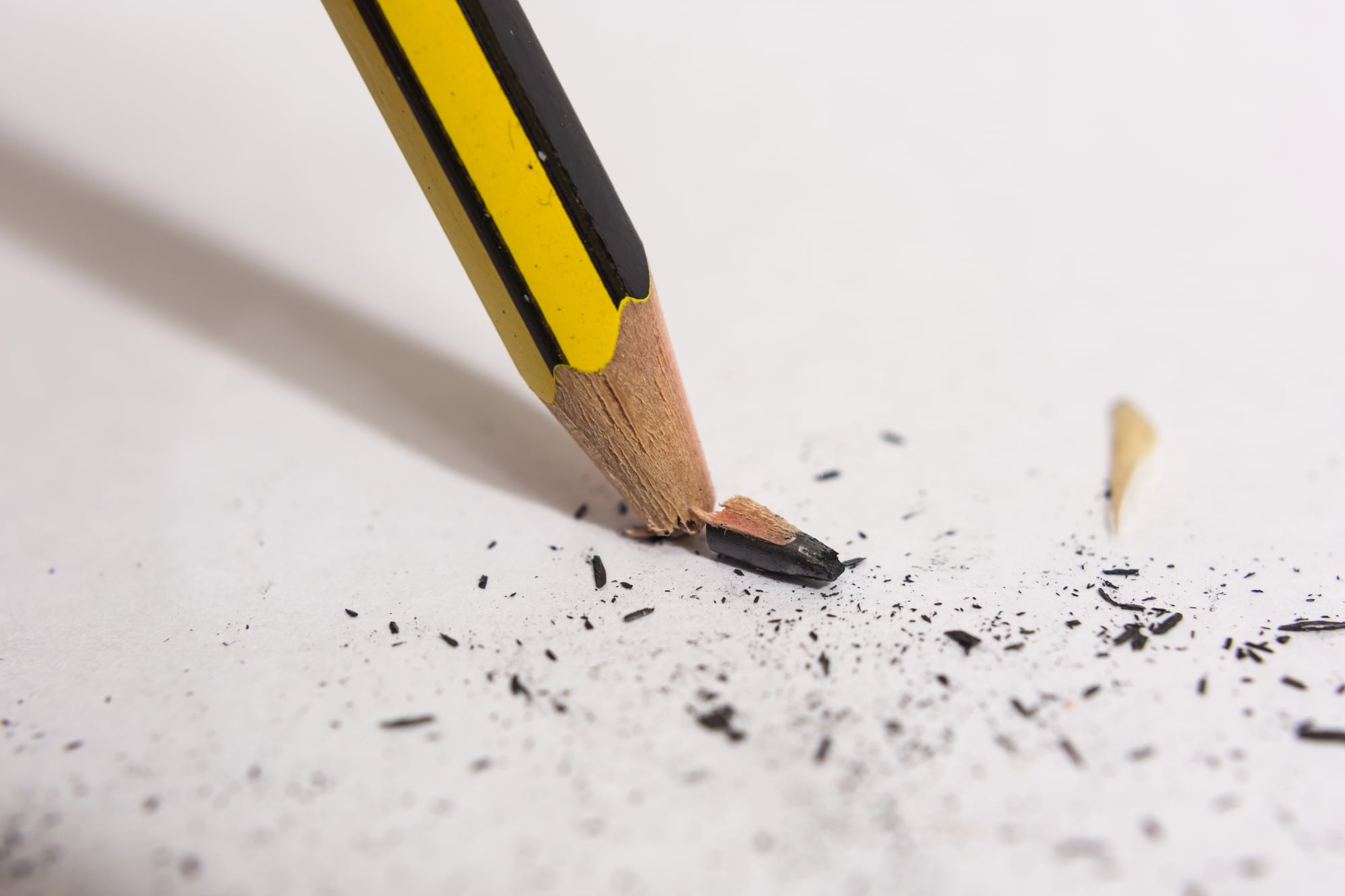
The tip of a pencil, when magnified, becomes a study in controlled destruction — layers of wood and graphite shearing away in precise fragments, creating a landscape that resembles a quarry where miners have been extracting something valuable, except what they’ve been mining is the possibility of every word that pencil might write. The graphite core (which appeared smooth and uniform from a distance) reveals itself to be rough and uneven, almost crystalline in structure, with tiny particles clinging to the wooden casing like barnacles on a ship’s hull.
But here’s the thing that gets you: those rough edges and imperfections aren’t manufacturing flaws — they’re exactly what allows the pencil to work.
So every line you draw, every word you write, depends entirely on this controlled chaos happening at a microscopic level. The tool that creates smooth marks is itself anything but smooth.
Butterfly Wing Scales
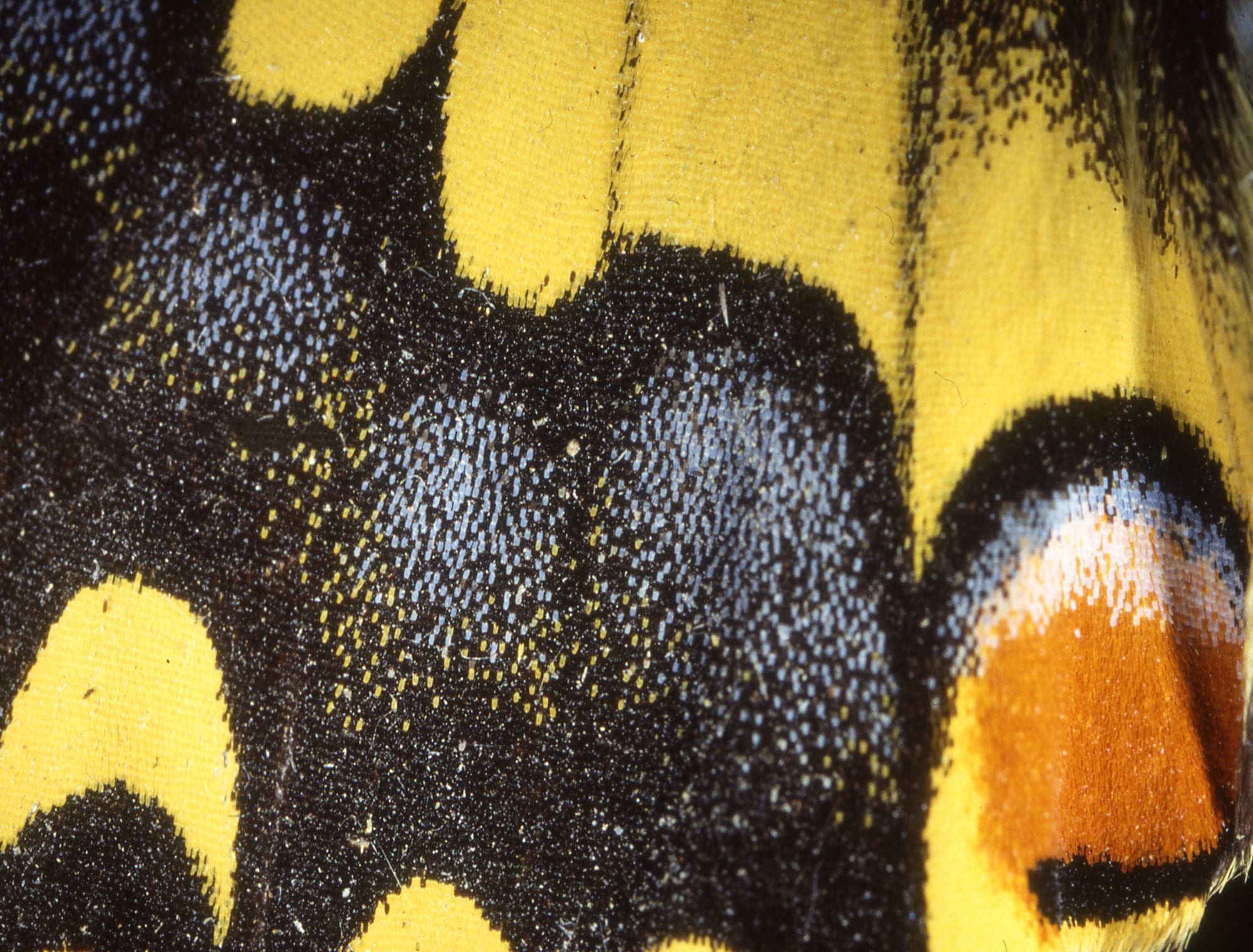
A butterfly wing isn’t painted — it’s engineered. Those brilliant colors come from microscopic scales arranged like roof shingles, each one a tiny prism splitting light into specific wavelengths.
Nature figured out structural color millions of years before humans discovered it. The iridescence shifts depending on viewing angle because the scales are designed to manipulate light itself, not just reflect it.
Soap Bubbles

The wall of a soap bubble becomes a study in tension and light when viewed at macro scale — a membrane so thin it exists at the very edge of what’s physically possible, stretched between existence and collapse, with colors that shift and flow across its surface like oil on water (except the colors aren’t really there at all, just light waves interfering with each other in patterns that your brain interprets as rainbow). The surface itself appears perfectly smooth from a distance, but magnification reveals tiny imperfections, microscopic dust particles, and areas where the soap film varies in thickness by mere nanometers — variations that create the swirling, psychedelic patterns you see.
And the whole structure trembles constantly, vibrating with molecular motion that threatens to pop it at any second.
It’s remarkable that something so fragile can exist at all, let alone long enough to photograph.
Human Hair
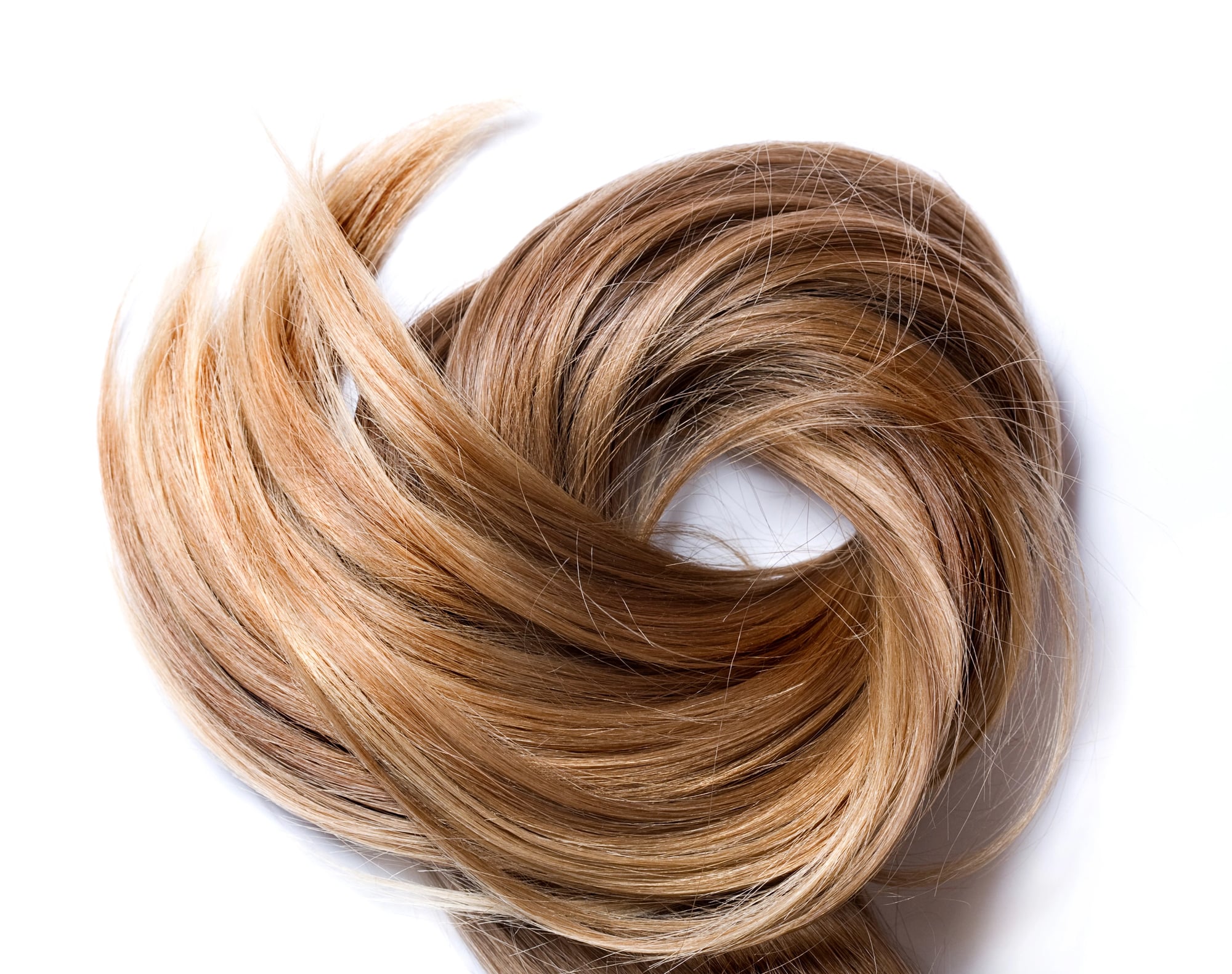
Human hair deserves more respect as an engineering material. Each strand is a complex layered structure with an outer cuticle that overlaps like scales on a fish.
The damage from heat styling, chemical treatments, and daily wear becomes obvious under magnification. Split ends look like frayed rope, and healthy hair reveals the precise geometric pattern of its protective outer layer.
Paper Fibers
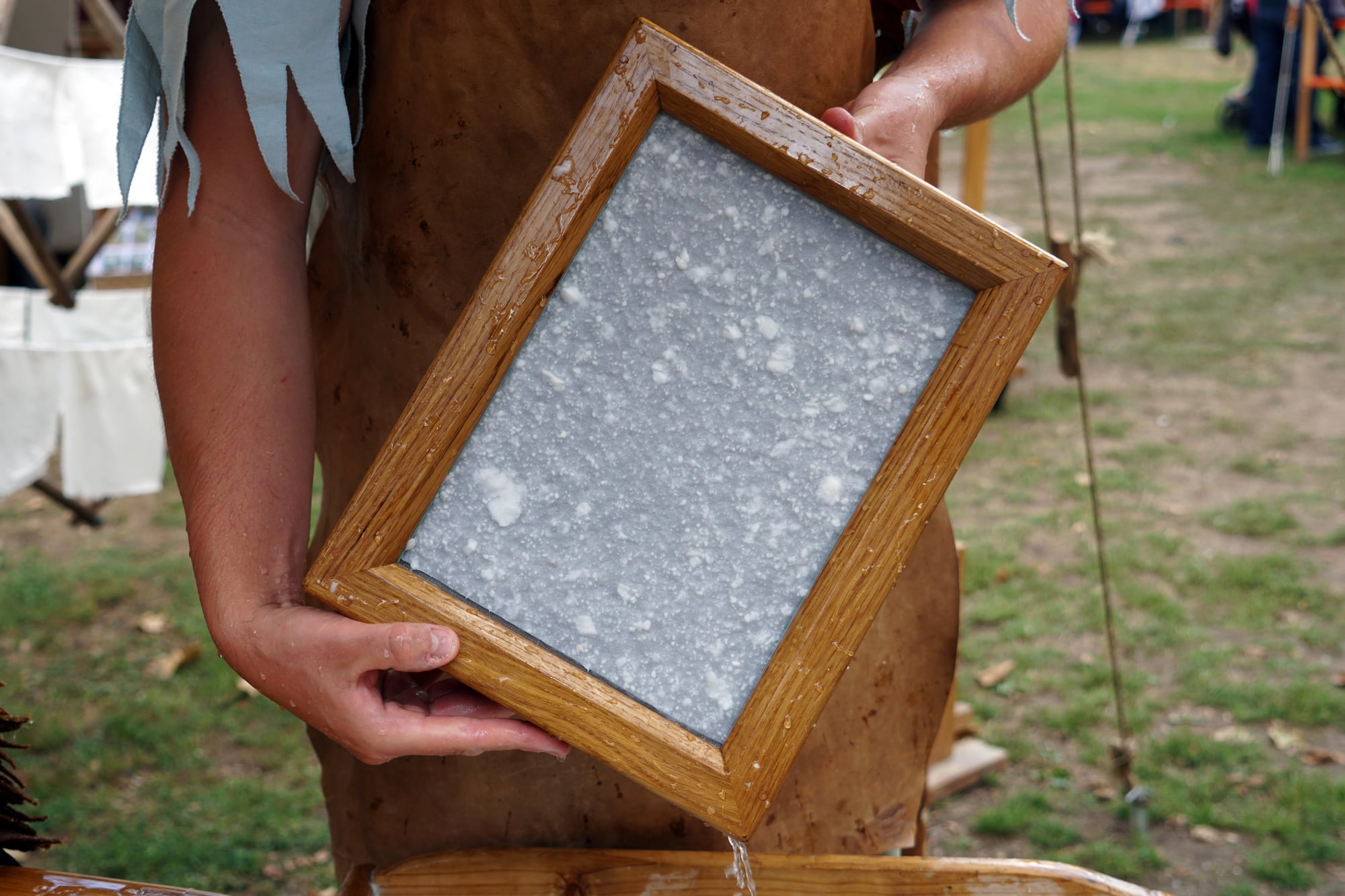
Paper looks like a bird’s nest built by a very methodical bird — individual wood fibers tangled together in random patterns, yet somehow creating a surface smooth enough to write on (though “smooth” becomes a relative term when you can see the valleys and peaks between fiber bundles). The manufacturing process leaves its fingerprints everywhere: you can spot the direction the paper moved through the machines by how the fibers align, like grass blown by wind that’s since stopped blowing.
And those fibers aren’t uniform at all — some thick, some thin, some long enough to span multiple letters of text, others so short they barely contribute to the paper’s structure.
But somehow this chaotic tangle of plant matter becomes the foundation for every book, every letter, every important document. Order emerging from randomness.
Flower Pollen

Pollen grains are botanical spaceships designed for a very specific mission. Each species creates uniquely shaped pollen, from spiky spheres to smooth ovals, all engineered to travel and survive.
The surface textures aren’t decorative — they’re functional. Those ridges and bumps help the pollen stick to insects or catch air currents, depending on the plant’s reproductive strategy.
Snowflakes
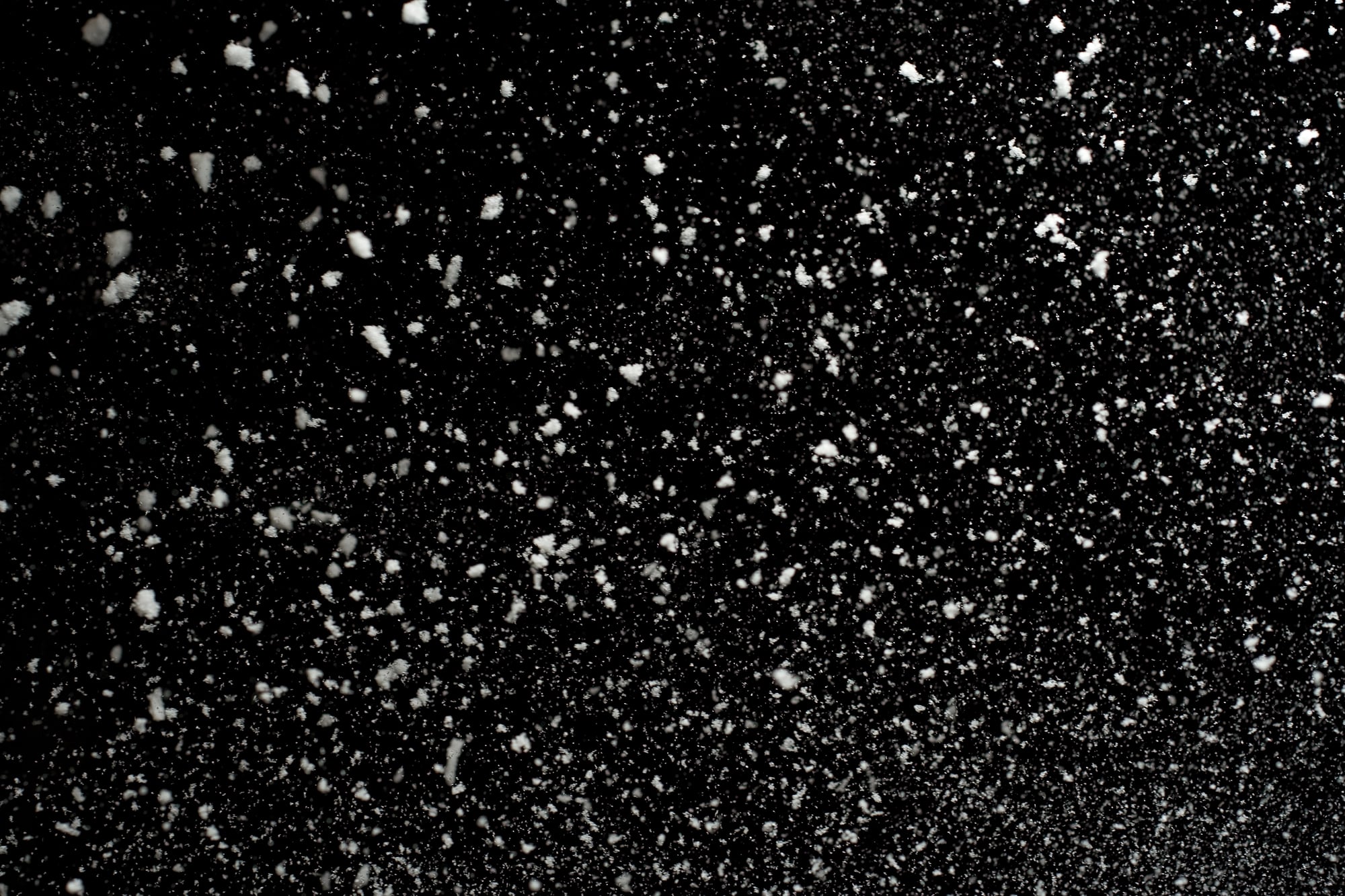
Every snowflake photograph you’ve ever seen undersold the actual complexity involved — these aren’t just pretty six-sided decorations falling from the sky, they’re frozen documentaries of their journey through different temperature and humidity zones, each arm recording atmospheric conditions like a crystal weather station. The symmetry isn’t perfect (though it appears to be), and under extreme magnification, you start to see the tiny imperfections and variations that prove each snowflake really is unique, not because of some poetic cosmic plan, but because of pure physics: no two ice crystals can possibly form under identical conditions.
So each one becomes a microscopic sculpture shaped by invisible forces.
And they melt before you can properly appreciate them, which feels almost cruel.
Watch Gears
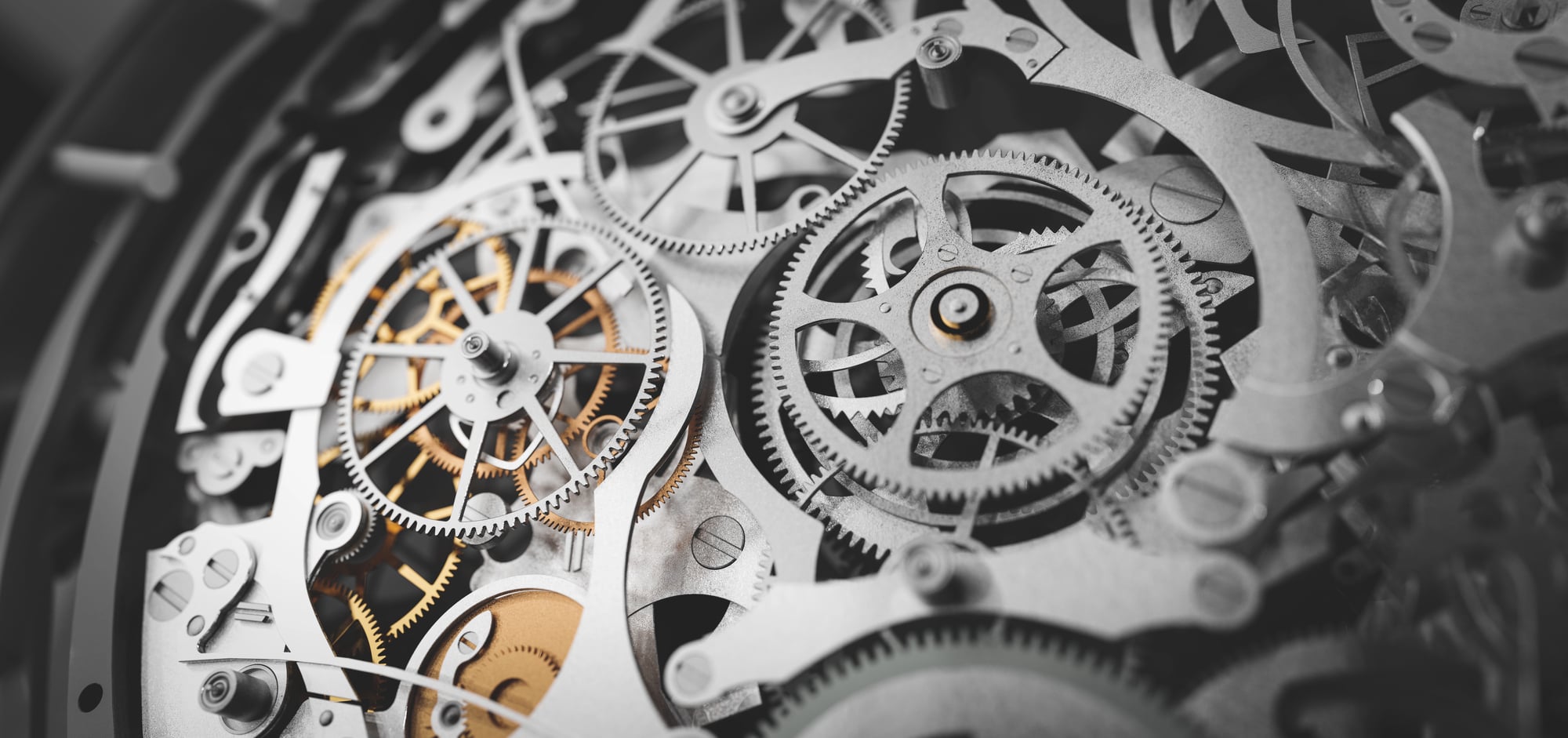
The inside of a mechanical watch is a meditation on precision. Every gear tooth is cut to exact specifications, and the surfaces show the wear patterns of thousands of hours keeping time.
Under magnification, you can see the craftsmanship involved — tiny scratches from assembly, oil residue in the right places, metal that’s been polished to mirror smoothness. It’s industrial art disguised as timekeeping.
Matchstick Head

The head of a match contains everything needed for fire, compressed into a tiny chemical payload. Under magnification, it looks like rough concrete mixed with mysterious particles.
Those particles are deliberate — potassium chlorate, phosphorus, sulfur, and other chemicals arranged to ignite in sequence when struck. The rough texture provides more surface area for the chemical reaction to begin.
Eye Of A Needle
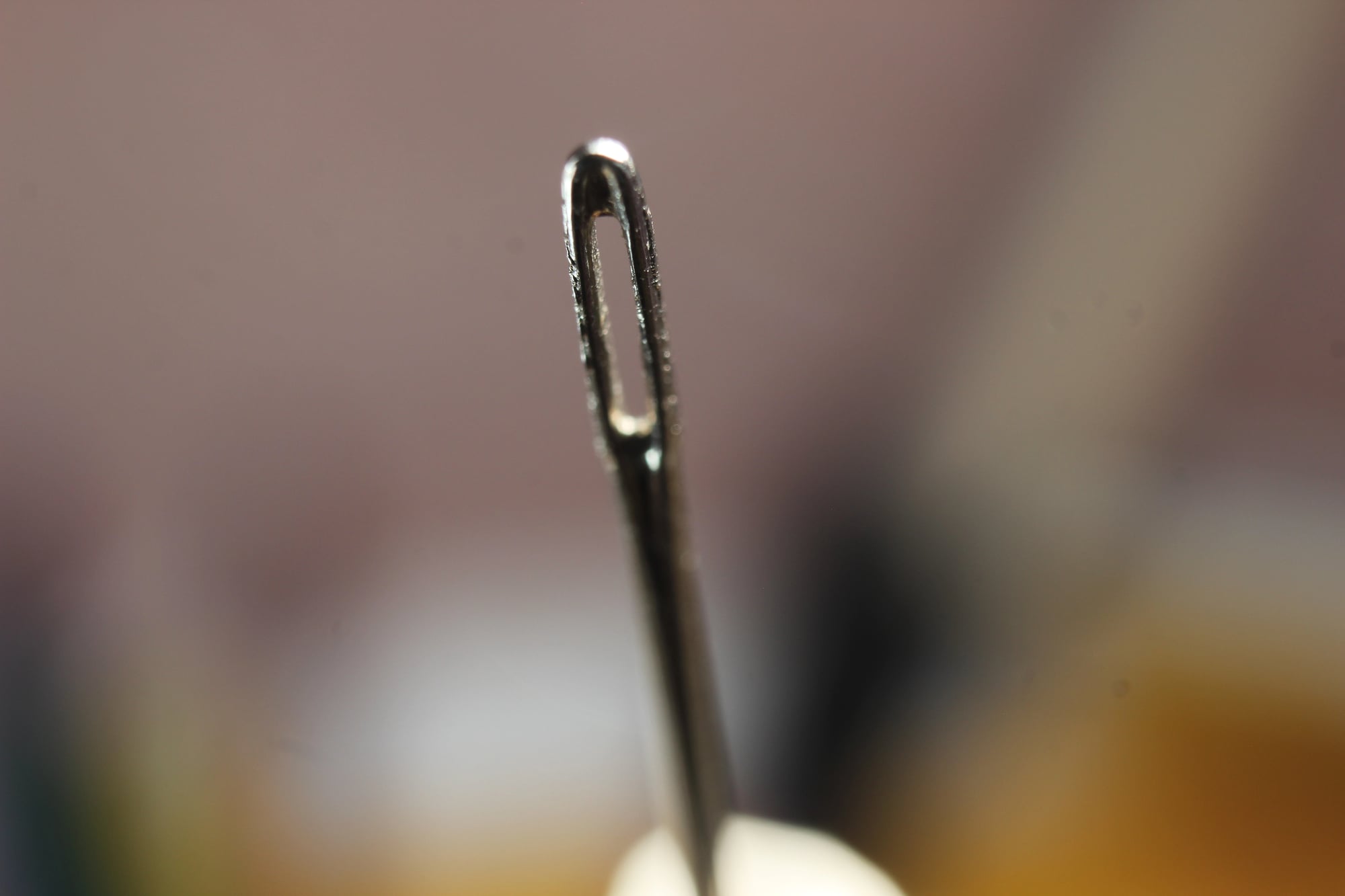
The eye of a needle becomes a perfectly engineered portal when magnified — walls that appear smooth reveal themselves as precisely machined surfaces with tiny tool marks running in parallel lines, evidence of the manufacturing process that shaped this small but essential opening. The metal itself shows its grain structure under extreme magnification, like a geological formation compressed into steel, and you can see where the punching or drilling process left its signature in microscopic ridges and valleys along the inner surface.
Thread passing through this space wears smooth grooves over time, creating a historical record of every stitch.
It’s a simple opening, but one that’s been refined by centuries of needle-making tradition. Function distilled to its most essential form.
The Hidden Universe Around You

Looking at these macro photographs changes how you move through the world. That kitchen sponge, those car keys, the zipper on your jacket — they’re all waiting to reveal their hidden complexity.
The ordinary becomes extraordinary not through magic, but through attention. Sometimes the most beautiful art gallery is the one you carry in your pocket, if only you know how to look.
More from Go2Tutors!

- The Romanov Crown Jewels and Their Tragic Fate
- 13 Historical Mysteries That Science Still Can’t Solve
- Famous Hoaxes That Fooled the World for Years
- 15 Child Stars with Tragic Adult Lives
- 16 Famous Jewelry Pieces in History
Like Go2Tutors’s content? Follow us on MSN.