15 Submarine Incidents That Went Horribly Wrong
The ocean depths have always held a dangerous allure for naval forces worldwide. Submarines represent some of humanity’s most sophisticated engineering achievements, yet they operate in an environment that offers no room for error. When things go wrong beneath the waves, the consequences are often catastrophic and irreversible.
Throughout submarine history, mechanical failures, human errors, and design flaws have led to disasters that claimed hundreds of lives and changed naval safety protocols forever. Here is a list of 15 submarine incidents that demonstrate just how perilous life can be in these steel vessels prowling the ocean floor.
USS Thresher
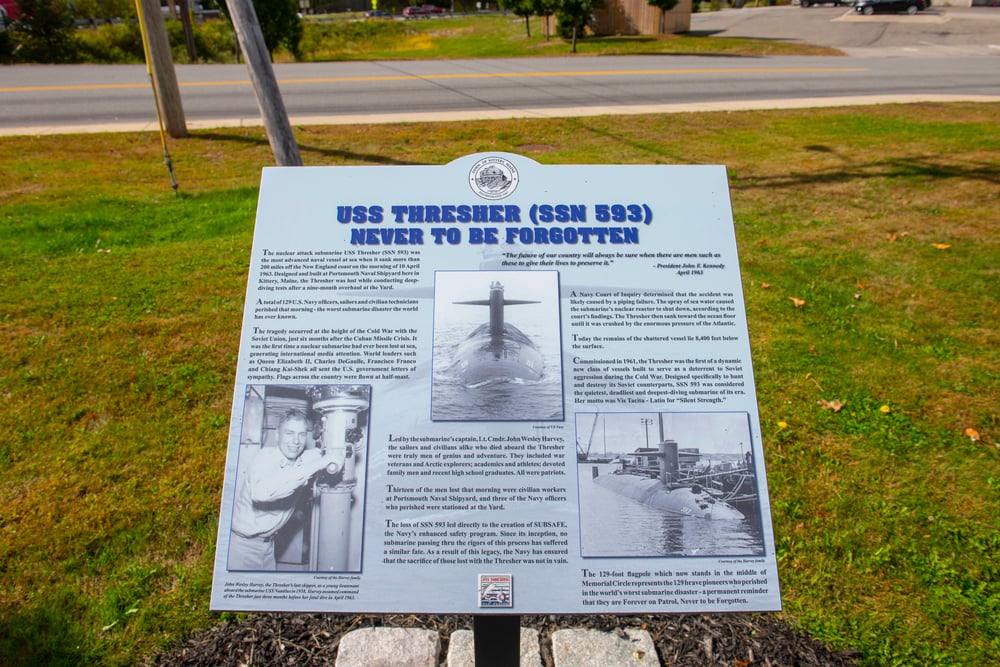
The USS Thresher disaster remains the deadliest submarine accident in history. On April 10, 1963, this nuclear attack submarine was conducting deep-diving tests southeast of Cape Cod when disaster struck.
All 129 people aboard — crew members and civilian technicians — perished when the submarine exceeded its crush depth and imploded. The incident likely began with a piping failure that caused flooding in the engine room.
Ice formation in the compressed air lines prevented the emergency ballast tanks from blowing properly when the crew attempted to surface. The Thresher’s final transmission was a garbled message about experiencing ‘minor difficulties,’ though within minutes, the submarine had descended past the point of no return.
Russian Submarine Kursk
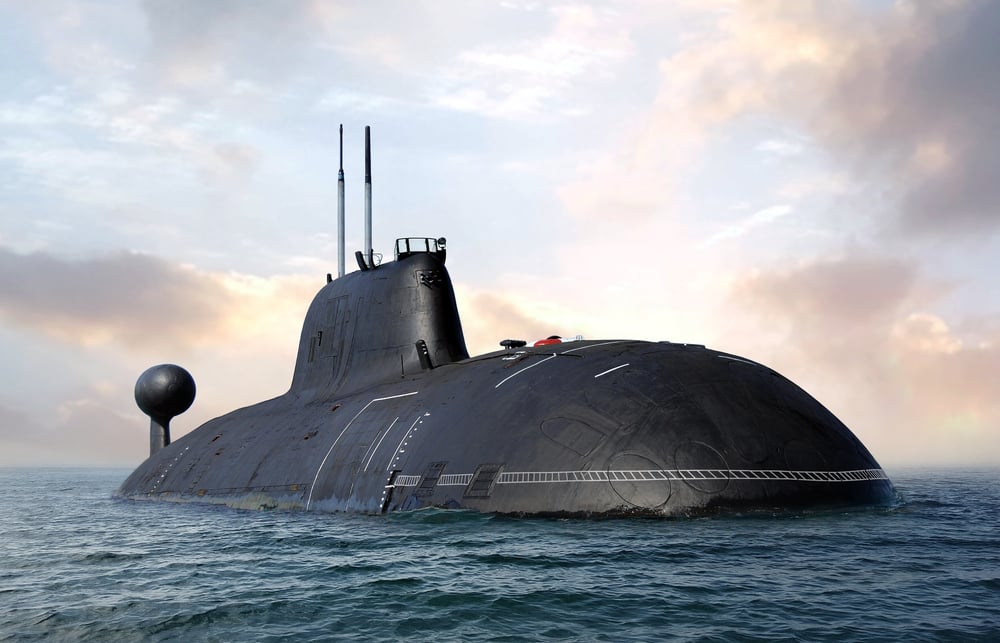
The nuclear-powered cruise missile submarine Kursk met its fate on August 12, 2000, during naval exercises in the Barents Sea. Two massive explosions in the torpedo compartment sent the massive vessel to the seafloor — taking all 118 crew members with it.
Hydrogen peroxide fuel leaking from a practice torpedo caused the first explosion, which then triggered a much larger secondary blast. Russian naval pride hampered initial rescue attempts, as officials were reluctant to accept international help.
By the time foreign rescue teams were allowed to assist, it was too late. Some crew members had initially survived the explosions, yet they eventually succumbed to carbon monoxide poisoning in the submarine’s sealed compartments.
Like Go2Tutors’s content? Follow us on MSN.
USS Scorpion
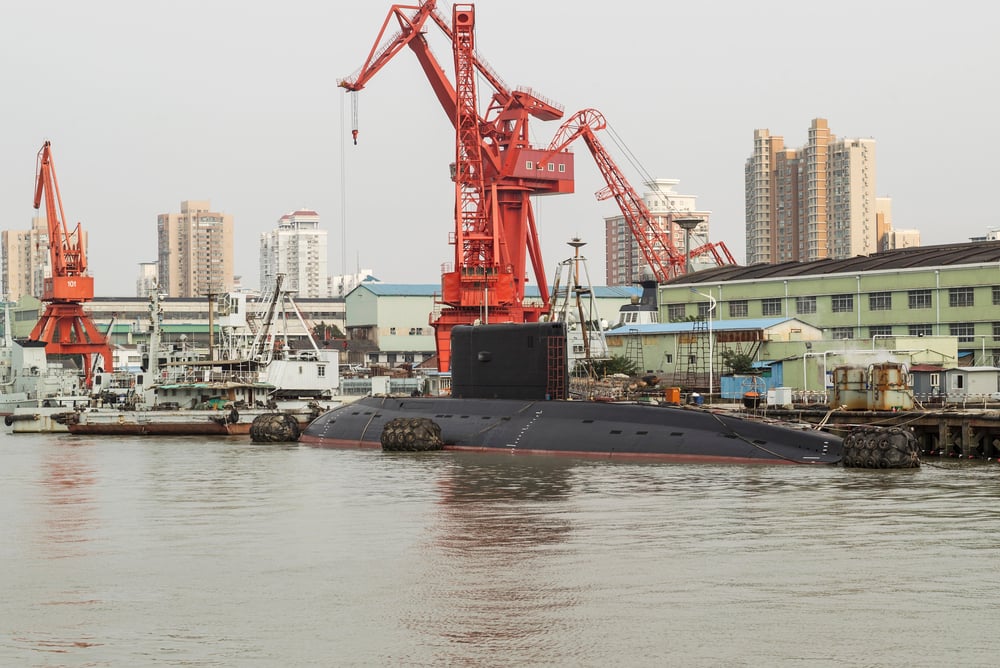
The USS Scorpion vanished without a trace on May 22, 1968, while en route to Norfolk, Virginia, from the Mediterranean. All 99 crew members were lost when the nuclear attack submarine inexplicably sank in the North Atlantic — roughly 400 miles southwest of the Azores.
The submarine’s wreckage wasn’t located until months later, resting on the ocean floor at a depth of over 10,000 feet. Multiple theories have emerged about what caused the Scorpion’s demise.
These range from torpedo malfunction to structural failure, though the most widely accepted explanation involves a ‘hot run’ torpedo that may have detonated inside the submarine. The exact cause remains classified and disputed to this day.
Chinese Submarine 361
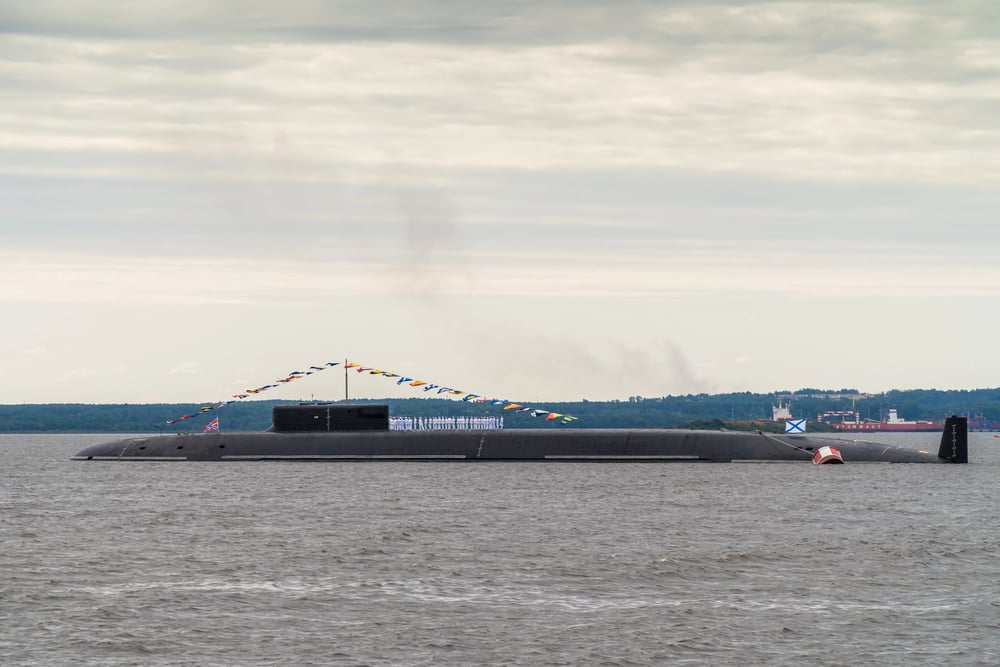
In May 2003, China announced one of its most devastating submarine losses when the entire 70-person crew of submarine 361 perished due to a mechanical malfunction. The Ming-class diesel submarine was operating off the coast of Liaoning province when the fatal incident occurred.
Chinese officials later revealed that the submarine’s diesel engine failed to shut down properly when the vessel submerged. The running engine consumed all available oxygen in the sealed submarine — causing the crew to suffocate.
This tragedy highlighted the deadly risks associated with diesel-electric submarines, where proper engine shutdown procedures are literally a matter of life and death.
Soviet K-19
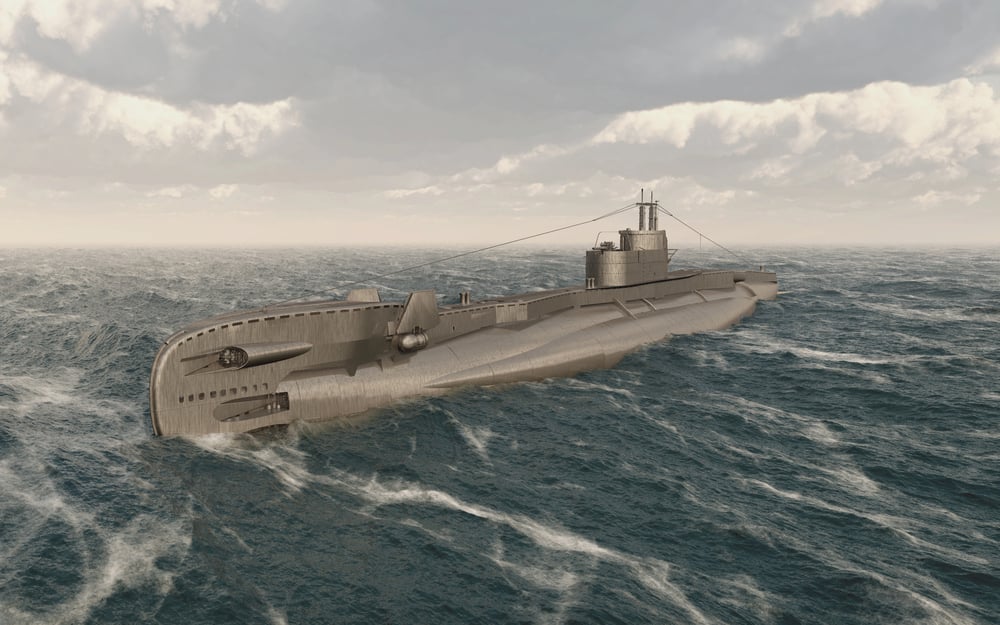
Known as the ‘Widowmaker,’ the Soviet nuclear submarine K-19 experienced a catastrophic reactor coolant failure on July 4, 1961, while patrolling near Greenland. The loss of coolant threatened a nuclear meltdown that could’ve triggered a steam explosion — potentially creating a nuclear disaster in the middle of the Cold War.
Eight crew members volunteered for a deadly mission to manually repair the reactor’s cooling system. These brave sailors worked in lethal radiation levels to prevent a nuclear catastrophe, knowing they were signing their own death warrants.
All eight men died from radiation sickness within weeks — yet their sacrifice prevented what could’ve been a much larger disaster that might have escalated Cold War tensions dramatically.
Like Go2Tutors’s content? Follow us on MSN.
HMS Thetis

The HMS Thetis tragedy of June 1, 1939, became one of Britain’s worst peacetime submarine disasters. During sea trials in Liverpool Bay, the submarine’s torpedo tube flooded due to a faulty indicator system that showed the tube was empty when it was actually full of water.
When crew members opened the rear door — seawater rushed into the submarine. Despite the submarine being in relatively shallow water with its stern actually protruding above the surface, rescue efforts failed to save most of the crew.
Of the 103 people aboard, only four survived the ordeal, though the incident led to significant changes in submarine safety protocols and escape procedures.
Soviet K-8
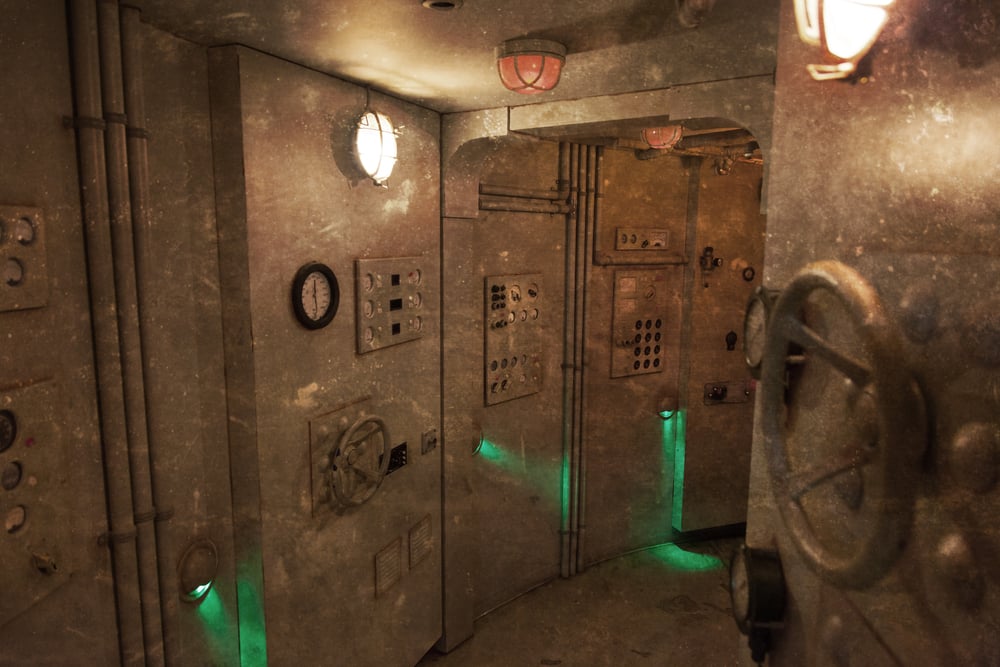
The Soviet nuclear submarine K-8 suffered a fire in its reactor compartment on April 8, 1970, while operating in the Bay of Biscay. The fire knocked out the submarine’s main electrical systems — leaving it powerless and unable to surface properly.
Despite the crew’s desperate efforts to fight the blaze and restore power, toxic smoke spread throughout the vessel. Fifty-two crew members lost their lives from smoke inhalation and carbon monoxide poisoning before the submarine finally sank.
The incident demonstrated how quickly fire can turn a submarine into a death trap, leading to improved fire suppression systems in future submarine designs.
USS Squalus
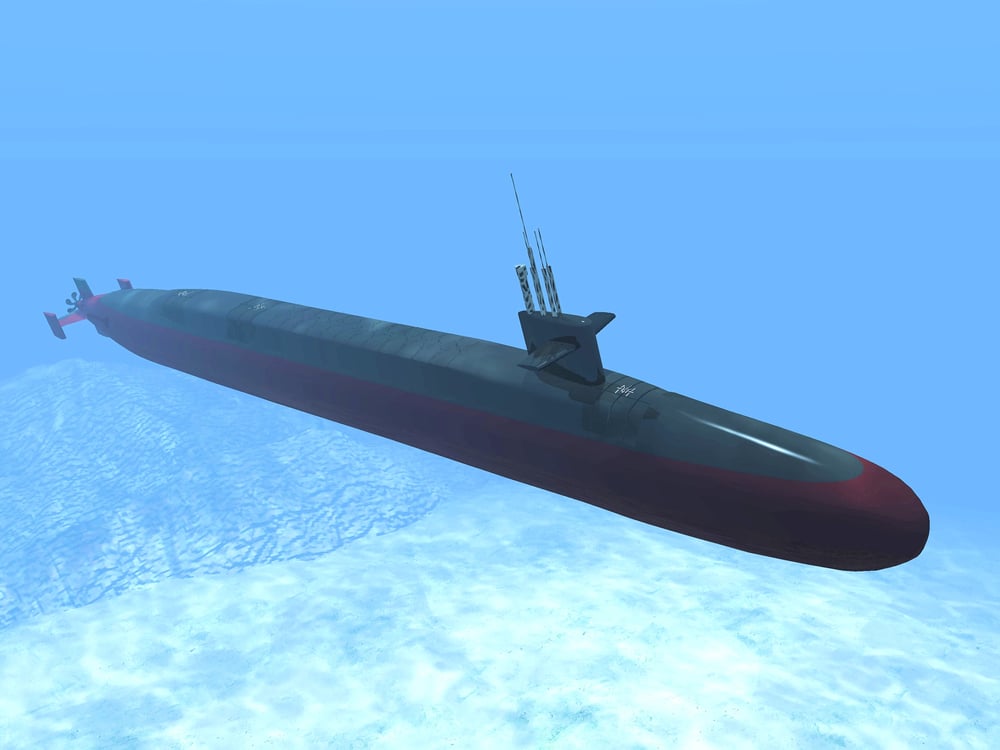
The USS Squalus experienced a catastrophic failure during a test dive off the New Hampshire coast on May 23, 1939. A main air induction valve failed to close properly — allowing seawater to flood the engine room and causing the submarine to sink to the bottom at 243 feet.
Twenty-six crew members in the flooded compartments died immediately. The remaining 33 survivors were trapped in the forward compartments for over 13 hours before rescue crews could reach them using the newly developed McCann Rescue Chamber.
This incident became a landmark case for submarine rescue techniques — proving that underwater rescues were possible under the right circumstances.
Like Go2Tutors’s content? Follow us on MSN.
INS Dakar
The Israeli submarine INS Dakar disappeared on January 25, 1968, while en route from Britain to Israel. All 69 crew members were lost when the submarine vanished in the eastern Mediterranean Sea — though for over 30 years, the fate of the Dakar remained a mystery.
This fueled speculation about everything from equipment failure to hostile action. The submarine’s wreckage was finally discovered in 1999, resting at a depth of 10,000 feet between Crete and Cyprus.
Evidence suggested that the submarine had imploded due to structural failure — possibly caused by a snorkel malfunction that allowed water to enter the vessel during surface operations.
French Submarine Minerve
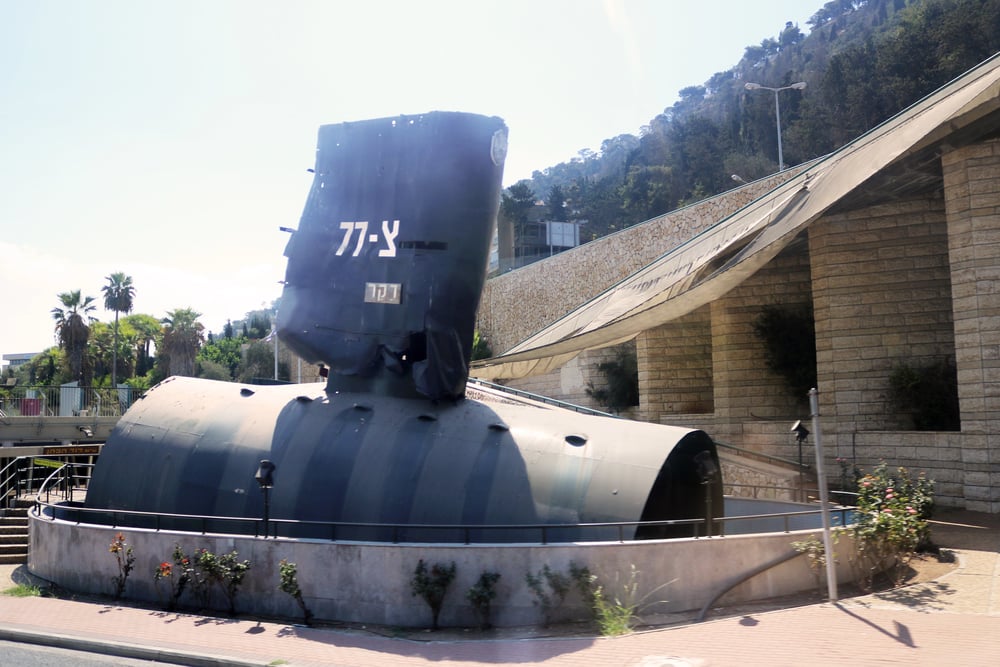
The French submarine Minerve was lost on January 27, 1968, during a training exercise off the coast of Toulon. All 52 crew members perished when the submarine disappeared without sending a distress signal.
Like many submarine disasters, initial search efforts proved fruitless, while the exact location of the wreck remained unknown for decades. The submarine was finally located in 2019 at a depth of 7,500 feet, more than 50 years after its disappearance.
Though the exact cause of the sinking remains unclear, investigators believe structural failure or flooding led to the submarine’s rapid descent beyond its crush depth.
Soviet B-37
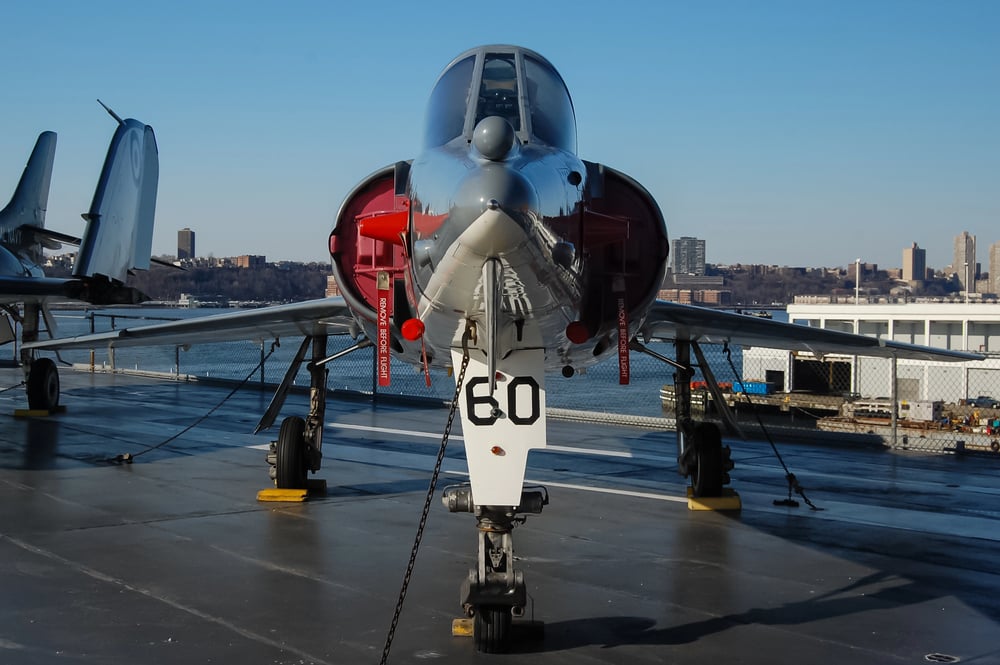
The Soviet submarine B-37 met a violent end on January 12, 1962, while docked at the Polyarny naval base. A torpedo explosion in the submarine’s weapon compartment triggered a chain reaction that destroyed the vessel and killed all 122 people aboard.
The blast was so powerful that it also sank a nearby submarine while damaging several other vessels in the harbor. The explosion occurred while the submarine was loading torpedoes.
Investigators determined that a faulty torpedo warhead was responsible for the initial detonation, highlighting the extreme dangers of handling explosive weapons in confined submarine spaces.
Like Go2Tutors’s content? Follow us on MSN.
USS Cochino

The USS Cochino suffered a battery explosion on August 25, 1949, while conducting surveillance operations near the Soviet Union. The explosion in the battery compartment created toxic chlorine gas while starting electrical fires throughout the submarine.
Despite desperate attempts to save the vessel, the damage proved too extensive. Seven crew members died from the explosion and gas poisoning before the surviving sailors could be evacuated.
The submarine sank while under tow, taking with it valuable intelligence-gathering equipment and marking one of the early casualties of Cold War submarine espionage.
German U-864
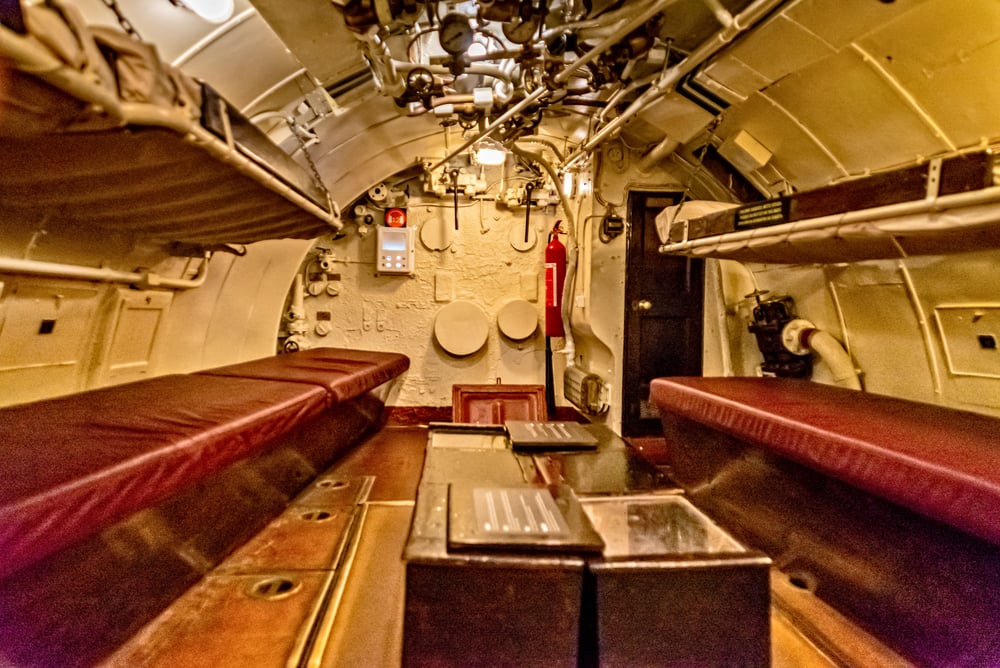
The German U-boat U-864 met its end in a unique underwater collision on February 9, 1945. While attempting to reach Japan with a cargo of advanced German technology, the submarine was intercepted by the British submarine HMS Venturer.
In what remains the only known instance of one submerged submarine sinking another while both were underwater, the Venturer fired a spread of torpedoes that struck and destroyed U-864. All 73 crew members aboard the German submarine were killed in the attack.
The wreck now lies off the Norwegian coast, still containing its dangerous cargo of mercury, which continues to pose environmental concerns decades after the war ended.
Soviet K-278 Komsomolets
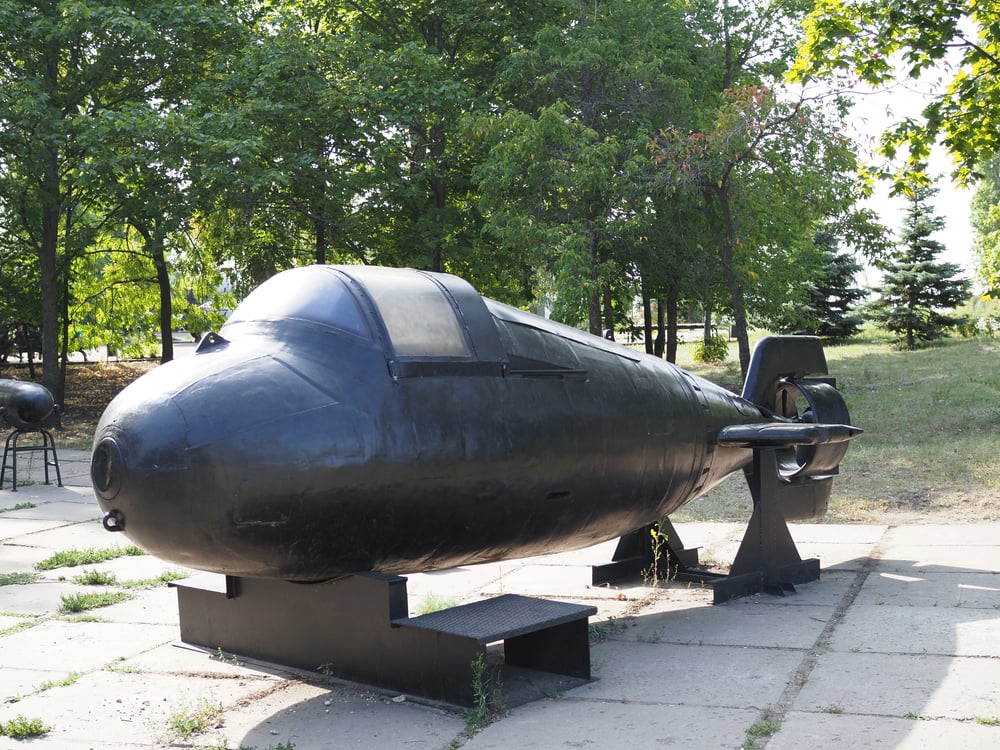
The Soviet nuclear submarine K-278 Komsomolets caught fire on April 7, 1989, while operating in the Norwegian Sea. An electrical fire in the engine compartment quickly spread throughout the submarine, forcing the crew to surface and attempt damage control.
Despite their efforts, the fire continued to rage, making the submarine uninhabitable. Forty-two crew members died, either from the fire, smoke inhalation, or exposure after abandoning ship into the frigid Arctic waters.
The submarine eventually sank to a depth of 5,500 feet, taking its nuclear reactor and weapons with it. The incident raised serious concerns about nuclear contamination on the ocean floor.
Like Go2Tutors’s content? Follow us on MSN.
Argentine ARA San Juan
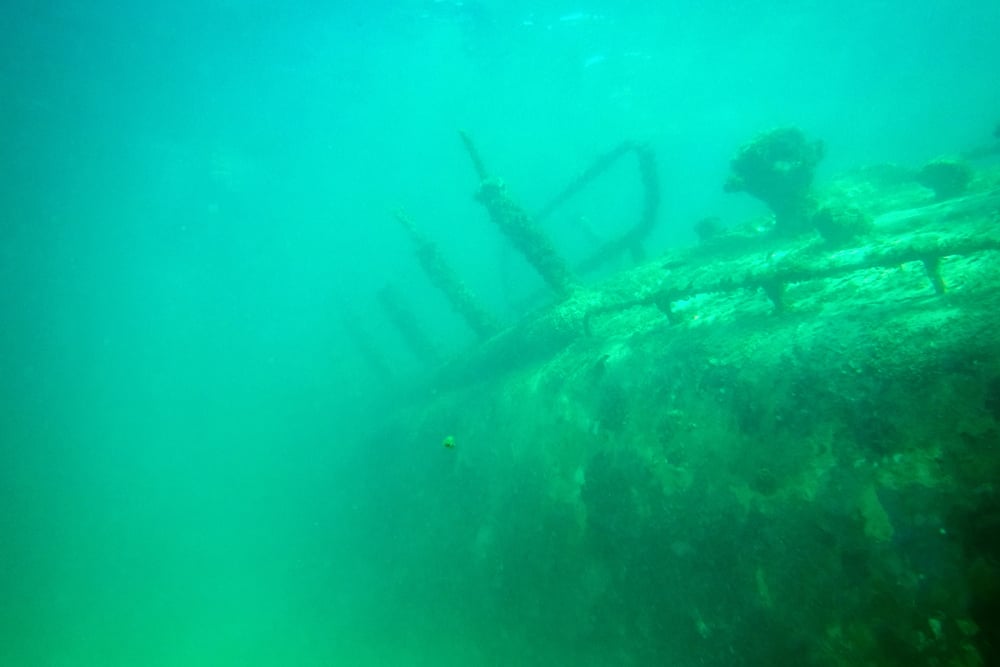
The Argentine submarine ARA San Juan disappeared on November 15, 2017, while transiting from Ushuaia to Mar del Plata. All 44 crew members were lost when the submarine suffered what investigators believe was an explosion in the forward battery compartment.
The submarine had reported a battery malfunction shortly before losing contact with naval headquarters. An extensive international search effort involving multiple countries lasted for over a year before the submarine’s wreckage was finally located at a depth of 2,975 feet.
The incident highlighted the ongoing dangers faced by aging submarine fleets while emphasizing the importance of proper maintenance protocols.
When Steel Meets Sea
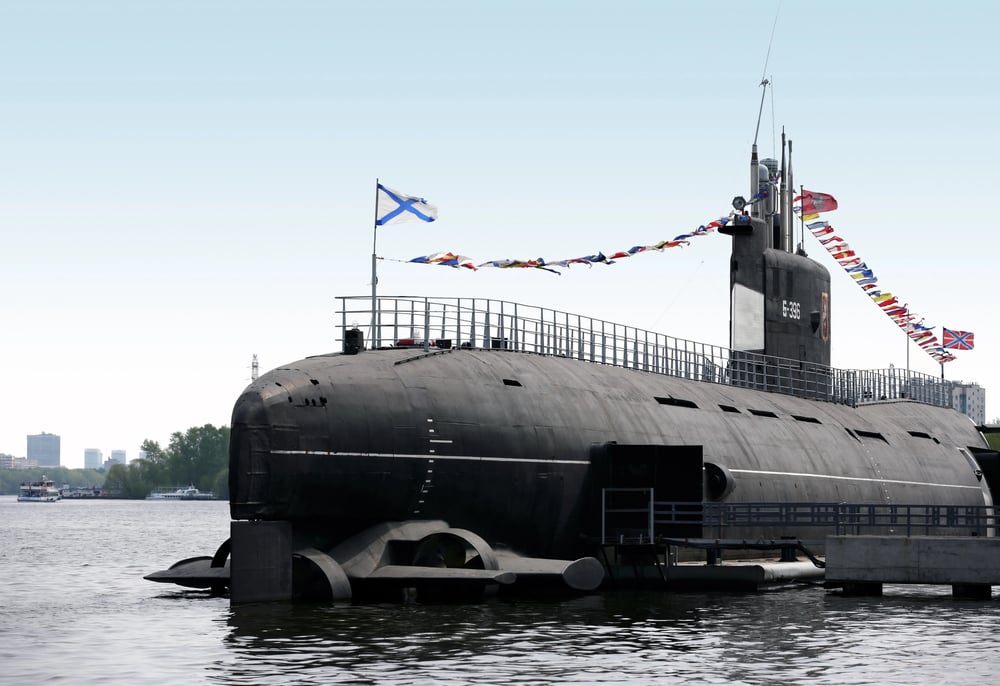
These underwater tragedies remind us that submarines operate in one of Earth’s most unforgiving environments, where the smallest mistake can have deadly consequences. Each disaster has contributed to improved safety protocols, better training procedures, and more reliable emergency systems.
The lessons learned from these incidents continue to protect submarine crews today, though the inherent dangers of operating beneath the waves remain as real as ever. Modern submarine forces honor the memory of those lost by maintaining the highest standards of safety and preparedness in their ongoing missions beneath the sea.
More from Go2Tutors!

- 16 Historical Figures Who Were Nothing Like You Think
- 12 Things Sold in the 80s That Are Now Illegal
- 15 VHS Tapes That Could Be Worth Thousands
- 17 Historical “What Ifs” That Would Have Changed Everything
- 18 TV Shows That Vanished Without a Finale
Like Go2Tutors’s content? Follow us on MSN.



