Famous Inventions That Broke Global Records
Human beings have always pushed boundaries. The drive to go faster, higher, smaller, or bigger has shaped the modern world in ways that feel almost unbelievable when you stop to think about them.
Some inventions didn’t just work well—they shattered every expectation and set records that seemed impossible at the time. These aren’t just technical achievements sitting in museums.
They changed how people live, work, and see what’s possible. Each one marked a moment when someone looked at what existed and decided it wasn’t good enough.
The Wright Flyer Takes Off

On December 17, 1903, the Wright brothers’ aircraft stayed airborne for 12 seconds and covered 120 feet. That flight lasted less time than it takes to read this paragraph, but it broke the most important record of all—it proved humans could fly in a powered, controlled aircraft.
Before that moment, people had tried for centuries with disastrous results. The Wright brothers succeeded because they approached the problem differently.
They built a wind tunnel to test wing shapes, developed a three-axis control system, and designed their own engine when no existing one would work. The flight record itself got broken within hours—Wilbur flew 852 feet on the fourth attempt that same day.
But the real record was proving it could be done at all.
Concorde Crosses the Atlantic in Under Three Hours

The Concorde set its fastest transatlantic crossing on February 7, 1996, flying from New York to London in 2 hours, 52 minutes, and 59 seconds. Passengers could leave JFK after lunch and arrive at Heathrow before dinner—despite the five-hour time difference.
The aircraft cruised at 1,354 miles per hour, more than twice the speed of regular jets. Flying that fast created heat that expanded the plane’s frame by up to 10 inches during flight.
Engineers had to account for the metal stretching and contracting with every journey. Fuel consumption made the flights expensive and environmental concerns eventually grounded the fleet.
But for 27 years, the Concorde held records that regular commercial aviation still hasn’t touched.
Japan’s Bullet Train Redefines Rail Speed

When the Shinkansen started running between Tokyo and Osaka in 1964, it operated at 130 miles per hour—faster than any train service in the world. The timing mattered.
Japan was hosting the Olympics and wanted to showcase its recovery after World War II. The trains ran on dedicated tracks with no level crossings, eliminating the delays that plagued regular rail.
Engineers designed the distinctive nose cone to reduce air resistance and minimize the sonic boom when trains entered tunnels. Modern Shinkansen models now reach 199 miles per hour in regular service.
After more than 60 years and billions of passengers, the system has maintained a perfect safety record with zero passenger fatalities from derailments or collisions.
The International Space Station Stays Aloft
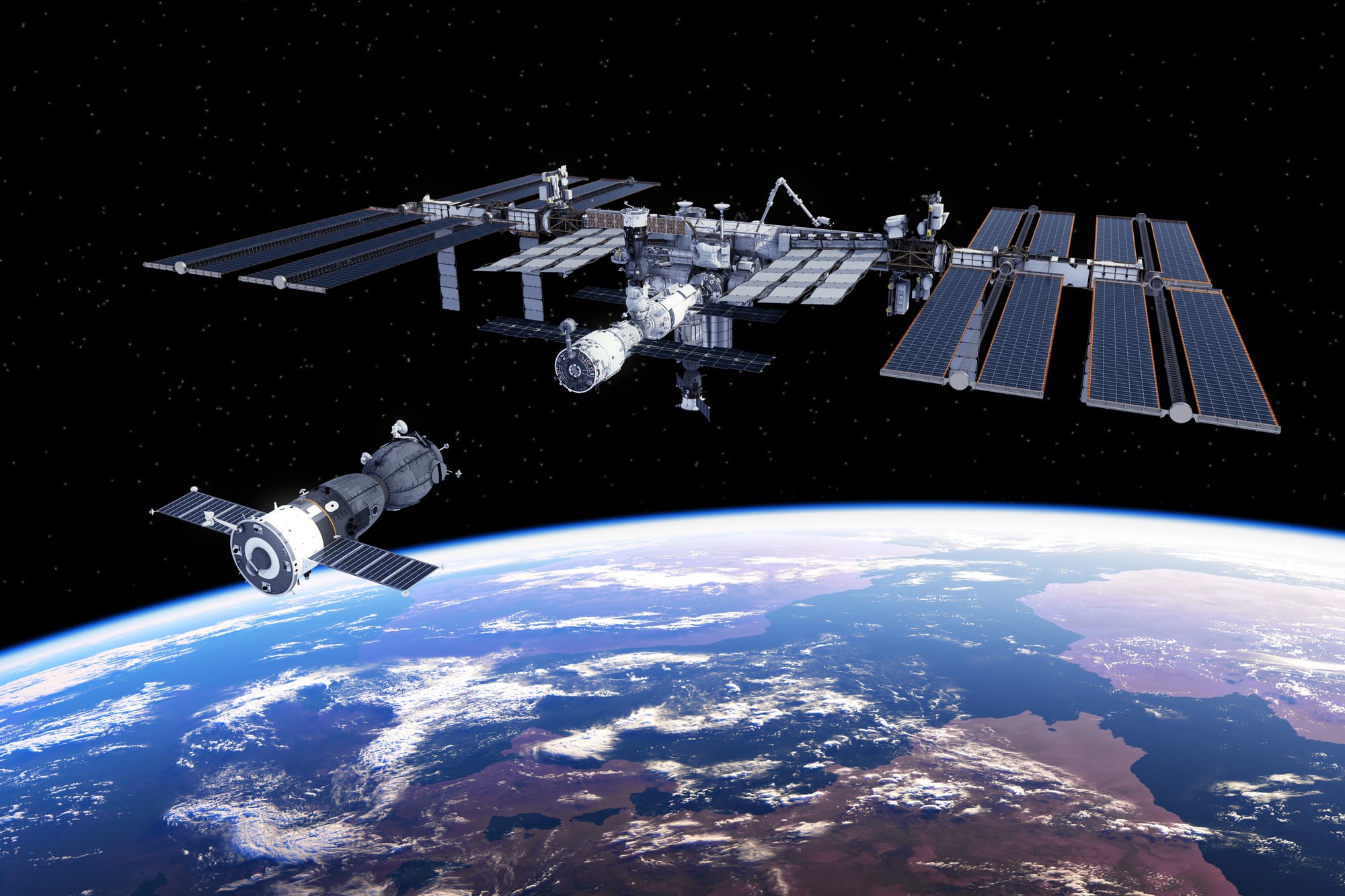
The ISS orbits Earth at 17,500 miles per hour, completing one lap around the planet every 90 minutes. It’s not just the speed that breaks records—it’s the sustained human presence in space.
People have continuously lived aboard the station since November 2000, making it the longest-inhabited structure beyond Earth. Building it required launching 42 assembly flights and coordinating work between 15 countries.
The station weighs nearly 1 million pounds and provides about the same living space as a six-bedroom house. Astronaut Peggy Whitson spent 665 cumulative days aboard the ISS across multiple missions—the longest time any American has spent in space.
The station itself keeps setting duration records simply by continuing to function year after year in one of the harshest environments imaginable.
Burj Khalifa Rises Above Everything Else

The Burj Khalifa stands 2,722 feet tall, making it the tallest human-made structure ever built. Construction took six years and required techniques never attempted before at that scale.
The foundation alone needed 58,900 cubic yards of concrete, and the building sways up to six feet at the top during high winds. Engineers used a Y-shaped floor plan to reduce wind forces and a special high-strength concrete mix that could withstand extreme temperatures.
The building has 163 floors, though only 154 are usable spaces. Workers poured concrete continuously for the central core, pumping it to record-breaking heights using specialized equipment.
The elevator system includes 57 elevators and 8 escalators, with the longest travel distance of any elevator in the world at 1,654 feet.
The Transistor Shrinks Everything
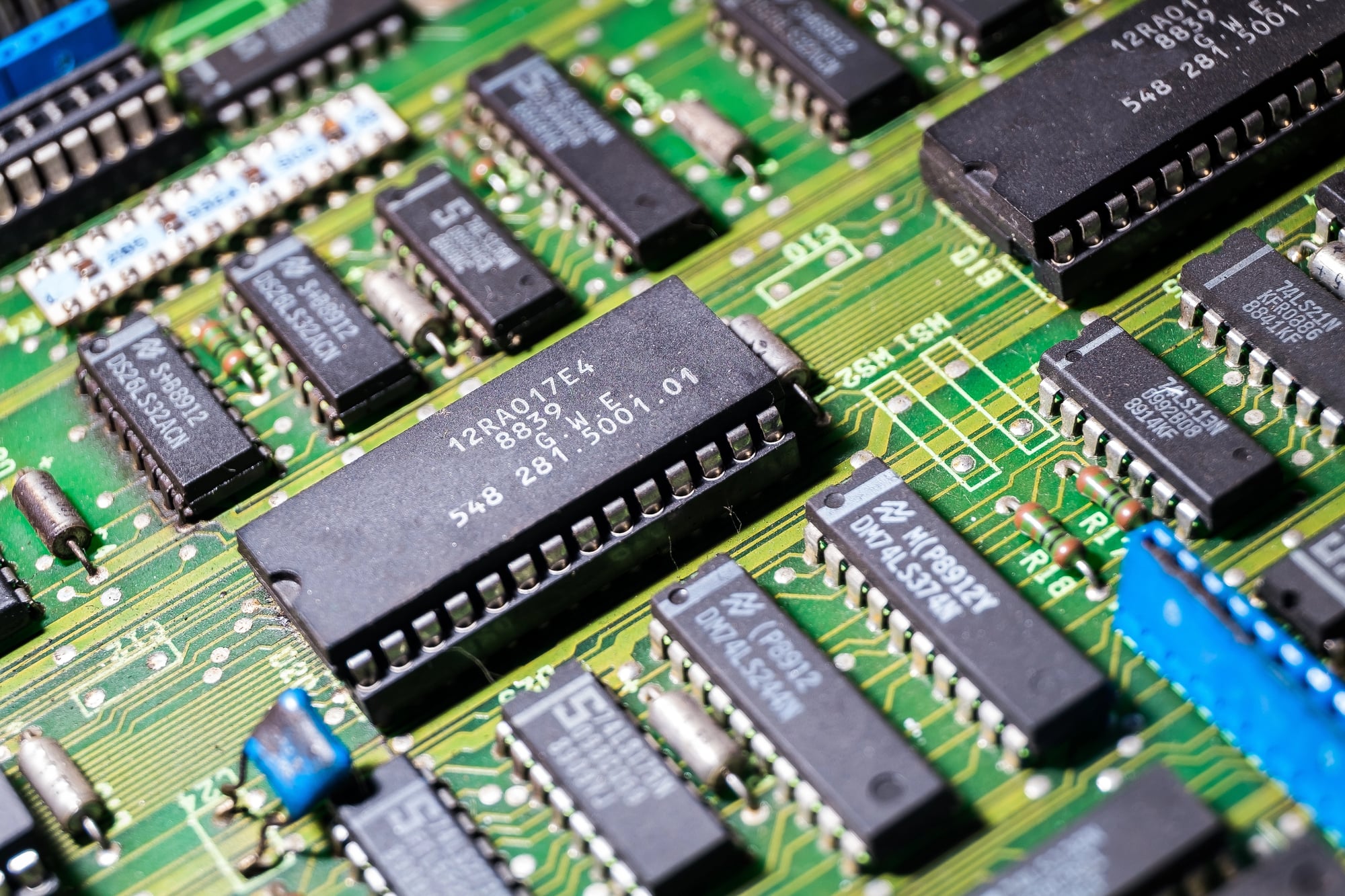
The first transistor, built in 1947, was about the size of your palm. Today’s microchips pack billions of transistors into a space smaller than your fingernail.
This progression set records that defined the digital age. Intel’s 4004 processor in 1971 contained 2,300 transistors.
Modern processors exceed 50 billion. Gordon Moore predicted in 1965 that the number of transistors on integrated circuits would double every two years—a pattern that held remarkably true for decades.
The current manufacturing process creates transistors with features measuring just 3 nanometers across. You could fit several thousand across the width of a human hair.
The precision required to manufacture these components pushes the limits of physics and engineering.
ARPANET Connects Four Computers

The first message sent over ARPANET on October 29, 1969, crashed the system after just two letters. The intended message was “LOGIN” but the network managed only “LO” before failing.
Despite that shaky start, those four connected computers at UCLA, Stanford, UC Santa Barbara, and the University of Utah created the foundation for the internet. By 1971, ARPANET had 15 nodes.
By 1981, the network connected 213 hosts. The technology grew faster than anyone predicted, and no one foresaw how it would reshape human communication.
The network broke records not through speed or size but through persistence. Engineers kept improving the protocols, expanding the infrastructure, and solving problems as they arose.
The internet set a different kind of record—the fastest adoption of any communication technology in human history.
Scientists Map the Human Genome

The Human Genome Project took 13 years to map all 3 billion base pairs in human DNA. The first complete draft, finished in 2003, cost approximately $2.7 billion and involved research teams from six countries.
The project broke computational records as much as biological ones. Scientists had to develop new software and algorithms to handle the massive amounts of data.
Sequencing even one small section required specialized machines running continuously. Today, the same work takes hours instead of years and costs around $1,000 instead of billions.
The speed improvement represents one of the most dramatic technology shifts in scientific history. Understanding the genome opened new approaches to medicine, but the real achievement was proving that such a massive collaborative project could succeed.
The Large Hadron Collider Accelerates Particles
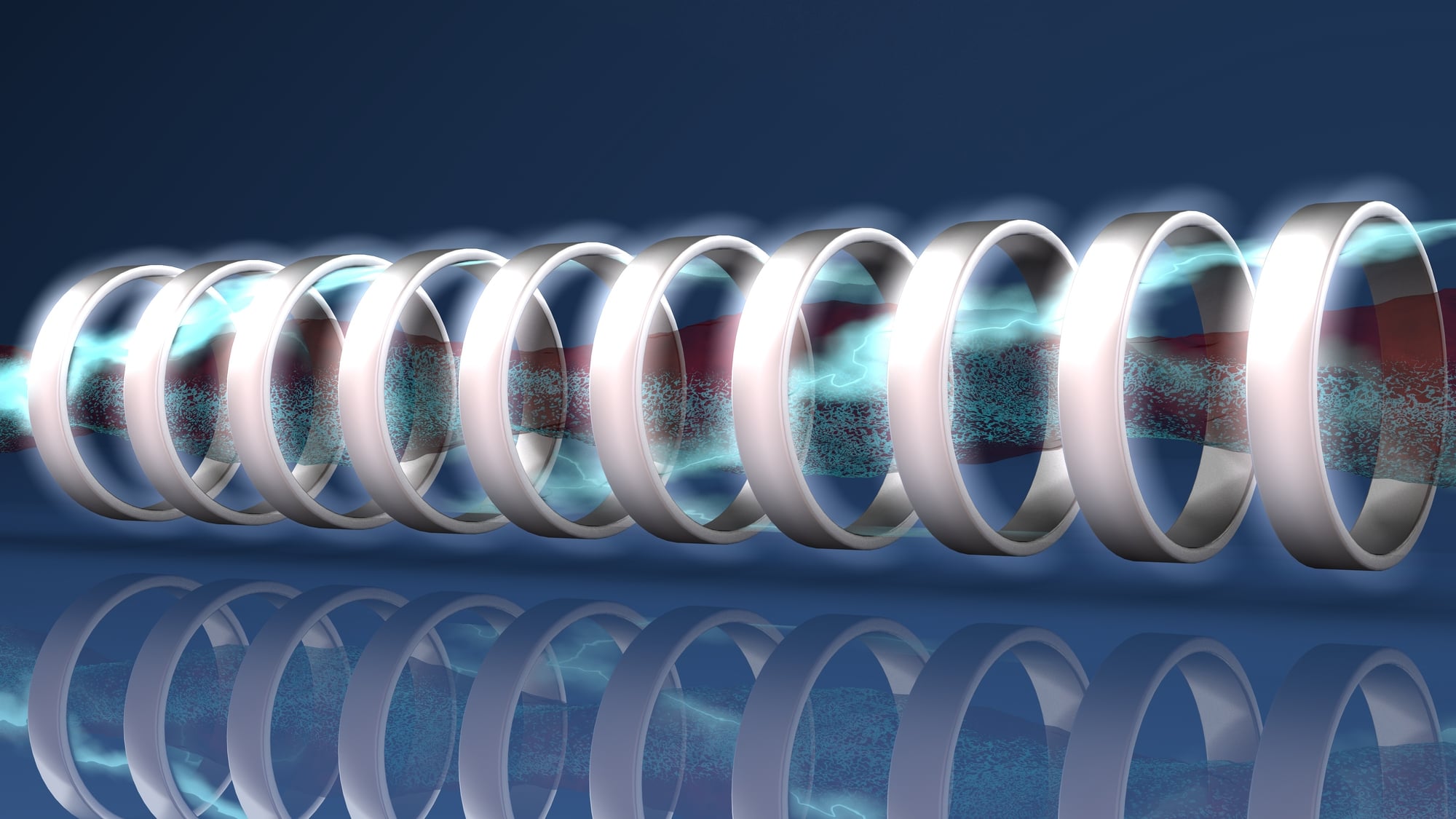
The LHC accelerates protons to 99.9999991% the speed of light before smashing them together. The collider sits in a circular tunnel 17 miles around, buried up to 574 feet underground beneath the France-Switzerland border.
Superconducting magnets keep the particle beams on track, cooled to -456.34 degrees Fahrenheit—colder than outer space. The machine generates 600 million particle collisions per second, producing temperatures 100,000 times hotter than the sun’s core.
In 2012, physicists using the LHC discovered the Higgs boson, a particle predicted by theory but never observed. Finding it required analyzing data from trillions of collisions.
The discovery confirmed fundamental theories about how particles acquire mass and completed the Standard Model of particle physics.
Tesla Roadster Hits 60 in Under Two Seconds
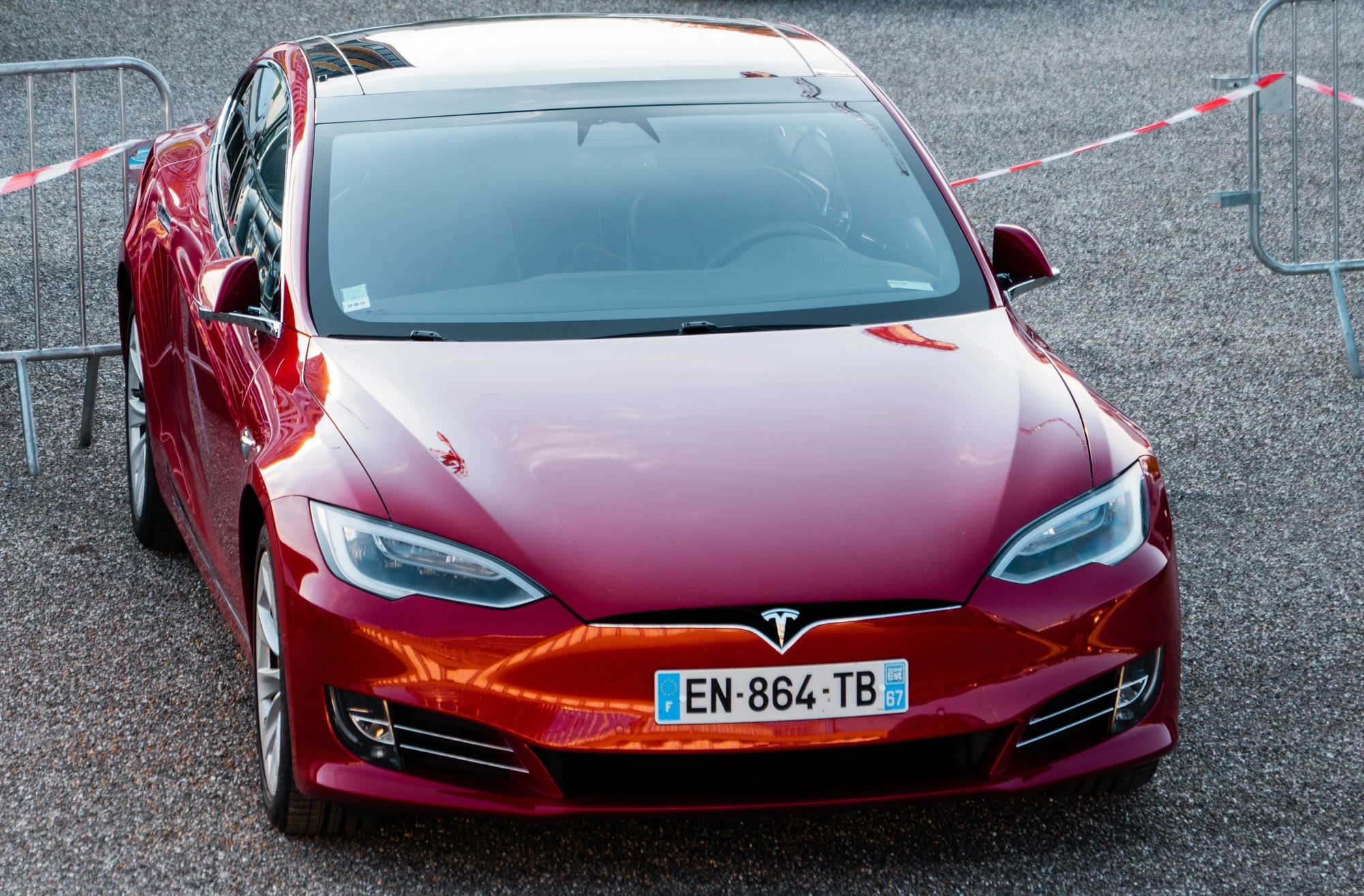
The Tesla Model S Plaid set an electric vehicle record in 2021, reaching 60 miles per hour in 1.99 seconds. That acceleration rate matches or exceeds most supercars, despite the vehicle weighing over 4,700 pounds and seating five people comfortably.
Electric motors deliver maximum torque instantly, unlike gasoline engines that need time to build power. The Plaid uses three motors producing 1,020 horsepower combined.
Battery technology improvements made this performance possible—the car’s range exceeds 300 miles despite the power output. Electric vehicles held speed records in the early 1900s before gasoline engines became dominant.
Tesla’s achievements brought electric performance back to the forefront and proved sustainable transportation doesn’t require compromising on capability.
SpaceX Lands and Reuses Rocket Boosters
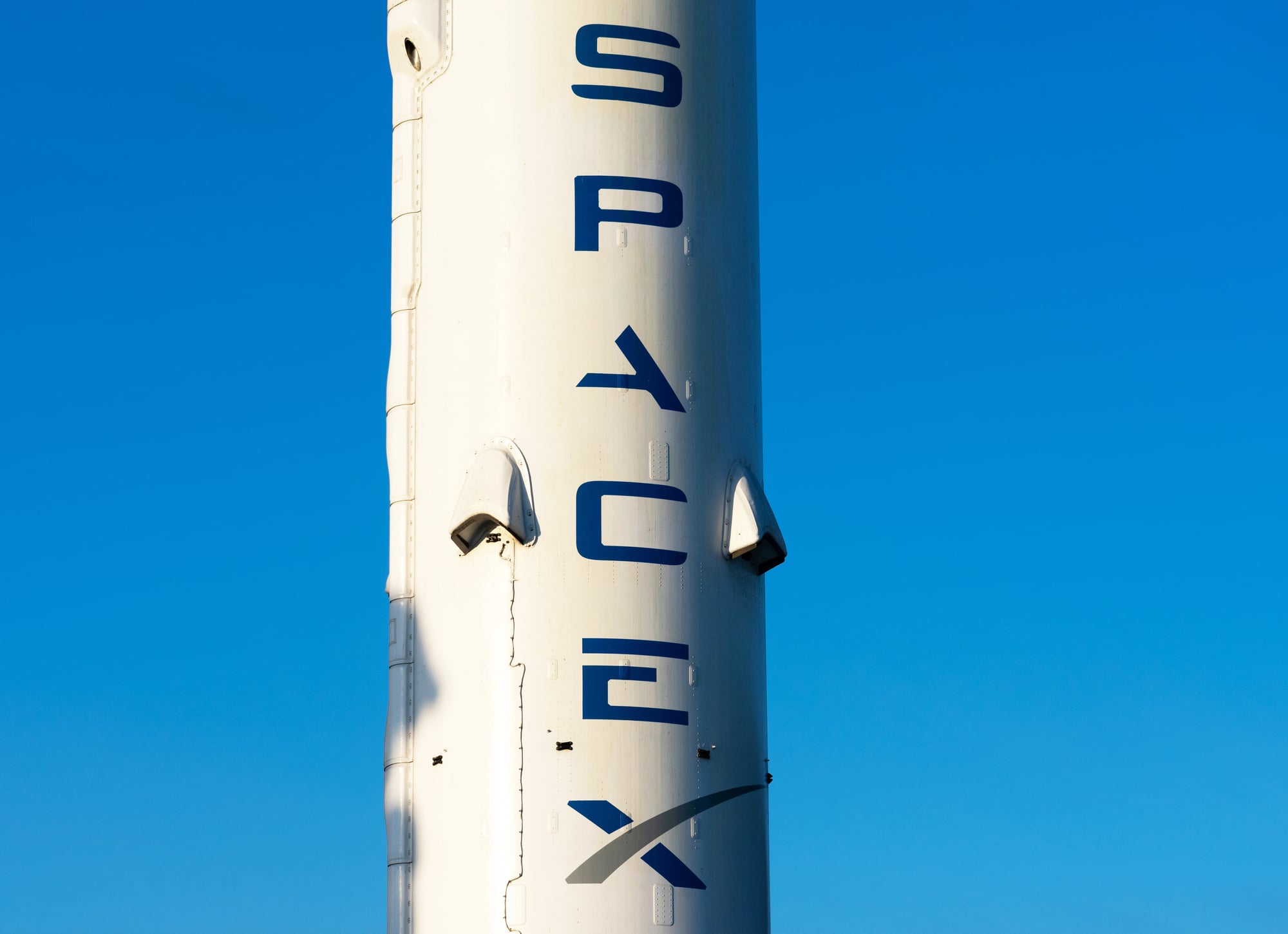
On December 21, 2015, a SpaceX Falcon 9 rocket completed its primary mission, then returned and landed vertically on solid ground. Before that moment, rocket boosters were single-use items that fell into the ocean and couldn’t be recovered in working condition.
Reusing rocket stages seemed impossible because the forces involved destroy most materials. SpaceX developed heat shields, landing legs, and guidance systems that could survive the return journey.
The company has now launched the same booster more than 15 times, breaking every reusability record in spaceflight history. The cost savings changed space economics.
Launch prices dropped dramatically when boosters could be refurbished instead of rebuilt. The technology made regular space access more practical for commercial customers and scientific missions alike.
3D Printers Build at Unprecedented Scale

In 2019, the University of Maine unveiled a 3D printer that holds records for the largest and fastest polymer printer in the world. The machine printed a 25-foot boat in 72 hours, demonstrating manufacturing capabilities previously considered impossible.
Traditional 3D printers build objects layer by layer at small scales, which works for prototypes but not for large structures. The Maine printer deposits material 500 times faster than conventional machines while maintaining structural integrity.
Construction companies now use 3D printing to build entire houses in days instead of months. Medical researchers print customized prosthetics and even living tissue.
The technology broke size and speed records, but more importantly, it expanded what can be manufactured and where.
Quantum Computers Process Impossible Calculations
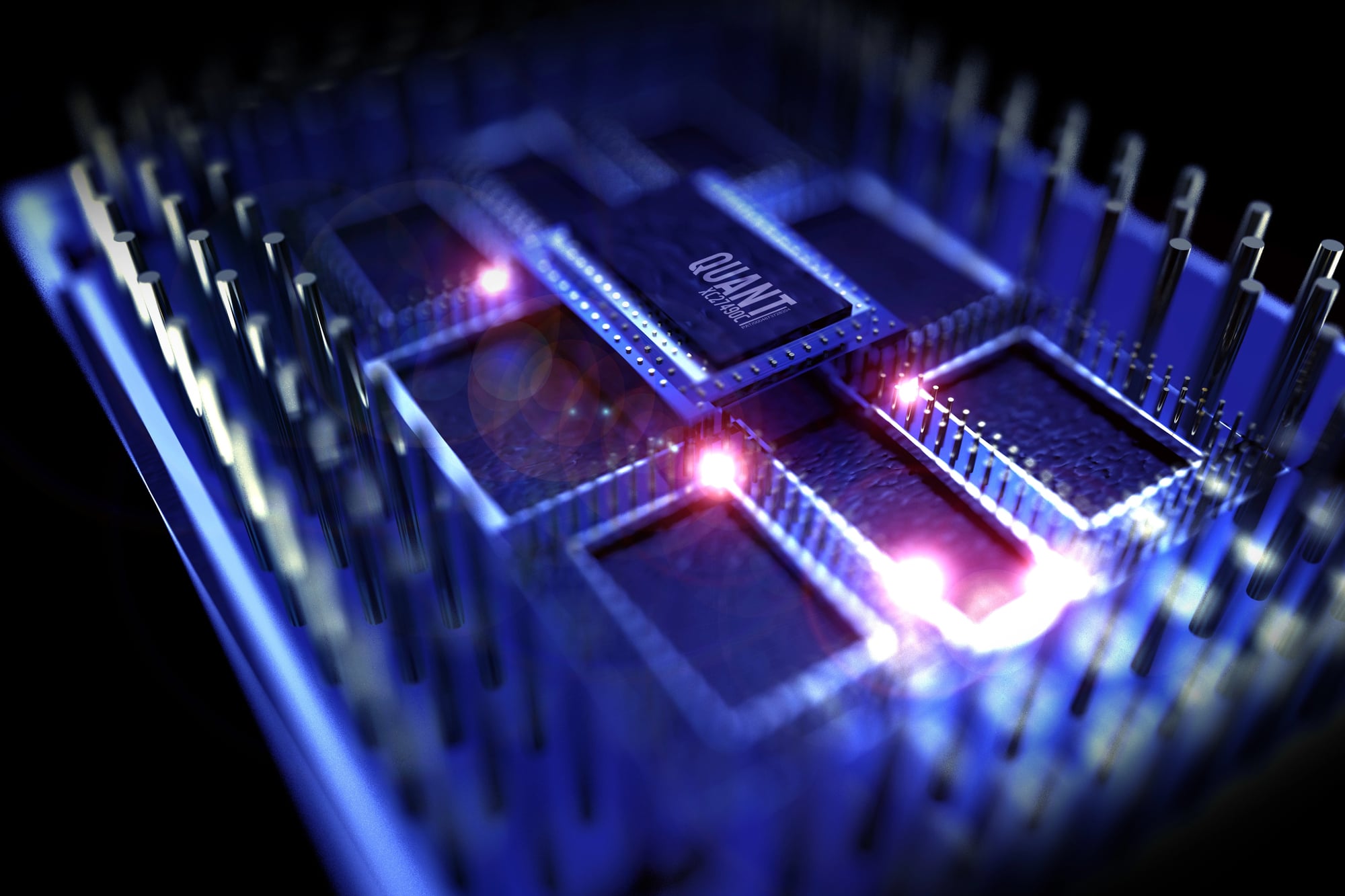
Google’s Sycamore quantum processor performed a calculation in 200 seconds that would take the world’s fastest supercomputer 10,000 years. The achievement, announced in 2019, marked the first time a quantum computer definitively outperformed classical computing.
Quantum computers work fundamentally differently from regular computers. They use quantum bits that can exist in multiple states simultaneously, allowing certain types of calculations to progress exponentially faster.
The machines operate at temperatures near absolute zero to maintain quantum states. IBM, Microsoft, and other companies have since achieved similar results with different approaches.
The technology remains experimental and limited to specific problem types, but it broke the theoretical limits that constrain traditional computing.
Solar Panels Reach New Efficiency Heights

In 2023, researchers achieved 47.1% efficiency in converting sunlight to electricity using multi-junction solar cells. Previous records hovered around 40%, and typical commercial panels operate at 15-20% efficiency.
The record-breaking cells use multiple layers of different materials, each optimized to capture specific wavelengths of light. The design captures more of the sun’s spectrum than single-material cells can manage.
Manufacturing these high-efficiency panels costs more than standard models, but the efficiency gains matter for space applications and areas with limited installation space. Solar technology improves steadily each year.
The efficiency records keep climbing as researchers discover new materials and configurations. These incremental improvements make solar power more practical and affordable for everyday use.
When Numbers Tell Stories

What folks celebrate says a lot about what matters right then. Most record-breaking creations begin as fixes for issues once believed unfixable.
These breakthroughs show impossibility fades when effort meets imagination at the perfect instant. Look at each case – the belief that limits are temporary.
Not only did these creations surpass past achievements, but they opened fresh paths forward. Proof changes everything; once something works, imagination stretches further.
Somewhere, a future breakthrough takes shape on scrap paper, ready to shift boundaries again.
More from Go2Tutors!

- The Romanov Crown Jewels and Their Tragic Fate
- 13 Historical Mysteries That Science Still Can’t Solve
- Famous Hoaxes That Fooled the World for Years
- 15 Child Stars with Tragic Adult Lives
- 16 Famous Jewelry Pieces in History
Like Go2Tutors’s content? Follow us on MSN.



