15 Surprising Facts About Holiday Parades
Holiday parades have become as much a part of the season as gift-giving and family dinners. Cities across America shut down streets so giant floats can roll past cheering crowds while marching bands play familiar tunes.
These events draw millions of spectators each year, yet most people watching from the sidewalks or their couches at home don’t know the fascinating stories behind what they’re seeing. The history, logistics, and unexpected details surrounding these parades reveal just how much work goes into creating these beloved traditions.
Some of the most interesting aspects of holiday parades never make it into the broadcast. The behind-the-scenes reality is often more entertaining than the show itself.
The Macy’s Thanksgiving Day Parade started as a Christmas parade
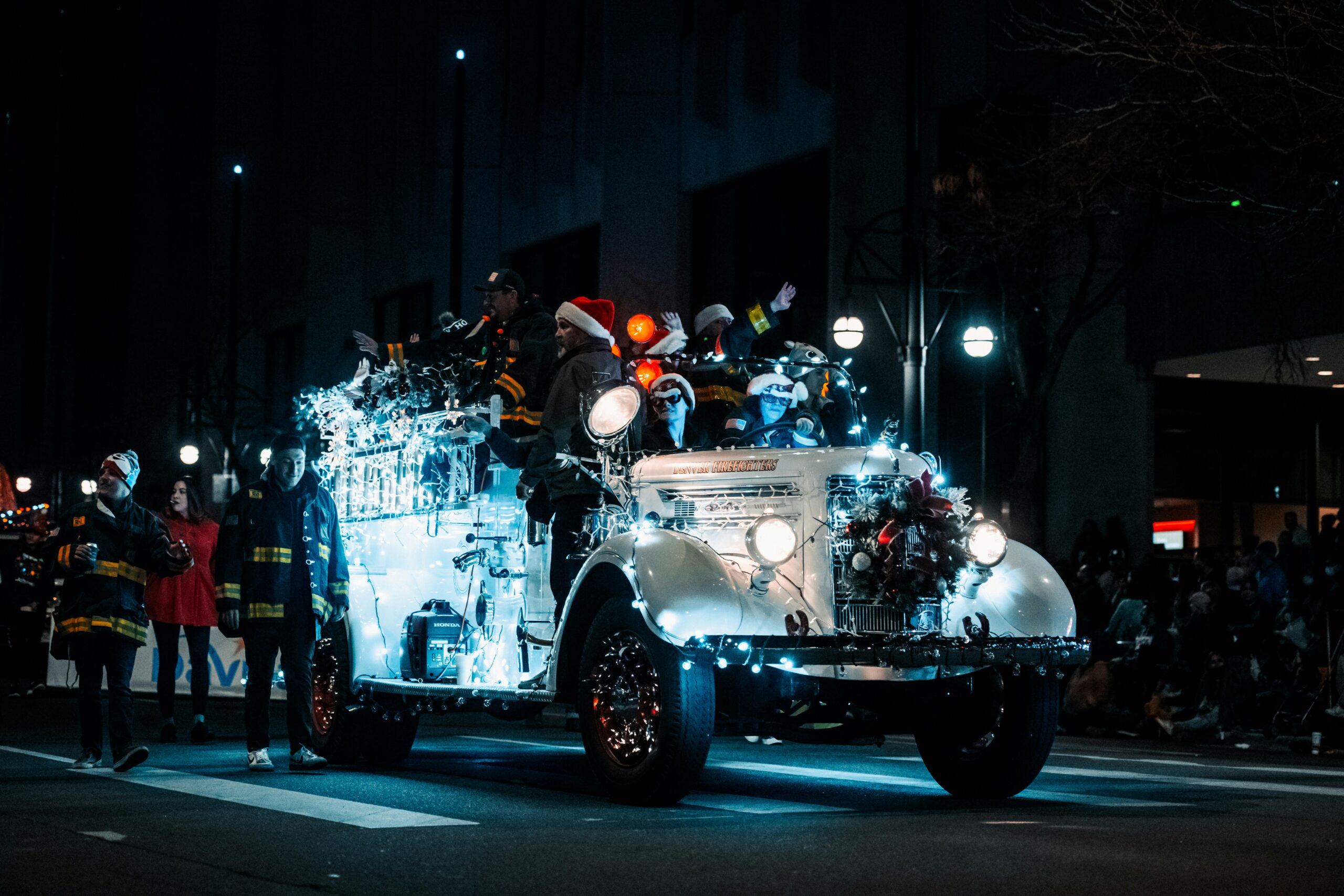
Macy’s launched its famous parade in 1924, but the company originally intended it as a Christmas celebration, not a Thanksgiving one. Store employees, many of whom were first-generation immigrants, wanted to celebrate their new American home with a European-style festival.
The parade featured live animals borrowed from the Central Park Zoo, including bears, elephants, and camels. Macy’s didn’t introduce character balloons until 1927, three years after the first parade.
The event was so popular that Macy’s decided to make it an annual tradition, and the Thanksgiving timing stuck because it marked the official start of the Christmas shopping season.
Parade balloons were once released into the sky
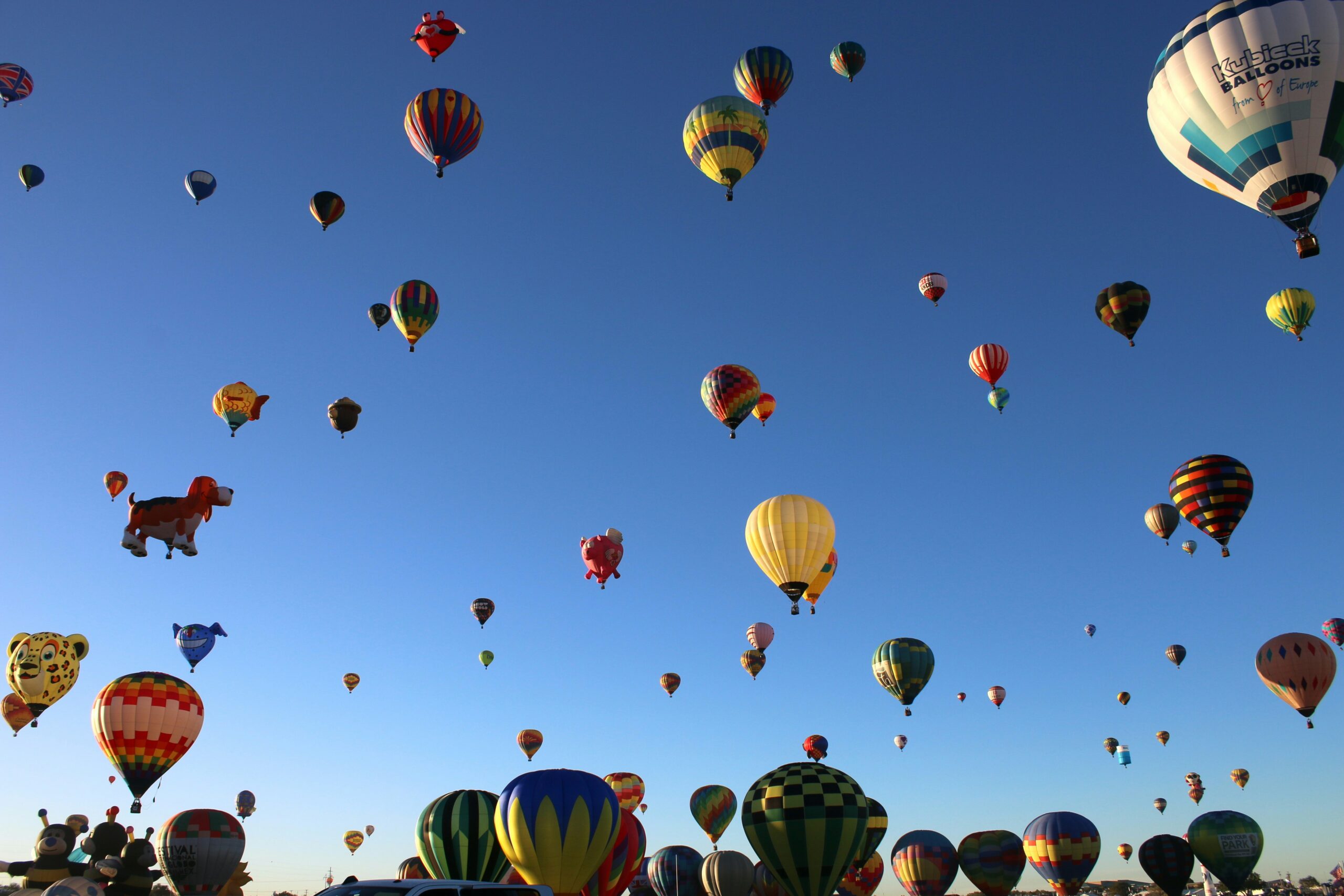
From 1928 to 1932, Macy’s released the giant character balloons into the air at the end of each parade. The balloons would slowly deflate and eventually fall somewhere in the New York area.
Macy’s attached return address labels to the balloons and offered rewards to whoever found and returned them. One balloon stayed aloft for several days before finally coming down.
The practice ended after a balloon caused a small plane to go into a tailspin, though thankfully no one got hurt. The incident convinced Macy’s that keeping the balloons grounded was probably the smarter choice.
Each giant balloon requires dozens of handlers
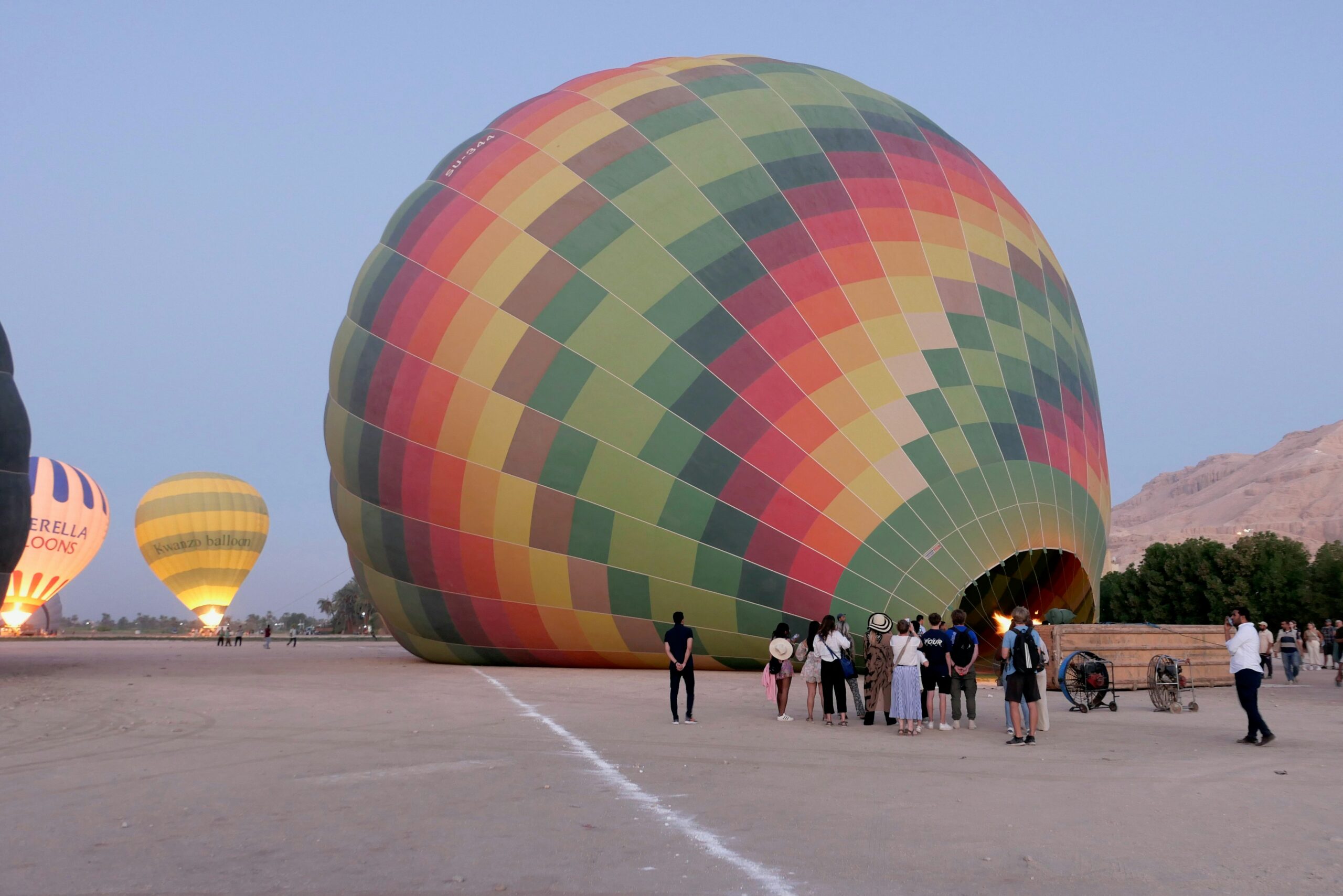
Those floating characters that look so effortless on television actually need between 80 and 100 people to control them safely. Handlers train for months before parade day to learn how to manage the balloons in different wind conditions.
The city measures wind speed throughout the parade route, and if gusts exceed certain limits, officials can ground the balloons entirely. In 1997, high winds caused several balloon accidents, including one that knocked over a lamppost and injured four people.
Since then, New York has implemented much stricter wind speed protocols. Being a balloon handler has become so popular that people apply years in advance for the chance to participate.
Hollywood celebrities rarely perform live during broadcasts

Most of the musical performances viewers see during televised parades aren’t actually happening in real time. Singers and performers pre-record their songs and lip-sync during the actual parade because producing live sound while moving down a parade route is nearly impossible.
The equipment needed for live performance doesn’t work well on moving floats, and crowd noise would drown out most of the audio anyway. Marching bands are the exception since their instruments naturally project sound and they’re trained to perform while moving.
Broadway performers usually do sing live because they’re stationary on set stages rather than moving floats. This practice of pre-recording has become standard across most major parades, though networks typically don’t advertise this fact.
The parade route gets shorter over time
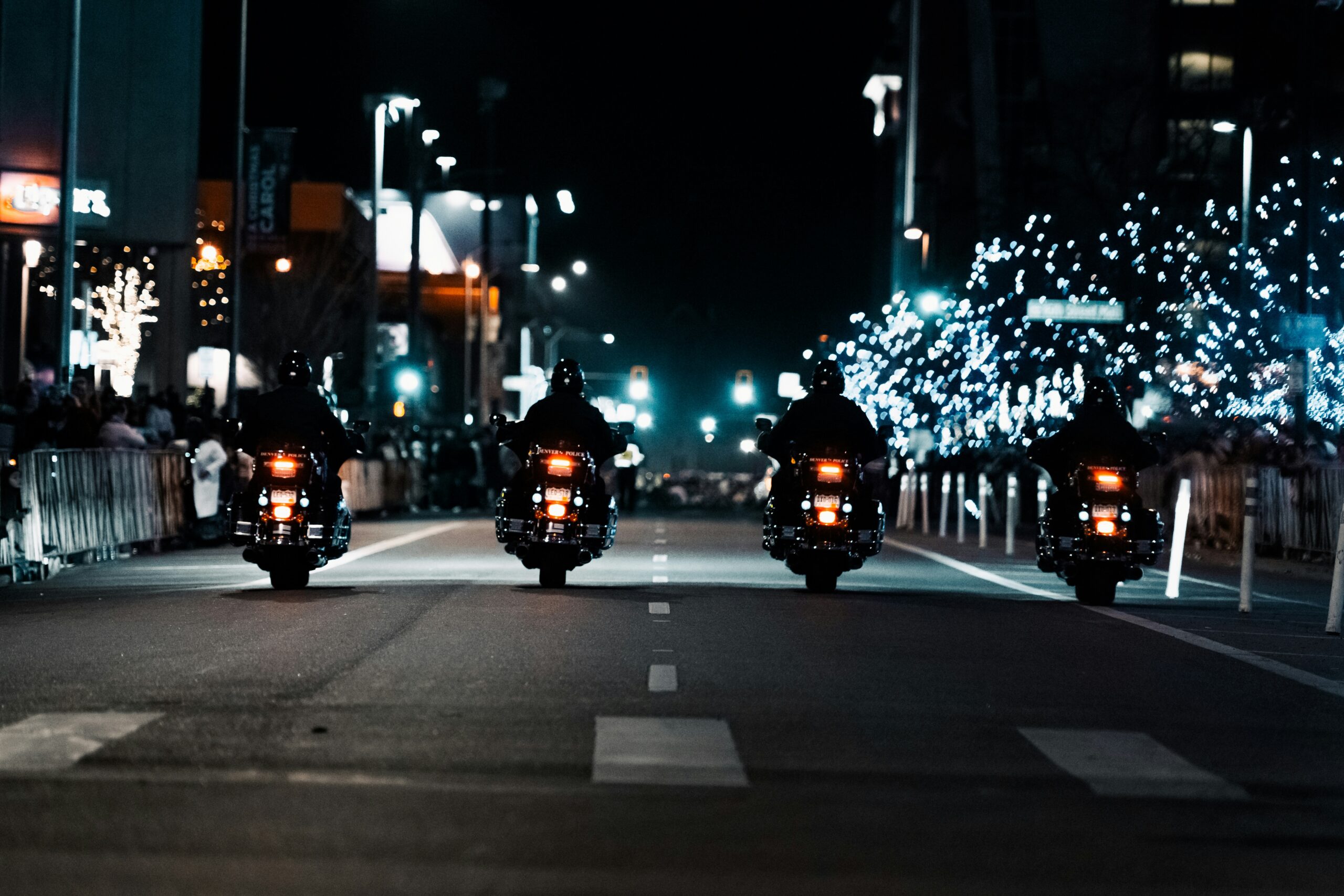
Macy’s original parade route covered about six miles through Manhattan, roughly double what it is today. Over the decades, the parade has shrunk to approximately 2.5 miles due to traffic concerns, logistics, and the physical demands on participants.
Marching bands and dance groups that participate practice for months, but even well-trained performers struggle with routes that stretch beyond three miles. The current route still takes about three hours to complete from start to finish.
Spectators at the beginning of the route see the parade around 9 a.m., while those at the end wait until nearly noon. The shortened distance also makes it easier for television crews to cover the entire event with strategically placed cameras.
Parade floats hide people pedaling bicycles inside
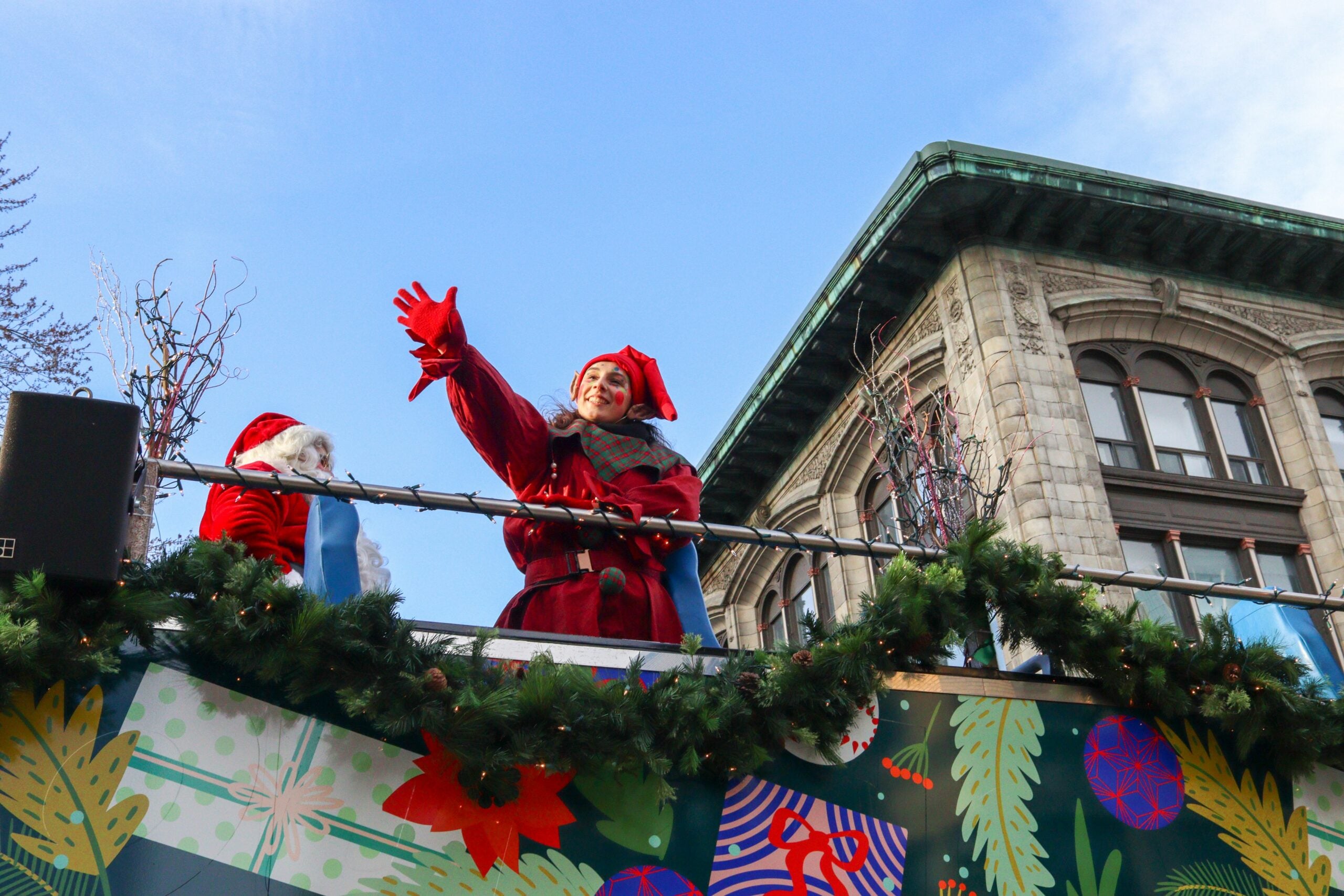
Many parade floats use bicycle-style pedaling systems hidden inside to help power the movement. These riders, often volunteers, pedal for hours while concealed within the float structure.
The temperature inside these enclosed spaces can climb quickly, even on cold November mornings. Some floats use small engines, but traditional pedal power remains common because it’s quieter and more reliable.
The riders inside can’t see where they’re going and rely entirely on spotters walking alongside the float who communicate through radios. This job requires serious endurance since the riders pedal continuously for several hours with minimal breaks.
Float designers build in ventilation systems and rest positions, but pedaling a parade float still ranks as one of the toughest volunteer jobs available.
Balloons get tested in giant warehouses before parade day
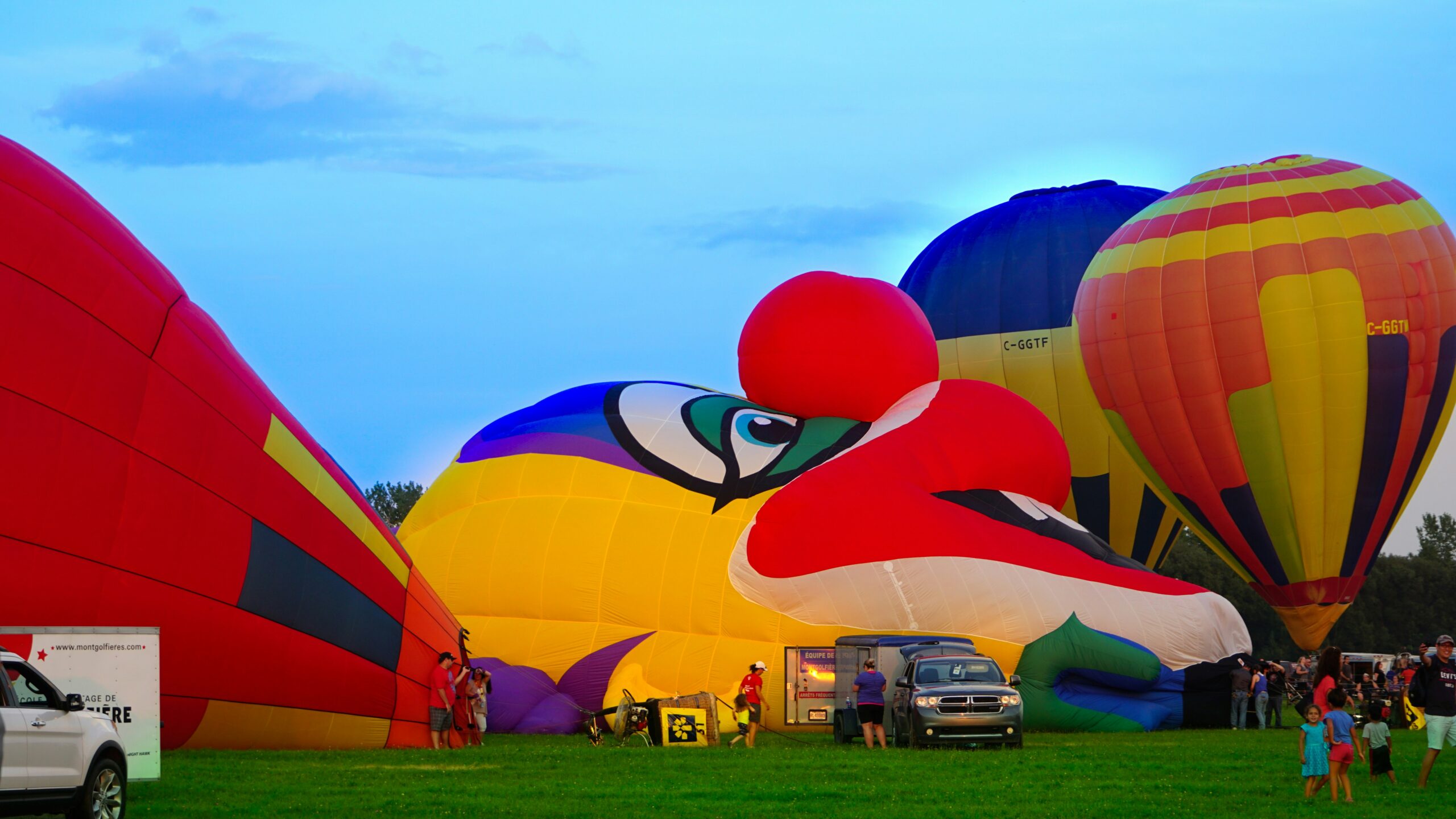
Macy’s operates a massive facility in New Jersey where balloon designers create and test new characters months before they appear in the parade. Each new balloon undergoes inflation tests to check for weak spots and balance issues.
Designers use computer modeling to predict how balloons will behave in wind, but actual testing remains essential. Some balloons that looked perfect in testing never make it to the parade because they prove too difficult to control.
The warehouse facility is large enough to inflate several full-sized balloons simultaneously. Engineers spend years perfecting a single balloon design, and characters often get multiple versions before Macy’s approves them for the parade.
Small-town parades often predate famous city versions
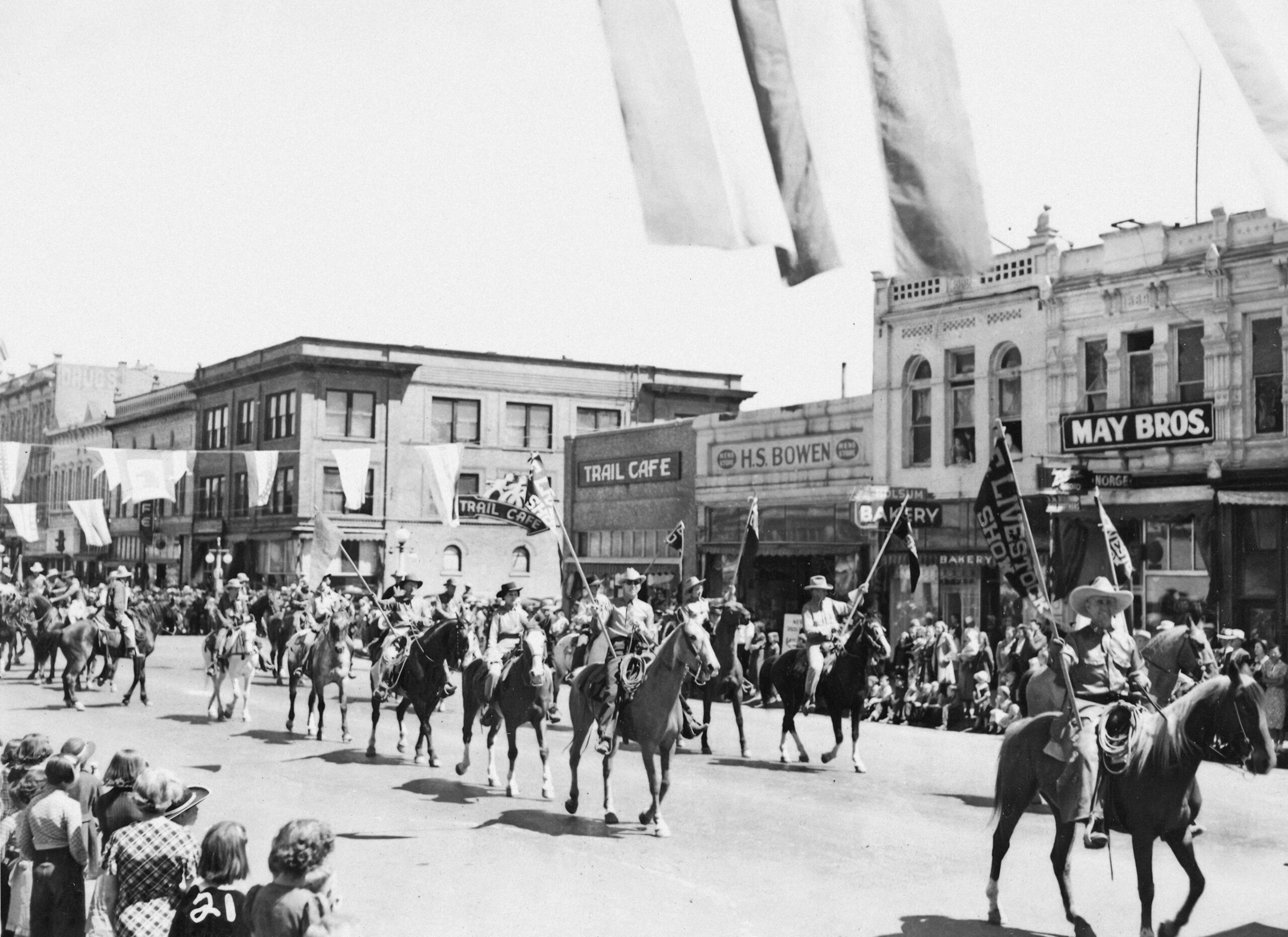
Many small American towns hosted holiday parades long before New York or other major cities made them famous. Philadelphia’s Thanksgiving parade actually started in 1920, four years before Macy’s got into the game.
Peoria, Illinois has run a Santa Claus parade since 1888, making it one of the oldest continuous holiday parades in the country. These smaller parades often feature local high school bands, community floats, and businesses rather than corporate sponsors and celebrity appearances.
The intimate scale of small-town parades creates a different atmosphere where attendees personally know many participants. Some families have participated in the same local parade for four or five generations, creating traditions that predate any televised spectacle.
Parade performers start their day in the middle of the night
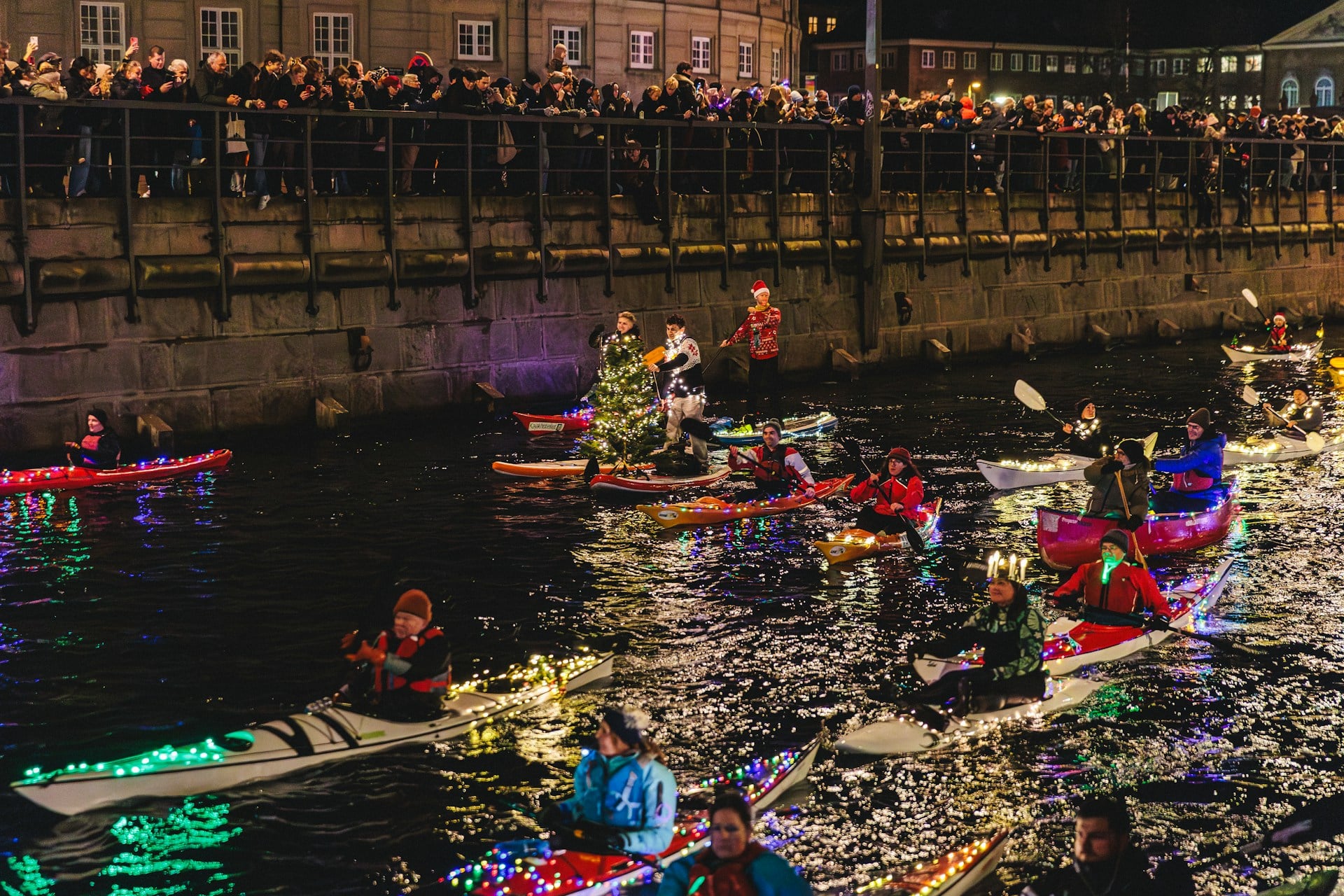
Participants in major holiday parades typically report for duty between 3 a.m. and 5 a.m. on parade day. Marching band members need time to warm up instruments, get into uniform, and reach their starting positions.
Float riders must go through safety briefings and get into costume. Balloon handlers gather in staging areas to practice coordination before the actual parade begins.
By the time television cameras start rolling around 9 a.m., performers have already been awake and active for four to six hours. The early morning preparation happens regardless of weather, meaning participants brave freezing temperatures, rain, or occasional snow during setup.
Many bands travel from other states and arrive in the city the night before, sleeping just a few hours before parade duty begins.
Weather has forced very few parade cancellations
Macy’s has only canceled its Thanksgiving parade three times in nearly 100 years, all during World War II from 1942 to 1944. The rubber and helium needed for balloons were rationed for the war effort, so Macy’s donated those materials instead.
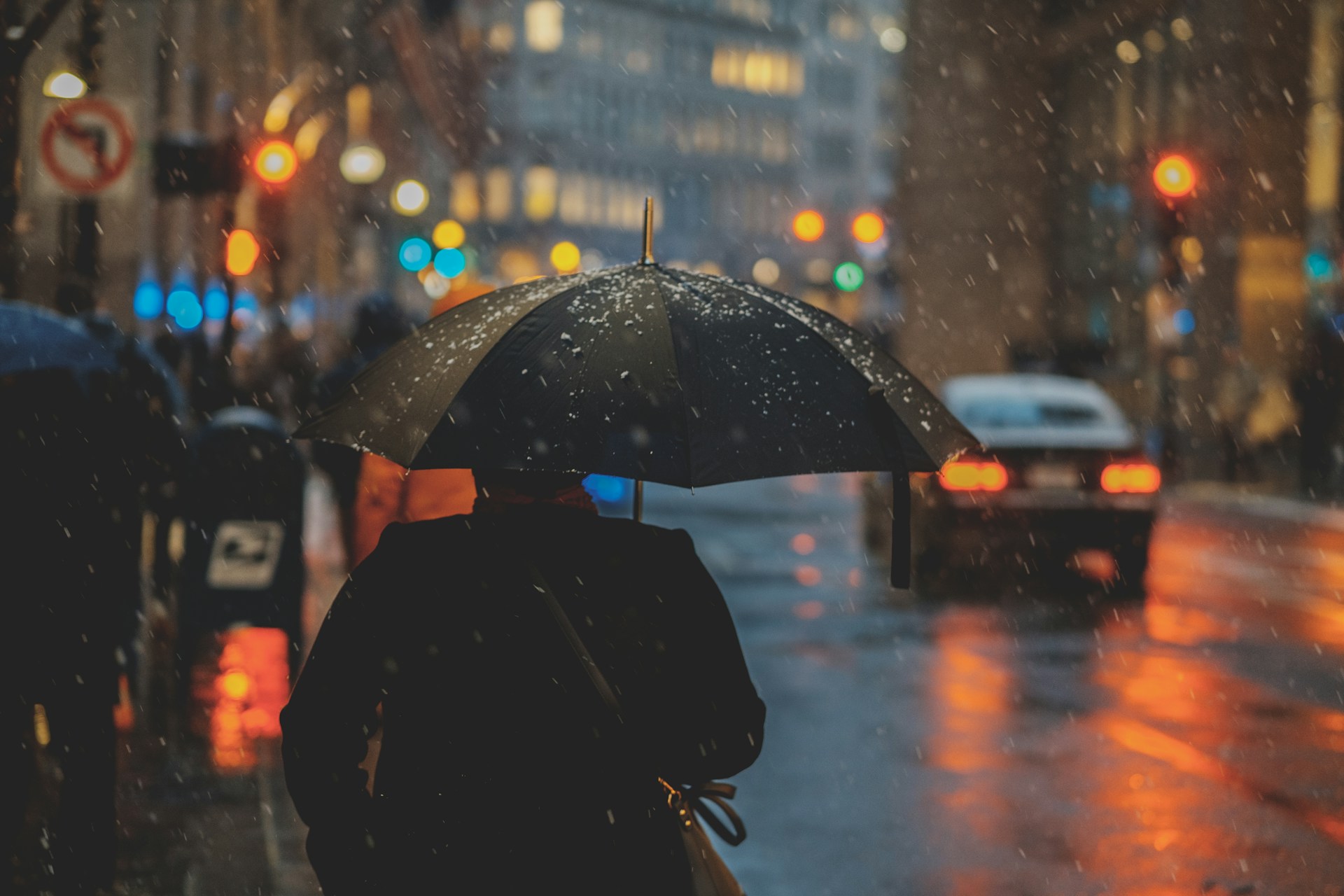
Snow, rain, and bitter cold have never stopped the parade, though weather has certainly made things uncomfortable for participants and spectators. The famous 1989 parade happened during heavy rain, and footage shows completely soaked performers pushing through.
In 1962, the parade marched through wind chills well below freezing. The show-must-go-on attitude persists because millions of people plan their Thanksgiving around watching the parade, and organizers don’t want to disappoint them.
Cleanup crews work faster than the parade moves
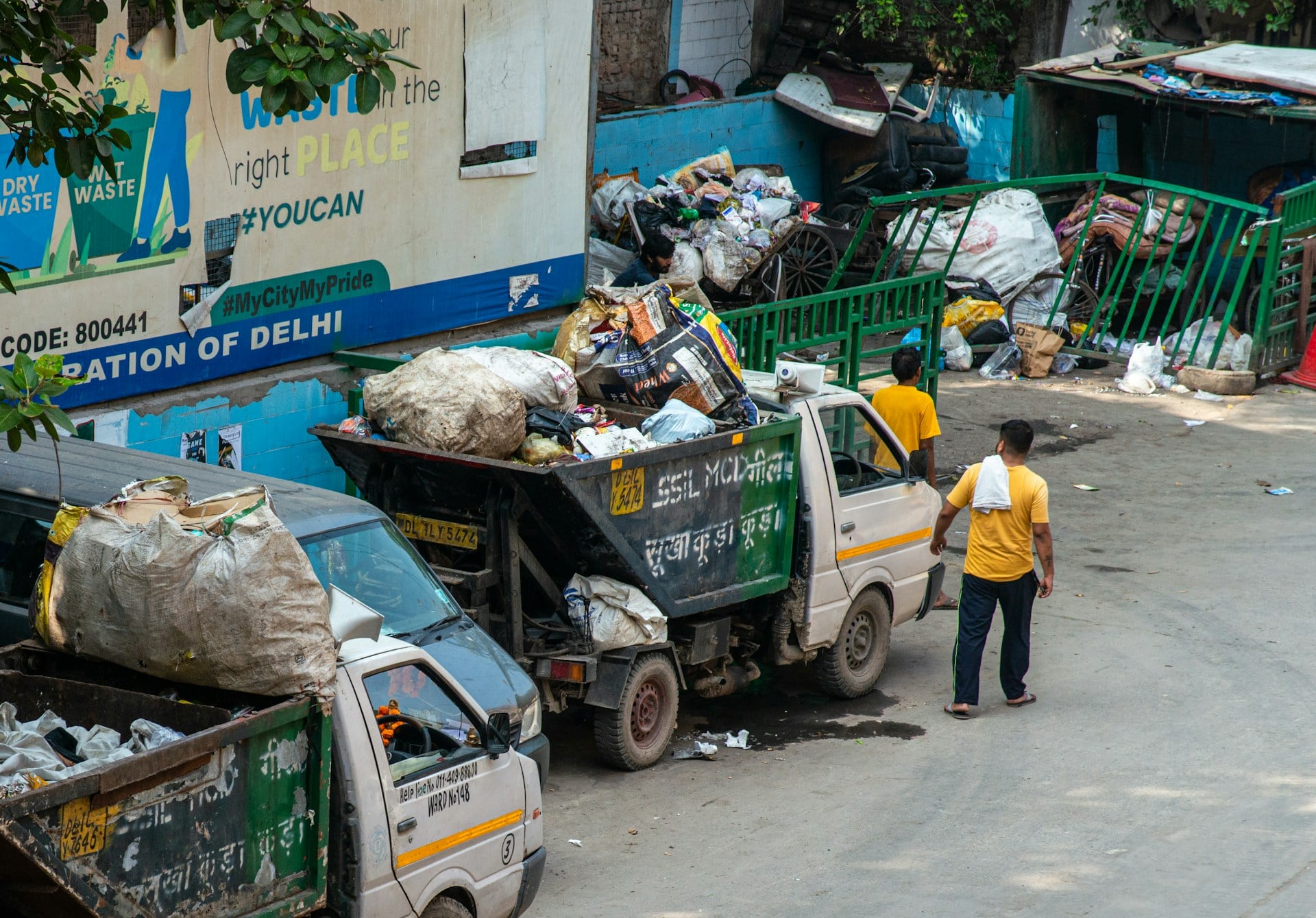
Sanitation workers follow directly behind the parade route, cleaning up debris before spectators have even left the area. Horses in the parade create the most urgent cleanup needed, and crews handle that situation within minutes.
The efficiency of parade cleanup has become a point of pride for cities that host major events. New York deploys hundreds of sanitation workers who complete most cleanup within two to three hours of the parade’s end.
These workers start their day even earlier than parade participants, reporting around midnight to position equipment. The rapid cleanup allows normal traffic to resume relatively quickly, though streets don’t fully reopen until late afternoon.
Some sanitation workers have been cleaning the same parade route for decades and take genuine pride in their contribution to the tradition.
Corporate sponsors pay hundreds of thousands for parade slots
Major companies spend between $200,000 and $500,000 to have a float in the Macy’s parade, not counting the cost of building the float itself. The exposure is valuable because the parade draws roughly 50 million television viewers and several million more online.
Some sponsors have participated for decades and consider their float part of the company’s brand identity. The application process for getting a float into the parade is competitive, with Macy’s maintaining control over which companies participate.
Smaller parades charge much less, but even local holiday parades often require sponsor fees that help cover insurance and permits. The corporate money helps offset the massive costs of producing these events, though cities still typically subsidize parades with public funds.
Marching band competitions determine parade invitations
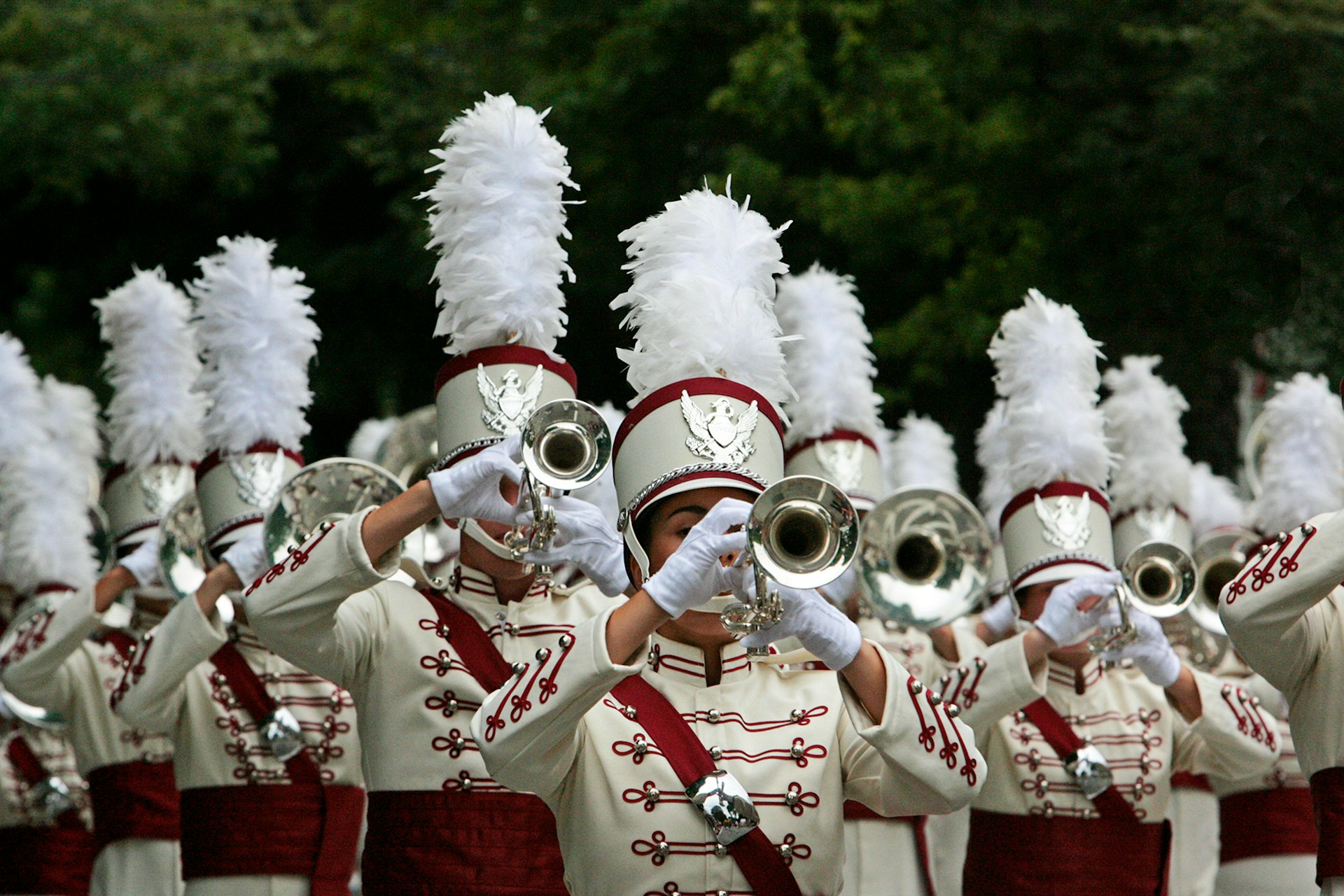
Marching bands seen in big parades typically reached those spots by winning tough tryouts. Though many high schools and colleges apply to join, only around twelve make it after facing strict reviews.
Instead of just applying, groups must send videos showing past performances while judges also check if members are ready for long hours on foot. Even when picked by Macy’s, there is no money given toward flights or hotels – funds come entirely from local efforts stretching over months.
What most people do not realize is how much work happens before the first note plays down the avenue. A spot in the big parade often stands out most during a student’s time at school.
When bands gather enough skilled players, they sometimes go back on the route – years apart, but with steady rhythm.
Television broadcasts transformed parades completely

Long before TV brought parades into living rooms, crowds gathered just to watch in person. When cameras showed up, planners shifted focus – crafting moments meant for screens, not sidewalks.
Tall floats rose skyward, built to impress viewers at home more than those standing nearby. Dancers moved differently too, shaped by lens views instead of front-row eyes.
Timing bent to suit airtime slots, turning once-local marches into clockwork timed for broadcasts. Folks line up early, shivering under winter skies, drawn by something screens can’t quite capture.
Even so, cameras now shape how floats move and bands perform, adjusting for close-ups instead of curbside views. Still, those broadcasts let grandparents far away see their grandkids’ dance routines live.
While some say the magic fades on airwaves, others find joy just knowing they’re included at last.
Fees for parade coverage now climb fast. Higher prices hit budgets hard these days

Now cities hand out big insurance payments just to cover possible mishaps during parades. After balloons went off course in New York back in 1997, rules tightened overnight.
Coverage demands jumped sharply at that point. Smaller towns? Many gave up on parades completely – too expensive to insure.
One modest city event might need a million bucks’ worth of protection minimum. Before signing off, insurers dig into how teams handle wind warnings, manage crowds, train volunteers, and follow safety steps.
It all has to add up right. Fewer smiles now when paperwork shadows every float down the street.
Getting permits means answering questions nobody asked back in the day. Joy still matters, yet rules pile up like old banners stored in city basements.
Safety checks stretch longer each year, tied tightly to signatures on forms. What once felt like celebration now walks hand in hand with liability concerns.
Old ways walk beside what comes next
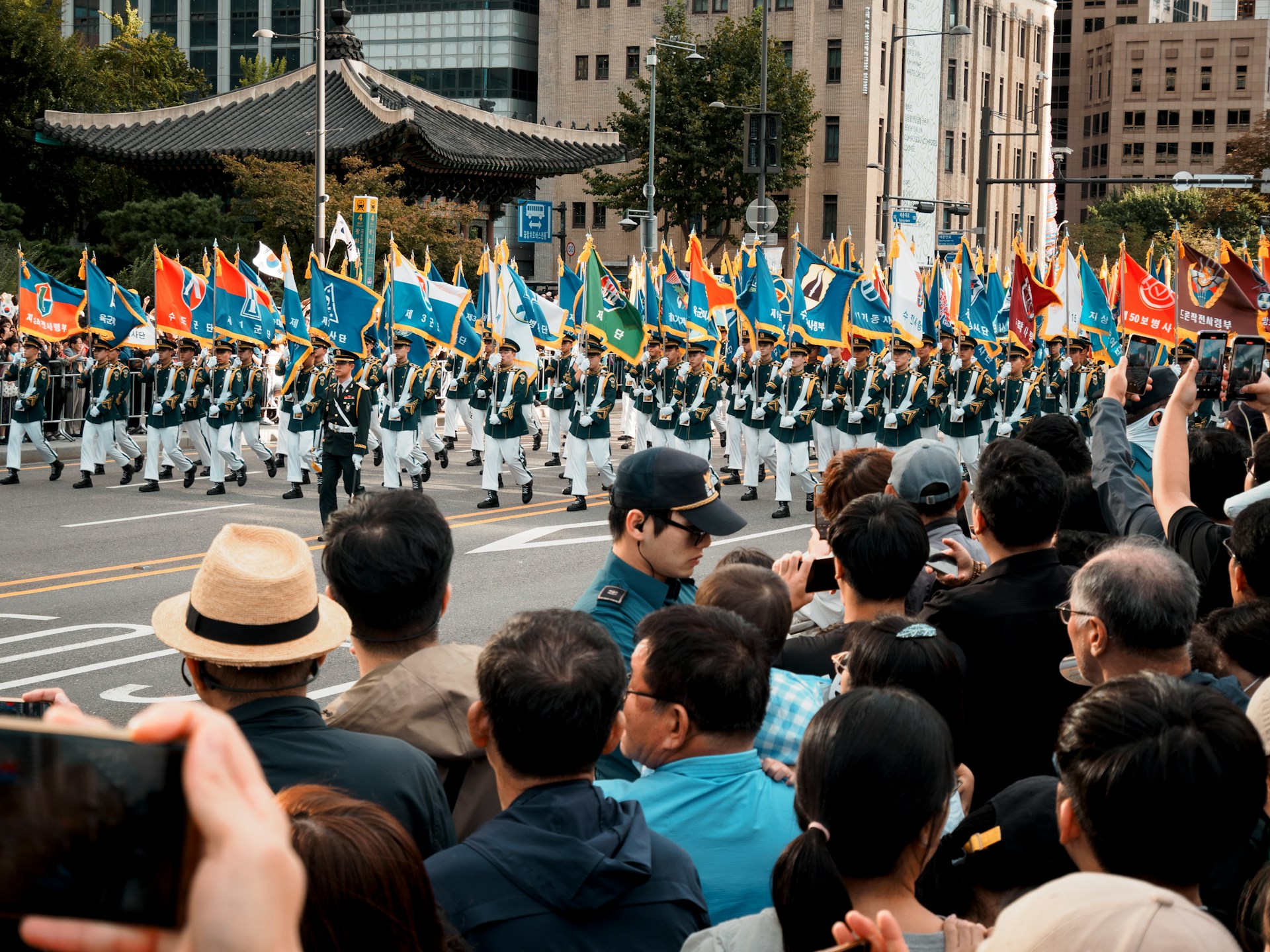
What holds these moments together isn’t nostalgia alone, yet familiarity plays its part. Back when black-and-white screens showed marching bands, those kids are now elders holding devices that glow with live feeds.
Towns keep rolling out homemade floats beside fire trucks, quite unlike urban versions packed with corporate banners. Even as cartoon figures shift every decade, some things stay – like the hush before a balloon takes shape overhead.
Progress tugs at old rhythms, sure, but people still bundle up and stand on curbs just to share a moment. Connection shows up quietly here: not through speeches or slogans, simply frozen hands clutching hot drinks while music fades down empty streets.
More from Go2Tutors!

- The Romanov Crown Jewels and Their Tragic Fate
- 13 Historical Mysteries That Science Still Can’t Solve
- Famous Hoaxes That Fooled the World for Years
- 15 Child Stars with Tragic Adult Lives
- 16 Famous Jewelry Pieces in History
Like Go2Tutors’s content? Follow us on MSN.



